
Home » Articles posted by Paula Bowles (Page 3)
Author Archives: Paula Bowles

A Love Letter: in praise of the blog

This is my fourth “love letter”, it follows on from personal dedications to art, poetry and the writing of Agatha Christie. This one is the newest of my “loves” and also marks a celebration.
Yesterday marked the 5th birthday of the Thoughts From the Criminology Team blog. I’ve documented our history before, so don’t want to go over the same ground. However, it is worth mentioning that very soon we will have reached over 50,000 views across 129 countries. (Interesting fact, after the UK and the USA, our next biggest group of readers is based in Hong Kong). We’ve come a very long way from our first cautious forays into the blogsphere and today I want to celebrate the things that I love most about our blog.
First, it provides accountability, it means that even in the most difficult times when writers’ block hits, I have to write. It may not be my best writing, at times it is very loosely structured and when I look back I do wonder what was in my mind. Nevertheless, something was written, which means that something else can be written. It means my ideas are captured and can be explored further, combined with other ideas or even abandoned. Over time it has also enabled me to see what reoccurs enabling me to develop my academic and personal passions.
Second, it provides a refuge and solace for writers (and hopefully readers). This was most obvious during the first year of the Covid-19 pandemic when we were rapidly releasing entries, sometimes on a daily basis. In total in 2020, the blog published 222 separate entries containing 190,226 words. To put that into context, in an “ordinary” year, we generally manage around 90 entries a year. It is fair to say our bloggers have explored this unprecedented time in many different way. This place of refuge and solace has also been very apparent in entries centred on Black Lives Matter. Most recently in can be observed in entries around the recent UCU industrial action, see here, here, here. here and here.*
In August 2011, following soon after the police shooting of Mark Duggan, riots broke out in many of our inner cities. I desperately wanted to discuss what was happening with my colleagues and students, but alas it was peak summer and everyone was away. This brings me to my third point, the blog allows writers to respond quickly to events happening, both in the UK and globally, in a way that isn’t always possible in the classroom (timing, constraints of the timetable and curriculum). For instance, responses to the sexual allegations against Prince Andrew, the Windrush scandal, the murder of George Floyd, and Russia’s invasion of Ukraine to name but a few. It also allows us to take part in national and global initiatives such as Gypsy Roma Traveller History Month and Amplify Melanated Voices giving more space to those too often excluded.
Fourth, it allows writers to focus on issues that are very close to them. For instance, the Hillsborough and Grenfell disasters and Black history. These are extremely difficult to address in a single blog entry, hence they are discussed by a variety of different authors approaching them in diverse ways. What is more important than answers is the space to explore these issues, without censorship and with room for others to also contribute an alternative perspective.
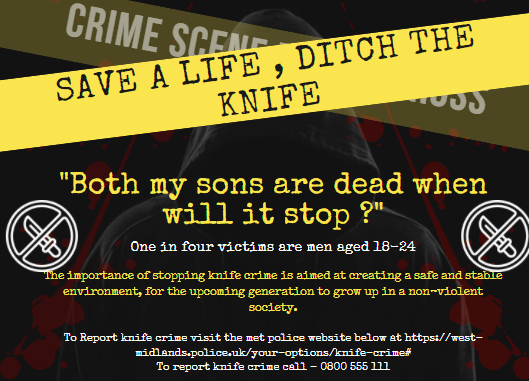
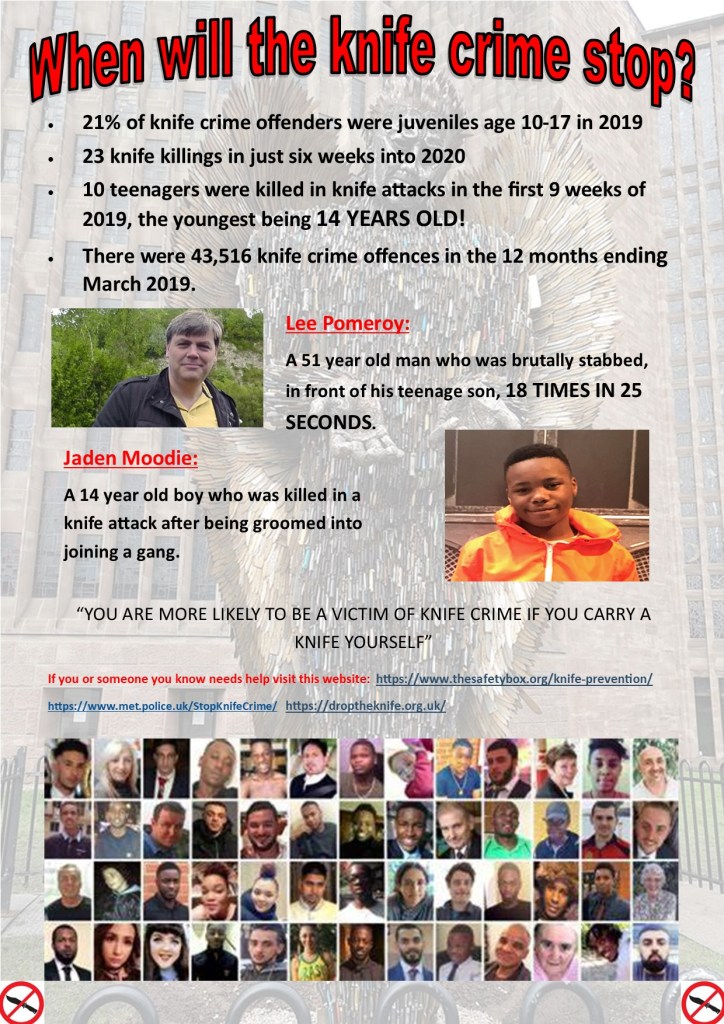
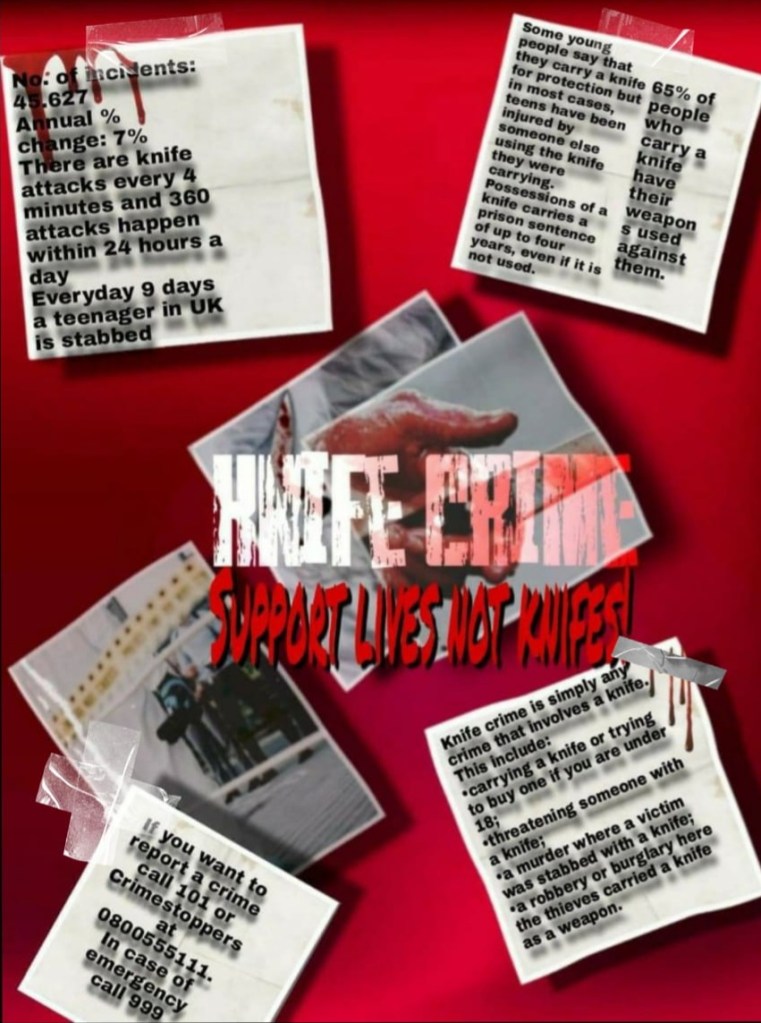
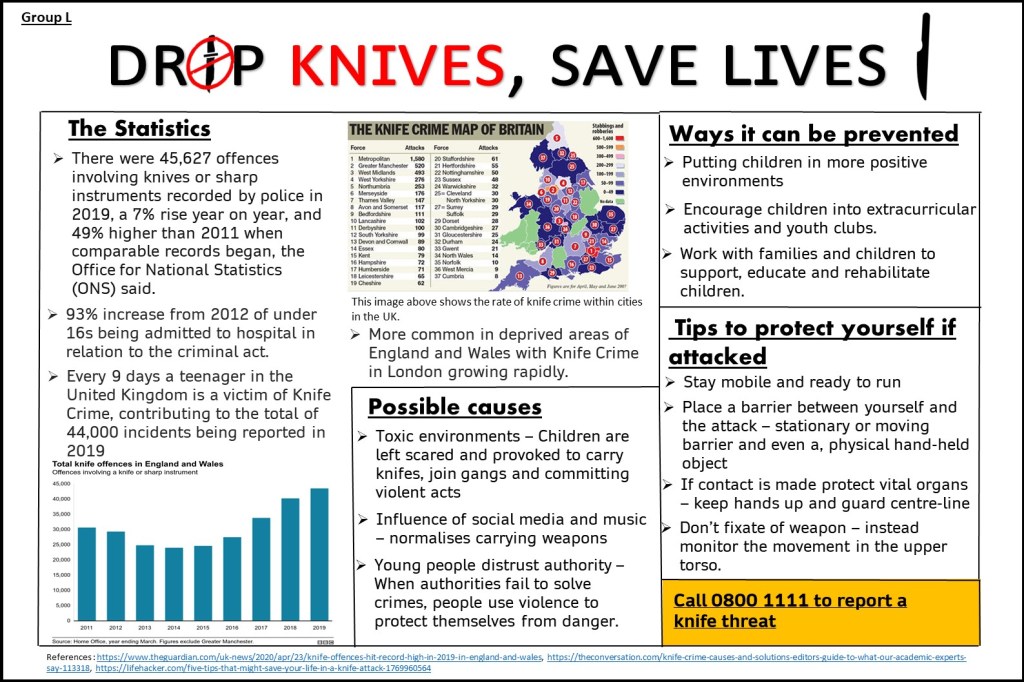
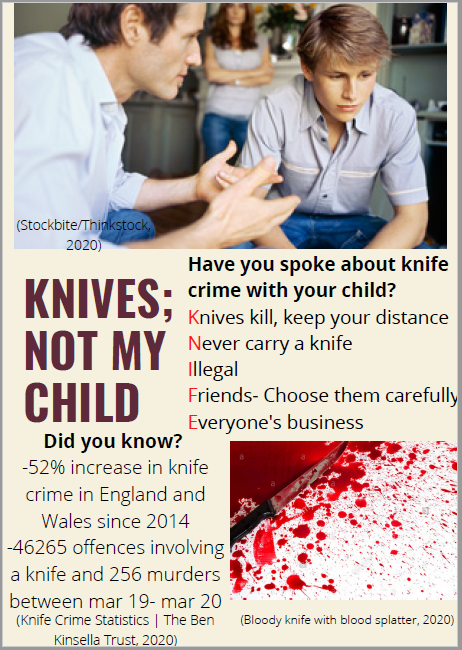
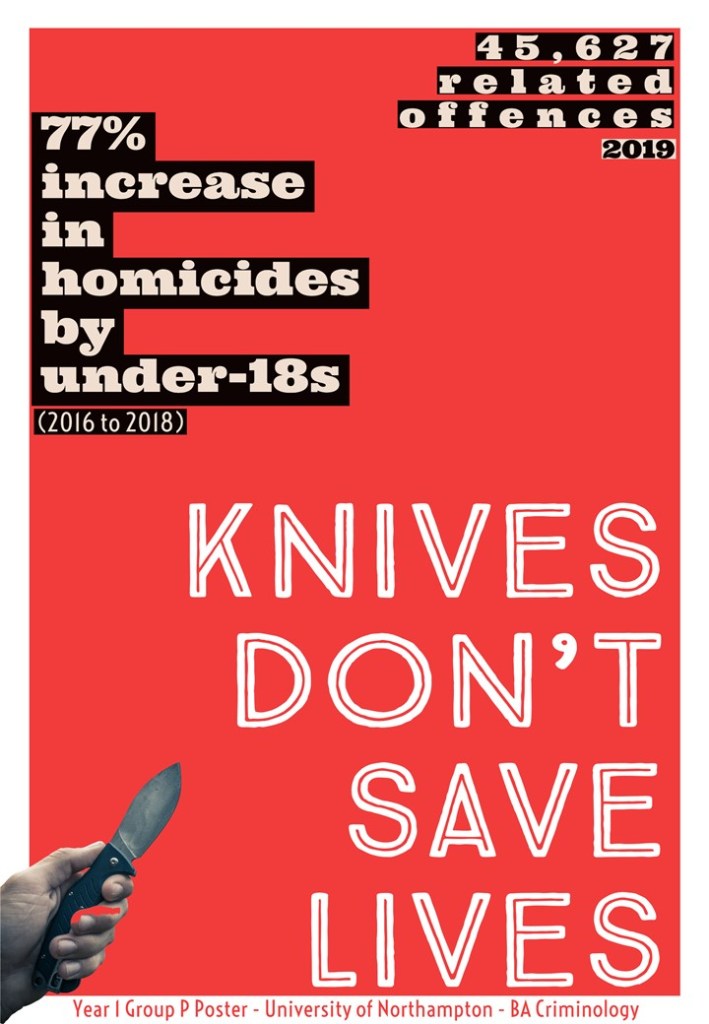
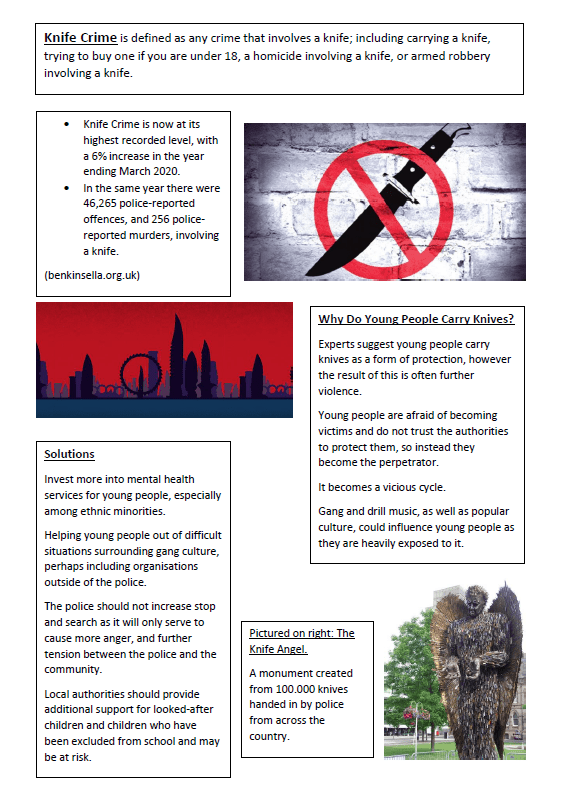
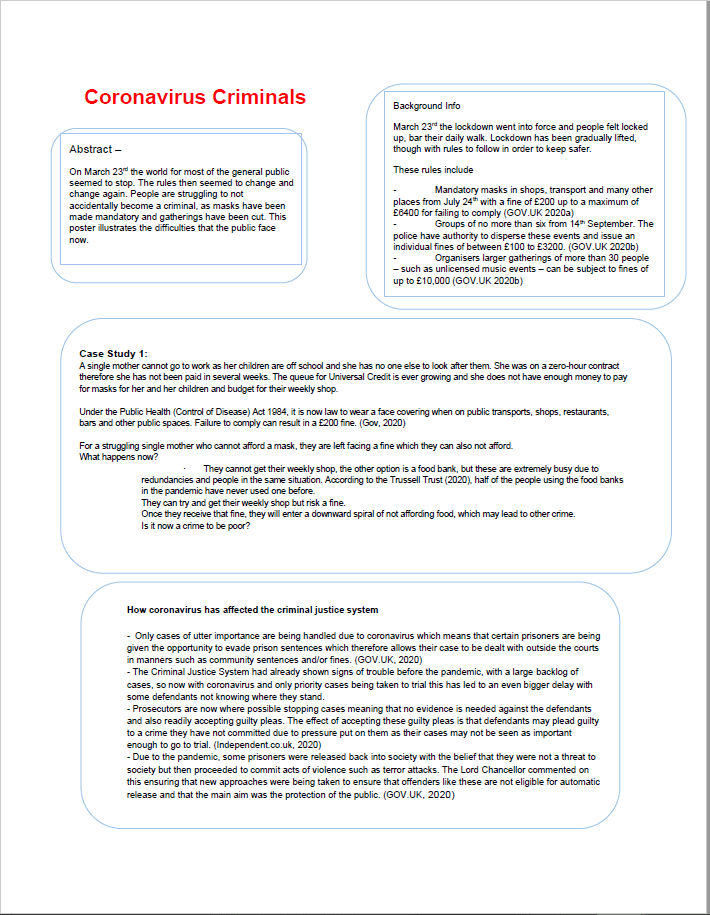
Fifth, the blog provides a place to showcase student and graduate excellence outside of institutional paremeters. For example our now annual ‘First Week Activity‘ offers the opportunity for students to work together to create posters on very current issues. in 2020/21 the criminological issues discussed were Knife Crime, Policing Protest and Creating Covid Criminals and our students demonstrated their criminological knowledge and understanding to a very high standard. The blog also provide a space for our newest (or soon to be) graduates to write about their dissertations as well as students and graduates to write about the things that excite their criminological imagination.
Sixth, it provides space for debate, discussion and most importantly, disagreement. A beautiful example of this is the two entries focusing on policing and racism, here and here. Similarly, discussions around misogyny, femicide and the murders of Sarah Everard and so many other women, here, here and here. Only through thoughtful and empathetic dialogue and exposure to different standpoints can we hope to gain the holistic understanding so imperative to criminology.
Seventh, there are no rules around blog writing, only the constraints provided by the medium. Those that write for the blog are provided with very generic guidance to allow them to decide how best to explore their subject, maybe through a short essay, complete with references, maybe in the style of a news article with lots of images, or perhaps through poetry. The choice is down to the individual blogger and very little in the way of copy editing, beyond the occasional correction of typo goes on behind the scenes.
By now it should be clear that my love for the blog is strong and unwavering. From the smallest of ideas, the blog has grown into something beautiful and inspiring, beyond my imagination in 2017. It has attracted a wonderful collective of very different people coming from all different standpoints and perspectives. Equally important there is space for many more voices to contribute. For sure, there is plenty more we can do, to provide space for more subjects, more bloggers, more perspectives, more initiatives and we will keep striving to offer this. Nevertheless, I am incredibly proud to have played a part and to continue to be involved in this joint enterprise as partners in criminology. Our blog is definitely something worth celebrating and not just on its birthday. To my fellow bloggers, I raise a glass, may we never lose the desire to argue, debate, discuss and continue to learn from each other.

*It is worth noting that in discussions around what constituted Action Short of a Strike [ASOS], the Criminology Team decided that the blog was too important to each of us to consider abandoning it, even for a short period time while industrial action is ongoing.
Share this:

Why I am on strike


Technically, I’m not on strike today because I don’t work today. I am employed as a senior lecturer in history on a 0.6 contract, and this semester that means I work – at least in theory – Wednesday – Friday, 9am to 5.30pm.
The reality of course is quite different. Keeping on top of admin and teaching preparation, attending meetings, marking assignments and actually delivering teaching (the core part of my job!) takes up that time. If I do research, it’s usually in time that’s not paid for by my university, even though it makes up 20% of my contractual hours.
In a lot of ways I’ve been fortunate. I was initially hired on a one year contract, on a 0.5 basis. That I’ve been made permanent, had my paid time increased slightly, and I’ve been promoted is hopefully testament to the…
View original post 397 more words
Share this:


Striking is a criminological matter

You may have noticed that the University and College Union [UCU] recently voted for industrial action. A strike was called from 1-3 December, to be followed by Action Short of a Strike [ASOS], in essence a call for university workers to down tools for 3 days, followed by a strict working to contract. For many outside of academia, it is surprising to find how many hours academics actually work. People often assume that the only work undertaken by academics is in the classroom and that they spend great chunks of the year, when students are on breaks, doing very little. This is far from the lived experience, academics undertake a wide range of activities, including reading, writing, researching, preparing for classes, supervising dissertation students, attending meetings, answering emails (to name but a few) and of course, teaching.
UCU’s industrial action is focused on the “Four Fights“: Pay, Workload, Equality and Casualisation and this campaign holds a special place in many academic hearts. The campaign is not just about improving conditions for academics but also for students and perhaps more importantly, those who follow us all in the future. What kind of academia will we leave in our wake? Will we have done our best to ensure that academia is a safe and welcoming space for all who want to occupy it?
In Criminology we spend a great deal of time imagining what a society based on fairness, equity and social justice might look like. We read, we study, we research, we think, and we write about inequality, racism, misogyny, disablism, homophobia, Islamophobia and all of the other blights evident in our society. We know that these cause harm to individuals, families, communities and our society, impacting on every aspect of living and well-being. We consider the roles of individuals, institutions and government in perpetuating inequality and disadvantage. As a theoretical discipline, this runs the risk of viewing the world in abstract terms, distancing ourselves from what is going on around us. Thus it is really important to bring our theoretical perspectives to bear on real world problems. After all there would be little point in studying criminology, if it is only to see what has happened in the past.

Criminology is a critique, a question not only of what is but might be, what could be, what ought to be. Individuals’ behaviours, motivations and reactions and institutional and societal responses and actions, combine to provide a holistic overview of crime from all perspectives. It involves passion and an intense desire to make the world a little better. Therefore it follows that striking must be a criminological matter. It would be crass hypocrisy to teach social justice, whilst not also striving to achieve such in our professional and personal lives. History tells us that when people stand up for themselves and others, their rights and their future, things can change, things can improve. It might be annoying or inconvenient to be impacted by industrial action, it certainly is chilly on the picket line in December, but in the grand scheme of things, this is a short period of time and holds the promise of better times to come.
Share this:

Workplace Stress
There is comfort in knowing that there is shared experience
So, Northampton, why are we striking over the Four Fights of pay, equality, workload and casualisation? UCU explains here:
The Four Fights dispute is about demanding fair treatment for staff across the sector and a comprehensive remedy for the way in which your working conditions have been undermined over the past decade.
The combination of pay erosion, unmanageable workloads and the widespread use of insecure contracts has undermined professionalism and made the working environment more stressful for staff.
The average working week in higher education is now above 50 hours, with 29% of academics averaging more than 55 hours. A UCU survey conducted in December 2020 saw 78% of respondents reporting an increased workload during the pandemic.
The pay gap between Black and white staff is 17%. The disability pay gap is 9%. The mean gender pay gap is 15.1% and at the current rate of change it will not be closed for another 22 years.
Finally, workload, pay inequality and…
View original post 886 more words
Share this:


Criminology First Week Activity (2020)

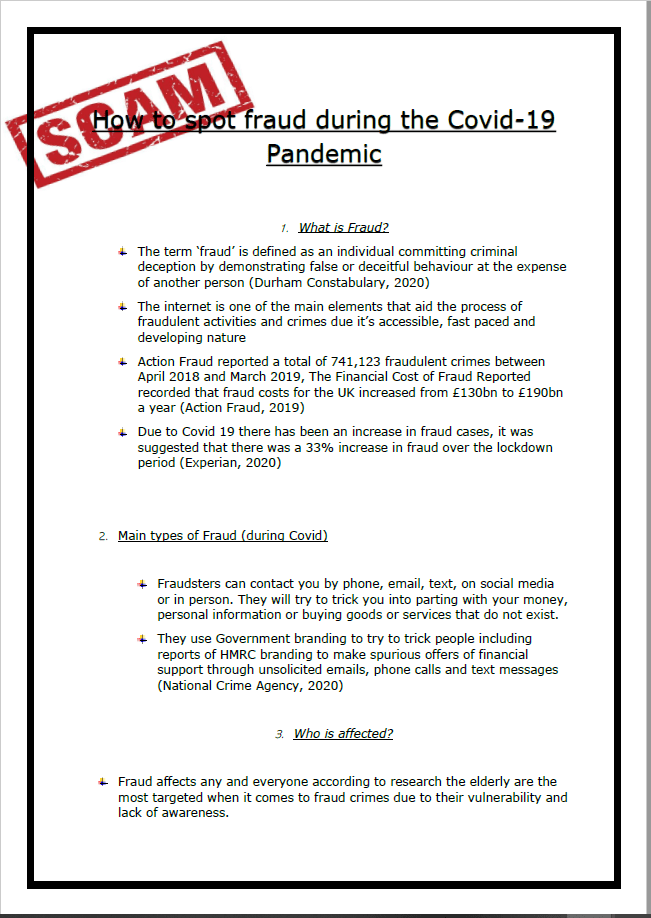
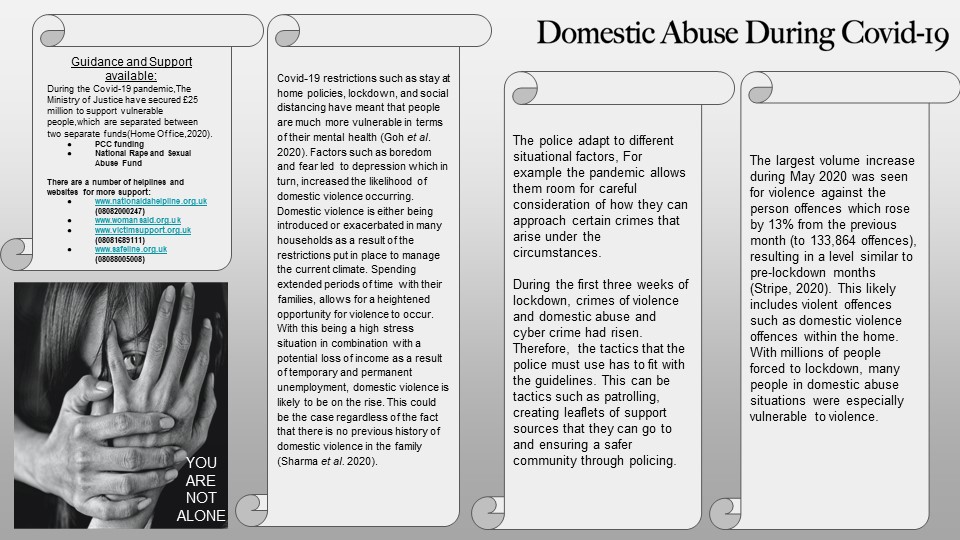
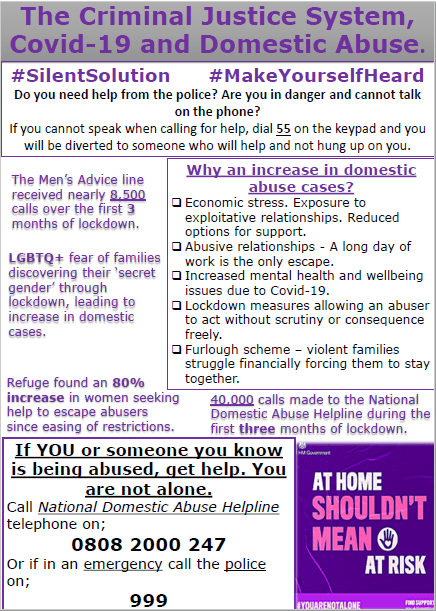
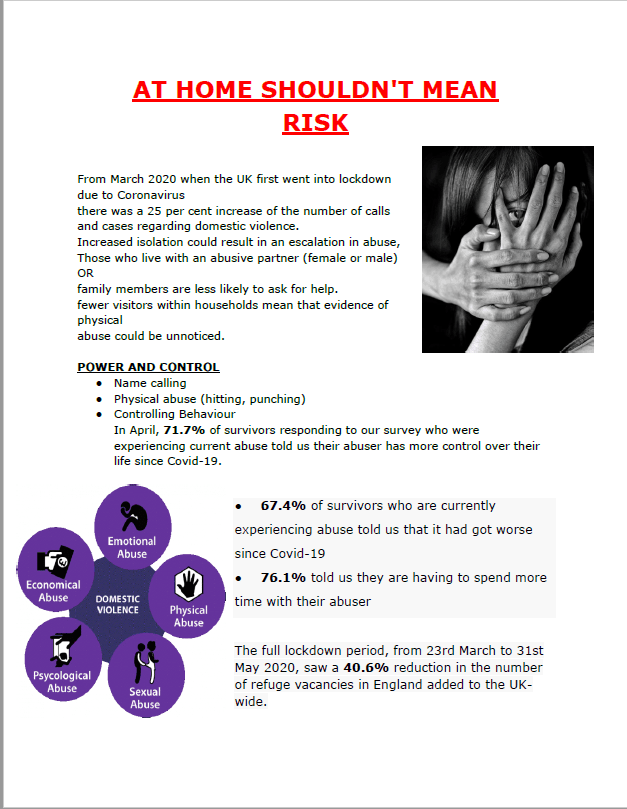
As we prepare to start the new academic year, it is worth reflecting on the beginning of the last one. In 2020 we began the academic year with a whole cohort activity designed to explore visual criminology and inspire the criminological imagination. Students were placed into small (socially distanced) groups, provided with a very short prompt and limited guidance as to how best to tackle the project. The prompts were as follows:
Year 1: Knife Crime
Year 2: Policing Protest (e.g. Black Lives Matter, Extinction Rebellion and so on)
Year 3: Creating Criminals: the CJS during the Covid-19 pandemic
Many of the students had never physically met, yet managed to come together in the midst of a pandemic, negotiate a strategy, carry out the work and produce well designed and thoughtful, criminological posters.
As can be seen from the collage below, everyone involved embraced the challenge and created some remarkable posters. Some of these have been shared previously across social media but this is the first time they have all appeared together in one place.
I am sure everyone will agree our students demonstrated knowledge, understanding, resilience and stamina. We will be running a similar activity for the first week of the academic year 2021-2022, with different prompts to provoke thought and encourage dialogue and team work. Who knows what exciting ideas and posters will be demonstrated this time, but one thing is for sure Criminology students have the opportunity to campaign for social justice becoming real #Changemakers.

















Share this:


#CriminologyBookClub: The Hundred-Year-Old Man Who Climbed Out of the Window and Disappeared

As you know by now, a small group of us decided the best way to thrive in lockdown was to seek solace in reading and talking about books. Hence the creation of #CriminologyBookClub! Building on on what has quickly become standard practice, we’ve decided to continue with all eight bloggers contributing! This title was the second chosen by @paulaabowles and is our 13th book. Read on to find out what we thought….
I chose this book on the strength of its quirky title. In terms of quirkiness, it didn’t disappoint. What’s not to like about the adventures of a centenarian? Part history lesson, part Forrest Gump, the cast of characters includes Stalin, Chiang Kai-shek and Harry Truman, alongside Allan, Beauty and an elephant called Sonya (seems Criminology Book Club cannot escape elephants from our reading diet…)! The story, despite including all manner of improbable deaths, is a gentle read. In many ways, it reminded me of Leslie Thomas’ The Adventures of Goodnight and Loving and I do have to say I prefer that story. Nevertheless, it was lovely to see the representation of older characters in an adventurous tale.
@paulaabowles
A centenarian is the most unlikely hero! Their mortality alone makes them too frail and fragile to be featured in a movie where villains end up dead in a path of carnage. In this book, the title is not a metaphor but most literal. A century old man is running away in his slippers dragging a stolen suitcase; somehow the story of what happens next, becomes compelling in this fast-paced action-packed adventure. The old man is carrying with him also a century of stories involving “who’s who” of the 20th century! At some point you are wondering if this is a comedy of errors, a farce or a spy thriller. The old man, in his back and forth stories, is bringing to light the absurdity of the 20th century, the political and ideological conflict of the time. This part of the story becomes a bit of a parody and the flashbacks become a bit tiresome as they seem to take us away from the main story, as you are left wondering will the old man live another day?
@manosdaskalou
I found this book an absolute joy to read, laughing out loud throughout. The book was about a centenarian who gets into all kinds of adventures and has done throughout his life. Each story of how he accidentally fell into situations with various historical political figures made me chuckle. What I also liked was that the book was devoid of any emotion. The love stories were quite clinical, the life and death situations fearless but this is just what I needed, and I think it made the book even more funny. More slapstick humour than romcom, it was completely ridiculous and an unlikely tale but because of this I could laugh at the dinners with murderous war mongers and the protagonist’s penchant for blowing stuff up.
@amycortvriend
We’ve come full circle in relation to book choices: it is Paula’s choice once again! And in all fairness, this book was more enjoyable than the Yellow Room. The Hundred-Year-Old Man Who Climbed Out the Window and Disappeared, was a book of two halves for me. The first half was witty, quick paced, and not like anything I had read before. However the second half of the book, was repetitive and without giving away any spoilers, the characters did not develop into the loveable rogues I thought they were. They remained quite stagnant. Nevertheless, I did really enjoy the book and found myself chuckling away at various points. Something which none of the other choices (excluding Inspector Chopra) have done. Good choice, @paulaabowles: I wonder how @manosdaskalou’s second choice will fare?
@jesjames50
The 100 Year Old Man was a novelty for me. Prior to this I had never encountered a book where the main character at 100 years old gets up to all kinds of unintended mischief. The sense of adventure included within the book was something that I needed at the time, although I found that the appeal of the book began to wear off at the half-way point. I also found some descriptions to be problematic from my own point of view, but overall I enjoyed the book!
@haleysread
I don’t suppose you get to be a hundred years old without having a few tales to tell. Allan’s life appears to have been a little more adventurous than most and his absconding from an old people’s home seems to be a continuation of mishaps and mayhem. A delightfully funny book, cleverly written to incorporate some historic characters into the narrative. The chapters jump from the past to the present and back again, sometimes leaving you wanting to skip a chapter to continue the narrative of the past or to find out what happens next in this tale of murder and destruction. Its amazing what you can get away with when you are a hundred years old. I can’t wait to get my hands on the next book.
@5teveh
I haven’t read a book like this before and really enjoyed the whole concept of a much older than average ‘hero’ and their adventures both past and present. The glimpses into his colourful past and the famous faces from throughout history that he met along the way gave this book an interesting sense of time and place – both completely fictional and yet almost plausible in the real world. The writing style was also different from the other books we have read as a group and I found it very funny in places. Overall I found the book slightly too long – the novelty began to wear off and I found myself a little fed up with the alternating chapters between past and present ( I preferred those set in the present, though I know others in the group preferred those set in the past) but am still excited to find out what happens to him and his friends in the next book!
@saffrongarside
I was not expecting what I was going to read….elephants, gangsters and men locked in freezers. This book is a light and easy read. It centres around the very colourful life of 100 year old Alan Karlsson. Throughout the book Alan takes you on a journey to meet some interesting historical figures such as Stalin and President Truman. In many ways Alan influences these characters, which in essence shapes events that have happened in history.
We also follow Alan’s life in present day, in which we follow outlandish characters through a very humorous story. Overall, I really enjoyed this book. It kept me entertained and wanting more. Although some parts of the book were about some dark things, such as Eugenics and abuse under the guise of ‘medicine’ the humorous present-day story of Alan’s journey balanced this book out, making it a light hearted tale.
@svr2727
Share this:


Taking a short break….back soon

The Covid-19 pandemic has taken its toll on everyone in a myriad of different ways. Nobody has escaped the impact of the last 16 months and we’re not out of the woods yet. Here at the Thoughts From the Criminology Team we’re no different. All of us are beginning to run out of steam and need a little break. Never fear, we’ll be back with lots of interesting entries from September. In the meantime, there’s plenty on the site to explore.
Enjoy your August whatever you are up to!
Share this:


Thinking Criminologically: Engaging with darkness

Often when you mention the word criminology to lay people outside of the academy, the initial response is “ooh that’s interesting” or “that sounds exciting”. The next step in the conversation usually reverts to the most extreme forms of interpersonal violence, murderers, serial killers and so on. For many, criminology appears to be the home of “whodunnits”. People talk of Ted Bundy, Ian Brady and Myra Hindley, Fred and Rose West and want to know why they did what they did. For decades, the unsolved case of Jack the Ripper has been pored over by authors, television makers and the general public. For those who choose to engage, we have seen the female victims of this unknown man, eviscerated, degraded and ultimately slain, again and again for the reader/viewers’ delectation. This is not criminology.
Criminology recognises there are no winners in crime, only people left shattered, those devastated by their actions or those impacted by criminality. People are left bloody, bowed and bereaved through victimisation by individuals, institutions and the State. Yet just look on a bookshops ‘Crime’ shelves or flick through the programme schedules and you will find no sign of this. As a society we revel in this darkness and package it as entertainment. This is not criminology.
On the news we see discussions around crime and criminals. What should we do? Shall we give the police yet more powers? Shall we give those oh so lenient judges less leeway for discretion? Should we lock the offenders up and throw away the key? Should we bring back National Service? What about a boot camp? Should we consider bringing back the death penalty? How can we teach these people a lesson they won’t forget? Notice that all of these suggestions are designed to be more and more punitive, no discussions are focused around purely rehabilitative programmes, defunding the police or penal abolition. This is not criminology.
The problem with all of the ideas contained within the preceding paragraphs, is they are entirely negative. Criminology despite its focus on crime, criminality and criminalisation, has a positive focus, motivated by empathy and non-violence, if not pacifism. It is about trying to understand complexity and nuance in human and institutional behaviour. It is not interested in simplistic, quick fire, off the cuff answers for crime. It is forward looking, unconcerned with the status quo and more focused on what ought or might be. It intrinsically has social justice at its heart, an overwhelming desire for fairness for everyone, not just some. This is criminology.
This month is Gypsy, Romany, Traveller History Month, this week is also Refugee Week. Both are groups rarely treated fairly, they are criminalised and subjected to victimisation by individuals, institutions and the State. Their narratives have profound importance to our society. These experiences are far more central to Criminology than who Jack the Ripper might have been. This is criminology.
Also the beginning of this week marked the fourth anniversary of the disaster at Grenfell Tower. The graffiti above (I know, @5teveh and @jesjames50!) seems to capture the feelings of many when we consider this horrific tragedy. I taught for the first time on Grenfell in 2020/2021 and again this year. Both times I have been wracked with huge concerns around whether it was appropriate (many of our students are intimately connected), whether it was too soon and whether I could teach around the disaster with sensitivity. Running counter to this was a strong belief that criminology had a duty to acknowledge the disaster and enable our students to also make sense of such horror. In classes we have utilised poetry, music, graffiti and testimony in sessions to give us all space to consider how we can respond as a society. The biggest question of all, is what would justice look like for the bereaved, the survivors, friends, families and neighbours, the first responders? Some of that discussion is focused on the Grenfell Inquiry but far more is on how we can support those involved, what kind of advocacy can we engage with and how we can all raise our voices. As a society we cannot bring the dead back to life, but we can insist that the survivors and their families get meaningful answers. We can also insist that we make room for these individuals and families to have their voices heard. We can demand that fundamental changes are made so that disasters like these do not happen again. That we learn valuable lessons. This is criminology.
Unfortunately, experience tells us that previous victims of similarly horrible disasters do not receive anything that approximates justice, consider the events at Hillsborough in 1989. Likewise, as a society we do not seem able to learn lessons from inquiries, think about the deaths of Victoria Climbié and Peter Connelly. Nevertheless, as humans we have huge capacity for change, we do not need to keep repeating the same behaviours ad nauseum. As scholars of criminology we are well placed to argue for this change, to understand holistically, the complexities of crime and deviance, to empathise and to make space for marginalised voices to be heard. In addition we must be prepared to challenge and advocate for change. Some of us may be pacifist in orientation, but we must never be passive! This is Criminology.
Share this:


#amplifymelanatedvoices 2021
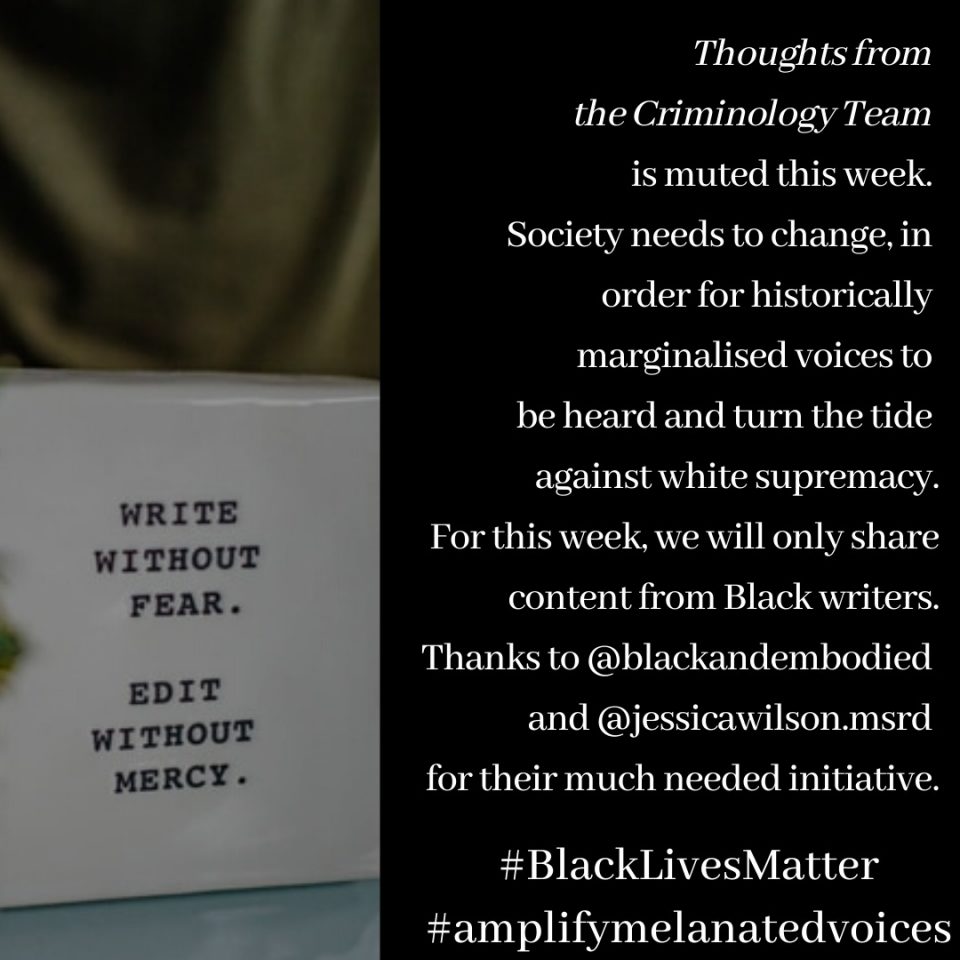
In June 2020, the Thoughts from the Criminology Team blog took part in an initiative started by @blackandembodied and @jessicawilson.msrd over on Instagram. For one week, we only posted/reshared blog entries from Black writers to reiterate our commitment to do better in the fight against White supremacy, racist ideology, as well as individual, institutional, and structural violences.
With the first-year anniversary of George Floyd’s murder fast approaching (25 May), we want to run the same initiative, with entries which focus on aspects of this heinous crime. We recognise that whilst the world was shocked by George Floyd’s racist murder, for many of our friends, families and communities, his death represented generational trauma. For this reason, we have not requested new entries (although they are always welcome) and instead want our readers to have another opportunity to (re-)engage with some excellent and thoughtful entries from our talented writers.
Take some time to read, think and reflect on everything we have learned from George Floyd’s murder. In our discipline, we often strive for objectivity and run the risk of losing sight of our own humanity. So, do not forget to also look after yourself and those around you, whether physically or virtually. And most importantly listen to each other.

Share this:


April Showers: so many tears

What does April mean to you? April showers as the title would suggest, April Fools which I detest, or the beginning of winter’s rest? Today I am going to argue that April is the most criminogenic month of the year. No doubt, my colleagues and readers will disagree, but here goes….
What follows is discussion on three events which apart from their occurrence in the month of April are ostensibly unrelated. Nevertheless, scratch beneath the surface and you will see why they are so important to the development of my criminological understanding, forging the importance I place on social justice.
On 15 April 1912, RMS Titanic sank to the bottom of the sea, with more than 1,500 lost lives. We know the story reasonably well, even if just through film. Fewer people are aware that this tragedy led to inquiries on both sides of the Atlantic, as well, as Limitation of Liability Hearings. These acknowledged profound failings on the part of White Star and made recommendations primarily relating to lifeboats, staffing and structures of ships. Each of these were to be enshrined in law. Like many institutional inquiries these reports, thankfully digitised so anyone can read them, are very dry, neutral, inhumane documents. There is very little evidence of the human tragedy, instead there are questions and answers which focus on procedural and engineering matters. However, if you look carefully, there are glimpses of life at that time and criminological questions to be raised.
The table below is taken from the British Wreck Commissioners Inquiry Report and details both passengers and staff onboard RMS Titanic. This table allows us to do the maths, to see how many survived this ordeal. Here we can see the violence of social class, where the minority take precedence over the majority. For those on that ship and many others of that time, your experiences could only be mediated through a class based system. Yet when that ship went down, tragedy becomes the great equaliser.

On 15th April, 1989 fans did as they do (pandemics aside) every Saturday during the football season, they went to the game. On that sunny spring day, Liverpool Football Club were playing Nottingham Forest, both away from home and over 50,000 fans had travelled some distance to watch their team with family and friends. Tragically 96 of those fans died that day or shortly after. @anfieldbhoy has written a far more extensive piece on the Hillsborough Disaster and I don’t plan to revisit the details here. Nevertheless, as with RMS Titanic, questions were asked in relation to the loss of life and institutional or corporate failings which led to this tragedy. Currently it is not possible to access the Taylor Report due to ongoing investigation, but it makes for equally dry, neutral and inhuman, reading. It is hard to catch sight of 96 lives in pages dense with text, focused on answering questions that never quite focus on what survivors and families need. The Hillsborough Independent Panel [HIP] is far more focused on people as are the Inquests (also currently unavailable) which followed. Criminologically, HIP’s very independence takes it outside of powerful institutions. So whilst it can “speak truth to power” it has no ability to coerce answers from power or enforce change. For the survivors and family it brings some respite, some acknowledgement that what happened that day should have never have happened. However, for those individuals and wider society, there appears to be no semblance of justice, despite the passing of 32 years.

On 22 April 1993, Stephen Lawrence was murdered. He was the victim of a horrific, racially motivated, violent assault by a group of young white man. This much was known, immediately to his friend Duwayne Brooks, but was apparently not clear to the attending police officers. Instead, as became clear during the Stephen Lawrence Inquiry the police investigation was riddled with institutional racism from the outset. The Macpherson report (1999) tries extremely hard to keep focus on Stephen Lawrence as a human being, try to read the evidence given by Duwayne Brooks and Stephen’s parents without shedding a tear. However, much of the text is taken is taken up with procedural detail, arguments and denial. In 2012 two of the men who murdered Stephen Lawrence were found guilty and sentenced to be detained under Her Majesty’s pleasure (both were juveniles in 1993). Since 1999, when the report was published we’ve learnt even more about the police’s institutional racism and their continual attacks on Stephen’s family and friends designed to undermine and harm. So whilst institutions can be compelled to reflect upon their behaviour and coerced into recognising the need for change, for evolution, in reality this appears to be a surface activity. Criminologically, we recognise that Stephen was the victim of a brutal crime, some, but not all, of those that carried out the attack have been held accountable. Justice for Stephen Lawrence, albeit a long time coming, has been served to some degree. But what about his family? Traumatised by the loss of one of their own, a child who had been nurtured to adulthood, loved and respected, this is a family deserving of care and support. What about the institutions, the police, the government? It seems very much business as usual, despite the publication of Lammy (2017) and Williams (2018) which provide detailed accounts of the continual institutional racism within our society. Instead, we have the highly criticised Sewell Report (2021) which completely dismisses the very idea of institutional racism. I have not linked to this document, it is beneath contempt, but if you desperately want to read it, a simple google search will locate it.

In each of the cases above and many others, we know instinctively that something is fundamentally wrong. That what has happened has caused such great harm to individuals, families, communities, that it must surely be a crime. But a crime as we commonly understand it involves victim(s) and perpetrator(s). If the Classical School of Criminology is to be believed, it involves somebody making a deliberate choice to do harm to others to benefit ourselves. If there is a crime, somebody has to pay the price, whatever that may be in terms of punishment. We look to the institutions within our society; policing, the courts, the government for answers, but instead receive official inquiries that appear to explore everything but the important questions. As a society we do not seem keen to grapple with complexity, maybe it’s because we are frightened that our institutions will also turn against us?
The current government assures us that there will be an inquiry into their handling of the pandemic, that there will be some answers for the families of the 126,000 plus who have died due to Covid-19. They say this inquiry will come when the time is right, but right for who?
Maybe you can think of other reasons why April is a criminologically important month, or maybe you think there are other contenders? Either way, why not get in touch?

 Thoughts from the criminology team