
Back in May, during the assessment period, where campus, whilst still abuzz, had begun to quiet down, I walked through the library looking for some print sources for some summer reading and preparation for the next academic year. The Library at UON, for those who are unfamiliar, is situated on the second floor of the Learning Hub. On this particular Wednesday, sunlight was beaming in through the glass sides, and the books shone in a magical light. The gentle buzz of students studying/revising, the sunshine warming the shelves, the books glistening away… it was quite a lovely moment. And as I stopped to reflect on the beauty of the library in that moment, my eye caught one book in particular. Raising Hare by Chloe Dalton.
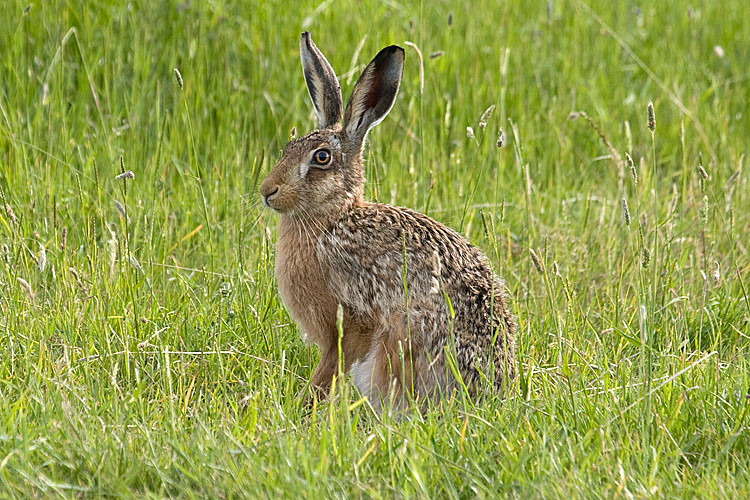
Those of you who have read previous blogs, might remember that my partner and I had 2 house bunnies for almost 11 years (RIP Snuggles and Toffee). And because of these two precious little fluff balls, we adored all things bunny rabbit (mugs, pictures, pens, cushions, glasses, clothes, towels… the list goes on). Dalton’s (2024) Raising Hare, has on the front cover a side profile of a Hare. Now whilst very different to a bunny (especially a domestic one like our two fluff balls), the long ears, sharp eyes and cute button nose are quite similar hence the book stood out. I had no idea what the book would be about, other than presuming a hare – and I was right, and I picked the book purely because on this day the cover stood out. One of the beauties of libraries and books on show: they really do catch the reader’s eye and draw you in. Now, it might just be me, but when a cover catches your eye it sort of feels like the book is speaking to you. Could be a mystical force or just good advertising/publishing: either way it worked a treat this time around!
Rasing Hare is a book which takes place during Lockdown where a woman who works very long hours in the hustle and bustle of London, goes back to her remote home in the countryside (surrounded by fields, wildlife and tranquillity) and awaits the country attempting to return to ‘normal’. On one of her walks, during a harsh winter evening she stumbles across a leveret (baby hare), and she takes the leveret home to feed and shelter it. What follows is a beautiful story of mistakes, honesty, respect and wonder at the natural world. The book is based on real-events, and the reflection offered throughout is a thought-provoking account of how humans presume they rule the world (we really are quite an entitled species in the grand scheme of things). Dalton (2024) doesn’t state this, this is simply my reflection having read and learned about hares, their habits, skills and the predators (including humans) they have to out manoeuvre in order to survive quite a hazardous life. The book was charming and I learned a lot about hares, but also about how I take nature (plants and animals) for granted, and often do not consider my impact on the world outside of the human species.
I guess, this blog is a recommendation to read Dalton’s (2024) Raising Hare, but also a thank you to the Library Staff at UON for placing the book so perfectly that it caught my eye. It was very different to what I would usually read, but it has really made me stop and think. I wonder if it will do the same for others….
Reference:
Dalton, C. (2024) Raising Hare. Edinburgh: Canongate Books ltd


