
Home » Posts tagged 'Reading'
Tag Archives: Reading
A treasure found in a Library…
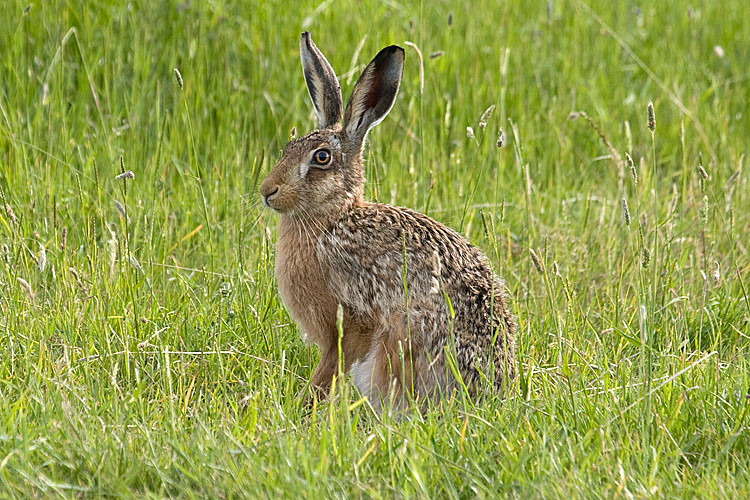
Back in May, during the assessment period, where campus, whilst still abuzz, had begun to quiet down, I walked through the library looking for some print sources for some summer reading and preparation for the next academic year. The Library at UON, for those who are unfamiliar, is situated on the second floor of the Learning Hub. On this particular Wednesday, sunlight was beaming in through the glass sides, and the books shone in a magical light. The gentle buzz of students studying/revising, the sunshine warming the shelves, the books glistening away… it was quite a lovely moment. And as I stopped to reflect on the beauty of the library in that moment, my eye caught one book in particular. Raising Hare by Chloe Dalton.
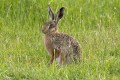
Those of you who have read previous blogs, might remember that my partner and I had 2 house bunnies for almost 11 years (RIP Snuggles and Toffee). And because of these two precious little fluff balls, we adored all things bunny rabbit (mugs, pictures, pens, cushions, glasses, clothes, towels… the list goes on). Dalton’s (2024) Raising Hare, has on the front cover a side profile of a Hare. Now whilst very different to a bunny (especially a domestic one like our two fluff balls), the long ears, sharp eyes and cute button nose are quite similar hence the book stood out. I had no idea what the book would be about, other than presuming a hare – and I was right, and I picked the book purely because on this day the cover stood out. One of the beauties of libraries and books on show: they really do catch the reader’s eye and draw you in. Now, it might just be me, but when a cover catches your eye it sort of feels like the book is speaking to you. Could be a mystical force or just good advertising/publishing: either way it worked a treat this time around!
Rasing Hare is a book which takes place during Lockdown where a woman who works very long hours in the hustle and bustle of London, goes back to her remote home in the countryside (surrounded by fields, wildlife and tranquillity) and awaits the country attempting to return to ‘normal’. On one of her walks, during a harsh winter evening she stumbles across a leveret (baby hare), and she takes the leveret home to feed and shelter it. What follows is a beautiful story of mistakes, honesty, respect and wonder at the natural world. The book is based on real-events, and the reflection offered throughout is a thought-provoking account of how humans presume they rule the world (we really are quite an entitled species in the grand scheme of things). Dalton (2024) doesn’t state this, this is simply my reflection having read and learned about hares, their habits, skills and the predators (including humans) they have to out manoeuvre in order to survive quite a hazardous life. The book was charming and I learned a lot about hares, but also about how I take nature (plants and animals) for granted, and often do not consider my impact on the world outside of the human species.
I guess, this blog is a recommendation to read Dalton’s (2024) Raising Hare, but also a thank you to the Library Staff at UON for placing the book so perfectly that it caught my eye. It was very different to what I would usually read, but it has really made me stop and think. I wonder if it will do the same for others….
Reference:
Dalton, C. (2024) Raising Hare. Edinburgh: Canongate Books ltd
Share this:


Those kinde of people
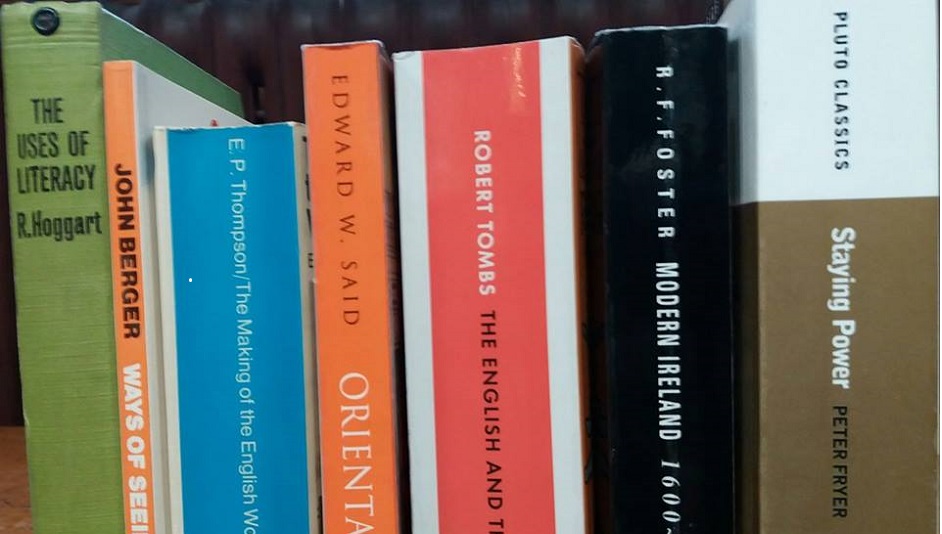
This poem is named for the first chapter of the iconic book Staying Power (1984) by historian and academic Peter Fryer. A book that talks about the history of Black people in Britain, from Roman times up to his modern-day. It’s also inspired by ‘Mathematics’ by British poet and author Hollie McNish.
Adam said:
those goddamn universities
and their goddamn books
learned people, crippling egos
with nothing but a look
he says those goddamn historians
and their god damn history
I tell them they worked hard
to get there, can’t you see?
I ask him what
he expects British history to be
he says he remembers
the land of Blyton and Christie
coastal wrecks, greenery
and a good wage before those people came
where people went to work, pot-bellied
national pride, stood proud before they came
now no British jobs, their kinde are to blame
I ask how he knows this to be true
he said he saw it on BBC News
every time a Pole takes a job from us
each time he hears a different language
whilst riding the bus
this divide and conquer, them and us
to me just does not add up
he makes a brew, two sugars in his tea
I say didn’t you know those granules
came from the sugar economy
he grunts, goddamn Blacks came and took our stuff
I tell him about sugar and cotton, you know
how slaves gave us indigo and tobacco – hot air to puff
I show him Brixton Road and Portobello Market
I show him rock n roll, Network Rail and the NHS
I show him the immigrant-built west
I show him straight roads and pictures of my Gran
how the Jamaican ackee comes from the Ghanaian Akan
He’s sick of history and social science
sitting all sad and smug on his island
I spent three years on a degree
did a dissertation on British identity
I geek over John Blanke
renaissance trumpeter who was Black
Oh and Ann Lister, call her Gentleman Jack
and Afro-Romans and The Slave Trade
Black Georgians, Saxons and Viking Raids
and I so want to scream when I hear folks say
goddamn immigrants taking our jobs
but how we teach history – we don’t talk
of Mrs Shah’s shop employing Bill and Bob
where people with money love to spend
employing women and men in tens,
her gift for business is self-taught
all her plans meticulously well-thought
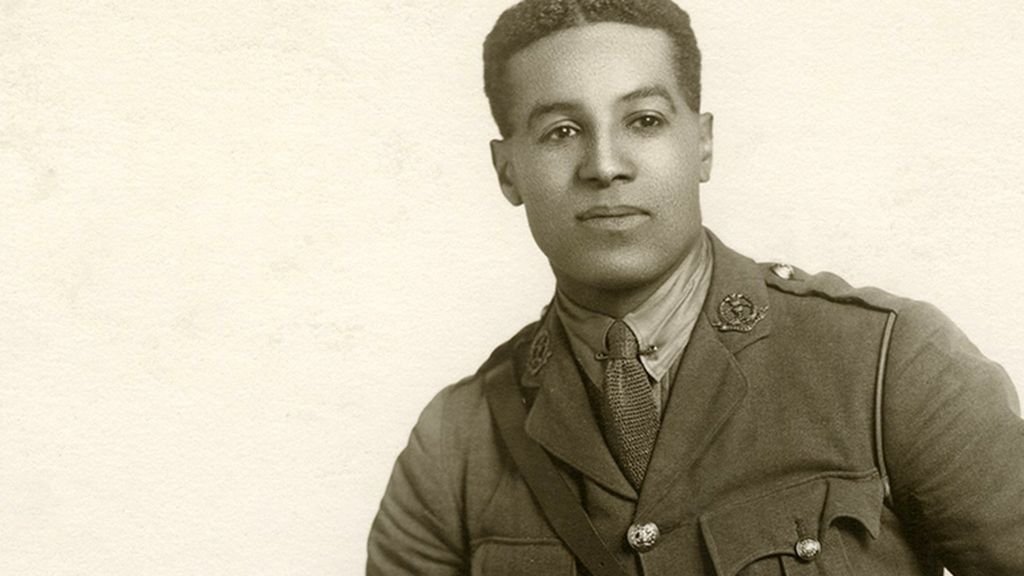
and all your prejudice talk
forgets the soldiers the colonies pledged
forgets the men left for dead
in Tangiers, Dunkirk and at the Somme
as the world wars went on and on
from Mr Smith to Mr Wong
and I know people love to complain
but England our name
the land of Angles is all that remains
from Saxons to Jutes
stories of migration since before WW2
and often, those kind of people
are more native than the locals.


