
Sallek Yaks Musa, PhD, FHEA
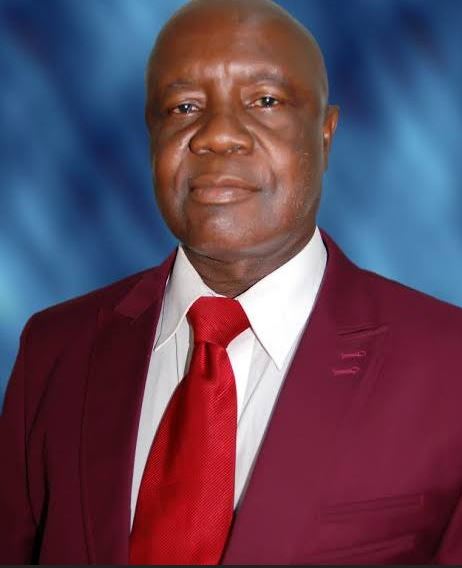
When I heard about the sudden demise of one of my professors, I was once again reminded of the briefness and vanity of life —a topic the professor would often highlight during his lectures. Last Saturday, Prof. Gray Goziem Ejikeme was laid to rest amidst tributes, sadness, and gratitude for his life and impact. He was not only an academic and scholar but also a father and leader whose work profoundly influenced many.
I have read numerous tributes to Prof. Ejikeme, each recognizing his passion, dedication, and relentless pursuit of excellence, exemplified by his progression in academia. From lecturer to numerous administrative roles, including Head of Department, Faculty Dean, Deputy Vice Chancellor, and Acting Vice Chancellor, his career was marked by significant achievements. This blog is a personal reflection on Prof. Ejikeme’s life and my encounters with him, first as his student and later as an academic colleague when I joined the University of Jos as a lecturer.
Across social media, in our graduating class group, and on other platforms, I have seen many tributes recognizing Prof. Ejikeme as a professional lecturer who motivated and encouraged students. During my undergraduate studies, in a context where students had limited voice compared to the ‘West,’ I once received a ‘D’ grade in a social psychology module led by Prof. Dissatisfied, I mustered the courage to meet him and discuss my case. The complaint was treated fairly, and the error rectified, reflecting his willingness to support students even when it wasn’t the norm. Although the grade didn’t change to what I initially hoped for, it improved significantly, teaching me the importance of listening to and supporting learners.
Prof. Ejikeme’s classes were always engaging and encouraging. His feedback and responses to students were exemplary, a sentiment echoed in numerous tributes from his students. One tribute by Salamat Abu stood out to me: “Rest well, Sir. My supervisor extraordinaire. His comment on my first draft of chapter one boosts my morale whenever I feel inadequate.”
My interaction with Prof. Ejikeme significantly shaped my teaching philosophy to be student-centered and supportive. Reflecting on his demise, I reaffirmed my commitment to being the kind of lecturer and supervisor who is approachable and supportive, both within and beyond the classroom and university environment.
Prof. Ejikeme made teaching enjoyable and was never shy about embracing technology in learning. At a time when smartphones were becoming more prevalent, he encouraged students to invest in laptops and the internet for educational purposes. Unlike other lecturers who found laptop use during lectures distracting, he actively promoted it, believing in its potential to enhance learning. His forward-thinking approach greatly benefited me and many others.
Building on Prof. Ejikeme’s vision, today’s educators can leverage advancements in technology, particularly Artificial Intelligence (AI), to further enhance educational experiences. AI can personalize learning by adapting to each student’s pace and style, providing tailored feedback and resources. It can also automate administrative tasks, allowing educators to focus more on teaching and student interaction. For instance, AI-driven tools can analyse student performance data to identify learning gaps, recommend personalized learning paths, and predict future performance, helping educators intervene proactively.
Moreover, AI can support academics in research by automating data analysis, generating insights from large datasets, and even assisting in literature reviews by quickly identifying relevant papers. By embracing AI, academics can not only improve their teaching practices but also enhance their research capabilities, ultimately contributing to a more efficient and effective educational environment.
Prof. Ejikeme’s willingness to embrace new technologies was ahead of his time, and it set a precedent for leveraging innovative tools to support and improve learning outcomes. His legacy continues as we incorporate AI and other advanced technologies into education, following his example of using technology to create a more engaging and supportive learning experience.
Over the past six months, I have dedicated significant time to reflecting on my teaching practices, positionality, and the influence of my role as an academic on learners. Prof. Ejikeme introduced me to several behavioural theories in social psychology, including role theory. I find role theory particularly crucial in developing into a supportive academic. To succeed, one must balance and ensure compatible role performance. For me, the golden rule is to ensure that our personal skills, privileges, dispositions, experiences from previous roles, motivations, and external factors do not undermine or negatively impact our role or overshadow our decisions.
So long, Professor GG Ejikeme. Your legacy lives on in the countless lives you touched.
Disclaimer: AI may have been used in this blog.

 Thoughts from the criminology team