
Two cases have recently occupied newspaper headlines. One concerns the conviction of a high-profile media personality for rape and sexual assault offences, while another relates to an ongoing police investigation into allegations of sexual misconduct. I will not name either individual here, as I do not wish to contribute further to their notoriety.
Ten years ago, Dame Janet Smith published her landmark report on Jimmy Savile. The almost 800-page report identified sexual misconduct against 72 individuals and exposed a range of troubling organisational failures. More difficult still were its broader conclusions. The report described a culture in which sexual harassment was tolerated, complaints were not pursued, influential individuals were protected, and “macho” attitudes were allowed to flourish. There was a pattern of silence, deference and institutional inaction.
One of the report’s key recommendations was that organisations should use its findings as an opportunity to ensure that history would not repeat itself. Yet a decade later, we are still discussing powerful men who abuse their position and the cultures that enable them to do so.
In the recent conviction, the sentencing judge described a sexual predator whose celebrity status appeared to foster a sense of entitlement and arrogance towards women. Despite concerns raised by those around him, he continued to be treated as valuable “talent”. The females who were victimised faced a long and difficult journey towards justice, with some allegations dating back more than 25 years.
So why does it feel as though we are once again confronting the very issues Dame Janet Smith warned about?
The individual and the institution
When cases of sexual violence emerge, public attention often focuses on the individual perpetrator. The offender is portrayed as an anomaly, separate from an otherwise fair and functioning society. While individual responsibility is essential, this perspective can obscure wider organisational and institutional failings.
The Savile report (Smith, 2016) was not the first inquiry to identify cultural problems within organisations, and unfortunately, it is unlikely to be the last. The existence of enabling cultures means these issues extend beyond the actions of a single person. This does not absolve perpetrators of responsibility. Their actions remain their own and they must be held accountable for them. However, accountability should also extend to examining the organisational environments in which these behaviours are allowed to persist.
Complaints processes and organisational responses
Where organisations have been criticised for their handling of sexual misconduct, there is often a disconnect between language and action. Many institutions make strong public commitments to equality, inclusion and wellbeing. Yet when a complaint is raised, the impulse can be to manage it informally in order to minimise reputational damage.
Informal resolution may have a place in some workplace disputes. However, where there are allegations of harassment, intimidation, abuse or entrenched cultures of aggression, organisations have a duty to take formal concerns seriously and investigate them properly. For more on this read Sara Ahmed’s excellent book Complaint!
Women as credible witnesses
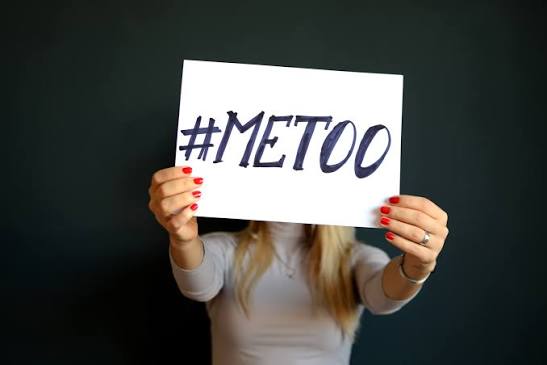
One of the most significant issues highlighted by the #MeToo movement was the question of credibility. The movement emerged because many survivors felt that they were not believed when they disclosed their experiences of abuse and harassment.
Whatever criticisms have been directed at #MeToo, its central message remains relevant: sexual harassment and abuse continue to be widespread problems, including within workplaces. Survivors must feel able to come forward without fearing disbelief, hostility or retaliation.
The persistence of rape myths
In sentencing the convicted celebrity, Mr Justice Bennathan specifically referred to the use of rape myths in the defence’s arguments. Such myths have existed for generations and have long been criticised by campaigners, advocacy organisations and survivors.
Rape myths shift attention away from perpetrators and onto victims. They create doubt, minimise harmful behaviour and contribute to cultures in which abuse can be ignored or excused. Challenging these myths remains an essential part of preventing sexual violence.
How do we stop history from repeating itself?
If we want real change rather than another decade of apologies, we need to commit to practical action:
- Believe survivors when they speak up. Too much energy is spent worrying about false accusations, leaving far too little space and support for those who have actually experienced abuse.
- Dismantle toxic workplace cultures. Actively build environments where macho posturing and casual misogyny are challenged rather than rewarded.
- Enforce zero tolerance. Sexual harassment and violence must carry real, immediate consequences, regardless of who the perpetrator is.
- Protect whistleblowers. Empower staff at every level to call out unacceptable behaviour without fear of losing their jobs or damaging their careers.
- Take quiet warnings seriously. When people raise reservations or share concerns about a colleague’s conduct, listen to them early rather than waiting for a formal crisis.
- Never put “talent” above safety. No amount of ratings, revenue, or star power makes a person more valuable than the well-being of the people around them.
- Look for patterns, not excuses. When confronted with inappropriate behaviour, stop dismissing it as a “one-off” or a misunderstanding, and investigate the culture enabling it.
- Reject rape myths. Challenge victim-blaming narratives wherever they appear, from office gossip to the courtroom.
- Keep the conversation open. Silence protects abusers; open, honest dialogue removes their cover.
- Value people as human beings. When workplaces treat staff as disposable resources, dehumanisation follows—and abuse becomes much easier to ignore.
These are just a few starting points. What else do you think needs to change? Leave your thoughts in the comments below.


