

Is film dying, or am I overthinking this, again?

I think we’re at a point now that television is at its creative peak, while film is in a slump. Television in 2020 is where film was at in the 1970s. Though, I also question if my recent critique of the industry is, if I’m simply a victim of golden age thinking. That in believing that industry is lawless because the gatekeepers care more about money than creativity, where once there was a healthy mix of both. Are today’s mainstream films made for me? Am I the audience for it? In the tint of toxic fan bases (big up Star Wars) Or if simply, most films made today are just bad? When I go to the cinema, am I thinking too hard or do I have unrealistic expectations? Is wanting a good story making bank too much?
I wouldn’t say they’re necessarily bad, just samey. I think the recent Star Wars trilogy is great. It’s flashy. It’s fun. But ultimately, it’s samey. I do understand where my parents’ generation are coming from when they say that they didn’t like the last Star Wars trilogy. I think there are lots of good even excellent films made today, I simply think we the public are too forgiving of mediocrity, whilst praising bad films that are good for business. In lockdown, I’m finding even more so why I prefer films made before 2000, and finding it hard not to say that films made today, generally are in a tough spot compared to when my parents and grandparents were growing up.

As I mentioned above, television is where film was in the 1970s. Now, before I cause any upset, I’m not generalising, because my favourite film of all time came out in 2011, Midnight in Paris. There are plenty of excellent pictures that have come out in the twenty-first century. From Lord of the Rings to Moonlight. 2017 was a great year, also giving us Dunkirk, Get Out, Logan, The Post, Wind River and Mudbound. Moreover, Detroit and Death of Stalin. I am always impressed with Christopher Nolan and Aaron Sorkin.
And regardless of how much I hear people complain at the lack of originality in the businness today, due to remakes, reboots and so forth, none of that compares to Ghostbuster 2. Nonetheless, that doesn’t detract from how in our complacency as a society we have grown to accept mediocrity over the importance of The Story that dominated film before the turn of the century. I think it was Hitchcock who said “to make a great film, you only need three things – the script, the script, the script.”
In a conversation with another film enthusiast, we were talking about how many filmmakers we like who are also problematic characters. Woody Allen, being one I have a love-hate relationship with. I think he’s one of the funniest writers alive but his controversy makes me uncomfortable to say the least. Clarke Gable, a fabulous actor of Old Hollywood, but he would not have survived #metoo in today’s world. In light of Weinstein, it got me to think about my own biases when watching film and assessing goodness.

Some people find it difficult to seperate art from the artist, and that inability to split the two can inform bias on a piece of art’s badness. That somebody will dislike any Kevin Spacey film because of what came to light in #metoo. Yet, I still believe he is one of the greatest actors of his generation. How he brings Frank Underwood to life in House of Cards brings tears to my eyes. But from the 1930s through to the back end of the 1980s, it’s racism and sexism galore. i.e like every James Bond film ever!
“I was lucky to get into film at a time that was very interesting for drama. But if you look now, the focus is not on the same kind of films that were made in the 90s. When I look now, the most interesting plots, the most interesting characters, they are on TV.”
Kevin Spacey
Are the things that make bank today made for me? Is there a cultural shift now similar to how the mob genre practically died at the turn of the century? Hollywood does have “Marvel Fever” and I do enjoy them. Yet, there was a point when the industry would green light any western, where John Wayne would be chasing indigenous peoples on horseback. Studios would green-light gangsters and film noir. Hollywood likes what’s good for business. I believe the only difference between now and then, is that people are more complacent, and there’s more of a spoon-feeding culture today.
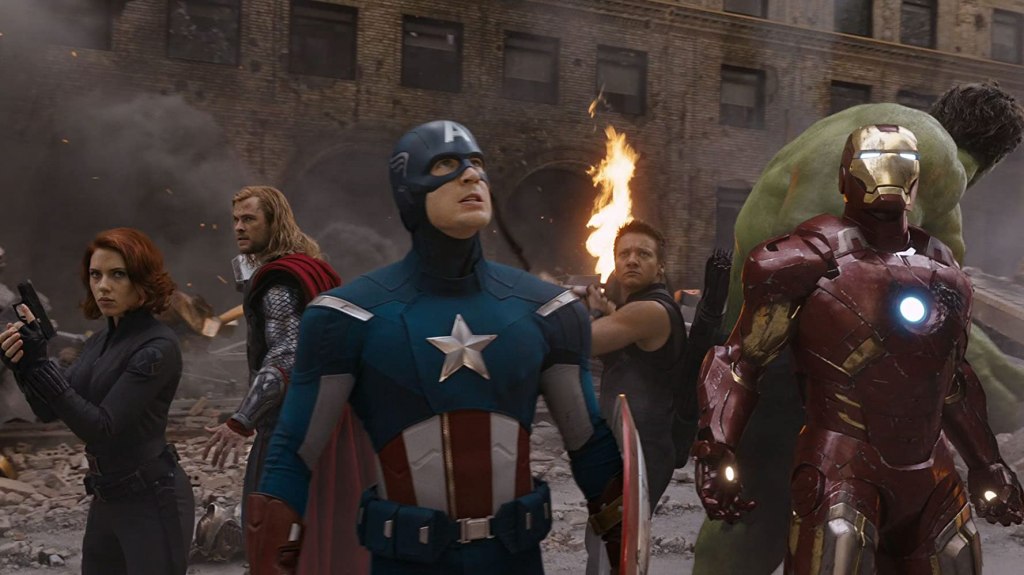
Before the internet, my parents talk of a time when you had to use your critical faculties where information wasn’t given to you instantaneously. Now, we just expect everything immediately, including stories. The problem is not with what’s being made, it’s with how it’s being made. Quality, not genre. There is a reason why the original Star Wars Trilogy has universal appeal across multiple generations. There is a reason why Steven Spielberg has had an iconic film for every decade of his career with universal appeal.
The problem with many films today is the shift from good storytelling into genre storytelling, replacing good writing with special effects and fan service. I’m a fan of this “superhero fever” but that doesn’t mean I will shy away from critique, and they are very problematic, along with many action blockbusters. The reason why I prefer what Fox did with X-Men, as flawed as it was, is that it focussed on story(ish) and not mythology. With Marvel, it’s always “the next film” but Fox kept me on the present pane of existence.
I loved 2017 because there were many films that kept me grounded. Moonlight, Get Out, La La Land, The Big Sick, Molly’s Game; it was how I get from point A to point B. What about this character? Why should I care about them? 2017 had many films where there were lots of characters that made me feel things, similar to the number of films that came out before 2000. That when I watch Goodfellas, my heart breaks when Tommy (Joe Pesci) gets whacked. Today, I couldn’t care less if this and this person dies.
I am not sure whether that is because I am not the audience, I’m an anomaly or if I am a heartless bastard, or a mixture
Lots of drama films just seem flat. Or am I just not the audience? What ever happend to films like Doubt, where [Queen] Viola Davis gives one of the best performances ever? When I watch works like Netflix series Stranger Things, I remember I have seen it before. I remember my father showing it to me as a kid. It came out in 1985. Sean Astin, Josh Brolin. It’s called Goonies. Though, I loved Get Out, the golden egg in the sea of turds that was the 2018 Best Picture race. Interesting story. Explored its characters. Emotional resonance. Jordan Peele, then followed that with Us. Fab.
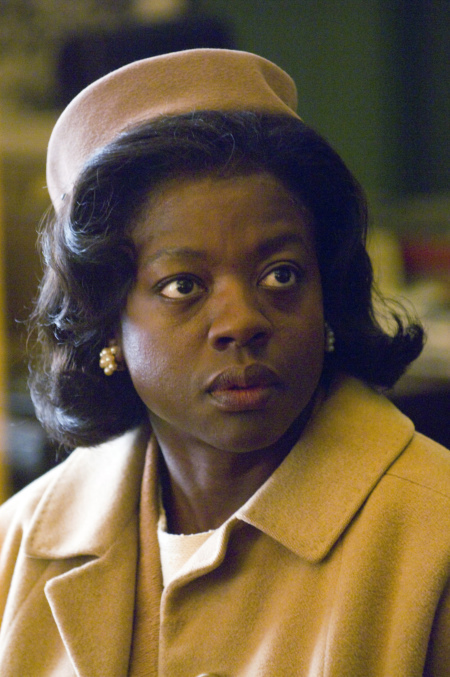
Yet, I’ve seen some great ones recently, including: The Post, Spotlight and The Big Short. They are great in the moment but forgettable, as much as I hate to admit it. Where have all the writers gone? Honestly, they’re killing it on television. God bless Star Wars: The Clone Wars. Television is film in the 1970s: Killing Eve, Clone Wars, Girls, House of Cards, Westworld. When something as excellent as Scorsese’s Silence tanked in the box office, this is when you know there’s a culture shift, and it broke my heart to see that.
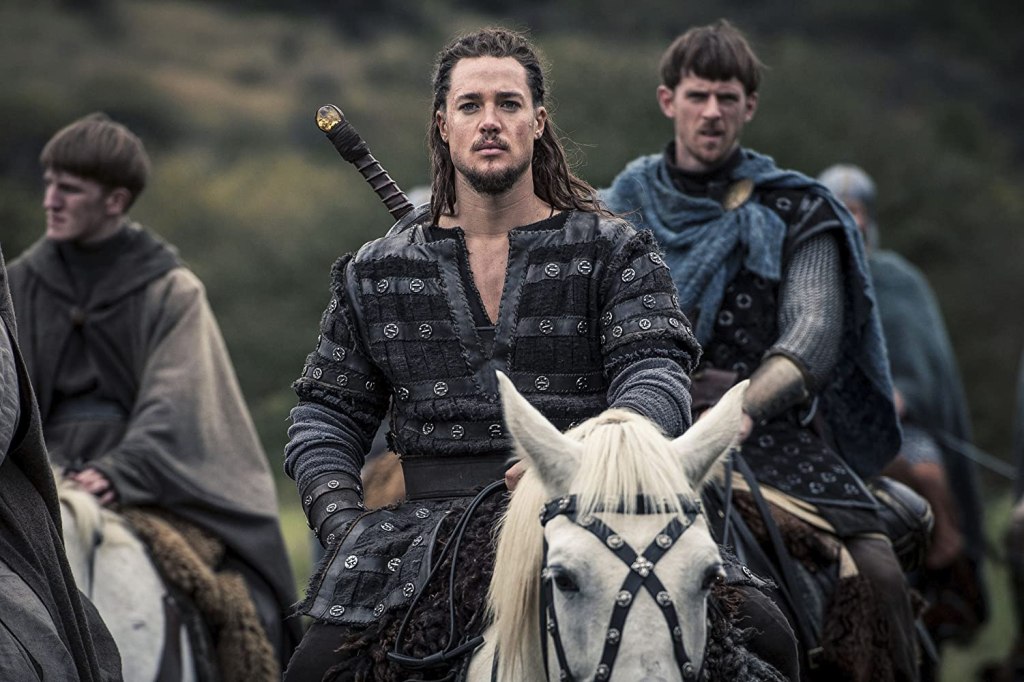
Take Last Kingdom (on the Netflix platform), a medieval historical drama series that has the storytelling Outlaw King / The King wish they did. Excellent characters, brooding, and emotional resonance (as any drama should be)
Whilst stories like Last Kingdom would once be made as films (Braveheart), they’re now being made as television series. Whilst lack of original ideas, focus on remakes, sequels etc etc could be used as a reason to justify the decline of film, a more plausible reason could be that television was never really a credible competition for film until recently (last 10 – 15 years). In addition to marketing, particularly trailers (and samey posters). Pre-2000, you’d have once had some interesting posters. Now, most look done to template. Ultimately, boring. Yet, this seems to be good for business.
Trailers do not represent the film, and often miss the feel of the film. One of my favourite films ever made is Goodbye Christopher Robin on the relationship between children’s author A. A. Milne and his son Christopher Robin (or Billy). A drama film whose trailers sells it as a light-hearted early to mid 20th century period drama about families. But when you watch the film, it’s about post traumatic disorder and one man’s quest in overcoming the angst of war. Thus we have the children’s classic Winnie the Pooh.
It presents Alan Milne as a product of a generation of men who were socialised into thinking that “affection” is a bad thing. Toxic masculinnity tied with the trauma of war made for a troubled relationship between him and his son. Its trailers make it seem like a harmless period costume drama but it explores the trauma of war and the emotional distance, of people who were products of that Victorian “common sense” nonsense at the turn of the 20th century. I implore all to watch it but its trailers certain missell it.
Going back to how I started this blog entry, I really do enjoy many films that are released today. However, I know many of them to be nothing but autopilot drivel that are specacle more than anything else. I know I would sooner watch a good television show but I still enjoy the novelty of going to the cinema and seeing something on a massive screen. Even if I know I won’t necessarily like what’s on show. I do wish some of these TV writers would come back to cinema because the quality is fading and it shows.
And I do often wonder if in the near future we will get to a point where companies like the BBC, HBO, Netflix or Amazon Prime will start to show episodes of television at cinemas in the same way we pay go to watch films
Share this:


“My Favourite Things: Cheryl (LLS)

My favourite TV show - Although it finished nearly 18 years ago, I think my favourite has still got to be Buffy the Vampire Slayer. More recently I thought Succession was a great show, mainly because the characters were just so awful

My favourite place to go - The Lake District, but anywhere with mountains and water will do

My favourite city - Reykjavik, Iceland. It’s really laid back, fantastic galleries, museums and architecture

My favourite thing to do in my free time - Is it cliché for a librarian to answer this with reading? I’ve just finished Girl, Woman, Other by Bernadine Evaristo and thought it was amazing. I’ve always got at least two books on the go. Otherwise I really like learning new crafts and do a lot of mixed media type stuff. If you see me with inky fingers, it’s what I’ve been doing

My favourite athlete/sports personality - I don’t really follow team sports, but Jessica Ennis-Hill has had an amazing career. The discipline and determination to excel in such a range of events is extraordinary

My favourite actor – Matt Berry is a terrific comic actor, he never fails to make me laugh. For more serious acting, I really like Elizabeth Moss

My favourite author - impossible to pick just one

My favourite drink - it depends on the time of day, but either a really hot cup of tea or an Aperol spritz

My favourite food - Cheese

My favourite place to eat - my mums, especially if it’s Christmas Day

I like people who - are considerate and don’t mind poking fun at themselves

I don’t like it when people - are rude to or dismissive of people trying to help them

My favourite book - there are different favourites for different times in your life. I still love E. M. Forster’s A Room With a View and Sylvia Plath’s The Bell Jar, which I first read in my teens. Last year I read John Boyne’s The Heart's Invisible Furies which was just brilliant. I love being surprised by a new ‘favourite’

My favourite book character - Little My from Tove Jansson’s Moomins series, she doesn’t take any crap

My favourite film - Stand by Me. It’s an adaptation of a Stephen King short story and never fails to make me have a little cry

My favourite poem - Either 'The Applicant' by Sylvia Plath or Carol Ann Duffy’s 'Prayer'. I wrote my undergrad dissertation on Plath and still love her writing now

My favourite artist/band - I mainly listen to stuff from the 60s and 70’s with quite a bit of 90’s/00’s indie thrown in too; Bowie, Blondie, Blur and the like. I used to love discovering new exciting bands when I was a teenager and it’s something I should make an effort with again

My favourite song - Waterloo Sunset by The Kinks or Back to the Old House by The Smiths

My favourite art - I can’t ever resist a gallery and like a mix of styles, but I do really like John William Waterhouse. I also really like book illustrations (it’s the ex-children’s librarian in me) and Jim Kay’s illustrations in A Monster Calls are just stunning

My favourite person from history - I don’t really have one favourite, but when I visited Norwich I read about Edith Cavell, who was a pioneering British nurse working in Belgium during WW1. She helped injured soldiers on all sides, as well as civilians and later helped around 200 allied soldiers escape to safety. She was eventually caught, tried at court martial for treason and later executed. She was extremely brave and insistent about continuing to help others, even when it endangered herself

Share this:


“My Favourite Things”: Charlotte Dann, Senior Lecturer in Psychology
My favourite TV show - Westworld

My favourite place to go -out for food!

My favourite city - Copenhagen

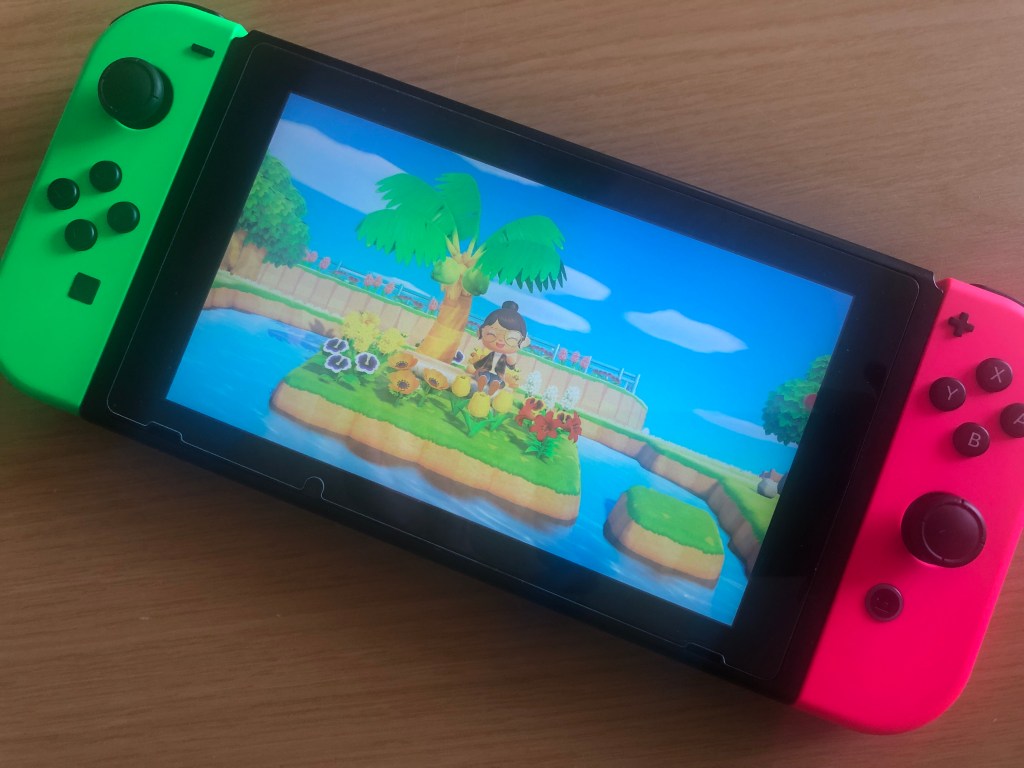
My favourite thing to do in my free time - I’m a gamer, so spend a lot of time on my Switch

My favourite athlete/sports personality - Rafael Nadal (I took Spanish up to A-Level, and had to do a whole project on him and his life – plus I love the tennis!)

My favourite actor – Fiona Shaw – she plays my absolute favourite character in Killing Eve

My favourite author - that’s a hard one! Right now it’s Philip Pullman

My favourite drink - tea (milk two sugars)

My favourite food - a good (medium rare) steak

My favourite place to eat - right now I’m missing Nuovo (Northampton) for Italian food, but I also love Mowgli (in Birmingham) for Indian food

I like people who - take time to actually listen to what you’re saying, undistracted

I don’t like it when people - are rude! Who does?!

My favourite book - I recent read Circe by Madeline Miller, and that’s definitely up there. The Power by Naomi Alderman is also great

My favourite book character - Peeves from Harry Potter 🙂

My favourite film - this does change frequently! At the moment though I still have a lot of love for Midsommar.

My favourite poem - I’m not a huge poetry person, but I did find Milk & Honey from Rupi Kaur interesting (a controversial choice I guess)

My favourite artist/band - The Maccabees, all day everyday

My favourite song - Waiting for the beat to kick in – Dan Le Sac vs. Scroobius Pip

My favourite art - Georgia O’Keefe’s From the Faraway, Nearby, or Maman from Louise Bourgeois

My favourite person from history - Dolly Parton is a queen
Share this:


Please don’t clap or cheer

In an uncomfortable irony, my regular blog entry has fallen on the 8 May 2020, the seventy-fifth anniversary of the end of World War 2 in Europe. I say uncomfortable because I find this kind of commemoration particularly challenging to comprehend, given my pacifist tendencies. I’m therefore going to take a rather circuitous route through this entry.
On the 20 March 2020 I wrote the first Thoughts from the Criminology team blog entry (focused on Covid-19), just a few hours after the University had moved to virtual working. Since then the team has tackled the situation in a variety of different ways. In that I detailed my feelings and observations of life, as we knew it, suddenly coming to abrupt halt. Since then we have had 7 weeks of lockdown and it is worth taking stock of where we are currently.
At present the UK has recorded over 30,000 deaths attributed to the virus. These figures are by necessity inaccurate, the situation has been moving extremely fast. Furthermore, it is incredibly challenging to attribute the case of death, particularly in cases where there is no prior diagnosis of Covid-19. There has been, and remains a passionate discourse surrounding testing (or the lack of it), the supplies of Personal Protective Equipment (or the lack of it) and the government’s response (or lack of) to the pandemic. Throughout there has been growing awareness of disparity, discrimination and disproportionality. It is clear that we are not in all this together and that some people, some groups, some communities are bearing the brunt of the current crisis.
Having studied institutional violence for many years, it is evident that the current pandemic has shown a spotlight on inequality, austerity and victimisation. The role of institutions has been thrown into sharp relief, with their many failings in full view of anyone who cared to look. In 1942, Beveridge was clear that his “five giant evils” could have been addressed, prior to World War 2, yet in the twenty-first century we have been told these are insurmountable. Suddenly, in the Spring of 2020, we find that councils can house the homeless, that hungry children can be fed, that money can be found to ensure that those same children have access to educational resources. We also find that funds can be located to build emergency hospitals and pay staff to work there and across all other NHS sites.
Alongside this new-found largesse, we find NHS staff talking about the violences they face. The violence of being unable to access the equipment they need to do their jobs, the violence of being deprived of regular breaks, the violence of racism, which many staff face both internally and externally. We hear similar tales from care workers, supermarkets workers, delivery drivers, the list goes on. Yet we are told by the government that we are all in this together. This we are told, is demonstrated by gathering on doorsteps to clap the NHS and carers. It can be compared with the effort of those during World War II, or so we are told. If we just invoke that “Blitz Spirit” “We’ll Meet Again” at the “White Cliffs of Dover”.
However, such exhortations come cheap, it costs nothing in time, or money, to clap, or to sing war time songs. To do so puts a veneer of respectability and hides the violent injustices inherent in UK society and the government which leads it. It disguises and obfuscates the data that shows graphic racial and social economic disparity in the death toll. Similarly, it avoids discussion of the role that different individuals, groups and communities play in working to combat this horrible virus. As a society we have quickly forgotten discussions around deserving/undeserving poor, the “hostile environment” and those deemed “low-skilled”. It camouflages the millions of people who are terrified of unemployment, poverty and all of the other injustices inherent within such statuses. It hides the fact that these narratives are white and male and generally horribly jingoistic by ignoring the contribution of anyone, outside of that narrow definition, to WWII and to the current pandemic. It is trite and demonstrates an indifference to human suffering across generations.
Let’s stop focusing on the cheap, the obvious and the trite and instead, once this is over, treat people (all people) with respect. Pay decent wages, enable access to good quality nutrition, education, health care, welfare and all of the other necessities for a good life. And by all means commemorate the anniversary of whatever you like, but do not celebrate war, the biggest violence of all, without which many more lives would be improved.
Share this:


Things I Miss (and don’t) – Flower Violet (Stephanie Nixon)

“Once this is all over, Steph, you can come over and we can have a great big hug!”
Things I miss… let’s just start by highlighting that it is a lot of things!
Since the lockdown and being furloughed, my daily routine been shot, and all the freedoms that everyone once had have now been restricted. However, I am taking each day as it comes, and I endeavor to remain as positive as possible and do what makes me happy. This pandemic has opened up people’s eyes to everything that they take for granted on a daily basis, whether it’s visiting friends and family, going shopping or spending time out with others.
Here are some of the things that I miss:
I miss visiting some of my friends in the local area. I miss having cups of tea and doing shopping with them too.
I miss my occasional trip to Costa, or some cafe, where I can sit on my own, gather my thoughts, and put together my to-do list.
I miss going to my 2 church services on Saturday evenings, and Sunday Mornings. I miss serving the church community, and spending time with people that I love, and supporting Christian campaigns.
I miss taking my dad who his favourite Indian restaurant, and my mum to her favourite Singaporean and Malaysian restaurant.
I miss doing all my face-to-face community work and activities, and meeting with members of the community.
I miss visiting family members, and have had to call and text them to check in on them, and make sure that they are safe.
I miss going out to collect donations of glasses and small ink jets for my local Lions club as part of our local and international service.
I miss being able to regularly leave my house and go out as many times as I would like to. Before the pandemic, I would often leave the house on multiple occasions (predominantly on Saturdays as I work Monday-Friday) whether it’s to do a family shop run, post bottle tops to Lush, visiting friends and family, or going for a long walk.
However, whilst there is so much I miss doing, I am getting as much done as I possibly can during this time too, so, it’s not all that bad and negative.
I am doing so much more writing, have drafted multiple blog posts and have even tried my hand at poetry! (1) I have also immersed myself in other hobbies, such as reading more books, doing longer and multiple workouts at home. I’ve also got more time to continue working on my author page and reach more people (2).
I am calling my partner multiple times a day! Due to being furloughed and my partner working from home, we can speak on the phone for longer periods, and call each other during the day to check in on each other! It’s wonderful being able to check in on each other regularly! ❤️
As I am at home most of the time now, I am using the time to rest, recharge my batteries, and clear my head. Something which I really need to do more of…
I’ve caught up with people that I haven’t spoken to in a while. I’ve connected with old friends from university, and kept in touch with people to see how everyone is doing during this time. It’s been great catching up and speaking to people who I love and care about ❤️

In my part time job as a Member Pioneer, myself and the store have worked tirelessly to help the community. Together, we have donated PPE equipment to district nurses, donated care packs to the police, fire service and NHS staff for their work, and donated 100 Easter Eggs, 50 for nurses and 50 for a local food pantry, to say thank you, and help struggling families. This was earlier blogged about here: Love, Resilience and Practicality in the face of a Pandemic ❤️
In addition, there has been a massive increase in the time spent with the family at home! Everyone is together, and we have played games, laughed together, done family workouts, done more baking, did a family BBQ in the hot sunshine, and have spent so much more time together! The family bonding has been wonderful!
It does ask the question; once this pandemic is over, will we ever take for granted all the liberties and freedoms that were restricted? I know I certainly will not!
Let’s just take each day at a time – we’ll all pull through this!
Links
(1) The poem I wrote: Mercy! Mercy! https://blog.sivanaspirit.com/mercy-mercy/
(2) https://www.facebook.com/LifeOfMiraclesAndLove/
Other
My author page: https://www.facebook.com/LifeOfMiraclesAndLove/
Share this:


Mourning Travel. #BlackenAsiaWithLove
Mourning Travel.
One of the first casualties of Corona was travel. Nations immediately began controlling the flow of people in and out of ever-broader borders. First neighborhoods, then cities, regions, and countries all closed. As fear of the virus spreading spread, different parts of the world became associated with Corona, though bullheaded public figures even continued to call it “Chinese”
A few years ago, I got a 10 -year visa to China through work and had planned to travel there much more than time has allowed. Now, I am fearful of ever traveling there before my visa expires. I am unable to accept the many invitations to connect with my previous students who’ve returned to China and know of my interest in the region’s cultures. I have been to southern China on several study trips with students. We finally ventured to Beijing and its wonders on a later trip. Naturally, I did my happy dance when I reached a peak on the Great Wall just a few years ago. I am now on sabbatical in Hanoi, just released from lockdown.
It was a lifelong dream to visit China, I was raised on my godmother’s stories about growing up in Hong Kong, savoring the flavors of her homeland in her kitchen in Kentucky. I knew I had to see for myself. As a kid, she and I would go on shopping day-trips to Chicago’s Chinatown, a 7-hour drive each way. For those few hours in Chi-town, we’d be transported to a world where finally she was the insider. She spoke for hours in several dialects with all the people around that I didn’t understand, and we even browsed restaurants that resembled what she’d told me home was like. We’d go in and eat not from the tourist but from the Chinese menus – foods that were not nearly available in Kentucky.
Kentucky is pretty black and white, but there, in the heart of Chinatown, in the heartland of America, smack in the middle of the 80’s, I got to experience my godmother being in the majority. Growing up close to my godmother confirmed I could experience more freedom through travel. This was a key insight into the world for a gay kid growing up in the Bible Belt; I could just go away. Travel has always exposed me to new ways of being in the world.

Pride, Nehru Park, New Delhi 2008
“You’ve got to go to the city/They’re going to find you there…” -Flawless, George Michael
Travel is essential for the development of a healthy self-identity as a queer person. ‘Travel’ is, in fact, inseparable from the notion of a gay community. This is exemplified by having to leave our homes and communities to commune with others queers, and certainly the richness of gay tourism. One might also consider how gay identity uniquely depends on the very idea of gayness traveling far and wide to enter the minds of gays isolated everywhere.
Knowing gay people is a primal impetus for me to travel. Rather than just seeking to know ‘different’ people, places and cultures, I crave knowing how people like me thrive in those places. We’re everywhere.
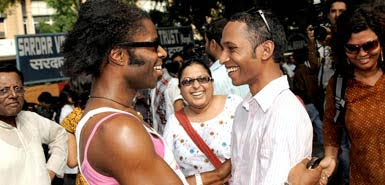
Celebrating India’s decriminalization!
It has always struck me that as queer people of color, we too often must venture outside our ethno-cultural communities to meet gay people. I came out at 16 and by then only knew gays within my age-group. Fortunately, in that era of grand community building, a local charity had organized a gay youth group. There, in addition to comradery, the adult facilitation and guest speakers provided mentorship and what we now understand as inter-generational knowledge. They also alerted me to queer writers: Through Sister Outsider, I’d traveled around the world with Audre Lorde long before I stepped foot outside of north-America. This is a powerful glue that can sustain solidarity within any community.
By attempting to transport certain functions of the gay club scene into the virtual world, we have certainly lost a core opportunity for inter-generational bonding. The ominous gay club also functions as a platform for the exchange of knowledge and experience. This phenomenon is sustained by travel, particularly tourism, migration, immigration. Or, how long did it take for nations to consider asylum for queers fleeing in deadly homophobic regimes? Flawless:
Don’t you know, you’ve got to go to the city
You’ve got to reach the other side of the glass
I think you’ll make it in the city baby
I think you know that you are more than just
Some F-ed up piece of ass
Pride – both metaphorically and literally – has circulated the globe, first and foremost through travel and tourism, then through globalizing the fight against AIDS. By the mid-90’s, the attention of gay rights advocates had widened to confronting homophobia. If health was a human right, then surely freedom from stigma is, too. Mind you, this same argument fueled the successful campaign in India to decriminalize same-sex sex, which was based on colonial legislation. Rights advocates in India had successfully used case law to articulate access to healthcare as a civil right, showing how stigma impeded this for queers.
Sadly, the exact same Victoria-era law has been strengthened and extended in many African nations, legitimizing jungle justice! For many, travel is a lifeline, including asylum. For queers in the African Diaspora, this is yet another form of exile – banishment from the motherland.
Under the bridge downtown…
If there were ever a community consumed with travel, it would be LGBTQ+ folk. Our folk knowledge is transmitted in myth and music, for example, lyrics urging gays to head to the shelter of the city. Whether chants about finding a YMCA, or told to Go West to be “together” in the sanctuary, mythical San Francisco, for gays to achieve self-realization, we needed to ‘know’ urban life to counter traditional values in the homestead. “I think you’ll make it in the city, baby.” There -away- we’re promised a new beginning with freedom. I’m very proud to have seen this through.
Gay civil rights have advanced globally far faster than those of any other recognized minority group, and certainly, one factor is… (drumroll) …we’re everywhere, even where there’s no Pride! Like ether, our pride travels through the stratosphere.
Share this:


#CriminologyBookClub: The Yellow Room

In times of crisis it is beneficial to occupy yourself with things to do. This helps us to cope with boredom, and to distract us from the bleakness of reality. What better way to help with this than to start a book club? That’s right, whilst some of us were sitting at home twiddling our thumbs, @paulaabowles had sent us all a book that we were to read and discuss in virtual book club meetings. Little did we know that this book club was to be our very own ray of sunshine during such an unprecedented time.
Our first book is The Yellow Room by Mary Robert Rinehart (dubbed the American Agatha Christie by the blurb, which is generous). Set in Maine (USA) during WWII, this is a classic whodunit crime novel. With the wealthy Spencer family finding themselves tangled in a web of evidence that instigates their involvement with a dead woman that is found in the closet of their holiday home. The book is filled with intrigue and the plot thickens with each chapter, with more and more clues being thrown into the mix. Until too much is thrown in, and what is left of the book is quite simply… a mess.
The book consists of 30 chapters, and we think the club is in agreeance that the first 20-24 chapters are pretty great. Rinehart throws a number of spanners in the works, with near misses, burning hillsides, death by frights, illegitimate children and secret marriages. We all had our theories, some boarding on plagiarism (they know who they are!). However as it turns out a few of us were half right, and then so were some of the others. We will not give away any spoilers, but the ending, the answer we were all waiting for was disappointing and quite frankly we are still not 100% sure who did it, and what was actually done. The leading lady of the book Carol Spencer, dubbed drippy Carol by the club, because she is, well… DRIPPY, does nothing but smoke and drink coffee, whilst surrounded by crime and uncertainty. But, alas, when all is righted, she finds herself in the arms of an arrogant moody man, all happily engaged! Possibly a romance (although a bad one) or possible a classic whodunit (a half decent one), who can tell?
Overall the book was a success: it inspired intrigue and discussion! The virtual book club even more so! A bunch of misfits, gathered together (20minutes after the allotted time because one member of the group is late- @manosdaskalou), discussing the book, thinking about the social context, the characters, and how it is received today. It is a fantastic virtual club consisting of familiar suspects: the princess, the athlete, the criminal, the brain, the basket case, the parent and the “carol” (representations may not be literal or accurate). What will the misfits think of the next book? Will they all agree? Will one read ahead and sit silently and sheepishly, without the others knowing? Stay tuned…
@jesjames50 and @haleysread – founding members of the #CriminologyBookClub
Share this:


Teaching, Technology, and reality

I’m not a fan of technology used for communication for the most part, I’d rather do things face to face. But, I have to admit that at this time of enforced lockdown technology has been to a large extent our saviour. It is a case of needs must and if we want to engage with students at all, we have to use technology and if we want to communicate with the outside world, well in the main, its technology.
However, this is forced upon us, it is not a choice. Why raise this, well let me tell you about my experiences of using technology and being shut at home! Most, if not all my problems, probably relate to broadband. It keeps dropping out, sometimes I don’t notice, that is until I go to save my work or try to add the final comment to my marking. I know other colleagues have had the same problem. Try marking on Turnitin only to find that nearly all of your feedback has just disappeared in a flash. Try talking to colleagues on Webex and watch some of them disappearing and reappearing. Sometimes you can hear them, sometimes you can’t. And isn’t it funny when there is a time lag, a Two Ronnies moment when the question before the last is answered. ‘You go, no you go’, we say as we all talk over each other because the social cues relied on in face to face meetings just aren’t there. I’ve tried discussion boards with students, it’s not like WhatsApp or Messenger or even text. It is far more staid than that. Some students take part, but most don’t and that in a module where attendance in class before the shutdown was running at over seventy per cent. I’m lucky to get 20% involved in the discussion board. Colleagues using Collaborate tell me a similar tale, a tale of woe where only a few students, if any appear. Six hours of emptiness, thumb twiddling and reading, that’s the lecturer, not the students.
Now I don’t know whether my problems with the internet are resultant of the increased usage across the country, or just in my area. I suspect not because I had problems before the lockdown. I live in a village and whilst my broadband package promises me, and delivers brilliant broadband speed at times, it is inconsistent, frequently inexplicably dropping out for a minute or two. It is frustrating at times, even demoralising. I have a very good laptop (supplied by the university) and it is hardwired in, so not reliant on Wi-Fi, but it makes little difference. I suspect the problems could be anywhere in the broadband ether. It could be at the other end, the university, it could be at Turnitin for instance or maybe its somewhere in a black hole in the middle. Who knows, and I increasingly think, who cares? When my broadband disappeared for a whole day, a colleague suggested that I could tether my phone. A brilliant idea I thought as our discussion became distorted and it sounded like he was talking to me from a goldfish bowl. I guess the satellite overhead moved and my signal gradually disappeared. I can tell you now that my mobile phone operator is the only one that provides decent coverage in my area. Tethered to a goldfish bowl, probably not a solution, but thanks anyway.
If I suffer from IT issues, then what about students? We are assured that those that live on campus have brilliant Wi-Fi but does this represent the majority of our student body? Not usually and certainly not now. Do they all have good laptops; do they all have a decent Wi-Fi package? I hazard a guess, probably not. But even if what they have is on par with what I have available to me could they not also be encumbered with the same problems? We push technology as the way forward in education but don’t bother to ask the end user about their experience in using it. I can tell you from student feedback that many don’t like Collaborate, find the discussion boards difficult to engage with and some are completely demotivated if they cannot attend physical classes. That’s not to say that all students feel this way, some like recorded lectures as it gives them the opportunity to watch it at their leisure, but many don’t take that final step of actually watching it. They intend to, but don’t for whatever reason. Some like the fact that they can get books electronically, but many don’t, preferring to read from a hard copy. Even browsing the shelves in the library has for some, a mystical pleasure.
I’ll go back to the beginning, technology has undoubtedly been our saviour at this time of lockdown, but wouldn’t it be a real opportunity to think about teaching and technology after this enforced lockdown? Instead of assuming all students are technology savvy or indeed, want to engage with technology regardless of what it is, should we not ask them what works for them. Instead of telling staff what they can do with technology, e.g. you can even remotely mark students’ work on a Caribbean island, should we not ask staff what works? Let’s change the negative narrative, “you’re not engaging with technology”, to the positive what works in teaching our students and how might technology help in that. Note I say our students, not other students at other universities or some pseudo student in a theoretical vacuum. We should simply be asking what is best for our students and a starting point might be to ask them and those that actually teach them.
Share this:


Love Film: You Can’t Blame The Youth

On the basis of a reliable academic study, research by The University’s top senior lecturers on Criminology, I am by their words and definition “the Youth of Today.” However, my younger brother (age 12) is The Youth of Tomorrow. In our group chat, this ongoing conversation (now months old) also includes (not Harvard) references to The Youth of Yesterday (age 30+) or Yesteryear (if you’re ancient, ahem). It’s really quite amusing. Am I The Youth of Today? I hadn’t listened to any Stormzy until he did Glastonbury and our conversations around “Vossi Bop” really are worthy of critical acclaim. Is one’s youth status pigeon-holed to their date of birth?
By the time I was 17, I had watched most of Hitchcock’s catalogue and I think Woody Allen is one of the funniest writers alive (despite his controversy). Is this the point in the blog where I need to mention someone other than a White man? Again, another point of discussion in our chats. Diversity. So, true to form, I have seen the entire filmography of Vivien Leigh. I think Diane Keaton is understated in The Godfather films and Claudine with Diahann Carroll is underrated, and should be on seminal film lists when we talk about working-class life in America. It’s a lesson to us now in Britain, haunted by depressions of austerity and universal credit.

Yet, this blog isn’t about group chats, but generalisations. Are today’s youth beyond the grasp of Old Hollywood or even films made before the 2000s that aren’t franchise, or nostalgia pictures like Jumanji? I aim this question at The Youth of Tomorrow too (born post-7/7). Is it true? Maybe, maybe not. The idea remains that many people despite age are still dismissive of Old Hollywood in general, and the classic films made before the 1990s.
Criminology senior lecturer @paulaabowles has an affinity for Agatha Christie but seldom do I hear young people talk about Agatha when thinking crime stories, be it literature or not. I hear much love for Idris Elba as DI John Luther. Yet, it is arguable to say there would be no modern whodunnit without the massive contributions of crime writer Agatha Christie, who a century ago was defining the things we now we would call clichés. These people are seriously missing out by dismissing “The Old”. All it takes is the right story to alter perceptions, changing minds forever.
I do love to read, but film / the moving-image is more my thing. One of my favourite films is Mr Smith Goes to Washington. I’m of that generation that some of the boomer generation are talking about when they say “kids today” in relation to not enjoying the films that were around in their youth. I watched this film when I was 19 and I still am surprised by how complex yet simple it is. Audiences who have watched things like Veep, Netflix’s House of Cards or Thick of It will get on with James Stewart as Mr Smith.
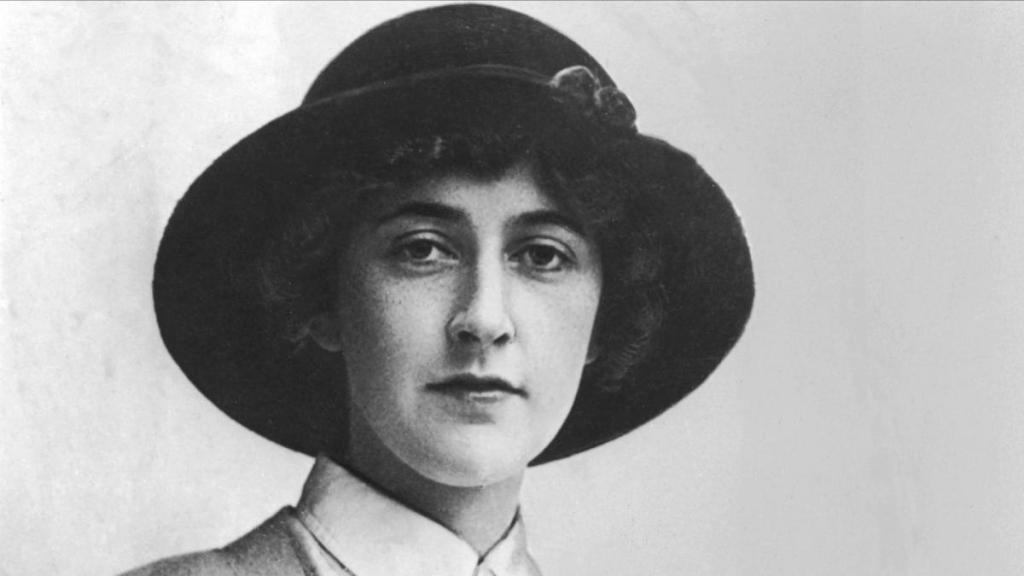
Its searing portrayal of how systems of power crush good people just wanting to do the right thing can still be seen in society today; from politics to policing, exploring corruption and greed in the deeply flawed human imagination whilst simultaneously acting as a commentary for humanity’s blitz spirit in a film, which I would not be surprised influenced Stan Lee in creating the character of Captain America in 1941. No matter how hard you try, what keeps human beings going is their determination to fight on.
I could be offended at people that say my generation “wouldn’t know a good film if it was staring at them in the face” because “Hollywood only now makes films for sixteen year-olds and China” (both real quotes) but I’m not, because in my experience outside of online film groups on Facebook, and Film Twitter, I have seen this to be true. I will never forget the time when a former-colleague refused to watch Ridley Scott’s Alien because it was old.
When people ask me for recommendations, I need to get a notion of that person’s likes first in case I get a repeat Alien situation (I am still salty about this) Nonetheless, I think everyone should watch classic cinema, including black and white films, as they are some of the best films ever made.
In a time now where sex sells, another in for classic cinema would be to introduce them to Old Hollywood through pictures like Some Like It Hot. Most people have heard of Marilyn Monroe, and the Youth of Today or Yesterday may in fact be seduced by the “crude” title and its star, only then to get mesmerised by a God-ordained masterpiece of American cinema, mixing film noir with banter and action, a film that is certainly not boring.

Though, very much a product of the late 1960s, To Sir with Love hasn’t aged a day. Growing up in a household where education and learning were core values, watching this film at 20 was a homecoming for me. Only to then screen it at the Students’ Union as part of Black History Month 2019. It reminds me of today in how we are in a sector where many students don’t want to learn and many teachers don’t want to teach, before we even get to issues of disparities of outcomes between different student groups.
Mark Thackeray (Sidney Poitier) is the teacher we all wish we had, and certainly an entrance into Old Hollywood for The Youth of Tomorrow, let alone the wonderful song by Lu Lu. To Sir, with Love is optimistic while still commenting on social issues, including race and class. It’s pure of heart in its ideas about British education but also access to education for poor working-class communities in the East End of London. Moreover, how teaching back then was a noble profession and a pillar of the community.
If “kids today” are to have access to these films, it will often be how I had access to them. Through a clunky VHS system at school watching things for English class like Elia Kazan’s A Streetcar Named Desire. I will never forget the time my brother asked me what a VHS was. And I then thought I had failed my duties. Or am I just passed it? Does he think I’m ancient? I think we’re at DVD now, or even BluRay? Who decides what a classic is? That’s another question and that debate will have to wait for another time.
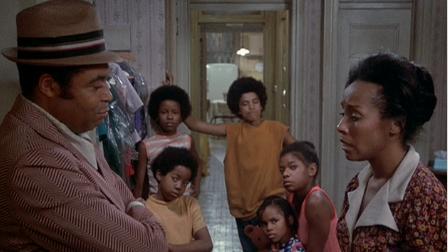
Do kids today know who Steven Spielberg is? He has had a defining film for every decade of his career. Surely, they know who he is? They must have watched Jaws? Sometimes, I want to despair but I was in their position once, possibly when I was in nappies. I think I might have had grey hair then too. As we all sit in lockdown, there is no better time to watch the epics. Whilst many of us will be bingeing the likes of Peter Jackson’s Lord of the Rings, what about the epics of the silver screens of Old Hollywood?
When talking to young people, we do often look at how accessible a film is, and whether it’s in high definition? Those are two selling points. Gone with the Wind, Giant, Lawrence of Arabia, Cleopatra, Doctor Zhivago, Spartacus, Ben-Hur – these are some of my favourite epics. Cleopatra sits at a wholesome 5hrs 20mins. These were event films in the same way we court Lord of the Rings today. We don’t get many event films anymore but you can’t blame the youth for not knowing what they do not know.
And with a massive diversity of content across streaming platforms like Netflix and Amazon Prime as well, do the Youth of Today (and Tomorrow) need older films, or am I locked in the time trap of nostalgia and golden age thinking?
Share this:


“My Favourite Things”: Sallek
My favourite TV show - I am a huge fan of crime fiction series and could commit all my time to re-watch some of the very interesting series. I have enjoyed Criminal Minds, Suits and Nikita, and I really can’t decide on which is more favourite

My favourite place to go - Although I am not a programmer, I am highly tech-savvy and curious about technology. I just love technology and I always fancy those moments when I get lost trying to know and understand recent strides and technological advancement. So, I always long to catch a glimpse or visit places where new advancements and latest technologies are on display or put into practical everyday use. I guess this means I have a lot of travelling or catching up to always do as new technological innovations in various fields are always birthed

My favourite city - I could quickly conclude that Rome is without a doubt my favourite city – it reminds me of my dear country, but even more, the ancient history of the city culminated with the Colosseum - one of the new 7 wonders of the world. However, I have heard so much about Paris and I long to visit the city, but until then, I consider Cape Town as my favourite city. Cape Town is filled with live, blessed with a beautiful landscape, the Table Mountain and the historical Robben Island which beckons on tourists. However, in spite of her glory, the city portrays the injustice of humanity, the reluctance to address the concerns, and the resultant inequality and inequity

My favourite thing to do in my free time - One thing I love doing in my free time is writing songs, especially rap lyrics. I also enjoy reading, running, and engaging in some few indoor sports such as pool and playing Pro Evolution Soccer (PES). The latter helps me get rid of mental stress and anxiety. I remember spending the whole day playing PES before my PhD viva in the evening and it worked the magic of taking my mind off the thought of the ‘defence’

My favourite athlete/sports personality - The GOAT (Greatest Of All Time) of football, Cristiano Ronaldo dos Santos Aveiro – one can always learn a lot about commitment and determination, discipline, passion, work ethic, and hard work from him. After about two decades of cutting off from wrestling, a friend persuaded me to attend a live WWE event, and since then, I added the Big Dog, Roman Reigns (Leati Joseph Anoa’i) to this list

My favourite actor - I am not sure I have a favourite actor, probably because I feel they are all act scripts which favours some and rarely favours others. However, if pushed, I will pick Jackie Chan because he goes the extra to make his stunts

My favourite author - This is tricky - I read by titles and this makes it difficult having any one favourite author

My favourite drink - Zobo, and I know I will have to do some explaining here. Zobo is made from a combination of fruits such as pineapples, watermelon, orange, and cucumber mixed in a boiled dried Roselle as the main ingredient (Roselle is a common specie of Hibiscus in West Africa). A chilLed glass of Zobo tastes far better than any drink

My favourite food - Plantain, pizza, and any tasty and spicy food

My favourite place to eat - None in particular, but if together with one or more persons, I have the best of meals

I like people who - never quit without exhausting all possible options

I don’t like it when people -  quit without a hard fight or fail to give in their best to any task

My favourite book - Chinua Achebe’s A Man of the People to which I add William Shakespeare’s Merchant of Venice and George Orwell’s Animal Farm as the storylines depict some of the political quagmires across many states

My favourite book character - Shylock in William Shakespeare’s Merchant of Venice

My favourite film - The Fast and Furious series

My favourite poem - The Road Not Taken by Robert Frost; it helps keep my sanity in check – no room for regrets

My favourite artist/band -  Extremely difficult to pick one, but left with no option, Fela Anikulapso Kuti and Lucky Dube

My favourite song - Suffering and Smiling by Fela Anikulapo Kuti

My favourite art - unfortunately, I have little appreciation of arts work, but I definitely love the passion depicted in Michelangelo’s Pietà

My favourite person from history - Ken Saro-Wiwa (Kenule Beeson Saro-Wiwa), a Nigerian writer, television producer and environmental activist who was executed by the regime of General Sani Abacha over his non-violent campaign over the degradation of the Niger Delta oil region of Nigeria and the marginalisation of its people


 Thoughts from the criminology team