
Home » National Health Service (Page 2)
Category Archives: National Health Service

Please don’t clap or cheer

In an uncomfortable irony, my regular blog entry has fallen on the 8 May 2020, the seventy-fifth anniversary of the end of World War 2 in Europe. I say uncomfortable because I find this kind of commemoration particularly challenging to comprehend, given my pacifist tendencies. I’m therefore going to take a rather circuitous route through this entry.
On the 20 March 2020 I wrote the first Thoughts from the Criminology team blog entry (focused on Covid-19), just a few hours after the University had moved to virtual working. Since then the team has tackled the situation in a variety of different ways. In that I detailed my feelings and observations of life, as we knew it, suddenly coming to abrupt halt. Since then we have had 7 weeks of lockdown and it is worth taking stock of where we are currently.
At present the UK has recorded over 30,000 deaths attributed to the virus. These figures are by necessity inaccurate, the situation has been moving extremely fast. Furthermore, it is incredibly challenging to attribute the case of death, particularly in cases where there is no prior diagnosis of Covid-19. There has been, and remains a passionate discourse surrounding testing (or the lack of it), the supplies of Personal Protective Equipment (or the lack of it) and the government’s response (or lack of) to the pandemic. Throughout there has been growing awareness of disparity, discrimination and disproportionality. It is clear that we are not in all this together and that some people, some groups, some communities are bearing the brunt of the current crisis.
Having studied institutional violence for many years, it is evident that the current pandemic has shown a spotlight on inequality, austerity and victimisation. The role of institutions has been thrown into sharp relief, with their many failings in full view of anyone who cared to look. In 1942, Beveridge was clear that his “five giant evils” could have been addressed, prior to World War 2, yet in the twenty-first century we have been told these are insurmountable. Suddenly, in the Spring of 2020, we find that councils can house the homeless, that hungry children can be fed, that money can be found to ensure that those same children have access to educational resources. We also find that funds can be located to build emergency hospitals and pay staff to work there and across all other NHS sites.
Alongside this new-found largesse, we find NHS staff talking about the violences they face. The violence of being unable to access the equipment they need to do their jobs, the violence of being deprived of regular breaks, the violence of racism, which many staff face both internally and externally. We hear similar tales from care workers, supermarkets workers, delivery drivers, the list goes on. Yet we are told by the government that we are all in this together. This we are told, is demonstrated by gathering on doorsteps to clap the NHS and carers. It can be compared with the effort of those during World War II, or so we are told. If we just invoke that “Blitz Spirit” “We’ll Meet Again” at the “White Cliffs of Dover”.
However, such exhortations come cheap, it costs nothing in time, or money, to clap, or to sing war time songs. To do so puts a veneer of respectability and hides the violent injustices inherent in UK society and the government which leads it. It disguises and obfuscates the data that shows graphic racial and social economic disparity in the death toll. Similarly, it avoids discussion of the role that different individuals, groups and communities play in working to combat this horrible virus. As a society we have quickly forgotten discussions around deserving/undeserving poor, the “hostile environment” and those deemed “low-skilled”. It camouflages the millions of people who are terrified of unemployment, poverty and all of the other injustices inherent within such statuses. It hides the fact that these narratives are white and male and generally horribly jingoistic by ignoring the contribution of anyone, outside of that narrow definition, to WWII and to the current pandemic. It is trite and demonstrates an indifference to human suffering across generations.
Let’s stop focusing on the cheap, the obvious and the trite and instead, once this is over, treat people (all people) with respect. Pay decent wages, enable access to good quality nutrition, education, health care, welfare and all of the other necessities for a good life. And by all means commemorate the anniversary of whatever you like, but do not celebrate war, the biggest violence of all, without which many more lives would be improved.
Share this:

The day after!
“I know not with what weapons World War III will be fought, but World War IV will be fought with sticks and stones.” This quote allegedly belongs to A. Einstein who imagined a grim day in the aftermath of a world war among nations who carried nuclear arms.
It is part of human curiosity to imagine beyond the current as to let the mind to wonder on the aftermath of this unique international lockdown! Thoughts wonder on some prosaic elements of the lockdown and to wonder the side effects on our psyche. Obviously as I do not have a vast epidemiological knowledge, I can only consider what I know from previous health scares.
The previous large-scale health scare was in the 1980s. I still remember the horrible ad with the carved headstone that read AIDS. One word that scared so many people then. People were told to practice safe sex and to avoid sharing needles. People became worried and at the time an HIV diagnoses was a death sentence. Images of people suffering Kaposi’s sarcoma began to surface in what became more than a global epidemic; it became a test in our compassion. Early on, gay people reported discrimination, victimisation and eventual, vilification. It took some mobilisation from the gay community and the death of some famous people to turn the tide of misconceptions, before we turned the tide of the disease. At this stage, HIV is not a death sentence and people who are in receipt of medical attention can live full and long lives.
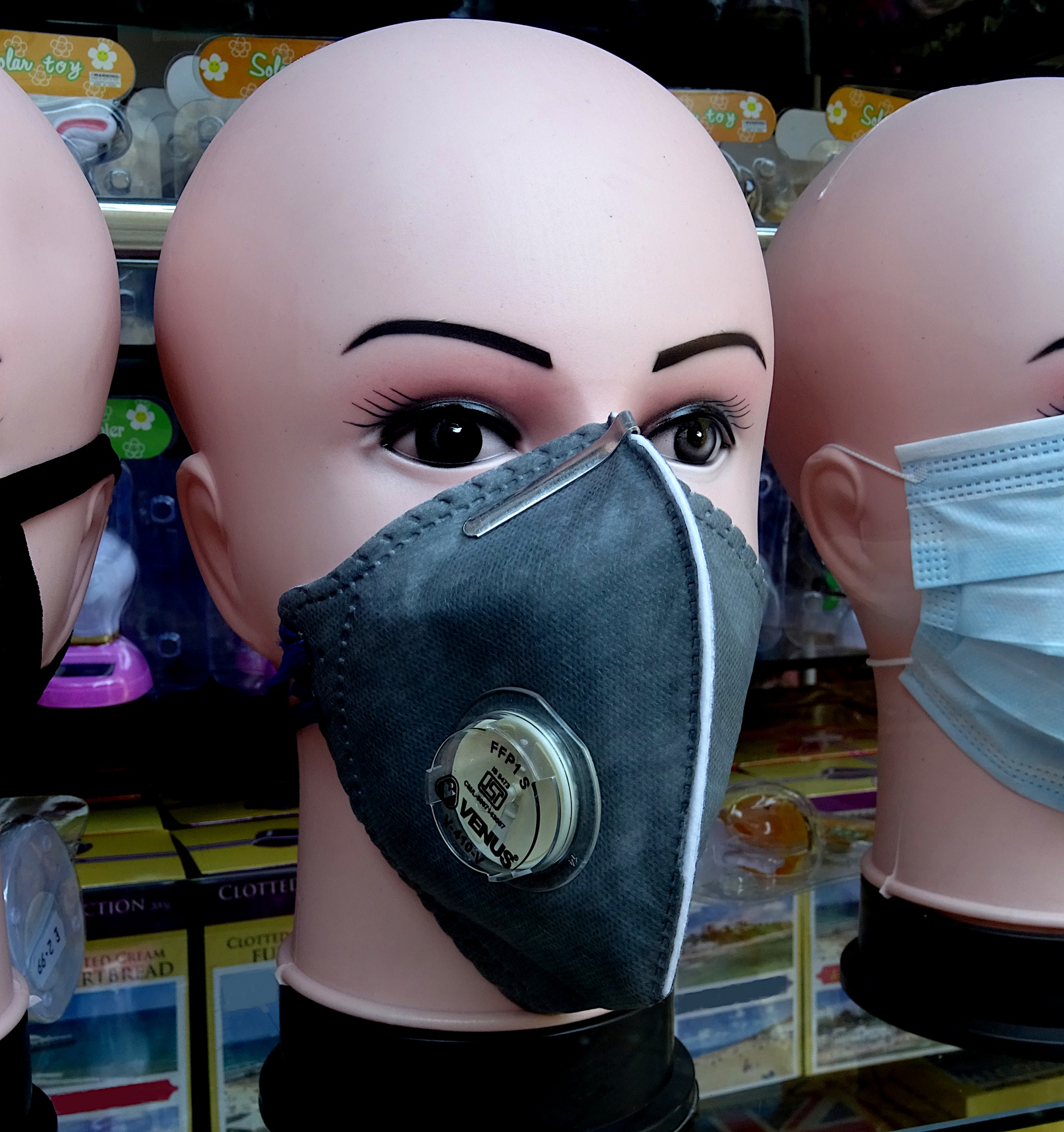
It is interesting to consider how we will react to the easing of the restrictions and the ushering on a new age. In some Asian countries, since SARS in 2003 some people wear face masks and gloves. Will that become part of our attire and will it be part of professional wear beyond the health care professions? If this becomes a condition, how many people will comply, and what will happen to those who will defy them.
We currently talk about resilience and the war spirit (a very British motif) but is this the same for all? This is not a lockdown on equal terms. There are people in isolation in mansions, whilst some others share rooms or even beds with people, they would rather they did not. At the same time, we talk about resilience, all domestic violence charities speak of a surge in calls that have reached crisis levels. “Social distancing” has entered the lexicon of our everyday, but there are people who simply cannot cope. One of the effects the day after, will be several people who will be left quite traumatised. Some may develop an aversion to people and large crowds so it will be interesting to investigate if agoraphobia will surge in years to come.
In one of my exercise walks. I was observing the following scene. Grandparents waving at their children and grandchildren from a distance. The little ones have been told not to approach the others. You could see the uneasiness of contactless interaction. It was like a rehearsal from an Ibsen play; distant and emotionally frigid. If this takes a few more months, will the little ones behave differently when these restrictions are lifted? We forget that we are social animals and although we do not consciously sniff each other like dogs, we find the scent of each other quite affirming for our interactions. Smell is one of the senses that has the longest memory and our proximity to a person is to reinforce that closeness.
People can talk on social media, use webcams and their phones to be together. This is an important lifeline for those fortunate to use technology, but no one can reach the level of intimacy that comes from a hug, the touch on the skin, the warmth of the body that reassures. This was what I missed when my grandparents died, the ability to touch them, even for the last time.
If we are to come out of social distancing, only to go into social isolation, then the disease will have managed something that previous epidemics did not; to alter the way we socialise, the way we express our humanity. If fear of the contagion makes us withdrawn and depressed, then we will suffer a different kind of death; that of what makes us human.
During the early stages of the austerity we saw the recurrence of xenophobia and nationalism across Europe. This was expected and sociologically seemed to move the general discussions about migration in rather negative terms. In the days before the lockdown people from the Asian community already reported instances of abusive behaviour. It will be very interesting to see how people will react to one another once the restrictions are lifted. Will we be prepared to accept or reject people different from ourselves?
In the meantime, whilst doctors will be reassessing the global data the pandemic will leave behind, the rest of us will be left to wonder. Ultimately for every country the strength of healthcare and social systems will inevitably be evaluated. Countries will be judged, and questions will be asked and rightfully so. Once we burry our dead, we must hold people to account. This however should not be driven by finding a scapegoat but so we can make the most of it for the future. Only if we prepare to see the disease globally, we can make good use of knowledge and advance our understanding of the medicine.
So maybe, instead of recriminations, when we come outside from our confinement, we connect with our empathy and address the social inequalities that made so many people around us, vulnerable to this and many other diseases.
Share this:


That old familiar feeling

It would seem it’s human nature to seek out similarities in times of uncertainty. An indication that someone somewhere has experience they can share. Some sort of wisdom they can provide or at the very least a recognisable element that can somehow be interpreted to give an indication, that when it happened before everything turned out ok in the end. With the current world pandemic leaving so much free time to think and observe what is going on, one has to wonder at some point if the differences should be a more prominent focus point.
Historically world pandemics are not new. The plague, small pox, Spanish flu, all form part of a collective historical account of the global devastating impacts a new disease has on mankind. I found myself re-reading The Plague (Camus, 1947/2002) and pondering the similarities. Self-isolation and whole town isolation, the socioeconomic impacts on the poor seeking employment, despite the risk to health these roles carried and the heart-breaking accounts of families unable to say goodbye to loved ones or bury the dead in a dignified, ordinary manner.
Early on politicians and media were quick to compare the pandemic with war. Provocative language became commonplace. Talk of fighting the invisible enemy in the new ‘war’, with the ‘frontline’ NHS staff our new heroes giving the country hope we could win. It came as no surprise to wake one morning and see ‘memes’ shared on social media portraying Boris Johnson as the new Churchill.
Media quickly changed. Suddenly films which dramatised pandemics grew in popularity. These fictitious accounts of how the world would respond, the mistakes which would be made and the varying outcomes individual responses towards official advice would have on their chances of survival. Even I have to admit a scene from Contagion discussing the use of hand washing and refraining from touching your face seemed to echo government advice. Fortunately, the scenes of supermarket looting were overdramatic but the empty supermarket shelves and panic buying hysteria was all the same.
There were however, some comparisons made, which haunted me. I’m sure everyone has their own reasons for finding distaste and maybe mine were unique to me. A combination of my academic knowledge and background mixed amongst my own personal views and current situation. As a mother of three, I had suddenly become a teacher with the closure of schools. My recent master’s degree in education fortunately allowed me a basic, self-researched understanding of mainstream education and home education methods.
I watched as friends and family members concerns grew about how they as parents could provide an education. Initially most looked-for similarities once again. Similar timetables to school, similar methods of teaching, trying as a parent to morph into a similar role their children’s teacher has. I think most parents felt overwhelmed quite early on. Many most likely still do, because the thing is, home education is not comparable to mainstream education in many ways at all. That’s not to say one is superior, this is certainly not my opinion. Quite simply, they’re fundamentally different approaches.
I often find myself throughout my academic journey looking for comparison with concepts and areas in which I’m familiar. My undergrad in law and criminology makes occasional appearance in most of my writing, perhaps more often than not, in fact, I used my continued interest in criminological and legal concepts to make my education MA my own. Further reinforcing the idea, familiarity provides some sort of comfort as we enter something unknown.
One comparison which deeply worried me that finds its roots in criminological concepts, is those who have compared self-isolation with prison. Having experienced a long, heated debate previously following a comment I made displaying my disgust for the re-introduction of the death penalty, it seemed futile to raise the issues with this in the only social environment I had access to currently, social media. I remain hopeful, most criminologists recognise the obvious differences between the two.
In the end when we look back at this moment in history, there will no doubt be many more comparisons made. We often look to history to learn lessons and I’m not sure we can do that without recognising some sort of parallels with the situation. Whether that be for comfort, guidance, information or to learn, entirely depends on the individual. I will leave you with a quote of something I heard a few days ago which has stuck with me and provided inspiration for this writing…
“History doesn’t repeat itself but it often rhymes”
With that in mind, I would suggest we take comfort in the familiarity of similar situations, that this pandemic won’t last forever, but the difference it may make on our lives will always be our personal experiences. When we look back and search for comparison of life during the pandemic and life afterwards, we may well appreciate the experiences we once took for granted.
Reference
Camus, A (2002). The Plague. London: Penguin classics
Share this:

Coronavirus (Covid-19): The greatest public health crisis in my lifetime
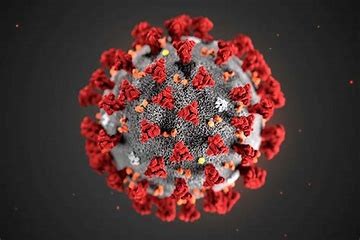
The coronavirus has caused an ongoing pandemic of coronavirus disease 2019 (COVID-19), caused by severe acute respiratory syndrome. The outbreak started in Wuhan, Hubei province, China, as early as November 2019. The World Health Organization (WHO) declared the outbreak to be a Public Health Emergency of International Concern on 30 January 2020 and recognized it as a pandemic on 11 March 2020. Whilst we all have an interest in the ongoing spread and consequence of the greatest public health crisis in generations it holds a specific interest for me given my visits to Wuhan and Hubei province whilst working for Coventry University. Wuhan is a massive city with over 11 million of a population, but little heard of until this outbreak. It is believed that its origins are most likely linked to the Huanan Seafood Wholesale Market, in Wuhan which also sold live animals, and one theory is that the virus came from one of these kinds of animals. The virus spread quickly through the population of Wuhan City which led to comprehensive lockdown to contain the virus. However, the virus spread beyond the city across China and into other countries. The scale of the spread has been significant and by the time the World Health Organisation declared the outbreak a full pandemic in March 2020 there were cases recorded in hundreds of countries.
Cases in the UK emerged on January 31st 2020, which prompted a government response to manage the outbreak. In the early stages there was some discussion about “taking it on the chin” and allowing the virus to spread through the population in order to gain “herd immunity”. However, the public health, medical and scientific experts at Imperial College London suggested that the death toll through their modelling exercises, if this strategy played out, could be in excess of 500,000. This was a situation that would be socially and politically unpalatable, and a change of thinking emerged with a combination of social distancing, public health advice on washing hands and a strategy to protect the capacity of the NHS to cope with escalating cases. A new lexicon emerged that we are now all familiar with: flattening the curve, delaying the spread, the peak of the infection and latterly the language of the health professionals in the frontline supporting and caring for people acutely ill with Covid-19; Personal Protective Equipment (PPE), Continuous Positive Airway Pressure (CPAP), ventilation and oxygen saturation and therapy. This is because the virus can attack the respiratory system leading to pneumonia and in several cases an immune response that leads to multi-organ shutdown. The media presentation of this crisis is all very frightening.
At the time of writing the pandemic has progressed relentlessly in the UK with currently over 65,000 people have tested positive and of those hospitalised nearly 8,000 patients have died. Some commentators have suggested that the UK was slow to recognise the seriousness of the virus and was slow to initiate the “lockdown” measures required to halt the spread. In addition, the UK’s position on testing for the virus has been criticised as slow, lacking preparation despite the global warnings from WHO and a shortage of the essential materials required. Whether these criticisms are valid only time will tell but the UK’s data on cases, hospitalisation, need for critical care and deaths is on a trajectory like other countries which could be described as liberal democracies. Here is the first clue to the timing of the response. The measures required to halt the spread of the virus have massive economic consequences. Balancing these two issues is incredibly difficult and has led to some commentators suggesting all liberal democracies will struggle to respond quickly enough.
What is now abundantly clear is that this is going to take some time for us to get through as a society and the consequences for large sections of our society are going to be devastating. However, what I’d like to discuss in the remainder of this blog are a number of early lessons and personal observations in terms of what we are seeing play out.
First, the data emerging indicates that the narrative about the “virus does not discriminate” is a false one. It is clear that health professionals are much more greatly exposed and that the data on cases and deaths indicate higher numbers of the socially deprived and BAME community. This should not be a surprise as the virus will be keenest felt in communities negatively impacted by health inequalities. This has been the case ever since we recognised this in the “Black Report” (DHSS 1980). The Report showed in detail the extent to which ill-health and death are unequally distributed among the population of Britain and suggested that these inequalities have been widening rather than diminishing since the establishment of the National Health Service in 1948. It is generally accepted that those with underlying health issues and therefore most at risk will be disproportionately from socially deprived communities.
Second, the coronavirus will force the return of big government. The response already supports this. In times of real crisis, the “State” always takes over. Will this lead to more state intervention going forward? If so then we will witness the greatest interventionist Conservative government in my lifetime.
Third, the coronavirus provides one more demonstration of the mystique of borders and will help reassert the role of the nation state. Therefore, the coronavirus is likely to strengthen nationalism, albeit not ethnic nationalism. To survive, the government will ask citizens to erect walls not simply between states but between individuals, as the danger of being infected comes from the people we meet most often. It is not the stranger but those closest to you who present the greatest risk.
Fourth, we see the return of the “expert”. Most people are very open to trusting experts and heeding the science when their own lives are at stake. One can already see the growing legitimacy that this has lent to the professionals who lead the fight against the virus. Professionalism is back in fashion, including recognition of the vital role of the NHS.
Fifth, the coronavirus could increase the appeal of the big data authoritarianism employed by some like the Chinese government. One can blame Chinese leaders for the lack of transparency that made them react slowly to the spread of the virus, but the efficiency of their response and the Chinese state’s capacity to control the movement and behaviour of people has been impressive.
Sixth, changing views on crisis management. What governments learned in dealing with economic crises, the refugee crisis, and terrorist attacks was that panic was their worst enemy. However, to contain the pandemic, people should panic – and they should drastically change their way of living.
Seventh, this will have an impact on intergenerational dynamics. In the context of debates about climate change and the risk it presents, younger generations have been very critical of their elders for being selfish and not thinking about the future seriously. Ironically the coronavirus reverses these dynamics.
Finally, I return to a point made earlier, governments will be forced to choose between containing the spread of the pandemic at the cost of destroying the economy or tolerating a higher human cost to save the economy. In conclusion, I have heard many say that this crisis is different to others we may have faced in the past 30 years and that as a result we can see society changing. Whilst I’m sure a number of the issues raised in this blog could potentially lead to society change it is also a truism that our memories are short, and we may return to life as it looked before this crisis quite quickly. Only time will tell.
Reference
“The Black Report” (1980): Inequalities in Health: Report of a Research Working Group. Department of Health and Social Security, London, 1980.
Share this:


Surviving Corona. #BlackenAsiaWithLove
In my Sabbatical year spent here in Vietnam, it would be disingenuous NOT to speak about the Coronavirus. Without being hyperbolic, this is a crisis of every proportion. Here are a few of my observations.
Today it was reported that the Whistle-blower, Dr. Li Wenliang, died of the virus. At the epicentre, Chinese health officials initially claimed the virus would peak and subside within a week’s time. There are claims that those predictions were made due to reticence to pass bad news up the political chain. Undoubtedly, we will celebrate him as a hero, for his efforts to alert the world while Corona was just an epidemic. For context: This same week, one of my state’s senators outed the whistle-blower who originally brought to light the massive corruption of the current White House occupant who was just acquitted. At the same time, in the middle of the (illegal) trade war between these two nations, Chinese health officials reference American health standards to legitimize their efforts to control this pandemic on the international stage – not the W.H.O. If my head weren’t spinning from all this news, then certainly even I am suspicious of my every cough or sneeze to the level of paranoia. Or, perhaps this pseudo-medical mask I am wearing is just rather annoyingly pinching my ears.
M-m-m-my Corona!
Sitting on the ground, people are handling it reasonably well. That is to say, no one is running around screaming or losing their heads. Logistically, the virus could hardly have come at a better time. The city was already emptied out by those who had returned home to celebrate the Lunar New year, known in Vietnam as Tet. The weekend folks were set to return, orders came from on high to close all educational institutions, due to the obvious fact that classrooms huddle groups of people into close, closed quarters – infection heaven. Heck, classrooms are built as fertile grounds! Morally, it’s the exact opposite: What an unsettling ending to the region’s most festive season!
Worse still, there is a travel ban from China, while estimating that “Chinese visitors comprised almost 30 percent of the approximate 15.5 million international travelers who arrived in either Hanoi or Ho Chi Minh City last year and translated into $30 billion from both the domestic and international market.” Who really can imagine the wider economic impact!?!
On my sabbatical, I am working in the language centre of a partner institution of my home university in the UK, which I got to know in my role as Senior Lecturer in International Business. Here, my desk is merely 15 feet away from the customer service desks where students come to register from the language classes, or any one of the ESL tests they must pass to graduate. Basically, at some point, every student at this university must come into this office. Additionally, we are a regional German-language testing centre, garnishing many folks from China (recall that travel ban!). While there are usually 6-7 ladies manning the kiosks, only two to three were called in the first few days to address students’ needs. Now, each day there is only one. Yesterday afternoon, it was announced again that all educational institutions would be closed for yet another week. Since I know that only a few of my colleagues are from Hanoi and are here with their parents, I suppose most of these ladies are home looking after their kids. I cannot imagine how other parents without grandparents nearby are dealing with this crisis.
A colleague told me last week that universities always reserve time within the term for such contingencies, but I imagine two full weeks of cancelled classes is a stretch. Certainly, my concerns have shifted towards the graduating seniors this term. Then, there are also the hourly-paid language teachers our/any centre hires. What about their labour? What’s more, our university is huge and sits next to at least 3 more universities, not to mention the 3 pre-schools I pass on my walk home. Again, all primary, secondary and tertiary schools are all closed for a second week after Tet. There are over 30,000 students, lecturers and staff. My husband has a similar gig down the road which boasts many, many more.
There are entire food and transportation economies woven around all these campuses. Most visibly, there are a host of corporate café chains, as well as typically Hanoian tea-stalls and street-food kiosks selling fast-food ranging from variations of noodle soups, to anything that can be deep-fried, steamed or cooked over a charcoal fire. Naturally, this Kentuckian spends way too much time at the grilled chicken lady. She does feet, as well as drumsticks and wings which she stretches out onto skewers and serves with hot sauce (so there’s no need to carry any in my bag). Most of these food outlets closed for Tet, but many simply have not re-opened since. The few that are open are virtually empty, save for the few pedestrians and commuters passing by, or the motorbike taxis that station themselves around each entrance to the campus alongside the tea-stalls. At least apparently, their persistence offers moral support, though it is possible that economically, there ain’t enough business between them. Enough?
Since the outbreak, I’ve regularly received text messages from the Ministry of Health, as has been widely reported in global media. The messages are in Vietnamese, which Google translates in 1-click just by copying the text. This is all –perhaps strangely- reassuring. No, it is very reassuring. The same messages are also sent straight to my phone via regionally popular chat programs such as Zalo. ‘Google Translate’ is integrated into that programme, too, like a virus. There, MoH’s chat messages include links to extended articles, especially details on how individuals can protect themselves, plus further info such as: “All hospitaliszation costs, medications, and testing costs for nCOV-positive patients are free.” There are layers of ways of spreading knowledge about the impact of potential outbreaks of disease, especially since SARS. It’s refreshing to see social media used so purposefully.
The streets are vacuous and quiet. Ordinarily, Hanoi is a loud, crowded, motorbike ridden city, so this peace is…(sigh)…morbid. Again, there are no visible signs of panic on the streets. It’s lunchtime here in the office. While I was engulfed in writing this blog-post, everyone else has quietly slipped away. This is the first time that I find myself alone in this building. All I hear are birds chirping outside, and a few horns blowing in the distance. The parking lot is empty. I’m going home.

For the courage of Dr. Li Wenliang (Photo from TheGuardian.com). May his family and friends at least know that his courage to speak truth to power has saved lives. May he Rest in Power.
Share this:


Ho ho homeless: Boris and reasons to be cheerful.
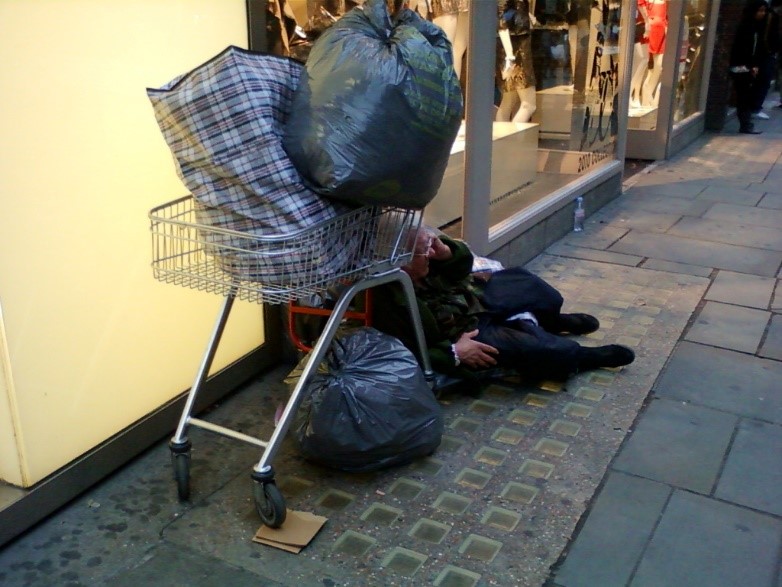
“Homeless Rough Sleeper” by Deadly Sirius is licensed under CC BY-NC-ND 2.0
A week has passed since the election and our political parties have had time to reflect on their victory or demise. With such a huge majority in parliament, we can be certain, whether we agree with it or not, that Brexit will be done in one form or another. The prime minister at the first meeting of his cabinet, and as if on cue ready for my blog, in front of the cameras repeated the pre-election promise of 40 extra hospitals and 50,000 extra nurses.
Putting aside my cynicism and concern about how we, as a country, are going to grow enough money trees without our foreign agricultural workers after Brexit, I welcome this much needed investment. I should add here that in the true sense of fairness, pre-election, other parties were likewise offering wonderful trips to fairyland, with riches beyond our wildest dreams. Trying to out trump each other, they managed to even out trump Trump in their hyperbole.
However, rather appropriately as it turns out, whilst sitting in the waiting room at a general hospital on election day, I read a couple of disturbing articles in the i newspaper. Pointing to the fact that makeshift shelters are becoming increasingly common in British cities one article quoted statistics from Homeless Link showing that rough sleeping had increased by 165% since 2010 (Spratt, 2019). Alongside, another article stated that A&E admissions of homeless patients had tripled in the last eight years with 36,000 homeless people attending in the last year (Crew 2019). Whilst I am always cautious regarding statistics, the juxtaposition makes for some interesting observations.
The first being that the promised investment in the NHS is simply a sticking plaster that attempts to deal with the symptoms of an increasingly unequal society.
The second being that the investment will never be enough because groups in society are becoming increasingly marginalised and impoverished and will therefore become an increasing burden on the NHS.
Logic, let alone the medical profession and others, leads me to conclude that if a person does not have enough to eat and does not have enough warmth then they are likely to become ill both physically and probably mentally. So, alongside the homeless, we can add a huge swathe of the population that are on the poverty line or below it that need the services of the NHS. Add to this those that do not have job security, zero-hour contracts being just one example, have massive financial burdens, students another example, and it is little wonder that we have an increasing need for mental health services and another drain on NHS resources. And then of course there are the ‘bed blockers’, a horrible term as it suggests that somehow, it’s their fault, these are of course the elderly, in need of care but with nowhere to go because the social care system is in crises (As much of the right-wing pre-Brexit rhetoric has espoused, “It’ll be better when all the foreigners that work in the system leave after Brexit”). It seems to me that if the government are to deal with the crises in the NHS, they would be better to start with investment in tackling the causes, rather than the symptoms*.
Let me turn back to the pre-election promises, the newspaper articles, and another post-election promise by Boris Johnson.
My recollection of the pre-election promises was around Brexit, the NHS, and law and order. We heard one side saying they were for the people no matter who you were and the other promising one nation politics. I don’t recall any of them specifically saying they recognised a crisis in this country that needed dealing with urgently, i.e. the homeless and the causes of homelessness or the demise of the social care system. Some may argue it was implicit in the rhetoric, but I seem to have missed it.
In her article, Spratt (2019:29) quotes a Conservative candidate as saying that ‘nuisance council tenants should be forced to live in tents in a middle of a field’. Boris Johnson’s one nation politics doesn’t sound very promising, with friends like that, who needs enemies?**
* I have even thought of a slogan: “tough on poverty, tough on the causes of poverty”. Or maybe not, because we all know how that worked out under New Labour in respect of crime.
** The cynical side of me thinks this was simply a ploy to reduce the number of eligible voters that wouldn’t be voting Conservative but, I guess that depends on whether they were Brexiteers or not.
Crew, J. (2019) Homeless A&E admissions triple. i Newspaper, 12 Dec 2019, issue 2824, pg. 29.
Spratt, V. (2019) ‘You Just didn’t see tents in London or in urban areas on this scale. It’s shocking’: Makeshift shelters are becoming increasingly common in British cities. i Newspaper, 12 Dec 2019, issue 2824, pg. 29.
Share this:


(In)Human Rights in the “Compliant Environment”

In the aftermath of the Windrush generation debacle being brought into the light, Amber Rudd resigned, and a new Home Secretary was appointed. This was hailed by the government as a turning point, an opportunity to draw a line in the sand. Certainly, within hours of his appointment, Sajid Javid announced that he ‘would do right by the Windrush generation’. Furthermore, he insisted that he did not ‘like the phrase hostile’, adding that ‘the terminology is incorrect’ and that the term itself, was ‘unhelpful’. In its place, Javid offered a new term, that of; ‘a compliant environment’. At first glance, the language appears neutral and far less threatening, however, you do not need to dig too deep to read the threat contained within.
According to the Oxford Dictionary (2018) the definition of compliant indicates a disposition ‘to agree with others or obey rules, especially to an excessive degree; acquiescent’. Compliance implies obeying orders, keeping your mouth shut and tolerating whatever follows. It offers, no space for discussion, debate or dissent and is far more reflective of the military environment, than civilian life. Furthermore, how does a narrative of compliance fit in with a twenty-first century (supposedly) democratic society?
The Windrush shambles demonstrates quite clearly a blatant disregard for British citizens and implicit, if not, downright aggression. Government ministers, civil servants, immigration officers, NHS workers, as well as those in education and other organisations/industries, all complying with rules and regulations, together with pressures to exceed targets, meant that any semblance of humanity is left behind. The strategy of creating a hostile environment could only ever result in misery for those subjected to the State’s machinations. Whilst, there may be concerns around people living in the country without the official right to stay, these people are fully aware of their uncertain status and are thus unlikely to be highly visible. As we’ve seen many times within the CJS, where there are targets that “must” be met, individuals and agencies will tend to go for the low-hanging fruit. In the case of immigration, this made the Windrush generation incredibly vulnerable; whether they wanted to travel to their country of origin to visit ill or dying relatives, change employment or if they needed to call on the services of the NHS. Although attention has now been drawn to the plight of many of the Windrush generation facing varying levels of discrimination, we can never really know for sure how many individuals and families have been impacted. The only narratives we will hear are those who are able to make their voices heard either independently or through the support of MPs (such as David Lammy) and the media. Hopefully, these voices will continue to be raised and new ones added, in order that all may receive justice; rather than an off-the-cuff apology.
However, what of Javid’s new ‘compliant environment’? I would argue that even in this new, supposedly less aggressive environment, individuals such as Sonia Williams, Glenda Caesar and Michael Braithwaite would still be faced with the same impossible situation. By speaking out, these British women and man, as well as countless others, demonstrate anything but compliance and that can only be a positive for a humane and empathetic society.
Share this:


Out early on good behaviour
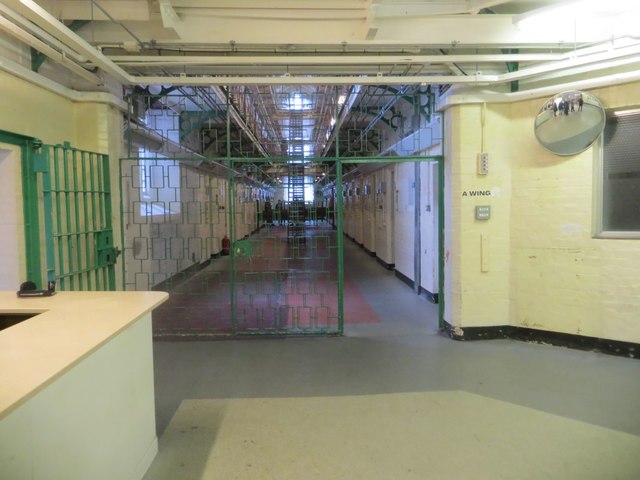
Dr Stephen O’Brien is the Dean for the Faculty of Health and Society at the University of Northampton
The other week I had the opportunity to visit one of our local prisons with academic colleagues from our Criminology team within the Faculty of Health and Society at the University of Northampton. The prison in question is a category C closed facility and it was my very first visit to such an institution. The context for my visit was to follow up and review the work completed by students, prisoners and staff in the joint delivery of an academic module which forms part of our undergraduate Criminology course. The module entitled “Beyond Justice” explores key philosophical, social and political issues associated with the concept of justice and the journeys that individuals travel within the criminal justice system in the UK. This innovative approach to collaborative education involving the delivery of the module to students of the university and prisoners was long in its gestation. The module itself had been delivered over several weeks in the Autumn term of 2017. What was very apparent from the start of this planned visit was how successful the venture had been; ground-breaking in many respects with clear impact for all involved. Indeed, it has been way more successful than anyone could have imagined when the staff embarked on the planning process. The project is an excellent example of the University’s Changemaker agenda with its emphasis upon mobilising University assets to address real life social challenges.
My particular visit was more than a simple review and celebration of good Changemaker work well done. It was to advance the working relationship with the Prison in the signing of a memorandum of understanding which outlined further work that would be developed on the back of this successful project. This will include; future classes for university/prison students, academic advancement of prison staff, the use of prison staff expertise in the university, research and consultancy. My visit was therefore a fruitful one. In the run up to the visit I had to endure all the usual jokes one would expect. Would they let me in? More importantly would they let me out? Clearly there was an absolute need to be on my best behaviour, keep my nose clean and certainly mind my Ps and Qs especially if I was to be “released”. Despite this ribbing I approached the visit with anticipation and an open mind. To be honest I was unsure what to expect. My only previous conceptual experience of this aspect of the criminal justice system was many years ago when I was working as a mental health nurse in a traditional NHS psychiatric hospital. This was in the early 1980s with its throwback to a period of mental health care based on primarily protecting the public from the mad in society. Whilst there had been some shifts in thinking there was still a strong element of the “custodial” in the treatment and care regimen adopted. Public safety was paramount and many patients had been in the hospital for tens of years with an ensuing sense of incarceration and institutionalisation. These concepts are well described in the seminal work of Barton (1976) who described the consequences of long term incarceration as a form of neurosis; a psychiatric disorder in which a person confined for a long period in a hospital, mental hospital, or prison assumes a dependent role, passively accepts the paternalist approach of those in charge, and develops symptoms and signs associated with restricted horizons, such as increasing passivity and lack of motivation. To be fair mental health services had been transitioning slowly since the 1960s with a move from the custodial to the therapeutic. The associated strategy of rehabilitation and the decant of patients from what was an old asylum to a more community based services were well underway. In many respects the speed of this change was proving problematic with community support struggling to catch up and cope with the numbers moving out of the institutions.
My only other personal experience was when I spent a night in the cells of my local police station following an “incident” in the town centre. This was a case of being in the wrong place at the wrong time. (I know everyone says that, but in this case it is a genuine explanation). However, this did give me a sense of what being locked up felt like albeit for a few hours one night. When being shown one of the single occupancy cells at the prison those feelings came flooding back. However, the thought of being there for several months or years would have considerably more impact. The accommodation was in fact worse than I had imagined. I reflected on this afterwards in light of what can sometimes be the prevailing narrative that prison is in some way a cushy number. The roof over your head, access to a TV and a warm bed along with three square meals a day is often dressed up as a comfortable daily life. The reality of incarceration is far from this view. A few days later I watched Trevor MacDonald report from Indiana State Prison in the USA as part of ITV’s crime and punishment season. In comparison to that you could argue the UK version is comfortable but I have no doubt either experience would be, for me, an extreme challenge.
There were further echoes of my mental health experiences as I was shown the rehabilitation facilities with opportunities for prisoners to experience real world work as part of their transition back into society. I was impressed with the community engagement and the foresight of some big high street companies to get involved in retraining and education. This aspect of the visit was much better than I imagined and there is evidence that this is working. It is a strict rehabilitation regime where any poor behaviour or departure from the planned activity results in failure and loss of the opportunity. This did make me reflect on our own project and its contribution to prisoner rehabilitation. In education, success and failure are norms and the process engenders much more tolerance of what we see as mistakes along the way. The great thing about this project is the achievement of all in terms of both the learning process and outcome. Those outcomes will be celebrated later this month when we return to the prison for a special celebration event. That will be the moment not only to celebrate success but to look to the future and the further work the University and the Prison can do together. On that occasion as on this I do expect to be released early for good behaviour.
Reference
Barton, R., (1976) Institutional Neurosis: 3rd edition, Butterworth-Heinemann, London.
Share this:


A personal account of the NHS
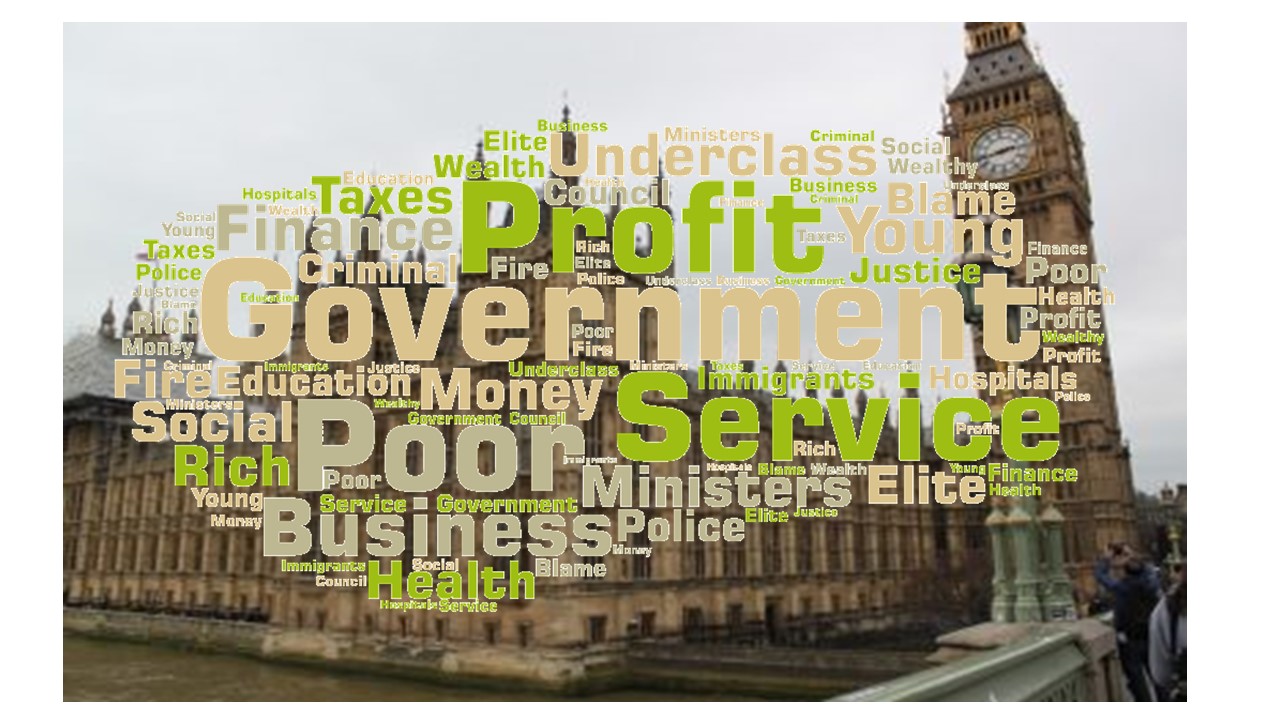
A personal tale about the NHS – I am one of the lucky ones
This blog recounts the experience of the care of my parents in the last two years, which has been exemplary and, in the context of the recent reports about the crises in the NHS, reminds me how lucky I was to experience this. It also reveals how well the NHS can perform when it is not under stress, is properly resourced and valued, even when dealing with health problems associated with old age and during the extra strains which occur during winter.
My father passed away at the end of August last year, after 2 years under the care of an NHS facility specialising in caring for dementia patients. The illness had not just affected his memory, but had also led to aggressive behaviour which required him being sectioned under the Mental Health Act. This was obviously a stressful time for us all, but also a time when we understood this was the only option. He soon settled into a new routine, in a home where he felt safe, cared for and where his needs could be met. It was also vital that this was located near his home in North Yorkshire, so that my mother could visit three times a week, and maintain the bond of their marriage, providing both of them with the companionship they so valued. Visiting could be difficult if he had a bad day, but most of the time he appreciated the company and was clearly happy to be in a place where he just did not have to worry about anything.
What struck me most about the place was the demeanour of the staff – they were helpful, kind, accommodating, caring – all the things you would want from those in the health and social care professions. This facility brought these sectors together in a partnership to meet the many physical health needs of dementia patients, while remembering their role as carers. It was not just about administering the medication needed to keep patients calm, it was also about interacting with them, taking them for walks, days out and bringing in a variety of forms of entertainment. Patients celebrated Halloween, Christmas, Easter and engaged in activities which took them back to places and people they could remember, often through music of various genres. Dad always liked jazz, and occasionally classical, with a real fondness for Ella Fitzgerald. These times were so important, for 2 years, even though things had changed, the Dad we knew was back during some of our visits, and we could just appreciate this time until he passed away.
I feel sadness now at his loss, but also because I know not everyone with dementia who needs this sort of care will get it. In the lottery of health and social care, we won, and the prize was the sort of care I think everyone should have access to. What angers me about this is that it is NHS Trusts across the country, simply cannot provide this. They have to make decisions about the care of citizens based on budget spreadsheets and staff availability, rather than what is understood to be the best practice, clinically sound and will create the best outcomes for patients and relatives. The recent BBC report on the ‘10 charts that show why the NHS is in trouble’ (see http://www.bbc.co.uk/news/health-42572110) clearly illustrate why not everyone receives the care my Dad received. For example, it emphasises that we have an ageing population, meaning the NHS is dealing with increased numbers of patients with chronic conditions such as diabetes, heart disease and dementia. These are conditions which are described as ‘more about care than cure’ where patients need support, where healthcare requires as much of a focus on social care as it does on medical interventions. This has financial implications, as care for ‘average’ patients over 65 years old costs the NHS 2.5 times more, compared to the ‘average’ 30 year old, and this only increases with age.
Spending on the NHS has decreased from 6% of the government budget during 1997 to 2009, to 1% as part of the austerity agenda of the Conservative/Liberal Democrat coalition, with a slight increase back up to 2.5% under the current government. This also represents a lower proportion spent on healthcare compared to other EU countries such as Germany, Sweden and France – who are all above the EU average. They do this by through increased taxes, and this seems to be the crux of the matter. Would the citizens of the UK tolerate a rise in taxes to have better provisions in health and social care, for themselves and their family? According to a poll by Ipsos MORI, 40% would back a rise in income tax, with 53% supporting an increase in National Insurance payments. However, it was also revealed that the majority of participants valued the NHS and did not wish to change to an insurance based system.
So, a choice must be made. Personally, with what I experienced with my Dad and more recently, when my Mum had heart surgery to replace a valve, from which she is recovering very nicely, I cannot imagine not having the NHS. Perhaps we do not recognise its value until we need it, but given the strains it is under now, and that one way to alleviate this is to increase funding, then governments should surely consider tax rises to provide this. The NHS provides health and social care we will need one day, if not for us, then for loved ones, and it seems to be a model of healthcare most people in this country would prefer. With an ageing population, the current investment being below the average of 4% provided to the NHS since its inception in 1948, is having an impact. It is an impact which Jeremy Hunt and Theresa May seem to bat away as isolated problems, not trends, and as problems they are dealing with. I do not think we should be discussing our health service as being able to cope with crises and unexpected demands. We should be discussing in terms of being able to provide equality of care, even in the face of the unexpected, using a service which reflects the values of the welfare state, to ensure wellbeing, safety and healthcare from cradle to grave, for all citizens.
Susie Atherton
Senior Lecturer in Criminology

 Thoughts from the criminology team