Home » London
Category Archives: London

Murder

The day I first heard about the murder of Damilola Taylor, it sounded like another story of urban violence. The details were shocking but not unusual. A broken glass bottle had been used as a weapon, causing a severe wound to the victim’s thigh. The injury severed a major artery and the victim later died in hospital. The attack took place in Peckham, South London, a place that was already associated in the public imagination with concerns about crime and disorder.
As a criminologist, nothing in the initial reports immediately stood out. Violence is not exclusive to cities, but its concentration and visibility often differ from those found in rural communities. News reports framed the killing as an act of senseless violence, another tragic incident in the broader landscape of urban crime. It was only as the story developed that it became clear this case was about far more than the act itself.
The victim was Damilola Taylor, a ten-year-old boy who never made it home from the library. His family had come to Britain from Nigeria, hoping to secure medical treatment for his sister. Instead, they became the centre of one of the most significant criminal cases in modern British history.
The public reaction was shaped by more than the brutality of the attack. Both the victim and the eventual perpetrators were children. Damilola was ten years old. Those later convicted were only twelve and thirteen at the time of the attack. The case challenged popular assumptions about violence, childhood, and responsibility. It forced the public to confront the uncomfortable reality that serious violence can emerge among the young and that its consequences are often devastating for entire communities.
Yet the criminological significance of the case lies not primarily in the violence itself but in the response to it.
The original trial ended in acquittals. Central prosecution evidence was undermined by concerns regarding witness reliability, while expert testimony suggested that Damilola’s injuries may have resulted from an accident rather than a deliberate attack. Questions emerged about the collection, interpretation, and presentation of evidence. The Taylor family expressed frustration with the criminal justice system, arguing that the investigation lacked the rigour their son’s death deserved.
What followed was a prolonged struggle over competing versions of events. Forensic evidence became a central battleground. Experts disagreed. Investigators faced criticism. Public confidence was tested. Eventually, a retrial produced convictions after DNA evidence linked two brothers to the attack. The criminal justice system ultimately secured guilty verdicts, but the process revealed the difficulties of investigating serious crime and maintaining public trust when institutional performance is called into question.
For local residents, the case became symbolic of wider concerns about neglect and marginalisation. Community members organised protests and campaigns demanding justice. They were not simply asking for convictions. They were questioning whether institutions were responding adequately to the needs of communities already struggling with poverty, violence, and limited political influence.
As public debate intensified, the murder became associated with broader discussions of knife crime and youth violence. Politicians, journalists, and commentators searched for explanations. Some focused-on culture. Others pointed to family breakdown, social exclusion, or failures of policing. In doing so, the discussion often moved away from the specific circumstances of Damilola’s death and towards competing political narratives about crime.
This is where criminology offers a different perspective.
For much of the public, murder is often understood through the lens of mystery and resolution. Who committed the offence? How was it done? Will justice be served? These questions dominate media coverage because they provide a compelling narrative. Criminology, however, asks different questions. What social conditions surround acts of violence? How do institutions respond to harm? Which voices are taken seriously, and which are ignored? What political interests shape public understandings of crime?
Viewed through this lens, the case becomes about much more than identifying offenders. It reveals how crime can expose institutional weaknesses, generate political controversy, and deepen existing social divisions. The debates surrounding Damilola’s murder were not only about individual responsibility. They were also about policing, justice, community trust, race, and belonging.
More than two decades later, what remains most important is not the symbolism attached to the case but the human tragedy at its centre. Damilola Taylor was a ten-year-old Yoruba boy who spent his final moments bleeding to death in a stairwell. Behind every discussion of policy, forensic evidence, and criminal justice reform stands a child who never returned home, and a family forced to live with unimaginable loss.
That is perhaps the most important lesson criminology can offer. Crime is not interesting because it is sensational. Crime matters because it causes harm. The true significance of Damilola Taylor’s murder lies not in its notoriety, but in what it reveals about the ways societies respond to suffering, the institutions entrusted with delivering justice, and the communities left to carry the consequences when they fail.
If you would like to find out more about Damilola Taylor and get involved with the trust which bears his name, more information can be found here.
Share this:


Cost of Living Crisis: Don’t worry it’s the Sovereign’s Birthday!*

On Saturday 31st May 2025, on Wellington Arch there was an increased presence of police. It was a sunny, albeit windy day in central London, and lots of people (tourists and locals) raised questions around why there appeared to be an increased police presence on this final Saturday of the May half term. At around 1pm approximately, what appeared to be hundreds of uniformed royal officers on horseback paraded through Wellington Arch into Hyde Park. They appeared to have come from Buckingham Palace. It was quite a sight to see! Every Sunday, there is a small parade, known as Changing of the Guard, but this was a substantially bigger ordeal. There is usually 2/3 police bikes that escorts the parade on the Sunday but not the numbers of Police (vans, bikes and officers) out on this sunny Saturday. It is over quickly, but the amount of people power, and I would imagine money, this has used seems quite ridiculous.
It turns out the large parade on May 31st was a ‘practice run’ for the Trooping of the Colour, which will occur on Saturday 15th June 2025. The Trooping of the Colour marks the ‘official’ birthday of the British Soverign and has done so for over 260years (Royal Household, 2025). It involves “Over 1400 parading soldiers, 200 horses and 400 musicians […] in a great display of military precision, horsemanship and fanfare to mark the Sovereign’s official birthday” (Royal Household, 2025). Having seen this every year, it is quite a spectacle and it does generate a buzz and increase in tourism to the area every year. I know the local small businesses in the surrounding areas are grateful for the increase in people, and it draws tourists in globally to view which generates money for the economy. But given the poverty levels visibly evident in London (not to mention those which are hidden), is this a suitable spend of money? Add on the more alarming issues with the monarchy and what it represents steeped in the clutches of empire and fostering hierarchies and inequalities, should this ‘celebration’ still be occurring? It’s the ‘Official’ Birthday of the Sovereign, but how many Birthdays does one need?
According to a Freedom of Information Request, the Ministry of Defence claimed in 2021, the Trooping of the Colour cost taxpayers around £60,000 (not the cost of the event, as there would have been other monies attached to funding this). Imagine what good this money could do: the people it could feed, the people it could provide shelter for, the medical treatment or research it could fund! Given this was 2021, I am going to hazard a guess that in 2025 this is going to cost significantly more. And for what? The Monarchy is the visual embodiment of empire, and according to the National Centre of Social Research, support for and interest in the Monarchy has been steadily declining for the past decade (NCSR, 2025). So even if people choose to ignore the horrific past of the British Sovereigns, it would appear that many are not interested in the Monarchy, regardless of its history (NCSR, 2025). I am aware the Royal family, and these ‘celebrations’, bring in income and generates global interest which translates to the argument that having a Monarchy is ‘economically viable’, but when you look at the disadvantage elsewhere, especially in London, its hard not to question clinging on to such traditions and the expense of meeting people’s basic needs. There is no critical consideration of what maintaining these traditions might suggest, or how they might impact those most effected by the British Empire and Colonialism. So why are these ‘celebrations’ persisting, and why are they having a practice run when steps away from them, in the underpass by Hyde Park Tube station there are people sleeping rough and begging for food? It feels as though there is a serious disconnect between what society needs (affordable homes, food, reasonable living wage, rehabilitation programmes, support and care) and what society will get (a glorified Birthday party for the ‘British Sovereign’).
*Note: the title of the blog should be read dripping in sarcasm.
References:
The National Centre for Social Research (2024) British Social Attitudes: Support for the Monarchy Falls [online]. Available at: https://natcen.ac.uk/news/british-social-attitudes-support-monarchy-falls-new-low [Accessed 4th June 2025].
The Royal Household (2025) What is Trooping the Colour? [Online]. Available at: https://www.royal.uk/what-is-trooping-the-colour#:~:text=The%20Trooping%20of%20the%20Colour,mark%20the%20Sovereign’s%20official%20birthday [Accessed 4th June 2025].
Share this:


SUPREME COURT VISIT WITH MY CRIMINOLOGY SQUAD!

Author: Dr Paul Famosaya
This week, I’m excited to share my recent visit to the Supreme Court in London – a place that never fails to inspire me with its magnificent architecture and rich legal heritage. On Wednesday, I accompanied our final year criminology students along with my colleagues Jes, Liam, and our department head, Manos, on what proved to be a fascinating educational visit. For those unfamiliar with its role, the Supreme Court of the United Kingdom stands at the apex of our legal system. It was established in 2009, and serves as the final court for all civil cases in the UK and criminal cases from England, Wales, and Northern Ireland. From a criminological perspective, this institution is particularly significant as it shapes the interpretation and application of criminal law through precedent-setting judgments that influence every level of our criminal justice system

7:45 AM: Made it to campus just in the nick of time to join the team. Nothing starts a Supreme Court visit quite like a dash through Abington’s morning traffic!

8:00 AM: Our coach is set to whisk us away to London!
Okay, real talk – whoever designed these coach air conditioning systems clearly has a vendetta against warm-blooded academics like me! 🥶 Here I am, all excited about the visit, and the temperature is giving me an impromptu lesson in ‘cry’ogenics. But hey, nothing can hold us down!.

Picture: Inside the coach where you can spot the perfect mix of university life – some students chatting about the visit, while others are already practising their courtroom napping skills 😴
There’s our department Head of Departmen Manos, diligently doing probably his fifth headcount 😂. Big boss is channelling his inner primary school teacher right now, armed with his attendance sheet and pen and all. And yes, there’s someone there in row 5 I think, who’s already dozed off 🤦🏽♀️ Honestly, can’t blame them, it’s criminally early!
9:05 AM The dreaded M1 traffic
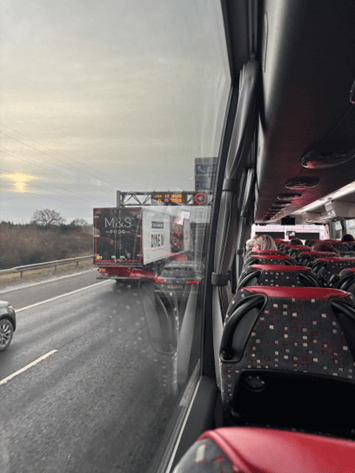
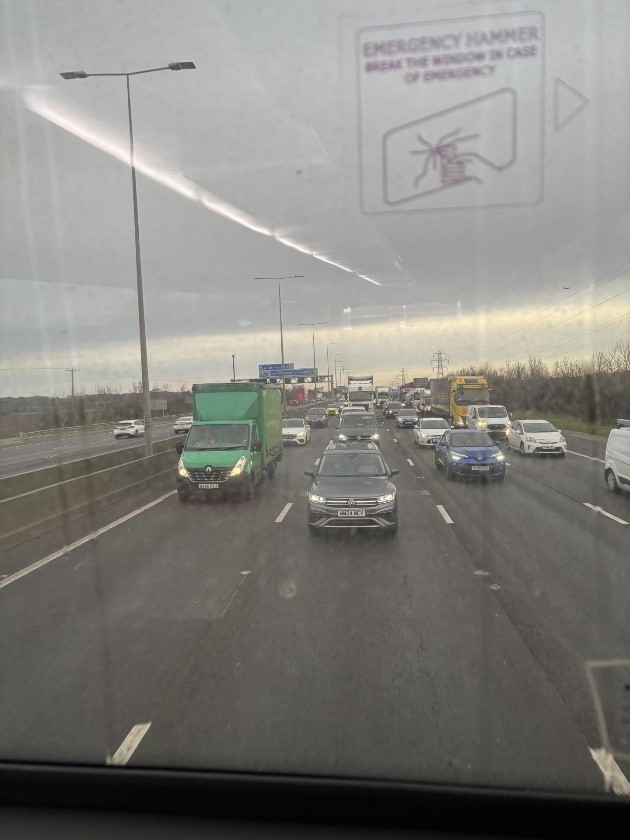
Sometimes these slow moments give us the best opportunities to reflect. While we’re crawling through, my mind wanders to some of the landmark cases we’ll be discussing today. The Supreme Court’s role in shaping our most complex moral and legal debates is fascinating – take the assisted dying cases for instance. These aren’t just legal arguments; they’re profound questions about human dignity, autonomy, and the limits of state intervention in deeply personal decisions. It’s also interesting to think about how the evolution of our highest court reflects (or sometimes doesn’t reflect) the society it serves. When we discuss access to justice in our criminology lectures, we often talk about how diverse perspectives and lived experiences shape legal interpretation and decision-making. These thoughts feel particularly relevant as we approach the very institution where these crucial decisions are made.

The traffic might be testing our patience, but at least it’s giving us time to really think about these issues.
10:07 AM – Arriving London – The stark reality of London’s inequality hits you right here, just steps from Hyde Park.
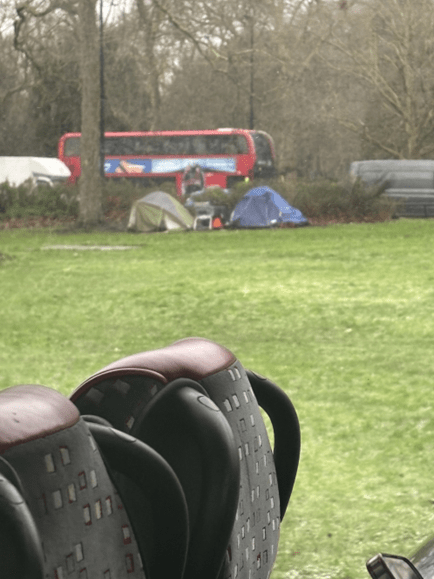
Honestly, this is a scene that perfectly summarises the deep social divisions in our society – luxury cars pulling up to the Dorchester where rooms cost more per night than many people earn in a month, while just meters away, our fellow citizens are forced to make their beds on cold pavements. As a criminologist, these scenes raise critical questions about structural violence and social harms. When we discuss crime and justice in our lectures, we often talk about root causes. Here they are, laid bare on London’s streets – the direct consequences of austerity policies, inadequate mental health support, and a housing crisis that continues to push more people into precarity. But as we say in the Nigerian dictionary of life lessons – WE MOVE!! 🚀
10:31 AM Supreme Court security check time
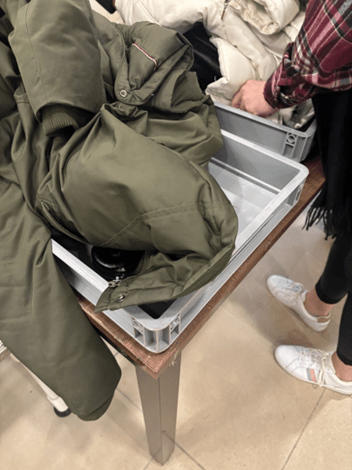
Security check time, and LISTEN to how they’re checking our students’ water bottles! The way they’re examining those drinks is giving: Nah this looks suspicious 🤔

So there I am, breezing through security like a pro (years of academic conferences finally paying off!). Our students follow suit, all very professional and courtroom-ready. But wait for it… who’s that getting the extra-special security attention? None other than our beloved department head Manos! 😂

The security guard’s face is priceless as he looks through his bags back and forth. Jes whispers to me ‘is Manos trying to sneak in something into the supreme court?’ 😂 Maybe they mistook his collection of snacks for contraband? Or perhaps his stack of risk assessment forms looked suspicious? 😂 There he is, explaining himself, while the rest of us try (and fail) to suppress our giggles. He is a free man after all.
10: 44AM Right so first stop, – Court Room 1.


Our tour guide provided an overview of this institution, established in 2009 when it took over from the House of Lords as the UK’s highest court. The transformation from being part of the legislature to becoming a physically separate supreme court marked a crucial step in the separation of powers in the country’s legislation. There’s something powerful about standing in this room where the Justices (though they usually sit in panels of 5 or 7) make decisions. Each case mentioned had our criminology students leaning in closer, seeing how theoretical concepts from their modules materialise in this very room.
10:59 AM Moving into Court 2, the more modern one!


After exploring Courtroom 1, we moved into Court Room 2, and yep, I also saw the contrast! And apparently, our guide revealed, this is the judges’ favourite spot to dispense justice – can’t blame them, the leather chairs felt lush tbh!
Speaking of judges, give it up for our very own Joseph Buswell who absolutely nailed it when the guide asked about Supreme Court proceedings! 👏🏾 As he correctly pointed out, while we have 12 Supreme Court Justices in total, they don’t all pile in for every case. Instead, they work in panels of 3 or 5 (always keeping it odd to avoid those awkward tie situations). 👏🏾 And what makes Court Room 2 particularly significant for public access to justice the cameras and modern AV equipment which allow for those constitutional and legal debates to be broadcast to the nation. Spot that sneaky camera right at the top? Transparency level: 100% I guess!

The exhibition area

The exhibition space was packed with rich historical moments from the Supreme Court’s journey. Among the displays, I found myself pausing at the wall of Justice portraits. Let’s just say it offered quite the visual commentary on our judiciary’s journey towards representation…

Beyond the portraits, the exhibition showcased crucial stories of landmark judgments that have shaped our legal landscape. Each case display reminded us how crucial diverse perspectives are in the interpretation and application of law in our multicultural society.

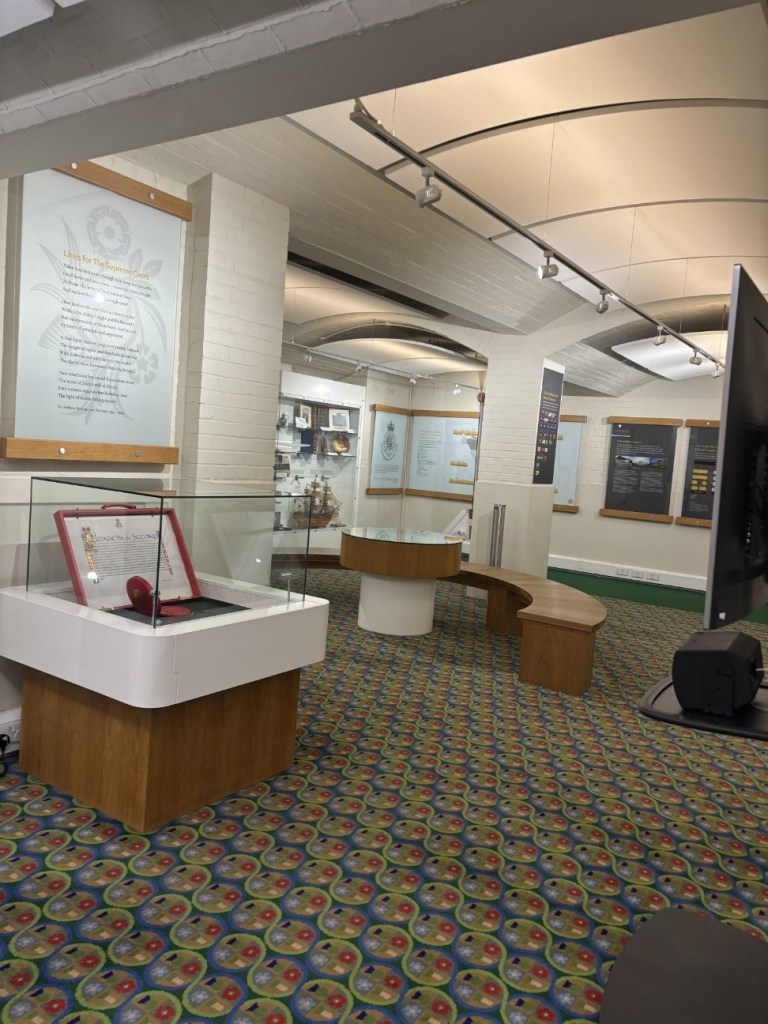

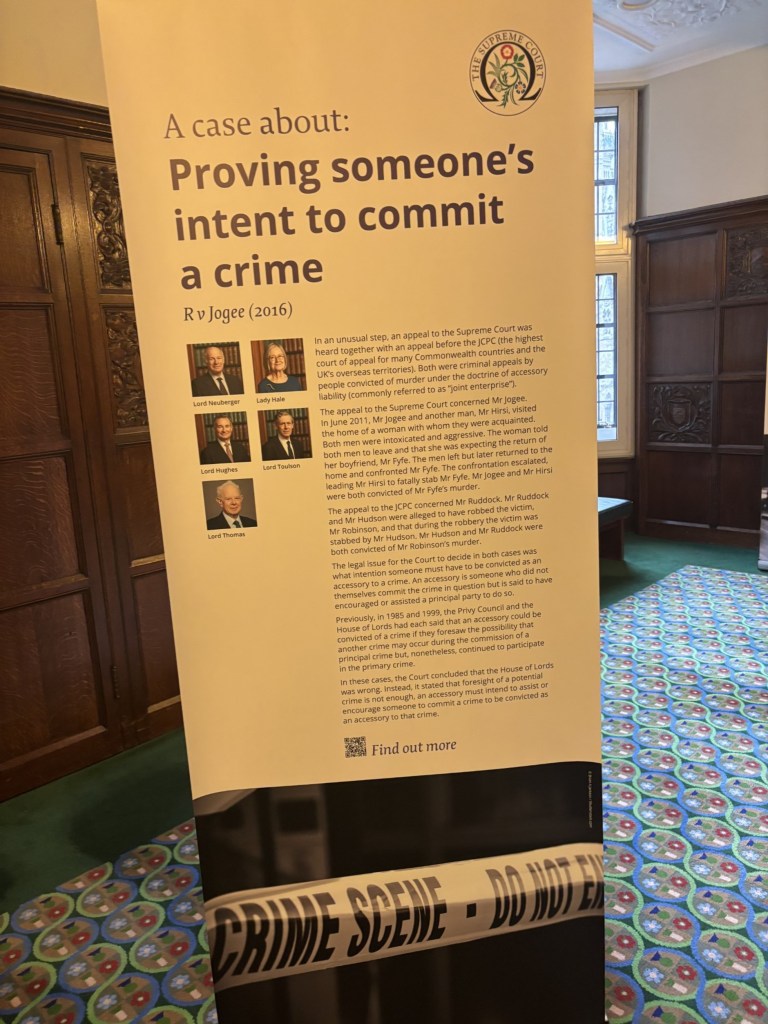
11: 21AM Moving into Court 3, home of the Judicial Committee of the Privy Council (JCPC)

The sight of those Commonwealth flags tells a powerful story about the evolution of colonial legal systems and modern voluntary jurisdiction. Our guide explained how the JCPC continues to serve as the highest court of appeal for various independent Commonwealth countries. The relationship between local courts in these jurisdictions and the JCPC raises critical questions about legal sovereignty and judicial independence and the students were particularly intrigued by how different legal systems interact within this framework – with each country maintaining its own laws and legal traditions, yet looks to London for final decisions.

Breaktime!!!!
While the group headed out in search of food, Jes and I were bringing up the rear, catching up after the holiday and literally SCREAMING about last year’s Winter Wonderland burger and hot dog prices (“£7.50 for entry too? In this Keir Starmer economy?!😱”). Anyway, half our students had scattered – some in search of sustenance, others answering the siren call of Zara (because obviously, a Supreme Court visit requires a side of retail therapy 😉).


But here’s the moment that had us STUNNED – right there on the street, who should come power-walking past but Sir Chris Whitty himself! 😱 England’s Chief Medical Officer was on a mission, absolutely zooming past us like he had an urgent SAGE meeting to get to 🏃♂️. That man moves with PURPOSE! I barely had time to nudge Jes before he’d disappeared. One second he was there, the next – gone! Clearly, those years of walking to press briefings during the pandemic have given him some serious speed-walking skills! 👀
3:30 PM – Group Photo!
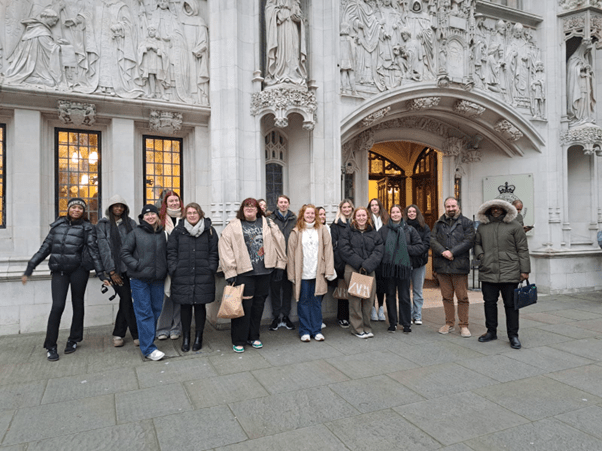
Looking at these final year criminology students in our group photo though! Even with that criminal early morning start (pun intended 😅), they made it through the whole Supreme Court experience! Big shout out to all of them 👏🏾👏🏾👏🏾👏🏾👏🏾👏🏾 Can you spot me? I’m the one on the far right looking like I’m ready for Arctic exploration (as Paula mentioned yesterday), not London weather! 🥶 Listen, my ancestral thermometer was not calibrated for this kind cold today o! Had to wrap up in my hoodie like I was jollof rice in banana leaves – and you know we don’t play with our jollof! 😤
4:55 PM Heading Back To NN

On the journey back to NN, while some students dozed off (can’t blame them – legal learning is exhausting!), I found myself reflecting on everything we’d learned. From the workings of the highest court in our land to the stark realities of social inequality we witnessed near Hyde Park, today brought our theoretical classroom discussions into sharp focus. Sitting here, watching London fade into the distance, I’m reminded of why these field trips are so crucial for our students’ understanding of justice, law, and society.


Listen, can we take a moment to appreciate our driver though?! Navigating that M1 traffic like a BOSS, and getting us back safe and sound! The real MVP of the day! 👏🏾👏🏾👏🏾👏🏾👏🏾👏🏾
And just like that, our Supreme Court trip comes to an end. From early morning rush to security check shenanigans, from spotting Chief Medical Officer on the streets to freezing our way through legal history – what a DAY!
To my amazing final years who made this trip extra special – y’all really showed why you’re the future of criminology! 👏🏾 Special shoutout to Manos (who can finally put down his attendance sheet 😂), Jes, and Liam for being the dream team! And to London… boyyyy, next time PLEASE turn up the heat! 🥶
As we all head our separate ways, some students were still chatting about the cases we learned about (while others were already dreaming about their beds 😴), In all, I can’t help but smile – because days like these? This is what university life is all about!
Until our next adventure… your frozen but fulfilled criminology lecturer, signing off! 🙌
Share this:


The decline of social interaction

I am writing about the decline of social interaction today – not because of my interest in sociological interactionist perspectives but because of the declining state of social interactions and the general lack of engagement in societies lately. Additionally, as we come to the end of Mental Health Awareness Week, it is important to reflect on the relationship between social interaction and mental health.
Previously, I have written about the students’ lack of engagement in classrooms and their unwillingness to participate and commit to their studies. In that blog, I tried to understand why students are becoming increasingly disinterested in their studies and why attendance has plummeted. I identified some interconnected issues that might be causing these problems, including anxiety, financial difficulties, lack of sense of belonging and the difficulties of readjusting to life after the pandemic. Furthermore, I have also tried to proffer some solutions for how I think students can resolve these challenges and detailed the importance of being part of a community. However, upon reflection, I realised that I might have underestimated the impact of social interactions in societies today.
First, I’d like to define social interactions as a meaning-making process. It is a process through which individuals exchange ideas, relate, manage information, and react to each other’s dealings. Of course, social interaction encompasses communication but constitutes characteristics like mannerisms, gesticulations, eye contact, smiling, slang, etc. Blumer (1969) lays bare the fundamental premise of this approach (and for the sociologists reading, I recognise the work of Mead, so don’t worry) by exploring some basic premises through which interactions form human character. While these characteristics are more appreciated physically, even though they may be passive sometimes, they create a different feel and richness for socialisation, relationships, and interaction. Not only that, they all constitute the genetic makeup of our social behaviour which invariably translates to our social character. However, in recent times, the nuances that we enjoy being physically engaged with one another seem to be slowly disappearing. Our digital presence, emoticons, Gifs, stickers and memes have replaced many of these characteristics and nuances.



It is important to note, though, that being among people, participating in discussions physically and forming peer relationships all provide us with a good recipe through which we can use to improve our psychological well-being, social interactions and skills. Take a ride on the underground trains in London during peak periods, for example, and you will hear how loud the silence is despite the crowded setting.
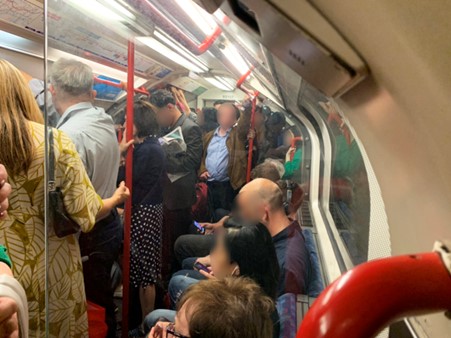
I believe that we are living in a time when people are becoming more and more disconnected from one another, and part of the problem also has to do with the consequences of the pandemic social distancing/quarantine rules – which was a necessary evil.

While the social distancing guidance may have been withdrawn, I think there seems to be a continuous trend where people keep each other’s distance even after the pandemic. Loneliness is becoming more perverse; people are becoming removed from social life, and procrastination seems to have taken centre stage.
Again, the rise and usage of multiple social media platforms have also put us where we are slowly replacing our physical presence with our digital presence. We can easily sit behind our WhatsApp, Twitter or TikTok for hours without speaking – but submerged in this digital world. While I am not in any way condemning the use of social media, I think we risk our physical interactions being replaced with digital interactions, which I also consider a contributing factor to the decline of social interactions we face today.

I agree that we all must move with time; we have to adjust ourselves to this new world, or else we will be left behind. However, I suggest not letting our physical engagement dissipate, nor should we allow our digital presence to become more important than our in-person presence. As indicated earlier, we are witnessing a decline in social interactions, but the task ahead of us as a society is to begin to consider ways to ameliorate this problem. There is value in social interaction, even if some might not see the benefits of it. Some studies in the past have found that ensuring good social interactions can improve psychological well-being. Thus, my assignment for everyone reading this blog today is to pick up your phone and check up on a loved one! The sun is out (well, for now); take a break and go out with your friends, have some food and drinks over the weekend, exchange some jokes, and smile!
Life, indeed, is a beautiful thing to have.

Reference
Blumer, H. (1969). Symbolic interactionism: Perspective and methods. Englewood Cliffs, NJ: Prentice Hall.
Share this:


It’s different now… it happened to me
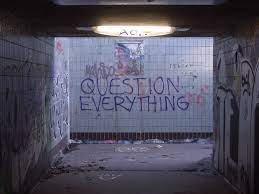
A few weeks ago, @paulaabowles shared an article on the Criminology Facebook page which posed the question of whether graffiti is art or crime. My response was art. And like all art, not all variations, interpretations or styles are for everyone. I know I can look at some graffiti and be quite taken aback at the brightness, boldness and creativity which shines through. I can also look at some and go ‘eugh’. However I have the same reactions to various classical and well-known pieces. My unrefined self does not get all the hype about a number of Picasso’s works (possibly all the ones I have seen). Nevertheless this is the beauty of art: it is down to individual taste.
So for me, I was fairly certain on my opinions and convictions towards graffiti as an art form, and as an example of the CJS further stigmatising and criminalisation young people’s behaviours: something I am certain we are all quite familiar with at this stage in our criminological journey. However those beliefs and informed views were put to the test over the Bank Holiday (BH) Weekend, and in all honesty I think I am still trying to get to grips with them. It is different now…. It happened to me.
Some context: as those of you who have read various blog posts from myself will no doubt remember, my partner runs a small kiosk near one of the Royal Parks in London. Often during the weekends and summer months, I provide an extra pair of hands to help clean and serve during the busier periods. And as a result of the pandemic, my partner finds themselves going from a team of 4 down to just them, and me when I am able to support: this was the case for the BH Weekend. Off we popped, down to London for a day of serving hotdogs, drinks and ice creams. However our day was thrown off course by some ‘ugly’ graffiti all over the front of the kiosk.
My partner was angry, and felt personally attacked (not really sure by who- but guess that’s besides the point). It is not the first time the kiosk has had graffiti on it, but it is the first time I have seen it in person and witnessed my partner’s response. Rather than starting our working day and opening up, we had to clean the graffiti off. My partner set to this: just over 3 hours later some of it has been removed, but so has some of the kiosk’s paint. It looks a mess. We are now at midday and we cannot afford to remain closed and keep cleaning. We have lost 3 hours of trading time to try and remove it, only to remove some of it and some of the kiosk’s paint. I am informed that we shall need to go to B&Q to try and find some graffiti remover: Capitalism wins again! But seeing my partner cleaning for 3 hours, losing the trading hours and for this end result: I can’t help but feel angry, frustrated and in want of some kind of justice. It’s different now… it happened to me.
But what realistically would justice be in the scenario? What do I actually want as a result? I have no idea. I asked my partner who said they just wanted them ‘not to do it’. It is private property, will my partner call the police? Nope: just nuisance annoying behaviour, but not much anyone can do about it. I feel less inclined to call it art. I like my partner’s use of ‘nuisance’ behaviour: it feels very accurate. I do not think my partner was targeted, I think it was available as a surface to be used for that individual or individuals to express themselves. But I am shaken in my previously held convictions. Shouldn’t something be done. We lost 3 hours of trading, the kiosk now needs to be repainted and we shall need to purchase some graffiti remover. All for some expression of ‘art’? Shouldn’t there be some kind of repercussion?
I am not too sure. I also know when this has happened before, and I have not been present to witness the impact it has on my partner and the kiosk I have been very nonchalant about it. ‘Oh dear, that’s frustrating’, ‘ah well, never mind’. But being there and seeing it: I view it differently. And this is something many of us come to grips with when considering hypothetical moral situations and larger ethical questions. We think we will act one way, but if it happened to us: it is quite possible our opinions, informed views and beliefs would change. I still think graffiti is art, but I am not so convinced in my previous assertation that it is not a crime…

Share this:


Helpfully unhelpful: The pathology of being too supportive

When I first arrived in London, I needed to find my way across the city to the now former site of the Home Office at St Anne’s Gate. I didn’t have a clue about how to get there so I asked a member of staff at St Pancras railway station. He helpfully pointed me in the direction of the London Underground. I was swept along by a torrent of people, all going about their business with a purpose, I however, didn’t have a clue where I was going. Finding sanctuary in a quiet eddy and desperately looking around I spotted a member of staff across the concourse. Fighting against the current I scrambled to where the member of staff was and implored upon them to rescue me. Thankfully the underground staff had all been briefed, not specifically about me, I should hasten to add, but about how by being super helpful they could increase customer satisfaction, reduce complaints and attract even more customers. And having explained my dilemma, I was very helpfully led through the ticket barriers, now struggling to hold back the surge, and down the escalator to the platform below. I was told to get on the next train and to get off at St James’ Park. Having arrived at my destination I became confused as to which exit to use and once again found a very helpful staff member who led me part way to the exit, where I spilled out into the sunlight a matter of yards away from my destination.
The following week I once again plunged into the torrent and confident that I knew which underground line to take I allowed myself to be swept along to the barriers and through, and then panic. Which platform and am I sure that was the right line? Once again, a beacon of hope shone across the dark morass, a member of underground staff. Once again, I was led to the platform in a super helpful way and got on the first train. But this time I didn’t arrive at my destination for some, I have to say, traumatic hours. The problem was the first train was not the train to catch, it was the second that I needed; I will most definitely have to complain about that member of staff being unhelpful.
This pattern of visits to London and assistance rendered by sometimes grumpy but always super helpful members of underground staff continued for some weeks. Often, I would stay in London for a week at a time before returning home outside of the metropolis at the weekend. During my stays I visited numerous police stations as part of my work and every time I used the underground, I sought out a helpful member of staff to assist me. Sometimes, if they rather unhelpfully simply pointed me in the right direction, I would set off and then return to them explaining that I didn’t understand their instructions. Armed with more information I would again purposefully set off and then duly return until the succumbed and rather reluctantly but helpfully led me to the correct platform.
Then in a fortnight, two things happened. Firstly, the underground staff went on strike and on arriving at the gates of St James’ Park underground station I found the gates closed. There were a couple of members of staff there, but they weren’t very helpful. ‘What should I’ do I asked, ‘Dunno’, was the reply. Now that was not very helpful, complaint forthcoming I feel. I didn’t make my appointments that day and the following day had to use taxis to get around. Much easier to use taxis you might say, yes but not really justifiable in terms of cost, my boss told me when I suggested I would forego using the underground altogether. After three days the underground opened up again but for some reason there were no staff around to ask for help. I became increasingly anxious and found myself avoiding the underground, using taxis at my own expense, and walking long distances. I was exhausted I can tell you.

The next week I ventured into the underground again, I couldn’t avoid it forever. I found a member of staff and duly asked them, in an almost ritualistic fashion, how to get across London to another underground station near yet another police station. Instead of pointing me in the right direction, which we all know by now is a rather fruitless, time wasting and unhelpful exercise, or super helpfully taking me to the correct platform, they took me to a rather large underground map on the wall. ‘This is where we are’, the very nice lady said, ‘and this is where you want to be’, she added. She then continued to explain how to use the map, how to follow the signs dotted around the stations, how to look for the signs before entering the platforms so as to work out which platform to be on and how to ensure I get on the correct train. I was nervous following her instructions as I made my way to the platform, but I got to my destination and I made my own way back, with help of the wall map of course. From that point onwards, I made my way around London on the underground with increased confidence, I wouldn’t say with consummate ease, but confidently. I made mistakes but because I knew how to read the map, I was able to rectify them and if I couldn’t I knew that I could ask. Of course, now that I drive, I use maps, I would probably have been pestering police officers and random members of the public otherwise and we know how the rare the sight of the former are on our streets. Anyway, I don’t think they’ve had the ‘super helpful’ briefing. Lately though I’ve been using my satnav, and sometimes getting into a right pickle. It seems you can’t beat good old-fashioned map reading.
What’s the point of this nonsensical tale? Well the clue is in the title. As educators we need to consider the purpose of what we are doing and how this will add value to students’ learning and knowledge. We can give students the answers to the essay questions, how to structure a particular essay, what arguments to include, what books and journal articles to read. We can supply them with reading lists that contain links to the books and journal articles, we can coach them to such an extent that their journey is in fact our journey, just as my journey to the underground platform was the staff member’s journey. We can repeat this many times over so that students are capable of completing that essay, but like me on my journey through the underground, they will need the same coaching for every piece of assessment and whilst they may complete each journey as I did, they have learnt very little and become increasingly disempowered and crippled by our helpfulness and their increasing reliance on it. Our jobs as educators is not to provide answers but to equip students with the tools to find the answers themselves. That process requires a willingness to learn, to discover and to take risks. Super helpfulness should not be an organisational strategy to ensure each part of the journey is easily manoeuvred and completed, it should be about ensuring that people can complete any journey independently and confidently. Sometimes by appearing to be super helpful we are simply being very unhelpful and disempowering people at the same time.
Share this:


A weekend in London…. It’s not what you think

The weekend just gone has mirrored many weekends we have experienced in lockdown: glorious sunshine, hot temperatures, and longing to spend time with family and friends! However this weekend marked the beginning of an attempt at normalcy for our household, as we spent the weekend in London serving hotdogs, burgers, ice creams and cold drinks to park visitors. Something we have done year on year, summer after summer, weekend after weekend: yet this weekend was remarkably different. Therefore the notion that we can return to normalcy soon, doesn’t seem to be ringing true.
For some context: my partner works in/runs a takeaway kiosk by a park in London. It has been closed during lockdown, but re-opened this weekend. This time last year, there were 3, sometimes 4 members of staff (including myself in the summer and on weekends when an extra pair of hands are required), serving customers and giving directions to residents, visitors and tourists of London. This year, there is my partner and I: in a 4metre kiosk it is not possible to safely maintain a 2metre distance so the other members of staff are left waiting until it is safe and viable for them to come to work. They know this, and are happy with the decision as in times like these, safety should be at the forefront of all decisions.
And the added safety precautions are what makes this weekend so unrecognisable at the little kiosk in London (albeit rightly so). It is and has always been a cash business: cash is quicker to process, easier to return should it be required and safer with regards to checking for counterfeit (no issues of hacking machines or someone using stolen cards). In line with the current climate, the decision was made to try and move to contactless payments in order to help reduce the spread of COVID-19. This in itself was hassle and problematic, but I shall not bore you with those details. Alas the machine is here, and off we go. But it requires a steady 4G signal, which by a park is hit and miss, it also disconnects when it has not been used for periods of 30minutes, which happened frequently over the weekend, and there is a minimum spend in order to make the interest rate/payment of the machine justifiable. It is also slow when customer’s contactless does not work, in which case they have to hold and touch the machine, which then results in us having to clean down the machine after this has happened before we can move on to the next transaction, which is certainly not quicker than cash. And whilst most customers I must say have been patient and understanding, this has resulted in several getting quite verbal at the time it is taking to serve them (we are talking a matter of minutes instead of what used to be seconds with cash).
The differences are not just with the use of card, but also how the hot food is done (my area of expertise). Usually customers could apply their own sauces, but now in order to prevent lots of people touching the various sauces on offer and potentially spreading anything, it is left to me to apply. This has resulted in a whole host of comments relating to being stingy with sauces: ‘I know times are hard but come on’, or ‘I actually want to be able to taste the mustard’. I, personally, like to drown food in sauce, no actually mayo, not that fussed about other sauces. However my partner is the complete opposite, the smallest most pathetic amount of sauce you could imagine: that is what he applies to his food! But it is safer and easier to apply too little and add more than the other way, so I am justified in using a little amount of sauce! It has nothing to do with what the sauce costs! Grrrrrr! Cold drinks used to be placed on the top counter, which customers could take themselves, and then once all their selected items have been placed on top, we would charge them and handle the money. Now at the risk of people touching and then returning the item (which results in us having to clean down the bottle or can, slowing everything down), we are asking for money first: which people apparently are not pleased about. They want to feel how cold the drink is: it has come out of the fridge, which it has been in overnight and business is so slow the drinks are not being re-stocked: so trust me it is cold! (Face hitting emoji!)
All in all, it was a stressful weekend, when the amount of customers we served should not have meant it was stressful. I do not mind change and I appreciate that the changes in place are needed to keep everyone safer, which is fine. But things will be slower, things will be different. The media has pushed at the 15th June to resemble something we recognise as ‘normal’: but I do not think this is the case. ‘Normal’ whatever that really means, will not return and maybe this is not such a bad thing. But I will be grateful when it is safe again for customers to apply their own blooming sauces!
Share this:


“My Favourite Things”: Saffron Garside

My favourite TV show - It's probably Peep Show, I've rewatched it so many times and it doesn't stop being funny. I often find myself quoting it to other people too and it's what I put on when I don't want to think about anything

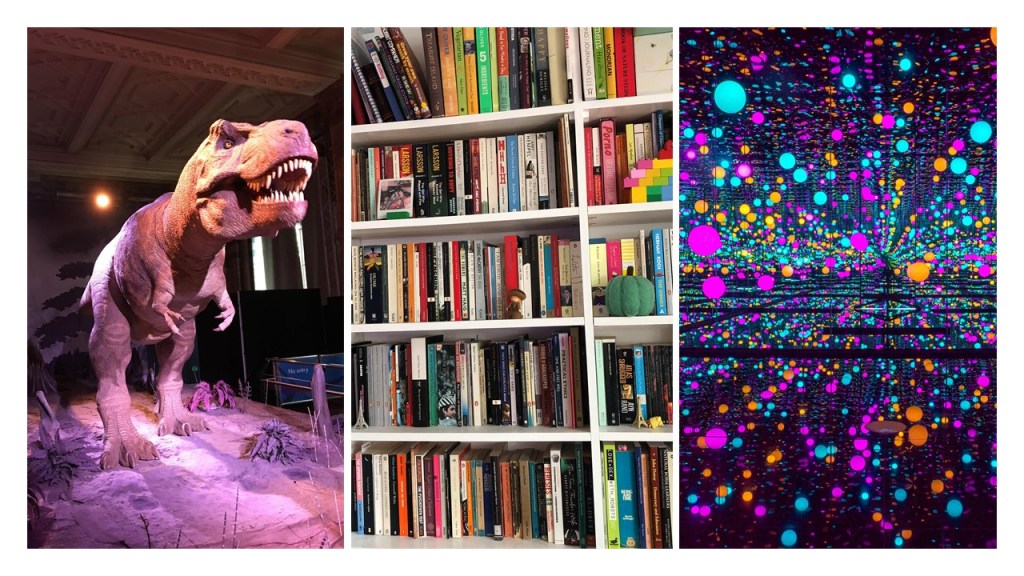
My favourite place to go - The Natural History Museum has been my favourite place to go for a very long time - the building is beautiful and you could spend days in there and still not see everything. I learn something new every time I go. I also love taking the kids there now - some stuff is still the same as when I was small like the T-Rex and the earthquake room! It'll be one of the first places we go when museums and galleries reopen

My favourite city - It's definitely Paris - it really reminds me of London in a lot of ways, it feels small and big at the same time and there is so much to see and do there. I was lucky enough to go at the beginning of March on a surprise trip - it was fun to be a tourist and we walked so much!

My favourite thing to do in my free time - Read! If I'm not doing something else then I'm usually reading. I carry a book everywhere just in case I get a couple of minutes to read. I'm in two book clubs so always juggling a few books at once

My favourite athlete/sports personality - I'm not a big sports fan and I'm not sure this counts but the kids and I have been loving doing PE with Joe Wicks. It's been great for keeping us moving during the lockdown and it's a pretty big commitment to show up every day. He always seems so positive

My favourite actor - Edward Norton. I think I've seen nearly all the films he's ever been in!

My favourite author - It's too difficult to choose. I really like Chuck Palahniuk and I've reread the Harry Potter series by J.K. Rowling a lot of times!

My favourite drink - I'm not sure you can beat a good cup of tea. It's about the most comforting thing I can think of and it's never not a good time to put the kettle on

My favourite food - caramel shortbread - but it has to be one of the really good ones (no digestive base!) and you need a good chocolate to caramel ratio!

My favourite place to eat - Every Sunday my husband and I take it in turns to cook a big family meal (complete with pudding!) and we play lots of board games after. It's one of my favourite times in the week and it always feels special.

I like people who - are enthusiastic about life and the things they are learning about, who want to share stories and make spontaneous decisions

I don’t like it when people - don't communicate their feelings or try to resolve things through conversation - I think things would often be simpler if people tried to talk about things honestly

My favourite book - I think my favourite book of all time is Treasure Island by Robert Louis Stevenson it's such a good adventure story and bits of it are really scary!

My favourite book character - Bilbo Baggins! I really enjoyed The Hobbit as a child and my kids love it so much we've already read it together twice. There is something wonderful about how his character develops throughout his quest - he goes from being a reluctant adventurer to the person holding the whole thing together. He isn't motivated by greed or fame and commits himself to seeing it through. Whenever he feels disheartened he dreams of the comforts of home; cooked meals, a boiling kettle, a warm fire

My favourite film - Fight Club is easily my favourite film- great actors, great soundtrack, great twist!

My favourite poem - Wild Geese by Mary Oliver. She's my absolute favourite poet and it felt like magic when I first discovered her! She writes about nature with such reverence and wonder

My favourite artist/band -  For more than half my life it's been Green Day so I think I am stuck with them now!

My favourite song - In My Mind - Amanda Palmer. I really, really love this song - positive messages and ukulele, what more do you need?

My favourite art - I don't know if I have a very favourite piece of art - I love going to a modern art gallery like the Tate Modern in London or the Centre Pompidou in Paris and just spending hours losing myself in all the emotions that get stirred up. I really love the work of Yayoi Kusama but haven't been lucky enough to see her art in person yet

My favourite person from history - Mary Anning made some really important fossil discoveries but didn't really get the recognition she deserved during her lifetime. Plus she was struck by lightning as a baby, which is a pretty cool story!
Share this:


“My Favourite Things”: samc0812
My favourite TV show - My favourite current show is Friday Night Dinner. My all-time favourite has to be Breaking Bad, I’ve watched from beginning to end three times!

My favourite place to go - Definitely has to be the beach, I always find being by the sea calming. My favourite place in the world is Thailand. I’ve never met such happy, friendly people. Thai street food is amazing and it’s a beautiful peaceful part of the world

My favourite city - London. I have so many memories of day trips, nights out and experiences in London. Every time I probably don’t spend as much time there as I would like actually considering how easily it’s reached from where I live

My favourite thing to do in my free time - Bake. You can’t beat a home-made cake. I’ve been baking a lot lately, my children are fed up of cake!

My favourite athlete/sports personality - I’m not a huge sports fan but I have a lot of respect for Usain Bolt. I watched a documentary about his life once, his commitment to training and resilience was incredible

My favourite actor - Morgan Freeman. He always seems to choose roles well that suit him. I don’t think I’ve seen any film’s he’s been in that I haven’t enjoyed

My favourite author – I don’t think I could choose. It’s not very often I read books by the same author for myself. I do with my children though, my favourite children’s author is probably A.A. Milne or Roald Dahl because they’re classics which never grow old

My favourite drink - Chocolate milkshake… I’m not sure I’ve ever grown out of drinking chocolate milk!

My favourite food - Cheeseburgers. My friends call me a connoisseur of cheeseburgers because I eat them so much. Everyone I know asks me before trying out a new burger restaurant

My favourite place to eat - My mum and dads house. My mum makes an amazing roast dinner. There’s nothing better than a family meal, even if I do normally end up washing up at the end

I like people who - are open minded, honest and empathetic. I don’t see any reason to be anyone other than yourself. I also think the best way to learn and grow as a person is to remain open minded. As for as being empathetic, I think people show this in many different ways, sometimes it’s less obvious. I like to believe most people have some good in there somewhere

I don’t like it when people - are closed minded and argumentative. I think there’s a fine line between intelligent debate and opinionated argument

My favourite book - Since I was a teenager my favourite book has always been Junk by Melvin Burgess

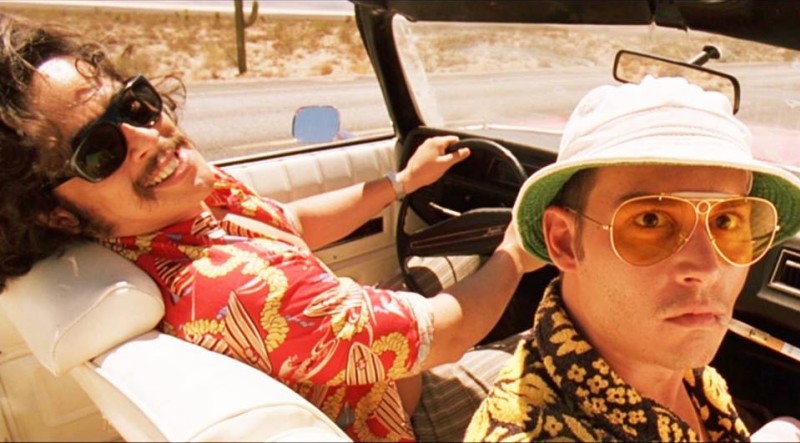
My favourite book character - Raoul Duke in Fear and loathing in Las Vegas. I find it interesting the way the character is a representation of the way the author views his life. Hunter S. Thompson was an interesting enough character without needing a fictional version

My favourite film - Interstellar. Space fascinates me. I like to ponder over the possibilities of time travel. I love that physicist Nolan Thorne was hired to make the explanation of a black hole accurate

My favourite poem -
Warning by Jenny Joseph. I read it on my wedding day. It was actually the priest who suggested it, I think he saw I was a little bit of a wild, independent woman!

My favourite artist/band - I’ve been going to raves since I was 16 so most of my favourite artists are small and less well-known DJ’s. My husband Dj’s as well, so many of them I met through him, and are now good friends of mine. I don’t think I could pick just one

My favourite song - This a tough one, I like so many genres of music. I guess if I had to choose one, it would be “The way you look tonight” by Tony Bennet because it was my wedding dance song and it always makes me think of my grandparents

My favourite art - My favourite type of art is portraits. I watched a documentary with artist Grayson Perry and he described how portraits are an interpretation of how the artist see’s that person. I like to look at portraits and imagine what I think that person is like

My favourite person from history - It would have to be Albert Hoffman. My area of research is mostly based in psychedelic medicines and drug policy. Albert Hoffman is the scientist who discovered LSD. He’s quite well-known for accidentally administering himself the first documented dose of LSD and riding his bicycle home. He was one of the first people to recognise the potential pharma psychological benefits of hallucinogens, I like to think one day modern science will make a strong enough case to revolutionise psychiatric care with substances like LSD. Although Hoffman discovered LSD in 1943 we still don’t fully understand the full complexities of how it works on the mind
Share this:


“My Favourite Things”: Haley
My favourite TV show - Peep Show. I recently binge watched Noughts + Crosses which I thought was brilliant

My favourite place to go -I am one of eight siblings so going to see any of my brothers and sisters (and their families) is always great

My favourite city -I prefer going to rural places rather than cities. I loved going to the Amazon Rainforest, Kruger National Park and being stalked by whales in Puerto Madryn. My favourite cities are Rio De Janiero, Cuzco, New York, San Francisco, Athens, Lisbon and London to name a few. I also live in Birmingham and love it here; I think it’s underrated as a city. I really enjoy going to music or food and drink events and being surrounded by friendly Brummies

My favourite thing to do in my free time - walk my dog, meet up with friends...have a nap. I am also obsessed with reading at the moment

My favourite athlete/sports personality - I’m not a sports person. Although, as procrastinating options were dwindling whilst I was doing my Master’s degree, I suddenly became fan of football. Apparently, the team I like the most (Liverpool) is the arch enemy team of my boyfriend's beloved Man United. I also like Wolves and Tottenham but liking three teams makes me a deviant in the footballing world

My favourite actor - Steve Carell. Especially him as Brick in Anchorman and as Michael Scott in The Office

My favourite author - still undecided with this one. Obviously, since childhood I have been eternally grateful for J.K Rowling for creating the Wizarding World of Harry Potter.

My favourite drink - Tea

My favourite food -Potatoes. Saag Paneer Balti with chips and a cheese naan bread

My favourite place to eat - anywhere as long as its with good company

I like people who - are empathetic, kind and encouraging of others

I don’t like it when people - think and act as though they are better to others

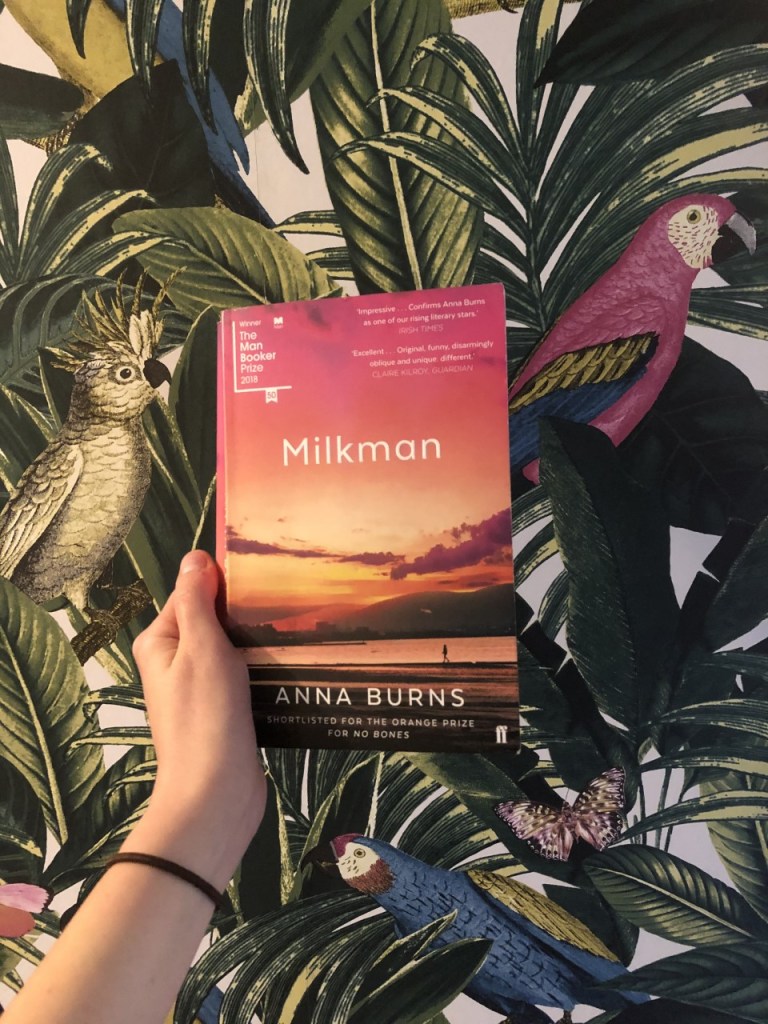
My favourite book - currently it's Milkman by Anna Burns

My favourite book character - Yossarian from Catch 22. He’s hilarious- I love his nerve and his anti-war sentiments.

My favourite film -I should be put off by the racist and misogynistic undertones within the Lord of the Rings films (and books) but I can’t help but enjoy the long adventure that Frodo and his friends embark upon. For a quick answer… Bohemian Rhapsody!

My favourite poem - I need to read more poems as I don't know of many. I do like poems by Margaret Atwood and John Cooper Clarke.

My favourite artist/band - I am sad enough to have a ‘Criminology Playlist’. It includes songs by Johnny Cash, Rage Against the Machine, Kano, Kate Bush, The Specials and Stormzy amongst others.

My favourite song - I love music that helps me to relax after a busy day at work. I love What a Wonderful World by Louis Armstrong, Pink Floyd’s live at Pompeii set, Radiohead and Hans Zimmer’s version of Bloom, Benjamin Clementine’s Nemesis and many more…

My favourite art -I was mesmerised by Picasso’s Les Meninas collection in the Picasso Museum. Banksy’s work is brilliant too

My favourite person from history - Those who contributed towards getting more rights/help for others. Only if they did this in a non-violent way, of course