
Home » Criminology toolbox (Page 10)
Category Archives: Criminology toolbox

Not so Priti politics: setting a clear example
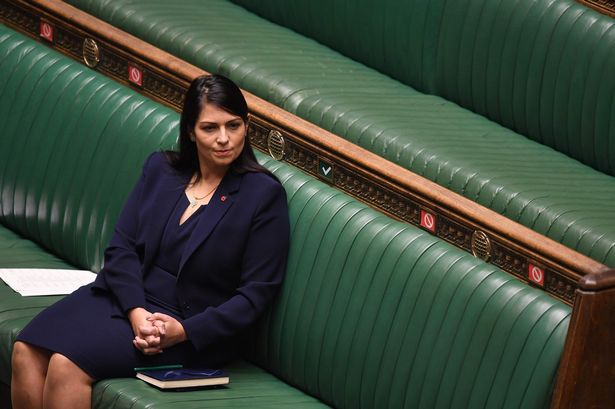
Of course Priti Patel the home secretary is correct when she declared that England fans have a right to boo England football players taking the knee before the England versus Croatia match on Sunday. Correct that is, in considering the spirit of the European Convention on Human Rights and Article 10, Freedom of Expression. This being encapsulated in our own Human Rights Act 1998. But whilst, the home secretary considers such booing, lets call it a form of protest, acceptable, she then adds that the ‘taking of the knee’ is simply ‘gesture politics’ and finds this form of protest unacceptable. The players and others through television advertising have made it clear that the statement is not political, it is simply a reminder of the need to tackle inequality and racism.
So, I’m left considering this, according to Priti Patel, it is acceptable to protest against those that oppose inequality and in particular racism, but it is not acceptable to protest against that in equality and racism. The first is a right, the second is some form of gesture politics. Ms Patel doesn’t end it there though but bemoans the Black Lives Matter protests and the ‘devastating impact they had on policing’. Somehow, I think she’s missed the point. If it is simply about the resources required to police the BLM protests, well the right of expression you say people have (you can boo if you want to) was simply being exercised and the police have a duty to facilitate those protests, devastating or not. If the devastation was about some other impact such as morale, then I think a bit of introspection wouldn’t go amiss. There is far too much evidence to show that the criminal justice system and the application of policing in particular is unequal, unfair and in need of change.
The home secretary is ultimately in charge of policing in this country. A politician, yes, but also supposedly a leader, who should be leading by example. What sort of example have her views set police forces across the country? Carry on folks, this is just gesture politics. No empathy, no understanding and a devil may care attitude, suggests that tackling inequality is not on the home secretary’s, let alone this government’s, agenda. This is not politics of the right, this smacks of politics of the far right. This is something we should all be worried about.
Share this:


Thinking Criminologically: Engaging with darkness

Often when you mention the word criminology to lay people outside of the academy, the initial response is “ooh that’s interesting” or “that sounds exciting”. The next step in the conversation usually reverts to the most extreme forms of interpersonal violence, murderers, serial killers and so on. For many, criminology appears to be the home of “whodunnits”. People talk of Ted Bundy, Ian Brady and Myra Hindley, Fred and Rose West and want to know why they did what they did. For decades, the unsolved case of Jack the Ripper has been pored over by authors, television makers and the general public. For those who choose to engage, we have seen the female victims of this unknown man, eviscerated, degraded and ultimately slain, again and again for the reader/viewers’ delectation. This is not criminology.
Criminology recognises there are no winners in crime, only people left shattered, those devastated by their actions or those impacted by criminality. People are left bloody, bowed and bereaved through victimisation by individuals, institutions and the State. Yet just look on a bookshops ‘Crime’ shelves or flick through the programme schedules and you will find no sign of this. As a society we revel in this darkness and package it as entertainment. This is not criminology.
On the news we see discussions around crime and criminals. What should we do? Shall we give the police yet more powers? Shall we give those oh so lenient judges less leeway for discretion? Should we lock the offenders up and throw away the key? Should we bring back National Service? What about a boot camp? Should we consider bringing back the death penalty? How can we teach these people a lesson they won’t forget? Notice that all of these suggestions are designed to be more and more punitive, no discussions are focused around purely rehabilitative programmes, defunding the police or penal abolition. This is not criminology.
The problem with all of the ideas contained within the preceding paragraphs, is they are entirely negative. Criminology despite its focus on crime, criminality and criminalisation, has a positive focus, motivated by empathy and non-violence, if not pacifism. It is about trying to understand complexity and nuance in human and institutional behaviour. It is not interested in simplistic, quick fire, off the cuff answers for crime. It is forward looking, unconcerned with the status quo and more focused on what ought or might be. It intrinsically has social justice at its heart, an overwhelming desire for fairness for everyone, not just some. This is criminology.
This month is Gypsy, Romany, Traveller History Month, this week is also Refugee Week. Both are groups rarely treated fairly, they are criminalised and subjected to victimisation by individuals, institutions and the State. Their narratives have profound importance to our society. These experiences are far more central to Criminology than who Jack the Ripper might have been. This is criminology.
Also the beginning of this week marked the fourth anniversary of the disaster at Grenfell Tower. The graffiti above (I know, @5teveh and @jesjames50!) seems to capture the feelings of many when we consider this horrific tragedy. I taught for the first time on Grenfell in 2020/2021 and again this year. Both times I have been wracked with huge concerns around whether it was appropriate (many of our students are intimately connected), whether it was too soon and whether I could teach around the disaster with sensitivity. Running counter to this was a strong belief that criminology had a duty to acknowledge the disaster and enable our students to also make sense of such horror. In classes we have utilised poetry, music, graffiti and testimony in sessions to give us all space to consider how we can respond as a society. The biggest question of all, is what would justice look like for the bereaved, the survivors, friends, families and neighbours, the first responders? Some of that discussion is focused on the Grenfell Inquiry but far more is on how we can support those involved, what kind of advocacy can we engage with and how we can all raise our voices. As a society we cannot bring the dead back to life, but we can insist that the survivors and their families get meaningful answers. We can also insist that we make room for these individuals and families to have their voices heard. We can demand that fundamental changes are made so that disasters like these do not happen again. That we learn valuable lessons. This is criminology.
Unfortunately, experience tells us that previous victims of similarly horrible disasters do not receive anything that approximates justice, consider the events at Hillsborough in 1989. Likewise, as a society we do not seem able to learn lessons from inquiries, think about the deaths of Victoria Climbié and Peter Connelly. Nevertheless, as humans we have huge capacity for change, we do not need to keep repeating the same behaviours ad nauseum. As scholars of criminology we are well placed to argue for this change, to understand holistically, the complexities of crime and deviance, to empathise and to make space for marginalised voices to be heard. In addition we must be prepared to challenge and advocate for change. Some of us may be pacifist in orientation, but we must never be passive! This is Criminology.
Share this:


A smorgasbord of thought (AKA a head full of magic)

Its been a few weeks since I’ve written a blog and whilst there are plenty of topics to pick from, I never quite got my head round writing about anything in depth. I’ve thought about a lot, I never stop thinking about a lot, some it meaningful and some of it not. I like to think that some of the stuff is quite profound but that’s just in my imagination, I think. Anyway, rather than trying to put together some deep and meaningful narrative about the state of the world I thought I’d provide a few highlights.
When I read Jes’ blog the other week about graffiti, I couldn’t help thinking that we do far too much to try to justify and somehow nullify the effects of criminality. For all our theorising and empathising as criminologists, we shouldn’t lose sight of the fact that crime results in victims and being a victim of crime is at best an unpleasant experience. So, I have to disagree with Jes on one point, grafitti is not art, its criminal damage, vandalism if you like. Very rarely have I ever gazed upon a graffiti covered bridge, wall, shop front, shutter, railway station siding or railway carriage and thought to myself, wow that’s nice. Let’s call it what it is.
I think it was the same week that I read a post on ‘LinkedIn’ about the silence surrounding the murder of Julia James, a 53-year-old Police Community Support Officer. The silence the author of the post was referring to was the contrast between the public response to Julia James’ death and that of Sarah Everard, a 33-year-old marketing executive. No vigil, no public outrage, no ‘claim the streets back’. I wondered what dictates the public response to such horrific events. Is it age, occupation, circumstance or just timing?
I watched the news this week somewhat bemused by the response of some industry chiefs and business owners. The airline industry is less than pleased with the government’s approach to relaxing of restrictions around travel and some business owners are apoplectic about the fact that the removal of restrictions might be delayed. It might be a bit simplistic to state this, but it seems that they value business more than lives.
As for those that went on holiday abroad, thinking they wouldn’t need to quarantine when they came back only to find that the rules changed, and they now have to. More fool you, maybe I’ve missed a trick here, but I don’t think the Covid virus and its mutations will wait for you to enjoy the rest of your holiday before spreading a little more. Don’t complain about quarantine nor the cost of testing, you put yourself in that position, now take some responsibility and suck it up instead of blaming someone else.
In a conversation, a friend of mine told me ‘the problem is people don’t like being told what to do’. This was said in the context of Covid and our discussion about the idiots that think any rules or guidance just doesn’t apply to them. The comment did however make me think about a paper I read some time ago by Storch (1975). When the new police were introduced into this country in 1829, there were few who looked upon them favourably. One of the main issues was simply that the populace did not like being restricted in their ‘immoral or illegal’ pastimes. We can have a debate about who makes the rules but it seems to me the most pressing point is that little has changed. Take off the rose-tinted glasses, there never was a golden era of policing, the police have never been liked and never will be. I wonder how the population would act if there were no police though?
I’m a little weary now, all of this thinking and writing has worn me out. Time for a lie down in a darkened room.
Share this:


It’s different now… it happened to me
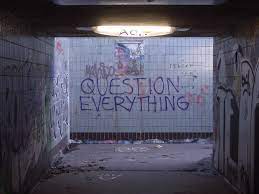
A few weeks ago, @paulaabowles shared an article on the Criminology Facebook page which posed the question of whether graffiti is art or crime. My response was art. And like all art, not all variations, interpretations or styles are for everyone. I know I can look at some graffiti and be quite taken aback at the brightness, boldness and creativity which shines through. I can also look at some and go ‘eugh’. However I have the same reactions to various classical and well-known pieces. My unrefined self does not get all the hype about a number of Picasso’s works (possibly all the ones I have seen). Nevertheless this is the beauty of art: it is down to individual taste.
So for me, I was fairly certain on my opinions and convictions towards graffiti as an art form, and as an example of the CJS further stigmatising and criminalisation young people’s behaviours: something I am certain we are all quite familiar with at this stage in our criminological journey. However those beliefs and informed views were put to the test over the Bank Holiday (BH) Weekend, and in all honesty I think I am still trying to get to grips with them. It is different now…. It happened to me.
Some context: as those of you who have read various blog posts from myself will no doubt remember, my partner runs a small kiosk near one of the Royal Parks in London. Often during the weekends and summer months, I provide an extra pair of hands to help clean and serve during the busier periods. And as a result of the pandemic, my partner finds themselves going from a team of 4 down to just them, and me when I am able to support: this was the case for the BH Weekend. Off we popped, down to London for a day of serving hotdogs, drinks and ice creams. However our day was thrown off course by some ‘ugly’ graffiti all over the front of the kiosk.
My partner was angry, and felt personally attacked (not really sure by who- but guess that’s besides the point). It is not the first time the kiosk has had graffiti on it, but it is the first time I have seen it in person and witnessed my partner’s response. Rather than starting our working day and opening up, we had to clean the graffiti off. My partner set to this: just over 3 hours later some of it has been removed, but so has some of the kiosk’s paint. It looks a mess. We are now at midday and we cannot afford to remain closed and keep cleaning. We have lost 3 hours of trading time to try and remove it, only to remove some of it and some of the kiosk’s paint. I am informed that we shall need to go to B&Q to try and find some graffiti remover: Capitalism wins again! But seeing my partner cleaning for 3 hours, losing the trading hours and for this end result: I can’t help but feel angry, frustrated and in want of some kind of justice. It’s different now… it happened to me.
But what realistically would justice be in the scenario? What do I actually want as a result? I have no idea. I asked my partner who said they just wanted them ‘not to do it’. It is private property, will my partner call the police? Nope: just nuisance annoying behaviour, but not much anyone can do about it. I feel less inclined to call it art. I like my partner’s use of ‘nuisance’ behaviour: it feels very accurate. I do not think my partner was targeted, I think it was available as a surface to be used for that individual or individuals to express themselves. But I am shaken in my previously held convictions. Shouldn’t something be done. We lost 3 hours of trading, the kiosk now needs to be repainted and we shall need to purchase some graffiti remover. All for some expression of ‘art’? Shouldn’t there be some kind of repercussion?
I am not too sure. I also know when this has happened before, and I have not been present to witness the impact it has on my partner and the kiosk I have been very nonchalant about it. ‘Oh dear, that’s frustrating’, ‘ah well, never mind’. But being there and seeing it: I view it differently. And this is something many of us come to grips with when considering hypothetical moral situations and larger ethical questions. We think we will act one way, but if it happened to us: it is quite possible our opinions, informed views and beliefs would change. I still think graffiti is art, but I am not so convinced in my previous assertation that it is not a crime…

Share this:


Alex park: a space of criminological interest?
Almost every day I walk my puppy in the local park. Most days I go around 6-7am when there’s barely anyone around. He’s made a couple of dog friends and we often stop for a chat. It’s tranquil and calm. I’ll listen to an audio book or the birds. The dog mother of Hazel the Italian greyhound tells me which birds are calling.
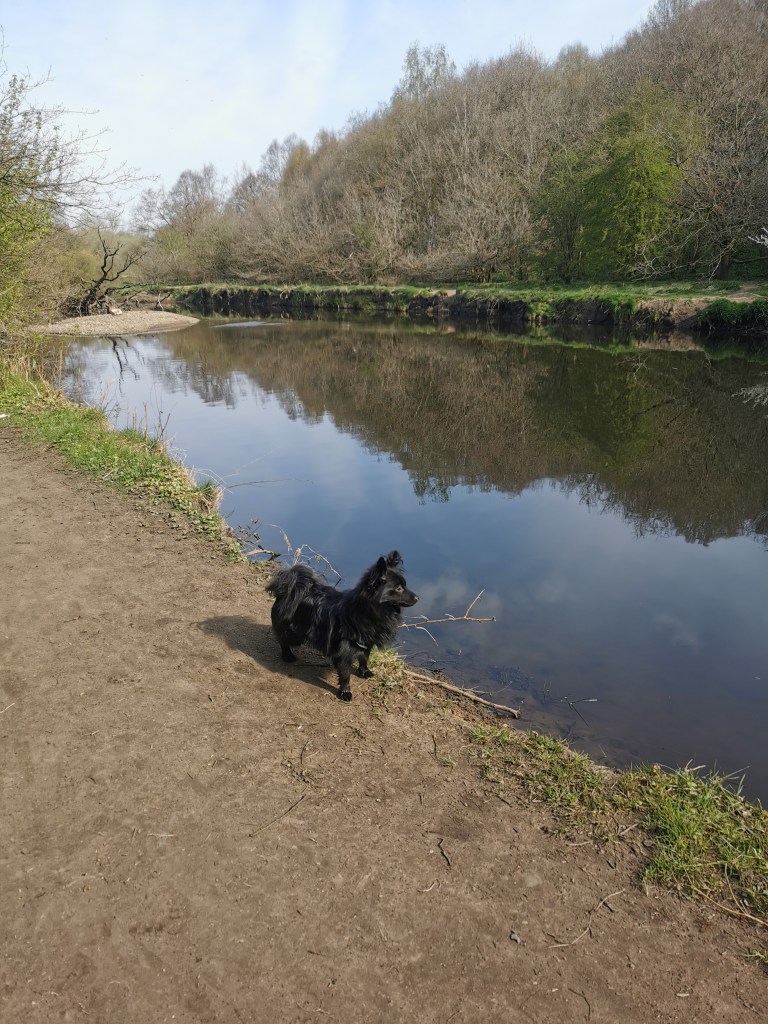
Usually in the evening we go to a huge field so he can quite literally run rings around me. A few weeks ago, we broke tradition and went to the local park in the late afternoon. I had spent the entire day in front of a screen and needed a break. We got to the park and it was different – it looked different, sounded different, and felt different. The sun was out so of course it was busier, and as you’d expect after school there were children playing on the skate park and the playground. There were about a dozen dogs in the dog park (it’s not as fancy as it sounds – just a patch of grass where the dogs dig holes and fetch sticks). Prince was a bit overwhelmed and so was I – at this point I hadn’t seen so many people in one place since pre-covid!
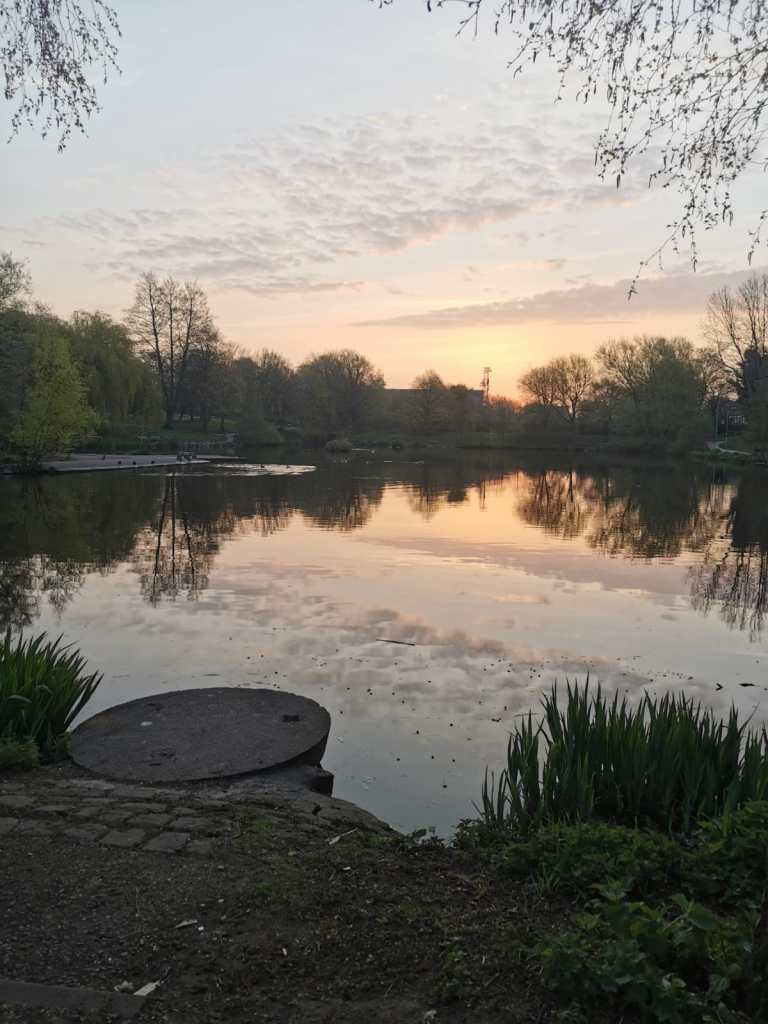
I soon learned that I couldn’t let Prince off his lead on a Monday because the mess from the weekend (even before the outdoor rule of six) would not yet be cleaned and he would eat everything. One Monday he walked an entire lap of the park with a croissant in his mouth that was bigger than his head. Another day he picked up half a joint of cooked meat. I noticed the signs of people having good (and not so good) times, particularly after sunny weekends. Sometimes when it’s warm there’s groups of men fishing, pulling all-nighters, smoking cannabis and drinking. Once, we followed a trail of blood around the path and although it could just as easily come from a child after a fall, the empty, broken alcohol bottles led me to imagine scenarios of violence.
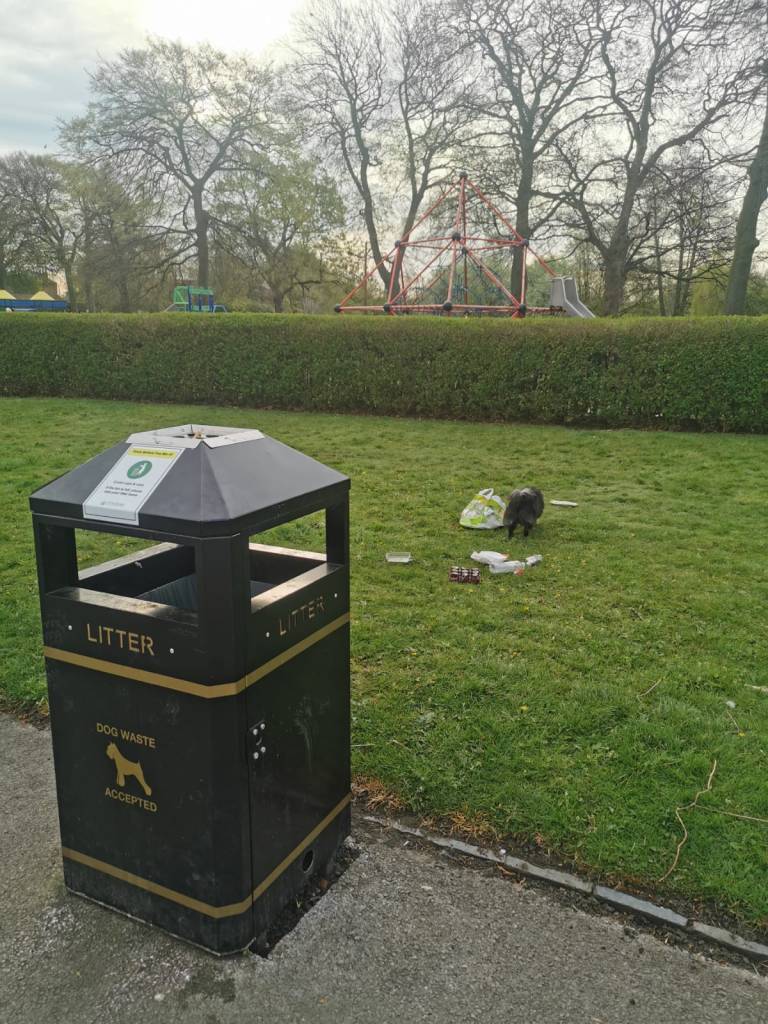
During my visits to the park over the last few months I have seen evidence of alcohol and drug use, and possible violence. In May last year, there were reports of gunshots fired, leading to a man being arrested on suspicion of possessing a firearm. Quite worrying considering I live only a couple of hundred metres away. There have also been incidents involving youths wielding baseball bats and setting fires before attacking firefighters. I had a look at the crime data for the area but Greater Manchester Police have had some IT issues affecting data from 2019 onwards (that’s another story…), however older data showed a pattern of anti-social behavior, arson and a few violent offences as well. This is all very different to the place of tranquility I visit daily with the puppy.

The next day we returned for our early morning walk and I reflected upon the changes in the character of the park and the actors and events that create this. I started thinking about criminology and the environment around us, about how places can change so much throughout the day and across the seasons. I thought about situational crime prevention. My work brain truly switched on and I stopped hearing the birds and started seeing the CCTV and the lighting. I thought to myself that I would not go to the park when it gets dark but if I did, I would stay in the lit areas where the cameras could see me. I would stay away from the groups of fishermen because they were sure to be drunk and stoned by nightfall. I haven’t seen them behave in a threatening manner although I have overheard verbal threats. They are usually asleep when I walk by but as a single woman I’d think twice about walking past a group of lively, drunk men at night.
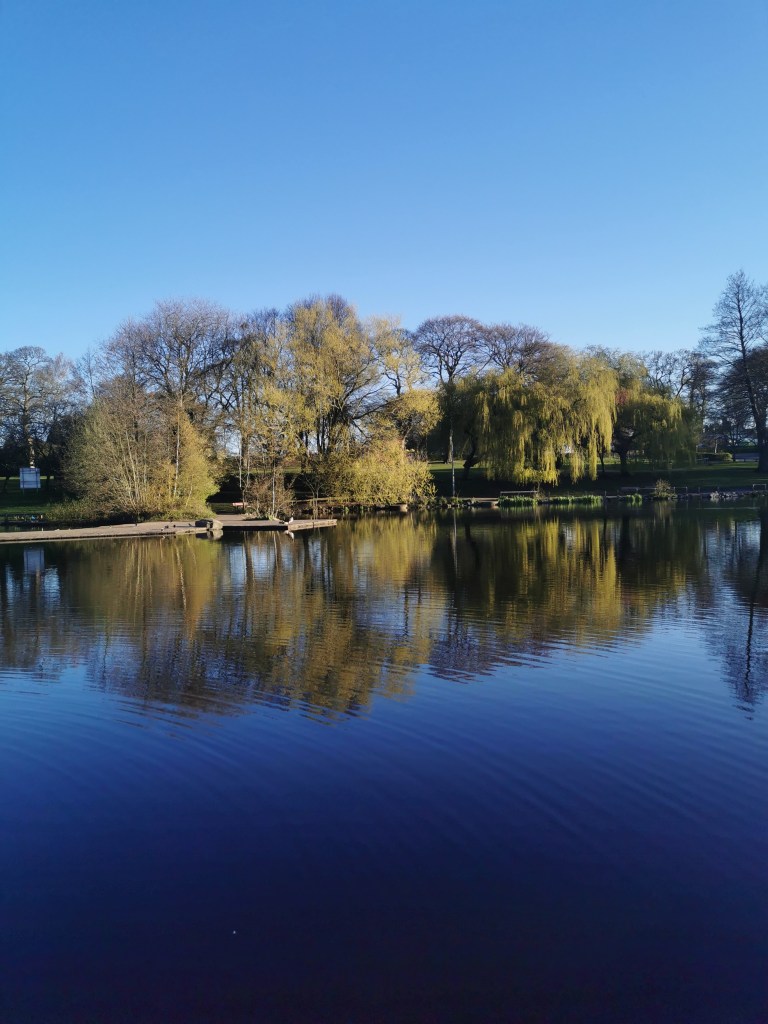
This local park is just one example based on my observations, but the question is, is it a criminogenic space? Or am I criminologist who sees things of criminological interest in everything, everywhere? Or a woman who constantly assesses personal safety? Luckily I haven’t had enough thinking time and space to ponder these questions otherwise this would have been a long read.
Share this:


Finding focus in office exile

I have now passed a year of being exiled from my office, separated from people for most of the time. A couple of weeks before the first lockdown I was working in another university and we had just a day or two notice to switch to online teaching. As a doctoral candidate I valued the flexibility of being able to work from home, in the office, and in overpriced coffee shops in Manchester’s Northern Quarter. The weather helped with the first lockdown. I would have virtual office working sessions with my colleagues in the criminology department in my garden. I thought I was coping but the reality was I was masking any fear, sadness and the effects of having no human contact. I was training two or three times per day, counting every calorie I ate. I lost a few pounds, got stronger, fitter and felt physically amazing.
We got some respite in the summer when lockdown restrictions were lessened. However, I lost a family member to Covid-19 and still felt unsure and anxious about going out so I didn’t make the most of it. I did have a couple of work sessions in my local library which was a welcome change of scenery. This was short lived as I currently live in Manchester and we have been in either lockdown or tier 3 restrictions for most of the last year. My saving grace was my gym. We had outdoor sessions, new members joined, and I got to see real people, albeit in socially distanced marked off squares of territory on the gym floor. Life was much better then. I left the house most days.
By December’s lockdown I was starting to struggle. With dark mornings and nights there would be days when I wouldn’t leave the front door. I went from training daily to training once or twice per week and some days I wouldn’t get any more than 2,000 steps in. For my, training is my anti-depressant. It keeps me sane, it keeps be focussed and it keeps me connected to a community of people who value it too. For me, this was a worrying sign.
Fast-forward to today, a year on from lockdown 1. I sit here in front of my laptop day in, day out, trying to concentrate, trying to find the perfect playlist to make me concentrate, taking nootropic supplements (legal, not the drugs), brain vitamins and high caffeine supplements to make me concentrate. I sit here researching symptoms and self-diagnosing ADHD. But really, I just need my office. I need an over-priced lemon and ginger tea, I need a commute, I need people, I need to get out of my living room. But I don’t need it at a cost of losing more lives to Covid-19 so I’ll sit in my living room and wait.
For now, as difficult as it is to focus, I manage. I just have to work harder than ever at it. So for all of our students who are also struggling, I will finish with some of my top tips but bear in mind we all learn differently so find what works for you.

Amy’s top study from home tips:
- Host virtual study sessions with colleagues. I have at least 2 sessions per week with a colleague. We start the session by saying hi and having some human interaction before stating our goals. We keep each other accountable by asking if our goals are achievable within the 2 hour frame and suggesting more specific goals. We then mute and work, coming back at the end of the 2 hours to hold one another accountable and share how we have done. I cannot emphasise enough how much this has helped me!
- Write a to do list each day and week with SMART goals. You’re better off having smaller goals that are achievable than bigger goals that are not
- Use the Pomodoro technique. Ordinarily this is 25 mins work followed by a 5 or 10 minute break. There are online tools and apps or you can set a timer. One of my supervisors recently suggested to me to reduce the working session to 15 minutes to account for my reduced concentration span. This is helping!
- Don’t have the same expectations on yourself as you ordinarily would. These are not ordinary times
- Work with your own mind. My brain works well early in the morning so sometimes I have my laptop open at 5.30am. I have friends that work late in the night. I also know I read well in the afternoon and I do my best thinking when I am on a solitary walk in nature
- Set yourself little goals with rewards. Currently, if I finish editing 5 pages I get an episode of Grey’s Anatomy or a cookie (bad idea) or a 10 minute browse on Instagram
- Lean on the resources available to you. At UoN our students are lucky to have a tonne of informative resources on Skills Hub (see the section on ‘How to Study’), our Learning Development team to help with academic skills, a mental health team who can help support mental wellbeing, and a whole host of other services. Ask for help and accept it when it is offered (this I need to work on)
- Listen to a focus playlist. My go to Spotify playlists are here and here
Share this:


#CriminologyBookClub: Murder at the Grand Raj Palace
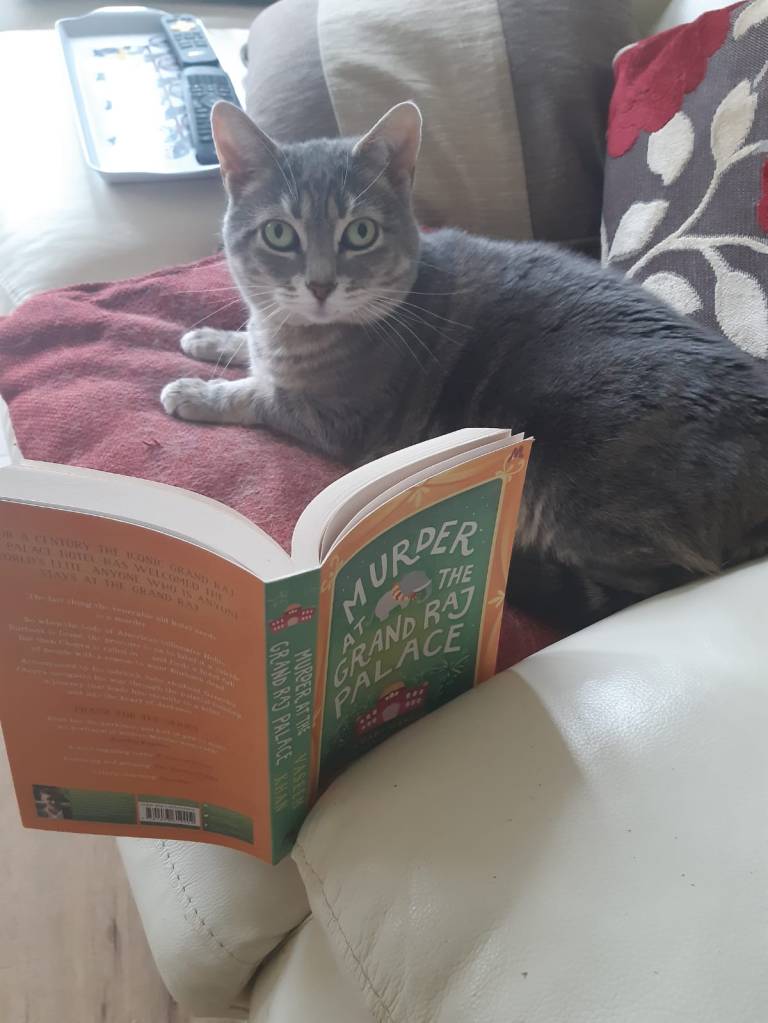
As you know from our last #CriminologyBookClub entry a small group of us decided the best way to thrive in lockdown was to seek solace in reading and talking about books. Building on on what has quickly become standard practice, we’ve decided to continue with all seven bloggers contributing! Our latest book was chosen by all of us (unanimously) after we fell in love with the first instalment. Without more ado, let’s see why we all adore Inspector Chopra (retired) et al.:
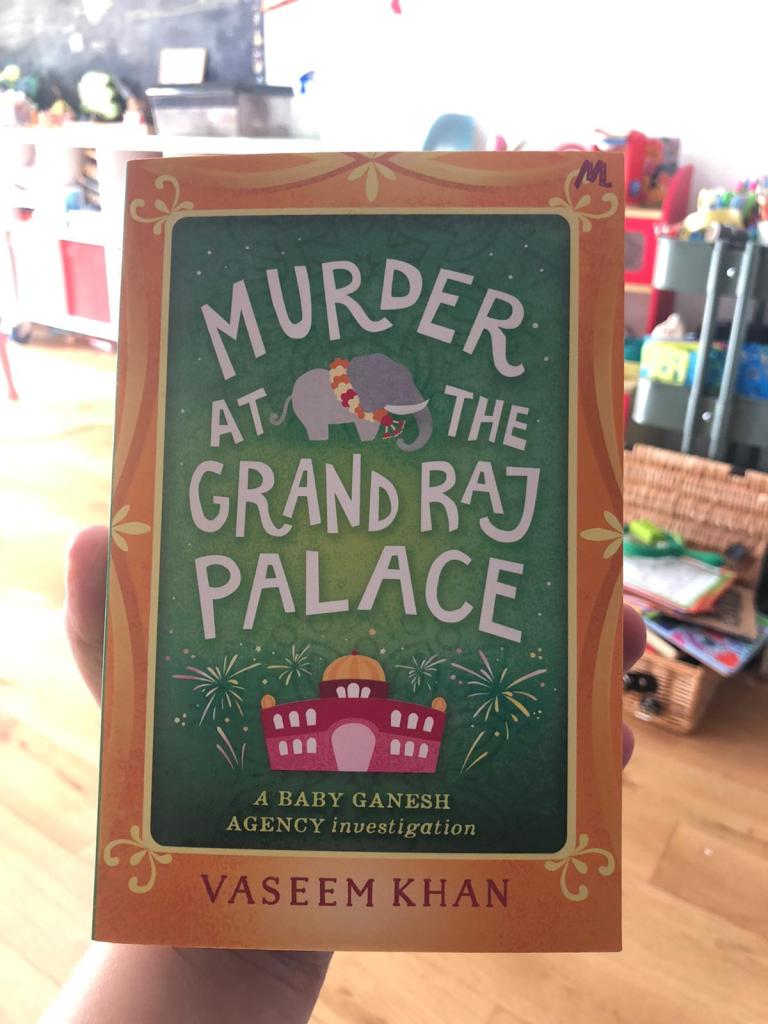
What a great read! I was extremely excited to read another book in the Baby Ganesh Agency Series and once again I was not disappointed. There was more mystery, a rich subplot and of course my favourite baby elephant. Vaseem, charmingly immerses the reader into the colourful and picturesque Grand Raj Palace. The way the book is written sets your mind up as though you are watching a film. The story allows you to escape from the uncertainty and mundane realities of life. Which is always welcome! And thrusts you into a mystery within a mystery. I would advise any reader that is interested in reading the series to definitely consider starting at the beginning, with the Unexpected Inheritance of Inspector Chopra. Although the stories do not pick up from each other, you definitely get an appreciation for the characters as they grow and change throughout the series. I liked the way Poppy is taken out of her supporting character role and is put centre stage, while investigating her own mystery. With laugh out loud humour, dark revenge and whacky characters, this is a book that will entertain you from start to finish.
@svr2727

In this instalment of the baby Ganesh Agency investigates a homicide of a very important person in a very important hotel. Inspector Chopra (retired) is on the case with his very unusual sidekick, investigating the world of corporations, big business and luxury. In the meantime, the Chopra universe is expanding and the characters are becoming more intricate and multifaceted. The household, now apart from the striking tenacious baby elephant, has little Irfan a child Chopra and his wife Poppy so desperately wanted. The story takes us through a different world paying homage to some corporate crimes that made it to the news. The conclusion of the drama is a reveal of whodunit in a very classic revelation scene. One thing you are left wondering, what will happen when the baby elephant grows to his full size?
@manosdaskalou
So far I have loved each of the Baby Ganesh Agency books. They have brightened my day and taken my attention away from life in a pandemic. As ever, with @vaseemk2’s series, you get the heat, the smells, the tastes, the views of India, attacking your senses. In this book, there is a striking contrast between light and dark in the cases resolved by Inspector Chopra (Rtd) and the wonderful Poppy. For me, the exploration of institutional violence caught my attention, the parallels to the Bhopal disaster, drawn clear and bright. Even in fictionalised form, institutional violence takes your breath away in the harm perpetuated and the complete absence of official interest. Lives lost without remark, without empathy. Without giving away any spoilers, equally striking was the almost Agatha Christie-like sleight of hand, where readers are encouraged to embrace their prejudices, only to have them destroyed with the denouement. At this point, I have the 5th book in hand and whilst I am excited to get started, I am also seriously worried. I really don’t want this series and its wonderful characters to come to an end….
@paulaabowles
Murder at the Grand Raj Palace was by far my favourite of the Baby Ganesh Agency novels! I particularly enjoyed the closeness of both cases, the uncomfortableness of Chopra in the presence of a beautiful woman who was not his wife, and Poppy’s strong and independent, yet interconnected, storyline. The twist on who committed the murder at the Grand Raj Palace, and why: I can honestly say I did not see coming! Without trying to give too much away: it is a must read which entwines themes of justice, family and social ills! Inspector Chopra does not disappoint: YET AGAIN!
@jesjames50
What is there to say about this series that we haven’t already? I love these books! They are vibrant and colourful and genuinely immerse you in another place with characters that feel like old friends now. The fourth book was possibly my favourite of the series so far: the setting of the Grand Raj Hotel, the monkey movie star’s assaults on Ganesha, spending more time with Poppy as she solves a mystery of her own, Chopra’s uncompromising resolve to crack the case and his grand unmasking of the criminal at the end. I didn’t want it to be over – bring on book 5!
@saffrongarside
This book includes my favourite sub-plot of the Chopra series so far. Poppy herself plays detective! I thought that it was great that the sub-plot and the main plot were based within the same setting, this made the book seem action-packed. Usually with the Chopra books I enjoy reading at a steady pace but I found this book difficult to put down, and this is not a bad thing. Sometimes when I read books I am disappointed by the ending, with this Chopra series this has not happened yet. Perhaps this is why these books are so pleasing to read. I was very pleased with what happened at the end with the women in red.
@haleysread
As the newest member of book club, I had missed out on the previous books in the Chopra series. Although the book is part of a series, I never felt as though I had missed anything or that I needed to catch up. I immediately liked the characters, particularly Poppy and the baby elephant, Ganesha. I identified with Poppy as a strong woman and Ganesha, despite being an elephant has the personality of a human. Secondly, I enjoyed the way in which the author wrote about India and how his fictional version reflected reality. Having been to India I was instantly reminded of the sights, sounds and smells. Members of the royal families and the fuss around the wedding recalled memories of my sister’s Indian wedding. Indeed, it was Poppy’s investigation which engaged my attention more than the murder. In the end, I was more concerned with the whereabouts of the bride than I was the uncovering of the murderer. This was a joy to read during the Christmas after a frantic first term of lecturing in the pandemic. I have already made a start on the final Chopra episode but I will definitely return to the first few books.
@amycortvriend
Share this:


Never Fear….Spring is almost here (part II)

A year ago, we left the campus and I wrote this blog entry, capturing my thoughts. The government had recently announced (what we now understand as the first) lockdown as a response to the growing global pandemic. Leading up to this date, most of us appeared to be unaware of the severity of the issue, despite increasing international news stories and an insightful blog from @drkukustr8talk describing the impact in Vietnam. In the days leading up to the lockdown life seemed to carry on as usual, @manosdaskalou and I had given a radio interview with the wonderful April Ventour-Griffiths for NLive, been presented with High Sheriff Awards for our prison module and had a wonderfully relaxing afternoon tea with Criminology colleagues. Even at the point of leaving campus, most of us thought it would be a matter of weeks, maybe a month, little did we know what was in store….At this stage, we are no closer to knowing what comes next, how do we return to our “normal lives” or should we be seeking a new normality.
When I look back on my writing on 20 March 2020, it is full of fear, worry and uncertainty. There was early recognition that privilege and disadvantage was being revealed and that attitudes toward the NHS, shop workers and other services were encouraging, demonstrating kindness and empathy. All of these have continued in varying degrees throughout the past year. We’ve recognised the disproportionate impact of coronavirus on different communities, occupations and age groups. We’ve seen pensioners undertaking physically exhausting tasks to raise money for the tax payer funded NHS, we’ve seen children fed, also with tax payer funding, but only because a young footballer became involved. We’ve seen people marching in support of Black Lives Matter and holding vigils for women’s rights. For those who previously professed ignorance of disadvantage, injustice, poverty, racism, sexism and all of the other social problems which plague our society, there is no longer any escape from knowledge. It is as if a lid has been lifted on British society, showing us what has always been there. Now this spotlight has been turned on, there really is no excuse for any of us not to do so much better.
Since the start of the pandemic over 125,000 people in the UK have been killed by Coronavirus, well over 4.3 million globally. There is quotation, I understand often misattributed to Stalin, that states ‘The death of one man: this is a catastrophe. Hundreds of thousands of deaths: that is a statistic!’ However, each of these lives lost leaves a permanent void, for lovers, grandparents, parents, children, friends, colleagues and acquaintances. Each human touches so many people lives, whether we recognise at the time or not and so does their death. These ripples continue to spread out for decades, if not longer.
My maternal great grandmother died during the Spanish flu pandemic of 1918, leaving behind very small children, including my 5 year old nan. My nan rarely talked about her mother, or what happened afterwards, although I know she ended up in a children’s home on the Isle of Wight for a period of time. I regret not asking more questions while I had the chance. For obvious reasons, I never knew my maternal great grandmother, but her life and death has left a mark on my family. Motherless children who went onto become mothers and grandmothers themselves are missing those important family narratives that give a shape to individual lives. From my nan, I know my maternal great grandmother was German born and her husband, French. Beyond that my family history is unknown.
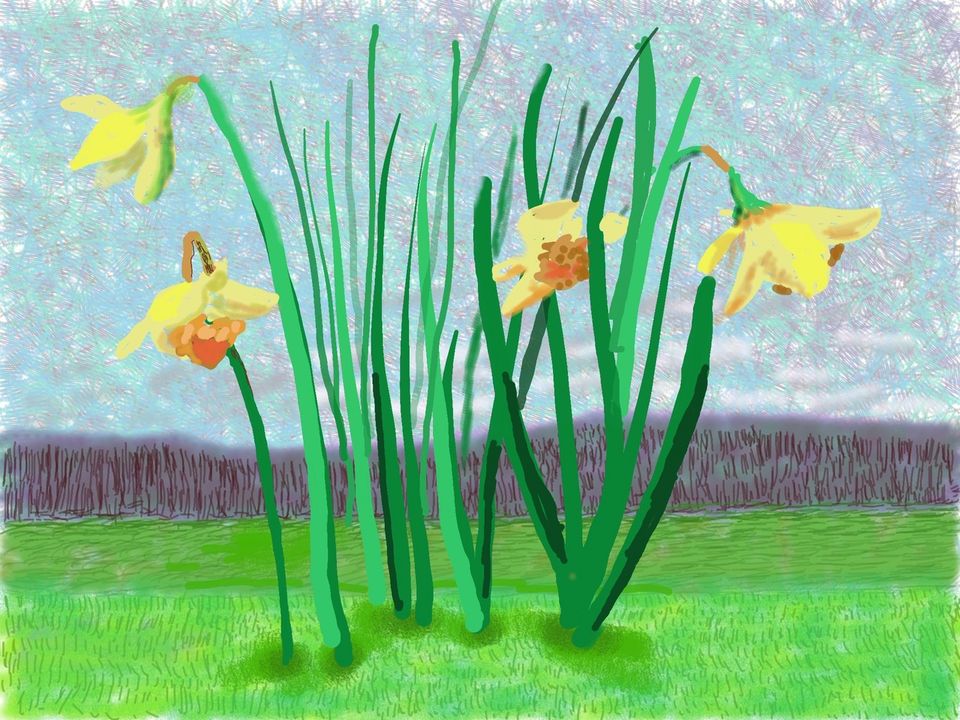
On Tuesday 23 March 2021 the charity Marie Curie has called for a National Day of Reflection to mark the collective loss the UK and indeed, the world has suffered. As you’ll know from my previous entries, here and here, I have reservations about displays of remembrance, not least doorstep claps. For me, there is an internal rather than external process of remembrance, an individual rather than collective reflection, on what we have been, and continue to go, through. Despite the ongoing tragedy, it is important to remember that nothing can cancel hope, no matter what, Spring is almost here and we will remember those past and present, who make our lives much richer simply by being them.
https://www.theartnewspaper.com/comment/a-message-from-david-hockney-do-remember-they-can-t-cancel-the-spring?fbclid=IwAR2iA8FWDHFu3fBQ067A7Hwm187IRfGVHcZf18p3hQzXJI8od_GGKQbUsQU
Share this:


Criminology is everywhere!
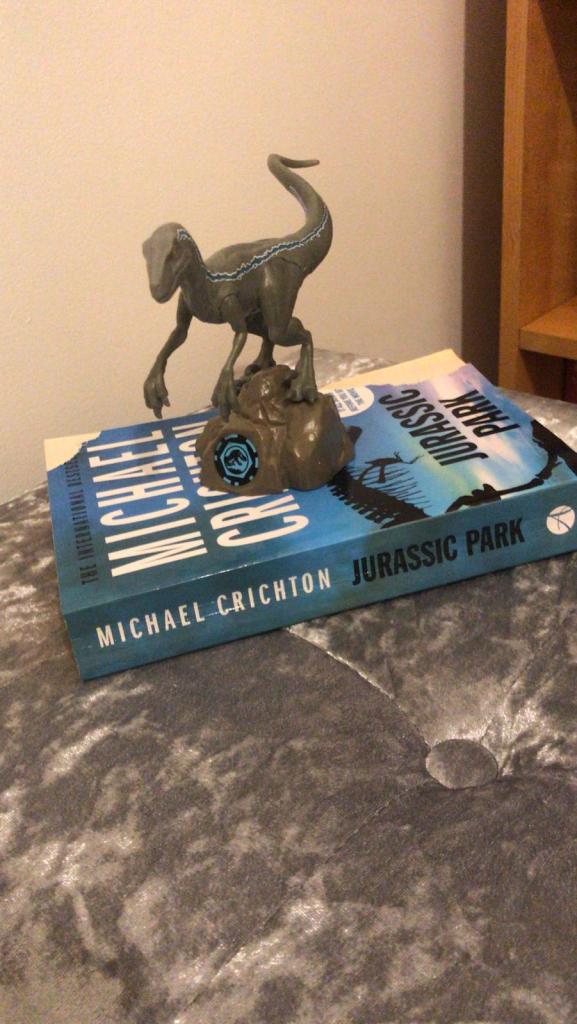
When I think back to thinking about choosing a degree, way back when, I remember thinking Criminology would be a good choice because it is specific in terms of a field: mainly the Criminal Justice System (CJS). I remember, naively, thinking once I achieved my degree I could go into the Police (a view I quickly abandoned after my first year of studies), then I thought I could be involved in the Youth Justice System in some capacity (again a position abandoned but this time after year 2). And in third year I remember talking to my partner about the possibility of working in prisons: Crime and Punishment, and Violence: from domestic to institutional (both year 3 modules) kicked that idea to the curb! I remember originally thinking Criminology was quite narrow and specific in terms of its focus and range: and oh my was I wrong!
Whilst the skills acquired through any degree transcend to a number of career paths, what I find most satisfying about Criminology, is how it infiltrates everything! A recent example to prove my point which on the outside may have nothing to do with Criminology, when in actual fact it could be argued it has criminological concepts and ideas at its heart is the 2015 film: Jurassic World. It is no secret that I am a huge lover of Crichton novels but also dinosaurs. But what I hope to illustrate is how this film is excellent, not just in relation to dinosaur content: but also in relation to one of my interests in Criminology.
Jurassic World, for those of you who have not had the pleasure of viewing, focuses on the re-creation of a Jurassic Park, sporting new attractions, rides and dinosaurs in line with the 21st century. The Indominus Rex is a genetically modified hybrid which is ‘cooked-up’ in the lab, and is the focus of this film. Long story short, she escapes, hunts dinosaurs and people for sport, and is finally killed by a joint effort from the Tyrannosaurus, Blue the Velociraptor and the Mosasaurus: YAY! But what is particularly Criminological, in my humble opinion, is the focus and issues associated with the Indominus Rex being raised in isolation with no companionship in a steeled cage. Realistically, she lives her whole life in solitary confinement, and the rangers, scientists and management are then shocked that she has 0 social skills, and goes on a hunting spree. She is portrayed in the film as a villain of sorts, but is she really?
Recently in Violence: from domestic to institutional, we looked at the dangers and harms of placing individuals in solitary confinement or segregation. Jurassic World demonstrates this: albeit with a hybrid dinosaur which is fictitious. The dangers, and behaviours associated with the Indominus Rex are symbolic to the harms caused when we place individuals in prison. The space is too small, there is no interaction, empathy or relationships formed with the dinosaur apart from with the machine that feeds it. The same issues exist when we look at the prison system and it raises questions around why society is shocked when individuals re-offend. The Indominus Rex is a product of her surroundings and lack of relationships: there are some problematic genes thrown in there too but we shall leave that to one side for now.
There are a number of criminological issues evident in Jurassic World, (have a watch and see) and all of the Jurassic Park movies. Criminology is everywhere: in obvious forms and not so obvious forms. The issues with the prison system, segregation specifically, transcend to schools and hospitals, society in general and to dinosaurs in a fictional movie. Criminology, and with it critical thinking, is everywhere: even in the Lego Movie where everything is awesome! Conformity and deviance wrapped up in colourful bricks and catchy tunes: have a watch and see…

Share this:


Reality and the fairy tale world of policy and procedures

In the concept of managerialism, we see that both policy and procedures form part of the techniques employed to enhance productivity and cultural changes. These changes use a ‘calculative and rationalistic knowledge base’ which appears both ‘universalistic’, and [at first sight] ‘seems entirely good sense’ (Gilling, 2014:82).
However, this knowledge base is far from universalistic and to the ‘street level bureaucrat’ (Lipsky, 1980) often falls little short of complete naivety. Lipsky (2010) provides a valuable insight into how individuals in public service adapt unworkable policies and procedures as the idealistic meets the reality of overstretched resources and ever demanding and needy consumers of services.
Whilst both working in and studying the police as an organisation subjected to and adopting managerialist policies, I witnessed the nonsensical notions of measuring activities and the subjugation of professionalism to management ideals (Hallam, 2009). Perhaps, there could be no better example than the measurement of the length of time a call handler spent dealing with a call. This derived from the need to answer calls within a target time period. It all made sense until you begin to take into account reality – the lack of resources and the nature of calls which demanded that on some occasions operators ought to spend far longer on the phone to deal with more protracted matters, such as someone in crises who really needed help and a comforting voice whilst someone was on their way. The result of the measurements was often counterproductive, officers being sent to incidents that amounted to little more than a waste of time, ‘My Jimmy is missing and I haven’t seen him for three days’ – when the officers turn up, Jimmy turns out to be a cat or, officers being sent to locations where information regarding the incident is scant because little time has been spent on the phone to get sufficient details. In the clinical world of the policy maker, there are ideal call takers, those that have knowledge about every eventuality, and ideal call makers, those that are precise, unemotional and to the point. Nothing of course could be further from reality.
Disappointingly, I find little solace in academia. Policy and procedures abound. Teaching styles are based, not on the nuances of student types but on the ideal student. The student that has the requisite skills to read and write and think critically. The student that is always engaged and always turns up and above all else, teaching is based on idealistic (see Morse and Lewis for tutorial sizes) small student classes. Policies that are well meaning such as catering for additional needs, become unworkable in an environment where class sizes and teaching demands outstrip available resources. Like the call handler, for the lecturer, it becomes impossible to cater for those that need more attention and time. And like the call handler, lecturers are subjected to managerialist idealistic measurements of success and failure. I once heard of a manager that referred to academics as ‘slackademics’, I think is probably just an indication of how far removed from reality managers are. There are two worlds in organisations that provide a service to the public, one is based on reality the other, a fairy tale world of policies and procedures based on the ideal.
References
Gilling, D. (2014) Reforming police governance in England and Wales: managerialisation and the politics of organisational regime Change, Policing and Society, 24 (1): 81-101.
Lipsky, M. (2010) Street-Level Bureaucracy: Dilemmas of the Individual in Public Services. New York: Russell Sage Foundation.

 Thoughts from the criminology team
