
Home » UK (Page 2)
Category Archives: UK

‘Now is the winter of our discontent’
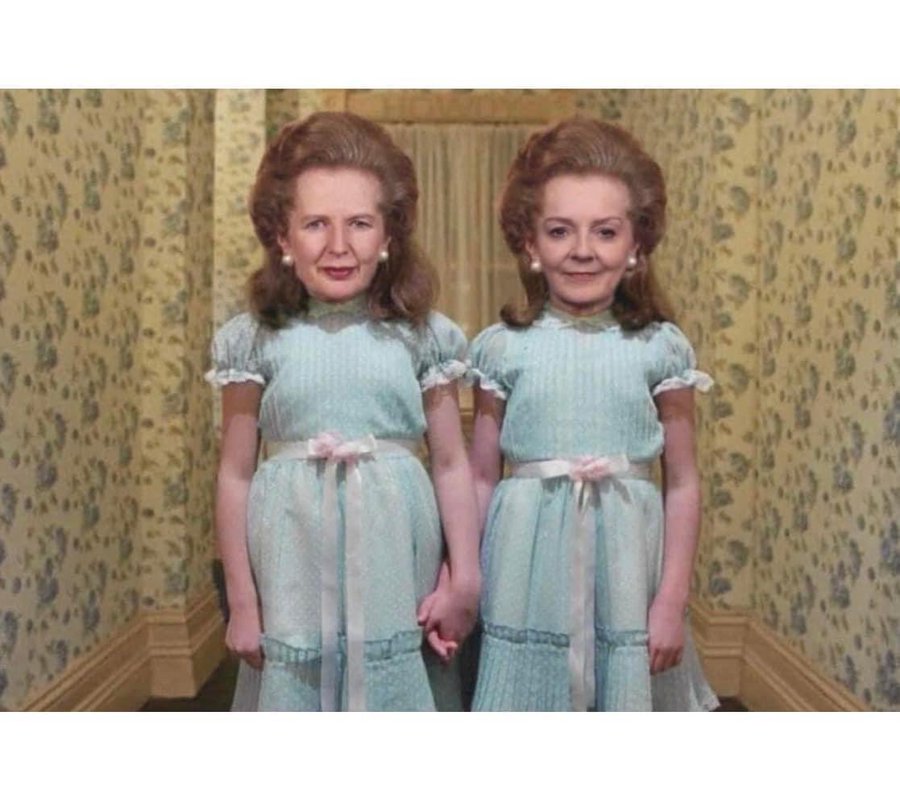
As I write this blog, we await the detail of what on earth government are going to do to prevent millions of our nations’ populations plummeting headlong into poverty. It is our nations in the plural because as it stands, we are a union of nations under the banner Great Britain; except that it doesn’t feel that great, does it?
As autumn begins and we move into winter we are seeing momentum gaining for mass strikes across various sectors somewhat reminiscent of the ‘winter of discontent’ in 1979. A few of us are old enough to remember the seventies with electricity blackouts and constant strikes and soaring inflation. Enter Margaret Thatcher with a landslide election victory in 1979. People had had enough of strikes, believing the rhetoric that the unions had brought the downfall of the nation. Few could have foreseen the misery and social discord the Thatcher government and subsequent governments were about to sow. Those governments sought to ensure that the unions would never be strong again, to ensure that working class people couldn’t rise up against their business masters and demand better working conditions and better pay. And so, in some bizarre ironic twist, we have a new prime minister who styles herself on Thatcher just as we enter a period of huge inflationary pressures on families many of whom are already on the breadline. It is no surprise that workers are voting to go on strike across a significant number of sectors, the wages just don’t pay the bills. Perhaps most surprising is the strike by barristers, those we wouldn’t consider working class. Jock Young was right, the middle classes are staring into the abyss. Not only that but their fears are now rapidly being realised.
I listened to a young Conservative member on the radio the other day extolling the virtues of Liz Truss and agreeing with the view that tax cuts were the way forward. Trickle down economics will make us all better off. It seems though that no matter what government is in power, I have yet to see very much trickle down to the poorer sectors of society or for that matter, anyone. The blame for the current economic state and the forthcoming recession it seems rests fairly on the shoulders of Vladimir Putin. Now I have no doubt that the invasion of Ukraine has unbalanced the world economic order but let’s be honest here, social care, the NHS, housing, and the criminal justice system, to name but a few, were all failing and in crisis long before any Russian set foot in the Ukraine.
That young Conservative also spoke about liberal values, the need for government to step back and to interfere in peoples lives as little as possible. Well previous governments have certainly done that. They’ve created or at least allowed for the creation of the mess we are now in by supporting, through act or omission, unscrupulous businesses to take advantage of people through scurrilous working practices and inadequate wages whilst lining the pockets of the wealthy. Except of course government have been quick to threaten action when people attempt to stand up for their rights through strike action. Maybe being a libertarian allows you to pick and choose which values you favour at any given time, a bit of this and a bit of that. It’s a bit like this country’s adherence to ideals around human rights.
I wondered as I started writing this whether we were heading back to a winter of discontent. I fear that in reality that this is not a seasonal thing, it is a constant. Our nations have been bedevilled with inadequate government that have lacked the wherewithal to see what has been developing before their very eyes. Either that or they were too busy feathering their own nests in the cesspit they call politics. Either way government has failed us, and I don’t think the new incumbent, judging on her past record, is likely to do anything different. I suppose there is a light at the end of the tunnel, we have pork markets somewhere or other.
Share this:


Refugee Week 2022

Next week (20th-26th June) is Refugee Week, coming at a moment in time days after the first deportation flight of asylum seekers to Rwanda was scheduled. Luckily the government’s best efforts were thwarted by the ECHR this time. Each year Refugee Week has a theme and this year’s focus is healing. People fleeing conflict and persecution have a lot to heal from and I am pessimistic about whether healing is possible in the UK. My own research examines the trajectories of victimisation among people seeking safety. I trace experiences of victimisation starting from the context from which people fled, during their journeys and after arrival in the UK. It is particularly disturbing as someone who researches people seeking safety that once they arrive in a place they perceived to be safe, they continue to be victimised in a number of ways. People seeking safety in the UK encounter the structurally violent asylum ‘system’ and discriminatory attitudes of swathes of the public, sections of the media and last not certainly not least, political discourse. Even after being granted leave to remain, refugees face a struggle to find accommodation, employment, convert education certificates and discrimination and hate crime is ongoing.
Over the years I have supported refugees who suffered breakdowns after having their asylum claim awarded. They are faced with the understanding of the trauma they suffered pre-migration, compounded by the asylum system and the move-on period following claims being awarded. Yet this is no time to heal. In the wake of the Nationality and Borders Act 2022, no migrant nor British citizen with a claim to citizenship elsewhere is safe. There is no safety here and therefore there can be no healing, not meaningful healing anyway.

Despite my negative outlook on the state of immigration policy in the UK, there are some positive signs of healing for some people seeking safety. These experiences are often facilitated by peer support, grassroots organisations and charities. I recall one woman who had fled Iraq coming into a charity I was undertaking research in. When we met for the first time, she was tiny and looked much older than she was. She would pull her veil tightly around her head, almost like it was protecting her. This woman did not speak a word of English and the only volunteer Kurdish Sorani interpreter did not attend the group every week. The womens’ group I attended conducted activities which overcame language barriers and at the time we were working with tiles and mosaics on a project which lasted a few weeks. During this time I could visibly see this woman start to heal. She started to stand up straight, making her appear taller. Her face softened and she appeared younger. She started smiling and her veil loosened. She was relaxing among us. In my experience, I’ve noticed that the healing comes in ebbs and flows. Relief of being ‘safe’, compounding stress of asylum, making friends, waiting, waiting, waiting for a negative decision, being supported by NGOs, letters threatening deportation, having a ‘safe’ place to live, having a firework posted through your letterbox.
For me this week is about celebrating those fleeting moments of healing, since I spend so much of my time discussing and researching the negative. The University of Northampton is co-hosting a number of events to mark Refugee Week 2022, starting with a service being held to remember all those seeking sanctuary both past and present. The event will be held on Monday 20th June at 1pm at Memorial Garden, Nunn Mills Road, Northampton, NN1 5PA (parking available at Midsummer Meadow car park).
Monday will end with an ‘in conversation with’ event with University of Northampton doctoral candidate Amir Darwish. Amir is Kurdish-Syrian and arrived in the UK as an asylum seeker in 2003. He is now an internationally published poet and writer. This event will be run in conjunction woth Northampton Town of Sanctuary and will be hosted at Delapre Abbey at 7pm. You can find further details and book tickets here.
On Wednesday the University of Northampton and Northampton Town of Sanctuary will be hosting an online seminar at 3pm with Professor Peter Hopkins, whose recent research examined the exacerbation of existing inequlaities for asylum seekers during the pandemic. I’ve just written a book chapter on this for a forthcoming volume reflecting on the unequal pandemic and it was staggering – but unsurprising – to see the impact on asylum seekers. This seminar can be accessed online here.
The week’s events will conclude with a Refugee Support Showcase which does what it says on the tin. This event will be an opportunity for organisations working with refugees in the local area to show the community the valuable work they do. This event will take place on Thursday 23rd June 4-6pm at the Guildhall, St. Giles Square, Northampton.
This year the University has worked with a number of organisations to produce a well-rounded series of events. Starting with reflection and thought of those who have sought, and continue to seek sanctuary and celebrating the achievements of someone who has lived experiences of the asylum system. Wednesday contibutes to the understanding of inequalities for people seeking safety and we end Friday on a positive note with the work of those who facilitate healing.
Share this:


Au revoir Le Pen, take the rest of the far right with you!

The recent French election once again saw centrist Macron head to head with far right nationalist Le Pen. Macron won the election by a much narrower margin that the 2017 elections. I have an interest in the French elections as my parents live there and are not far away from applying for citizenship. For them, the prospect of a far right president was worrying.
The politics of much of the world has shifted to the right of late, often to the far right. Perhaps this hasn’t been a recent thing. Indeed, before this wave of Trump, Modi, and Le Pen, we had UKIP and for a while the BNP was making a lot of noise. The writing was on the wall with New Labour and their many new immigration offences, Blair’s tough on crime and it’s causes approach, and not forgetting war on Iraq and Afghanistan. This was swiftly followed with then Home Secretary Theresa May’s hostile environment agenda which has been advanced again and again by consecutive Home Secretaries until we passed the point of no return with Priti Patel and her Nationality and Borders Act 2022 (it pains me to type ‘Act’ instead of ‘Bill’ – it’s black and white now) from which not the Lords nor God nor the best lawyers in the land seem have yet been able to save us from. What we see now is a Conservative government embedded with far right ideology, and this is not an isolated island in that respect.
This current uprising of the far right, racist, and xenophobic politicians is a global phenomenon. Modi, the far right Hindu nationalist is knee deep in his campaign against Muslims, revoking autonomy in Jammu and Kashmir (ironically – or deliberately – this took place on 31st October 2019, the day Britain was supposed to leave the EU), invoking the Citizenship (Amendment) Act 2019 which disproportionately affects the citizenship of Muslims who now face the possibility of expulsion, and even outright attacks on Muslims.
Then there was Trump and the less said about him, the better. But let us return to France. This is the second consecutive election in which Macron has faced Le Pen and won. In France, elections are held in two stages. All parties and candidates go head to head in stage one and if no candidate holds a majority, a second round between the top two candidates takes place. In 2017, Macron won the second stage with 66.1% of the vote. This time around, the vote was much narrower 58.6%. Le Pen’s Rassemblement National party has ‘transformed’ since the 2017 election, with the party’s councillor for Gironde arguing that they are not the far right, and instead are localists and nationalists. Are they not one and the same?
In recent years, the rise of the far right in Europe has been fuelled by fears of refugees, terrorism, and open borders within the European Union. In addition to this, concerns over employment and poverty have contributed to this. It is not all about them, it is preservation of us.

In a globalised era, we have seen decades of erosion of the working class jobs of old combined with distorted perceptions of immigration and population changes. People living in poverty, unemployed or in insecure employment look for someone to blame and the someone tends to be them. So, parties who say they stand for the working man and oppose immigration become popular, not because voters are necessarily racist but because they are fearful and suffering. Bearing that in mind, where does that leave us now? The whole of Europe is facing a cost of living crisis, war on our doorstep. Here in the UK, inflation and interest rates are rising but wages are not. We cannot blame this on them, on people fleeing persecution, on people who come to the UK to fill the jobs nobody wants or are not qualified to do. This us and them narrative causes nothing but division and hatred, fuelling hateful politicians who – let’s face it – serve nobody’s interests but their own.
My Monday message: Choose love
Share this:


Meet the Team: Hannah Smith, Associate Lecturer in Criminology

Making that choice…
As semester two is now upon us, I thought it would be a nice time to introduce myself to you all.
My name is Hannah Smith and I started at UoN in 2015, although I began my degree in Criminology in 2014. I completed my first year at Sheffield Hallam University and then transferred to UoN to complete my final two years and graduated in 2017.
To be honest, when I graduated, I was not ready to give up studying. I enjoyed reading, analysing topics, and debating for hours in seminars. I really enjoyed Criminology as it gave me the passion to ask why and look deeper into issues. Because of this, I carried on my studies and completed a Master’s degree in International Criminal Law and Security at UoN, as I wanted to learn more about the legal aspects of certain areas such as migration and I felt this was a sensible step with my knowledge from Criminology.
Since graduating from my Master’s degree, I began an internship at a local anti-poverty charity where I learned lots about voluntary sector working, governance, as well as working on some of the matters we talked about a lot in Criminology. After a year, I decided to take a leap into the world of migration and began working for a regional organisation who works in partnership with the Home Office and local authorities. I spend my days challenging practices, influencing policy, and working to try and help people who experience isolation, victimisation, discrimination and much more resettle and integrate into the UK. I also joined the UoN Criminology team at the end of 2020 and support the team as an Associate Lecturer.
One thing I have learnt along my short career journey so far is that it is not always about having the bit of paper that counts. Don’t get me wrong, it helps to have it written down on your CV, but it ultimately is about what you do with it and what you do with the skills you develop along the way. I never thought that a Criminology degree would lead me to a career in migration, but each and every day I use the skills I gained. Being analytical, being able to have the confidence to have a debate, working on my own to deadlines, working in groups, presenting to professionals and lots more.
So, if there is any advice I could give to you, it would be to focus on what you want to get from your degree rather than where you want to be. I remember being asked ‘what do you want to do when you leave university’, which was so much pressure as I just didn’t know! But there is no harm in not knowing. I would say enjoy and embrace the moment you are in and also get stuck in. Try new things, challenge yourself and enjoy learning all the new concepts and ideas that come your way. Keep using those the skills that feel natural to you as these will just strengthen and challenge yourself with the ones that need some extra attention! Because one day it will help out and pay off. You won’t know when that will be until a time of reflection in a few years’, similar to my time of reflection right now.
& When that happens – I would love to see a blog from you on this page!
Look forward to seeing you all on campus this semester!

Share this:


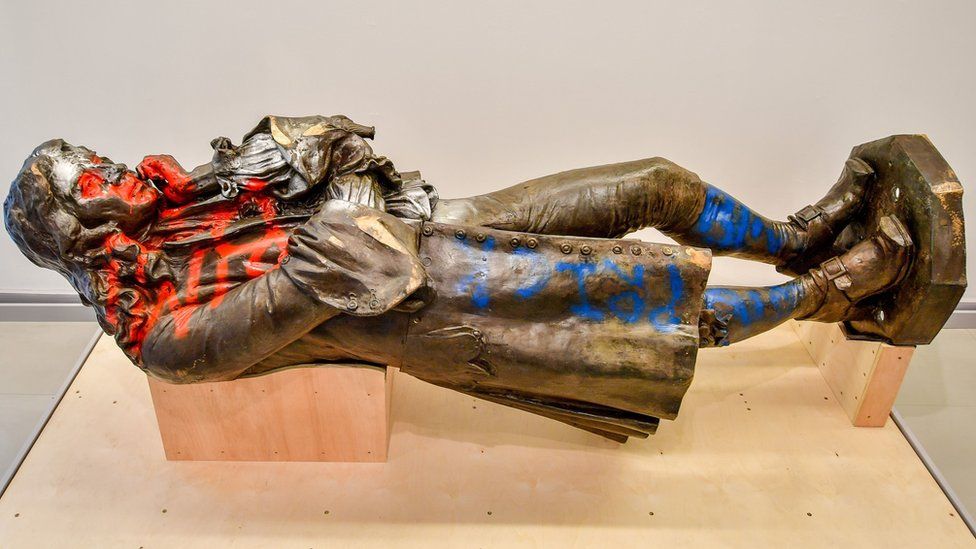
Colston, the toppling of a pejorative narrative

The acquittal of the four defendants for their role in the toppling of Edward Colston in Bristol has created an interesting debate and in some, more right-wing quarters, fury. In an interview following the verdict Boris Johnson stated we cannot seek to “retrospectively change our history“
But what history is he talking about, the one where this country was heavily involved in slavery or some other history around Empire and ‘jolly hockey sticks and all that sort of thing’?
History tells us that this country’s empire, like all empires significantly benefited from its conquests to the detriment of those conquered. Although if you watch the Monty Python film The Life of Brian, the right of the political spectrum might find some comfort in the sketch that starts with ‘What have the Romans ever done for us’? This country’s history is complex more so because it is a shared history with its own inhabits and those of other countries across most of the world. A history of slaves and slave traders. A history of rich and powerful and poor and powerless. A history of remapping of countries, redefining of borders, of the creation of unrest, uncertainty and chaos. A history of theft, asset stripping, taking advantage and disempowerment. As well as a history of standing up to would be oppressors. It is a complex history but not one that is somehow rewritten or removed by the toppling of a statue of a slave trader.
The tearing down of the statue is history. It is a fact that this country’s so called great and good of the time were tarnished by a despicable trade in human misery. The legacy of that lives on to this day. Great and good then, not so now, in fact they never were, were they? It may be questionable whether the circumstances of the removal of the statue were right, hence the charges of criminal damage. It might be questionable whether the verdict given by the jury was right, but surely this isn’t about changing history, it is about making it.
There are suggestions that the verdict may be referred to a higher authority, perhaps the Supreme Court. It appears right that there was a case to answer, and it seems right that the jury were allowed to deliver the verdict they did. There is nothing perverse in this, nothing to challenge, due process has taken place and the people have spoken. The removal of the statue was not criminal damage and therefore was lawful.
If a statue is an affront to the people of a locality, then they should be able to have it removed. If is such an affront to common decency, then the only people guilty of an offence are those that failed to remove it in the first place. Of course, it is more complex than that and perhaps the bigger question is why this didn’t happen sooner?
It would seem fitting to replace the statue with something else. Something perhaps that shows that slowly people of this country are waking up to the country’s past, well at least some of them. A statue that commemorates a new beginning, that acknowledges the country’s true past and points the way to a far more humane future for all. No Mr Johnson, we shouldn’t try to rewrite or obliterate history, we just need to change the way it written and stop ignoring the truth.
Share this:


The Maid: A Few Thoughts

Last week featured my first weekend of rest in a long time and I was desperate to do nothing. In conversation with a friend I mentioned that I had not binge-watched anything in a long time and she suggested The Maid (streaming on Netflix) with a warning that it was brilliant but that I might find it traumatic. I consumed the entire season over the weekend, even after I messaged said friend to inform her after episode two that it was a difficult watch and I would need a break. I did not take a break and powered through. If you have ever been through, witnessed or supported someone through abuse, this will be a difficult watch but I also found it quite therapeutic because it was realistic.
The series is about domestic abuse and focuses on emotional abuse, addressing some of the stigma and contested victimhood of those who suffer non-physical abuse. Although based in the US, it addresses the lack of recognition in the legal system for abusive relationships that do not feature physical violence. The show highlighted that many in society do not recognise non-physical domestic abuse as ‘real’ or ‘enough’, and for a while the female lead (Alex) herself did not perceive herself to be victimised enough to warrant support from a refuge or seek help from the police. She later moves through her denial after getting flashbacks as a symptom of PTSD. She realised that having witnessed her father perpetrate violence towards her mother as a child, her daughter was now impacted in exactly the same way, despite this ‘lesser’ form of abuse.
Much of the series showed the struggles of single mothers leaving abusive relationships, often with nothing but the clothes on their backs. Forcibly displaced, they slowly try to rebuild their lives, applying for state benefits, social housing and childcare. Alex quickly finds a job and still finds it difficult to find a place to live because she needs state support to supplement her rent and deposit. There are few landlords who accept tenants receiving state support, both in the US and the UK. She is repeatedly facing the barriers of an unjust system, stacked against her because of the type of victimisation she suffered.
While facing structural barriers, the maid found help in the most unlikely people: women in the shelter, a social worker helping her to fight the system, a wealthy woman she worked for. Her relationships changed with some people to access support. She was forced to seek help from her father and another male friend when she was left homeless which had difficult gendered dynamics. The father had been abusive to her mother and when she recalled this, it caused conflict in her relationship and she left his home, despite this leaving her homeless once again. Her male friend appeared to be helpful and kind but did so with the expectation she would start a relationship with him and when this did not materialise she was again asked to leave with nowhere to go so she returns to her ex-partner.
The maid does not as much get back into a relationship with him than coexists with him. The relationship he thinks they have is not what her reality is. He thinks she has come home, she is there because she is homeless with nowhere else to go. They live parallel lives. After returning to the ‘family home’, Alex falls into depression and suffers PTSD. Some of the imagery here is intense. In one scene the sofa swallows her up, as if she wished to sink into the cracks of the furniture, not wanting to be seen, wanting to escape but with no means to flee or places to flee to. In other scenes, she tries to go for a walk in the forest, but the trees close in around her, visually representing the isolation her abuser has forced upon her.
My main criticism is in the final episode when Sean tells the maid he will get sober but getting sober will not fix this. Alcohol is not the problem. He was abusive during his sober phases. Quitting alcohol does not transplant men’s attitudes, values and beliefs towards women. Being sober does not remove the need for abusive men to control women. This sends the wrong message to the audience, and it is a dangerous message to send. I would have liked to see the series end with Sean admitting he was a controlling, abusive man and that he would get help for this. Instead he blamed his behaviour on alcohol.
I’m going to play the tape forward and imagine a season 2 because I have witnessed this scenario a few times over the years. He cleans up, gets sober and appears to look like he is doing well. He may have been to rehab or AA where he was taught that he probably should not punch walls or throw objects at people’s heads. He gets in a new relationship and it looks like all is well for a while but he still has not admitted or addressed why he was abusive so his behaviours are there, they are just more subtle. He gaslights, manipulates, controls. But he isn’t outwardly aggressive so he gets away with it for a while. Until he doesn’t.
Share this:


Black History Month: A Final Thought

As we come to the end of Black History Month it is important to shine a light on the Black Lives Matters Movement and highlight the historical significance to the problematic discourse of racialisation.
Black history month is an opportunity for people from the various pockets of the Black community to learn about our own history and educate those who are not from the Black community, in order to decolonise our institutions and our society. As Black people we have our own history formed by systemic oppressions and great triumphs. While it is easy (and lazy) for institutions to use terms such as BAME and People of Colour (POC) these problematic uses of language oppress blackness. We are not a monolith of coloured people. Different racialised groups have and will experience, and uphold difference, harms and achievements within society. Furthermore, it would be naïve to ignore the narrative of anti-blackness that people from racialised groups uphold. Therefore, it is important for us and people that look like us, to continue to have the space to talk about our history and our experiences.
For many people in the UK and indeed around the world BLM became a mainstream topic for discussion and debate following the murder of George Floyd. While the term BLACK LIVES MATTER is provocative and creates a need for debate, it signifies the historical ideology that black lives haven’t mattered in historical and in many ways, contemporary terms.
While it is easy to fall into the trap of describing the Black experience as an experience of victimhood, Black history months allows us to look deep at all our history and understand why and where we are as a society.
The UK is one of the most diverse places in the world, yet we continue to fall prey to the Eurocentric ideology of history. And while it is important to always remember our history, the negativity of only understanding black history from the perspective of enslavement needs to be questioned. Furthermore, the history of enslavement is not just about the history of Black people, we need to acknowledge that this was the history of the most affluent within our society. Of course, to glaze over the triangle trade is problematic as it allows us to understand how and why our institutions are problematic, but it is redundant to only look at Black history from a place of oppression. There are many great Black historical figures that have contributed to the rich history of Britain, we should be introducing our youth to John Edmonstone, Stuart Hall, Mary Prince and Olive Morris (to name a few). We should also be celebrating prominent Black figures that still grace this earth to encourage the youth of today to embrace positive Black role models.
Black history for us, is not just about the 1st-31st of October. We are all here because of history we need to start integrating all our history into our institutions, to empower, educate and to essentially make sense of our society.
Share this:


#amplifymelanatedvoices 2021
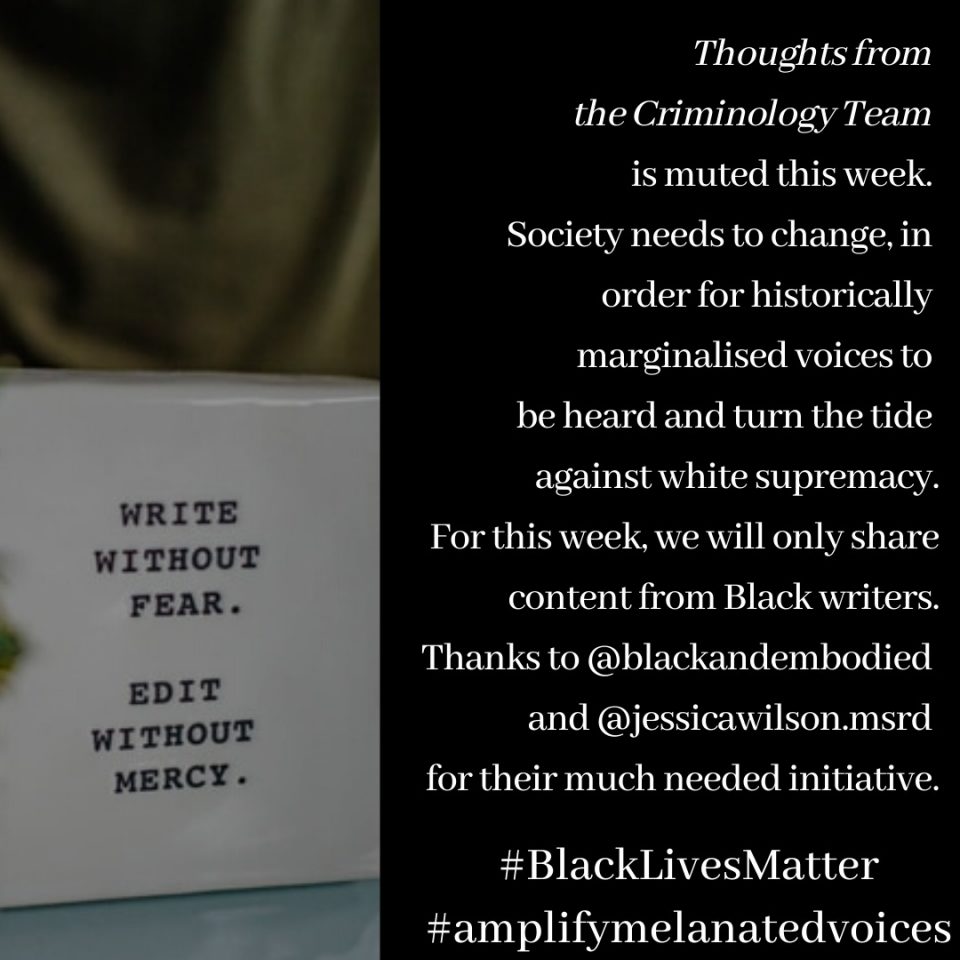
In June 2020, the Thoughts from the Criminology Team blog took part in an initiative started by @blackandembodied and @jessicawilson.msrd over on Instagram. For one week, we only posted/reshared blog entries from Black writers to reiterate our commitment to do better in the fight against White supremacy, racist ideology, as well as individual, institutional, and structural violences.
With the first-year anniversary of George Floyd’s murder fast approaching (25 May), we want to run the same initiative, with entries which focus on aspects of this heinous crime. We recognise that whilst the world was shocked by George Floyd’s racist murder, for many of our friends, families and communities, his death represented generational trauma. For this reason, we have not requested new entries (although they are always welcome) and instead want our readers to have another opportunity to (re-)engage with some excellent and thoughtful entries from our talented writers.
Take some time to read, think and reflect on everything we have learned from George Floyd’s murder. In our discipline, we often strive for objectivity and run the risk of losing sight of our own humanity. So, do not forget to also look after yourself and those around you, whether physically or virtually. And most importantly listen to each other.

Share this:


Never Fear….Spring is almost here (part II)

A year ago, we left the campus and I wrote this blog entry, capturing my thoughts. The government had recently announced (what we now understand as the first) lockdown as a response to the growing global pandemic. Leading up to this date, most of us appeared to be unaware of the severity of the issue, despite increasing international news stories and an insightful blog from @drkukustr8talk describing the impact in Vietnam. In the days leading up to the lockdown life seemed to carry on as usual, @manosdaskalou and I had given a radio interview with the wonderful April Ventour-Griffiths for NLive, been presented with High Sheriff Awards for our prison module and had a wonderfully relaxing afternoon tea with Criminology colleagues. Even at the point of leaving campus, most of us thought it would be a matter of weeks, maybe a month, little did we know what was in store….At this stage, we are no closer to knowing what comes next, how do we return to our “normal lives” or should we be seeking a new normality.
When I look back on my writing on 20 March 2020, it is full of fear, worry and uncertainty. There was early recognition that privilege and disadvantage was being revealed and that attitudes toward the NHS, shop workers and other services were encouraging, demonstrating kindness and empathy. All of these have continued in varying degrees throughout the past year. We’ve recognised the disproportionate impact of coronavirus on different communities, occupations and age groups. We’ve seen pensioners undertaking physically exhausting tasks to raise money for the tax payer funded NHS, we’ve seen children fed, also with tax payer funding, but only because a young footballer became involved. We’ve seen people marching in support of Black Lives Matter and holding vigils for women’s rights. For those who previously professed ignorance of disadvantage, injustice, poverty, racism, sexism and all of the other social problems which plague our society, there is no longer any escape from knowledge. It is as if a lid has been lifted on British society, showing us what has always been there. Now this spotlight has been turned on, there really is no excuse for any of us not to do so much better.
Since the start of the pandemic over 125,000 people in the UK have been killed by Coronavirus, well over 4.3 million globally. There is quotation, I understand often misattributed to Stalin, that states ‘The death of one man: this is a catastrophe. Hundreds of thousands of deaths: that is a statistic!’ However, each of these lives lost leaves a permanent void, for lovers, grandparents, parents, children, friends, colleagues and acquaintances. Each human touches so many people lives, whether we recognise at the time or not and so does their death. These ripples continue to spread out for decades, if not longer.
My maternal great grandmother died during the Spanish flu pandemic of 1918, leaving behind very small children, including my 5 year old nan. My nan rarely talked about her mother, or what happened afterwards, although I know she ended up in a children’s home on the Isle of Wight for a period of time. I regret not asking more questions while I had the chance. For obvious reasons, I never knew my maternal great grandmother, but her life and death has left a mark on my family. Motherless children who went onto become mothers and grandmothers themselves are missing those important family narratives that give a shape to individual lives. From my nan, I know my maternal great grandmother was German born and her husband, French. Beyond that my family history is unknown.
On Tuesday 23 March 2021 the charity Marie Curie has called for a National Day of Reflection to mark the collective loss the UK and indeed, the world has suffered. As you’ll know from my previous entries, here and here, I have reservations about displays of remembrance, not least doorstep claps. For me, there is an internal rather than external process of remembrance, an individual rather than collective reflection, on what we have been, and continue to go, through. Despite the ongoing tragedy, it is important to remember that nothing can cancel hope, no matter what, Spring is almost here and we will remember those past and present, who make our lives much richer simply by being them.
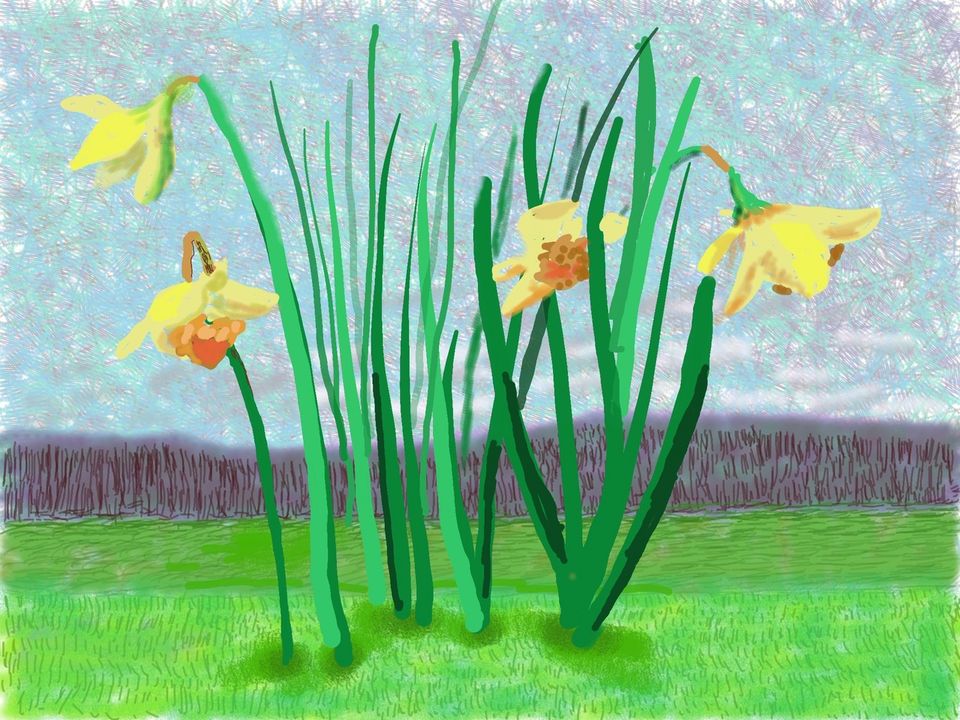
https://www.theartnewspaper.com/comment/a-message-from-david-hockney-do-remember-they-can-t-cancel-the-spring?fbclid=IwAR2iA8FWDHFu3fBQ067A7Hwm187IRfGVHcZf18p3hQzXJI8od_GGKQbUsQU
Share this:


Reflecting on International Women’s Day
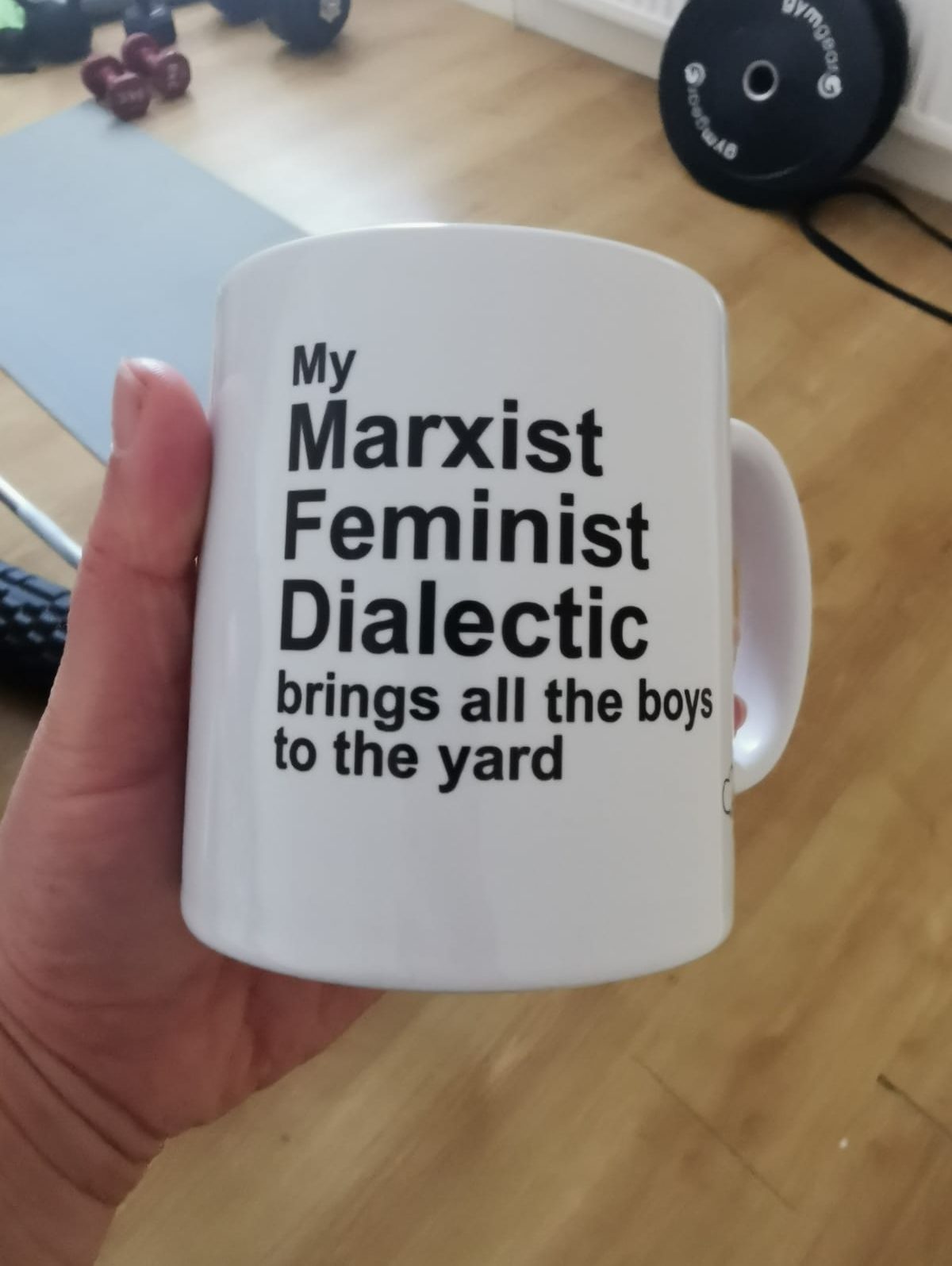
On International Women’s Day I wanted to write a blog to celebrate the incredible women who have inspired me, supported me, fought for the rights of women all over the world both past and present. Perhaps that post will come but I felt sadness and anger, rage that made me want to shout and swear from the rooftops that feminism is not done. Gender equality has not been completed. We may have advanced a few levels, but patriarchy is still alive and free right here in England as well as throughout the world. The reality is that gender equality is a myth. Ordinarily I’m more hopeful and positive and maybe the pandemic combined with finishing my PhD is pushing me over the edge. But as well as celebrating International Women’s Day I wanted to identify some of the areas in which there is work to do, both in the UK and worldwide.
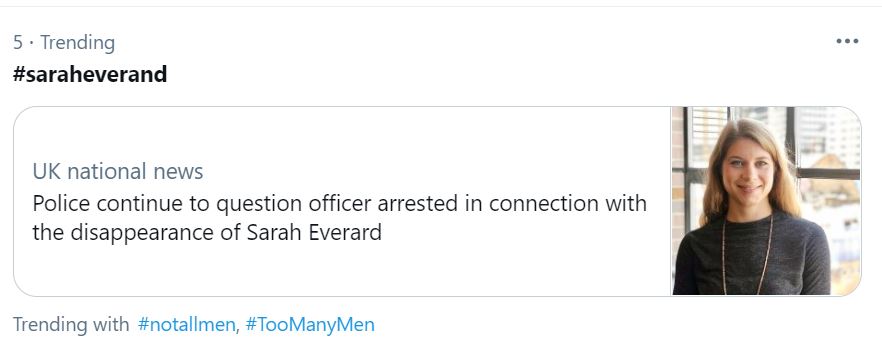
On the week of International Women’s Day, the media has been filled with women, but not for the right reasons. Let us start with the interview broadcasted on International Women’s Day with Megan Markle and Prince Harry which highlighted not only her position as a woman but also the intersectionality of being a woman of colour in the royal family and the implications of this. The interview was responded in an appalling manner by Piers Morgan who questioned her experience of feeling suicidal which was then reflected on social media (never read the comments!!!). A woman’s experiences with mental health were questioned and ridiculed. Not long after the tragic death of Caroline Flack, people – including many other women – have forgotten to #bekind. The investigation over the disappearance of Sarah Everard was responded to by the Met police advising women in the local area not to go out at night, perpetuating a culture of victim blaming. A woman’s actions were being questioned. So here we are in 2021 with our internal thoughts and emotions and our external actions being judged by others. When women have spoken out about our right to feel safe walking home at night, about how we walk the long way home and hold a key between our fingers for protection, #notallmen resurfaces on Twitter, in a similar tone to #alllivesmatter last year. When one group renews a call for equality, the patriarchs and supremacists oppress harder. These are just a couple of examples in the media, the public domain, this week but there is also clear inequality in domestic life.
Throughout the pandemic there have been numerous reports suggesting that women have disproportionately undertaken childcare which has had a devastating impact, particularly for single mothers. While data from the Office for National Statistics shows that home schooling is distributed equally in mixed sex couples, women have undertaken substantially more of non-developmental childcare – the bathing, bedtime routine, feeding etc. I recall the days of being a working single parent with a small child. With no after school club and no family available to chip in, I relied on childcare swaps, a childminder (who I couldn’t afford to pay more than a couple of days per week). It was a case of beg, borrow or steal whatever childcare I could get to get to work and would often miss lectures because I didn’t have any childcare (note to students – if you have childcare responsibilities and are struggling please do not hesitate to drop me an email. I have almost a decade of experience juggling kids with studies and I am always happy to share tips or just have a mutual rant about how hard it is!). I cannot imagine how I would have managed with the pandemic if my children were younger. I am lucky enough to work in a team where my colleagues don’t bat an eyelid when my teenager pops her head in asking for food or help with schoolwork but I do have friends telling me how their male counterparts have given them advice on how to juggle virtual meetings with parenting small children. Men (not all men – some men are excellent allies) having no clue how hard women have to fight as women to do it all – the career, the childcare, the housework, all while earning less than our male counterparts (currently 15.5% less). Of course the data on equal pay is complex but the bottom line is we get paid less, it’s harder to advance our careers because as we live in the bodies that produce babies and we have career breaks when we take maternity leave or go part time while the children are young – the only way that can change is if we choose not to have kids and we are criticised for that too!
I have so far established that the UK is hostile in the media and not equal in the home and employment but where do we sit globally? It was placed 21st on the Global Gender Gap Index 2020. Do you think you could guess which countries are higher than the UK? Go on, spend a minute and write down who you would expect to be in the top 20. Of course, there are the countries one might expect – Iceland is top of the list, Norway, Finland and New Zealand too. But let’s throw a curveball in there. Albania. Having worked with and interviewed many female Albanian asylum seekers and refugees who have usually fled Albania due to at least one but often many forms of gendered violence this comes as quite a surprise to me. Of course, I have a biased experience and have only come into contact with those who have had devastating experiences of patriarchy in the country. Rwanda is up there too within the top 10. Not long after the devastating genocide in Rwanda where women were brutally raped as a weapon of war (see here for a cheeky plug and an analysis of sexual violence in conflict in a different geographical context). Today, women make up half of the politicians in the country. Women have risen up and have taken power. In the UK I look at the female politicians in power today and in recent years and I recoil in horror. Priti Patel is probably (barring the Queen) the most powerful female politician in England. I witness first hand in my work with asylum seekers the harm she causes every day. Intentional harm, following in Theresa May’s footsteps to create a hostile environment for migrants. These women are not the people I want to look up to, or want my children to look up to. In fact, one of the few shared interests my daughter and I have is our disdain for these women.
The women I do look up to are those asylum seekers Patel and her band of merry men at the Home Office are trying to repel. Those who have fled situations that I, as a middle class white woman cannot even begin to comprehend. All the women who I have interviewed in my doctoral research had either fled gendered violence including forced and child marriage, domestic abuse, sex trafficking and honour violence; or their gender had intersected with other forms of persecution making their living situation untenable because they were women. They fled life or death situations to the point of leaving their homes, families and countries because their governments could not, or would not, protect them. They arrive in the UK and are faced with the hostile environment conjured by May and continued by Patel and both the Home Secretaries in between. They face structural violence in the forms of forced poverty, illegal detention, substandard and sometimes dangerous accommodation perpetrated under the mandate of women. All the while being vilified by the tabloids and swathes of the public. Some of my participants arrived here as children and were bullied in school because they were asylum seekers, being told that they were taking jobs and money. The bullies could not comprehend that they were prohibited by law from working and were given £5 per day to live on. They then hid their identities, never telling anyone that they were an asylum seeker, lying to their friends about why they couldn’t go on college trips abroad, why they couldn’t have a bank account, why they couldn’t get a job or go to university.
I want to celebrate Amira* who defied the odds. She came here when she was in her early teens, knowing just a few words of English. She worked hard to learn the language and passed her GCSEs and A-levels, gaining a competitive Sanctuary scholarship which funded her university education. I want to celebrate Drita, an Eastern European woman who was physically abused by her father as a child, forced to marry an abusive man who eventually left her destitute with three children. She then left her children with her parents while she sought work, got a boyfriend who sold her into sex slavery, set her room on fire to kill herself but managed to escape, picked up her children and fled a lifetime of gendered violence from every man she had ever met. She spent 2 days in a lorry with her children to get to the UK. Not really the UK, she would have gone anywhere, just out of her country to safety. These women are survivors. These women fought to stay alive. They fought to escape. They didn’t escape. They arrived here to face May’s legacy of a hostile environment. These women are terrified every time they have to report to the Home Office, every letter they get threatens them with detention and deportation and reminds them that they or on bail, literally equating them with a process usually found in the criminal justice system. These women are heroes and should be celebrated for surviving. On International Women’s Day yes, let us celebrate all that all we have achieved so far but it cannot end here. Each year we need a renewed call for action for women.
*All names are pseudonyms to protect the anonymity of participants

 Thoughts from the criminology team