
Home » Teaching (Page 11)
Category Archives: Teaching

The Commodification of Abstinence

The inspiration for this short blog post comes from an incredibly stimulating discussion with some of my second year students studying the criminology module ‘Outsiders’. In class we were discussing how rather than constituting active forms of rebellion that resist the mainstream, various ‘trendy’ acts of so-called deviance, such as graffiti, parkour and ‘rooftopping’, have actually become absorbed into the mainstream consumer culture. Following this we began to discuss ‘new’ ways of resisting. Amongst the ideas offered was the notion of somehow disconnecting ourselves from the now ever-present network of social media and its frequent and avid advertisement of consumer items. Interestingly, having already discussed the tendency for social media’s ‘revolutionary potential’ to be integrated within rather than threaten capitalism (Crary 2013), this proposed disconnect would also require avoiding the latest online driven micro-revolution. The result of this discussion was the idea of ‘going mobile free for a week’.
The problem with this proposed ‘period of abstinence’ is that it becomes another micro-revolution that simply represents a new opportunity for commodification. This is because capitalism has the uncanny ability “to incorporate every attack by integrating the attack into the system” (McGowan 2016:12). It does this by taking the seemingly revolutionary practice and transforming it into a marketable commodity. With this in mind, we started to consider how such periods of abstinence would be integrated and commodified. It was suggested that a number of high-street retailers such as Game and HMV would perhaps have preparatory sales the week before to help us cope with the inevitable upset of ‘going mobile free for a week’. Similar offers would no doubt be made by a range of other providers; why not get into cycling, mountain climbing, or Zumba? That is after buying all the essential gear and merchandise of course. Then, once this period of abstinence is over, what better way to show how ‘resistant’ you were than by posting pictures of, or tweeting about, all the things you got up to during this ‘rebellious’ period; thereby further contributing to the marketing of consumer items.
Rather than representing some form of resistance then, this period of abstinence becomes commodified and successfully integrated into contemporary consumer capitalism. This does not mean that there is no alternative to capitalism, it simply means that if we wish to make a genuine attempt at resistance we should avoid being absorbed or forced into the next ‘trendy’ micro-revolution or simulated rebellion (Hall et al. 2008). Precisely how we do this is of course another matter entirely.
Justin Kotzé, March 2017
References
Crary, J. (2013) 24/7: Late Capitalism and the Ends of Sleep. London: Verso.
Hall, S., Winlow, S. and Ancrum, C. (2008) Criminal Identities and Consumer Culture: Crime, Exclusion and the New Culture of Narcissism. Cullompton: Willan Publishing.
McGowan, T. (2016) Capitalism and Desire: The Psychic Cost of Free Markets. New York: Columbia University Press.
Share this:


(The Absence of) Technology in the Classroom
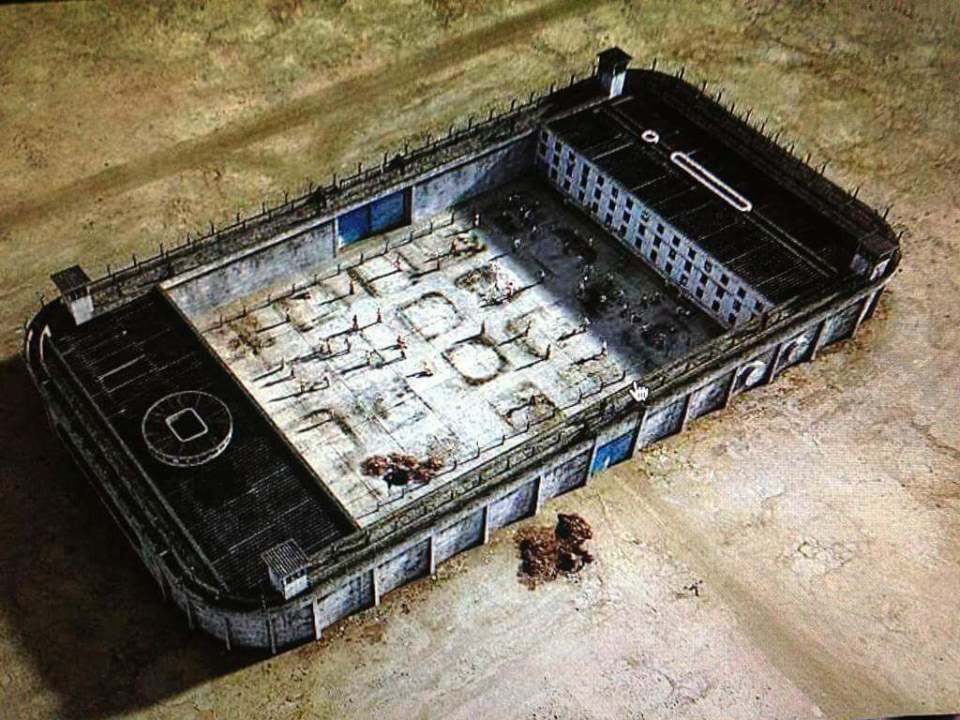
Following on from Manos’ ‘Reflections from a pilot’ I shall continue in a similar vein. The pilot has formed part of our academic thoughts and discussions for some months and now it has finished we are in reflective mode. Much of what we have experienced throughout the pilot was striking and will give us food for thought for some time to come. For this entry, I am going to focus on an aspect that I had not really considered, or at least, not very much beyond the prosaic.
We knew before the pilot that prison and technology do not make comfortable bedfellows. Whilst on the outside, technology permeates virtually every aspect of our waking lives, the same cannot be said for those incarcerated. From the moment you step inside the prison gate, signs remind you of what you cannot bring into the carceral environment; top of the list are mobile phones, computers, USBs and recording devices. This meant that in very basic terms there could be no powerpoint, video clips or recordings of lectures. It also meant that we could not rely upon the internal learners having a shared knowledge of current affairs beyond that which was available in newspapers or on radio or television. All the above could be perceived as inadequacies and deprivations, however, we found a number of positives side-effects of these supposed failings.
In the university classroom, technology is commonplace; smartboards, computer lecterns, laptops, tablets and smartphones. All of this technology can enable learning on many levels, but can also provide irresistible diversion from the task at hand. Whilst the intention may be educational; for example taking notes on a laptop, the temptation to drift into social media, email and so can prove to be seductive. Conversely, the prison classroom contains little to attract attention, beyond some posters on the wall and the view from the windows which offered nothing of real interest. From the outset, and throughout the entire pilot, it appeared that the absence of technology heightened concentration. This was observable through increased eye-contact, body language and engagement with both academic discussions and general conversations across all learners. Furthermore, the absence of technological distraction impelled students to self-reliance in way (for the external learners, at least) they were largely unused to and generally unprepared for.
It should be acknowledged that this increase in engagement may also have been impacted by the strangeness of the prison environment (for the external students) and the anxiety involved in meeting new people (for all students). Nevertheless, engagement did not seem to decrease despite increasing familiarity with both the surroundings and participants.
All of the above is not to say that technology has no place in education; the ease of access to educational materials and the ability to engage in academic discourse globally demonstrate its power. What I would suggest it does is offer us all an opportunity to reflect upon our own use (and dare I say, reliance) upon technology as a replacement for deep learning.


