
Home » Social justice (Page 11)
Category Archives: Social justice

Those kinde of people
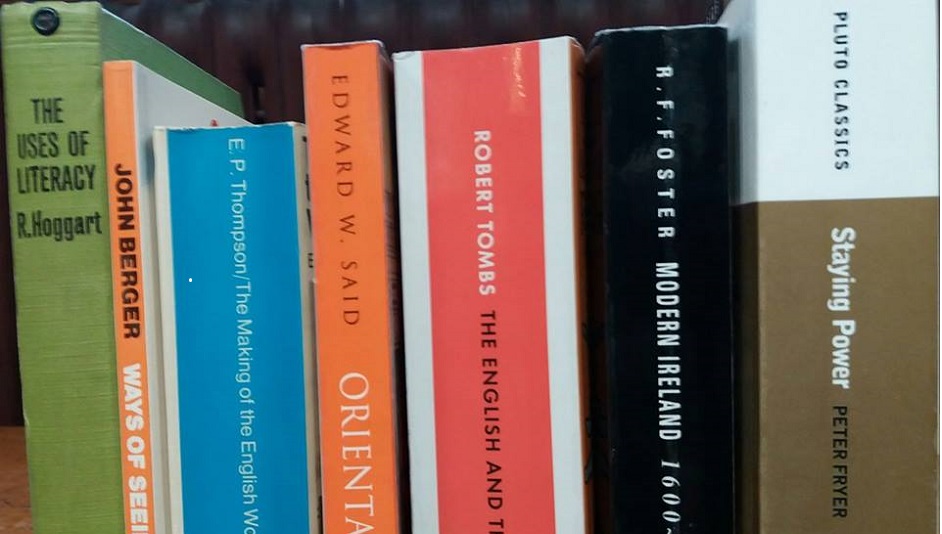
This poem is named for the first chapter of the iconic book Staying Power (1984) by historian and academic Peter Fryer. A book that talks about the history of Black people in Britain, from Roman times up to his modern-day. It’s also inspired by ‘Mathematics’ by British poet and author Hollie McNish.
Adam said:
those goddamn universities
and their goddamn books
learned people, crippling egos
with nothing but a look
he says those goddamn historians
and their god damn history
I tell them they worked hard
to get there, can’t you see?
I ask him what
he expects British history to be
he says he remembers
the land of Blyton and Christie
coastal wrecks, greenery
and a good wage before those people came
where people went to work, pot-bellied
national pride, stood proud before they came
now no British jobs, their kinde are to blame

I ask how he knows this to be true
he said he saw it on BBC News
every time a Pole takes a job from us
each time he hears a different language
whilst riding the bus
this divide and conquer, them and us
to me just does not add up
he makes a brew, two sugars in his tea
I say didn’t you know those granules
came from the sugar economy
he grunts, goddamn Blacks came and took our stuff
I tell him about sugar and cotton, you know
how slaves gave us indigo and tobacco – hot air to puff
I show him Brixton Road and Portobello Market
I show him rock n roll, Network Rail and the NHS
I show him the immigrant-built west
I show him straight roads and pictures of my Gran
how the Jamaican ackee comes from the Ghanaian Akan
He’s sick of history and social science
sitting all sad and smug on his island
I spent three years on a degree
did a dissertation on British identity
I geek over John Blanke
renaissance trumpeter who was Black
Oh and Ann Lister, call her Gentleman Jack
and Afro-Romans and The Slave Trade
Black Georgians, Saxons and Viking Raids
and I so want to scream when I hear folks say
goddamn immigrants taking our jobs
but how we teach history – we don’t talk
of Mrs Shah’s shop employing Bill and Bob
where people with money love to spend
employing women and men in tens,
her gift for business is self-taught
all her plans meticulously well-thought
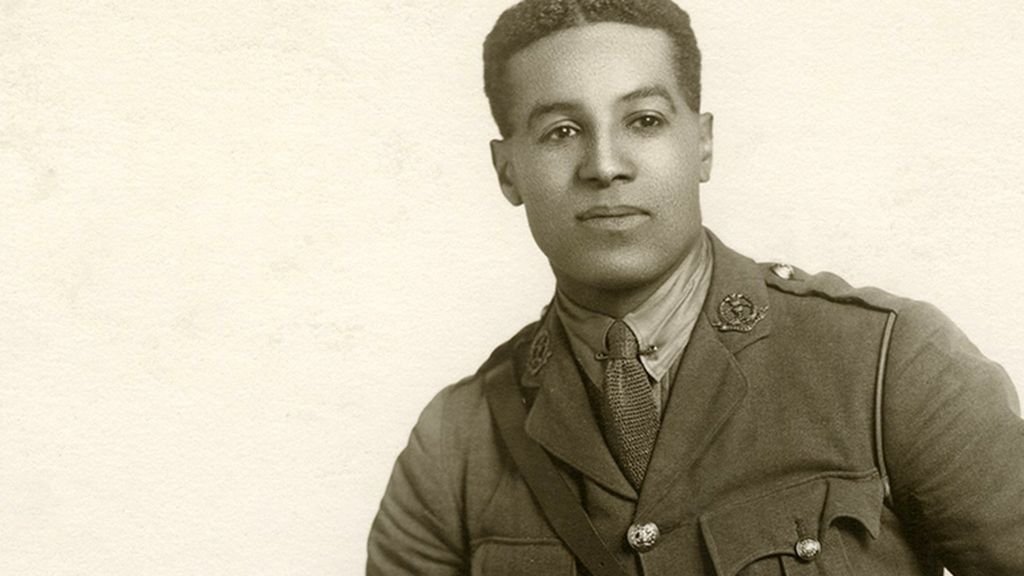
and all your prejudice talk
forgets the soldiers the colonies pledged
forgets the men left for dead
in Tangiers, Dunkirk and at the Somme
as the world wars went on and on
from Mr Smith to Mr Wong
and I know people love to complain
but England our name
the land of Angles is all that remains
from Saxons to Jutes
stories of migration since before WW2
and often, those kind of people
are more native than the locals.
Share this:


A Love Letter: in praise of art

Some time ago, I wrote ‘A Love Letter: in praise of poetry‘, making the case as to why this literary form is important to understanding the lived experience. This time, I intend to do similar in relation to visual art.
Tomorrow, I’m plan to make my annual visit to the Koestler Arts’ Exhibition on show at London’s Southbank Centre. This year’s exhibition is entitled Another Me and is curated by the musician, Soweto Kinch. Previous exhibitions have been curated by Benjamin Zephaniah, Antony Gormley and prisoners’ families. Each of the exhibitions contain a diverse range of unique pieces, displaying the sheer range of artistic endeavours from sculpture, to pastels and from music to embroidery. This annual exhibition has an obvious link to criminology, all submissions are from incarcerated people. However, art, regardless of medium, has lots of interest to criminologists and many other scholars.
I have never formally studied art, my reactions and interpretations are entirely personal. I reason that the skills inherent in criminological critique and analysis are applicable, whatever the context or medium. The picture above shows 4 of my favourite pieces of art (there are many others). Each of these, in their own unique way, allow me to explore the world in which we all live. For me, each illustrate aspects of social (in)justice, social harms, institutional violence and the fight for human rights. You may dislike my choices. arguing that graffiti (Banksy) and photography (Mona Hatoum) have no place within art proper. You may disagree with my interpretation of these pieces, dismissing them as pure ephemera, forgotten as quickly as they are seen and that is the beauty of discourse.
Nonetheless, for me they capture the quintessential essence of criminology. It is a positive discipline, focused on what “ought” to be, rather than what is. To stand small, in front of Picasso’s (1937) enormous canvas Guernica allows for consideration of the sheer scale of destruction, inherent in mechanised warfare. Likewise, Banksy’s (2005) The Kissing Coppers provides an interesting juxtaposition of the upholders of the law behaving in such a way that their predecessors would have persecuted them. Each of the art pieces I have selected show that over time and space, the behaviours remain the same, the only change, the level of approbation applied from without.
Art galleries and museums can appear terrifying places, open only to a select few. Those that understand the rules of art, those who make the right noises, those that have the language to describe what they see. This is a fallacy, art belongs to all of us. If you don’t believe me, take a trip to the Southbank Centre very soon. It’s not scary, nobody will ask you questions, everyone is just there to see the art. Who knows you might just find something that calls out to you and helps to spark your criminological imagination. You’ll have to hurry though…closes 3 November, don’t miss out!
Share this:


Is unconscious bias a many-headed monster?
When I was fourteen, I was stopped and searched in broad daylight. I was wearing my immaculate (private) school uniform – tie, blazer, shoes… the works. The idea I went to private school shouldn’t matter, but with that label comes an element of “social class.” But racial profiling doesn’t see class. And I remember being one of those students who was very proud of his uniform. And in cricket matches, we were all dressed well. I remember there being a school pride to adhere to and when we played away, we were representing the school and its reputation that had taken years to build. And within those walls of these private schools, there was a house pride.

Yet when I was stopped, it smeared a dark mark against the pride I had. I was a child. Innocent. If it can happen to me – as a child – unthreatening – it can really happen to anyone and there’s nothing they can to stop it. Here I saw unconscious bias rear its ugly head, like a hydra – a many-headed monster (you have to admire the Greeks, you’re never stuck for a metaphor!)
If we’re to talk about unconscious bias, we must say that it only sees the surface level. It doesn’t see my BA Creative Writing nor would it see that I work at a university. But unconscious bias does see Black men in hoodies as “trouble” and it labels Black women expressing themselves as “angry.”
Unconscious bias forces people of colour to censor their dress code – to not wear Nike or Adidas in public out of fear that it increases your chances of being racially profiled. Unconscious bias pushes Black and Asians to code-switch. If a White person speaks slang, it’s cool. When we do it, it’s ghetto. That’s how I grew up and when I speak well, I’ve had responses such as “What good English you speak.” Doomed if you do, doomed if you don’t.
How you speak, what you wear – all these things are scrutinised more when you don’t have White Privilege. And being educated doesn’t shield non-White people (British people of colour included) from racist and xenophobic attacks, as author Reni Eddo-Lodge says in her book:
“Children of immigrants are often assured by well-meaning parents that educational access to the middle classes can absolve them from racism. We are told to work hard, go to a good university, and get a good job.”
The police can stop and question you at any time. The search comes into play, depending on the scenario. But when I was growing up, my parents gave me The Talk – on how Black people can get hassled by police. For me, I remember my parents sitting me down at ten years old. That at some point, you could be stopped and searched at any time – from aimlessly standing on a street corner, to playing in the park. Because you are Black, you are self-analysing your every move. Every footstep, every breath.
And to be stopped and searched is to have your dignity discarded in minutes. When it happened, the officer called me Boy – like Boy was my name – hello Mr Jim Crow – like he was an overseer and I was a slave – hands blistering in cotton fields – in the thick of southern summertime heat. Call me Boy. Call me Thug. No, Call me Target. No, slave. Yes master, no master, whatever you say master. This was not Mississippi, Selma or Spanish Town – this was Northamptonshire in the 2000s and my name is Tré.

Yes, Northamptonshire. And here in 2019, the statistics are damning. Depending on which Black background you look at, you are between six and thirteen times more likely to be stop and searched if you are Black than if you are White (British). And reading these statistics is an indication of conversations we need to be having – that there is a difference between a Black encounter with the police and a White encounter. And should we be discussing the relationship between White Privilege and unconscious bias?
Are these two things an overspill of colonialism? Are they tied up in race politics and how we think about race?
Whilst these statistics are for Northamptonshire, it wouldn’t be controversial to say that stop and search is a universal narrative for Black people in Europe and the Americas. Whether we’re talking about being stopped by police on the street or being pressed for papers in 1780s Georgia. Just to live out your existence; for many its tiring – same story, different era.
You are between six and thirteen times more likely to be stopped if you are Black than if you are White (British) – but you know… let’s give Northamptonshire police tasers and see what happens. Ahem.
Bibliography
Eddo-Lodge, Reni. Why I’m No Longer Talking to White People About Race. London: Bloomsbury Publishing, 2018. Print
Share this:

As a Member Pioneer supporting the Police
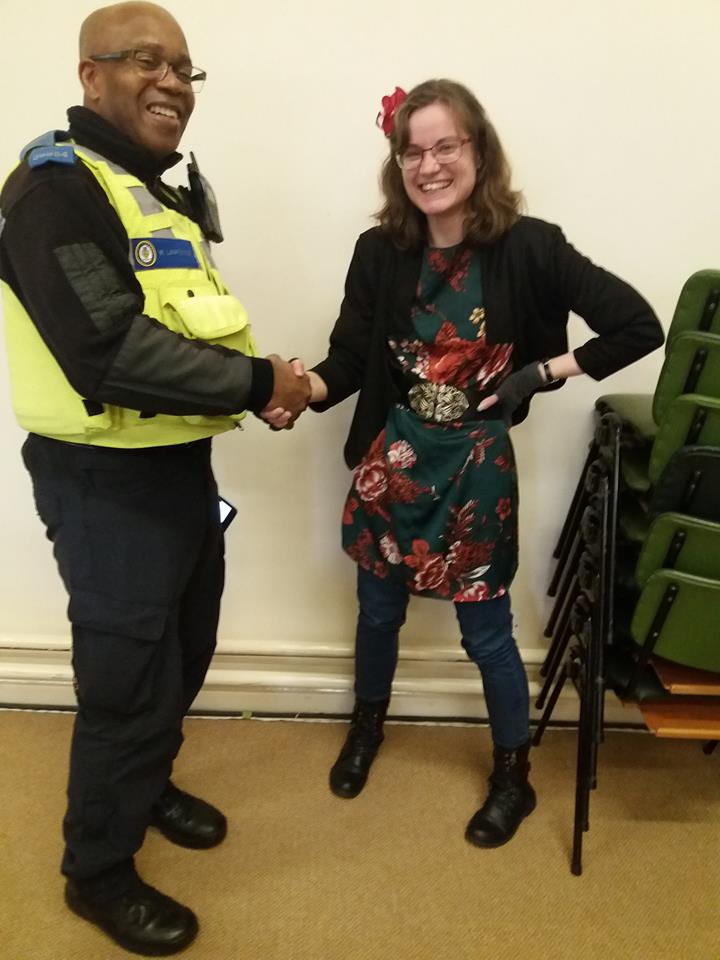

Stephanie graduated in 2015 having read BA (Hons) Criminology (with Education Studies
Since January 2018, I have worked part time as a Co-op Member Pioneer, for the area of Yardley Wood in Birmingham. In my role, I do charity work, support the local causes, aid the community and local people, run a litter pickers’ forum, build and establish local networks, do work with the council and the police. Throughout my time doing this role, I have loved every challenge thrown at me, and have increasingly done more work supporting the police.
When I first met with some of the PCSOs [Police Community Support Officers] last year, I began doing more work supporting them, and helping the community with crime-related issues. I had been informed by one of the PCSOs that the Billseley Police (whom cover Yardley Wood) are the smallest police team in the country, made up of 7 staff (the Sergeant, 4 PCSOs and 2 police officers, soon to become 3 as one of the PCSOs is training to be a full officer).
In June 2018 and 2019, during the Co-op Fortnight, I hosted a ‘Meet your Member Pioneer’ event in store, where the local community could anonymously write down something to make the local community better. I received a huge number of crime related issues, such as people knowing where drug dealers and addicts were, issues of people speeding and parking dangerously outside schools, issues of knife crime, anti-social behaviour, and people wanting there to be more police on the streets for safety and protection.
On both occasions, after getting all the crime-related notes out, I emailed the police department everything that had been written down, helping the police get more information from the public on different issues that were all dealt with. Being a community pioneer in non-police uniform, it made it easier for the public to privately disclose and offload their crime-related concerns, knowing that it would be taken seriously, and forwarded on. In an effort to further support the police with extending the reach to the local community, I advertise their events on my social media sites, saving them time and resources, and encourage people to attend, or message me any concerns they would like me to take forward.
After being introduced to staff, from Livingstone House (an organisation that helps recovering addicts), SIFA Fireside (that deals with homelessness and social exclusion), the Moseley Exchange (a business enterprise group that runs various community projects), I’m helping build community networks that the police can rely on to help people from different demographics, as well as aid them in their understanding of how to help addicts, beggars, the homeless, and many others. This has enabled the police to have access to a range of resources and information and contacts whom they can rely on and get advice from.
More recently, after getting in touch with David Jamieson, the Police and Crime Commissioner, I am helping the police set up a knife bank near the station. I’ve also gotten in touch with and organisation called Activating Creative Talent that does knife crime awareness training in schools, and am working with one of the PCSOs on delivering knife awareness education in schools and in the community. It’ll be a big, ongoing community project that is soon to take off!
In the role, I love all that I do supporting the police. I never imagined that as a community pioneer, I would aid and support the police in the capacity that I have.
Share this:


When the Police takes to Tweeter HashTags to Seek ‘Justice’

https://twitter.com/PoliceNG/status/1159548411244371969?s=20)
I am tempted to end this blog in one sentence with the famous Disney lyrics, “disaster is in the air” but this may do no justice to the entry as it lacks a contextual background. So last week, Nigerian Twitter was agog with numerous tweets, retweets, comments, and reactions following the news that soldiers of the Nigerian Army had allegedly killed one civilian and three police personnel in the line of duty. A brief summary of the case is that the killed police personnel had arrested an alleged notorious and ‘wanted’ kidnaper and were transporting him to a command headquarters when they ran into a military checkpoint. Soldiers at the checkpoint allegedly opened fire at close range, killed the police who were said to have attempted identifying themselves, and freed the handcuffed ‘kidnapper.’
In a swift reaction, a Joint Investigation Panel comprised of the Police and the Army was constituted to investigate the incident. Notwithstanding this, the Police took to their Twitter handle @PoliceNG calling out for justice and expressing dissatisfaction and concerns in what metamorphosed into series of threads and hashtags – #WhereIsEspiritDCorp and #ProvideAnswersNigerianArmy. Ordinarily, this should have aroused and generated wide condemnation and national mourning, but, the comments, tweets and reactions on twitter suggests otherwise. While Nigerians expressed sympathy to the victims of the unfortunate incident, they also took to the social media platform to unravel their anger with many unleashing unsympathetic words and re-stating their distrust in the Police. In fact, it was the strong opinion of many that the incident was just a taste of their medicine as they often infringe on the rights of civilians daily, and are notoriously stubborn and predatory.
Certainly, this issue has some criminological relevance and one is that it brings to light the widely debated conversation on the appropriateness and the potency of deploying the military in society for law enforcement duties which they are generally not trained to do. Hence, this evokes numerous challenges including the tendency for it to make civilians loathe to interact with the military. I have previously argued that the internal use of the Nigerian military in law enforcement duties has exacerbated rather than ameliorated insecurity in several parts of the country. As with this instance, this is due to the penchant of the military to use force, the unprofessional conduct of personnel, and a weak system of civil control of the military to hold personnel accountable for their actions.
Similarly, this issue has also raised concerns on the coordination of the security forces and the need for an active operational command which shares security information with all the agencies involved in internal security. However, the reality is that interagency feud among the numerous Nigerian security agencies remains a worrying concern that not only undermine, but hinders the likelihood for an effective coordination of security activities.
Another angle to the conversation is that the social media provides a potent weapon for citizens to compel response and actions from state authorities – including demanding for justice. However, when the police is crippled and seemingly unable to ensure the prosecution of rights violations and extrajudicial killings, and they resort to twitter threads and hashtags to call out for justice, overhauling the security architecture is extremely necessary.
Share this:


The Crime of Tourism

Every year millions of people will visit a number of countries for their summer vocations. European, American and Asian, mainly tourists will pack their bags and seek sea, sun and long beaches to relax, in a number of countries. In Greece for example, tourism is big business. The country’s history, natural beauty, large unspoiled countryside and of course, climate make it an ideal destination for those who wish to put some distance between the worries of work and their annual leave. There is something for everyone, for the culture seeker, to the sun lounger, to the all-inclusive resident. For the next however long you are on Greek time.
Last year the country was visited by approximately 30 million tourists, 3 million of whom come from the UK. This is not simply a pleasure trip; it is a multi-billion dollar industry, involving tour operators, airlines, hotels, catering, tour-guides, car rentals and so many more industries. They all try to acquire the tourist dollar in the pursuit of happiness; in Greece alone the tourist contributions last year came somewhere near to 14 billion euros and provide 17% of the country’s jobs.
In this context, tourism is a wonderful social activity that allows people from different cultures to come together, try new things and perspectives. Most importantly to get some tan, so people in the office know we were away, get some tacky t-shirts and a bottle of suspiciously strong local drink which tasted like ambrosia whilst on holiday. Some of us will learn to pronounce (badly) places we have never heard of, while others will
be reading questionable novels about romance, mystery or drama. Others will bag a romance, maybe a venereal disease, heartbreak (especially if the previous is confirmed) or even the love of their life. All these and many more will happen this summer and every summer since the wave of mass tourism began.
During this season and every season, countless people will prepare meals, clean rooms, and serve cold drinks on the sinking sand, paid minimum wage and rely heavily on the few tips left behind. The work hours are excruciatingly long, over 8 hours in the baking sun in some cases, without a hat, protection or even a break. If this was a mine it would have been the one I read about in Herodotus, where the Athenians were sent to as slaves. In the back of the house an army of trainee cooks, warehouse staff and cleaners will slave away without tips or recognition. In their ranks, there is a number of unrecorded migrants that work under exploitative conditions out of fear of deportation or worst.
In the midst of the worker’s exploitation we have the odd cultural clashes between tourists as to who gets the sun lounger closest to the pool and who can push pass the queue to get first to the place of interest you were told by someone in the office you must go to. Of course there are those who have famously complained before, because on their way to their exclusive resort were confronted by sad looking refugees. Not a real advertisement on tolerance and co-existence, quite the opposite. Of course, in this blog I have left completely out the carbon footprint we leave whenever we do these summer escapes, but that shall be the subject for another post.
Tourism is a great thing but when Eurostat claims that one in two Greeks cannot afford a weeks’ vacation in Greece, then something maybe wrong with the world. Holidays are great and we want the places to be clean, we want to travel in comfort and we want quality in what we will consume. I wonder if we have the same concerns about those people who enter Europe in shaky boats, the back of lorries or on foot, crossing borders without shoes.
Share this:


The struggle is real

© Jonathan McHugh
Stephanie is a BA Criminology graduate of 2019 and was motivated to write this blog through the experience of her own dissertation.
Last year was a very important time for me, during my second year of studying Criminology I began doing a work placement with Race Act 40, which was an oral history project to celebrate 40 years of the Race Relations Act 1974. The interviews that were conducted during my placement allowed me to get a variety of in-depth stories about racial inequalities of Afro-Caribbean migration settlers in the UK. During my time with the Race Act 40 project it became clear to me that the people who had volunteered their stories had witnessed a long line of injustices from not only individuals within society, but also institutions that makeup the ‘moral fabric’ within society. When exploring whether they have seen changes post and pre-Race Relations they insisted that although the individual within society treated them better and accepted them post-Race relations, to an extent there is a long way to go to improve the hostile relationships that has been formed with politicians and police.
The notion of hostility between politicians and the Afro-Caribbean community was reinforced, as the UK was going through the Windrush scandal which affected the core of every Afro-Caribbean household within the UK. This was extremely important for me as both paternal and maternal grandparents were first generation Windrush settlers. During the scandal my father became extremely anxious and the ramifications of the Windrush scandal hit home when some of his friends that came to the UK in 1961, the same time as he did, were detained and deported on the grounds of them being ‘illegals’. The UK Government used their ‘Hostile Environment’ policy to reintroduce Section 3 paragraph 8 of the Immigration Act 1971, which puts burden of proof on anyone that is challenged about their legal status in the UK’.
The UK government was ‘legally’ able to deport Caribbean settlers, as many of them did not have a British passport and could not prove their legal right to be in the UK and the Home Office could not help them prove their legal rights because all archival documents had been destroyed. This was a hard pill to swallow, as the United Kingdom documents and preserves all areas of history yet, overnight, the memory of my family’s journey to the UK was removed from the National Archives, without any explanation or reasoning. The anxiety that my father felt quickly spread over my whole family and while I wanted to scream and kick down doors demanding answers, I used my family’s history and the experiences of other Black people under British colonial rule as the basis for my dissertation. The hostility that they faced stepping off the Windrush echoed similar hostility they were facing in 2018, the fact that the British government had started deporting people who were invited into the country as commonwealth workers to build a country that had been torn apart as a corollary of war was a slap in the face.
Under Winston Churchill’s government, officials were employed to research Black communities to prove they were disproportionately criminal as a strategy to legally remove them from the UK and although they did not have any evidence to prove this notion the government did not apologize for the distasteful and racist treatment they demonstrated. It is hard to convince Black people in 2019 that they are not targets of poor similar treatment when they have been criminalised again and documents have been destroyed to exonerate them from criminality.
A final thought:
I have outlined the reasons why this topic has been important to me and my advice to any Criminology student who is going to be writing a dissertation is, to find a topic that is important and relevant to you, if you are passionate about a topic it will shine through in your research.
Share this:

How literature failed me as a black student

My name is Francine Bitalo, I am 21 years old and a Criminology undergraduate at the University of Northampton. Coming from a black African background I have always had a strong interest in the Criminal Justice System and its treatment towards different groups in society.
My dissertation was based on the impact of police practices such as stop and search on young black men and their families. Whilst statistics present the alarming racial disproportionately which exist in many areas in the criminal justice system, it fails to portray the long-lasting effects it has had on Black families. For example, the daily harassment and differential treatment subjected to young Black men has forced black families to reinvent themselves to conform to institutional racism. Coming from a Black family myself and having male family member, the findings in my dissertation quickly became personal to me, as I could constantly relate them to the structuring of my own family. For example, the fact that it would take my father longer to find a job due to institutional racism, making my mother the breadwinner, or when my mother is preparing my brothers for police harassment and discrimination, but not me and sisters.
While conducting my research I was quick to learn that what literature may describe as a phenomenon, for many of us is a reality. If I am honest the writing stage of my dissertation was difficult for me because it was a passionate topic. I experienced a lot of self-doubt regarding my positionality for example, being a Black woman and facing my own forms of discrimination and now having to talk about the experiences of young Black men. I think my dissertation tutor would agree with me on this as I remember emailing her after I submitted my work expressing how I felt like I didn’t effectively capture the effects and the voices of the young Black men I interviewed, despite that being my main goal. I mean who would blame me, as a student, if I am honest I felt like literature really let me down for instance, when writing my literature review I found that literature neglected the subject of racism solely from the perspectives of young Black men, despite statistics showing them to being the largest group to experience institutional racism. At this point I had to laugh at the criminal justice system and its propositions to improving police relations as well as re offending.
With that being said the information I did come across I couldn’t help but sense the notion of white privilege lingering in the perspective of some scholars. I understand this is a strong claim to make however I say this because not only did literature provide little of the work of Black scholars regarding the topic, yet it was evident that most white scholars did not see the issue with stop and search and its discriminate use. Arguments for this were discussed in my dissertation for example, some argued that the process of racial socialisation in Black households were ineffective to police relations and the functioning of their services, which creates the notion that the Black community should submit to discrimination and harassment in favour of procedures and compliance during police encounter. Some tried to justify the disproportionality in stop and search by claiming that young Black men should be harassed because they tend to be out more especially in certain urban areas or the disproportionate targeting of Black minors is due to parental criminality. I felt there was a lack of accountability from white scholar thus, little understanding in the issue of race which is natural because their experiences do not allow them to understand. Yet this led me to ask questions such as why shouldn’t Black mothers have the right to prepare their sons for police discrimination, does it matter what time and area should a person of colour be around for them to be targeted at?
After completing my dissertation and getting a First Class I felt extremely proud of myself, the fact that I did not shy away from the research topic despite it being limited in literature. As a result, it was satisfying to know that I was able to articulate the experiences of others to a First Class standard. I hope this can encourage others to trust in their abilities and put aside any doubts especially when choosing a research topic. As a student writing a dissertation or even an assignment, I believe we should explore the unexplored, open the unopened and always be willing to discover and learn. Do not be afraid of researching something that is limited or has never been done. Lastly as my dissertation was extremely passionate to me I have decided to turn it into a personal project and continue researching the topic
Share this:


Come Together
For much of the year, the campus is busy. Full of people, movement and voice. But now, it is quiet… the term is over, the marking almost complete and students and staff are taking much needed breaks. After next week’s graduations, it will be even quieter. For those still working and/or studying, the campus is a very different place.
This time of year is traditionally a time of reflection. Weighing up what went well, what could have gone better and what was a disaster. This year is no different, although the move to a new campus understandably features heavily. Some of the reflection is personal, some professional, some academic and in many ways, it is difficult to differentiate between the three. After all, each aspect is an intrinsic part of my identity.
Over the year I have met lots of new people, both inside and outside the university. I have spent many hours in classrooms discussing all sorts of different criminological ideas, social problems and potential solutions, trying always to keep an open mind, to encourage academic discourse and avoid closing down conversation. I have spent hour upon hour reading student submissions, thinking how best to write feedback in a way that makes sense to the reader, that is critical, constructive and encouraging, but couched in such a way that the recipient is not left crushed. I listened to individuals talking about their personal and academic worries, concerns and challenges. In addition, I have spent days dealing with suspected academic misconduct and disciplinary hearings.
In all of these different activities I constantly attempt to allow space for everyone’s view to be heard, always with a focus on the individual, their dignity, human rights and social justice. After more than a decade in academia (and even more decades on earth!) it is clear to me that as humans we don’t make life easy for ourselves or others. The intense individual and societal challenges many of us face on an ongoing basis are too often brushed aside as unimportant or irrelevant. In this way, profound issues such as mental and/or physical ill health, social deprivation, racism, misogyny, disablism, homophobia, ageism and many others, are simply swept aside, as inconsequential, to the matters at hand.
Despite long standing attempts by politicians, the media and other commentators to present these serious and damaging challenges as individual failings, it is evident that structural and institutional forces are at play. When social problems are continually presented as poor management and failure on the part of individuals, blame soon follows and people turn on each other. Here’s some examples:
Q. “You can’t get a job?”
A “You must be lazy?”
Q. “You’ve got a job but can’t afford to feed your family?
A. “You must be a poor parent who wastes money”
Q. “You’ve been excluded from school?”
A. “You need to learn how to behave?”
Q. “You can’t find a job or housing since you came out of prison?”
A. “You should have thought of that before you did the crime”
Each of these questions and answers sees individuals as the problem. There is no acknowledgement that in twenty-first century Britain, there is clear evidence that even those with jobs may struggle to pay their rent and feed their families. That those who are looking for work may struggle with the forces of racism, sexism, disablism and so on. That the reasons for criminality are complex and multi-faceted, but it is much easier to parrot the line “you’ve done the crime, now do the time” than try and resolve them.
This entry has been rather rambling, but my concluding thought is, if we want to make better society for all, then we have to work together on these immense social problems. Rather than focus on blame, time to focus on collective solutions.
Share this:


Thinking “outside the box”
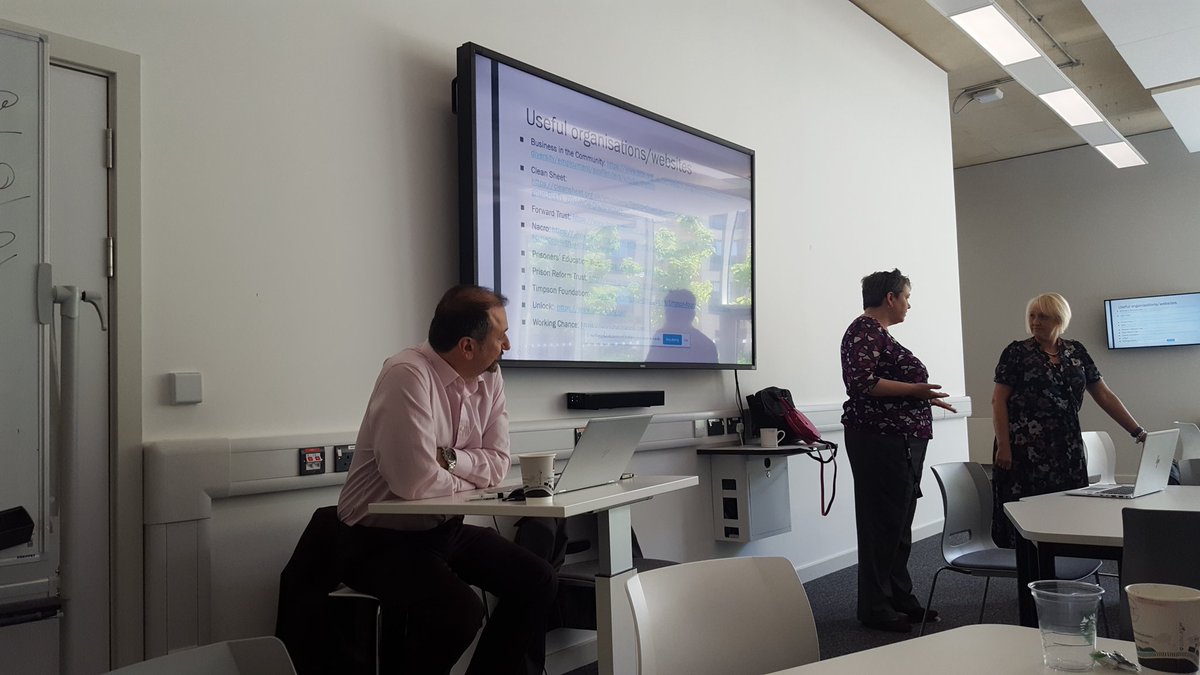
Having recently done a session on criminal records with @paulaabowles to a group of voluntary, 3rd sector and other practitioners I started thinking of the wider implications of taking knowledge out of the traditional classroom and introducing it to an audience, that is not necessarily academic. When we prepare for class the usual concern is the levelness of the material used and the way we pitch the information. In anything we do as part of consultancy or outside of the standard educational framework we have a different challenge. That of presenting information that corresponds to expertise in a language and tone that is neither exclusive nor condescending to the participants.
In the designing stages we considered the information we had to include, and the session started by introducing criminology. Audience participation was encouraged, and group discussion became a tool to promote the flow of information. Once that process started and people became more able to exchange information then we started moving from information to knowledge exchange. This is a more profound interaction that allows the audience to engage with information that they may not be familiar with and it is designed to achieve one of the prime quests of any social science, to challenge established views.
The process itself indicates the level of skill involved in academic reasoning and the complexity associated with presenting people with new knowledge in an understandable form. It is that apparent simplicity that allows participants to scaffold their understanding, taking different elements from the same content. It is easy to say to any audience for example that “every person has an opinion on crime” however to be able to accept this statement indicates a level of proficiency on receiving views of the other and then accommodating it to your own understanding. This is the basis of the philosophy of knowledge, and it happens to all engaged in academia whatever level, albeit consciously or unconsciously.
As per usual the session overran, testament that people do have opinions on crime and how society should respond to them. The intriguing part of this session was the ability of participants to negotiate different roles and identities, whilst offering an explanation or interpretation of a situation. When this was pointed out they were surprised by the level of knowledge they possessed and its complexity. The role of the academic is not simply to advance knowledge, which is clearly expected, but also to take subjects and contextualise them. In recent weeks, colleagues from our University, were able to discuss issues relating to health, psychology, work, human rights and consumer rights to national and local media, informing the public on the issues concerned.
This is what got me thinking about our role in society more generally. We are not merely providing education for adults who wish to acquire knowledge and become part of the professional classes, but we are also engaging in a continuous dialogue with our local community, sharing knowledge beyond the classroom and expanding education beyond the campus. These are reasons which make a University, as an institution, an invaluable link to society that governments need to nurture and support. The success of the University is not in the students within but also on the reach it has to the people around.
At the end of the session we talked about a number of campaigns to help ex-offenders to get forward with work and education by “banning the box”. This was a fitting end to a session where we all thought “outside the box”.


