
Home » Mental health (Page 6)
Category Archives: Mental health

The Lockdown Lowdown
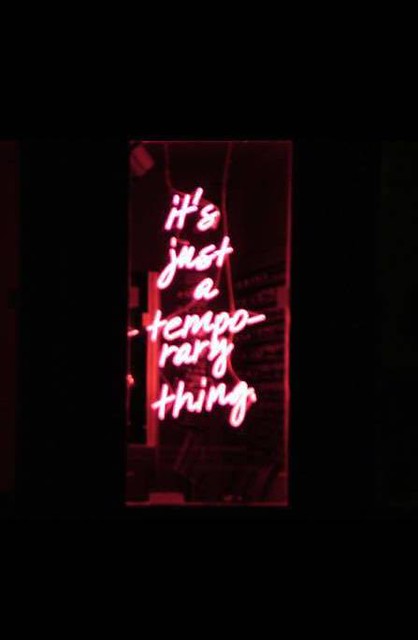
I took this photo a few years ago on a solo visit to Copenhagen, I had just quit my job and was in the process of leaving where I called home, my PTSD was certainly at its worst and the future was entirely uncertain…
A cosy Sunday evening, the flat has been hoovered, the washing is out to dry, lunch has been prepped for the following day…yet despite all of this normality me and my partner sit here on our cosy Sunday armed with the knowledge that another national lockdown is imminent. So whats next for us?
Before I explore whats next I want to reflect on what has been, it was only this time last year that my mental health was at its worst since I was diagnosed with PTSD some years ago and it was during this month last year that I found out I was pregnant. After many difficult conversations I decided that that chapter of my life was not ready to begin, not just yet, and so the guilt consumed me and I relied on anti-depressants to help me through that difficult time. Eventually as time passed so did the guilt and my mental health became stronger, because I willed it so, and after a short stint I stopped using the anti-depressants because I knew within myself I didn’t have to rely on them…
…More time passed and I found that the strength of my mental health had started to peak, I set myself goals that only I knew about and only I could achieve, I started to be critical of the people I surround myself with to ensure that I was living as authentically true to who I am as possible. This was my attempt at self care, As I withdrew from these friendships I simultaneously removed my negative addictions and repeated behaviours (drugs, alcohol, time-wasting, self-depreciation), I realised that my actions allowed me to concentrate my full energy on the things that truly matter in my life (my studies, my family, my relationship)… and then lockdown happened.
And boy was I prepared for that, I wont deny that I grew a few stretch marks and after some self hate Ive learnt to accept and love them as a natural process of my body. I realised I didn’t do much exercise during lockdown and my appetite was unruly, with zoom quiz night’s came alcohol and snacks (lots of them). Despite my growing waist I was okay mentally and yes I wont deny that having my own apartment and living with my partner helps but also having dealt with a bit of a breakdown some months prior helped order my perspective on my life, how I want to live it and how I would tackle this challenging time. As a 2nd year student I lost all hope and focus for a while as the outstanding assignments were piling up and I was heavily relying on the august submission date, I felt like I wasn’t worthy of being a university student, that I was never going to graduate and self doubt quickly reappeared into my life, Its a strange thing really during lockdown I didn’t really do anything at all, but I also never found the time to study? And the strangest thing is that actually most students felt this way and when me and my peers communicated how we were feeling we were able to support each other more and eventually those assignments were submitted and here we are… 3rd years!
So 3 days to go before lockdown 2 and how can I get through this?… how can you get through this? Undoubtedly there are many people who have dealt with a world of pain since coronavirus first graced our planet and yet in my experience I found this year to be quite grounding and it has allowed me to focus my energy on me, who I am, what I want and who I want to be (without sounding narcissistic but rather rightfully selfish), because I have no control over external happenings neither do you and thats okay. what we can do is focus on our little world; ourselves and the people around us. heres a few quotes I find to be quite relevant to this train of thought.
“To what goal are you straining? The whole future lies in uncertainty; live immediately” – Seneca
“Just keep in mind the more we value things outside our control, the less control we have” – Epictetus
“Man conquers the world by conquering himself” – Zeno
So how can you, how can we, get through lockdown? granted it may not be as-long as the last one but we’ve had a taste of normality again and so this time round it may be harder, this time we have long winter days and a lack of vitamin D combined with the uncertainty of celebrating Christmas with family looming over us, so in consideration of Epictetus’ wise words lets focus on what we can control; 1. lets schedule consistent self care( for me that comes in the medium of being disciplined, in terms of uni work.. and diet), 2. Lets move our bodies! go for a walk outside and pick up litter? (later in this blog post you’ll find some of my suggestions for walks around Northamptonshire), 3. don’t pressure yourself into being consistently pro-active! 4. do drink hot chocolate. 5. And if your sad about missing out on getting your Christmas shopping in early then try to buy from local independant businesses, you might find many local stores posting available items onto their social media pages and offering contact-free deliveries! 6. Check up on your friends and family, be mindful of keeping communication going, you don’t know who just might be struggling! 7. Buy a homeless person a warm meal!
(TIP: when looking for businesses check out this new hashtag on instagram introduced by some local Northampton businesses to get people buying more locally)… #SHOPLOCALSAVECHRISTMAS
https://www.instagram.com/explore/tags/shoplocalsavechristmas/
Overall lets focus on our own self betterment and where possible our local communities betterment (and as always wear a mask!!)
And most importantly if you are struggling then reach out to someone and let them know, as always with my posts as the focus tends to be on mental health I will provide links to the university’s, the local communities and national charities mental health resources, so please take note and rely on them if you need to.
For my previous blogs/context have a read of the following:
Navigating Mental Health at University
Navigating your mental health whilst studying at university during a worldwide health pandemic
“Joy comes to us from those whom we love even when they are absent” – Seneca
“Never let the future disturb you. You will meet it, if you have to, with the same weapons of reason which today arm you against the present” – Marcus Aurelius
“Don’t hope that events will turn out the way you want, welcome events in whichever way they happen: this is the path to peace” – Epictetus
I could continue on with a great deal more of these philosophical quotes and if you are interested in them then I’d recommend reading up on the discipline of stoicism, but if you’d like to read on you’ll find a few suggestions of areas to walk in and around Northamptonshire in aid of keeping your body moving during this lockdown, (and if you can take a bag and pick up litter).
Exploring Northampton’s Parks and Reservoirs
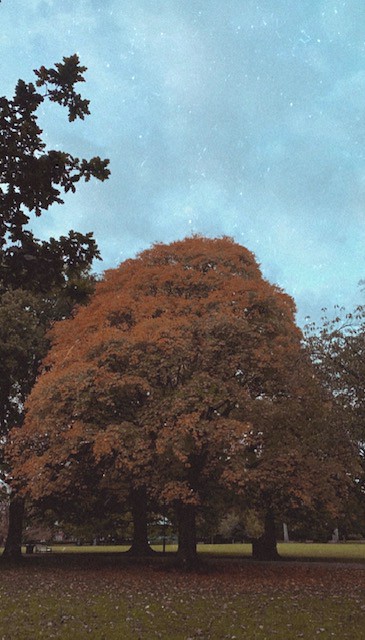
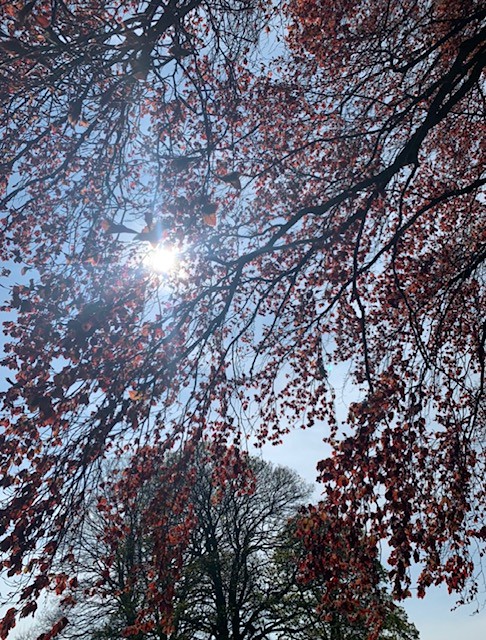
Abington Park; Located in the NN1 postcode a short distance from the town centre. The park has plenty of areas to explore with ponds, forestry areas and it offers some lovely autumnal photo opportunities, heres a particularly orangey-ember tree that caught my eye.
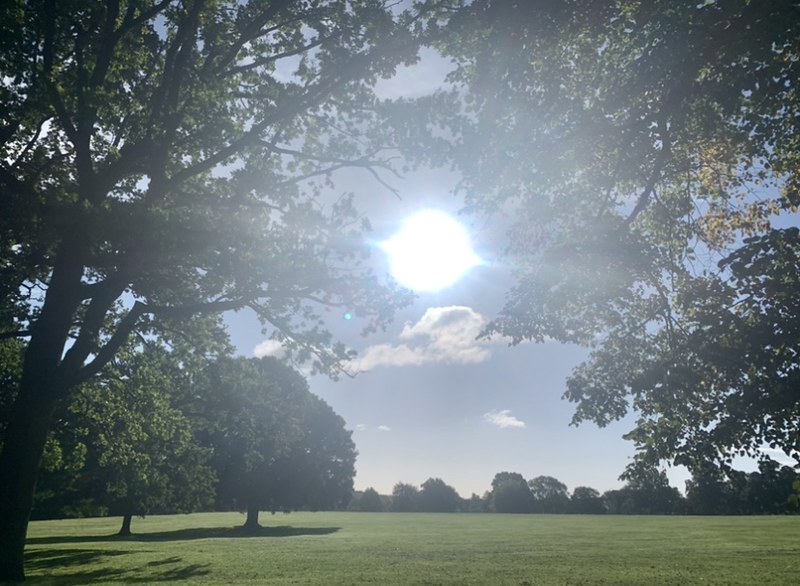

Sixfields lakes and reservoir; Unless you know of this lake you wouldn’t know it was there, Its situated a little down from the Sixfields football stadium, there is a small roundabout you can take to go up towards the cinema (Walter Tull Way), down Edgar Mobbs way, or join the A5076, and there is a fourth almost hidden turning that will take you down a road adjacent to Duston mill road, it is down this road that you will find this little gem.
There are two lakes to walk around, one being the main option where most people park up (there is parking on site) at a leisurely stroll the walk will take around an hour, you may see plenty of fishermen and lots of wildlife!
There is a second walk which I’ve only recently discovered myself, just down from the car park there is a small gate and it is through there you can explore to your hearts content!
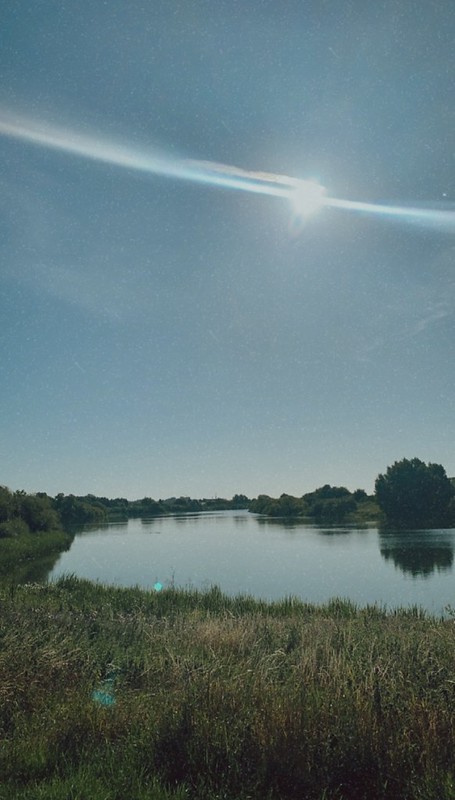
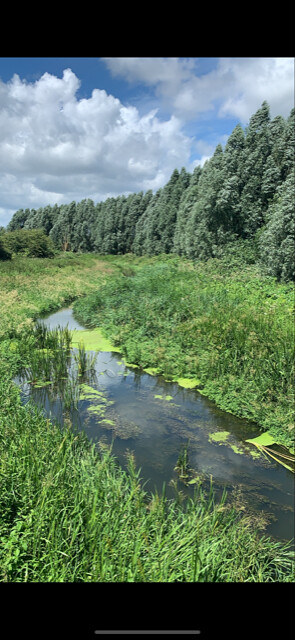
The Racecourse; I Imagine plenty of students and teachers alike will be aware of this location as it housed the university campus for many many years. As a budding criminologist I cant ignore the fact that the Racecourse has developed a rather unruly reputation for crime, I’ve personally never experienced anything and Ive lived in Northampton the majority of my life but thats not to say that it doesn’t happen, so as always be wise about your walk, perhaps avoid late night’s, let someone know where you are walking and stick to the street lights. The racecourse is a roughly 15 minute walk from the town centre and on good weather days offers views like this;

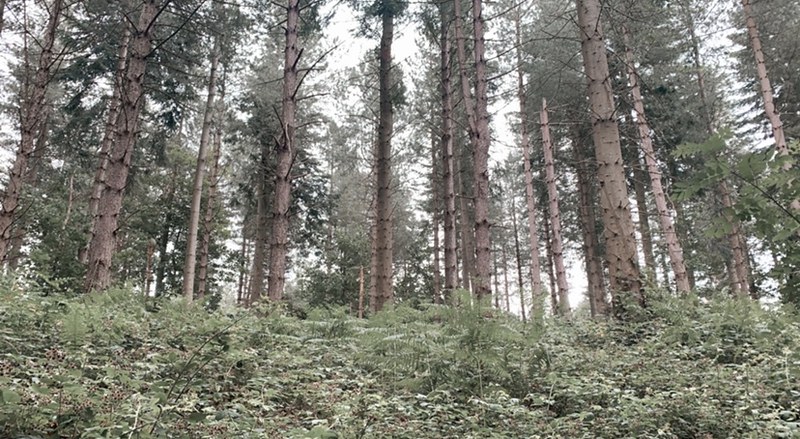
a-bit further afield: Harlestone Firs; I would recommend driving to this location if you can, there may be local busses that run in the area but I would recommend checking the COVID guidance with regard to bus routes. So Harlestone Firs is a fantastic location to get lost in the woods for a few hours, and I literally mean get lost… I have been there countless times and I still lose myself in there, but its a welcome loss. You’ll find endless amounts of huge ferns, fir trees, endless pathways and there is a working timber yard in amongst this location too. Wear boots for this spot I always choose my trusty Dr.Martens.
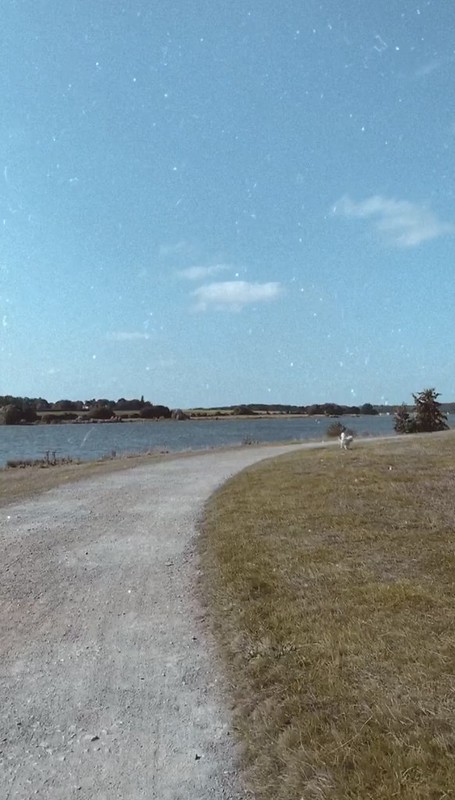
Brixworth Country Park/ Pitsford Reservoir; Another location you’ll likely need a vehicle to visit. This huge location offers a giant walk or a bike ride, you can of-course take your pooch with you too but keep them on a lead as theres plenty of cyclists at this location. I recently made the mistake of biking around here with the pooch on an extremely hot day and wow was that an interesting experience. There is paid parking on site or a little slip road you can park along. If you need to just take a few hours or even the whole day go and visit this location, take a packed lunch and sit and enjoy the view.
Here are some more locations that you may already know about and can explore during this lockdown, do make sure to check local COVID guidance, and even if you cant visit some locations now then make a note of them and visit them when you get a chance, Northamptonshire has such a vast amount of countryside to offer!
Becketts Park – Located just of the university campus offering a short distanced walk but plenty of wildlife and a nice view of the canals and lake.
Sywell Reservoir – You’ll likely need a vehicle to visit this location but you could also take the X46 bus (or X47?) Sywell takes around 2-3 hours to walk depending on pace, its one of my favourite spots as I grew up walking around this location.
Victoria Park and Dallington Park – Both are situated in St.James, and both are relatively small in comparison to the other locations but well worth incorporating into your daily exercise if you live within this location.
– Brackmills Country Park
– Delapre Park and Delapre Wood
– Earls Barton just of Doddington road, a pathway leading down to Summer Leys, here you can explore plenty of the river nene, beautiful views of the surrounding landscape and lots of horses!
– Rectory Farm fields; Here you can explore the fields (but be respectful of the farmers land) these fields stretch out to Overstone and Sywell, if you’d like to visit sywell reservoir and living within rectory farm then just take the fields route this route would take around 30 mins to walk to sywell reservoir and its well worth it.
So thats it for me, if you have any of your own suggestions not just in regard to walks around Northamptonshire but also how to keep your mind healthy during this next lockdown then please do comment any suggestions you might have, were all in this together!
If you’ve read this far then here’s one last quote to guide you into your day…
“The impediment to action advances action, what stands in the way becomes the way” – Marcus Aurelius
see below for references to guidance and advice.
- Counsellors – The Counsellors will listen to you and help you respond to the difficulties in your life, they will allow you to develop your abilities to address and resolve issues in your life. https://www.northampton.ac.uk/student-life/support/counselling-and-mental-health-team/counsellors@northampton.ac.uk
- Mental Health Advisors – The Mental Health Advisors will provide a private and comfortable space to discuss your mental health difficulties and work with you to develop coping strategies whilst studying. https://www.northampton.ac.uk/student-life/support/counselling-and-mental-health-team/
mha@northampton.ac.uk - Assist – Assist can give you advice and guidance for managing your disability whilst studying, for me they helped with a DSA application regarding my Anti-Depressant medication, the DSA application will give me the opportunity to have 6 appointments with the counselling team who can further help me work through my issues by providing me with a safe and comfortable space to talk. https://www.northampton.ac.uk/student-life/support/about-assist/ ASSIST@northampton.ac.uk
- Speak to your GP, they can refer you to the NHS Mental Health Services.
- https://www.nhs.uk/using-the-nhs/nhs-services/mental-health-services/how-to-access-mental-health-services/
- Other helpful support links (local and national)
- https://www.mind.org.uk/
- http://thelowdown.info/
- https://www.mentalhealth.org.uk/
Share this:


Betty Broderick

I’m sure many of you are aware of the Dirty John series two, Betty Broderick. Although it has not had as much coverage as I’d have hoped. Now true crime documentaries are not always the best way to find out the truth, after delving deep into the history of this case, I found it does represent it well. If you haven’t given it a watch, I would definitely recommend it and would love to know your thoughts on the case.
Betty was married to Daniel Broderick, having 4 children and helping him become a doctor and then through law school. Of course, it all ended in 1989 when Betty had finally had enough of the torturous years with her husband’s affair with Linda Kolkena, killing them both. Not that I am condoning what she did at all, it was wrong for her to end his and Linda’s life. Although I do understand why she did do it and believe others in her situation could be led to this end too. After she kept them afloat with money while he went through law school, having his children and being the perfect housewife, he decided she was too old and needed a young wife to suit his new high class life-style.
This is not to say that Daniel was the sole person to blame, Betty was in the wrong too. However, taking a woman’s children away from her and brainwashing them tipped her over the edge, as it would do with many women. Betty brought the children up alone, with Daniel always too busy with his company to care about them. It seems Daniel did love Betty to begin with, but to me, it seems it became easy and stayed with her to do everything for him.
Daniel began socialising with his new girlfriend, rubbing his success in Betty’s face. This really does make me sad for Betty, she had no money because all her time was invested in her husband’s career. When it came to the divorce, it became a game for Daniel, trying to leave her with next to nothing and only supervised visits with her own children. He really did drive her to the point of destruction.
This woman is now 72 and has been in prison since 1989. I may be too generous, but I believe that this woman should be let to live her final years as a free woman. Free from having to fight for her children, fight for money to live and fight for her sanity. Daniel took all these away from her. And, although he did not get to live, Betty merely existed in the years of their divorce. She lost her spark and became depressed.
What do you believe?
Share this:

Domestic Abuse Misinterpreted: Beyond the Scope of Violence
Background
The framework behind my dissertation arose from a lifelong unanswered question in my mind: “why is psychological and emotional abuse often overlooked in domestic abuse scenarios?” This question had formed in my precocious mind as a child, this was due to experiencing domestic abuse in the family home for many years and in many forms.
Early Stages of the Dissertation
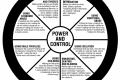
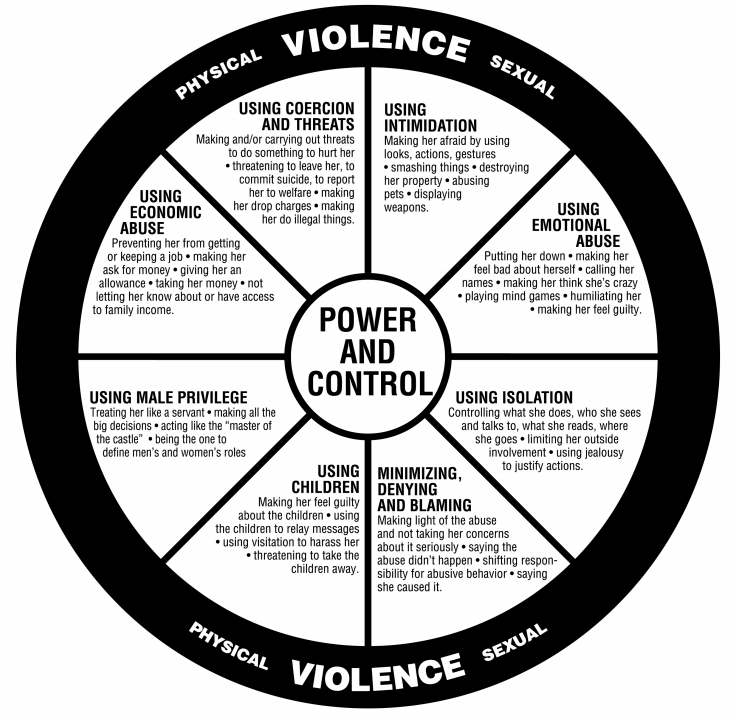
It was only when I began studying criminology at university that I unearthed many underlying questions relating to the abuse I suffered as a child and from watching my mother be psychically and mentally abused. I was understanding my experiences from an academic standpoint, as well as my peers’ experience of domestic abuse too. As a child, I had recognised that the verbal and psychological abuse was increasingly more detrimental on the victim’s mental wellbeing than the physical violence; the physical violence is a tactic used by abusers to install fear in the victim. In the early stages of my dissertation, I was gathering literature to aid my understanding on domestic abuse. I came across two essential books, one book was recommended by @paulaabowles, my dissertation supervisor: Scream Quietly or the Neighbours Will Hear (1979) by Erin Pizzey. This book provided great insight to the many aspects of domestic abuse from the memoires of Erin Pizzey who founded the first domestic abuse refugee in London 1971 known as, Chiswick Women’s Aid. The second book was: Education Groups for Men Who Batter: The Duluth Model (1993) by Pence and Paymar. This book aided my knowledge on the management of male abusers and how their abusive behaviour is explained by the using the visual theoretical framework known as, the Duluth Model; the Power and Control Wheel. I gathered more literature on domestic abuse and formed the backbone for my dissertation, it was time to self-reflect and establish my standpoint so that I could conduct my research as effectively and ethically.
The Research
This was the most important aspect of the dissertation; the most influential too. In my second-year studies, we were required to conduct research in a criminal justice agency to form a placement report; I chose a charitable organisation based in Northampton that provided support to female victims and offenders in the criminal justice system. For my dissertation, I chose to go back to the facility to conduct further research, this time my focus was on the detrimental effects experienced by female victims of domestic abuse.
Using a feminist standpoint alongside an autoethnographic method/ methodology, I was able to conduct primary research together with the participants of the study. I chose feminism as my standpoint due to the fundamental theoretical question centred in the social phenomenon of domestic abuse: gender inequality. I believe the feminist perspective was the most compatible and reliable standpoint to tackle my research with, it allowed room for self-reflection to identify my own biases and to recognise societal influences on how I interpret experiences and emotions. The standpoint’s counterpart – autoethnography – was employed so that I could actively insert myself into the research; this was supported by my research tool of observation participation and by recording qualitative data in a research diary. Over the course of nine weeks, I had formed trustworthy and respectful relationships with the participants, I had also encountered epiphanies and clarities regarding my own experiences of domestic abuse. Through using the research method observation participation, I was able to observe the body language and facial expressions of the participants alongside witnessing their emotions and participating in conversation. Collectively, my research methods enabled me to gather in-depth, first-hand accounts of the women’s experiences of domestic abuse. When writing the conclusion for my dissertation, I was able to establish that psychological and emotional abuse can be more detrimental to the victim than the physical violence itself. Interestingly, I had identified patterns and trends in the abuser’s behaviour and how it impacts the victim’s response; the victims tend to mimic their abusive partners traits e.g. anger and guilt.
I was able to conclude my dissertation with supporting evidence to credit my original question, through using personal experience and the experience of the wonderful women that participated in my research. Many of the women’s experiences highlighted in my dissertation research corresponded with the Duluth Model thesis embedded in my literature review. I was able to demonstrate how the elements of power and control in the abusive partner behaviour can adversely affect the victim; consequences of mental health issues, substance misuse and changes in victim’s lifestyle and behaviour. Overall, the experience was incredibly insightful and provided me with transferable interpersonal and analytical skills.
Share this:


When I grow up what will I be?
Wherever I go in life, whatever I do, as long as I am helping others and making a positive difference, I will be happy”
For many years, that has been my take on looking for jobs – helping people, and making a positive difference.
What will I do with my life? Where will life lead me? I’ll say my prayers, and find out!
As a child (between 5-9 years old), I wanted to be a nurse; I have a caring nature, and love helping people! Imagining myself in a nurse’s uniform, and putting bandages on patients and making them better, was something I dreamed about.
Life moves forward, and at the age of 13 I wanted to be so much!
I considered becoming a teacher of either English or Religious Studies. At 13, I loved English and learning about all world faiths. It fascinated me! My teacher had a degree and masters from Oxford University; and I absorbed everything I could! Religious Studies was my favourite subject (alongside art, drama and English) I also had my first, most profound spiritual experience, deepening my Catholic faith (written in more detail in chapter 1 of Everyday Miracles).
My hobbies included reading, writing and drawing. Throughout my teenage years, I devoured the Harry Potter books, the Lord of the Rings books, and Phillip Pullman’s His Dark Materials books. I had a library card, and would borrow books from the library in my village and would read regularly at home. I wanted to be an artist and author, and would often write poetry and short stories, and kept a sketchbook to do drawings in. I dreamed of being a published author, and to be an artist – however, these were seemingly beyond my reach. I prayed to God, that I would be able to fulfil these life ambitions one day.
Alongside of this, I also did some charity work – any change that I got from my lunches, I would put in an empty coffee jar and save them up. I was given the rather cruel nickname, ‘penny picker’, which resulted in bullying from people across different year groups, because I picked up pennies off the floor and put them in my charity pot. Though I did get a mention in the school newsletter stating that the money I raised amounted to quite a large sum, and went to CAFOD, and a homeless charity. I have always done charity work, and still do charity work today!
In school, there were 2 sets in each year; the A-band and the B-band. The A-band were the high academic performers, and those who got high grades. The B-band was the lower set… the set which I was in… This meant that when it came to picking GCSEs, I could only choose 2, not 3, which the A-band students were able to do.
In my Citizenship and Religious studies lessons, I began learning more about the globalized world, human rights, and social issues. Here, I learned in great detail about slavery (slightly covered in history too), prejudice and discrimination, the Holocaust, and 3rd world issues, such as extreme poverty, deprivation, and lack of basic human necessities, such as water, food and sanitation. We even touched upon the more horrific human rights abuses such as extraordinary rendition, religious persecution, torture, and rape and sexual violence.
My ambitions began to evolve more, and I dreamed of becoming a lawyer and even a judge. I wanted to serve justice, make communities safer, and to do more to combat these issues. With my soft heart, and a love of helping people, I knew that being a lawyer would help with doing this!
Moving forward to Year 10; choosing my GCSEs…. I spoke with one of the school heads, and asked for advice. I was still adamant on being a lawyer, and so was advised to do drama and history. Drama as it would boost my confidence, public speaking and expressive skills. History, because of the analytical thinking and examination of evidence that lawyers need when presenting their arguments. I was very happy with this! I loved drama and I enjoyed history – both the teachers were great and supportive!
At the age of 15, I was diagnosed with Asperger Syndrome – this explained so much about me and my idiosyncrasies. Ironically, it was my drama and my history teacher who picked up on it, due to my odd gait, social skills, and how I processed information. At parents’ evening, both teachers discussed with my mum about the diagnosis, and getting support. It was a big shock when I spoke with each of my teachers individually about the diagnosis.
At the end of doing my GCSEs, I was a pretty average student with mostly C grades. When it came to picking A-levels, I was unable to to the subjects that I really wanted to do…. Philosophy, Theology, Law and Psychology…. After a few weeks of battling and trying to get onto a course that would accept me, I ended up doing Travel and Tourism, A-level Media, Applied Sciences and Forensics (which had a criminology module), and, in Year 13, I took on an Extended Project, to boost my chances of getting into university.
I felt somewhat disillusioned… I’m studying courses that will only accept me because of my grades – an odd combination, but a chance to learn new things and learn new skills! In my mind, I wondered what I would ever do with myself with these qualifications…
Deciding to roll with it, I went along. I was much more comfortable in my Sixth Form years as I learned to embrace my Asperger’s, and started being included in different socials and activities with my peers.
Those 2 years flew by, and during my science course, when I did the criminology unit, I was set on studying that joint honors at a university. Criminology gripped me! I loved exploring the crime rates in different areas, and why crime happens (I had been introduced briefly to Cesare Lombroso, and the Realist theories). I have always loved learning.
Fast forward, I decided to go to Northampton University to do Criminology and Education, and even had the hope that I may be able to get a teaching job with the education side. However, due to an education module no longer being taught, I majored in Criminology.
However, in my second year of studies, I did a placement at a secondary special needs college, and helped the children with their learning! All the children would have a day at a vocational training centre doing carpentry, arts and crafts, and other hands on and practical courses. Back in their classrooms, they had to write a log of what they learned. The students I helped were not academic, and so I would write questions on the board to guide them with their log writing, and would write words that they struggled to spell – my opportunity to help students with their education! Later in life, I worked as a Support Worker for students with additional needs at both Northampton, and Birmingham City University, so still learning whilst helping others.
July 2015, I graduated with a 2:1 in my degree, and I had been encouraged to do an LLM in International Criminal Law and Security – a degree in law! It was unreal! From being told I could not do A-level law, here, I was able to do a masters in law! I applied for the Santander Scholarship, and got enough money to cover my course and some living costs – basically, a Masters degree for free!
During those 2 years of being a part time post graduate, I set up and ran the Uni-Food Bank Team and continued with running Auto-Circle Spectrum Society. January 2016 saw a downward dive in my mental health and I was diagnosed with severe depression (When the Darkness Comes).
I learned to cope and found my own way of healing myself through art and painting (which I later began painting on canvasses and sold at arts and crafts fayres).
February 2018 – I graduate with my LLM; the first on my dad’s side of the family to go to university, and on my mum’s side, the first to have a masters’ degree.
Going back to the question of this blog; When I grow up, what will I be?
I will be everything that I ever wanted to be! I am now a published author (mentioned at the start of the blog), have done freelance writing and art (everything I have written on every platform used can be accessed here: Blog Home Page: Other Writing Pieces)! I got a degree in Criminology with Education, and a Masters degree in International Criminal Law and Security!
I have have utilised my knowledge of human rights to fight for the rights of Persecuted Christians, political and social activists, and write to someone on death row too! (Serving Our Persecuted Brothers and Sisters Globally, I See You, Prisoners of Conscience, Within Grey Walls
I still do loads of charity work, and support my local food bank along the side too! (Brain Tumor Research; Helping Those in Need)
It’s safe to say that God answered every single one of my prayers, and even gave me strength in some circumstances!
Currently, I am working as the administrator of an an addiction recovery unit in my home village! A job I thoroughly enjoy – it is challenging, my colleagues are the funniest bunch I have ever met! I have learned so much, and am thriving!
Most importantly, as I’ve grown up, I’ve learned to be happy, learned to overcome all odds that are against me, and to always help others regardless of the circumstance. I’ve learned to be compassionate and strong ❤
Share this:


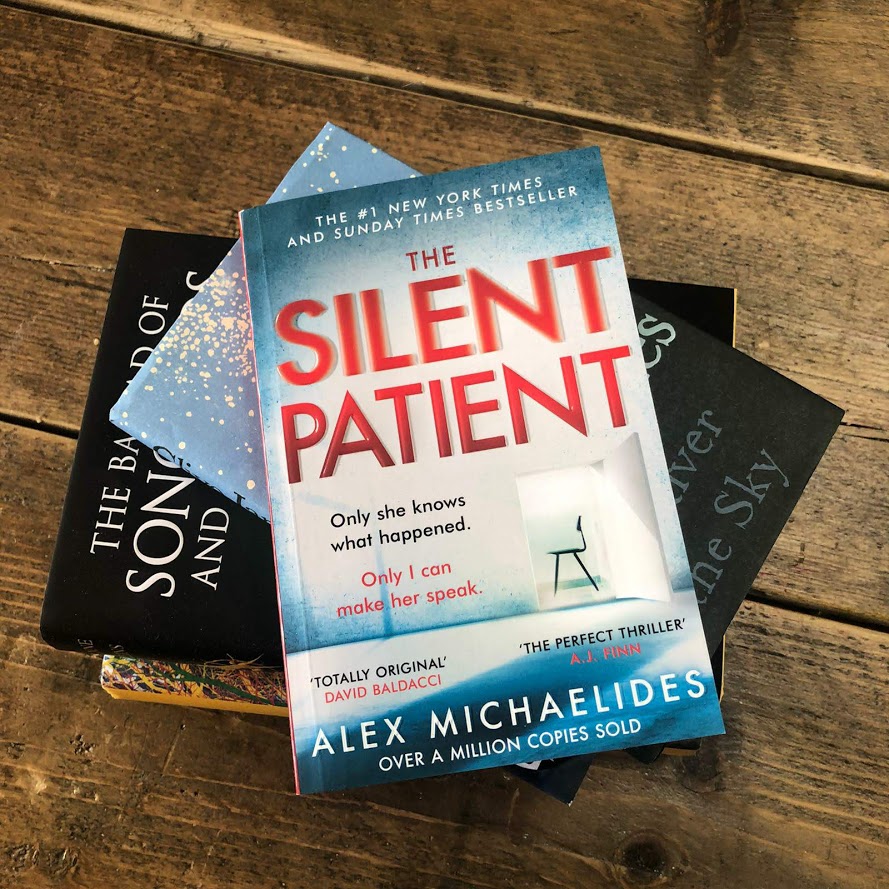
#Criminology Book Club: The Silent Patient
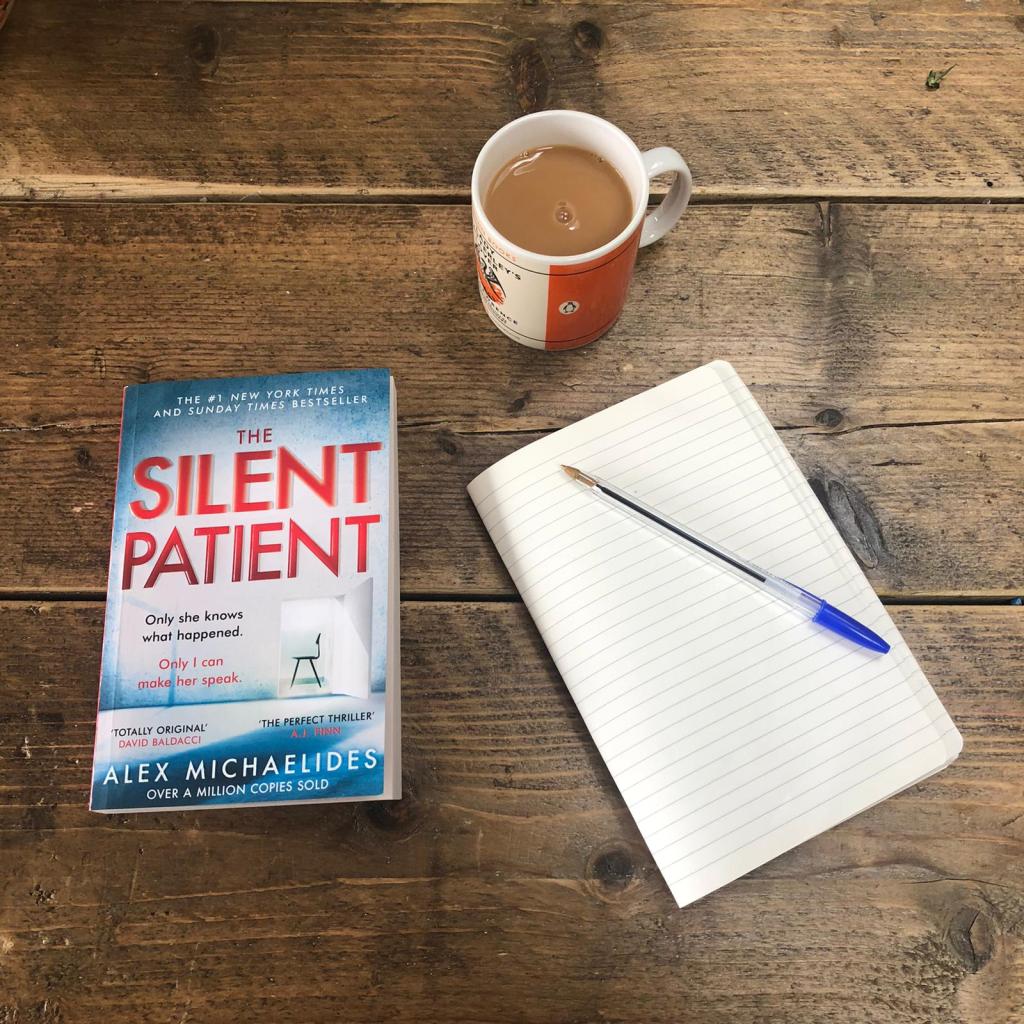
As you know from our last #CriminologyBookClub entry a small group of us decided the best way to thrive in lockdown was to seek solace in reading and talking about books. Building on the success of the last blog entry, we’ve decided to continue with all seven bloggers contributing! Our third book was chosen by @5teveh and it’s got us all talking! Without more ado, let’s see what everyone thought:
I enjoyed reading The Silent Patient – it was a quick and gripping read that kept me guessing (and second guessing!) throughout. I found it almost impossible to put down and could have happily read it in one sitting if time allowed. I didn’t empathise with many of the characters however, and found a couple of the plot points frustrating. I’d still recommend it though!
@saffrongarside

This is a psychological thriller that embraces Greek drama and pathos. From the references to Alcestis by Euripides and the terrible myth of death swapping to the dutiful Dr Diomedes, the characters are lined up as they are preparing from their dramatic solo. The doctor is trying to become a comforting influence in the fast pace of the story only to achieve the exact opposite. In the end he leaves in a puff of smoke from one of his cigars. The background of this story is played in a psychiatric facility, that is both unusual and conducive to amplify the flaws of the characters. This is very reminiscent of all Greek tragedies where the hero/heroine is to meet their retribution for their hubris. Once punishment comes the balance of the story is restored. This norm seems to be followed here.
@manosdaskalou
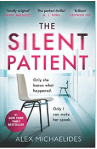
Well done to @Steve for selecting the anxiety inducing book that is The Silent Patient. I found it difficult to put this book down, as it was easy to read and a definite page turner. Once I started reading, I desperately wanted to find out what had actually happened. If Alicia had a perfect life then why would she shoot her husband FIVE TIMES in the head? It’s difficult to say much about this book without giving the plot away. I did feel for Alicia as she was surrounded by a sea of creepy and unlikable characters. Some might find the portrayal of mental health and Alicia (as the main female character) slightly insulting. Although, as we discussed in the book club, perhaps we should see this book for the thriller that it- and not try to criminologically analyse it?! As far as thrillers go, I think the book is a very good read.
@haleysread
The Silent Patient is 339 pages of suspense-filled, gripping fiction which leaves the reader with their jaw wide open. As a novel it is brilliant. Binge-worthy, unbelievable and yet somehow believable: that is until you have finished the book, and you sit back and start to pull the novel apart. DO NOT DO THIS! Get lost in the story of Theo and Alicia, be gripped and seated on the edge of your seat. It is worthy of the hype (in my humble opinion)!
@jesjames50
The Silent Patient is without a doubt a page turner! From start to finish the mystery of Alicia Berenson’s silence keeps you guessing. It is important for me to warn perspective readers that, when you start reading, it is difficult to put down, so clear your schedule. Throughout the novel you are guided through the complex life of psychotherapist Theo Faber and his mission to understand and connect with his patient that has ‘refused’ to talk, after she is found guilty of killing her husband. Alicia Berenson is admitted to a mental health hospital. This is the backdrop to disturbing yet intriguing story of how Alicia’s seemingly perfect life comes crashing down. With quirky characters, shocking revelations and suspense throughout The Silent Patient is a must read. Don’t take the story at face value, as there is a brilliant twist at the end.
As is only right and proper, we’ll leave the final word to @5teveh, after all he did choose the book 🙂
@svr2727
Not the normal sort of book I’d read, I was drawn in by the comments on the cover. It is impossible to warm to any character in The Silent Patient. The book is quite fast paced, and the writing makes it a real page turner. If you think you’ve got it, you are probably wrong. This is not a usual ‘who done it’ narrative. There are twists and turns that lead the reader through a small maze of sub plots involving characters in a tight setting. If you are looking for a hero or heroine and a happy ending, this is not the book for you. An enjoyable read in a sadistic sort of way.
@5teveh
Share this:


Things I Miss: Small Pleasures – Helen

Small pleasures mean a lot, particularly at the moment when many normal pleasures are denied to us. If I can’t meet my friends, or go to restaurants, or engage in my hobbies at least I can enjoy a gin and tonic in the bath, or a nice dinner with an indulgent dessert (it is worrying how many such small pleasures involve food and alcohol!!). The lockdown hit halfway through Lent, when I was trying to exercise some self-discipline and lose a little weight, but having been forced to give up so much I could no longer do without chocolate and snacks! I am kept sane by daily walks around the village, appreciating (until today) the glorious spring weather and the emerging wild flowers and butterflies (six different species on our last long walk). And my husband and I distract ourselves with light-hearted TV. Friday Night Dinner and Britain’s Got Talent help to define the week and we’ve been working through old-favourite box sets of Phoenix Nights and I’m Alan Partridge.

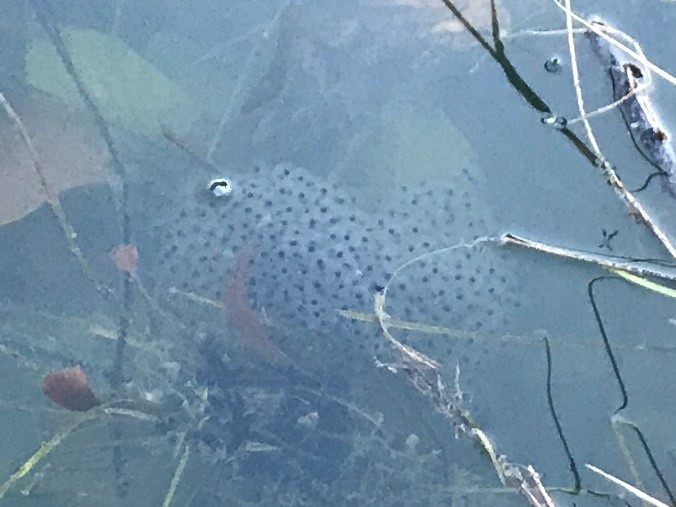
In some ways the first couple of weeks were the hardest, when the rules kept changing. After a trying morning shopping for three households in a supermarket with bare shelves, at least I could reward myself with a cappuccino on the way home (I couldn’t sit down, or use a re-usable cup, but I could get a disposable take-away). But then all the coffee shops closed. On the evening of the day the schools closed, we went for a family walk in our local forest. At least we could enjoy that. We found a pond full of frogspawn and toad spawn and took pictures, planning a science project on reproduction in amphibians. We would go back every week and check on the progress of the tadpoles. But then they closed the forest. Each new lockdown was a fresh loss.
In the “Good Lives Model” (Ward, 2002) Tony Ward and colleagues propose that all people try to achieve a set of fundamental “primary goods”. These are: life; knowledge; excellence in work; excellence in play; agency; inner peace; relatedness; community; spirituality; pleasure; and creativity. In lockdown, many of our usual means of achieving these goods are no longer accessible. However, there is evidence all around of people striving towards these goods in novel ways. The primary good “life” refers to health and fitness. We may no longer be able to go to gyms or practise team sports, but country roads are full of cyclists and walkers, solitary or in family groups, and there has been an explosion in people exercising at home, with or without the assistance of Joe Wicks! My son, who is a junior sailor, is achieving his “excellence in play” through “Virtual Regatta”, a computer game which adheres to the principles of dinghy sailing and which has provided the platform through which competitions that should have taken place can continue after a fashion.

Our local vicar is in his element providing novel ways through which his flock can achieve “spirituality”: services live-streamed from his dining room; virtual coffee mornings; resources to use at home. I’ve outlined above some of the ways in which I am achieving “pleasure” in small ways. I’m sure the current shortages in flour are caused in some part by an increase in people achieving “creativity” through baking. My son alone has clocked up two different types of pastry, two different types of scone, two fruit crumbles, shortbread and a Simnel cake since the lockdown began! We achieve “relatedness” through Zoom and Skype and Facetime: I speak to my parents much more often than I did before the crisis and my husband replaces visits to the pub with his father and brother with a weekly “virtual pint night”. And we achieve “community” through standing together on our doorsteps every Thursday at 8pm to clap for the NHS.

The Good Lives Model was developed to understand and improve the rehabilitation of offenders. It proposes that offenders are trying to achieve the same primary goods as everyone else, but lack the skills, opportunities or resources to do so in pro-social ways. They therefore pursue their goods through methods which are illegal or harmful. Traditional approaches to working with offenders have been risk-focussed, analysing their past mistakes and telling them what they mustn’t do in the future. The Good Lives Model points us towards strengths-based and future-focussed interventions, whereby offenders identify new, prosocial ways of achieving their primary goods and are equipped with the skills to do so. The focus is on building a new “good life”, with the emphasis on what they can do rather than what they can’t.
It seems trite to compare life in lockdown to life in prison (although Jonathan Freedland in last Saturday’s Guardian references ex-prisoner Erwin James who believes the parallels are strong). There are, however, some similarities to life on probation supervision or parole licence. I can’t pretend to understand how it feels to live subject to licence conditions whereby even a minor breach could result in imprisonment. But in the current situation, I have a little insight into how it feels to live according to strict rules designed to minimise risk to myself and others; rules which are frustrating but for the common good; rules which tell me what I can’t do and where I can’t go; rules which sometimes change and goalposts which sometimes move. In this climate, as described above, small pleasures are important and it is essential to find new ways of achieving and maintaining primary goods. Lockdown has given me a fresh appreciation of Good Lives and, I hope, a deeper understanding of the impact of the decisions I make and the conditions I impose.
Helen Trinder
Associate Lecturer in Criminology at the University of Northampton and Psychologist Member of The Parole Board for England and Wales
References
Freedland, J. Adjust your clocks, lockdown is bending time completely out of shape. The Guardian, 25th April 2020.
Ward, T. (2002). The management of risk and the design of good lives. Australian Psychologist, 37, 172-179.
Share this:

Please don’t clap or cheer

In an uncomfortable irony, my regular blog entry has fallen on the 8 May 2020, the seventy-fifth anniversary of the end of World War 2 in Europe. I say uncomfortable because I find this kind of commemoration particularly challenging to comprehend, given my pacifist tendencies. I’m therefore going to take a rather circuitous route through this entry.
On the 20 March 2020 I wrote the first Thoughts from the Criminology team blog entry (focused on Covid-19), just a few hours after the University had moved to virtual working. Since then the team has tackled the situation in a variety of different ways. In that I detailed my feelings and observations of life, as we knew it, suddenly coming to abrupt halt. Since then we have had 7 weeks of lockdown and it is worth taking stock of where we are currently.
At present the UK has recorded over 30,000 deaths attributed to the virus. These figures are by necessity inaccurate, the situation has been moving extremely fast. Furthermore, it is incredibly challenging to attribute the case of death, particularly in cases where there is no prior diagnosis of Covid-19. There has been, and remains a passionate discourse surrounding testing (or the lack of it), the supplies of Personal Protective Equipment (or the lack of it) and the government’s response (or lack of) to the pandemic. Throughout there has been growing awareness of disparity, discrimination and disproportionality. It is clear that we are not in all this together and that some people, some groups, some communities are bearing the brunt of the current crisis.
Having studied institutional violence for many years, it is evident that the current pandemic has shown a spotlight on inequality, austerity and victimisation. The role of institutions has been thrown into sharp relief, with their many failings in full view of anyone who cared to look. In 1942, Beveridge was clear that his “five giant evils” could have been addressed, prior to World War 2, yet in the twenty-first century we have been told these are insurmountable. Suddenly, in the Spring of 2020, we find that councils can house the homeless, that hungry children can be fed, that money can be found to ensure that those same children have access to educational resources. We also find that funds can be located to build emergency hospitals and pay staff to work there and across all other NHS sites.
Alongside this new-found largesse, we find NHS staff talking about the violences they face. The violence of being unable to access the equipment they need to do their jobs, the violence of being deprived of regular breaks, the violence of racism, which many staff face both internally and externally. We hear similar tales from care workers, supermarkets workers, delivery drivers, the list goes on. Yet we are told by the government that we are all in this together. This we are told, is demonstrated by gathering on doorsteps to clap the NHS and carers. It can be compared with the effort of those during World War II, or so we are told. If we just invoke that “Blitz Spirit” “We’ll Meet Again” at the “White Cliffs of Dover”.
However, such exhortations come cheap, it costs nothing in time, or money, to clap, or to sing war time songs. To do so puts a veneer of respectability and hides the violent injustices inherent in UK society and the government which leads it. It disguises and obfuscates the data that shows graphic racial and social economic disparity in the death toll. Similarly, it avoids discussion of the role that different individuals, groups and communities play in working to combat this horrible virus. As a society we have quickly forgotten discussions around deserving/undeserving poor, the “hostile environment” and those deemed “low-skilled”. It camouflages the millions of people who are terrified of unemployment, poverty and all of the other injustices inherent within such statuses. It hides the fact that these narratives are white and male and generally horribly jingoistic by ignoring the contribution of anyone, outside of that narrow definition, to WWII and to the current pandemic. It is trite and demonstrates an indifference to human suffering across generations.
Let’s stop focusing on the cheap, the obvious and the trite and instead, once this is over, treat people (all people) with respect. Pay decent wages, enable access to good quality nutrition, education, health care, welfare and all of the other necessities for a good life. And by all means commemorate the anniversary of whatever you like, but do not celebrate war, the biggest violence of all, without which many more lives would be improved.
Share this:


Information overload

If you’re anything like me, the last few weeks you’ve probably found yourself fighting your way through a tsunami of information that’s coming from all directions. Notifications are going into overdrive with social media apps, news apps and browsers desperate to deliver more and more content, at ever increasing frequencies. Add to this all the stories, videos and memes friends and family are also sharing and it’s hard to know where to look first. The sheer volume of content makes it harder than ever to know what is fact, fake or opinion. In honesty, it can all be a bit overwhelming.
How do you even begin sorting the information that’s being thrown at you when you can’t keep up with how quickly your news feeds are moving
1. Sort the fact from the fiction
There’s nothing like a pandemic to send the fake news mills into overdrive. Many are easy to spot, the 2020 version of an urban myth (My neighbour’s, brother’s dog is a top civil servant and says….) others are much more sophisticated and purport to be from trusted sources. The Guardian (Mercier, 2020) reports on the danger of these stories and the tragic consequences that can occur when people believe them.
Why are we so susceptible to fake news stories though? They use “truthiness” to play on our fears and biases. If it sounds like something we think could be true, if it confirms our prejudices or worries, we’re more likely to believe it.
Fact checking is more important than ever. Take a moment to think before you share – what is the source? where are their sources? For more tips on spotting fake news check out this guide (IFLA, 2020) or use an independent reputable fact checking site such as Full Fact. This blog article from the Information Literacy Group (Bedford, 2020) pulls together a selection of reliable information sources related to Covid-19.
2. Bursting your bubble
Personalised content from news feeds can be useful, but we often don’t even realise the news stories and content we’re seeing in apps has been chosen by an algorithm. Their purpose is to feed us stories they think we will like, to keep us reading longer. This can be convenient, but it can also be misleading. We get trapped in a filter bubble that feeds us the type of content we like and usually from a perspective that agrees with our own way of thinking.
Sometimes we need to know what else is going on in the world outside our specific areas of interest though and sometimes we need to consider viewpoints we don’t necessarily agree with, so we can make an informed judgement.
These algorithms can also get things wrong. My own Google news feed weirdly seems to think I’m interested in anything vaguely related to British Airways, Coventry City Football Club and Meghan Markle (I’d like to state for the record I’m not particularly interested in any of these things). This is without considering the inherent biases they have built into them, before they even start their work (algorithm bias is a whole other blog article in itself).
It’s human nature to want to hear things that agree with our way of thinking and reinforce our own world view, we follow people we like and admire, we choose news sources that confirm our way of thinking, but there is a risk of missing the bigger picture when sat in our bubble. Rather than letting the news come to you, go direct to several news sources (maybe even some that have a different political leaning to you, if you feel like being challenged). Be active in seeking news stories, rather than passively consuming them.
3. Step away from the news feed (when you need to)
It’s a bit of a balancing act, we need to know enough to be informed and stay safe without spending 24/7 plugged in. We’re not superhuman though and sometimes we need to accept that just because it’s on our feed, we’re not obliged to engage. Give yourself permission to skip stories, mute notifications and be selective when you need to. We all have different saturation points, mine will vary day to day, but listen to yourself and know when it’s time to switch off. If it helps, set reminders on your apps to give you a nudge when you’ve spent a certain amount of time on them. The Mental Health Foundation (2020) have some tips for looking after your mental health in relation to news coverage of Covid-19.
If you need help finding information or want support evaluating sources the Academic Librarian team are offering online tutorials and an online drop-in service. You can also contact us by emailing librarians@northampton.ac.uk
Cheryl Gardner
Academic Liaison Manager, LLS
References
Bedford, D. (2020) Covid-19: Seeking reliable information in difficult times. Information Literacy Group [online]. Available from: https://infolit.org.uk/covid-19-seeking-reliable-information-in-difficult-times/ [Accessed 31/03/2020].
IFLA (2020) How to spot fake news. IFLA [online]. Available from: https://www.ifla.org/publications/node/11174 [Accessed 31/03/2020].
Mental Health Foundation (2020) Looking after your mental health during the Coronavirus outbreak. Mental Health Foundation [online]. Available from: https://mentalhealth.org.uk/publications/looking-after-your-mental-health-during-coronavirus-outbreak [Accessed 31/03/2020]
Mercier, H. (2020) Fake news in the time of coronavirus: how big is the threat? The Guardian [online]. 30th March. Available from: https://www.theguardian.com/commentisfree/2020/mar/30/fake-news-coronavirus-false-information [Accessed 31/03/2020].
Share this:


Ho ho homeless: Boris and reasons to be cheerful.
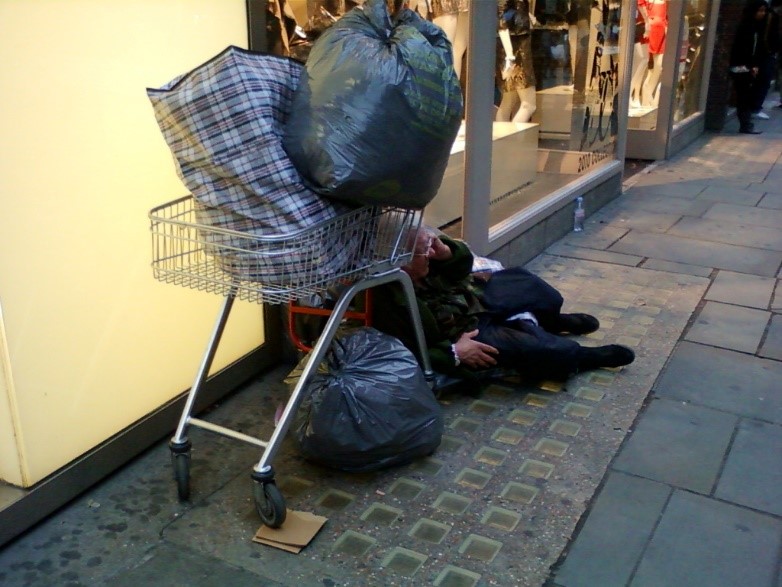
“Homeless Rough Sleeper” by Deadly Sirius is licensed under CC BY-NC-ND 2.0
A week has passed since the election and our political parties have had time to reflect on their victory or demise. With such a huge majority in parliament, we can be certain, whether we agree with it or not, that Brexit will be done in one form or another. The prime minister at the first meeting of his cabinet, and as if on cue ready for my blog, in front of the cameras repeated the pre-election promise of 40 extra hospitals and 50,000 extra nurses.
Putting aside my cynicism and concern about how we, as a country, are going to grow enough money trees without our foreign agricultural workers after Brexit, I welcome this much needed investment. I should add here that in the true sense of fairness, pre-election, other parties were likewise offering wonderful trips to fairyland, with riches beyond our wildest dreams. Trying to out trump each other, they managed to even out trump Trump in their hyperbole.
However, rather appropriately as it turns out, whilst sitting in the waiting room at a general hospital on election day, I read a couple of disturbing articles in the i newspaper. Pointing to the fact that makeshift shelters are becoming increasingly common in British cities one article quoted statistics from Homeless Link showing that rough sleeping had increased by 165% since 2010 (Spratt, 2019). Alongside, another article stated that A&E admissions of homeless patients had tripled in the last eight years with 36,000 homeless people attending in the last year (Crew 2019). Whilst I am always cautious regarding statistics, the juxtaposition makes for some interesting observations.
The first being that the promised investment in the NHS is simply a sticking plaster that attempts to deal with the symptoms of an increasingly unequal society.
The second being that the investment will never be enough because groups in society are becoming increasingly marginalised and impoverished and will therefore become an increasing burden on the NHS.
Logic, let alone the medical profession and others, leads me to conclude that if a person does not have enough to eat and does not have enough warmth then they are likely to become ill both physically and probably mentally. So, alongside the homeless, we can add a huge swathe of the population that are on the poverty line or below it that need the services of the NHS. Add to this those that do not have job security, zero-hour contracts being just one example, have massive financial burdens, students another example, and it is little wonder that we have an increasing need for mental health services and another drain on NHS resources. And then of course there are the ‘bed blockers’, a horrible term as it suggests that somehow, it’s their fault, these are of course the elderly, in need of care but with nowhere to go because the social care system is in crises (As much of the right-wing pre-Brexit rhetoric has espoused, “It’ll be better when all the foreigners that work in the system leave after Brexit”). It seems to me that if the government are to deal with the crises in the NHS, they would be better to start with investment in tackling the causes, rather than the symptoms*.
Let me turn back to the pre-election promises, the newspaper articles, and another post-election promise by Boris Johnson.
My recollection of the pre-election promises was around Brexit, the NHS, and law and order. We heard one side saying they were for the people no matter who you were and the other promising one nation politics. I don’t recall any of them specifically saying they recognised a crisis in this country that needed dealing with urgently, i.e. the homeless and the causes of homelessness or the demise of the social care system. Some may argue it was implicit in the rhetoric, but I seem to have missed it.
In her article, Spratt (2019:29) quotes a Conservative candidate as saying that ‘nuisance council tenants should be forced to live in tents in a middle of a field’. Boris Johnson’s one nation politics doesn’t sound very promising, with friends like that, who needs enemies?**
* I have even thought of a slogan: “tough on poverty, tough on the causes of poverty”. Or maybe not, because we all know how that worked out under New Labour in respect of crime.
** The cynical side of me thinks this was simply a ploy to reduce the number of eligible voters that wouldn’t be voting Conservative but, I guess that depends on whether they were Brexiteers or not.
Crew, J. (2019) Homeless A&E admissions triple. i Newspaper, 12 Dec 2019, issue 2824, pg. 29.
Spratt, V. (2019) ‘You Just didn’t see tents in London or in urban areas on this scale. It’s shocking’: Makeshift shelters are becoming increasingly common in British cities. i Newspaper, 12 Dec 2019, issue 2824, pg. 29.
Share this:


Empathy Amid the “Fake Tales of San Francisco”*

This time last week, @manosdaskalou and I were in San Francisco at the American Society of Criminology’s conference. This four-day meeting takes place once a year and encompasses a huge range of talkers and subjects, demonstrating the diversity of the discipline. Each day there are multiple sessions scheduled, making it incredibly difficult to choose which ones you want to attend.
Fortunately, this year both of our two papers were presented on the first day of the conference, which took some of the pressure off. We were then able to concentrate on other presenters’ work. Throughout discussions around teaching in prison, gun violence and many other matters of criminological importance, there was a sense of camaraderie, a shared passion to understand and in turn, change the world for the better. All of these discussions took place in a grand hotel, with cafes, bars and restaurants, to enable the conversation to continue long after the scheduled sessions had finished.
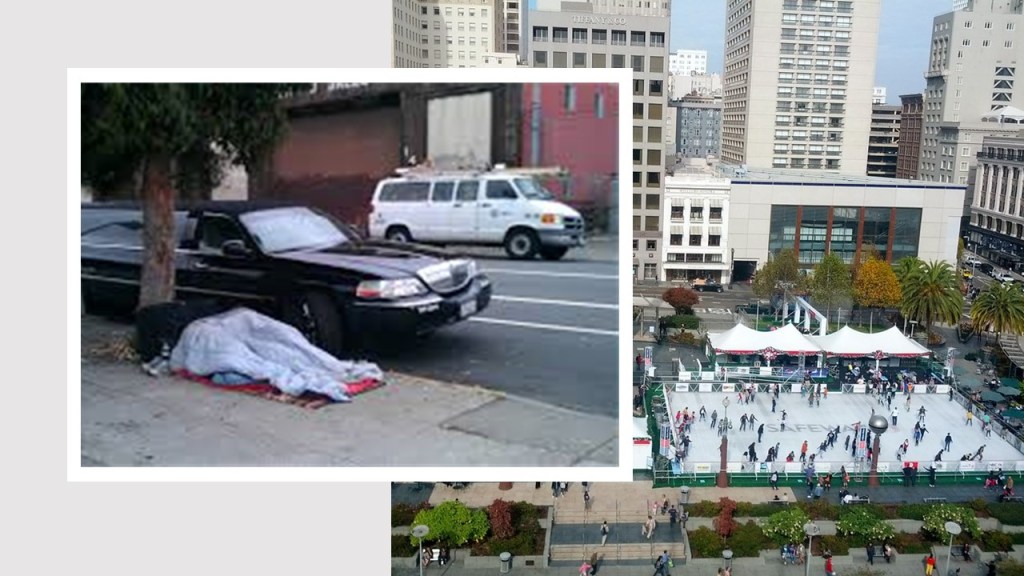
Outside of the hotel, there is plenty to see. San Francisco is an interesting city, famous for its Golden Gate Bridge, the cable cars which run up and down extraordinarily steep roads and of course, criminologically speaking, Alcatraz prison. In addition, it is renowned for its expensive designer shops, restaurants, bars and hotels. But as @haleysread has noted before, this is a city where you do not have to look far to find real deprivation.
I was last in San Francisco in 2014. At that point cannabis had been declassified from a misdemeanour to an infraction, making the use of the drug similar to a traffic offence. In 2016, cannabis was completely decriminalised for recreational use. For many criminologists, such decriminalisation is a positive step, marking a change from viewing drug use as a criminal justice problem, to one of public health. Certainly, it’s a position that I would generally subscribe to, not least as part of a process necessary to prison abolition. However, what do we really know about the effects of cannabis? I am sure my colleague @michellejolleynorthamptonacuk could offer some insight into the latest research around cannabis use.
When a substance is illegal, it is exceedingly challenging to research either its harms or its benefits. What we know, in the main, is based upon problematic drug use, those individuals who come to the attention of either the CJS or the NHS. Those with the means to sustain a drug habit need not buy their supplies openly on the street, where the risk of being caught is far higher. Thus our research population are selected by bad luck, either they are caught or they suffer ill-effects either with their physical or mental health.
The smell of cannabis in San Francisco is a constant, but there is also another aroma, which wasn’t present five years ago. That smell is urine. Furthermore, it has been well documented, that not only are the streets and highways of San Francisco becoming public urinals, there are also many reports that public defecation is an increasing issue for the city. Now I don’t want to be so bold as to say that the decriminalisation of cannabis is the cause of this public effluence, however, San Francisco does raise some questions.
- Does cannabis cause or exacerbate mental health problems?
- Does cannabis lead to a loss of inhibition, so much so that the social conventions around urination and defecation are abandoned?
- Does cannabis lead to an increase in homelessness?
- Does cannabis increase the likelihood of social problems?
- Does the decriminalisation of cannabis, lead to less tolerance of social problems?
I don’t have any of the answers, but it is extremely difficult to ignore these problems. The juxtaposition of expensive shops such as Rolex and Tiffany just round the corner from large groups of confused, homeless people, make it impossible to avoid seeing the social problems confronted by this city. Of course, poor mental health and homelessness are not unique to San Francisco or even the USA, we have similar issues in our own town, regardless of the legal status of cannabis. Certainly the issue of access to bathroom facilities is pressing; should access to public toilets be a right or a privilege? This, also appears to be a public health, rather than CJS problem, although those observing or policing such behaviour, may argue differently.
Ultimately, as @haleysread found, San Francisco remains a City of Contrast, where the very rich and the very poor rub shoulders. Unless, society begins to think a little more about people and a little less about business, it seems inevitable that individuals will continue to live, eat, urinate and defection and ultimately, die upon the streets. It is not enough to discuss empathy in a conference, no matter how important that might be, if we don’t also empathise with people whose lives are in tatters.
*Turner, Alex, (2006), Fake Tales of San Francisco, [CD]. Recorded by Arctic Monkeys in Whatever People Say I Am, That’s What I’m Not, The Chapel: Domino Records

 Thoughts from the criminology team