
Home » Learning (Page 12)
Category Archives: Learning

Erasmus in the time of Brexit

There are few things I tend to do when I am on Erasmus in a long running partner. I get a morning fredo coffee from their refectory, then into the classroom, followed by a brief chat with their administration staff and colleagues. The programme is usually divided between teaching sessions and academic discussions.
My last session was on learning disabilities and empowerment. The content forms part of a module on people with special needs. The curriculum in the host institution combines social sciences differently and therefore my hard criminological shell is softened during my visit. It is also interesting to see how sciences and disciplines are combined together and work in a different institution.
In the first two hours we were talking about advocacy and the need for awareness. The questions posed by the students raised issues of safeguarding, independence and the protection of the people with learning disabilities. I posed a few dilemmas and the answers demonstrated the difficulties and frustrations we feel beyond academia, shared among practitioners. This is “part of the issues professionals face on a daily basis”. Then there were some interesting conversations “how can you separate a mother from her baby even if there are concerns regarding her suitability as a mum”? “How do we safeguard the rights of people who cannot live an independent life”? Then we discussed wider educational concerns “we are preparing for our placement but we are not sure what to expect”. “Interesting”, I thought that is exactly what my second year students feel right about now.
As I was about to close the session I told them the thought that has been brewing at the back of my head since the start of my visit….”I may not be able to see you next year…today the UK will be starting the process of Brexit.” One of the students gasped the rest looked perplexed.
It is the kind of look I am beginning to become accustomed to every time I talk about Brexit to people on the continent.
After the class the discussion with colleagues and administrative staff was on Brexit. It seemed that each person had their own version of what will happen next. Ironically they assumed that I knew more about it. Thinking about it, the process is now activated but very little is known. This is because Brexit is actually not a process but a negotiation. A long or a very long negotiation. The EU devised a mechanism of exit but not a process that this mechanism needs to follow. Despite the reasons why we are leaving the EU the order and the issues that this will leave open are numerous. In HE, we are all still considering what will happen once the dust settles. From research grants for the underfunded humanities and social sciences to mobility programmes for academics and students. My visit was part of staff mobility that allows colleagues to teach and exchange knowledge away from their institution. The idea was to allow the dissemination of different ideas, cooperation and cultural appreciation of different educational systems. The programme was originally set up in the late 80s when the vision for European integration was alive and kicking. The question which emerges now, post-Brexit, is what is the wider vision for HE?
Share this:


(The Absence of) Technology in the Classroom
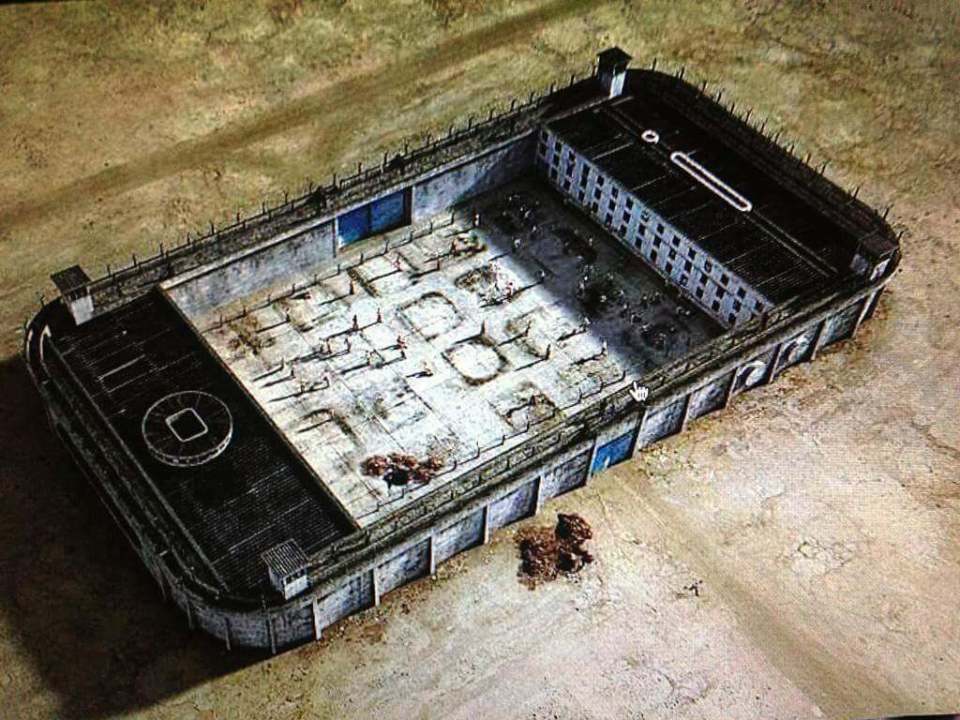
Following on from Manos’ ‘Reflections from a pilot’ I shall continue in a similar vein. The pilot has formed part of our academic thoughts and discussions for some months and now it has finished we are in reflective mode. Much of what we have experienced throughout the pilot was striking and will give us food for thought for some time to come. For this entry, I am going to focus on an aspect that I had not really considered, or at least, not very much beyond the prosaic.
We knew before the pilot that prison and technology do not make comfortable bedfellows. Whilst on the outside, technology permeates virtually every aspect of our waking lives, the same cannot be said for those incarcerated. From the moment you step inside the prison gate, signs remind you of what you cannot bring into the carceral environment; top of the list are mobile phones, computers, USBs and recording devices. This meant that in very basic terms there could be no powerpoint, video clips or recordings of lectures. It also meant that we could not rely upon the internal learners having a shared knowledge of current affairs beyond that which was available in newspapers or on radio or television. All the above could be perceived as inadequacies and deprivations, however, we found a number of positives side-effects of these supposed failings.
In the university classroom, technology is commonplace; smartboards, computer lecterns, laptops, tablets and smartphones. All of this technology can enable learning on many levels, but can also provide irresistible diversion from the task at hand. Whilst the intention may be educational; for example taking notes on a laptop, the temptation to drift into social media, email and so can prove to be seductive. Conversely, the prison classroom contains little to attract attention, beyond some posters on the wall and the view from the windows which offered nothing of real interest. From the outset, and throughout the entire pilot, it appeared that the absence of technology heightened concentration. This was observable through increased eye-contact, body language and engagement with both academic discussions and general conversations across all learners. Furthermore, the absence of technological distraction impelled students to self-reliance in way (for the external learners, at least) they were largely unused to and generally unprepared for.
It should be acknowledged that this increase in engagement may also have been impacted by the strangeness of the prison environment (for the external students) and the anxiety involved in meeting new people (for all students). Nevertheless, engagement did not seem to decrease despite increasing familiarity with both the surroundings and participants.
All of the above is not to say that technology has no place in education; the ease of access to educational materials and the ability to engage in academic discourse globally demonstrate its power. What I would suggest it does is offer us all an opportunity to reflect upon our own use (and dare I say, reliance) upon technology as a replacement for deep learning.

 Thoughts from the criminology team