
Home » Criminology (Page 44)
Category Archives: Criminology

Things I Miss, or Introverts vs Coronavirus

The thing I hate most about self-isolation is how quickly I eased into this new pace of life. Is that the privilege of having somewhere to self-isolate to or does it come with having an introverted personality? Before quarantine, many would perceive me as a mild-mannered individual. I ask a lot of questions. I guess that’s where my affinity for journalism comes from. Yet, in a global crisis, not much has changed. For someone that suffers from anxiety, one would think I would have more emotional unrest during the worst public health crisis in a generation. But no. I’m content, staying at home.
Whilst this pandemic has been liberating for me, it has shown how much privilege I still have despite being at three disadvantages in society: the colour of my skin, my invisible disability and being an introvert in a world designed for extroverts. Yet, cabin fever does set in once in a blue moon and sometimes it does feel like Groundhog Day. Despite being at comfort in my own space, my concept of time is being challenged. Like, what is a weekend? Not even Bill Murray can save me from this paradox. Not my books, nor Disney+ subscription, films, or The Doctor, Martha and that fogwatch.
What I hate about being an introvert in the buzz term of today – “unprecedented times” – is how I’m not suffering like my extroverted friends. Perhaps this is what it means to live in society designed to accommodate you. The world outside of a health crisis – is this what it’s like? Imagine if I also happened to be an able-bodied, White, straight man as well? Just imagine. Today, extroverts are suffering. Ambiverts are suffering. When this is over will we see an increase in agoraphobia?
And in a society where extroverts are privileged over introverts, the outgoing outspoken marketing professional is valued more than the introverted, reclusive schoolteacher.
Yet, today, we are seeing the value of nurses, doctors, teachers, lecturers / academics and so forth. Many of whom will be introverts going against the grain of what feels normal to them. The person seen to be outgoing and talking and networking is regarded as a team player, in comparison to the freelance blogger or journalist writing away on their computer at home. Many of my teacher friends that talk for a living also love to recluse in their homes, as drinking your own drinks and eating your own food in your own house is great. Can you hear the silence, the world in mute? Priceless.
In my job, I recall in the training we did the Myers-Briggs test in order to get to know each other better. Safe to say I was 97% introvert, which had increased somewhat since I was a student. Coincidence, I think not. In a job where I also go to meetings for a living, and network and people (if I can make a verb out of people), it can be draining. The meetings, the networking, the small talk, the different hats and masks people wear.
As awful as Coronavirus is, I will go back to my intro in saying that this new pace of life is almost like a dream, with intermittent periods of cabin fever. I can recharge my life batteries when I want. I can be alone when I want. I can read, watch films and television series when I want. I like to engage in activities that require critical thought. Self-isolation has given ample time for that. And good things have come from my introspection. Moreover, many conversations with myself. No, I’m not Bilbo Baggins. However, to talk with oneself is freeing. It’s the first sign of intelligence, don’t ya know?
But self-isolation to me and many of my introvert colleagues, it’s our normal. Social distancing is a farce because we are still being social. “Physical distancing” is a better term. Not in this era of WhatsApp, Instagram and Zoom, we’ve never been more social. Coronavirus has shown us a social solidarity that I thought I would not see in my lifetime. To put it bluntly, Coronavirus has pretty much eliminated the quite British obsession of small talk, and given me opportune moments to think.

Whilst my extrovert colleagues want to have that picnic in the park, I’m quite happy to sit in the garden. There lies another privilege. Simultaneously, I seldom feel the need to go out. Where I miss my cinema trips, I remember Netflix, Amazon Prime, Britbox and Disney+. Sure they’re not IMAX but they’ll do. I miss the pub but there’s the supermarket with all sorts of choices of IPA to choose from. Indeed, I have found solace in having my access stripped right back. The freedom to choose afforded to me because I work and live in a “developed country” (I use this term loosely).
For those of us that live in Britain, Coronavirus has swiftly shown that we live in a first-world country with a third-world healthcare system and levels of poverty – highly-skilled medical professionals in a perilously underfunded NHS systematically cut for the last ten years by the Tories.
Unlike University, I can mute social media for a couple of hours, and do some reading. I hate that I am so comfortable, whilst others are not. I often think about international students shafted by visa issues, and rough sleepers who don’t have the privilege of thinking about self-isolation. What about those having to self-isolate in tower blocks like Grenfell? What if we were to have another tragedy like Grenfell during a public health crisis? I hate how Coronavirus has exposed underlying inequalities, and how after this, these systems of power will likely carry on like it’s business as usual.
I don’t feel defeated or bored but the other inequalities in society do make me worry. Having been a victim of racism ten times over, both by individuals and institutions, I know that racism is its own disease and it won’t simply go on holiday because we’re in a pandemic. I know increasing police powers will disproportionately impact people from Black backgrounds, especially in working-class communities, but as Black people (pre-Coronavirus) at a rate of nine times more likely to be stopped and searched than a White person in Northamptonshire is bad enough, isn’t it?

This solitude has pushed me creatively with my poetry and own blogs. Take Eric Arthur Blair, or George Orwell as he was known; when he was sick with TB, he wrote Nineteen Eighty-Four. The book we now lord about today is essentially a first draft. Rushed. A last bout before death. In my isolation, I’m excited for the number of dystopian texts that will come out of Coronavirus, particularly political narratives on how Britain and America reacted. I’m looking forward to artistic expression and if the British public will hold the Government to account. One could argue their thoughtlessness, and support of genocide (herd immunity) is a state crime.
Whilst it is easy to blame the Chinese government, our own government have a lot to answer for and metaphorically speaking, someone (or quite a few people) need to hang.
A good friend and confidant has implored me to write a book as a project. Being naturally inward in my personality, I could do it. Though, I have my reservations. Perhaps I could write a work of genius that goes on to define a generation. Nonetheless, I observe that during lockdowns around the world, there will be both introverts and extroverts applying their minds to art and creativity. Writing books. Painting pictures. Discovering theories, like Isaac Newton did when he was “confined” to his estate during the Plague in 1665.
One day the curve will flatten: we will see each other again at the rising of the sun, folks say we must make use of this time; however, this is unprecedented, so it is also perfectly okay to be at peace with your loved ones, cherish those moments, and do absolutely nothing of consequence at all.
Share this:

I wanna be like Mike #BlackenAsiaWithLove
Originally written: 26 November 2001
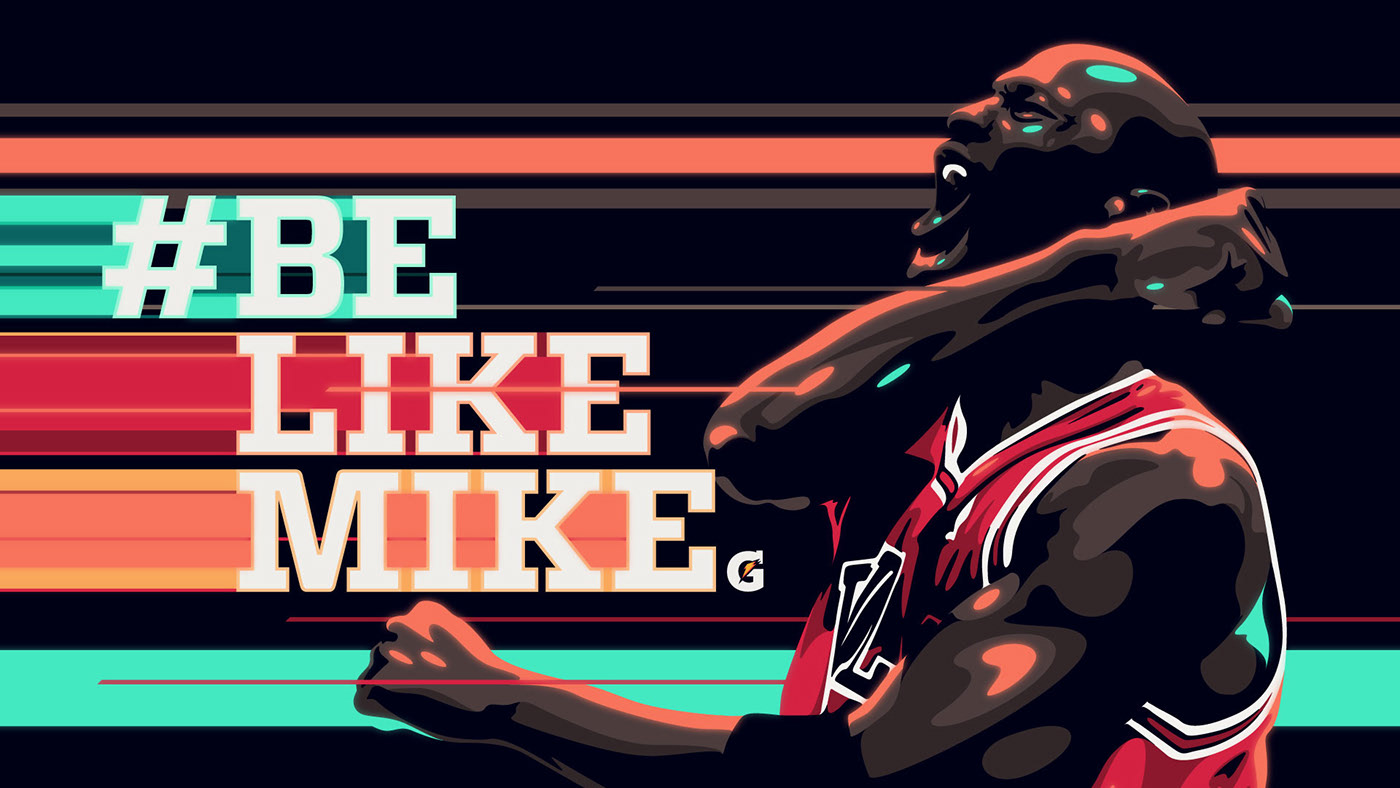
I wanna be like Mike. Mike is filthy rich, in great physical condition, is well perceived by not only his fans, but also the wider public, and he’s even faithful to his monogamous relationship. Mike is generally agreeable, and you almost never see him expressing aggression towards others outside of the game. Mike has never been ‘exposed’ as gun-totting, neither bashing women nor gays, and he’s even pretty articulate. Rumors spread about his philanthropic efforts the same low-income communities where he grew up in a hard-working family. His best friend and biggest fan is his dad, and Mike is so sensitive and secure with his manhood that he wept before the nation upon his dad’s death. Mike’s at the very top of his craft yet never brags and never rests on his laurels. Mike’s humble and certainly a team player. “Nothin’ but net.” Mike works hard.

This is what America tells the world, and outside of this country (which is neither the center of the universe nor even this tiny planet) many believe that Mike is wholly representative of the American dream. For sleuths of Americans, he’s likely representative of the ideal American. I mean, I am not a sports gladiator nor was I born with a trust fund. Hence, in order to be like Mike, I am in school. I work hard. Thus far I’ve earned a degree from an elite university and am currently enrolled in another. I estimate that so far, my education itself has indebted me over one hundred twenty thousand; and I am nowhere near done. There’s little guarantee that I’ll be wealthy, or even employed. There’s absolutely no guarantee, and in fact, factors are working against me finding a lifelong stable monogamous relationship.
 And I am quite privileged. Imagine if you will, most of the world. Most of us have received that chain e-mail which looks at the world population scaled down to one hundred folks. Imagine if this entire Earth’s population were composed of just one hundred people, there would be less than one person with the opportunities I’ve had. So then, how many would have those opportunities like Mike?
Don’t e’rybody wanna be like Mike?
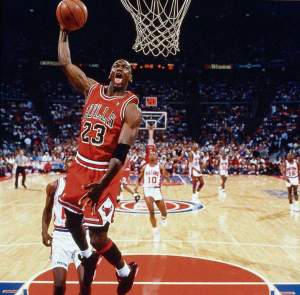
Imagine now, that you have a happy, humble life. You work hard. You live in the south of France and you attend to the vineyard, just as generations upon generations of your ancestors have done before. What are your chances of ever being like Mike? Imagine that you’re a social worker in Kazakhstan with few resources to offer those who present themselves before you, regardless of their destitute. You work hard. Imagine you’re a child soldier in Sierra Leon who was forced to burn his village to the ground after being forced to massacre several relatives. You cling to the drugs your captors make you take numb you when they rape your mother and sister. You work hard. Imagine that you’re sitting with a doctor in Botswana as she tells you that you are HIV+. You join a quarter of Botswana’s population who live with HIV/AIDS. You work hard, but the monthly medical costs of a person living with AIDS is much more than a year’s salary for you and your husband, who is also positive. Now imagine you are their kids. You like basketball, too. And you practice every day with the plastic carton nailed to the tree out back. You work hard. Imagine you’re the same kid, with the same circumstances, only you’re in the ghettos of America, just like Mike. If you work hard, wouldn’t you become an Olympiad? Wouldn’t Obama present you the Presidential Medal of Freedom in the White House with the Gates? Couldn’t your image become a logo?

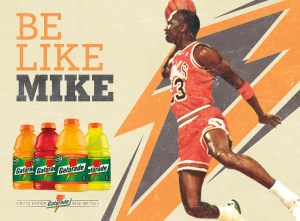
Be Like Mike in the coupons section of your local Sunday paper!
What are your chances of ever being like Mike? You work hard. Would it anger you that these images bombard your life? This world is big, but Mike’s dream persists…and penetrates every market on Earth. We’re all sold that version of that dream – that anyone, even a kid as regular as Mike, could be like Mike. If he can do it, anyone can (and you can with this can of cola, sports drink, burger, apparel, underwear, or other consumable… be like Mike) Don’t it inspire you? No rim! Don’t you want to be like Mike?
Share this:


Within Grey Walls

“Waking up to gray walls and black bars…in the silence of ones own thoughts, leaves one to a feeling of somberness…as those around begin to stir and began their individual day, hope creeps into ones mind….as the discussions regarding legal strategies began, hope then becomes more than just a shadow…as guys began to discuss their potential future beyond prison and being locked in a cell for days at a time, hope becomes more than just a fleeting moment! Silence can sometimes be ones own enemy on death row:-…So I condition myself to discover the “why” I fight through the fits of depression and despair, instead of focusing on the “how’s”….because pursuit of the “why’s” bring about methods of finding a solution….encouragement to remain hopeful!”
Everyone has the right to life, liberty and security of person (1).
Without the right to life, we cannot enjoy the freedoms set forth in the Universal Declaration of Human Rights.
However, what if one’s life was imprisoned and waiting to be ended for crime? In addition, what if a person was to be put to death for associating with a particular demographic?
The death penalty is the authorization of the state to kill a citizen for a crime, whether it’s murder, rape, treason, or more severe crimes, such as crimes against humanity and genocide (2).
Whilst the death penalty can be a deterrent, provide justice, and be the ultimate punishment for a crime and justice for victims, it is also used in some countries to persecute minority groups, such as the LGBT community (3) (4). (In references, there is a link to an interactive map of countries that utilize the death penalty for LGBT groups).
According to the Death Penalty Information Centre (DPIC), around 82% of cases involving capital punishment, race was a determining factor of giving this punishment, in comparison to white counterparts (5). However, the justice system is far from perfect, and miscarriages of justice occur. Due to issues of racism and racial bias (particularly within the American Justice System), this has seen members of minority groups and innocent people put on death row whilst a criminal still walks free. A damning example of a miscarriage of justice, and a clear demonstration of racism, is the case of George Stinney, whom, at the age of 14, was wrongly accused of murdering 2 girls. He was taken to court, tried by an all white jury, and was given the electric chair (6).
This, ultimately, is the state failing to protect its citizens, and causing irreparable damage to others. The George Stinney case is a condemnatory example of this. On top of that, it is hard to measure deterrence, and whether capital punishment actually deters people from committing crime.
However, what is it actually like being on death row?
June 2017 saw the start of a new friendship – a unique friendship. What simply started out with me wanting to reach out and be a ray of light to someone on death row, turned into a wonderful experience of sharing, support and immeasurable beauty. In June 2017, I began writing to a man on death row, and simply wanted to be a ray of light to someone in a dark place.
He has shared some of his thoughts of what it is like to be on death row:
“Perseverance. This is key when facing a day in prison (physically and mentally) because is never “where” you are physically, but your ability and willingness took push through those times of adversity and overcome the very things that have the power to bring you down….such as evil”. BUT- when we examine the word “evil” look closely…. Do you see it yet? ….. It’s “LIVE” backwards and to me its when we lose our patience to “LIVE” that we have brushes with “evil”…no???? So within these walls I do my best to find the “silver lining” and develop the better aspects of me”.
Now, it may seem effortlessly -but- in all honestly….its very difficult to face each day with the uncertainty of knowing whether the presence I have is one that has significance….in here I have to prepare myself on a constant basis in order to be the best version of myself no matter what lays ahead.
Thankfully….I have met an incredible person, who guides me by way of her words…offers me comforts by way of her thoughts and prayer and encourages me through her never ending presence! She is beautiful in every aspect of the word…She has helped me to discover that EVERYTHING and NOTHING awaits beyond forever!
References
(1) Universal Declaration of Human Rights (UNDH) Article 1 Available online at: https://www.un.org/en/universal-declaration-human-rights/ Accessed on 21/01/2020
(2) Louise Gaille ’15 Biggest Capitol Pros and Cons’ Available online at: https://vittana.org/15-biggest-capital-punishment-pros-and-cons Accessed on 24/03/2020
(3) The Human Dignity Trust ‘Saudi Arabia: Types of Criminalisation’ Available online at: https://www.humandignitytrust.org/country-profile/saudi-arabia/ Accessed on 24/03/2020
(4) Death Penalty Information Centre ‘Executions By Race and Race of Victim’ Available online at: https://deathpenaltyinfo.org/executions/executions-overview/executions-by-race-and-race-of-victim
(5) Ibid
(6) Snopes Fact Check ‘Did South Carolina Execute 14-year-old George Stinney, then declare him innocent 70 years later?’ Available online at: https://www.snopes.com/fact-check/george-stinney-execution-exoneration/ Accessed on 24/03/2020
Other
Interactive map of countries where the death penalty is used against the LGBT community: https://www.humandignitytrust.org/lgbt-the-law/map-of-criminalisation/?type_filter=crim_gender_exp
Human Writes: https://www.humanwrites.org
Share this:

Are We All God’s Children? #BlackenAsiaWithLove
Warning: This is prose is an original work of fiction about an aching and divided world. May we develop a culture that values the strength to love.
Somebody once tried to tell me that we were all God’s children,
That all people were born into His kingdom,
Flesh of His flesh,
And meant to reign over the Earth on His behalf, with His grace.
I never bought that crap.

If people believed in God, would they alter his garden so drastically, that the earth itself is fighting back for life?
How can we say we were put here by Him,
Only to treat this place like crap!?!
If people believed in God, then
Why do so many of us try to rework the image He gave us?
We prick, pull, peel, perm, slim down and slice up our bodies so dramatically, that
We’re often unrecognizable to ourselves.
If we were created in His image, why do we mutilate it so?
I never bought that crap.
If people really believed in God, then
Why do we give in so easily to jealousy,
Riding the coat-tails of others,
Admonishing those who do good, but
We’re still victims of what we consider to be as ‘perfect’.
You can’t be Woke in this word unless you’re Jesus,
And you see what happened to Him.
If Jesus Christ walked into the White House, The Vatican or #10 today,
They’d crucify Him all over again.
Did I mention today’s Easter Saturday…the one day between crucifixion and resurrection…
The one day when Jesus is truly dead…
Only the believers believe that he’ll come back.
But His followers today would be ready to make Him a martyr all over again…
Just to keep their story straight.
I never bought that crap.
WWJD Today?
If Jesus walked in here today,
I believe he’d be trying to heal the masses with some universal salve that cures all…
But drug companies saw their profits dive and so they crucified Him.
They were out for blood, and with the strength of their lobbying,
Blood is what they got.
If Jesus walked in here today,
I believe he’d feed the needy.
But conservatives would see their power draining,
Since they needed to demonize the poor as welfare losers.
Jesus was giving them a hand up, not a hand-out, and
Many had climbed out of poverty,
Too many climbed out to manipulate, so
They labelled Him a socialist.
Conservatives got together and decided to crucify Him.
If Jesus walked in here today,
I believe he’d rid us of WMD.
That includes guns!
Masses of people are killed by their own guns.
But Jesus wouldn’t want people going around gunning down wild animals for sport, either– Even to the point of extinction.
They called Jesus a tree-hugger because He brought up the near extinction of the North American bison in the same breath as
He gave the stank face to big-game hunters today.
Jesus said:
“Hanging the dead corpse of your kill on the wall was death worship,” and
Questioned if such people could call themselves Christian?
He was here to promote Life.
Jesus said anyone was a hypocrite for restricting access to birth control.
He accused those religious zealots of misusing His name in order to control women’s bodies and wealth through meds and policies.
Jesus promoted reproductive choices with the proceeds people always gave Him.
Jesus even invested in birth control for men, including
A pill, an injectable and a scrotum implant.
He claimed He was empowering men to be able to have that choice.
Worse still, Jesus was not only a carpenter, but an avid horticulturist…
He grew His own.
Everything.
And He had led pilgrimages through forests to hug trees.
He only hugged trees tapped for logging,
Jesus loved hugging trees so much he’d once got several thousand people to go down to the Amazon and chain themselves to the trees high up in the canopy.
He said forests were his Father’s first cities; who were we to tear them down?
Logging was sacrilege.
And as for this tree-hugging crap,
Jesus was a vegan, too.
He said He couldn’t hurt any of God’s creatures, and
Even though He didn’t suggest we all refrain from meat,
He used His YouTube channel to interview more humane animal farmers around the world.
(Oh yeah, there was also that time Jesus went to Davos – uninvited-
He weighed in on fair trade. Isolationists were none too pleased).
He even had vegan cosmetics lines.
He had interviews with His farmers, factory workers, warehousing, delivery, even retailers to show good working conditions and fair pay.
Because of this, consumers said His pricing was fair, and began campaigns to press the other major companies into transparency, too.
LVMH’s sales took nose dive, as did others.
Worse, still, He only marketed His vegan haircare brand, Glory Locks, through
Online tutorials for wooly hair.
His conditioner, Kinky Salvation, became a sensation in the natural hair care community, where
It was discovered that the formula also beat hair loss!
Jesus could regrow hair!
That year, GQ put Him on the cover as The Man of the Millennium.
He caused a bidding war between major cosmetics companies when He agreed to sell His patented mineral foundation, Holy Teint.
There were lines in stores when He released new compact motifs-
The blue dove and the red cross sold out within hours.
Reviews in Vogue, Bazaar, Cosmo and more all said His foundation matched coppery skin tones above all other brands.
His vegan cocoa butter, Divine Skin, had seen sales of Vaseline drop by 50%.
As a vegan,
He was most animate about respecting God’s plants enough not manipulate seed genes that can’t reproduce,
Just so farmers would have to buy more each season.
The giants of pesticides and seeds, beef, logging all got together to take Him down.
Big chicken, Big Fish and Big Pork all joined in the Jesus bashing, too,
For they knew he’d soon come for them.
He’d already posted a nasty comment on a viral video about an industrial chicken farm, for which Netflix had given Him a ten-part special called: Unholy Food, Inc.
He went all vegan, too!
Not even honey was safe,
And the episodes of palm oil and avocado saw those commodities’ stocks dive the day after each debut!
Now, that’s gangster!
Jesus was no joke!
At Michael Jackson’s funeral,
Jesus did an interpretive dance to the artist’s Will You Be There.
At the end of His performance, He suddenly grabbed the mic in tears and said:
“I love my Jackson 5 nostrils, and I believe if Michael had, too, he’d still be here.”
Katherine and Joe Jackson just hung their heads.
‘I love my Jackson 5 nostrils’ quickly became a meme and
Later incorporated into a pop song.
He was accused of being anti-white.
In an MTV interview about the controversial lyrics, He said:
“The clear message here is that…
What we consider beautiful too often has too little to do with our authentic selves.
We do the exact same to mother Earth,
Digging, prodding, cementing over and dirtying up the air and waters of My father’s kingdom.”
Jesus was deep.
He was an avid reader, too.
Jesus wept when He read the Letter from a Birmingham Jail.
When asked for comment He simply said:
“So few in My Father’s kingdom have the strength to love.”
For the 50th anniversary of the Stonewall Riots,
Jesus accepted invitations to lead Pride parades all over the world.
People thought he’d had enough in New York, Chicago, Boston, LA and of course, San Fran.
But many were surprised when Jesus was on the first float at Black Gay Pride in Atlanta and DC!
None were shocked, then, when
Jesus showed up at London and Paris Pride and Christopher Street Day in Berlin.
But no one, and I mean no one,
Imagined for a second
That He’d dress up silly and
Dance with a gay Christian Carnival Crew at Cologne’s CSD Day!
When did He even have time to practice those moves?
Who knew He had such an angelic voice…
Until they heard His rendition of George Michael’s Jesus to a Child.
He brought everyone to tears that day in Heumarkt Square.
Plus, everybody loved the performance He did with Conchita Wurst of Beyoncé and Lady Gaga’s Telephone.
The two bearded men literally re-enacted the whole music video !
Who knew Conchita could do Gaga drag?
They popped-locked-n-rolled in spandex just like in the video.
Who knew Jesus had a black-boy-bubble-butt…
Like somebody cut a basketball in half and hung it off His tail bone.
Both videos went viral.
This was way too much for those in Africa who’d used His name to bash gay people.
They buckled down and passed anti-gay laws,
Nigeria making sure they out did Uganda.
They dismissed this Jesus as evidence of the decay in European values.
When He accepted the invitation to Pride in Cape Town and Nairobi…
Those in the region got ready.
Pride was canceled in Uganda.
Others roused lynch mobs from the pulpit.
They crucified Him all over again.
If Jesus walked in here today,
I believe he’d heal the disabled.
Jesus wouldn’t heal their conditions by some miracle of making a blind man see, a deaf man hear, or a crippled man walk.
Nah, nothing so simple.
Jesus removed what really hurts – fear and discrimination.
He targeted the stigma against disability.
No longer viewing different abilities as a liability,
Jesus undermined entire industries built around keeping them down.
Suddenly, office workers had to compete with the wheel-chair bound because,
Who needs to be able to walk into an office?
People had already seen how Autistic Savants could
Show us patterns in our lives that unfold life’s mysteries,
But Jesus showed the people how every person of every ability had something to contribute.
Charities for the poor fell because,
There were no more poor people – everyone had enough.
Politicians who’d been shoring-up votes by vilifying the Other as leachers could no longer galvanize their base around these fears.
The people eventually elected politicians who represented the people.
Somebody had to “take the country back, to make it great again,” so
Big Lobbying fought back.
Jesus had removed the control large corporations had over these politicians, so
They crucified Him.
Needless to say, because Jesus intervened,
There was universal healthcare that cared for the whole body – any body.
They resisted calling Him a socialist, but when Corona happened,
Everyone saw that unlike society, diseases don’t discriminate.
More of those who confessed to follow Him could see the sense in universal healthcare.
Insurance companies got together with Big Pharma and crucified Jesus for he’d taken away their monopoly.
Jesus exposed all their tricks, from
Inventing diseases to which only they had the cure, to
Hiding antidotes when they could instead sell us life-long supplies of meds that
Keep us just barely alive.
Jesus was fed up with humanity, but never gave up.
Jesus not only made room for the disabled, but
Made sure everyone got looked after.
He had to die.
He was much too good for this world.
It was clear to them that the only good Jesus was a dead Jesus –
The dead one they’d created in their holy books.
This resurrected one just wouldn’t do.
So, Jesus had gone too far.
War-mongers would vilify Him in the UN, and
Circumvent the authority of the world community, and
Wage a military campaign to track Him down.
For these war-mongers would charge Jesus with hoarding WMD.
They preferred the Iron Curtain to the Prince of Peace, so
They convincingly made the public scared of Him.
Big men wielding big sticks hunted Him down,
During a 40-day Vipassana retreat He’d taken in the Judean desert.
24-hour News spent months replaying drone and Body-Cam footage of His last moments,
Where their bullets crucified Him on the spot.
Just as they’d done for Osama Bin Laden,
Crowds of Christians gathered that night at the capitol to celebrate the blood-shedding.
They were death worshippers.
They even built a statue of Him on that spot to commemorate His sacrifice.
Crowds gathered there each Easter for festivities.

Share this:


If Slavery is the crime, my surname’s the crime scene

As we reach the 180th anniversary of the emancipation for when the last slave was truly free in the British Empire, we must look at the legacy of the Slave Trade today. It can be seen in the names of many Black Britons from Caribbean backgrounds. Griffiths (Welsh) and Ventour (British-French), you cannot get more European than that. My names are proof that Britain and France took part in the oppression of my ancestors. They are part of my family history. And as Glasgow Councillor Graham Campbell says, “When you are part of the crime scene, you cannot let the evidence walk away.”
My brother’s visit to the International Slavery Museum in Liverpool with my mother brings it home. That in going there, for him it was slavery in black and white, literally. It showed that slavery didn’t discriminate by age. It impacted people from babies in their mother’s arms up to the elderly. I watched Roots for the first time at eight years old. And I will never forget Kunta Kinte saying his name. Desperately clinging on to the last piece of himself. His name. Not the name of the slave master. His African name.

In my exploration of my own names and their links with transatlantic slavery, I have seen I am the worst kind of person. When I ask a person I know to be Black British with a European-sounding last name about their names, what I’m doing is fishing on how they got that name. The fact that I know Black Britons whose last names are things like Richards, Smith or Francis. That on a CV, you would not know the colour of their skin based on their name. Speaking to many Black Britons, I find our slave-ridden past to be an uncomfortable topic, but it’s also a story that the White establishment in Britain would prefer to keep invisible out of the way.
The other day before Britain went into lockdown, I went to afternoon tea with some colleagues of mine from University. Being Black in those settings is strange in my opinion – an everyday thing that comes from colonial times, reminding me of big houses and slave plantations, and escapees would have their legs and feet amputated like Kunta Kinte. It reminds me of famine in Ireland and India, and the genocide of Indigenous Americans.
That when my ancestors were working under masters’ wrath, Master Ventour and Master Griffiths would be indulging in tea and cakes. In Britain we present colonialism as something to be proud of. That we went to these places as explorers and “civilised” the indigenous people, passing it off today as teaching them about English niceties, etiquette and table manners.
In my role at university, whenever I have encountered international students, I do my utmost to try to inform them of the history this country does not tell in its travel guides. That if they went on a tour of Trafalgar Square they would not learn that Admiral Nelson married a plantocrat’s daughter on a Nevitian slave plantation. That as part of the Royal Navy, it was his job to protect British commerce, including slave ships. We do not tell this history to holidaymakers or students in any real depth because it shows that our good etiquette and table manners are written in blood.
When I broach these subjects, I see people that just want this Black person to go back to whatever “shithole nation” he came from. Growing up, I was often silenced by my peers at school for talking about slavery. However, if you tried to silence the Jews for talking about The Holocaust or the Irish for talking about the Potato Famine, I am certain they would have something to say. For Black people, the Slave Trade is our Auschwitz and those sugar, tobacco and cotton plantations in the US and Caribbean were death camps.
Whilst there are more positive images of Black history we need to see, we cannot neglect the over two hundred years of British slavery. And if you walk around this country with its grandeur and National Trust stately homes, you will see the money of colonialism without the blood.
So, when you have the Windrush, along with their children and grandchildren living in the centre of colonial power, you are part of the crime scene and you can’t just walk away.
Share this:


“My Favourite Things”: 5teveh

My favourite TV show - Probably Ashes to Ashes. I enjoyed Life on Mars but Ashes to Ashes was more my era

My favourite place to go - Newmarket Race course. We had our wedding reception there and we go back regularly for the races

My favourite city - Rome. Every corner turned is another surprise. The architecture and history is just amazing

My favourite thing to do in my free time - Mend clocks. Grandfather clocks can tell you so much about history

My favourite athlete/sports personality - Ian Wright. He just seems so down to earth

My favourite actor - Tom Hanks. He is an amazing actor and plays some fantastic roles. Long live Forrest Gump

My favourite author - It has to be Stephen Hawking. I read Brief Answers to the Big Questions (2018) and it just spoke to me. Having read it I thought ‘I get it’ even though Stephen Hawking points out I’m wasting my time thinking about what was in existence before the big bang

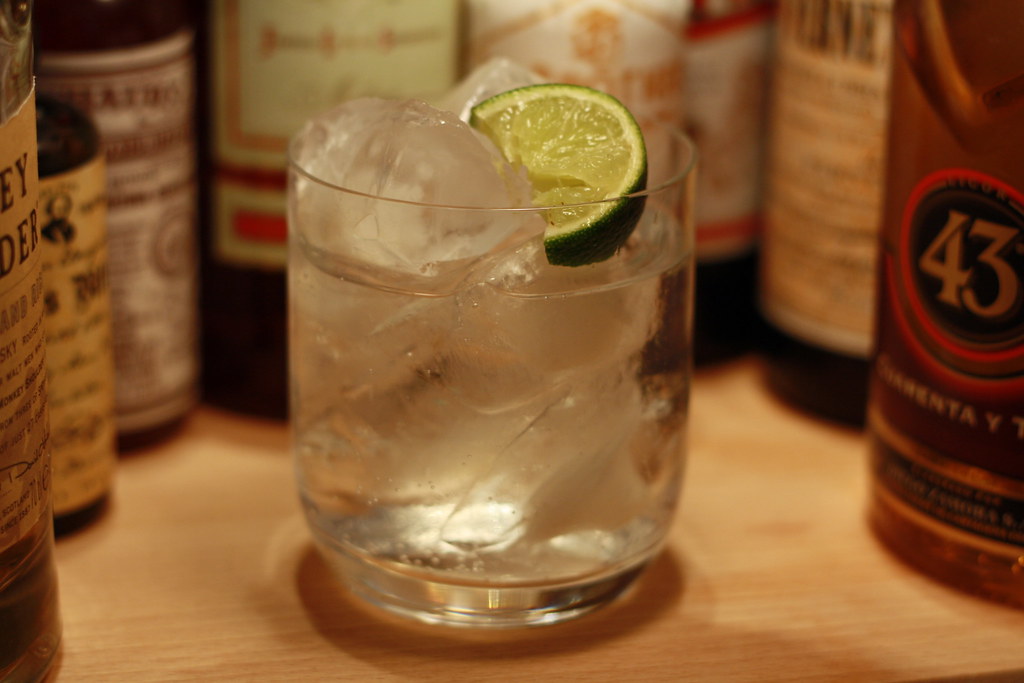
My favourite drink - Probably coffee. Surprised, well its what I drink most of the time. I do like a glass of red wine and certainly gin and tonic. In fact, the more of those I have, the more I consider gin and tonic to be my favourite tipple.

My favourite food - It has to be roast chicken dinner. My wife makes the best roast potatoes ever. Give me a roast anytime

My favourite place to eat - Funnily enough at home. I’ve been lucky enough to eat in places all over the world, South Africa, Hong Kong, Mauritius, West Indies, and Europe (too many places to name). I’ve eaten in Balti houses in Birmingham and even a Michelin starred restaurant, but you really can’t beat just being at home with family and friends

I like people who - I’m not really a people person. But if I have to choose, I like people that are genuine and have integrity. I’ve met a lot of people in my time from all walks of life and I get on with most, but there are not that many I think are genuine and have integrity.

I don’t like it when people - Are disingenuous. I don’t like people that use others to their own ends.

My favourite book - See above re: favourite author, but I have to say, The Circle runs a close second. It really resonates.

My favourite book character - Probably Paddington Bear. I get the hard stare from him.

My favourite film - Jungle Book, there's nothing like the ‘bear necessities of life’

My favourite poem - If by Rudyard Kipling. I think the poem speaks for itself, it’s worth returning to occasionally as a reminder

My favourite artist/band - Queen – Freddie Mercury. What a band and what a talent. I never managed to see them live with Freddie although I’ve seen them twice with Adam Lambert (brilliant singer). My friend introduced Queen to me in 1977, we listened to Brighton Rock on his dad’s hi-fi (that’s a music system invented long after the gramophone but before iPhone). I bought my first single shortly after,

My favourite song - Love of my Life. A Queen classic but I must admit Bridge over Troubled Water by Simon and Garfunkel runs a close second.

My favourite art - Impressionist painting is probably my favourite. Monet’s Impression Sunrise has a life about it that is difficult to describe.

My favourite person from history - Mother Theresa I think. Its difficult to tell because my only knowledge of historic people is what I’ve read or heard about in the news or history books. Mother Theresa stands out because she was from all accounts a loving caring person and had little herself.
Share this:


“My Favourite Things”: Haley
My favourite TV show - Peep Show. I recently binge watched Noughts + Crosses which I thought was brilliant

My favourite place to go -I am one of eight siblings so going to see any of my brothers and sisters (and their families) is always great

My favourite city -I prefer going to rural places rather than cities. I loved going to the Amazon Rainforest, Kruger National Park and being stalked by whales in Puerto Madryn. My favourite cities are Rio De Janiero, Cuzco, New York, San Francisco, Athens, Lisbon and London to name a few. I also live in Birmingham and love it here; I think it’s underrated as a city. I really enjoy going to music or food and drink events and being surrounded by friendly Brummies

My favourite thing to do in my free time - walk my dog, meet up with friends...have a nap. I am also obsessed with reading at the moment

My favourite athlete/sports personality - I’m not a sports person. Although, as procrastinating options were dwindling whilst I was doing my Master’s degree, I suddenly became fan of football. Apparently, the team I like the most (Liverpool) is the arch enemy team of my boyfriend's beloved Man United. I also like Wolves and Tottenham but liking three teams makes me a deviant in the footballing world

My favourite actor - Steve Carell. Especially him as Brick in Anchorman and as Michael Scott in The Office

My favourite author - still undecided with this one. Obviously, since childhood I have been eternally grateful for J.K Rowling for creating the Wizarding World of Harry Potter.

My favourite drink - Tea

My favourite food -Potatoes. Saag Paneer Balti with chips and a cheese naan bread

My favourite place to eat - anywhere as long as its with good company

I like people who - are empathetic, kind and encouraging of others

I don’t like it when people - think and act as though they are better to others

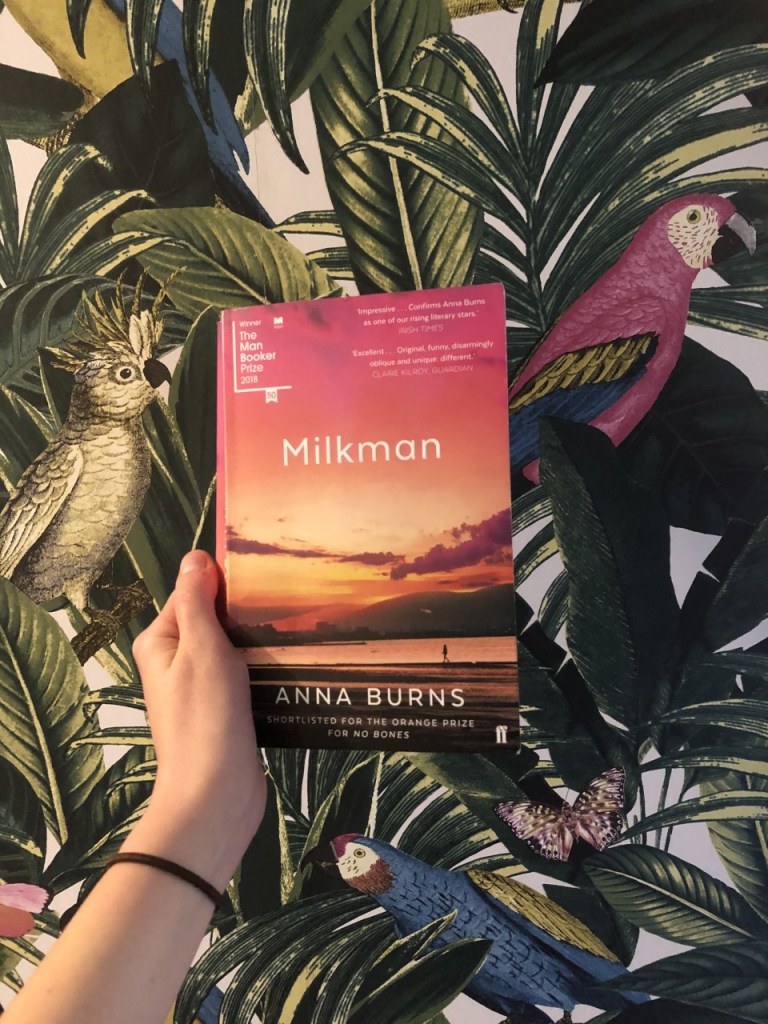
My favourite book - currently it's Milkman by Anna Burns

My favourite book character - Yossarian from Catch 22. He’s hilarious- I love his nerve and his anti-war sentiments.

My favourite film -I should be put off by the racist and misogynistic undertones within the Lord of the Rings films (and books) but I can’t help but enjoy the long adventure that Frodo and his friends embark upon. For a quick answer… Bohemian Rhapsody!

My favourite poem - I need to read more poems as I don't know of many. I do like poems by Margaret Atwood and John Cooper Clarke.

My favourite artist/band - I am sad enough to have a ‘Criminology Playlist’. It includes songs by Johnny Cash, Rage Against the Machine, Kano, Kate Bush, The Specials and Stormzy amongst others.

My favourite song - I love music that helps me to relax after a busy day at work. I love What a Wonderful World by Louis Armstrong, Pink Floyd’s live at Pompeii set, Radiohead and Hans Zimmer’s version of Bloom, Benjamin Clementine’s Nemesis and many more…

My favourite art -I was mesmerised by Picasso’s Les Meninas collection in the Picasso Museum. Banksy’s work is brilliant too

My favourite person from history - Those who contributed towards getting more rights/help for others. Only if they did this in a non-violent way, of course
Share this:


Things I Miss (and don’t) – 5teveh

I was chatting with my wife the other day about household finances in the current situation. My wife has lost her two zero hours contract jobs (I’m not sure why they call it a contract when basically it’s a one-way thing; you work when we want you to and if you don’t agree then you don’t work) and adjustments have to be made. I’m not moaning about our finances, just stating a fact, things have to change. Anyway, my wife declares that whilst she enjoys visiting coffee shops it’s not something she particularly misses. A bit ironic really as we can’t go out for coffee anyway in the current countrywide shutdown. Of course, not going out for coffee saves money. The conversation got me thinking about what I miss, and conversely what I don’t in these unusual circumstances.
In a previous conversation, a friend and colleague said he missed the chats over coffee that we’d have on a weekly basis. I too miss this, but it wasn’t just the chats but also the venue, where we were able to somehow hide ourselves in our own little sanctuary, away from what at times felt like the madness of the daily machinations of campus life.
I never thought I’d say this, but I miss the classes, lectures, seminars, workshops, call them what you will. I miss the interaction with the students and that spark that sometimes occurs when you know they’ve got it, they comprehend what it is you are saying. I don’t miss the frustration felt when students for what ever reason just can’t or won’t engage. I don’t miss travelling into work in all the traffic. At least my fuel bill has gone down, and the environment is benefitting.
I miss seeing my boys, I get to speak to them or text them all the time but its not quite the same. They are grown men now but, they are still my boys. I miss being able to see my mum, she’s getting on a bit now. Sometimes I thought it a bit of a chore having to visit her, a duty to be carried out, but now… well its hard, despite speaking to her everyday on the phone.
I miss being able to pop out with my wife to various antique shops and auction rooms in pursuit of my hobby. I’m repairing an old clock now and need some parts. Ebay is useful but its not quite the same as sourcing them elsewhere.
I miss going out to meet my best mate for a beer and a Ruby (calling it a curry just isn’t cool). We’ve been friends for over forty years now and perhaps only meet up every three or four months. We text and chat but its not quite the same.
But what I miss most of all, is freedom. Freedom to see who I like and when I like. Freedom to visit where I like and to chat to whom I like, whether that be in a coffee shop with the owner or another customer or at an auction with other bidders and onlookers. It’s funny isn’t it, we take our freedom for granted until it is taken away from us. All those things that we moan about, all the problems that we see, real or imagined, pale into insignificance against a loss of freedom.
Share this:

Classified/Wanted Ads #BlackenAsiaWithLove
JOBS
Factory seeks to promptly fill 3 vacancies for late-night, high-security, discrete deliveries. Must be available 24/7 and show evidence of advanced combat and weapons training. Veterans welcome. Preference given to diversity candidates. Valid driver’s license required. Security devices and vehicle provided by employer. Paid weekly in cash.
VOCATIONAL – FINE ARTS
Wanted: A 18-25-year-old male is needed for a forbidden love-themed pop video. This is a well-known, bleach-blond, blue-eyed country artist’s pop debut. Casting requires an exotic, biracial type with boyish looks and natural hazel/green/blue eyes. Must be skilled in street dance.
RETAIL
Designer swimwear shop seeks Guest Relations specialists for flagship shops in The Hamptons and Malibu. Must be at least 6’3”, very dark-skinned, athletic, and deliciously beach ready. Funky hair a plus! Think Tyson Beckford meets Dennis Rodman. Duties include: Serving champagne, occasional overnight travel and beach volleyball with our exclusive clientele. Seasonal packages include: On-site room and board, comprehensive healthcare, professional grooming services and uniforms from our latest collection. No speaking, reading or writing required.
SPORTS
Streetballers wanted! Did you grow up dunking basketballs in a milk crate nailed to a tree? Have you battled the ghetto’s roughest players on the court? Then the New England Groten Academy wants you! NEGA is among America’s most elite, K-12 boarding schools for boys. NEGA’s Basketball program has won 3 Boarding School League championships and alumni just built a state-of-the-art athletic facility. NEGA’s athletes also train a futuristic virtual reality environment designed by GTA creators – real streetball simulations. The program is massively popular in the community, and welcomes NEGA staff as family. Nestled in pristine Vermont, 99% of NEGA graduates go on to study in the Ivy League. So, if you’re the champ of ghetto street ball, NEGA wants you!

“Help wanted—male” classified ad, Chicago Defender
General Research & Reference Division, Schomburg Center for Research in Black Culture, The New York Public Library, Astor, Lenox, and Tilden Foundation.
December 1, 1917*
PERSONALS
Couple seeks big, black buck for ravishment and master/slave role play. We’re are adventurous, old, white, middle-aged, middle-class couple newly empty nested. You: Tall, dark, hung, handsome and comfortable acting out domestic violence scenes. Tattoos, gun wounds and knife-scars a bonus. Extra paid for prison-time served.
Turn to pages 3-7 for pretty little white girls. There are plenty of new ads from kitchens to bedrooms and boardrooms seeking supporting roles.
Next week, no more of this diversity crap.
—
Afterwards:
Stuck at home on lockdown, I have (unwittingly), more regularly engaged with much more TV. Searching for entertainment, I’m continually amazed by the permutations of harmful stereotypes. Since childhood I’ve often wondered about the labour that buttresses this trade in harmful stereotypes. In my daily role as an educator, I expose my students (and I) to myriads of ways of seeing. This piece is one response to the cognitive dissonance between the two spheres of social and intellectual instruction. Don’t worry, books still live!
*https://teachers.phillipscollection.org/artwork/help-wanted%E2%80%94male-classified-ad-chicago-defender
Featured image: https://www.newspapers.com/clip/478/emma-martin/
Share this:


Black hair defies gravity: On Emma Dabiri's #DontTouchMyHair
In my role, I get emails from students about dissertations. One such student contacted me about how she was doing her dissertation on the political implications of Black hair on Black women / girls in education. Meeting this student in early February (I won’t name names), it really got me to think about the role of Black men in how Black women see themselves. Getting that message on Instagram showed me that even as a Black person, a man no less, I don’t have to think about myself in relation to my hair. That within the Black community there is a privilege.
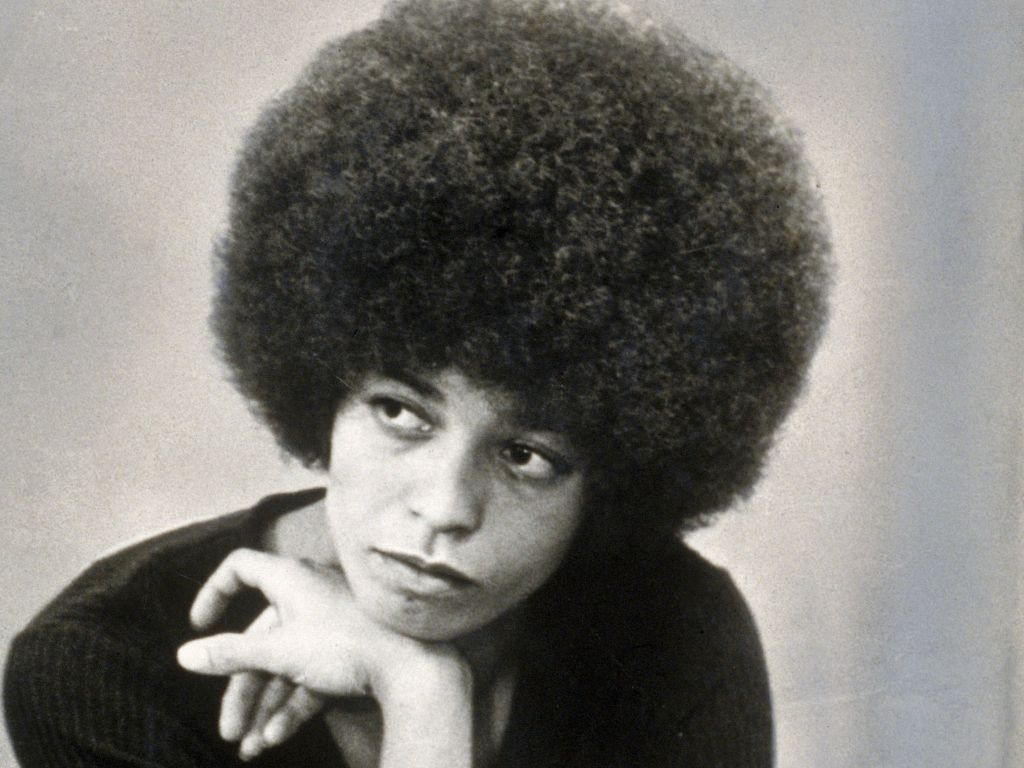
Don’t Touch My Hair by SOAS academic Emma Dabiri had been on my list for a long old time but my meeting with this student showed me I needed to fast track my reading of this text. We talked about Black hair historically, including the famous State of California vs Angela Davis in 1970 where she was on trial for kidnap and murder. Her hair out in true Black Panther fashion; whilst the FBI wanted to put her on trial, she put the FBI on trial.
Black hair is personal to Black people, especially women who I found growing up and even today working at a university with many in the student body, made to feel that it is “a constant source of deep deep shame” as said by Dabiri in her book. Having spoken to a few of Northampton’s Black female students about this, much of the criticism of hair does not come from White people (though they are also culpable), it comes from Black men whose own standards of beauty can often be European. Straight hair and lighter skin over Afro coils and darker skin.
Mixed-Race, though racialised as Black, from a White Trinidadian mother and Black Nigerian father, Emma Dabiri has tightly-coiled hair. Through Don’t Touch My Hair, she takes us on a tour of race and society; history, Black politics and White power and how they all have elements tied up together. It’s in the colouring, incl. oral storytelling, colonialism (and decolonisation), popular culture and cosmology.
Even as a youth, as one who would become a Black man, my own hair was donned “wild” and “unruly” by those who dictated what beauty looked like. I did a degree where we read books that described Black people as savages. Before we get to hair, Black bodies were shunned and hated, in: art, literature, films… going back to works of cinema like Birth of Nation often said to be responsible for resurgence of the Klu Klux Klan.
“To be white is to be human; to be white is universal, I only know because I am not.” – Reni Eddo-Lodge
“Straightened. Stigmatised. Tamed. Celebrated. Erased. Managed. Appropriated. Forever misunderstood. Black hair is never just hair.” For some their hair is part of their identity, and Black hair is ladened with history, culture, and politics. It’s a link between now and then. Dabiri details why Black hair matters in a series of chapters, from pre-colonial Africa to today’s Natural Hair Movement, as well as the Cultural Appropriation Wars.
I grew up around Black women who found solidarity in their hair. Afro hair. Braids. Twists. Dreadlocks. It was a celebration of their blackness, as was choosing to have my own hair long at school, might I add all-White private schools. For me to have my hair then was a political statement. It wasn’t until I came to University where I was introduced to young women who wore weave and wigs. Prior to that I had a childhood surrounded by people who wore it natural in the tint of shea butter and ‘Black people time.’
I ventured with White poets that had braids and dreadlocks. On one hand, I believe how can a hairstyle belong to a people? In the way of the artist, I didn’t challenge it. Why does appropriation exist? Dabiri showed why it’s so important. On the other hand, I recognised that to appropriate something as your own without acknowledgement is to steal history. She shows us that Black hairstyling varies from pop culture and cosmology to prehistoric times, to Afrofuturism (with Noughts and Crosses) and the blackness of the panther, alongside networks leading enslaved Africans to freedom.
Through her relating to the Nigerian ancestry on her father’s side, as well as the histories and stories of Black people in the United States, Britain and Latin America, she explore the history of Black hair and how we have been conditioned to relate to it. Wild. Unruly. High maintenance. Colonialism has done a number on Black people and those racialised as Black, depriving a whole people of any positive beauty standards, including hair history.
Choosing to talk positively about Black hair and changing the often discriminatory language (in itself) could be perceived as an act of decolonising, and if we are serious about decolonisation, we must look at language as well
You can tell this text was written by an academic, and true to form her sources are diverse. It was heartbreaking on my degree to have sources and texts that were whitewashed as much as race, and nearly dominated by men. As far as academia is concerned, I feel seen in Don’t Touch My Hair. That it shows people that look like me writing in their field, tying back to lack of Black representation in higher education, especially Black women.
From oral history to whitewashed British history, she points out the lack of representation and recognition of Black people in history books, regardless of their achievements in Science, Technology, Engineering and Maths [STEM]. Today, we are challenging universities to decolonise but Black students are tired of seeing themselves as stereotypes. There are other images we need to see, not just the same old same old. If Black children could see themselves as more than stereotypes, perhaps by the time they reach university they might have more self-identity as Black Britons.
Whilst this text is from the female perspective, I felt that representation. As a Black person who spent five days of every seven as a child around White people who didn’t have a clue about race issues, especially hair… I engaged with this book from beginning to end. English private schools don’t sound too dissimilar to the ignorance and racism Dabiri encountered in Ireland.
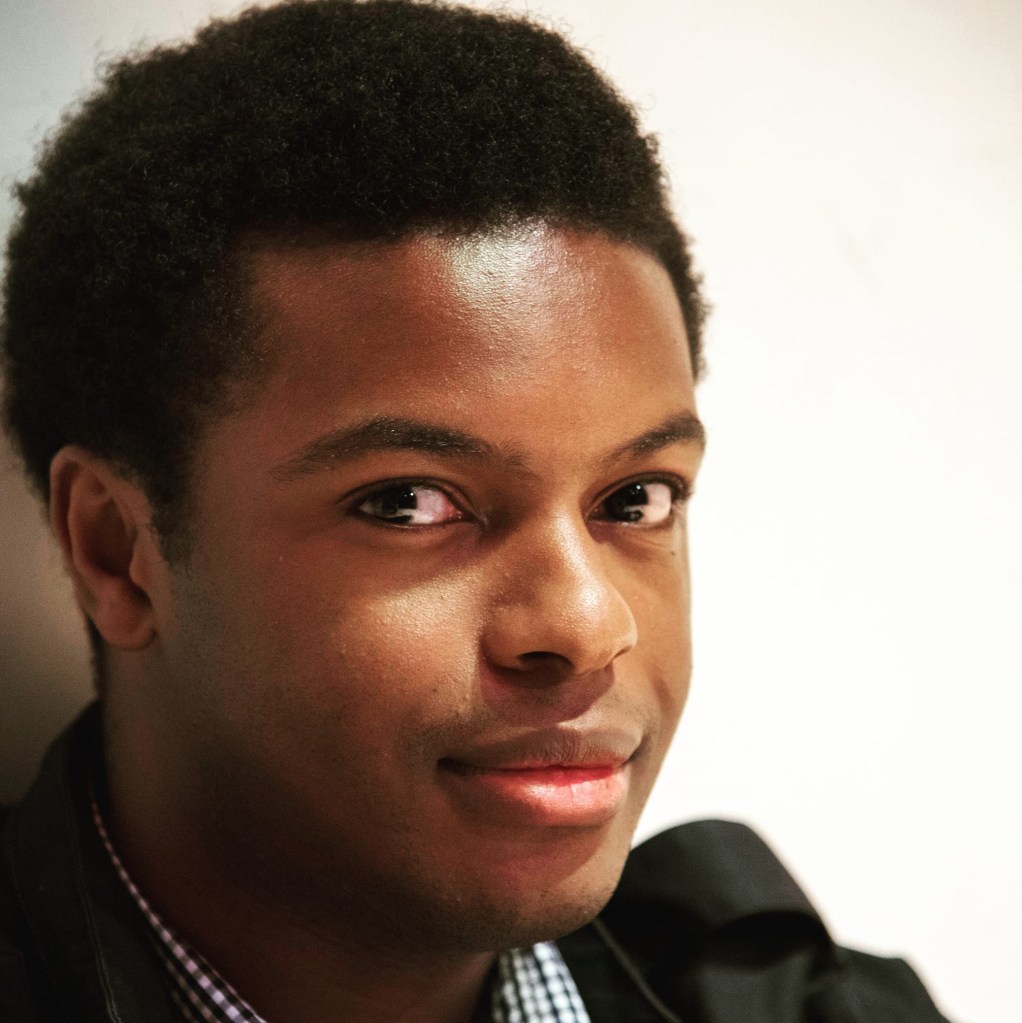
Photo Credit: Louise Stoner (2018)
As the only Black person at the schools I went to between the ages of eight and fourteen, many would find their hands wondering into my hair without consent. One of my favourite writers is Afua Hirsch. Like Emma Dabiri, Hirsch, also grew up mixed-race and wrote a book called Brit(ish) exploring her own identity, branching off into many subjects, including class.
Dabiri’s commentary on the “desire to conform” to a White “aesthetic which values lights skin and straight hair is the result of a propaganda campaign that last more than 500 years” is one I’m sure Black people everywhere relate to but will struggle to articulate. Coming through Britain’s private system, it’s one I struggled to avoid, as on more than one occasion my hair was compared to “wool” like I was Black in the war years, where they referred to “woolly-headed niggers” on British Army correspondence.
Emma Dabiri arrives at a time when the emerging generation of Black Britons are finding themselves lost in academia, writing dissertations on Black Britishness and seeing the deficit of texts that represent them – Don’t Touch My Hair is part of the revolution, and it defies gravity

 Thoughts from the criminology team