
Home » Criminology (Page 41)
Category Archives: Criminology

Things I Miss: Small Pleasures – Helen

Small pleasures mean a lot, particularly at the moment when many normal pleasures are denied to us. If I can’t meet my friends, or go to restaurants, or engage in my hobbies at least I can enjoy a gin and tonic in the bath, or a nice dinner with an indulgent dessert (it is worrying how many such small pleasures involve food and alcohol!!). The lockdown hit halfway through Lent, when I was trying to exercise some self-discipline and lose a little weight, but having been forced to give up so much I could no longer do without chocolate and snacks! I am kept sane by daily walks around the village, appreciating (until today) the glorious spring weather and the emerging wild flowers and butterflies (six different species on our last long walk). And my husband and I distract ourselves with light-hearted TV. Friday Night Dinner and Britain’s Got Talent help to define the week and we’ve been working through old-favourite box sets of Phoenix Nights and I’m Alan Partridge.

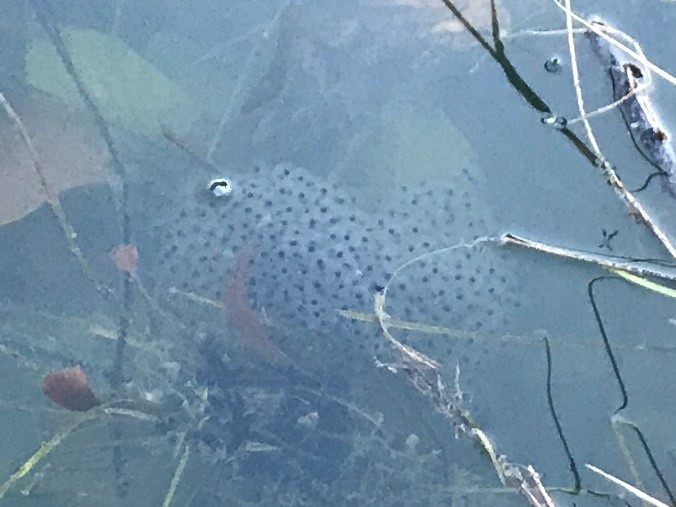
In some ways the first couple of weeks were the hardest, when the rules kept changing. After a trying morning shopping for three households in a supermarket with bare shelves, at least I could reward myself with a cappuccino on the way home (I couldn’t sit down, or use a re-usable cup, but I could get a disposable take-away). But then all the coffee shops closed. On the evening of the day the schools closed, we went for a family walk in our local forest. At least we could enjoy that. We found a pond full of frogspawn and toad spawn and took pictures, planning a science project on reproduction in amphibians. We would go back every week and check on the progress of the tadpoles. But then they closed the forest. Each new lockdown was a fresh loss.
In the “Good Lives Model” (Ward, 2002) Tony Ward and colleagues propose that all people try to achieve a set of fundamental “primary goods”. These are: life; knowledge; excellence in work; excellence in play; agency; inner peace; relatedness; community; spirituality; pleasure; and creativity. In lockdown, many of our usual means of achieving these goods are no longer accessible. However, there is evidence all around of people striving towards these goods in novel ways. The primary good “life” refers to health and fitness. We may no longer be able to go to gyms or practise team sports, but country roads are full of cyclists and walkers, solitary or in family groups, and there has been an explosion in people exercising at home, with or without the assistance of Joe Wicks! My son, who is a junior sailor, is achieving his “excellence in play” through “Virtual Regatta”, a computer game which adheres to the principles of dinghy sailing and which has provided the platform through which competitions that should have taken place can continue after a fashion.

Our local vicar is in his element providing novel ways through which his flock can achieve “spirituality”: services live-streamed from his dining room; virtual coffee mornings; resources to use at home. I’ve outlined above some of the ways in which I am achieving “pleasure” in small ways. I’m sure the current shortages in flour are caused in some part by an increase in people achieving “creativity” through baking. My son alone has clocked up two different types of pastry, two different types of scone, two fruit crumbles, shortbread and a Simnel cake since the lockdown began! We achieve “relatedness” through Zoom and Skype and Facetime: I speak to my parents much more often than I did before the crisis and my husband replaces visits to the pub with his father and brother with a weekly “virtual pint night”. And we achieve “community” through standing together on our doorsteps every Thursday at 8pm to clap for the NHS.

The Good Lives Model was developed to understand and improve the rehabilitation of offenders. It proposes that offenders are trying to achieve the same primary goods as everyone else, but lack the skills, opportunities or resources to do so in pro-social ways. They therefore pursue their goods through methods which are illegal or harmful. Traditional approaches to working with offenders have been risk-focussed, analysing their past mistakes and telling them what they mustn’t do in the future. The Good Lives Model points us towards strengths-based and future-focussed interventions, whereby offenders identify new, prosocial ways of achieving their primary goods and are equipped with the skills to do so. The focus is on building a new “good life”, with the emphasis on what they can do rather than what they can’t.
It seems trite to compare life in lockdown to life in prison (although Jonathan Freedland in last Saturday’s Guardian references ex-prisoner Erwin James who believes the parallels are strong). There are, however, some similarities to life on probation supervision or parole licence. I can’t pretend to understand how it feels to live subject to licence conditions whereby even a minor breach could result in imprisonment. But in the current situation, I have a little insight into how it feels to live according to strict rules designed to minimise risk to myself and others; rules which are frustrating but for the common good; rules which tell me what I can’t do and where I can’t go; rules which sometimes change and goalposts which sometimes move. In this climate, as described above, small pleasures are important and it is essential to find new ways of achieving and maintaining primary goods. Lockdown has given me a fresh appreciation of Good Lives and, I hope, a deeper understanding of the impact of the decisions I make and the conditions I impose.
Helen Trinder
Associate Lecturer in Criminology at the University of Northampton and Psychologist Member of The Parole Board for England and Wales
References
Freedland, J. Adjust your clocks, lockdown is bending time completely out of shape. The Guardian, 25th April 2020.
Ward, T. (2002). The management of risk and the design of good lives. Australian Psychologist, 37, 172-179.
Share this:


Rocket Scientist (Ode to those real-life really Hidden Figures all around us) #BlackenAsiaWithLove
Rocket scientist.
Let’s face it. When most of us read those words,
We ‘see’ a man in our mind’s eye.
The so-called smartest job on earth belongs solely to women men.
What if those dreams kids dreamed – of going anywhere in the world –
Also included smart women?
What if we grew up knowing that women were rocket scientists?
As much as we use the oft phrase “it’s not rocket science” to exclaim simplicity,
What if the smartest person nobody ever met was a woman?
Nobody anybody knows has ever met a rocket scientist or a nuclear physicist, but we’re all sure THESE guys represent humanity’s brightest.
What if the brightest people in the world were both women AND men?
The black women ‘behind’ America’s space race, yet, ‘one step for man…’ really did mean one giant step for man-kind.
Have we stolen little girls’ dreams?
By concealing the truth of the Black women rocket scientists behind America’s moon landing,
Haven’t we squashed those ambitions for black girls?
It’s not that Black girls are absent in Pop Culture, they’re just normally, regularly
Relegated to a few very banal stereotypes.
By praising Black Jezebels, Sapphires and Mammies above all,
Haven’t we assured everyone on the planet that the last thing a black girl could do was grow up to become a rocket scientist?
Or president of America?
One giant step for white man-kind, indeed!
Now we have an unkind thug running thangs.
Mr. Backlash! Mr. Backlash!
It’s telling that the biggest modern feminist march happened because of his inauguration.

Michele Obama as Sapphire
What if the most powerful leaders in history were women?
What if, instead of deifying generals and soldiers, and
Rather than holding the torch for sword-bearers,
What if we regarded HIS-story through women’s contributions to society?
How have women determined the fates of nations,
Irregardless of men’s war of conquest and colonization?
What if we studied those who avoided war, not just those who indulged?
Would so many world leaders be calling the Coronavirus an “enemy” that we must “defeat”?
What if we celebrated the survivors of millennia of mostly male belligerence – where
Women couldn’t even own property, let alone vote.
Let alone control their own bodies.
Who were those men and women who fought for equality even then, and
Who were the detractors?
Who were those masochists who believed God had a son, not a daughter, and
Therefore, men have divine right to rule?
What if women had written the Bible, or any holy book or writings from any world religion?
Would patriarchy so regularly be the order of the day?
I’ll have an order of patriarchy with a side of misogyny and sexual objectification for dessert!
My drink order?
Ah, give me a cup of control over every business, government, religious and labor institution for over a thousand years!
Don’t forget the lemon, this is a sour business!
Oh great, free refills!
[sigh]
Wasn’t Shirley Chisholm brave for being the first black woman to run for president?
Let’s face it, a woman running for any office right now is likely to get trolled online,
Likely to have folks write that they’re gonna rape her, so
You can imagine the hate Ms. Chisholm faced.
And oh, did I mention she was queer?
What gymnastics did Ms. Chisholm have to practice in earnest in those days?
“A woman cannot do the job of a man.”
This is a direct quote from a policeman’s wife when the NYPD integrated patrol teams back in the 70’s.
Aren’t the brave first female officers heroes?
A woman said the same thing at a 2016 Trump rally.
Aren’t women brave for running for political office and raising their voices in chambers?
[sigh]
There is no equal pay.
There are plenty o’ glass ceilings to shatter all around the world.
Yet, we take issue with this word feminist.
Feminist.
When some hear feminist, they think bra-burning,
Even though they never burned bras at the infamous feminist protest at the ‘68 Miss America pageant.
Media coverage dismissed this early feminist protest for equality as “bra-burning,” and thus the moniker stuck!
Bra-burning!
You side with anti-feminist masochists when you use that phrase.
You outta keep “bras” outta your mouth until you know first-hand what you’re talking ‘bout!
When some hear feminist, they don’t think ‘feminism’ oh, that means
‘My sister shouldn’t grow up beside me, scared of getting raped by a man in our family.’
When some hear feminist, they think ‘lesbians’.
So, feminists are lesbians, or lesbians are feminists?
What-ever!
It’s way too easy to say straight women can’t support equality in power, opportunity and access for all genders!
Seriously?!?
When some hear feminist, they think about men being oppressed.
They don’t think about the rights husbands have over wives’ bodies – marital rape is a fairly recent feminist protection.
When some hear feminist, they think feminists are ugly, jealous women.
They don’t think about the pressure to be beautiful,
Even in the age of social media where millennials show-up selfie-ready at breakfast, and
Spend half of breakfast posting about the breakfast rather than actually enjoying said breakfast.
But at least their lashes and brows are flawless!
Naw, when some people hear feminist,
They couldn’t even begin to think the amount of money an average woman spends on make-up over a lifetime, trying to make herself beautiful for the male gaze.
[Sing] “The men all paused when I walked into the room…
The men all paused and the brides held their grooms!”
You can best bet her face was beat up before she stepped a foot outside for her “burgers and sodas”.
Yes, there’s “A Meeting in the Ladies Room,” so you’d better bring your best compact, girl.
Flawless!
When some hear feminist, they think privileged white women.
They don’t think, ‘oh, my sister should have the same opportunities as me’.
Or, ‘gee, my sister shouldn’t have to worry about some creep making moves on her at work while she’s trying to feed her kids.’
They couldn’t even begin to know about the Hidden Figures.
When some hear feminist, they think men-haters.
They don’t think about all the hateful things we’ve heard our whole lives
About the dangers of women’s bodies:
Females menstruate -problem 1.
Menstruation makes females moody – problem 2.
Females can get pregnant- problem 3.
Female bodies are problematic… dangerous.
We teach this to everyone.
We teach girls to be mindful of men; we don’t teach boys not to prey on women.
We teach girls to dress appropriately; we don’t teach boys to respect girls’ bodies.
We teach girls to take a pill, almost a rite of passage, but
We don’t teach boys to grow up and research, develop and market a pill for men.
We teach girls: her power is in her sex; we don’t teach boys ‘conquering her sexually is sexist’.
Bash her!
“Beat that p*ssy up!” goes the chant of an infamous deep House beat!
You can take these lessons to the Supreme Court and still win!
So, what if we grew up knowing women were rocket scientists?
What if boys and girls grew up knowing this… taking for granted that girls were smart, too?
If this AND may such stories hadn’t been so conveniently “forgotten”
Would women have to prove themselves so much at work?
Would we be asking women how they balance a career and motherhood?
Or would we be asking dads that question just as often and effortlessly?
So, what if we grew up knowing women were rocket scientists, that
Women were excellent and disciplined at the height of logic?
What if we grew up knowing women were rocket scientists?
Would we use words like “hysterical” to mete out a symbolic hysterectomy?
Would insults like “bitch” or “like a girl” carry any weight?
Notice by adding “like a girl” to any phrase, it becomes an insult!
If women were known to excel at rational thinking like rocket science, then
Wouldn’t we then assume males are emotional beings, too?
Would there be such a thing as toxic masculinity, the irrational, natural extension of teaching kids the ‘Boys Don’t Cry’?
Did you know that by age 7,
Girls know significantly more words to talk about their feelings than boys?
If women were rocket scientists, too,
Would we still refuse to teach boys Emotional Intelligence?
Bury your feelings, boys, take it out with your fists.
Would we still refuse to teach girls that they can excel at math?
What world would we craft, if little boys and girls grew up knowing that muscle and brawn didn’t matter in the world of equality and respect we were told we’d built?
Michele Obama as Sapphire
Share this:

COVID and Me: I’m Not British But…

In the worst public health crisis since The Spanish Flu (1918), it’s safe to say that a new social contract should be drawn up after COVID, like what happened after the Second World War with Labour’s Welfare State. Yet, unlike the narratives within both world wars, this time, the actions of Black and brown people, migrants, and refugees cannot be written out of the history books. Can they?
Being in lockdown for the past eight weeks, it’s allowed me to contemplate my British identity. Before this crisis, I was at odds with my identity, and at comfort. Now, I feel that there really “ain’t no Black in the union jack”, as per Paul Gilroy’s book. When I saw headlines about whitewashing the NHS, disproportionate deaths within communities of colour and Black men being stopped by police buying food for their kids, I thought am I really British?
The last time the world went through this much disruption, fear and uncertainty was during the Second World War, and before that, during the Depression. What both these times have in common is that they wrote the actions of Black and brown people out of the narrative. Racial theories, originating from pseudoscience played significant roles in how people that looked exactly like me were treated. Black and brown soldiers, sailors and servicemen were expendable and then erased out of history. On the African continent, these people were deemed not human enough to have dignified burials like their White counterparts, they were buried in mass graves.
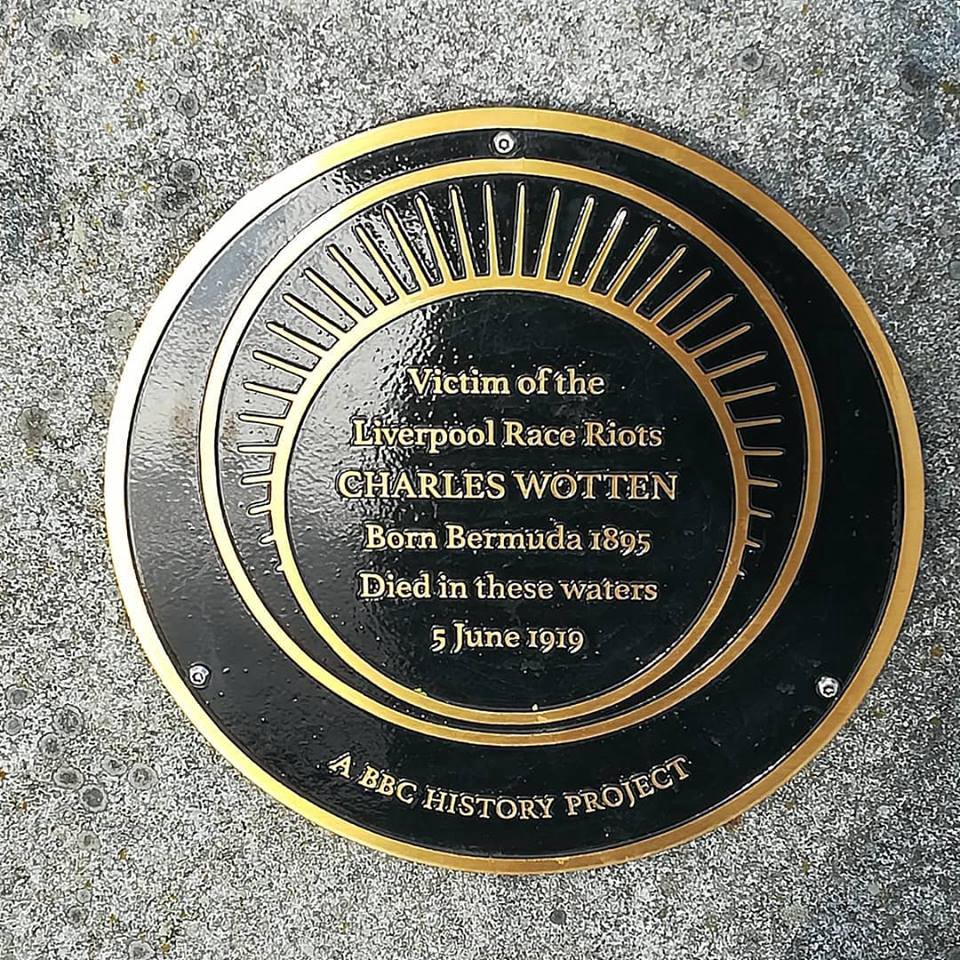
What if I told you that afterwards, in 1919 there were race riots across Britain ? And at Albert Docks, a Bermudan Black veteran was lynched in a racially-motivated attack? Charles Wootten, who fought for this country, a nation that wasn’t his own only to be treated like a second-class citizen and then murdered. And in the wake of the The Depression, Britain’s own civil rights struggle took root. Now, the utter arrogance that the UK will defy all the odds against existential threat all on its own without any help at all.

Which makes decolonisation such an interesting space, because frankly none of this is on school curricula. That in teaching slavery, we only really teach Wilberforce, not about slave rebellions in the colonies nor resistance from the White working-class in Britain. Emancipation came from the bottom up, not top down. The history is complex and class solidarity kicked the elites in the teeth. And even in that, why do we not teach class solidarity in schools? Not how the Jews and the Irish kicked Oswald Mosely out of Cable Street, or the striking women of Gunwick in [British] South Africa? Today, as I see the death rate in the UK compared to somewhere like New Zealand or Germany or Taiwan, it’s hard not to believe there’s been a mismanagement somewhere, to put it lightly. Or, bias is at play. Similar to how Churchill left three million Indians to die in the Bengal Famine (1943). His hate for Indians was notorious and the Government’s contempt for the working-class can be seen through austerity, Universal Credit and its reactions to events such as Grenfell and the Windrush Scandal, where Black British citezens have been deported.
Now, this textbook British Blitz spirit will not do in 2020. Not that Britain won the wars on their own. But today, jingoism, White ethno-nationalism and #PickforBritain sing strong and loud. This blitz spirit may have formed Britain as a nation for White people, but as a Black person my experience of Britishness is one of unbelonging being written out of the identity of this country. That in narratives of COVID-19, will the actions of Black bus drivers, healthcare staff, and teachers be erased from the history books?
In Coronavirus, I see echoes of Brexit. That we can go it alone. Yet, there are no whispers of resistance to this. Forty thousand bodies say hi. I don’t see public anger. That in Britain’s pride to do it alone, I think of the calls for British independence from the EU. Lest we forget the stories of Empire; independence wasn’t gifted, it was fought for. Haiti’s Revolution for example, after which Britain sent armies to invade the French Caribbean. An unsuccessful campaign to reinstall slavery. This moral abolitionist narrative, that we are freeing ourselves is so commonplace to the UK.

So, when I see people who look like me dying in numbers, it is a reflection to how this country started calling itself great. Stepping over the bodies it feels are inferior. People of colour. Poor people. Immigrants. Refugees. United by class. That in #PickforBritain, the industry is losing not because of Coronavirus. It is losing because of Brexit, where the majority that voted for it told foreigners they were no longer welcome here. A prejudice born from pride. Meanwhile, you are asking the public, many of whom whose ancestors toiled on those plantation death camps in the Caribbean, if they want to pick potatoes. No, Boris. I won’t. And the website doesn’t even work.
In light of VE Day and under Britain’s whole campaign in response to COVID-19, there is a story of the underdog that survives all odds, backed with popularised films such has 1917, Darkest Hour and Dunkirk. The truth of the matter is that people from the British Empire [of which I am descended], including Africans and Asians, were instrumental in Britain and the allied forces winning those wars. That here on this small island, we weren’t just some minor nation but a vast empire able to win because it had collected so many countries previous, pillaged for wealth and benefits.
After Coronavirus, Black and brown people should be at the centre of this story. That the diversity we boast about is why the NHS hasn’t been overwhelmed and the diversity we boast about is also dying at a disproportionate rate. Good manners and freedom; these are things we label with British values, which also came from Victorian values, which are colonial values. That clapping for our carers rings of a time which would not have afforded me my Britishness. Now, we are taught distorted histories which make people question the narratives of race in situations like COVID.
Knowing all this, is it surprising that today British people of colour like me are treated like “good immigrants” having to prove their worth, when the history we learn at school is a juxtaposition to how Britain is, how it has always been?
Share this:


“My Favourite Things”: Stephanie Richards

My favourite TV show - Narcos - I have always been fascinated with the story of Pablo Escobar. Narcos gives a very good insight into the corruption behind the Columbian Cartel and as a viewer you are immersed into the shocking world of drug trafficking

My favourite place to go - The theatre, I have been to see various productions. My all time favourite show would have to be The Lion King

My favourite city - I love the hustle and bustle of London. There are so many things to do. So many sights to see and it is brimming full of culture

My favourite thing to do in my free time - Shopping

My favourite athlete/sports personality - Usain Bolt, he runs with so much finesse

My favourite actor - Christoph Waltz, I like how versatile he is. From his comical performance in Horrible Bosses 2 to his terrifying role in Inglourious Basterds, he is always on point in his roles

My favourite author - Charles Dickens

My favourite drink - A classic Mojito

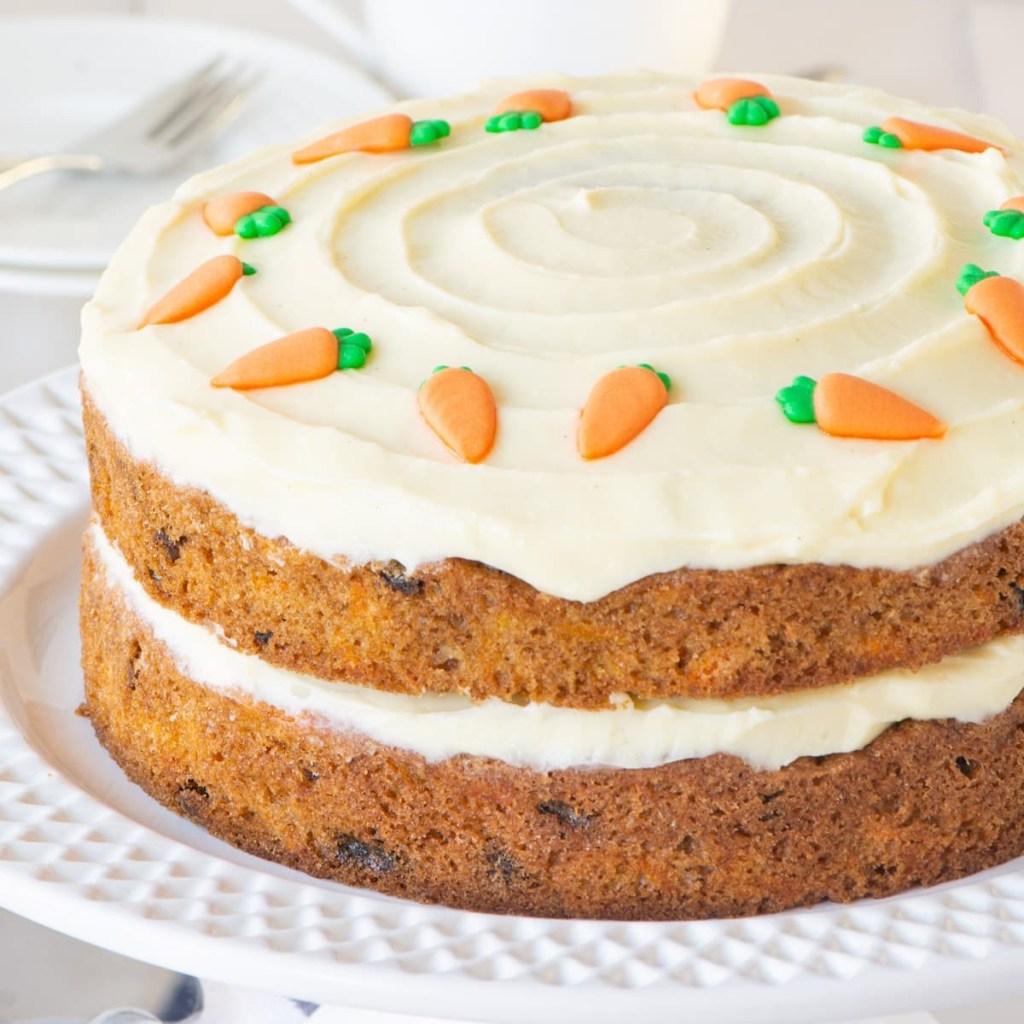
My favourite food - This is a hard decision to make as I am a real foodie. I would have to choose a classic Carrot Cake with cream cheese frosting

My favourite place to eat - Ascough’s Bistro – Market Harborough

I like people who - encourage others to do well and celebrate their success

I don’t like it when people - are jealous and sabotage others

My favourite book - Nicholas Nickleby, it reminds me of my teenage years

My favourite book character - there are too many to choose!

My favourite film - I am a big fan of 80’s and 90’s films, my favourite has to be Romancing the Stone. I love adventure films, I also love The Goonies

My favourite poem - Still I Rise by Maya Angelou, I say no more

My favourite artist/band - – I am a big music lover. I like music from all genres from Motown and RnB to Hip hop and Drum and Bass. Whitney Houston will always be my number 1 female artist

My favourite song - I don’t have one, but Chris Brown's Indigo Album has been on repeat since 2019. This album is a masterpiece

My favourite art - Starry Night by Vincent van Gogh. This reminds me of the winter nights during my favourite time of year, Christmas

My favourite person from history - Queen Nanny – she was a lady captured from the Asante people and brought to Jamaica and sold into slavery. She is an important figure in the Jamaican rebellion against slavery. She escaped the plantation she was held on and settled in the Blue Mountain region of Jamaica. There she set up Nanny town which was a free village for Maroons/ African slaves and Arawak that had escaped their slave masters. This settlement was a key element for the uprising against oppression. Queen Nanny was not only a liberator of over 1000 slaves, she was also a warrior and is Jamaica’s only female national hero.
Share this:


“My Favourite Things”: samc0812
My favourite TV show - My favourite current show is Friday Night Dinner. My all-time favourite has to be Breaking Bad, I’ve watched from beginning to end three times!

My favourite place to go - Definitely has to be the beach, I always find being by the sea calming. My favourite place in the world is Thailand. I’ve never met such happy, friendly people. Thai street food is amazing and it’s a beautiful peaceful part of the world

My favourite city - London. I have so many memories of day trips, nights out and experiences in London. Every time I probably don’t spend as much time there as I would like actually considering how easily it’s reached from where I live

My favourite thing to do in my free time - Bake. You can’t beat a home-made cake. I’ve been baking a lot lately, my children are fed up of cake!

My favourite athlete/sports personality - I’m not a huge sports fan but I have a lot of respect for Usain Bolt. I watched a documentary about his life once, his commitment to training and resilience was incredible

My favourite actor - Morgan Freeman. He always seems to choose roles well that suit him. I don’t think I’ve seen any film’s he’s been in that I haven’t enjoyed

My favourite author – I don’t think I could choose. It’s not very often I read books by the same author for myself. I do with my children though, my favourite children’s author is probably A.A. Milne or Roald Dahl because they’re classics which never grow old

My favourite drink - Chocolate milkshake… I’m not sure I’ve ever grown out of drinking chocolate milk!

My favourite food - Cheeseburgers. My friends call me a connoisseur of cheeseburgers because I eat them so much. Everyone I know asks me before trying out a new burger restaurant

My favourite place to eat - My mum and dads house. My mum makes an amazing roast dinner. There’s nothing better than a family meal, even if I do normally end up washing up at the end

I like people who - are open minded, honest and empathetic. I don’t see any reason to be anyone other than yourself. I also think the best way to learn and grow as a person is to remain open minded. As for as being empathetic, I think people show this in many different ways, sometimes it’s less obvious. I like to believe most people have some good in there somewhere

I don’t like it when people - are closed minded and argumentative. I think there’s a fine line between intelligent debate and opinionated argument

My favourite book - Since I was a teenager my favourite book has always been Junk by Melvin Burgess

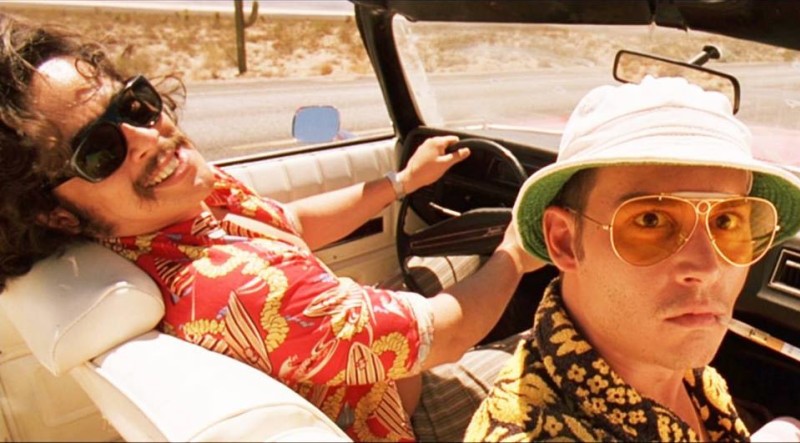
My favourite book character - Raoul Duke in Fear and loathing in Las Vegas. I find it interesting the way the character is a representation of the way the author views his life. Hunter S. Thompson was an interesting enough character without needing a fictional version

My favourite film - Interstellar. Space fascinates me. I like to ponder over the possibilities of time travel. I love that physicist Nolan Thorne was hired to make the explanation of a black hole accurate

My favourite poem -
Warning by Jenny Joseph. I read it on my wedding day. It was actually the priest who suggested it, I think he saw I was a little bit of a wild, independent woman!

My favourite artist/band - I’ve been going to raves since I was 16 so most of my favourite artists are small and less well-known DJ’s. My husband Dj’s as well, so many of them I met through him, and are now good friends of mine. I don’t think I could pick just one

My favourite song - This a tough one, I like so many genres of music. I guess if I had to choose one, it would be “The way you look tonight” by Tony Bennet because it was my wedding dance song and it always makes me think of my grandparents

My favourite art - My favourite type of art is portraits. I watched a documentary with artist Grayson Perry and he described how portraits are an interpretation of how the artist see’s that person. I like to look at portraits and imagine what I think that person is like

My favourite person from history - It would have to be Albert Hoffman. My area of research is mostly based in psychedelic medicines and drug policy. Albert Hoffman is the scientist who discovered LSD. He’s quite well-known for accidentally administering himself the first documented dose of LSD and riding his bicycle home. He was one of the first people to recognise the potential pharma psychological benefits of hallucinogens, I like to think one day modern science will make a strong enough case to revolutionise psychiatric care with substances like LSD. Although Hoffman discovered LSD in 1943 we still don’t fully understand the full complexities of how it works on the mind
Share this:

When I grow up what will I be?

Don’t worry I’ve not regressed, well not yet anyway. I was watching Match of the Day last night, not quite the usual programme, as there are no football matches at the moment. In its place was a podcast by three football legends, the usual presenter Gary Lineker (he does more than Walkers’ crisp adverts), Ian Wright and Alan Shearer. It was more like three old codgers around a kitchen table reminiscing about football than a Match of the Day programme, but it was funny and enlightening. One of the topics that arose was what made a top striker, was it being gifted or was it hard work and tenacity? I have to confess by this time I was half falling asleep aided by three gin and tonics and a large helping of pizza, but I do recall through the haze, that the three of them seemed to agree that it was a bit of both, maybe 50/50. What did make me sit up was when Shearer declared , or was it Lineker, who cares, there were a number of more talented players around when they were younger but they didn’t stick at it and, I presume fell by the wayside. So, three very talented footballers agree that hard work and tenacity has a major part to play in success.
When I was young, I wanted to be a doctor. By the age of 14, I had this firmly set in my mind. I was good at the sciences, maths and English were no problem and I was predicted to get good grades when leaving school, university was on the cards. Then the teenage years really took hold, I grew lazy, rebelled, preferred football, rugby and girls. Hard work at school sucked and I stopped working, anyway someone told me that I had to do 7 years at medical school if I wanted to be a doctor. F*** that, I thought, I want out of school now, not to prolong it by another 7 years. We were overseas at the time, so when I returned to England, I ended up going to college to complete my ‘O’ levels. I remember thinking the work was a breeze, it seemed that I had been working at a higher level at my overseas school. I found myself a part time job, occasionally skipped college classes but in general my attendance was good. I achieved 5 good ‘O’ level grades. I do remember working very hard at science as a subject (I achieved an A for that) but the rest, well you know, it just happened. English language was my worst subject (a grade C), mind numbingly boring.
So, after school, well a job in a petrol station as a cashier, it was a job, better than nothing. I do remember one of my college lecturers coming into the station and was almost apoplectic about me working there. I was better than that, I think was the gist of it. Then my family went back overseas again. I found myself a few jobs overseas and simply drifted; I could have had an apprenticeship, but we were returning to England, so not much point. On our return though I decided I needed a job, not so easy. This was the early 1980s, UB40 released a song One in Ten, I was one of those one in ten unemployed souls. Disheartening wouldn’t describe it adequately. My working mates were going out to pubs and clubs and eating kebabs after to soak up the alcohol, I couldn’t afford a kebab, let alone the alcohol and you don’t meet girls on the dole queue.
I always had a hankering to join the Royal Navy, probably fuelled by the fact my grandad had been in the navy. I liked the idea of being an engineer, so I went along to the recruitment office and eventually turned up for an entrance exam. I failed, maths of all things. I remember sitting there and panicking whilst trying to do equations and fractions. Basic stuff that I’d breezed through at ‘O’ level. Nobody told me about preparation, and I didn’t even think about it. Why would I, up to that point I really hadn’t had to work hard at anything other than my science subject at ‘O’ level. Reality hit home. I signed up for an A level maths course at college – free to the unemployed. I wrote to Whitehall to explain how well I’d done in my entrance exam apart from the sticky little subject, maths, but pointed out that I was doing something about that. I didn’t want to wait the usual statutory year to retake the exam and I wasn’t disappointed; they wrote back stating I could take it in 6 months’ time. Someone obviously thought this boy’s got a bit of gumption. But six months of unemployment is a long and depressing time. An advert in the local Sunday newspaper caught my attention, the police were recruiting. I applied and found myself in a career that was to last thirty years. Not something I planned or even wanted.
Maybe that’s when the hard work and tenacity started, I don’t know. Maybe it started when I was driven by the desperation of being unemployed. One thing I learnt though is that sitting on your backside and drifting along doesn’t get you anywhere. Having a gift or intelligence will not in itself get you success. Only hard work and of course, that all important thing called opportunity, helps to garner something.
The recruitment process for the police wasn’t the same as it is now. Maybe I should leave that for another blog.
Share this:

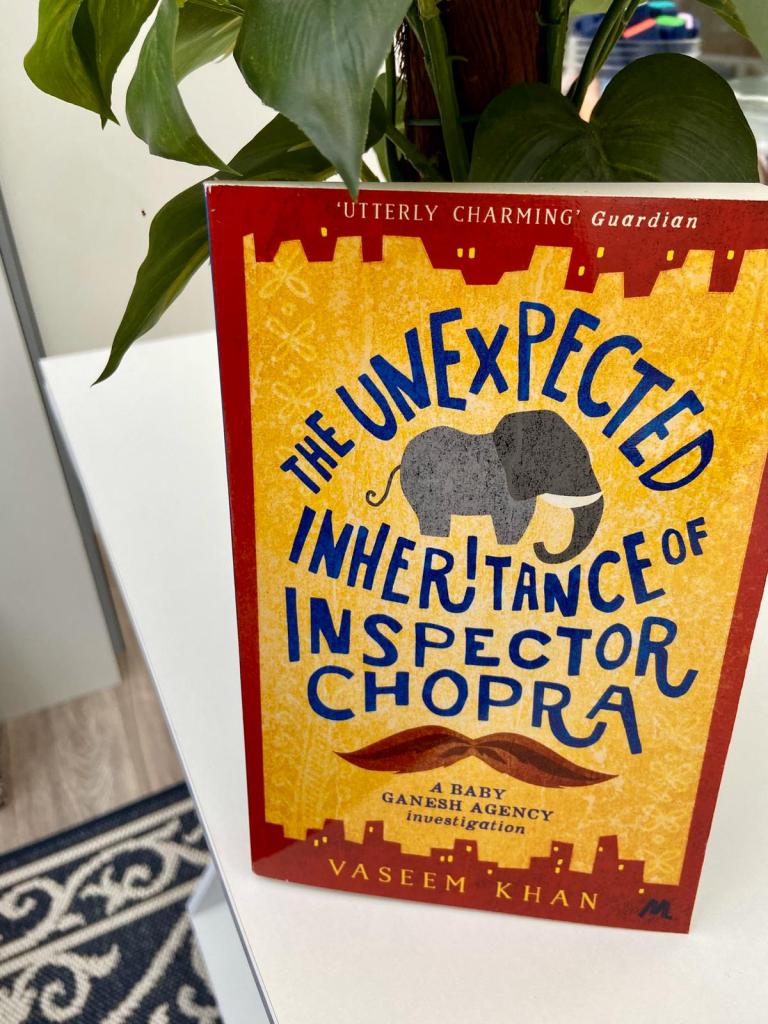
#CriminologyBookClub: The Unexpected Inheritance of Inspector Chopra
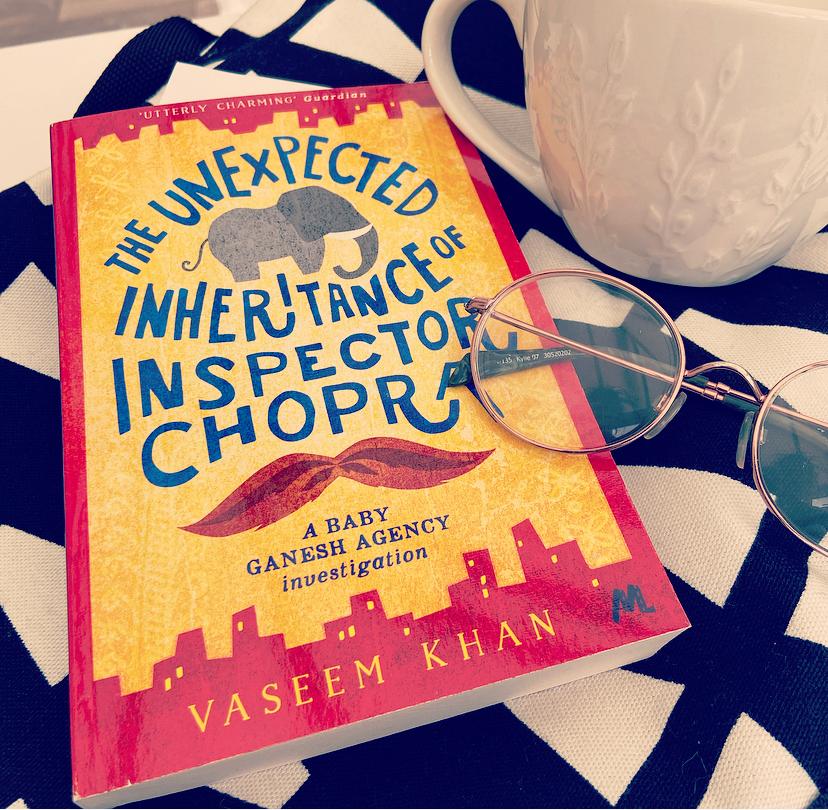
As you know from our last #CriminologyBookClub entry a small group of us decided the best way to thrive in lockdown was to seek solace in reading and talking about books. This blog entry is very different from any other we’ve published before, in that it has seven bloggers contributing! There is a very good reason why and that is because @manosdaskalou managed to choose a book that delighted all of us, and believe me, that is a challenge for a group of bibliophiles. Without more ado, let’s see what everyone thought:
“The second book of book club was a huge success- excellent choice @manosdaskalou! The Unexpected Inheritance of Inspector Chopra by Vaseem Khan was delightful! Whilst fulfilling all the ‘usual stuff’ associated with a crime novel, it also adds a layer of fantasy and wonder which is usually alien to crime fiction. As I raced through the novel, falling in love with characters- Poppy is kick ass, the complete opposite of drippy Carol (The Yellow Room) and safe to say I now want a baby Elephant; I was transformed into another world, something which crime fiction has never done for me before. It brought back feelings of nostalgia and memories of reading David Eddings and Derek Landy in the summer after GCSEs, when life was simpler and full of joy! A wonderful, intriguing and mysterious crime novel with a hint of fantasy, pulling you away to a different place. An enchanting and wonderful read which blends serious social injustices and issues with mystery, suspense and humour- I cannot wait to see what Inspector Chopra and Ganesha get up to next!”
@jesjames50

“The problem with writing a mere paragraph for a blog about a book that I really did enjoy is that I fear I won’t be able to do it justice. The story, well I’m sure others might tell you what the book is about but, if you want to know, really want to know, read it. Rarely can I say that I couldn’t wait to finish the book and yet didn’t want it to finish. The characters come to life, especially the elephant, in a way that makes it seem almost real, but not quite. The story moves on at a fast pace and yet has a steadiness to it. There are surprises along the way and, yet they are almost expected, it was always going to be that way. Within the narrative there is a demonstration of what we know to be good in humans and, yet it encompasses so much of what we know to be bad. How then can I have left the final page, sad that the book was finished, but uplifted by the narrative and almost salivating at the anticipation of reading the next in the series? The plaudits on the cover don’t do it justice, to answer my question, all I can reiterate is that you have to read it to understand.”
@5teveh
“When I first received this book, I was a bit sceptical, as I did not know how an elephant was going to be incorporated into a detective crime novel. However, I was pleasantly surprised. The first book in the series was a delight and a much-needed escape in these uncertain times. This book captured my attention very quickly and whisked me off on a colourful, picturesque adventure to Mumbai, with the amazing inspector Chopra and of course the star of the story, Ganesh the mysterious baby elephant. The book introduces you to an interesting plot. At first you are made to think that the focus of the book will be on Inspector Chopra investigating the murder of a young man. However, you are quickly introduced to the wider issues that sit at the heart of social and economic challenges present in India. Without leaving you glum, the book has a nice balance of crime and mystery, coupled with humour, great food, wonderful scenery and lovable characters. I liked this book as it was unique to any other books that I have read. I am looking forward to continuing the Baby Ganesh Detective Agency series.”
@svr2727
“Vaseem’s novel had me from to get-go. Set in bustling Mumbai this novel has more depth than the usual “whodunit” scenario. This book is a criminologist’s dream, as yes, we all find out who did it in the end, and yes the case is also solved but there are also issues of poverty and corruption to contend with. The story would not be complete without Ganesha the elephant who makes solving the case possible (and survivable). Ganesha goes through a lot in the story. From being depressed and chained up outside an apartment complex, to being mistakenly left to drown during heavy rain and fed chocolate. Despite all of this, Ganesha is often the hero of the hour, so for me the book symbolises the true greatness of animals: We do not deserve them.”
@haleysread
“I really enjoyed this book. It was great to lose myself in a different country and culture and to meet so many relatable characters there – even (especially?) the chocolate loving elephant! I can’t wait to find out what happens next…”
@saffrongarside
As well as having the joy of reading The Unexpected Inheritance of Inspector Chopra, we also had the very unexpected pleasure of welcoming the author Vaseem Khan to our book club meeting today. To be able to hear about Vaseem’s motivations for creating the colourful world in which Inspector Chopra and Ganesha work and play was fascinating. The opportunity to ask questions was fantastic and we’d like to say a big thank you to Vaseem for allowing us a peak inside his world of writing. It is now easy to see where Inspector Chopra gets his generosity of spirit from. And now we’ll leave the final word to @manosdaskalou….after all he did choose the book 😉
“What does a gang of criminologists do at lockdown? We read crime books and talk about them. On this occasion The Unexpected Inheritance of Inspector Chopra was a welcomed distraction from reality. The book introduces the retired inspector with a very unusual sidekick! The retired inspector is a very honourable, incorruptible professional whose investigation will bring him in conflict with the criminal underbelly of Mumbai. The retired inspector is not fazed, and he is determined to carry on regardless. The investigation takes inspector Chopra around the city; which gives the reader a unique opportunity to get to know a metropolitan megapolis.”
@manosdaskalou
Share this:


Things I Miss (And Don’t) – Bethany

I was inspired by @5teveh’s post about what things we may be struggling to be without, as well as what beauty we are finding in this new way of living.
I think it’s easier to start with what I don’t miss, which like many I am sure, is commuting. Some days I can commute a total of 3 hours round trip, and I am not even doing a lot of miles, but traffic is just bad. That’s 2 I guess, commuting and traffic. While I am at it, I don’t miss the things that go along with a long journey, such as trying to make up for the time I feel I’ve lost or, to be honest, thinking about my journey – that in itself can be a burden.
Me time! now, this isn’t a strictly-miss/don’t miss but rather something I have gained more of in the lockdown. Like us all, we have more time to ourselves, which for me has meant more time for reading. I tend to read every day anyway, but with the added time I’ve managed to devour 10 books in my 4 weeks of lockdown.
I am lucky that I am not in lockdown alone, I have my partner and my beautiful dog, who luckily is so small she doesn’t need frequent walks. However, this leads me on to what I miss. I miss walking freely with my partner and the dog, deep in the countryside, saying hello to other dog walkers and letting the dogs play, walking with friends and family and chatting while taking in the fresh air. This is one of my favourite things to do. It clears my mind and I miss it every day.
As mentioned above, but also like everyone, I miss my family, I do not live that close to my family, so when I visit them or they visit me, it’s a real occasion, for which we have planned what we will do, where we will eat and when the next visit will be. Not knowing when this will be is the hardest.
I think I echo others when I say that I miss the freedom and miss having (or at least the feeling of having) some control. I am aware of my privilege, I know the lockdown can bring the worst out of us sometimes, we moan about things that can seem trivial, especially when others are suffering more. I feel guilty, more than I did before I was forced to think about it every day. I miss not feeling guilty that I could be doing productive things like others, like filling every second with yoga (never done yoga before- why now?) or some other new activity.
The lockdown has made me think more simply, think of things day by day, there is joy in that, but I also take joy in picturing the moment where it all feels a bit better, I don’t think that will be the day the lockdown ends, but in months maybe, where I’ll be on a walk amongst the trees, with my favourite people and my favourite dog.
Share this:

Angie Smallwood thought we were bank-robbers #BlackenAsiaWithLove
Thus far, this has been the only time someone has called the cops on me – excluding those late-night noise violations at university for my 21st birthday parties. Plus a few routine traffic stops back home, two of which involved routine racial profiling. I’m lucky. There are far too many stories when these police encounters didn’t go well.
What if Ms. Angie had notified the guard, and he’d then decided to take things into his own hands? What if the police had come in pointing guns as they are want to do? What if my mother weren’t clasping tightly to my hand – as far as they knew – a senior citizen in need of (their) protection, a long-time customer of the bank discussing the mortgage on my grandparent’s old house? I have to wonder about these possibilities, to be sensitive and aware :-(. To be Young, Gifted and Black :-).
Dead giveaway
Like Charles Ramsey, “I knew something was wrong” when I saw two cops circle the bank and enter from two different directions. They weren’t there for banking and there weren’t any other customers. This was hubby’s (then boyfriend) first visit to my hometown, so I’d explicitly warned him to sit down while we waited in the lobby for my mother to handle her business. It was a small branch, yet still, like many banks at the time, the safe sat wide open, as if for inspection. Hubby was hovering. I even gave him change so he could get a lollipop from the charity pot sitting on several teller stations. You’d think someone would come over and offer a tour.
I had entered the small office once or twice. I greeted the agent speaking with my mother, then let momma know where we waited. Meanwhile, hubby insisted on wondering around – he’s generally restless. He was looking at all the posters promoting the bank’s services. Incredibly high-interest rates! Few savings options! He’s fascinated with the levels of credit exploitation permitted in America; the average German has net assets while most all us Americans have debt! He couldn’t even understand how a nation would let its population not have access to a basic bank account – as a right. He measured everything by good German standards.
How do people in America live with such instability! At that time, all this was totally foreign to him. At least in our neighborhood most folks were homeowners, so hubby and I understood one another on that. We’d both grown up taking care of our family’s homes and helping the neighbors. We’ve mowed many a lawn and trimmed many a hedge. We still do now.
“Me and my boyfriend,” the new Bonnie & Clyde
Angie Smallwood’s branch has now closed. After being heavily frisked, ID-ed and having the car license plates checked, the manager told us that Angie Smallwood had been involved in “5 or 6 armed robberies.” He explained – in that managerial tone where you know you’re being handled – that Angie had become suspicious because of hubby’s foreign accent. I found that part hilarious and yet most plausible then and there, in Louisville, KY. In spite of their constant romanticization of their European roots, they couldn’t communicate with one actual F.O.B. standing right in front of them. As a European, hubby needed this education about his own whiteness.. He even came up with his own phrase for the phenomenon “those are not my white people.”
I suppose the manager was suggesting that Angie Smallwood was trigger happy. Or, perhaps he was just trying to elicit our sympathies. It’s not as if we were going to cause a scene, the cops were still standing menacingly by. Of course, my husband blurted out why they’d placed someone so traumatized on front desk duty anyway? I am also not certain if they expected my mother to continue her business with them, or if they even cared, but the cops did ask hubby and I to leave – as if my mother was just going to go back inside. At least the manager could have apologized to my mother. He could not.
“Like I said, we just got a call about a potential crime.”
What if my mother didn’t have outstanding credit, or relationships with other banks, and therefore didn’t have other options? Angie’s antics would have just ruined that. This was the most disrespectful part – their staunch, comprehensive reminder that there’s systemic power behind their individual prejudices. Their silences. My silence.
My silence: I had already policed myself. I dressed for success, sat calmly in a visible area, not made any noise and not touched anything save for the flyer next to me on the table. I used my best diction and inside voice when I made sure to smile and greet every staffer I could see. I showed them my teen as if to announce “I’m not a threat.” If all that hadn’t disarmed them, it occurred to me – yet again- that they could not be appeased.
No level of respectability would protect me in public – we were all a part of a system, and as far as they were all concerned, everyone was just doing their job. Imagine, not only could the cops not offer any apology, they couldn’t even stand down from their hostile posture and tone. I actually felt sorry for them – as big, armed and trained as they were, they acted threatened by us!
At the time I thought they’d refused to de-escalate the situation, perhaps pride? The cops had no kind words for my mother whom they’d found out was there on legitimate business. Naw, they escorted us outside and menacingly watched us drive away. Sometimes I feel that even screwball ‘Police Academy’movies from the 80’s showed more emotional intelligence than that.
Though hubby usually drives, momma insisted that she take the wheel under the cops’ eyes, worrying they’d then challenge the foreigner’s right to drive. Yet, now I’m convinced they couldn’t have de-escalated the situation. Cops’ weeks of training doesn’t routinely include conflict resolution. They don’t know no better. They just got a call, and so they could no longer be human.
Educate cops. Arm them with de-escalation tools so that the public sees their power. Arm cops with non-violence so that they model this behavior for our society. Teach cops to be able to identify emotional distress as much as any professional would. Don’t let a weapon be their only peacemaker.
Share this:


From Poplar to Grenfell, and the lands between
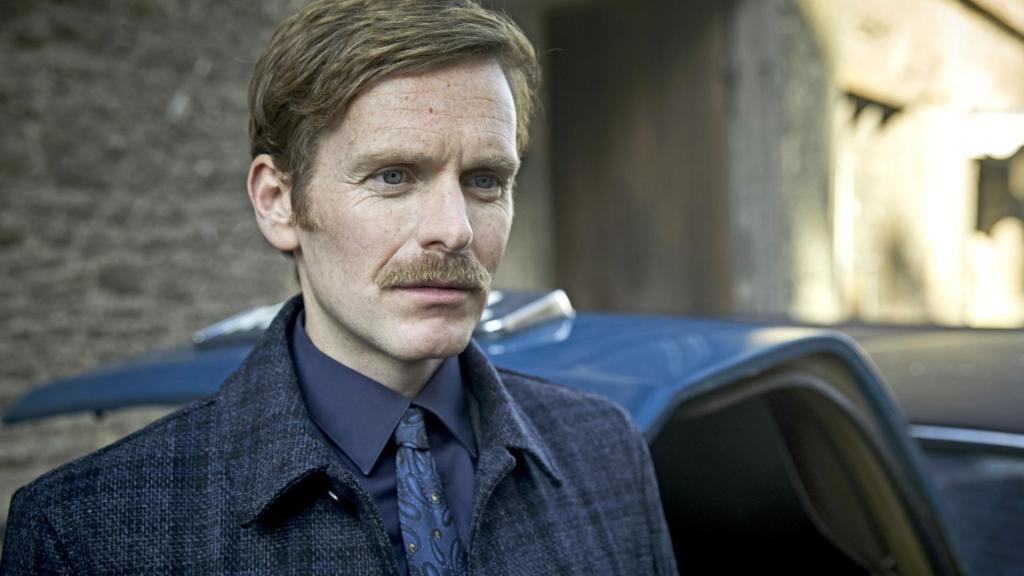
In a previous blog post, I commented how the Period Drama is my favourite genre to watch. This year, it was interesting to see two of my favourite series talk about tower blocks. As we reach the third anniversary of Grenfell , I saw both Call the Midwife and Endeavour comment on how these tower blocks were optimistic schemes. As the tower blocks multiply in the London East End, a new society rises. Meanwhile, in Endeavour a tower block collapses in Oxfordshire (quite like Ronan Point in Canning Town: London, 1968). Watching both these shows, we know how this story ends, in ashes; poor people, immigrants, refugees, Black and brown people, people with disabilities as victims of the Grenfell Tower fire.
It is also tragic to see that in the stories of tower blocks in both series, there is also a Black history that goes beyond the show. In Call the Midwife’s ninth season, we encounter a patient with Sickle Cell, common in those of African descent. “The population around here is changing, I have to be prepared to deal with new things” says Dr. Turner. The arrival of the Windrush Generation, tied with the baby boom brought challenges for the state. Where would they house people? People in a society where Enoch Powell feared “the Black man would hold the whip hand over the White man.”

In Endeavour, the Cranmer House collapses, which may be inspired by the true-to-life incident of Ronan Point, a tower block in the Canning Town district in the East End of London. Ronan Point partially collapses a year and half before the events of ‘Degüello’ in the sixth season of Endeavour. In London, there were four fatalities and an additional seventeen were injured. Initially said to be a gas explosion, like at Cranmer, it was later deduced that Ronan Point’s collapse was due to structural deficiencies. Laws were eventually changed in hope of preventing incidents like this.
Though, that did not help those that died at Grenfell, where seventy-two (that were accounted for) lost their lives on June 14, 2017, including still-born Logan Gomes after his parents escaped the tragedy in the south-west of London.
However, this episode of Endeavour must be one of my favourites of any show I have seen. Not only for its sociohistorical significance, but for its ability to tell a story with excellent pacing in a way that I only really see in journalism films, such as The Post (starring Meryl Streep and Tom Hanks) Not at any moment is this boring to watch (nor is the entirety of the series). Each episode of Endeavour plays out almost like a film noir. Especially ‘Degüello’, which makes me think of Roman Polanski’s Chinatown (1974).

When a librarian is murdered at Oxford’s world famous Bodleian, DS Endeavour Morse and DI Thursday have no leads but a pair of muddy boot prints. With both suspects having motives, Morse explores into their pasts, showing bribery and corruption at the highest level, including links to Cranmer and the murder of their colleague DC George Fancy. In its ninety minutes, ‘Degüello’ is pure edge-of-your-seat drama. It must be one of my favourite season finales of all-time. And that is high praise, indeed.
Early on we already begin to see the cracks in Cranmer. Quite literally. When tragedy strikes, it is up to Morse and company to find the survivors in the rubble of what was supposed to be an optimistic look at Britain of the future. Watching shows set in the 1960s, it’s eerie to know how this story ends (if it has ended at all). In this time of Coronavirus we are in a country with a 30,000+ death toll, many of which could have been prevented. The same can be said with Grenfell, where stakeholders seemingly cut corners to save money and at least seventy-two people unnecessarily lost their lives.

With these two shows set in the same time period, both with commentaries on tower blocks (CTM’s being a looser narrative), we in the present have the gift of hindsight. Yet, with Grenfell we continue to make the same mistakes. If they are mistakes at all. Did the state’s contempt for the working class begin with Grenfell? No, just look at Charles Dickens novels, or how the characters of Wuthering Heights treat Heathcliff who Mr Earnshaw brought back from Liverpool. These are works of fiction, but how fictional are they? Art imitates life, but when life starts imitating art is what scares me.
For centuries, those that have, have always treated those that don’t with disdain. Whether that’s the actions of the British Empire; or the use of child labour (see the Factory Act, didn’t do much). Or the Mines Act (1842) prohibiting girls and women working the mines. Nonetheless, today’s progress on equalities, including the Human Rights Act (1998) would also dictate that the Factory Act (1833) as not fit for purpose, with age ten as the minimum age for boys to work the mines. English common sense indeed!

How fictional are the stories of Dickens, the Bronte Sisters, or Thackeray’s Vanity Fair that comment on class? With the ongoing investigation into the Grenfell Tower tragedy, how will the history books look back on it, in say a century? What about the Windrush Scandal? In the ‘Case of Jarndyce and Jarndyce’, in Bleak House, it ends with nobody getting anything. Years of legal fees and legal jargon that nobody understands. Both Call the Midwife and Endeavour show characters at the mercy of systems. A London tower block black as coal doesn’t discriminate but institutions do, systems do.
When you run Grenfell, Ronan, Cranmer, or even the Coronavirus pandemic parallel to British history, is it really surprising that the state is cutting corners, readily throwing society’s most vulnerable, including the poor, under the bus?

 Thoughts from the criminology team