
Home » Criminology (Page 40)
Category Archives: Criminology
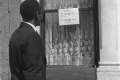
Deniable racism: ‘I’m alright Jack’

Photograph: Bill Orchard/Rex/Shutterstock
I heard on the news a week or so ago that an investigation by ITV news had found that the majority of NHS Trusts have not completed full risk assessments on BAME staff. Considering that BAME groups are impacted disproportionately by COVID-19 I have to ask why? And, probably more importantly, now that the issue has been raised, what are the government doing to make sure that the risk assessments are carried out? Since I heard about it I’ve seen no response, so I guess I can answer my own question ‘nothing’.
But then maybe I shouldn’t be surprised, I read an article on Racism and the Rule of Law and you can’t but be appalled by the number of recommendations from various inquiries and reviews that have failed to be acted upon. The problem is that the action requires more than just the eloquently spoken or written word; to put it very bluntly and maybe crudely, ‘put your money where your mouth is’. It is easy to state that this is wrong or that is wrong in our institutions, the term ‘institutional racism’ trots off the tongue, seized upon by the wronged and more worryingly banded about by the societal racists of the elite who are only too willing to blame someone else. In thinking about this I wonder whether when we use the term racism, we are all talking the same language. The ‘deniable’ racism is easy to identify, ‘we don’t use that sort of language anymore’, ‘we no longer put those signs in our windows’, we have laws that say you can’t act in that way. ‘Actually, I’m not a racist’. But the statistics don’t lie, they can be bent, manipulated to some extent to favour one argument or another but there are some very basic inescapable facts, BAME groups are over represented in the wrong areas of our society and under represented in the right areas. And most of this I dare say does not owe itself to ‘deniable’ racism, it’s more than that, it’s embedded in our society, it’s not institutional racism, it’s societal racism and it’s hidden. The problem with societal racism is that we only see the positive attributes of people that are like us and we promote those that excel in showing those attributes. Hence, we have the elite in business and government that are not ‘deniable’ racists but nonetheless are the epitome of, and lead a racist society.
I want to return to the idea of ‘putting your money where your mouth is’ mantra. They say money makes the world go around, I’m not sure that is entirely true, but it certainly goes a long way to getting things done and conversely the lack of it ensures that nothing happens or in some cases that good things come to an end. A prime example is the austerity measures put in place in 2010 that saw budgets to government agencies and funding to councils cut significantly. Those that suffered were the most deprived. Even worse, was the fact that funding for youth projects in inner cities suffered and those initiatives that were aimed at reducing violent crime amongst young people ground to a halt. Policing saw huge cuts and with it the withdrawal of neighbourhood policing. This link to communities was severed and any good work that was going on was quickly undone. That doesn’t explain all that is wrong with policing, but it certainly doesn’t help in building bridges. Who in their right mind would embark upon fiscal policies with no regard to such outcomes, our elected government did. If we think now about the so-called return to normality post the Covid-19 pandemic, which caring company or institution would suggest that the most impacted by the virus should continue or return to work, or study, or any other activity, without considering their specific risks and needs? Probably those that have more concern for the bottom line than peoples’ lives. ‘I’m alright Jack’ comes to mind or at least I want to make sure I am.
In thinking about policies, procedures, risk assessments or recommendations, managers have an eye to finance. In the NHS, the day to day business still has to happen, in policing, incidents still need to be attended to, so where is the money to do the extra? Everything comes at a cost and every recommendation in every review will cost something. The NHS risk assessments will cost money. The question is whether government and all of us in society really believe that ‘black lives matter’. If we do, then then it’s time to acknowledge the type of society we live in and who we really are and for government to ‘put the money where its mouth is’ so that the recommendations can be acted on. Or of course, we could just have another review and ‘Jack’ will do very nicely out of that as well thank you.
Share this:


Watching while Black. #BlackAsiaWithLove
One of the most surprising conversations to have emerged from the BLM protests is representation. On the news outlets I follow in my liberal bubble, items around the protestors’ demands led to implicit bias, and the media cited as a primary arena for such instruction. Chomsky, as we all know from his Propaganda model, contends that it’s media’s “function to amuse, entertain, and inform, and to inculcate individuals with the values, beliefs, and codes of behavior that will integrate them into the institutional structures of the larger society.” Consent to white supremacy is what’s being manufactured here. Whether the nightly news or the entertainment, deconstructionists have long since called out the white supremacist propaganda. We know that the propaganda is a comprehensive representation of the dominant hegemony, what bell hooks describes as the white supremacist, capitalist, patriarchy.
Ain’t your momma on the pancake box?
 Aunt Jemima, gone! Uncle Ben! Gone with the Wind, swept away! Representation matters. These iconic images survived an era when white supremacy was on parade – literally- the height the K.K. Klan marches and minstrelsy. We know NOW that these images were based on racist stereotypes. And thankfully that analysis has extended into the modern day: They canceled Cops, and are going after entire franchises of cop dramas that have busily perpetuated racist propaganda.
These TV shows are all chock full of Black criminality, Black Best Friends and white saviors! And they’re lovely. Consider the Law and Order franchise, which is comprised of over half a dozen different shows, including the longest-running cop drama ever, L&O Special Victims Unit – sex crimes! Activists writers and cultural critics are popping up everywhere discussing this mess. Jim and Jane Crow must be shaking in their boots.
What’s interesting, and feels unique about this particular moment is the earnest effort with which emotions are confronted. This includes terror and rage. The grief with which Black people watch reels of Black bodies falling is horrendous. We’re over a decade into massive social media saturation, so it’s safe to say, you can see a nigger die daily – looped if you like. As Evelyn From the Internets said, we need a day off from this trauma: I’m calling in ‘black’.
Then there’s rage. Of course, it’s enraging to see no justice sought or found in the majority of these cases. What’s worse, we’re not talking about actual criminals that the law already outlaws- no one has forgotten about gang violence, like that 15-year-old Chicago girl in who caught a stray bullet in her back just days after returning from the White House where she’d performed at Obama’s second inauguration. Yes, we wept as we watched that tragic story of Hadiya Pendleton.

Yet, there’s a particular sting around “justified homicide,” by law enforcement officers. Who can we turn to for lawn enforcement? Who secures our justice? Not the United States! We’ve watched that for decades throughout many evolutions of media technology. We have Black and white photos of ET’s brutalized young body in 55. We see Rosa Parks sitting in a segregated bus that December. We have newsreels of over a decade long of different acts of civil disobedience that culminated in what we call the Civil Rights Movement. We watched Bloody Sunday in Selma, live, in Black and White TV.
We watched Rodney King get beat down by a mob of LAPD! We watched the trial and the slurs and the acquittal of his killers. So, we watched the riots a year after the police beating, and we watched as justice yet again slipped away – from Black people.
Now, in the age of social media, we can watch a live-streamed murder – such as that of Philando Castile who was shot by a cop within seven seconds of informing the cop he was legally carrying a gun! Thanks to many citizen-journalists, we see all of it, every excruciating second – each second where a sense of humanity might have intervened.
Have you taken the Implicit Bias test yet?
We’re now talking about the implications of implicit bias. In health, Ms. Corona showed us all the biases not only in treatment, but also in systemic differences in housing that impact wealth, education and, sadly health. Red Lining is real. And Corona has shown that those biases lead to our morbidity.
In corporate America, if you have a Black sounding name on your resume, you’re 50% less likely to get a callback – fact! And if you get the job, you have to deal with micro-aggressions.
From Spectacle to Spectacular
Social media has made the most mundane spectacles of public life spectacular through the lens of racism. There’s a whole hashtag, #LivingWhileBlack- that will show white people calling the police on Black people just for being ‘suspicious’ and making them ‘uncomfortable’. We know that white discomfort has led to many deaths at the hands of the police because we’ve heard the 9-11 calls, too. But, now, we can also see BBQBecky, PoolPatrolPaul, PermitPatty, HotelEarl call the police. We see a white woman in a bodega charge a 14-year old Black boy with sexual assault because his backpack swiped against her. We see that white woman calling the police on a little black girl selling bottled water in front of their apartment complex on a hot sunny day. There are loads, loads more of such incidents, now caught on camera by citizen-journalists. Under these conditions, Black sanity is a spectacular feat!
Recently, we watched that white woman in Central Park threaten to call the police and tell them a “Black man in threatening her,” and moments later, because the brother stayed calm enough to record the spectacle on his phone, we see her feign terror on the phone to the emergency services. She nearly strangles her newly adopted dog with the leash the birdwatcher had asked her to use in the first place. She was readily prepared to weaponize her white tears in a situation that she knew could end in this Black man’s death! She knew she existed in a system that would support her, yet the wider/whiter masses either refused to believe that any of this was happening, despite our consistent, collective protestations. So, here we are, locked in a battle of wills: Will the world finally affirm that BLM?
Share this:


To defeat fascism, Education must #decolonise
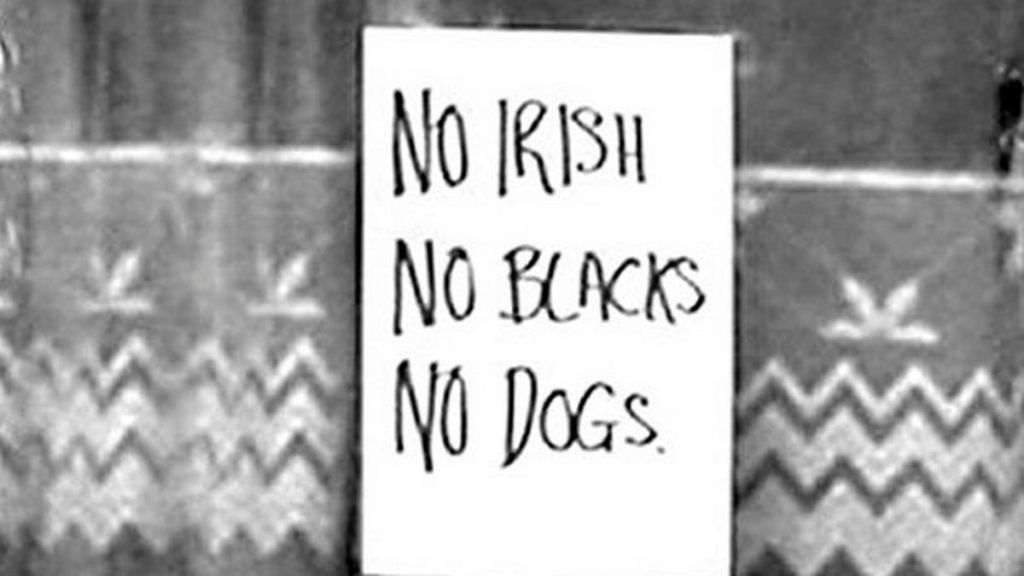
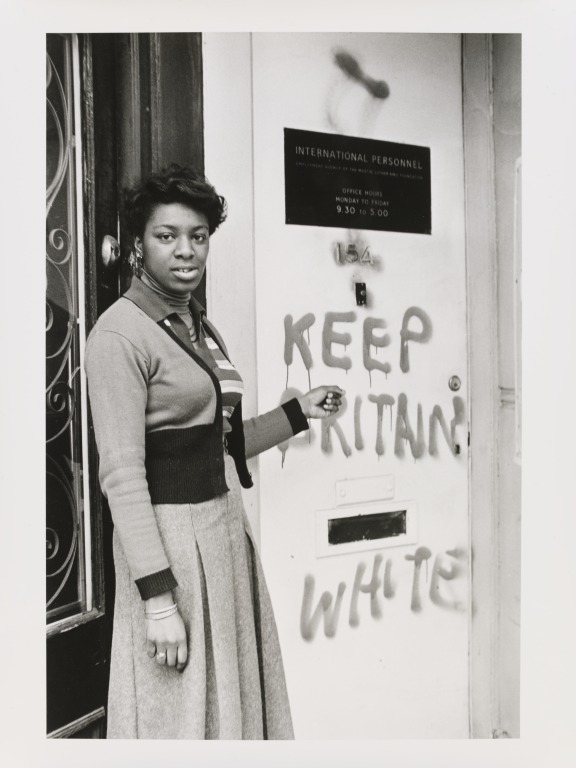
When I was a boy, growing up in Northamptonshire in the middle of England, I learned a lot of history from my own family. It was at home I learned about the cruel tenure of colonialism and the British Empire, not at school. My parents and grandparents told me of the 1960s, 1970s and 1980s and times where there was insignia to No Irish, No Black, No Dogs on shopfronts. They told me of “Keep Britain white” and Neil Kenlock’s iconic photograph. How Britain made the Windrush and their children, (both children of the British Empire unwelcome). Recently I saw This is England for the first time, and couldn’t help but feel we be might going back to an imitation of Powell, the NF, and his rivers of blood. I’m afraid. However, the difference between now and then is that today it’s everyone versus racism.
Like many of my Black and brown colleagues, we are never more fearful than when we are in a room full of white men. That stench of white male privilege is foul. Now, that’s some funk! I was made to relive my public school days when I saw the scenes of fascists fighting the police. When I saw these men defending another fascist, Winston Churchill, I was made to relive the trauma of school, where I was monkeychanted and called wog. Told to “eff off, you Black bastard” and that’s putting it kindly. These Neo-Nazis reminded me of people I went to school with. And since Black Lives Matter have come out once again, I have been called all kinds of things.
“Go back to your own country”… “ape” … “nigger lips” – this is what happens when you fight racists online, most of my racial trauma as an adult comes from the worldwide web
In my heart of hearts, I hope we do not go back to that time where Stephen Graham’s Combo is a commonality. London’s scenes showed me the zeitgeist of Britain’s swaggering xenophobia. That Britain is more Bill Sykes than Liz Bennett. The fact this country has a history of racism and you can go through the education system and not be taught about race once just shows you the level of brainwashing. And more importantly, the denial of our past and present. That aspiring teachers can go through initial teacher education [ITE] and not do anything on race equality, including the differences between teaching white and Black children (equity > equality). That when I am called those horrific names, I know they come from racism embedded in the unconscious, historically popularised by men like Edward Long, slave trader-historian, but he was also a devotee to pseudoscientific racism.
The Windrush Scandal: they were colonised, enslaved and then repatriated; so will we implement this history onto curricula in the years to come? I won’t hold my breath.
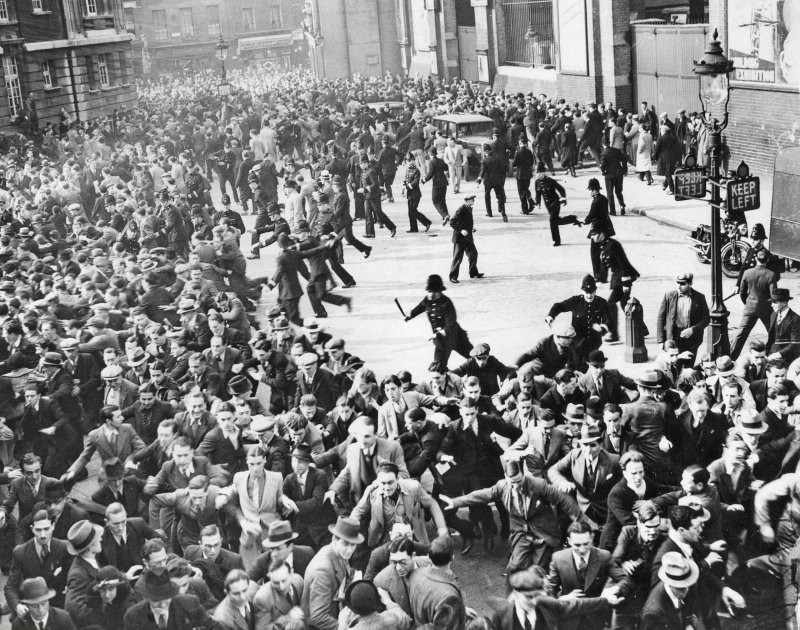
For me, those images of white men fighting police cast my mind to The Battle of Cable Street in 1936, but also that whole era of anti-fascism and Black shirts that lead up to the beginning of the Second World War. That in our pursuit to impliment Black history on the curriculum, this can’t detract from the fact we have histories of working-class narratives that need to be told as well. From Stonewall (1969) to Thatcherism and the Miners’ Strikes in the 1980s to the Irish and the Jews brining an end to Oswald Mosely in 1936, to the Bristol Bus Boycott (1963) and the Notting Hill Riots in 1958.
The late Peter Fryer wrote “nowhere within the British Empire were black people passive victims. On the contrary, they were everywhere active resisters” and I would push that quote on to working class people in general. From the role of Black teachers in white schools of thought to the women of Grunwick in South Africa, passivity in times of oppression does not come natural to the human spirit. Now, when we push back against the status quo, a small minority of white men think we’re curtailing their rights. We are not taking away Englishness, simply putting back what was taken.
We have a history of radical political thought in this country, on both sides of the political spectrum. And the rise of the far-right in both parliament and the population shows a Britain in conflict. Yet, seeing how Britain’s diversity is pushing back against the Boris Johnsons and the Britain Firsts of this world does make me proud to be a born-and-bred Briton. That Tommy Robinson’s hooligans causing trouble do not speak for my white friends and this new wave of thought is in the tint of C. L. R James and George Padmore. That Black Lives Matter follows in the footsteps of Garvey, King and X.
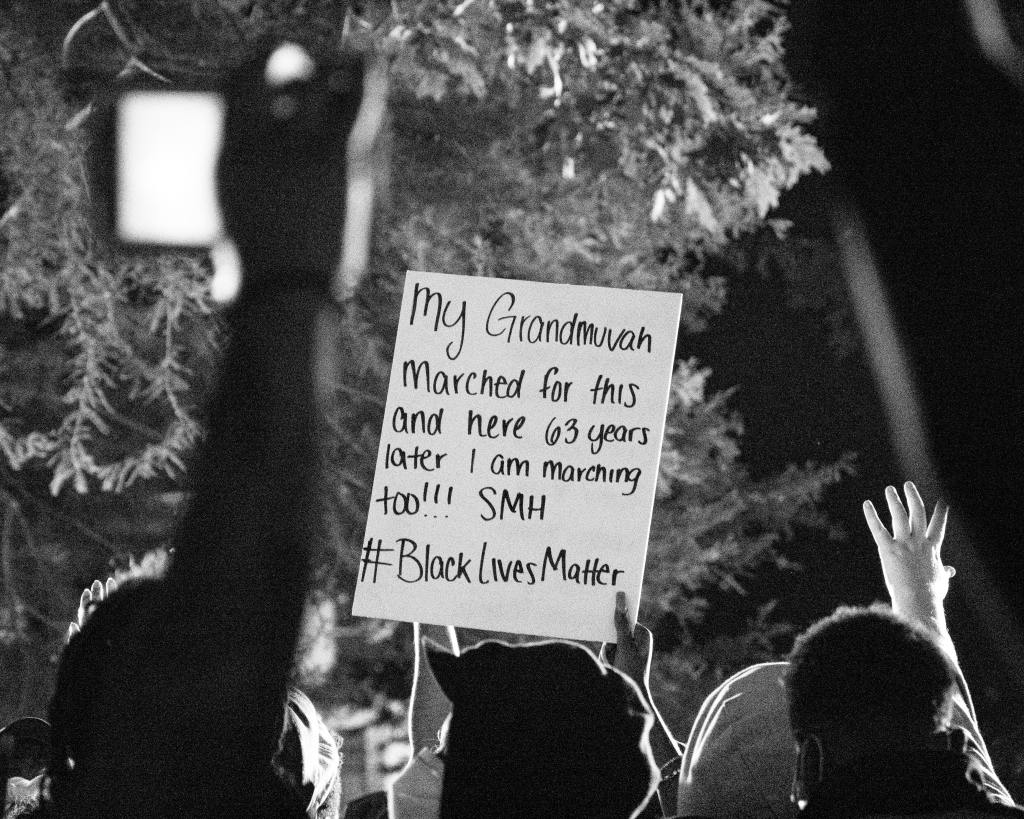
It is chilling to say the least, that our ancestors fought facism before, winning with far fewer resources than what we have now – and “we know that history records the achievements of empires and imperial civilization more than it does the humanizing and civilizing contributions of emancipation movements” (Gopal, 2019: 27). What makes history interesting to me is the diversity of characters, pertinent to the story of this country. Whether we’re talking Indians during Votes for Women, Afro-Romans on Hadrians Wall or the life and times of role models like WW2
codebreaker Alan Turing, part of our national story and his sexuality is honestly the least interesting thing about him.
To fight police without thought of consequence is reserved to privileged straight white men. When the Suffragetes did it, there were consequences. When people of colour have done it there have been consequences (esp. Black people). Breonna Taylor was killed whilst she slept. Emmett Till was considered a threat a fourteen years old. 184 Black and minority ethnic people have died in police custody since 1990 (Inquest). The only people in society who have the gall to take on police without thought of consequence is able-bodied, white, cisgendered, straight men. Why? You only have to look at the British history books and how they are written, in their image.
When the worst war criminals in human history are white men glorified as heroes (i.e Churchill), is it any surprise white male privilege ran riot when those fascists violently retaliated against the Black Lives Matter movement?
Works of Note
Fryer, P. (1988). Black People in the British Empire. London: Pluto.
Gopal, P. (2019) Insurgent Empire: Anticolonial Resistance and British Dissent. London: Verso.
Share this:


“Things you need to know about criminology”: A student perspective – Bonnie Middleton (2017-2020)

We are all living in very strange times, not sure when life will return to normal...but if you're thinking about studying criminology, here is some advice from those best placed to know!

The most important module to my understanding of criminology is: All of them! Every module contributes to your understanding of Criminology and all are different and enjoyable. Personally, my favourite module was Violence: From Domestic to Institutional in Year 3; this module ties together everything you know about Criminology; the reasons why we are subjective as criminologists and our ability to look beyond the scope of what we know.

The academic criminology book you must read:
Outsiders: Studies in the sociology of deviance (1963) by Howard Becker. Albeit a dated book, its ideas are relevant and relate to many criminological such as; how and why criminals are labelled and stigmatised; why are the youth demonised; why people reject the norms and values of society and become criminals in doing so.

The academic journal article you must read:
This is a hard one. Articles are great for discovering new ideas and methodologically testing theories. I would recommend reading: Arrigo, J. (2004). A Utilitarian Argument Against Torture, Interrogation of Terrorists. Science and Engineering Ethics. 10(3), pp. 543-572. This article poses many questions for a criminologist which enlightens you to think subjectively and challenge your own views; which is what Criminology is all about. From reading this article you will learn to think critically when faced with a challenging dilemma; the rights of a terrorist and how can the law can be tailored to fit the crime.

The criminology documentary you must watch:
Where do I begin? Louis Theroux and Stacey Dooley are both great journalists and documentary makers. If I had to pick one, I would recommend watching the BBC’s documentary on Grenfell If you watch this documentary you must consider; the government’s response; who is accountable; why are the residents of Grenfell still in temporary accommodation. These are the sorts of questions you should be asking as someone studying Criminology.

The most important criminologist you must read:
Familiarise yourself with the ideas of Lombroso, this will aid your understanding on how criminological theory and ideas have developed overtime through biological, psychological and sociological standpoints.

Something criminological that fascinates me:
Domestic abuse. I had done my dissertation on this as I have a great interest in male dominance and power over women, especially in intimate relationships. Gender plays a key role in this which when examined in depth, will change your view on gender paradigms.

The most surprising thing I know about criminology is: Criminality was believed by Lombroso to be inherited and that criminals possessed physical defects, criminality would be measured by the size and shape of particular body parts; this was later discredited. I can remember learning this in first year and it fascinated me.

The most important thing I've learnt from studying criminology is:
To not judge a book by its cover and to not take everything at face value. Do not be afraid to challenge other’s standpoints and beliefs. Thinking critically is the most important skill to have, search deeper into issues and apply your own thoughts and experiences.

The most pressing criminological problem facing society is:
Mass incarceration and reoffending rates. The UK is yet to move away from the ‘tough on crime’ approach favouring law and order and punishment. The penal system needs to be reformed to ensure offenders are rehabilitated to break the cycle of criminality; definitely educate yourself on political party’s manifesto’s and what they say about crime and justice before voting.

When family and friends ask, I tell them criminology is: I tell family and friends that criminology is such a broad field of study; we look at law, psychology, science, sociology, politics, penal systems, criminal justice organisations, media and much more. From this, you attain the ability to think critically and reflect, it can help you in many situations not just criminological issues. It is an incredibly insightful and enlightening field to study; it opens up many opportunities.
Share this:


Time to hear from our students

As part of their commitment to provide an inclusive space to explore a diversity of subjects, from a diverse range of standpoints, the Thoughts from the Criminology team have decided to introduce a new initiative.
From tomorrow (Sunday 21 June) all weekend posts will come from our students. We know that all of our students have plenty to say, they are smart, articulate and have both academic and experiential knowledge on which to draw. We know our readers will be as impressed as we are, by their passion and their criminological imagination.
Over to you, Criminology Students!
Share this:


The pandemic and me – Paula
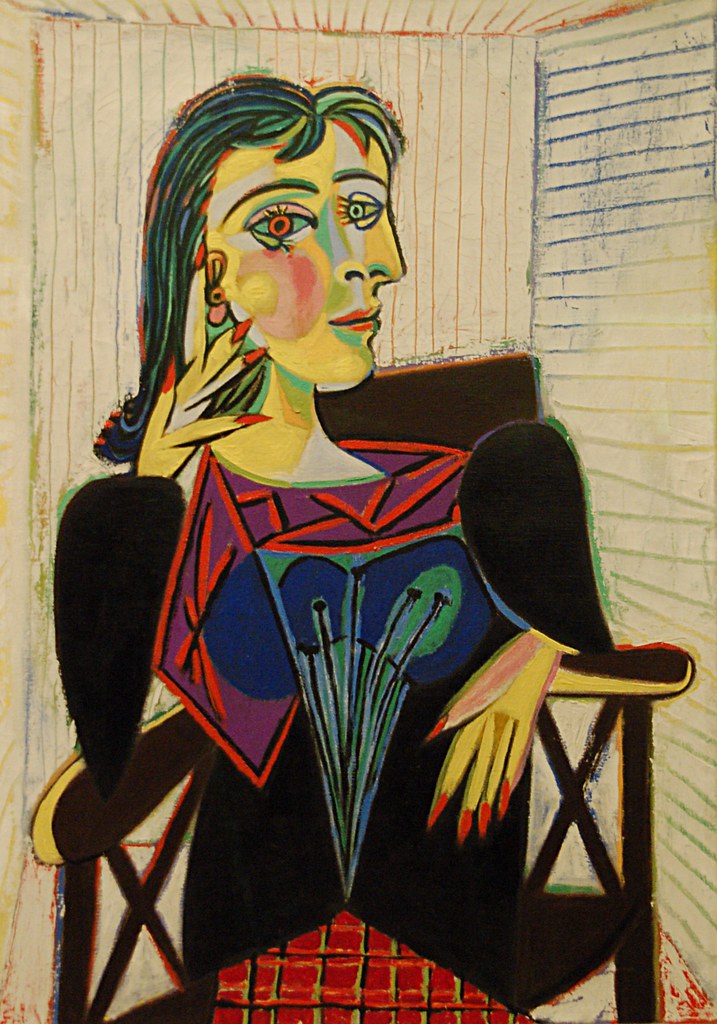
Portrait de Dora Maar, Pablo Picasso, 1937
The last time I physically went to work was Thursday 19 March, over 12 weeks ago. Within days, I blogged about the panic and fear that risked overwhelming us all in the light of a pandemic. Some of that entry was based on observation and the media, other parts, my own feelings and emotions.
Prior to the pandemic, I had been the kind of person that felt the need to be at work, often for 10-12 hours a day This was partly to kid myself that there was a clear delineation between the personal and the professional (something, I’ve never managed to achieve since joining academia). Part of it was due to my previous career in retail; when there are customers there must be staff, so there is a necessity to presence. Part of it was tied up with notions of work ethic and fear of missing out, dropping out, losing connection. The regularity of the Monday to Friday (and sometimes, Saturdays for events) commute there and back, the same familiar route, the same familiar timetable, the same familiar faces. Even prosaic matters, like my wardrobe, is primarily designed for my professional life, however, #lockdown life requires something different than formal suit, dresses and court shoes. Similarly, make-up seems out of place, why paint your face or nails, without the rest of the professional apparatus, deemed so necessary to what Goffman (1969/1990) identified as The Presentation of Self in Everyday Life.
In his play Huis Clos (No Exit) Jean-Paul Sarte famously claimed that ‘Hell is—other people’ (1947/1989: 45). This is often interpreted as if the company of others is hellish, but that is a misreading. Sartre, like Mead (1934) before him recognised the role of the other, in our own understanding of ourselves. In essence, we can only ever see ourselves through the lens of others. In lockdown that lens dissipates or even disappears entirely, even with technology, which although we appreciate as an enabler of communication, I’ve yet to hear anyone say it is a complete replacement for human interaction.
Nevertheless, lockdown has forced us to look again and not only at our wardrobes. Once the panic and the novelty of not going to work, socialising and all the other activities, that are part and parcel of our lived experience passed, a new normality replaced this. Introspection is often missing in twenty-first century life, even among those of us that spend considerable amounts of time, professionally, if not personally, reflecting on what we’ve said, what we’ve done and how we can change, amend and ultimately improve as human beings. It’s also provided space to consider what we can’t wait to get back to, what we’re glad to have a break from and what we are looking for ways to avoid in the future.
For me, part of that introspection has focused on my need to be present at work. After all, in academia there is less pressure to be on campus, particularly on one which has been designed with the future in mind. There is no office, where I need to water plants, (most of) my academic books are here and I also have a work laptop, as well as my own pc. At home, I can have silence, or music while I work. If I am hungry or thirsty I can satisfy those needs. If I am overwhelmed, I can simply walk away for a little while, without explanation. If I am lonely, confused or need advice, I can pick up the phone, message, video call and everything else that technology can offer. My professional life can pretty much continue without too much interruption.
So what happens when things return to normal, should I throw myself back into the same patterns as before? I am hoping the answer is no, that I will do things differently, not least for my own wellbeing. Although I love the look and feel of the campus, I have always struggled with what, criminologists will understand as the panoptic gaze (Foucault, 1977). The sense that wherever you are, the threat of observation is ever present. The panoptic gaze does not differentiate between deviant or pro-social activity, it simply retains its disciplinary function designed to constrain and control For many, it is an open welcoming space, however, as a person who thrives on quietness, on privacy, on spending time away from human contact, it can have the opposite effect. Not all of the time, but at least some of it, I wouldn’t want to abandon campus life completely. The lockdown has shown me that it is possible to have the best of both worlds
References
Foucault, Michel, (1977), Discipline and Punish: The Birth of the Prison, tr. from the French by Alan Sheridan, (London: Penguin Books)
Goffman, Erving, (1959/1990), The Presentation of Self in Everyday Life, (London: Penguin)
Mead, George Herbert. (1934). Mind, Self and Society: From the Standpoint of a Social Behaviorist. (Ed. Charles W. Morris). (Chicago: Chicago University Press)
Sartre, Jean-Paul, (1947/1989), No Exit and Three Other Plays, (New York: Vintage International)
Share this:

The worldwide reaction to the murder of George Floyd has shocked me, the murder of George Floyd has not. Another of our students speaks out
A cracking entry from BA History & Media Production student Amelia. Plenty for criminology scholars to think about
Share this:

Rioting coverage of Week 1: I watched Faux News for Six Full minutes. #BlackAsiaWithLove
I watched Fox News today.
For 6 full minutes.
They had a panel of 3 cops to discuss the current unrest…or so it seemed.
Of course, a token negro in uniform was amongst them.
“Defund the police” is the headline of this comical sketch.
That’s not the actual proposition; proponents promote funding “public safety” measures.
But shutting down the police is all the sly Fox heard, and
Cunningly called on these cops to comment upon THAT, only.
The first white cop went off: “We’re here for business owners and hard-working people.”
He didn’t address the threat to Black life, espcially cops’ roots and roles in terrorism.
The host nods knowingly, and they summarily reduce all this unrest to law-n-order.
No mention of the brutality of cops.
No discussion of their pattern.
Predictably, the other white cop gave a worst-case scenario about Domestic violence.
What would citizens do without cops?
He says this as if cops have some awesome reputation of domestic intervention.
Also, I’m thinking: But…
Wasn’t that black chick just killed in Texas last year,
Inside her own house,
In response to a neighbor calling the police for care one night.
The neighbor hadn’t even called 9-1-1, but rang the non-emergency number, and
They still came in blazing as they are wont to do in Black households.
“I just wanted them to check on her…
Her front door was open… it was late…
So, I was concerned,” the neighbor later says matter-of-factly on the nightly news.
Atatiana Jefferson was a law-abiding citizen,
Playing video games with her 8-year-old nephew.
She got shot dead.
Check.
Black people cannot call the police.
Check.
Not even a concerned citizen.
Check.
Check this: In my hometown, Breonna Taylor was also a so-called law-abiding citizen.
Not only was Breonna law-abiding, but she was a medical worker –
Essential during a global pandemic!
But, she was Black.
She was shot to death in her own house,
Moments after the police arrived.
Fox don’t talk about none of this.
They go on with the implicit assumption that
Either Black people are not law-abiding,
Or, Black citizens never need the police.
“Cops need to be more sensitive, sure…” the other white cop says, then adds 12 butts!
He looks like an ass.
This whole faux news channel reduces today’s protests to rioting and looting, law-n-order.
They have met every effort at Black liberation with the same hostility.
Though openly devoted to non-violence,
Those pundits called the good Reverend Dr. King a “radical,” an “outside agitator,” and
Much, much worse!
When we peacefully took a knee just a few years back for the same cause,
These same pundits were quick to diss us,
Dissed Beyoncé for taking over the Superbowl in Black Power fashion!
Dissed Nike for sighing Collin Kaepernick – posting videos of them burning their own Nike gear.
They diss every Black person killed by the police as “disobedient” and “non-compliant.”
They consistently diss our resistance as unpatriotic – the oldest race card,
Because for them, racism is a game.
As if they didn’t twist their Bible to say slaves had to be loyal to their masters.
As if our efforts to breathe life into the Constitution weren’t patriotic!
As if Crispus Attucks wasn’t the first American to die for Independence!
As if this weren’t some strange and rotten fruit!
These pundits said the same about Martin Luther King, the FBI’s “an enemy of the state.”
They said all of this, of course, until he was martyred.
Then eventually, they called him a hero.
Now, even this faux news channel quotes Dr. King regularly.
Cleverly, Martin Luther da King gets pulled out of the Fox’s hat at the sign of any racial trouble!
The token negro cop gets asked the token question:
He’s asked to speak on behalf of all Black people.
Perform for your master, [N-word]!
Luckily, this man changes the narrative from dissing these hasty solutions to
Talking about real, systemic change to a systemic problem.
It’s not even clear that the other guests command this level of vocabulary, keeping it so simple.
The other cops were set up to denounce this solution, and
They were neither asked, nor chose to address any single way of improving policing.
All responsibility is implicitly shifted to individual citizens:
‘Policing is fine, Black people just don’t act right!’
I wish they’d just gon’head and say it!
Luckily, this Black man is neither stepping nor fetching their white supremacy for them today.
Not today, Satan!
Again, the faux media pundit circles back to defunding the po-po.
At present, this is only the legislative solution presented by any lawmaker thus far.
Weeks later, that message emanating from Minneapolis had spread,
Even to Congress, although
Aunty Maxine had already reclaimed her time on this one.
Predictably, this incites the white cop to repeat his singular talking point like a quacking duck:
“We’re here for business owners and hard-working people,” again, in THAT order.
‘We’re not to be called upon as citizens’, as Toni Morrison said after 9-11.
Check
Fox then seamlessly shifts back to “Agent Orange’s” economic talking points.
Cut to commercial.
After the ads, 45 comes back railing about saving Wall Street.
The faux host asks rhetorically if this will be “the greatest economic comeback ever!”
It’s like they can only ever speak in superlatives.
Finally, the host is optimistic in otherwise dreary times.
God bless America, and F everybody else!
I really wish they’d just gon’head and say it!
They gon’ be alright.
Checkmate.
—
Share this:

“I Can’t Breathe…”
A very thoughtful reflection on George Floyd and #BlackLivesMatter from Criminology graduate @flowerviolet

“I can’t breathe”… “I can’t breathe”
Those haunting words were the last of George Floyd whom, after 8 minutes and 46 seconds of having a police officer kneel on his neck, lost his life.
The video of his death sparked outrage, and protests took place as part of the Black Lives Matter (BLM) movement in combating racism and racial injustice, and to get justice for George Floyd and his family. The Black Lives Matter movement started in 2013 by 3 radical black women; Alicia Garza, Patrisse Cullors, and Opal Tometi (1).
The Black Lives Matter movement was founded in response acquittal of Trayvon Martin’s murderer, George Zimmerman, and focuses on the affirmation of the humanity of black people, and the constant struggle with everyday racism and racial injustice (2). Racism is still a huge problem, and has always been a problem globally.
“I can’t breathe….”
Great Britain’s history…
View original post 693 more words
Share this:

Love Cinema: Tré’s Lockdown Favourites so far…
12 Angry Men (1957) – Dir. Sidney Lumet
When a Puerto Rican boy is put on trial for murder, eleven out of twelve jurors are hasty to vote guilty, and thus commit him to deathrow. Juror #8 (Henry Fonda) is sceptical about the available evidence and wants a thorough analysis of the facts from every juror before sending a boy to death, to prove the defendant’s guilt beyond a reasonable doubt. What starts as an open-and-shut case becomes a detective story that pokes holes in the evidence at hand, creating a mini-drama of each juror’s prejudices biases, and preconceptions about the case and each other.
For Colored Girls Who May Have Considered Suicide / When the Rainbow is Enuff (1982) – Dir. Oz Scott
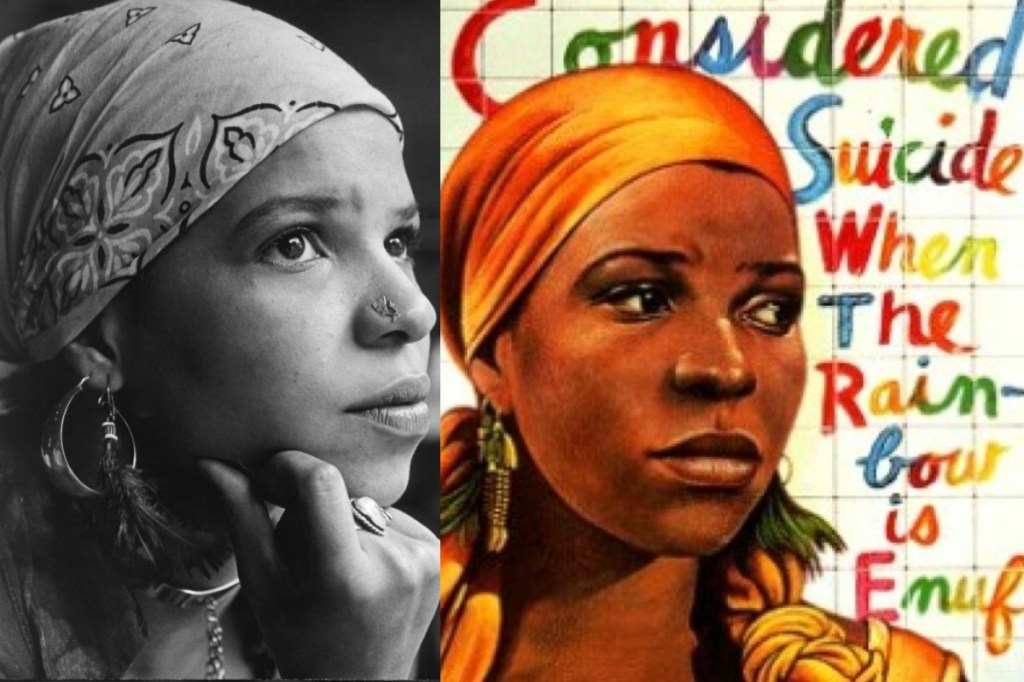
We follow the stories of seven very different Black women in America, including themes of abuse, addiction, and violence, both overt and institutional. In this 1982 performance of the award-winning play, we are witnesses to combinations of music, poetry and dance, painting a raw portrait of intersectionality, misogynoir and mental health in Black women. In this time of uncertainty around Coronavirus, it would do us well to remember the impact mental health has in Black communities. We are one of the most at-risk groups (much ado with societal pressures / prejudice) but also a people who are less likely to ask for help. Mental health services have been under immense pressure in this crisis, and we must not forget their contributions as keyworkers as well.
Jaws (1975) – Dir. Steven Spielberg
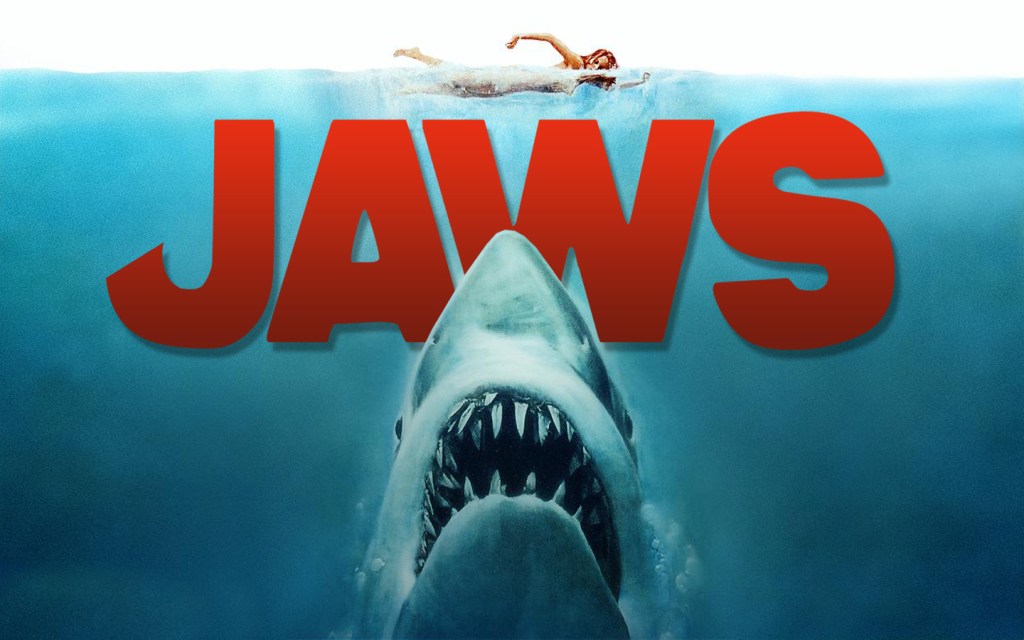
When a hungry Great White shark starts terrorising the people of Amity Island, the police chief (Roy Schnieder), an oceanographer (Richard Dreyfuss) and a rugged shark-hunter set their sights on killing it. Earth’s seas and oceans will never be truly safe but sometimes it’s worth the risk (not that I’m much of an outdoorsy type myself). This is the tragic story of man must be number one. All of these characters are encouraged by a corrupt mayor (Murray Hamilton) trying to gather what’s left of Amity’s tourist industry. And the only crime this shark committed was being hungry, taking on one of the few species on the planet that does not kill to survive. In a time when some are willing to put capitalism ahead of people’s lives, I did struggle not to draw comparisons between the sub-themes of the Spielberg classic and Coronavirus, as meglomaniacs lead Britain and the United States into uncertain doom!
Rebecca (1940) – Dir. Alfred Hitchcock
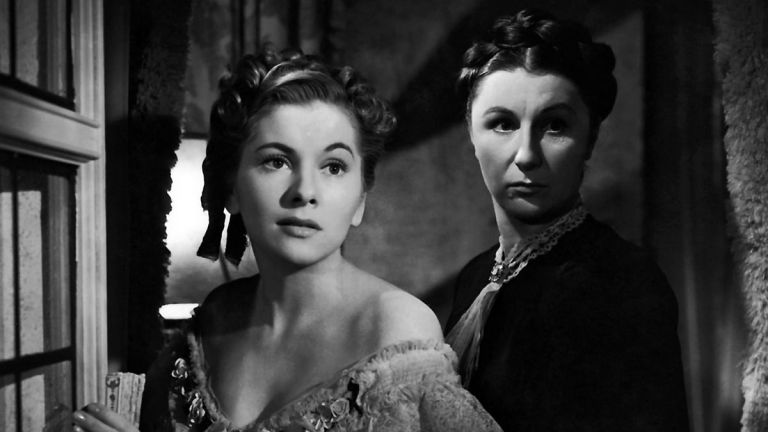
On holiday in Monte Carlo, the rich, handsome widower Maxim de Winter (Laurence Olivier) meets a young woman (Joan Fontaine), becoming the next Mrs de Winter. Taken aback by the massive Manderley estaste, she must learn to be waited on, and to exist in the company of Mrs. Danvers (Judith Anderson). Though and behold, things get strange when a mysterious secret is found under the sea close by to Manderley.
Criminally, the only Hitchcock film to ever win a Best Picture Oscar, this is one of his lesser-knowns but my favourite Hitch project nonetheless, with Judith Anderson giving one of the best performances in any film I have had the pleasure to lay my eyes on. Turning eighty this year, Rebecca still surprises me, from its use of light and shadow to how Hitch captures you in the anticipation of the act rather than the act itself. Truly, The Master of Suspense. And isn’t that entire introductory sequence simply enchanting?
Life, Animated (2016) – Dir. Roger Ross Williams
As a toddler, the animated Owen Suskind went mute, lost to autism with seemingly no way back. Nearly four years later, the only stimuli that engaged him were the films of Disney. Animation. One day, his father donned a puppet of Iago, from the film Aladdin. “What’s it like to be you?” Iago (Owen’s dad) said. Owen replies with the next line. This documentary tells the heartbreaking and inspirational story of how a young boy learned language and how to make sense of the world through Disney animation.
For someone who studied Creative Writing at university; for someone that loves stories; for someone that lived for Disney as a youth and raves by Disney+ as an adult, Life, Animated was it. Whilst it’s about someone with autism, feeling the world doesn’t understand you is not exclusive to people with autism and I think there is a high possibility introverted, and highly sensitve personalities (HSPs), will take a lot from this film as well.
These are five of my favourite films I have watched whilst locked down (in no particular order), that give alternate views of seeing the world, people and society; and I hope after COVID, society changes – seeing the world different


