
Home » Books (Page 2)
Category Archives: Books

#CriminologyBookClub: The Strange Disappearance of a Bollywood Star
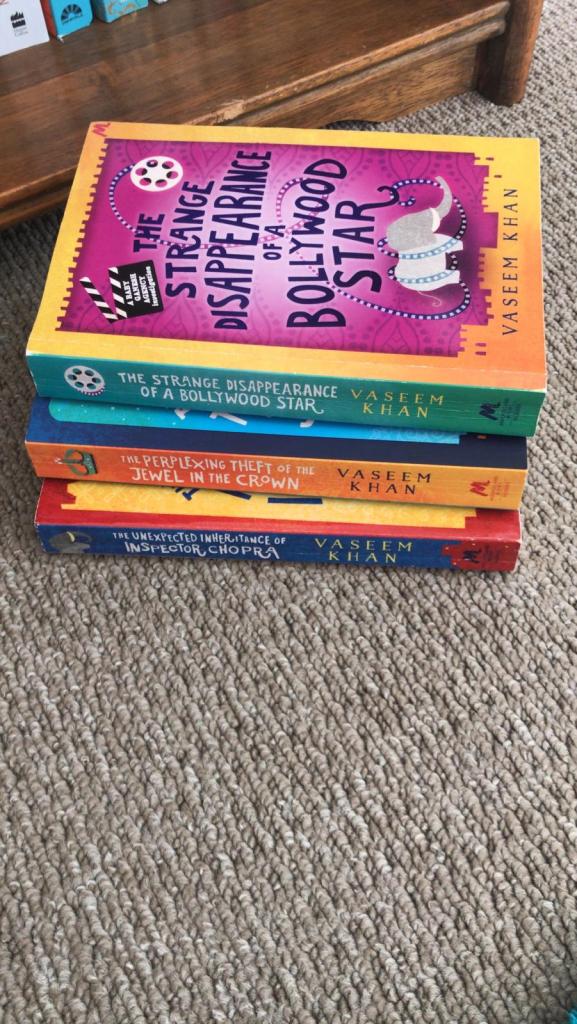
As you know from our last #CriminologyBookClub entry a small group of us decided the best way to thrive in lockdown was to seek solace in reading and talking about books. Building on on what has quickly become standard practice, we’ve decided to continue with all bloggers contributing! Our seventh book was chosen by all of us (unanimously) after we fell in love with the first and second instalment. While we struggled with fitting in the discussions of book club, due to the rigours of an academic term, we all found space for reading about the adventures of Inspector Chopra (retired) et al.:
I find the predictable happy endings of Vaseem’s novels to be quite comforting, especially during such an unprecedented time. What I enjoy mostly about these novels is that each has a moral message. In this novel it is characters like the blind homeless teacher, the prison inmates and the eunuchs that remind me that we should all try to be better people, as this will help to build a better society. The Chopra series continues to be a top lockdown read.
@haleysread

The 3rd mystery for Inspector Chopra brings him to the glittering world of Bollywood. An unusual place for the inspector and his pet elephant who seems to enjoy the attention conjuring images of other elephants working in the entertainment industry. This instalment of the crime mystery novels seemed to have matured the characters, giving their relationships more depth. Even the acerbic mother-in-law grows in ways to give us a greater understanding of their lives. The combination of the everyday with the obscure is done seamlessly and makes the surrealism even more profound. Even the pachyderm, gains more of a character reaching the intellectual age of a rebellious teenager. In the end, the mystery is solved, revealing some more social injustices behind the façade of the sparkling movie industry. As always we are left, wanting more.
@manosdaskalou
The third Chopra book was a welcome return to familiar and colourful characters. This was my favourite book in the series so far for its strong themes of kindness and reflections on what it means to be a good person. The subplot was just as gripping as the main story and lovely Ganesha kept me smiling throughout.
@saffrongarside
You could be forgiven for ignoring the plaudits on the first page of most novels, consigning them to the usual blurb written by reviewers that feel the need to say something nice to aid publicity and sales. In this case you would be foolish to ignore the plaudits, if anything they are somewhat understated. Having read the first two books in the series I picked this up with anticipation and excitement. I wasn’t disappointed. Transported to a world of vivid colour, pungent and aromatic smells and the hubbub of a bustling metropolis, the description of Mumbai and its citizens fuels the imagination and leaves the reader eagerly turning pages. The bifurcation of the storyline means there is never a dull moment, Insp. Chopra (retired) has his hands full and as a consequence ‘The Baby Ganesh Agency’ has to make use of its ever-increasing, albeit quirky staff and associates. And so Rangwalla, Chopra’s sidekick finds himself in a rather trying and unusual circumstance. Of course, what is now becoming the indomitable Ganesh gets his usual share of adventure and inevitably saves the day at some point aided by Poppy, Chopra’s wife and rock. The book is a triumph as it provides wonderful descriptions of both the lighter and darker side of the city and its residents. As usual good triumphs over evil but in the case of Chopra’s nemesis, ACP Rao, the door has been left firmly open for more mischief to come.
@5teveh
Rarely do I get the opportunity to read a book that I struggle to put down. A book that put a smile on my face and gave me a warm feeling at its conclusion.
The third instalment of Chopra and gang is just as delightful and entertaining as the previous novels. For me, the third story in the series has crossed over to the fantasy genre, whereas the previous two were toeing the line. I want to make it abundantly clear: this is not a criticism of the book. I still loved every page, as I have with the others. But for me, when reading I felt as if I was in a fantasy world with villains and heroines, magical elephants and mystical tales. The realism was somewhat lost on me this time around.
What I absolutely adored about ‘The Strange Disappearance of a Bollywood Star’ was how Vaseem Khan beautifully tackles the topic area of prejudices. Rangwalla’s journey in this book was possibly my favourite aspect of the Inspector Chopra series so far. Rangwalla attempts to face his prejudices; and in a way that mirrors reality. Vaseem has reminded us through Rangwalla’s experienced that our prejudices need to be constantly put in check, and this requires a conscious effort from us all. Roll on book number 4!
@jesjames50
If ever a year called for some escapism, 2020 certainly did. Fortunately, @vaseemk2’s tales of Inspector Chopra et al. have provided that, in bucket loads. The books transport me to a place I’ve never been, the heat, the colour and the vibrancy recreate India in front of my very eyes. The third volume in the series, is probably my favourite to date. The sparkling glamour of Bollywood, juxtaposed against dark issues of discrimination, prejudice and social injustice, creates a story which will stay with me. In particular, the bringing to life of the eunuch community and the recognition that prejudice is within us all and can be combatted, gave me a great deal of pause for thought. With it’s overarching themes of kindness and striving to do the right thing against all odds, this book captures the (hopefully) enduring lessons of lockdown, that we all need each other.
@paulaabowles

Share this:

#CriminologyBookClub: My Sister, the Serial Killer

The latest book to grace the Criminology book club was My Sister, the Serial Killer by Oyinkan Braithwaite, and after some excellent choices by @5teveh and @manosdaskalou, and a meh choice from @paulaabowles, the pressure was on for my choice. Unfortunately, it received mixed reviews, but I think I speak for all members of the book club when I say: It’s definitely better than The Yellow Room (sorry @paulaabowles)!
The negatives of the book, as expressed by the uneducated and picky members of the club (I promise I’m not bitter-HA), include the unlikableness of the characters: all morally repulsive, selfish and uninspiring. Whilst the book is set in Nigeria, there isn’t much description to transport you there, something the other books have done well, so this was disappointing. And there is a lot left unanswered. At times the book drops some hints into the characters’ past, hinting at why the sisters are the way they are (basically why one of them is a serial killer of her ex-boyfriends and the other mops up the mess), which is gripping and exciting, until it is left unanswered. The ‘older’ members of the club who weren’t overly keen on the book, felt it had potential but it wasn’t their cup of tea… and in all fairness the factors which they raised as being disappointing, were disappointing. BUT, it was still an excellent read! Myself (@jesjames50), @saffrongarside and @haleysread enjoyed the book, and below we have shared our views:
It is fast past, written in what feels like snippets, dangling possibilities and explanations in each chapter, throwing it back to their childhood, alluding at the dangers they faced together, fighting over the same man who isn’t great so that is slightly confusing: c’mon, have better choices in life partners, or even just dates! So many questions raised and so many left unanswered, but this is part of the book’s charm. It’s a story, an experience, a gripping account of a sister’s devotion to her strange, ex-boyfriend stabbing, sister. How far will she go? Why does she go to these lengths? What happens when the sister becomes too much of a loose cannon? You’ll have to read and not find out! But that’s what makes it an excellent read, by an excellent writer!
@jesjames50
My Sister, the Serial Killer is unlike any other book I have read before. I loved the fast pace and the creeping sense of dread that builds as you read on. The book is like a snapshot in time of the lives of two sisters – there are no right answers, no resolutions and no sense of justice served. Although I felt little affection for the characters, I was invested in their relationships, the story and how it would play out. I think it would work well as a TV or film adaptation and I look forward to reading other books by Oyinkan Braithwaite in the future
@saffrongarside
In an odd sort of way this book reminds me of my relationship with my younger siblings. I’m sure that many older siblings will agree that there is an unwritten obligation to support and protect younger siblings in many situations. In Kerode’s case… she takes this obligation to the extremes! I enjoyed this book as a thriller, but as with the last thriller we endured for book club I did not like any of the amoral characters. I also desired a bit more depth to the story line, the characters and location background – but maybe this is what makes thrillers so successful? Who knows?
@haleysread
So overall, not quite as successful as the Baby Ganesha Detective Agency novels, but I mean come on, its competing with a Cadbury chocolate eating baby elephant! But it’s a book that’s modern, well written, gripping and possess twists and turns. It’s short, sharp and snappy! I am proud and satisfied with my choice, as is Saffron and Haley. The others are in agreement that they struggled to put it down, it was intriguing! But alas not all literature is for everyone (albeit I think they are just being fussy)! On to @saffrongarside’s choice next, wonder what the club will think of The Tokyo Zodiac Murders by Soji Shimada? Stay tuned…

Share this:


#CriminologyBookClub: The Perplexing Theft of the Jewel in the Crown

As you know from our last #CriminologyBookClub entry a small group of us decided the best way to thrive in lockdown was to seek solace in reading and talking about books. Building on on what has quickly become standard practice, we’ve decided to continue with all seven bloggers contributing! Our fourth book was chosen by all of us (unanimously) after we fell in love with the first instalment. Without more ado, let’s see why we all adore Inspector Chopra (retired) et al.:
Another great edition to the Baby Ganesh agency series. After thoroughly enjoying the first book, I was slightly sceptical that book 2 would bring me the same level of excitement as the former. I was pleasantly surprised! The Perplexing Theft of the Jewel in the Crown, will take you on a picturesque journey across Mumbai. The story definitely pumps up the pace giving the reader more mystery and excitement. We now get more of an insight into characters such as inspector Chopra (retired) and his devoted wife Poppy. We also get to meet some new characters such as the loveable young boy Irfan, and of course the star of the show Ganesh, Chopra’s mysterious elephant. This novel has mystery within mystery, humour, suspense and some history, which is a great combination for anyone who wants to have an enjoyable read.
@svr2727
In the second instalment of detective Chopra’s detective (retired) adventures he is investigating the disappearance of the infamous Koh-i-noor diamond. The mythical gem disappears from a well-guarded place putting a strain on Anglo-Indian relations. In the midst of an international incident, the retired inspector is trying to make sense of the case with his usual crew and some new additions. In this instalment of the genre, the cultural clash becomes more obvious, with the main character trying to make sense of the colonial past and his feelings about the imprint it left behind. The sidekick elephant remains youthful, impulsive and at times petulant advancing him from a human child to a moody teenager. The case comes with some twists and turns, but the most interesting part is the way the main characters develop, especially in the face of some interesting sub-plots
@manosdaskalou
I am usually, very critical, of everything I read, even more so of books I love. However, with Inspector Chopra et al., I am completely missing my critical faculties. This book, like the first, is warm, colourful and welcoming. It has moments of delightful humour (unicycles and giant birthday cake), pathos (burns and a comforting trunk) to high drama (a missing child and pachyderm). Throughout, I didn’t want to read too much at any sitting, but that was only because I didn’t want to say goodbye to Vaseem Khan’s wonderful characters, even if only for a short while…
@paulaabowles
It was a pleasure to read the second book of the Inspector Chopra series. Yes, sometimes the characters go through some difficult times, the extreme inequalities between the rich and poor are made clear and Britain’s infamous colonial past (and present) plays a significant part of the plot, yet the book remains a heart-warming and up-beat read. The current character developments and introduction of new character Irfan is wonderfully done. Cannot wait to read the next book in the series!
@haleysread
One of the reasons for critiquing a book is to provide a balanced view for would be readers. An almost impossible task in the case of Vaseem Khan’s second Baby Ganesh Agency Investigation. Lost in a colourful world, and swept along with the intrigue of the plot and multiple sub plots involving both delightful and dark characters, the will to find a crumb of negativity is quickly broken. You know this is not real and, yet it could be, you know that some of the things that are portrayed are awful, but they just add to the narrative and you know and really hope that when the baby elephant Ganesha is in trouble, it will all work out fine, as it should. Knowing these things, rather than detracting from the need to quickly get to the end, just add to the need to turn page after page. Willpower is needed to avoid finishing the book in one hit. Rarely can I say that once again I finished a book and sat back with a feeling of inner warmth and a smile on my face. If there is anything negative to say about the book, well it was all over far too quickly.
@5teveh
The second Inspector Chopra book is even more thrilling than the first! As I read it I felt as though I genuinely knew the characters and I found myself worrying about them and hoping things would resolve for them. The book deals with some serious themes alongside some laugh out loud funny moments and I couldn’t put it down. Can’t wait to read the third instalment!
@saffrongarside
I have always found that the rule for sequels in film is: they are never a good as the original/first. Now, there are exceptions to the rule, however these for me are few and far between. However, when it comes to literature I have found that the sequels are as good if not better than the original- this is the rule. And my favourite writers are ones who have created a literature series (or multiple): with each book getting better and better. The Perplexing Theft of the Jewel in the Crown (Chopra 2.0) by Vaseem Khan has maintained my rule for literature and sequels! Hurray! After the explosive first instalment where we are introduced to Inspector Chopra, Poppy and Baby Ganesha, the pressure was well and truly on for the second book to deliver. And By Joe! Deliver it did! Fast paced, with multiple side-stories (which in all fairness are more important that the theft of the crown), reinforce all the emotion you felt for the characters in the first book and makes you open your heart to little Irfan! Excellent read, beautiful characters, humorous plots! Roll on book number 3!
@jesjames50

Share this:


Home educating in a pandemic
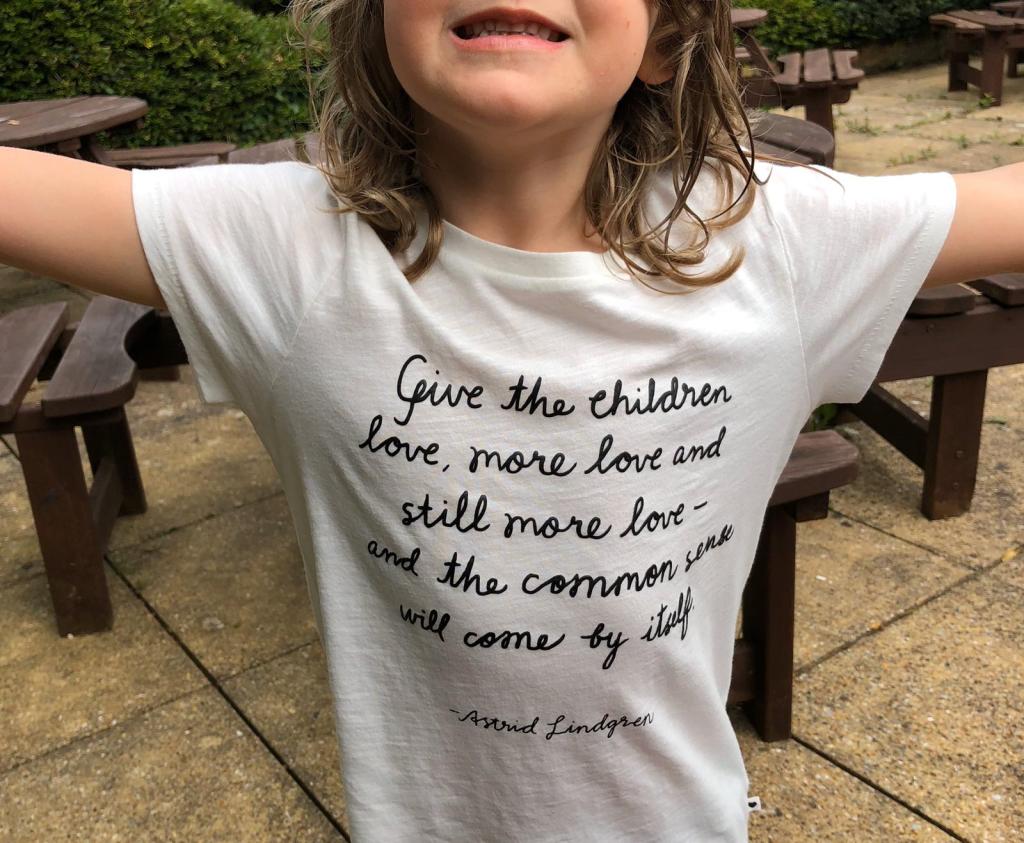
“Give the children love, more love and still more love - and the common sense will come by itself” - Astrid Lindgren
My children are aged 5 and 7 and they have never been to school. We home educate and though ‘home’ is in the title, we are rarely there. Our days are usually filled with visits to museums and galleries, meet-ups with friends, workshops in lego, drama and science and endless hours at the park. We’ve never done a maths lesson: sometimes they will do workbooks, but mostly they like to count their money, follow a recipe, add up scores in a game, share out sweets… I am not their teacher but an enthusiastic facilitator – I provide interesting ideas and materials and see what meaning they can take and make from them. Children know their own minds and learning is what they are built for.
If there was ever a time to throw away the rulebook it’s when the rules have all changed. Put ‘home’ at the centre of your homeschooling efforts. Make it a safe and happy place to be. Fill it with soft, warm and beautiful things. Take your time.
All this to say that what children need most is your love and attention. This is so far from an ideal situation for anyone – so cut yourselves some slack and enjoy your time together. You don’t need to model your home like a school. Share stories and poems, cuddle, build dens, howl at the moon, play games, look for shapes in clouds and stars, do experiments round your kitchen table, bake cakes, make art, explore your gardens and outside spaces and look for nature everywhere. This is the stuff that memories are made of.
As adults we don’t continue to categorise our learning by subjects – we see the way things are interconnected across disciplines, sometimes finding parallels in unlikely places. When we allow children to pursue their own interests we give them the tools and the freedom to make their own connections.
What’s important is their happiness, their kindness, their ability to love and be loved in return. They are curious, they are ready made learning machines and they seek out the knowledge they need when they need it.
It’s an interesting time to be a home educator – more children than ever are currently out of school and the spotlight is on ‘homeschooling’. I prefer the term ‘home educator’ because for me and my family it isn’t about replicating the school environment at home and perhaps it shouldn’t be for you either.
Treat it as an extended holiday and do fun stuff together but also let them be bored.
Share this:

#CriminologyBookClub: The Unexpected Inheritance of Inspector Chopra
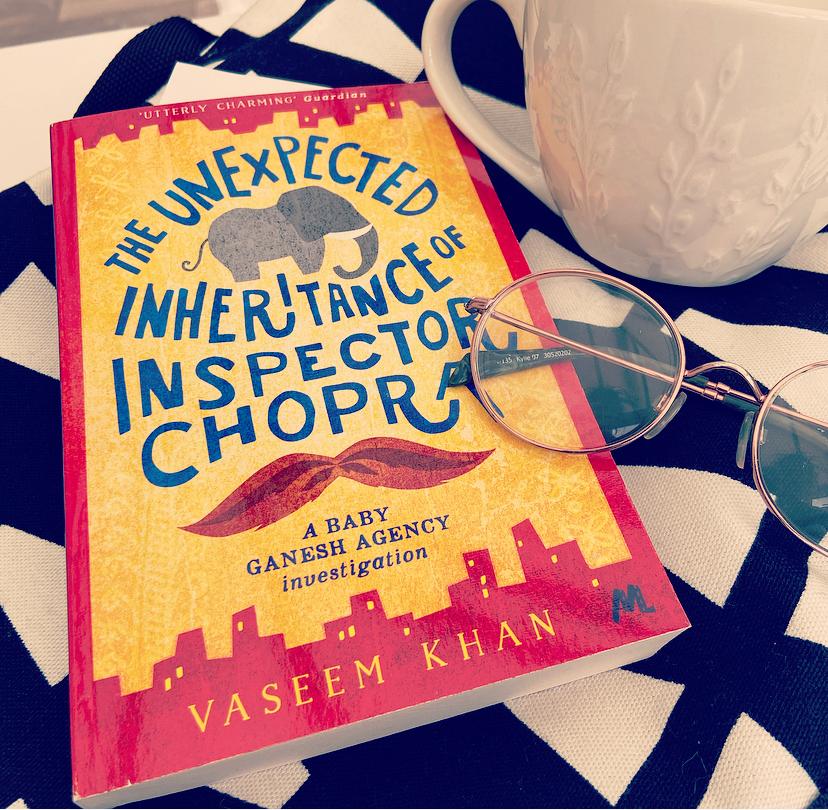
As you know from our last #CriminologyBookClub entry a small group of us decided the best way to thrive in lockdown was to seek solace in reading and talking about books. This blog entry is very different from any other we’ve published before, in that it has seven bloggers contributing! There is a very good reason why and that is because @manosdaskalou managed to choose a book that delighted all of us, and believe me, that is a challenge for a group of bibliophiles. Without more ado, let’s see what everyone thought:
“The second book of book club was a huge success- excellent choice @manosdaskalou! The Unexpected Inheritance of Inspector Chopra by Vaseem Khan was delightful! Whilst fulfilling all the ‘usual stuff’ associated with a crime novel, it also adds a layer of fantasy and wonder which is usually alien to crime fiction. As I raced through the novel, falling in love with characters- Poppy is kick ass, the complete opposite of drippy Carol (The Yellow Room) and safe to say I now want a baby Elephant; I was transformed into another world, something which crime fiction has never done for me before. It brought back feelings of nostalgia and memories of reading David Eddings and Derek Landy in the summer after GCSEs, when life was simpler and full of joy! A wonderful, intriguing and mysterious crime novel with a hint of fantasy, pulling you away to a different place. An enchanting and wonderful read which blends serious social injustices and issues with mystery, suspense and humour- I cannot wait to see what Inspector Chopra and Ganesha get up to next!”
@jesjames50

“The problem with writing a mere paragraph for a blog about a book that I really did enjoy is that I fear I won’t be able to do it justice. The story, well I’m sure others might tell you what the book is about but, if you want to know, really want to know, read it. Rarely can I say that I couldn’t wait to finish the book and yet didn’t want it to finish. The characters come to life, especially the elephant, in a way that makes it seem almost real, but not quite. The story moves on at a fast pace and yet has a steadiness to it. There are surprises along the way and, yet they are almost expected, it was always going to be that way. Within the narrative there is a demonstration of what we know to be good in humans and, yet it encompasses so much of what we know to be bad. How then can I have left the final page, sad that the book was finished, but uplifted by the narrative and almost salivating at the anticipation of reading the next in the series? The plaudits on the cover don’t do it justice, to answer my question, all I can reiterate is that you have to read it to understand.”
@5teveh
“When I first received this book, I was a bit sceptical, as I did not know how an elephant was going to be incorporated into a detective crime novel. However, I was pleasantly surprised. The first book in the series was a delight and a much-needed escape in these uncertain times. This book captured my attention very quickly and whisked me off on a colourful, picturesque adventure to Mumbai, with the amazing inspector Chopra and of course the star of the story, Ganesh the mysterious baby elephant. The book introduces you to an interesting plot. At first you are made to think that the focus of the book will be on Inspector Chopra investigating the murder of a young man. However, you are quickly introduced to the wider issues that sit at the heart of social and economic challenges present in India. Without leaving you glum, the book has a nice balance of crime and mystery, coupled with humour, great food, wonderful scenery and lovable characters. I liked this book as it was unique to any other books that I have read. I am looking forward to continuing the Baby Ganesh Detective Agency series.”
@svr2727
“Vaseem’s novel had me from to get-go. Set in bustling Mumbai this novel has more depth than the usual “whodunit” scenario. This book is a criminologist’s dream, as yes, we all find out who did it in the end, and yes the case is also solved but there are also issues of poverty and corruption to contend with. The story would not be complete without Ganesha the elephant who makes solving the case possible (and survivable). Ganesha goes through a lot in the story. From being depressed and chained up outside an apartment complex, to being mistakenly left to drown during heavy rain and fed chocolate. Despite all of this, Ganesha is often the hero of the hour, so for me the book symbolises the true greatness of animals: We do not deserve them.”
@haleysread
“I really enjoyed this book. It was great to lose myself in a different country and culture and to meet so many relatable characters there – even (especially?) the chocolate loving elephant! I can’t wait to find out what happens next…”
@saffrongarside
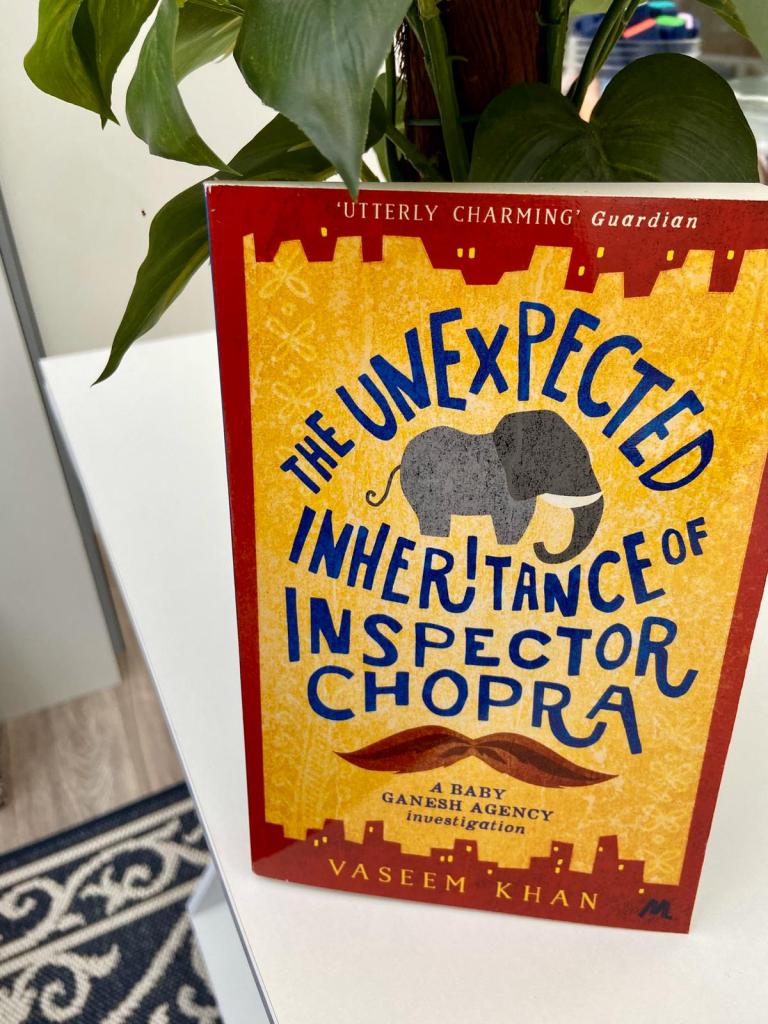
As well as having the joy of reading The Unexpected Inheritance of Inspector Chopra, we also had the very unexpected pleasure of welcoming the author Vaseem Khan to our book club meeting today. To be able to hear about Vaseem’s motivations for creating the colourful world in which Inspector Chopra and Ganesha work and play was fascinating. The opportunity to ask questions was fantastic and we’d like to say a big thank you to Vaseem for allowing us a peak inside his world of writing. It is now easy to see where Inspector Chopra gets his generosity of spirit from. And now we’ll leave the final word to @manosdaskalou….after all he did choose the book 😉
“What does a gang of criminologists do at lockdown? We read crime books and talk about them. On this occasion The Unexpected Inheritance of Inspector Chopra was a welcomed distraction from reality. The book introduces the retired inspector with a very unusual sidekick! The retired inspector is a very honourable, incorruptible professional whose investigation will bring him in conflict with the criminal underbelly of Mumbai. The retired inspector is not fazed, and he is determined to carry on regardless. The investigation takes inspector Chopra around the city; which gives the reader a unique opportunity to get to know a metropolitan megapolis.”
@manosdaskalou
Share this:


Solitude.
Time alone, socially with ourselves, can be a truly healing ordeal. When we’re alone, we tend to think. Thinking is hard work. It really takes a disciplined mind to reflect, to look at different items in life and piece them together differently than they are presented to us.…perhaps with more clarity. We may experience anxiety, left with our own thoughts in the solitude of quarantine. From whatever source or another, you may feel anxious about being alone. Develop calming practices. Curate calming activities in your life that bring you peace.
You may experience restlessness. What to do with all that time? Many of you will want to be productive. Do something you enjoy. What do you like to do with your (wrestling) hands? Hold a book? Saw wood? Bake? Knit me a scarf?!?
Whether you enjoy listening to music and talking about the memories and times music evokes, explore what you like to do. Me? I dance, read, write, binge on TV series, and digging my hands in dirt to grow stuff. I especially love propagating plants. I try any plant I can get ahold of. In my garden, I have a beautiful crawling flower I clipped in Barcelona. It spreads over soil and has bright green leaves with bright red flowers that unfold into a star at dusk. Curate creative activities in your life that bring you peace.
Solitude gives us time for introspection – a kind of dialogue with ourselves. We love all forms of art because of the internal dialogue with ourselves as we observe a movie, painting, sculpture, fashion, performance, etc. We know at the heart of each of those creations, there was an artist in solitude.
In my solitude…

First edition
Alice walker sat and wrote The Color Purple with pen and paper. The screenwriters later came along and did the same. Each actor received their own script. On screen we watch Ms. Sofia tell Ms. Celie to “bash Mister’s head in and think about heaven later,” after confronting her for telling her step-son to beat her. Imagine how Oprah read all of THAT from just a few letters to god. On the page, Celie acknowledges her jealousy of Sofia’s power – she’s just as “poor, Black and ugly” as she. She apologizes and reconciles by helping Harpo’s next woman recognize her own power. There’s a whole storyline about this. The book more keenly develops more characters and their transformations. In our solitude, we read The Color Purple and for the first time view it in Technicolor.
In the book, of course, we neither see the bruises and blood nor hear the screams the children must have hears when Mister beats Celie senselessly throughout their marriage. We read how Celie gained the courage to leave this batterer. Oh, and the grandest surprise is that Shug reveals to Celie that God ain’t a man, and he ain’t white, neither. If God were a white man, neither could believe in him, according to the book. Both their redemptions came from there, not as the film shows. In the film, Shug is a floozy who redeems herself by becoming ‘respectable’. The film doesn’t question the heteropatriarchal god, a central narrative in the book.
The book is really queer. Harpo loves to cook, clean and take care of kids while his woman works. Harpo resolves his Oedipal dilemma by accepting that he’s not a patriarch like his father. The film depicts his struggle but not this resolution. In the book, there’s an entire sub-narrative about how Celie’s kids in Africa – raised by her sister Nettie – reject the traditional gender roles. This is only hinted at in the film.

Celie & Shug’s only on-screen kiss
Of course, Celie’s a lesbian, Shug’s bisexual and Mister is cool with their love triangle. In the book, Mister’s redemption is there, literally becoming just a tiny bit more feminist, though still not nearly as the flashy boxer Shug later marries. Another big twist is that in the book is that Shug and her husband split amicably; he moves south of the border with Harpo’s woman, Mary Agnes, to run their very own marijuana plantation.
Celie encouraged Mary Agnes to stop people from calling her Squeak, a sub-narrative that only is hinted at in the film’s iconic Thanksgiving scene, aka Celie’s uprising. I love Celie’s nasty retort to Mister’s sinister dad in this scene: “Seem like if he hadn’t been your boy, he might a made somebody a halfway decent man.” Shug helps Mary Agnes have her own singing career, as implied in the Thanksgiving scene when she says she’s leaving with Celie and Shug Avery. In a deep hearty laugh that breaks the dramatic tension, Sofia declares: “Oh, Sofia(‘s) home.”

“You told Harpo to beat me!” Oprah’s breakout character & breakout scene
Self-love and women supporting women are huge themes that can’t be captured in a movie, it needs a whole mini-series to watch at home. Serendipitously, at the end of the scene when their boarding the car, Celie’s hex on Mister is almost taken directly from the pages. “Until you do right by me, ev’ry thing you even think about gonna fail!”
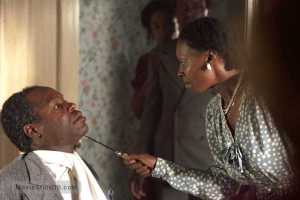
Celie’s Thanksgiving uprising
Finally, in the book, Celie and Mister eventually become friends. Come back with her long-lost kids and the dear sister Nettie he’d banished and “whoop his ass.” I love, love, love the film, but all of this was erased from book to script. I discovered all of this in my solitude.
The Color Purple was originally written as Celie’s prayers, the way she escaped the hell of her existence. In the book, she found this through love. On the paper, we can see that she stops writing to “God” and instead addresses the letters to her sister Nettie, the one who taught her to read (in both versions). The pages, not the movie, clearly reveal this spiritual transformation. Celie continues to write to Nettie, not knowing anything of her fate, only having found the old letters Mister had stashed away for years. Their love was so strong that in her solitude, writing the letters brought her peace. Curate writing activities that bring you peace.

The revised book cover following the film’s success
Do you keep a journal, dabble in poetry, admire the prose in your head? Set aside time as a family for writing and reading. Experience solitude together. Share your work. Curate activities that bring you peace. Use this quarantine to strengthen your capacity to love.
Share this:

A Love Letter: in praise of Agatha Christie

For most of my life, I have been an avid reader of all types of books. As my family will confirm, from childhood, I was never without a book. As an adult, I have regularly selected coats with large pockets and bags purely on the basis that they can hold a book. As many students will attest, my answer to most academic questions is “read, read and read some more”. Despite the growth of the internet and other media, which as @drkukustr8talk has noted recently, diverts and subverts our attention and concentration, reading remains my first and truest love.
This, my third ‘Love Letter’, focuses on my favourite author, above all others, Agatha Christie. I have previously dedicated ‘Love Letters’ to poetry, and art. Both of these forms took a long time for me to develop my understanding of and my love for. This ‘Love Letter’ is slightly different.
I first discovered Christie’s novels when I was about 12, since then they have formed a regular backdrop to my life. They act as a comfort blanket when I am tired, stressed, sad or away from home. I have read and reread everything she wrote and know the stories inside and out. Despite my decades of adoration, it remains challenging to know exactly what it is that appeals to me so much about Christie’s novels.
Perhaps it is the symmetry, the fact that for Christie every crime has a solution. Conceivably, given my pacifist tendencies, it could be the absence of explicit violence within her books. Maybe it’s Christie use of stereotypical characters, who turn out to be anything but. You don’t have to look very far to find the oh-so suspicious foreigner, who turns out to be a caring father (Dr Jacob Tanois) or the shell-shocked former military man trained in violence, who metamorphosises into a rather lonely man, who suffers from epilepsy (Alexander Cust). In all these cases, and many others, Christie plays with the reader’s prejudices, whatever they might be, and with deft sleight of hand, reveals that bias as unfounded.
To be honest, until relatively recently, I did not think much about the above, reading Christie was so much part of my life, that I took it very much for granted. All that changed in 2017, when I spotted a ‘Call for Chapters’
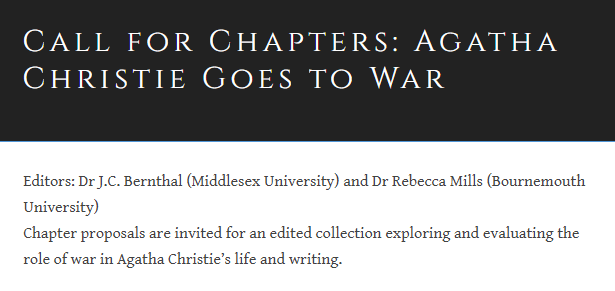
It seemed too good an opportunity to miss, after all I had spent a lifetime reading Christie, not to mention more than a decade studying war and crime. After all, what did I have to lose? I submitted an abstract, with no real expectation that someone who had never studied fiction academically, would be accepted for the volume. After all, who would expect a criminologist to be interested in the fictional writing of a woman who had died over 40 years ago? What could criminology learn from the “golden age” of “whodunnit” fiction?
Much to my surprise the abstract was accepted and I was invited to contribute a chapter. The writing came surprisingly easy, one of very few pieces of writing that I have ever done without angst. Once I got over the hurdle of forcing myself to send my writing to strangers (thank you @manosdaskalou for the positive reassurance and gentle coercion!) , what followed was a thoroughly pleasant experience. From the guidance of the volume’s editors , Drs J. C. Bernthal and Rebecca Mills, to the support from many colleagues, not mention the patience of Michelle (Academic Librarian) who restrained from strangling me whilst trying to teach me the complexities of MLA. Each of these people gave me confidence that I had something different to say, that my thinking and writing was good enough.
Last week, my copy of the book arrived. It was very strange to see my chapter in print, complete with my name and a brief biography. Even more surreal was to read the editors’ introduction and to see my work described therein, with its contribution to the volume identified. I doubt many people will ever read my chapter, it is published in a very expensive academic book destined for academics and libraries. Nevertheless, I have left the tiniest of marks in academic literature and perhaps more importantly, publicly acknowledged my love for the writing of Agatha Christie.
The finished article:
Bowles, Paula, (2020), ‘Christie’s Wartime Hero: Peacetime Killer’ in Rebecca Mills and J. C. Bernthal, Agatha Christie Goes to War, (Abingdon: Routledge): 28-45
Share this:


Three Tips for Uni:

There are lots of blogs, articles, and Youtube videos which offer some useful tips for going to university, yet it always appears as though students haven’t watched/read them or in the excitement of coming to university they have forgotten what they were. So in the hope that new and existing students might read this, here are my 3 tips for studying at university, and they apply to all levels:
1) READ!!!
At various stages throughout your degree you will be told that you are reading for a degree, and that is the truth. Now reading may not be everybody’s cup of tea, however it is vital to attaining a degree. Lecturers will provide reading lists for your modules, and readings for seminars, however it is vital you go beyond these lists. In first year everything is new, and the likelihood of you being experienced in reading academic journals and textbooks is pretty slim, and therefore there is a good chance you’ll be reading things that don’t appear to make much sense. That is how I remember most of my first year at undergrad! However, perseverance is key: if you didn’t understand it the first time round, take a break and read it again! Still not making sense, then read it again. Variety in source selection and reading is also key, do not feel like you have to read everything off the reading lists, or that those are the only sources you should be engaging with: get creative, mix it up! To change a phrase from a certain, loveable but forgetful blue fish: ‘Just keep reading, just keep reading, just keep reading reading reading, what do we do, we read, read…’.
2) TALK!!
University is a new experience and it is very different from school! There are no teachers who will give you the answers, but rather lecturers who will help you harness the tools in order to pursue answers. Even returning students who are familiar with the university format of being vocal in seminars still feel uncomfortable the first few weeks back as they find their rhythm. Reading is key to acquire knowledge, but so is talking. Share your ideas and understandings with your friends, colleagues and lecturers. Answer the questions put to you by others. Ask questions when you are unsure or curious. Challenge views. Seminars run much smoother for everyone when discussion takes place, and discussion cannot happen without first reading and second talking. It can be uncomfortable and unnerving, even at MSc level when you’ve had 3 years of undergrad experience of talking in front of others and sharing ideas. It is not easy, and there is always fear of being wrong or sounding silly, but that is how we learn. I’m not saying you should go around talking to everyone and anyone about anything and everything, because I most certainly would not do that. But in seminars and lectures where knowledge is the goal, talking is key.
3) ENGAGE WITH FEEDBACK!
Finally, part of university life is assessments. Now if you are successful with reading and talking, then the assessment part of university should be less scary and more positive than if you otherwise have not read or asked questions/shared ideas. A large part of assessment is writing style, and there are various resources provided by the university at your disposal to help improve your writing, and to tailor your writing depending on the assessment. But a really crucial and essential tool is the feedback given to you by your lecturers. Whilst the feedback given to you on a piece of assessment is specific to that assessment in terms of content covered, it can also be applied to future assignments and therefore should be engaged with. We spend a large amount of time constructing feedback for students, in order to help improve their work and ultimately to help them succeed but very few students engage with it. If we have said you need to engage with more sources, the likelihood is that this needs to be done for all your assessments, similarly if there is a referencing issue or writing style concern. Engaging with your feedback is one of the quickest ways to improve your work, and if you do not understand the feedback, TALK to your lecturer about it.
Studying any level at university is very different to A-levels and college: it is ultimately independent learning where the lecturers will guide you and help you attain the skills required to complete your degree. It is an exciting and challenging time regardless of which stage you are at in your academic journey, and ultimately when you look back it should be something you are proud of. So to new students, welcome, to returning students, welcome back, and to you all: GOOD LUCK! 😊

 Thoughts from the criminology team