
Are We All God’s Children? #BlackenAsiaWithLove
Warning: This is prose is an original work of fiction about an aching and divided world. May we develop a culture that values the strength to love.
Somebody once tried to tell me that we were all God’s children,
That all people were born into His kingdom,
Flesh of His flesh,
And meant to reign over the Earth on His behalf, with His grace.
I never bought that crap.
If people believed in God, would they alter his garden so drastically, that the earth itself is fighting back for life?
How can we say we were put here by Him,
Only to treat this place like crap!?!
If people believed in God, then
Why do so many of us try to rework the image He gave us?
We prick, pull, peel, perm, slim down and slice up our bodies so dramatically, that
We’re often unrecognizable to ourselves.
If we were created in His image, why do we mutilate it so?
I never bought that crap.
If people really believed in God, then
Why do we give in so easily to jealousy,
Riding the coat-tails of others,
Admonishing those who do good, but
We’re still victims of what we consider to be as ‘perfect’.
You can’t be Woke in this word unless you’re Jesus,
And you see what happened to Him.
If Jesus Christ walked into the White House, The Vatican or #10 today,
They’d crucify Him all over again.
Did I mention today’s Easter Saturday…the one day between crucifixion and resurrection…
The one day when Jesus is truly dead…
Only the believers believe that he’ll come back.
But His followers today would be ready to make Him a martyr all over again…
Just to keep their story straight.
I never bought that crap.
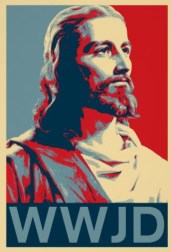
WWJD Today?

If Jesus walked in here today,
I believe he’d be trying to heal the masses with some universal salve that cures all…
But drug companies saw their profits dive and so they crucified Him.
They were out for blood, and with the strength of their lobbying,
Blood is what they got.
If Jesus walked in here today,
I believe he’d feed the needy.
But conservatives would see their power draining,
Since they needed to demonize the poor as welfare losers.
Jesus was giving them a hand up, not a hand-out, and
Many had climbed out of poverty,
Too many climbed out to manipulate, so
They labelled Him a socialist.
Conservatives got together and decided to crucify Him.
If Jesus walked in here today,
I believe he’d rid us of WMD.
That includes guns!
Masses of people are killed by their own guns.
But Jesus wouldn’t want people going around gunning down wild animals for sport, either– Even to the point of extinction.
They called Jesus a tree-hugger because He brought up the near extinction of the North American bison in the same breath as
He gave the stank face to big-game hunters today.
Jesus said:
“Hanging the dead corpse of your kill on the wall was death worship,” and
Questioned if such people could call themselves Christian?
He was here to promote Life.
Jesus said anyone was a hypocrite for restricting access to birth control.
He accused those religious zealots of misusing His name in order to control women’s bodies and wealth through meds and policies.
Jesus promoted reproductive choices with the proceeds people always gave Him.
Jesus even invested in birth control for men, including
A pill, an injectable and a scrotum implant.
He claimed He was empowering men to be able to have that choice.
Worse still, Jesus was not only a carpenter, but an avid horticulturist…
He grew His own.
Everything.
And He had led pilgrimages through forests to hug trees.
He only hugged trees tapped for logging,
Jesus loved hugging trees so much he’d once got several thousand people to go down to the Amazon and chain themselves to the trees high up in the canopy.
He said forests were his Father’s first cities; who were we to tear them down?
Logging was sacrilege.
And as for this tree-hugging crap,
Jesus was a vegan, too.
He said He couldn’t hurt any of God’s creatures, and
Even though He didn’t suggest we all refrain from meat,
He used His YouTube channel to interview more humane animal farmers around the world.
(Oh yeah, there was also that time Jesus went to Davos – uninvited-
He weighed in on fair trade. Isolationists were none too pleased).
He even had vegan cosmetics lines.
He had interviews with His farmers, factory workers, warehousing, delivery, even retailers to show good working conditions and fair pay.
Because of this, consumers said His pricing was fair, and began campaigns to press the other major companies into transparency, too.
LVMH’s sales took nose dive, as did others.
Worse, still, He only marketed His vegan haircare brand, Glory Locks, through
Online tutorials for wooly hair.
His conditioner, Kinky Salvation, became a sensation in the natural hair care community, where
It was discovered that the formula also beat hair loss!
Jesus could regrow hair!
That year, GQ put Him on the cover as The Man of the Millennium.
He caused a bidding war between major cosmetics companies when He agreed to sell His patented mineral foundation, Holy Teint.
There were lines in stores when He released new compact motifs-
The blue dove and the red cross sold out within hours.
Reviews in Vogue, Bazaar, Cosmo and more all said His foundation matched coppery skin tones above all other brands.
His vegan cocoa butter, Divine Skin, had seen sales of Vaseline drop by 50%.
As a vegan,
He was most animate about respecting God’s plants enough not manipulate seed genes that can’t reproduce,
Just so farmers would have to buy more each season.
The giants of pesticides and seeds, beef, logging all got together to take Him down.
Big chicken, Big Fish and Big Pork all joined in the Jesus bashing, too,
For they knew he’d soon come for them.
He’d already posted a nasty comment on a viral video about an industrial chicken farm, for which Netflix had given Him a ten-part special called: Unholy Food, Inc.
He went all vegan, too!
Not even honey was safe,
And the episodes of palm oil and avocado saw those commodities’ stocks dive the day after each debut!
Now, that’s gangster!
Jesus was no joke!
At Michael Jackson’s funeral,
Jesus did an interpretive dance to the artist’s Will You Be There.
At the end of His performance, He suddenly grabbed the mic in tears and said:
“I love my Jackson 5 nostrils, and I believe if Michael had, too, he’d still be here.”
Katherine and Joe Jackson just hung their heads.
‘I love my Jackson 5 nostrils’ quickly became a meme and
Later incorporated into a pop song.
He was accused of being anti-white.
In an MTV interview about the controversial lyrics, He said:
“The clear message here is that…
What we consider beautiful too often has too little to do with our authentic selves.
We do the exact same to mother Earth,
Digging, prodding, cementing over and dirtying up the air and waters of My father’s kingdom.”
Jesus was deep.
He was an avid reader, too.
Jesus wept when He read the Letter from a Birmingham Jail.
When asked for comment He simply said:
“So few in My Father’s kingdom have the strength to love.”
For the 50th anniversary of the Stonewall Riots,
Jesus accepted invitations to lead Pride parades all over the world.
People thought he’d had enough in New York, Chicago, Boston, LA and of course, San Fran.
But many were surprised when Jesus was on the first float at Black Gay Pride in Atlanta and DC!
None were shocked, then, when
Jesus showed up at London and Paris Pride and Christopher Street Day in Berlin.
But no one, and I mean no one,
Imagined for a second
That He’d dress up silly and
Dance with a gay Christian Carnival Crew at Cologne’s CSD Day!
When did He even have time to practice those moves?
Who knew He had such an angelic voice…
Until they heard His rendition of George Michael’s Jesus to a Child.
He brought everyone to tears that day in Heumarkt Square.
Plus, everybody loved the performance He did with Conchita Wurst of Beyoncé and Lady Gaga’s Telephone.
The two bearded men literally re-enacted the whole music video !
Who knew Conchita could do Gaga drag?
They popped-locked-n-rolled in spandex just like in the video.
Who knew Jesus had a black-boy-bubble-butt…
Like somebody cut a basketball in half and hung it off His tail bone.
Both videos went viral.
This was way too much for those in Africa who’d used His name to bash gay people.
They buckled down and passed anti-gay laws,
Nigeria making sure they out did Uganda.
They dismissed this Jesus as evidence of the decay in European values.
When He accepted the invitation to Pride in Cape Town and Nairobi…
Those in the region got ready.
Pride was canceled in Uganda.
Others roused lynch mobs from the pulpit.
They crucified Him all over again.
If Jesus walked in here today,
I believe he’d heal the disabled.
Jesus wouldn’t heal their conditions by some miracle of making a blind man see, a deaf man hear, or a crippled man walk.
Nah, nothing so simple.
Jesus removed what really hurts – fear and discrimination.
He targeted the stigma against disability.
No longer viewing different abilities as a liability,
Jesus undermined entire industries built around keeping them down.
Suddenly, office workers had to compete with the wheel-chair bound because,
Who needs to be able to walk into an office?
People had already seen how Autistic Savants could
Show us patterns in our lives that unfold life’s mysteries,
But Jesus showed the people how every person of every ability had something to contribute.
Charities for the poor fell because,
There were no more poor people – everyone had enough.
Politicians who’d been shoring-up votes by vilifying the Other as leachers could no longer galvanize their base around these fears.
The people eventually elected politicians who represented the people.
Somebody had to “take the country back, to make it great again,” so
Big Lobbying fought back.
Jesus had removed the control large corporations had over these politicians, so
They crucified Him.
Needless to say, because Jesus intervened,
There was universal healthcare that cared for the whole body – any body.
They resisted calling Him a socialist, but when Corona happened,
Everyone saw that unlike society, diseases don’t discriminate.
More of those who confessed to follow Him could see the sense in universal healthcare.
Insurance companies got together with Big Pharma and crucified Jesus for he’d taken away their monopoly.
Jesus exposed all their tricks, from
Inventing diseases to which only they had the cure, to
Hiding antidotes when they could instead sell us life-long supplies of meds that
Keep us just barely alive.
Jesus was fed up with humanity, but never gave up.
Jesus not only made room for the disabled, but
Made sure everyone got looked after.
He had to die.
He was much too good for this world.
It was clear to them that the only good Jesus was a dead Jesus –
The dead one they’d created in their holy books.
This resurrected one just wouldn’t do.
So, Jesus had gone too far.
War-mongers would vilify Him in the UN, and
Circumvent the authority of the world community, and
Wage a military campaign to track Him down.
For these war-mongers would charge Jesus with hoarding WMD.
They preferred the Iron Curtain to the Prince of Peace, so
They convincingly made the public scared of Him.
Big men wielding big sticks hunted Him down,
During a 40-day Vipassana retreat He’d taken in the Judean desert.
24-hour News spent months replaying drone and Body-Cam footage of His last moments,
Where their bullets crucified Him on the spot.
Just as they’d done for Osama Bin Laden,
Crowds of Christians gathered that night at the capitol to celebrate the blood-shedding.
They were death worshippers.
They even built a statue of Him on that spot to commemorate His sacrifice.
Crowds gathered there each Easter for festivities.

Share this:


If Slavery is the crime, my surname’s the crime scene

As we reach the 180th anniversary of the emancipation for when the last slave was truly free in the British Empire, we must look at the legacy of the Slave Trade today. It can be seen in the names of many Black Britons from Caribbean backgrounds. Griffiths (Welsh) and Ventour (British-French), you cannot get more European than that. My names are proof that Britain and France took part in the oppression of my ancestors. They are part of my family history. And as Glasgow Councillor Graham Campbell says, “When you are part of the crime scene, you cannot let the evidence walk away.”
My brother’s visit to the International Slavery Museum in Liverpool with my mother brings it home. That in going there, for him it was slavery in black and white, literally. It showed that slavery didn’t discriminate by age. It impacted people from babies in their mother’s arms up to the elderly. I watched Roots for the first time at eight years old. And I will never forget Kunta Kinte saying his name. Desperately clinging on to the last piece of himself. His name. Not the name of the slave master. His African name.

In my exploration of my own names and their links with transatlantic slavery, I have seen I am the worst kind of person. When I ask a person I know to be Black British with a European-sounding last name about their names, what I’m doing is fishing on how they got that name. The fact that I know Black Britons whose last names are things like Richards, Smith or Francis. That on a CV, you would not know the colour of their skin based on their name. Speaking to many Black Britons, I find our slave-ridden past to be an uncomfortable topic, but it’s also a story that the White establishment in Britain would prefer to keep invisible out of the way.
The other day before Britain went into lockdown, I went to afternoon tea with some colleagues of mine from University. Being Black in those settings is strange in my opinion – an everyday thing that comes from colonial times, reminding me of big houses and slave plantations, and escapees would have their legs and feet amputated like Kunta Kinte. It reminds me of famine in Ireland and India, and the genocide of Indigenous Americans.
That when my ancestors were working under masters’ wrath, Master Ventour and Master Griffiths would be indulging in tea and cakes. In Britain we present colonialism as something to be proud of. That we went to these places as explorers and “civilised” the indigenous people, passing it off today as teaching them about English niceties, etiquette and table manners.
In my role at university, whenever I have encountered international students, I do my utmost to try to inform them of the history this country does not tell in its travel guides. That if they went on a tour of Trafalgar Square they would not learn that Admiral Nelson married a plantocrat’s daughter on a Nevitian slave plantation. That as part of the Royal Navy, it was his job to protect British commerce, including slave ships. We do not tell this history to holidaymakers or students in any real depth because it shows that our good etiquette and table manners are written in blood.
When I broach these subjects, I see people that just want this Black person to go back to whatever “shithole nation” he came from. Growing up, I was often silenced by my peers at school for talking about slavery. However, if you tried to silence the Jews for talking about The Holocaust or the Irish for talking about the Potato Famine, I am certain they would have something to say. For Black people, the Slave Trade is our Auschwitz and those sugar, tobacco and cotton plantations in the US and Caribbean were death camps.
Whilst there are more positive images of Black history we need to see, we cannot neglect the over two hundred years of British slavery. And if you walk around this country with its grandeur and National Trust stately homes, you will see the money of colonialism without the blood.
So, when you have the Windrush, along with their children and grandchildren living in the centre of colonial power, you are part of the crime scene and you can’t just walk away.
Share this:


“My Favourite Things”: 5teveh

My favourite TV show - Probably Ashes to Ashes. I enjoyed Life on Mars but Ashes to Ashes was more my era

My favourite place to go - Newmarket Race course. We had our wedding reception there and we go back regularly for the races

My favourite city - Rome. Every corner turned is another surprise. The architecture and history is just amazing

My favourite thing to do in my free time - Mend clocks. Grandfather clocks can tell you so much about history

My favourite athlete/sports personality - Ian Wright. He just seems so down to earth

My favourite actor - Tom Hanks. He is an amazing actor and plays some fantastic roles. Long live Forrest Gump

My favourite author - It has to be Stephen Hawking. I read Brief Answers to the Big Questions (2018) and it just spoke to me. Having read it I thought ‘I get it’ even though Stephen Hawking points out I’m wasting my time thinking about what was in existence before the big bang

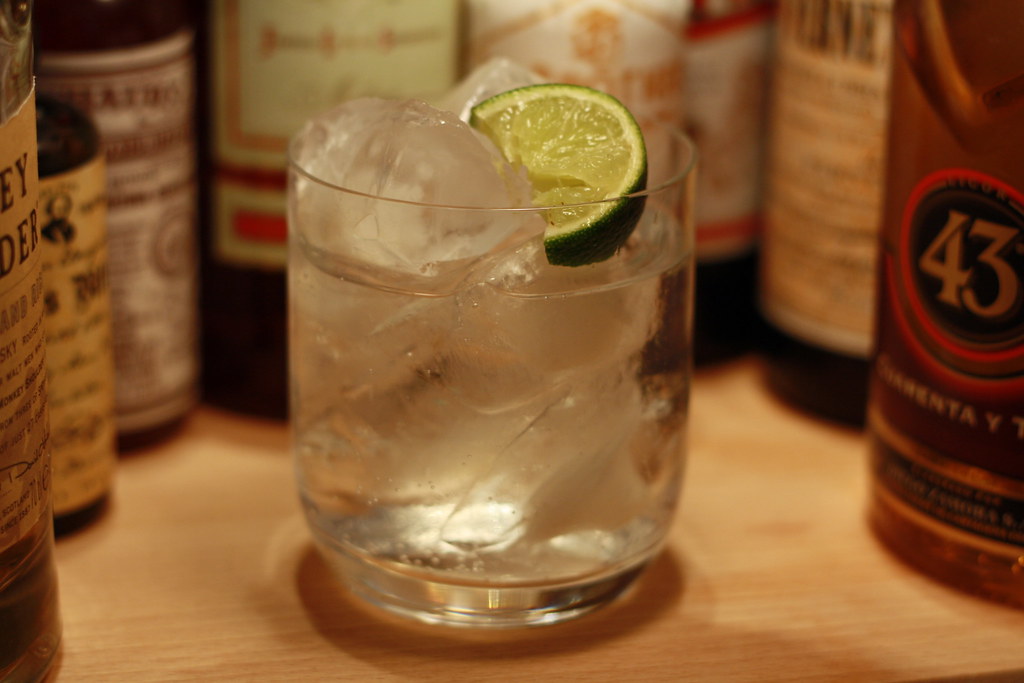
My favourite drink - Probably coffee. Surprised, well its what I drink most of the time. I do like a glass of red wine and certainly gin and tonic. In fact, the more of those I have, the more I consider gin and tonic to be my favourite tipple.

My favourite food - It has to be roast chicken dinner. My wife makes the best roast potatoes ever. Give me a roast anytime

My favourite place to eat - Funnily enough at home. I’ve been lucky enough to eat in places all over the world, South Africa, Hong Kong, Mauritius, West Indies, and Europe (too many places to name). I’ve eaten in Balti houses in Birmingham and even a Michelin starred restaurant, but you really can’t beat just being at home with family and friends

I like people who - I’m not really a people person. But if I have to choose, I like people that are genuine and have integrity. I’ve met a lot of people in my time from all walks of life and I get on with most, but there are not that many I think are genuine and have integrity.

I don’t like it when people - Are disingenuous. I don’t like people that use others to their own ends.

My favourite book - See above re: favourite author, but I have to say, The Circle runs a close second. It really resonates.

My favourite book character - Probably Paddington Bear. I get the hard stare from him.

My favourite film - Jungle Book, there's nothing like the ‘bear necessities of life’

My favourite poem - If by Rudyard Kipling. I think the poem speaks for itself, it’s worth returning to occasionally as a reminder

My favourite artist/band - Queen – Freddie Mercury. What a band and what a talent. I never managed to see them live with Freddie although I’ve seen them twice with Adam Lambert (brilliant singer). My friend introduced Queen to me in 1977, we listened to Brighton Rock on his dad’s hi-fi (that’s a music system invented long after the gramophone but before iPhone). I bought my first single shortly after,

My favourite song - Love of my Life. A Queen classic but I must admit Bridge over Troubled Water by Simon and Garfunkel runs a close second.

My favourite art - Impressionist painting is probably my favourite. Monet’s Impression Sunrise has a life about it that is difficult to describe.

My favourite person from history - Mother Theresa I think. Its difficult to tell because my only knowledge of historic people is what I’ve read or heard about in the news or history books. Mother Theresa stands out because she was from all accounts a loving caring person and had little herself.
Share this:


“My Favourite Things”: Haley
My favourite TV show - Peep Show. I recently binge watched Noughts + Crosses which I thought was brilliant

My favourite place to go -I am one of eight siblings so going to see any of my brothers and sisters (and their families) is always great

My favourite city -I prefer going to rural places rather than cities. I loved going to the Amazon Rainforest, Kruger National Park and being stalked by whales in Puerto Madryn. My favourite cities are Rio De Janiero, Cuzco, New York, San Francisco, Athens, Lisbon and London to name a few. I also live in Birmingham and love it here; I think it’s underrated as a city. I really enjoy going to music or food and drink events and being surrounded by friendly Brummies

My favourite thing to do in my free time - walk my dog, meet up with friends...have a nap. I am also obsessed with reading at the moment

My favourite athlete/sports personality - I’m not a sports person. Although, as procrastinating options were dwindling whilst I was doing my Master’s degree, I suddenly became fan of football. Apparently, the team I like the most (Liverpool) is the arch enemy team of my boyfriend's beloved Man United. I also like Wolves and Tottenham but liking three teams makes me a deviant in the footballing world

My favourite actor - Steve Carell. Especially him as Brick in Anchorman and as Michael Scott in The Office

My favourite author - still undecided with this one. Obviously, since childhood I have been eternally grateful for J.K Rowling for creating the Wizarding World of Harry Potter.

My favourite drink - Tea

My favourite food -Potatoes. Saag Paneer Balti with chips and a cheese naan bread

My favourite place to eat - anywhere as long as its with good company

I like people who - are empathetic, kind and encouraging of others

I don’t like it when people - think and act as though they are better to others

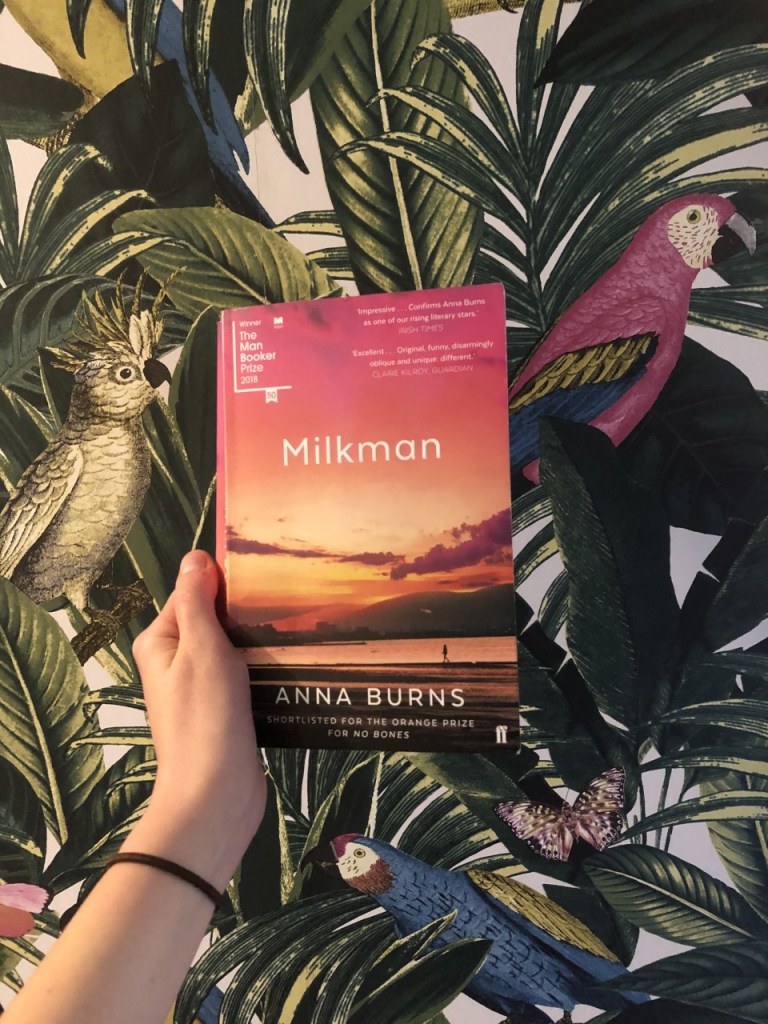
My favourite book - currently it's Milkman by Anna Burns

My favourite book character - Yossarian from Catch 22. He’s hilarious- I love his nerve and his anti-war sentiments.

My favourite film -I should be put off by the racist and misogynistic undertones within the Lord of the Rings films (and books) but I can’t help but enjoy the long adventure that Frodo and his friends embark upon. For a quick answer… Bohemian Rhapsody!

My favourite poem - I need to read more poems as I don't know of many. I do like poems by Margaret Atwood and John Cooper Clarke.

My favourite artist/band - I am sad enough to have a ‘Criminology Playlist’. It includes songs by Johnny Cash, Rage Against the Machine, Kano, Kate Bush, The Specials and Stormzy amongst others.

My favourite song - I love music that helps me to relax after a busy day at work. I love What a Wonderful World by Louis Armstrong, Pink Floyd’s live at Pompeii set, Radiohead and Hans Zimmer’s version of Bloom, Benjamin Clementine’s Nemesis and many more…

My favourite art -I was mesmerised by Picasso’s Les Meninas collection in the Picasso Museum. Banksy’s work is brilliant too

My favourite person from history - Those who contributed towards getting more rights/help for others. Only if they did this in a non-violent way, of course
Share this:

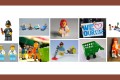
New Heroes for the Twenty-First Century? (Clue: they don’t wear khaki)
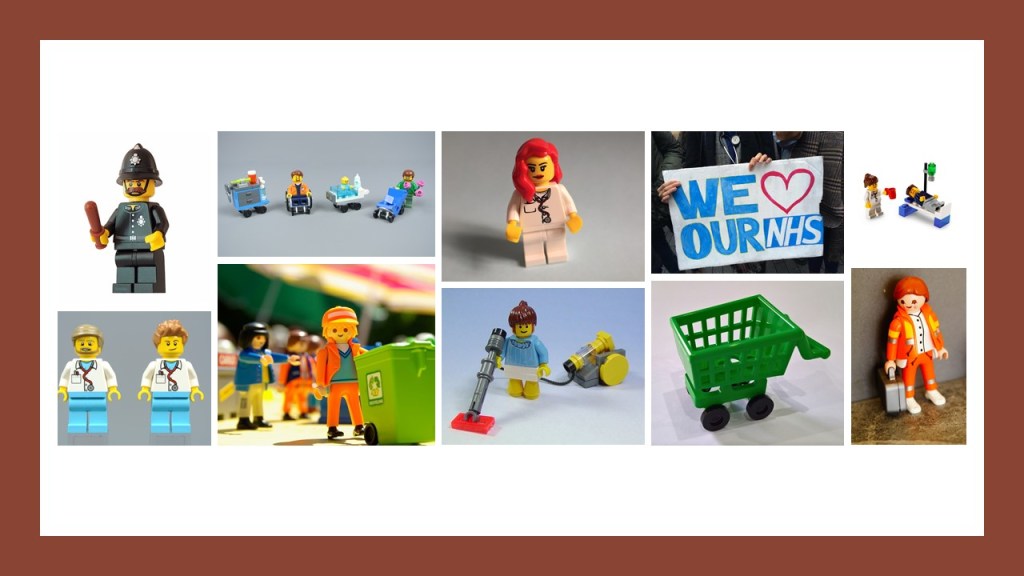
I have blogged before on the way in which society seems to choose what to remember and what to forget. Similarly, I have mused on remembrance, the poppy and the increasing militarisation inherent in paying homage to Britain’s war generation. In the current crisis, despite the despair, I sense a change in our understanding of the term heroism, which I will explore further below.
In the 20th century there was concerted focus on idolising the military man and his function within British society. This is unsurprising, it is not for nothing that Camus describes this period as ‘the century of fear’ (1946/2007: 27). This period was, and remains remarkable, for the two world wars, as well as a variety of other conflicts, within which Britain was involved (along with many other nations). The two world wars provide foundations for the way in which the twentieth-century is discussed and understood, with substantial periods of time often delineated into the short-hand of pre-war, inter-war and post-war.
Although only twenty years in, it is clear that the twenty-first century, cannot be described as peaceful. Rather it has continued with the same approach to international relations, often argued to be immoral, if not illegal, of using military violence to obtain, what Britain views as, reasonable and tangible gains. Whether we focus on Afghanistan, Iran, Iran, Libya, Sierra Leone or Syria, British military might is deemed appropriate, proportionate and necessary (as least in Britain). Certainly, a number of authors have already dubbed our current century, as being in a perpetual, ‘war without end’ (cf. McAlister, 2002, Tertrais, 2004, Schwartz, 2008).
However, in 2020 the world is facing a far more challenging enemy, one which threatens us all, Coronovirus, or as it is more scientifically known, Covid-19. More importantly this is an enemy that cannot be shot, exploded, tortured or conquered in the traditional, well-worn ways of warfare. Instead, this crisis calls for a different kind of hero, one who does not have recourse to an arsenal of increasingly, terrifying weapons.
As with the war, there are two distinctly different experiences, those on the front line and those who are not. Each group has a role to play, for some they will take their lives in their hands, on a daily basis, to tend to the sick, to deliver supplies to organisations, communities and individuals, to maintain vital services. This group will see things, again and again, that are upsetting, that will test their resolve, their empathy, their patience, good-humour and their confidence. For others, their role is to stay out of the way, to stay indoors, to ensure that the disease does not spread further. Each group will have their own tales to tell to each other, as well as to the generations which will follow.

Once this is all over, once we emerge from our enforced isolation, we will have a return to some kind of “normality”, yet this experience is unlikely to disappear from our individual and collective memories. As our forebears, had the war experience to shape their lives, and that of those who followed them (in many unexpected ways), so shall we have a similar defining moment. Whilst the hero of the twentieth century was indisputably a white, straight, able bodied, (nominally) Christian man dressed in khaki, the hero of the twenty-first century will appear in a variety of diverse guises. From the supermarket worker to the school teacher to the carer to the paramedic to the police officer to the undertakers to the cleaners to the small business owners to the scientists, to the nurses, paramedics, doctors, surgeons and all the others, each are serving on the front line of the fight against coronavirus. They are women, men, Black, Asian, white, Muslim, Buddhist, Sikh, Christian and atheist, they are young and old, they are experienced professionals and those just starting out on their working lives, they are well-renumerated, they are poorly paid, they have fears and anxieties, families, friends, and those that love and fear for their safety.
These people have little in common but their humanity and they are redefining heroism second by second, minute by minute, hour by hour, day by day.

References
Calhoun, Laurie, (2002), ‘The Phenomenology of Paid Killing,’ The International Journal of Human Rights, 6, 1: 1-18
Camus, Albert, (1946/2007), Neither Victims Nor Executioners: An Ethic Superior to Murder, tr. from the French by Dwight Macdonald, (Eugene: Wipf and Stock Publishers)
McAlister, Melani, (2002), ‘A Cultural History of the War without End,’ The Journal of American History, 89, 2: 439-455
Tertrais, Bruno, (2004), War Without End, (New York: The New Press)
Schwartz, Michael, (2008), War Without End: The Iraq Debacle in Context, (Chicago: Haymarket Books)
Share this:


Things I Miss (and don’t) – 5teveh

I was chatting with my wife the other day about household finances in the current situation. My wife has lost her two zero hours contract jobs (I’m not sure why they call it a contract when basically it’s a one-way thing; you work when we want you to and if you don’t agree then you don’t work) and adjustments have to be made. I’m not moaning about our finances, just stating a fact, things have to change. Anyway, my wife declares that whilst she enjoys visiting coffee shops it’s not something she particularly misses. A bit ironic really as we can’t go out for coffee anyway in the current countrywide shutdown. Of course, not going out for coffee saves money. The conversation got me thinking about what I miss, and conversely what I don’t in these unusual circumstances.
In a previous conversation, a friend and colleague said he missed the chats over coffee that we’d have on a weekly basis. I too miss this, but it wasn’t just the chats but also the venue, where we were able to somehow hide ourselves in our own little sanctuary, away from what at times felt like the madness of the daily machinations of campus life.
I never thought I’d say this, but I miss the classes, lectures, seminars, workshops, call them what you will. I miss the interaction with the students and that spark that sometimes occurs when you know they’ve got it, they comprehend what it is you are saying. I don’t miss the frustration felt when students for what ever reason just can’t or won’t engage. I don’t miss travelling into work in all the traffic. At least my fuel bill has gone down, and the environment is benefitting.
I miss seeing my boys, I get to speak to them or text them all the time but its not quite the same. They are grown men now but, they are still my boys. I miss being able to see my mum, she’s getting on a bit now. Sometimes I thought it a bit of a chore having to visit her, a duty to be carried out, but now… well its hard, despite speaking to her everyday on the phone.
I miss being able to pop out with my wife to various antique shops and auction rooms in pursuit of my hobby. I’m repairing an old clock now and need some parts. Ebay is useful but its not quite the same as sourcing them elsewhere.
I miss going out to meet my best mate for a beer and a Ruby (calling it a curry just isn’t cool). We’ve been friends for over forty years now and perhaps only meet up every three or four months. We text and chat but its not quite the same.
But what I miss most of all, is freedom. Freedom to see who I like and when I like. Freedom to visit where I like and to chat to whom I like, whether that be in a coffee shop with the owner or another customer or at an auction with other bidders and onlookers. It’s funny isn’t it, we take our freedom for granted until it is taken away from us. All those things that we moan about, all the problems that we see, real or imagined, pale into insignificance against a loss of freedom.
Share this:

Classified/Wanted Ads #BlackenAsiaWithLove
JOBS
Factory seeks to promptly fill 3 vacancies for late-night, high-security, discrete deliveries. Must be available 24/7 and show evidence of advanced combat and weapons training. Veterans welcome. Preference given to diversity candidates. Valid driver’s license required. Security devices and vehicle provided by employer. Paid weekly in cash.
VOCATIONAL – FINE ARTS
Wanted: A 18-25-year-old male is needed for a forbidden love-themed pop video. This is a well-known, bleach-blond, blue-eyed country artist’s pop debut. Casting requires an exotic, biracial type with boyish looks and natural hazel/green/blue eyes. Must be skilled in street dance.
RETAIL
Designer swimwear shop seeks Guest Relations specialists for flagship shops in The Hamptons and Malibu. Must be at least 6’3”, very dark-skinned, athletic, and deliciously beach ready. Funky hair a plus! Think Tyson Beckford meets Dennis Rodman. Duties include: Serving champagne, occasional overnight travel and beach volleyball with our exclusive clientele. Seasonal packages include: On-site room and board, comprehensive healthcare, professional grooming services and uniforms from our latest collection. No speaking, reading or writing required.
SPORTS
Streetballers wanted! Did you grow up dunking basketballs in a milk crate nailed to a tree? Have you battled the ghetto’s roughest players on the court? Then the New England Groten Academy wants you! NEGA is among America’s most elite, K-12 boarding schools for boys. NEGA’s Basketball program has won 3 Boarding School League championships and alumni just built a state-of-the-art athletic facility. NEGA’s athletes also train a futuristic virtual reality environment designed by GTA creators – real streetball simulations. The program is massively popular in the community, and welcomes NEGA staff as family. Nestled in pristine Vermont, 99% of NEGA graduates go on to study in the Ivy League. So, if you’re the champ of ghetto street ball, NEGA wants you!

“Help wanted—male” classified ad, Chicago Defender
General Research & Reference Division, Schomburg Center for Research in Black Culture, The New York Public Library, Astor, Lenox, and Tilden Foundation.
December 1, 1917*
PERSONALS
Couple seeks big, black buck for ravishment and master/slave role play. We’re are adventurous, old, white, middle-aged, middle-class couple newly empty nested. You: Tall, dark, hung, handsome and comfortable acting out domestic violence scenes. Tattoos, gun wounds and knife-scars a bonus. Extra paid for prison-time served.
Turn to pages 3-7 for pretty little white girls. There are plenty of new ads from kitchens to bedrooms and boardrooms seeking supporting roles.
Next week, no more of this diversity crap.
—
Afterwards:
Stuck at home on lockdown, I have (unwittingly), more regularly engaged with much more TV. Searching for entertainment, I’m continually amazed by the permutations of harmful stereotypes. Since childhood I’ve often wondered about the labour that buttresses this trade in harmful stereotypes. In my daily role as an educator, I expose my students (and I) to myriads of ways of seeing. This piece is one response to the cognitive dissonance between the two spheres of social and intellectual instruction. Don’t worry, books still live!
*https://teachers.phillipscollection.org/artwork/help-wanted%E2%80%94male-classified-ad-chicago-defender
Featured image: https://www.newspapers.com/clip/478/emma-martin/
Share this:


Coronavirus (Covid-19): The greatest public health crisis in my lifetime
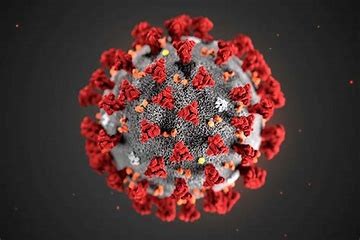
The coronavirus has caused an ongoing pandemic of coronavirus disease 2019 (COVID-19), caused by severe acute respiratory syndrome. The outbreak started in Wuhan, Hubei province, China, as early as November 2019. The World Health Organization (WHO) declared the outbreak to be a Public Health Emergency of International Concern on 30 January 2020 and recognized it as a pandemic on 11 March 2020. Whilst we all have an interest in the ongoing spread and consequence of the greatest public health crisis in generations it holds a specific interest for me given my visits to Wuhan and Hubei province whilst working for Coventry University. Wuhan is a massive city with over 11 million of a population, but little heard of until this outbreak. It is believed that its origins are most likely linked to the Huanan Seafood Wholesale Market, in Wuhan which also sold live animals, and one theory is that the virus came from one of these kinds of animals. The virus spread quickly through the population of Wuhan City which led to comprehensive lockdown to contain the virus. However, the virus spread beyond the city across China and into other countries. The scale of the spread has been significant and by the time the World Health Organisation declared the outbreak a full pandemic in March 2020 there were cases recorded in hundreds of countries.
Cases in the UK emerged on January 31st 2020, which prompted a government response to manage the outbreak. In the early stages there was some discussion about “taking it on the chin” and allowing the virus to spread through the population in order to gain “herd immunity”. However, the public health, medical and scientific experts at Imperial College London suggested that the death toll through their modelling exercises, if this strategy played out, could be in excess of 500,000. This was a situation that would be socially and politically unpalatable, and a change of thinking emerged with a combination of social distancing, public health advice on washing hands and a strategy to protect the capacity of the NHS to cope with escalating cases. A new lexicon emerged that we are now all familiar with: flattening the curve, delaying the spread, the peak of the infection and latterly the language of the health professionals in the frontline supporting and caring for people acutely ill with Covid-19; Personal Protective Equipment (PPE), Continuous Positive Airway Pressure (CPAP), ventilation and oxygen saturation and therapy. This is because the virus can attack the respiratory system leading to pneumonia and in several cases an immune response that leads to multi-organ shutdown. The media presentation of this crisis is all very frightening.
At the time of writing the pandemic has progressed relentlessly in the UK with currently over 65,000 people have tested positive and of those hospitalised nearly 8,000 patients have died. Some commentators have suggested that the UK was slow to recognise the seriousness of the virus and was slow to initiate the “lockdown” measures required to halt the spread. In addition, the UK’s position on testing for the virus has been criticised as slow, lacking preparation despite the global warnings from WHO and a shortage of the essential materials required. Whether these criticisms are valid only time will tell but the UK’s data on cases, hospitalisation, need for critical care and deaths is on a trajectory like other countries which could be described as liberal democracies. Here is the first clue to the timing of the response. The measures required to halt the spread of the virus have massive economic consequences. Balancing these two issues is incredibly difficult and has led to some commentators suggesting all liberal democracies will struggle to respond quickly enough.
What is now abundantly clear is that this is going to take some time for us to get through as a society and the consequences for large sections of our society are going to be devastating. However, what I’d like to discuss in the remainder of this blog are a number of early lessons and personal observations in terms of what we are seeing play out.
First, the data emerging indicates that the narrative about the “virus does not discriminate” is a false one. It is clear that health professionals are much more greatly exposed and that the data on cases and deaths indicate higher numbers of the socially deprived and BAME community. This should not be a surprise as the virus will be keenest felt in communities negatively impacted by health inequalities. This has been the case ever since we recognised this in the “Black Report” (DHSS 1980). The Report showed in detail the extent to which ill-health and death are unequally distributed among the population of Britain and suggested that these inequalities have been widening rather than diminishing since the establishment of the National Health Service in 1948. It is generally accepted that those with underlying health issues and therefore most at risk will be disproportionately from socially deprived communities.
Second, the coronavirus will force the return of big government. The response already supports this. In times of real crisis, the “State” always takes over. Will this lead to more state intervention going forward? If so then we will witness the greatest interventionist Conservative government in my lifetime.
Third, the coronavirus provides one more demonstration of the mystique of borders and will help reassert the role of the nation state. Therefore, the coronavirus is likely to strengthen nationalism, albeit not ethnic nationalism. To survive, the government will ask citizens to erect walls not simply between states but between individuals, as the danger of being infected comes from the people we meet most often. It is not the stranger but those closest to you who present the greatest risk.
Fourth, we see the return of the “expert”. Most people are very open to trusting experts and heeding the science when their own lives are at stake. One can already see the growing legitimacy that this has lent to the professionals who lead the fight against the virus. Professionalism is back in fashion, including recognition of the vital role of the NHS.
Fifth, the coronavirus could increase the appeal of the big data authoritarianism employed by some like the Chinese government. One can blame Chinese leaders for the lack of transparency that made them react slowly to the spread of the virus, but the efficiency of their response and the Chinese state’s capacity to control the movement and behaviour of people has been impressive.
Sixth, changing views on crisis management. What governments learned in dealing with economic crises, the refugee crisis, and terrorist attacks was that panic was their worst enemy. However, to contain the pandemic, people should panic – and they should drastically change their way of living.
Seventh, this will have an impact on intergenerational dynamics. In the context of debates about climate change and the risk it presents, younger generations have been very critical of their elders for being selfish and not thinking about the future seriously. Ironically the coronavirus reverses these dynamics.
Finally, I return to a point made earlier, governments will be forced to choose between containing the spread of the pandemic at the cost of destroying the economy or tolerating a higher human cost to save the economy. In conclusion, I have heard many say that this crisis is different to others we may have faced in the past 30 years and that as a result we can see society changing. Whilst I’m sure a number of the issues raised in this blog could potentially lead to society change it is also a truism that our memories are short, and we may return to life as it looked before this crisis quite quickly. Only time will tell.
Reference
“The Black Report” (1980): Inequalities in Health: Report of a Research Working Group. Department of Health and Social Security, London, 1980.
Share this:


Black hair defies gravity: On Emma Dabiri's #DontTouchMyHair
In my role, I get emails from students about dissertations. One such student contacted me about how she was doing her dissertation on the political implications of Black hair on Black women / girls in education. Meeting this student in early February (I won’t name names), it really got me to think about the role of Black men in how Black women see themselves. Getting that message on Instagram showed me that even as a Black person, a man no less, I don’t have to think about myself in relation to my hair. That within the Black community there is a privilege.
Don’t Touch My Hair by SOAS academic Emma Dabiri had been on my list for a long old time but my meeting with this student showed me I needed to fast track my reading of this text. We talked about Black hair historically, including the famous State of California vs Angela Davis in 1970 where she was on trial for kidnap and murder. Her hair out in true Black Panther fashion; whilst the FBI wanted to put her on trial, she put the FBI on trial.
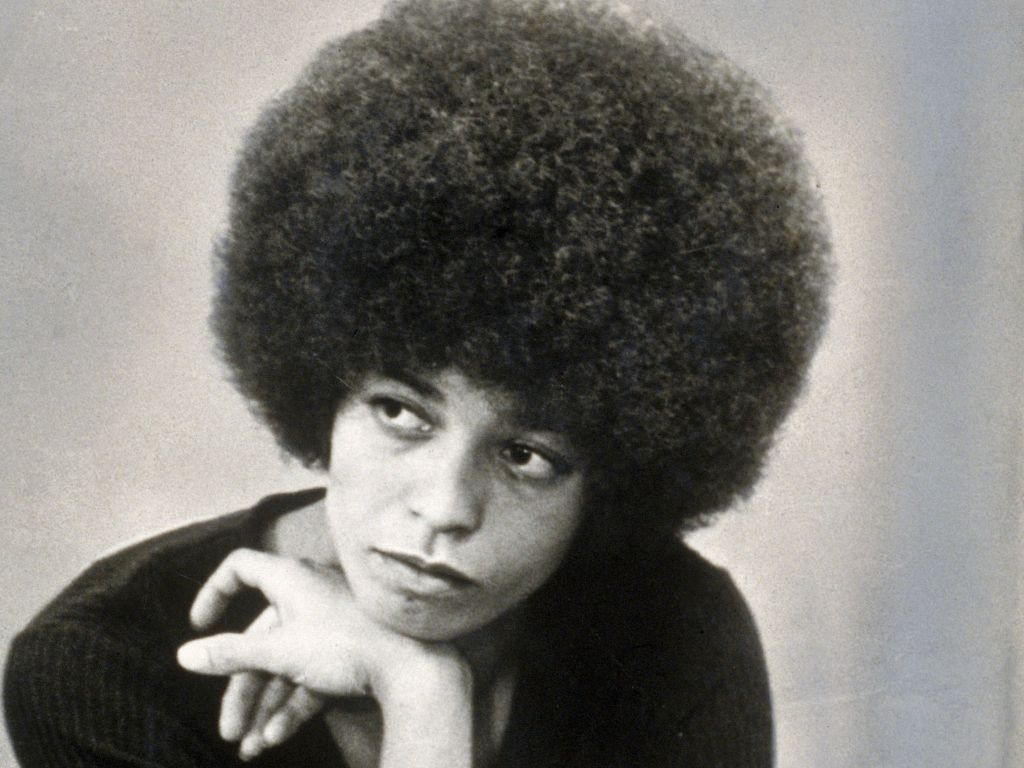
Black hair is personal to Black people, especially women who I found growing up and even today working at a university with many in the student body, made to feel that it is “a constant source of deep deep shame” as said by Dabiri in her book. Having spoken to a few of Northampton’s Black female students about this, much of the criticism of hair does not come from White people (though they are also culpable), it comes from Black men whose own standards of beauty can often be European. Straight hair and lighter skin over Afro coils and darker skin.
Mixed-Race, though racialised as Black, from a White Trinidadian mother and Black Nigerian father, Emma Dabiri has tightly-coiled hair. Through Don’t Touch My Hair, she takes us on a tour of race and society; history, Black politics and White power and how they all have elements tied up together. It’s in the colouring, incl. oral storytelling, colonialism (and decolonisation), popular culture and cosmology.
Even as a youth, as one who would become a Black man, my own hair was donned “wild” and “unruly” by those who dictated what beauty looked like. I did a degree where we read books that described Black people as savages. Before we get to hair, Black bodies were shunned and hated, in: art, literature, films… going back to works of cinema like Birth of Nation often said to be responsible for resurgence of the Klu Klux Klan.
“To be white is to be human; to be white is universal, I only know because I am not.” – Reni Eddo-Lodge
“Straightened. Stigmatised. Tamed. Celebrated. Erased. Managed. Appropriated. Forever misunderstood. Black hair is never just hair.” For some their hair is part of their identity, and Black hair is ladened with history, culture, and politics. It’s a link between now and then. Dabiri details why Black hair matters in a series of chapters, from pre-colonial Africa to today’s Natural Hair Movement, as well as the Cultural Appropriation Wars.
I grew up around Black women who found solidarity in their hair. Afro hair. Braids. Twists. Dreadlocks. It was a celebration of their blackness, as was choosing to have my own hair long at school, might I add all-White private schools. For me to have my hair then was a political statement. It wasn’t until I came to University where I was introduced to young women who wore weave and wigs. Prior to that I had a childhood surrounded by people who wore it natural in the tint of shea butter and ‘Black people time.’
I ventured with White poets that had braids and dreadlocks. On one hand, I believe how can a hairstyle belong to a people? In the way of the artist, I didn’t challenge it. Why does appropriation exist? Dabiri showed why it’s so important. On the other hand, I recognised that to appropriate something as your own without acknowledgement is to steal history. She shows us that Black hairstyling varies from pop culture and cosmology to prehistoric times, to Afrofuturism (with Noughts and Crosses) and the blackness of the panther, alongside networks leading enslaved Africans to freedom.
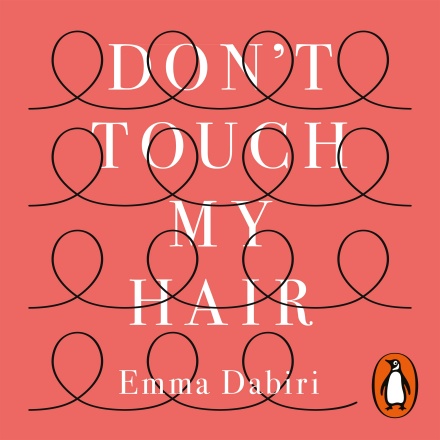
Through her relating to the Nigerian ancestry on her father’s side, as well as the histories and stories of Black people in the United States, Britain and Latin America, she explore the history of Black hair and how we have been conditioned to relate to it. Wild. Unruly. High maintenance. Colonialism has done a number on Black people and those racialised as Black, depriving a whole people of any positive beauty standards, including hair history.
Choosing to talk positively about Black hair and changing the often discriminatory language (in itself) could be perceived as an act of decolonising, and if we are serious about decolonisation, we must look at language as well
You can tell this text was written by an academic, and true to form her sources are diverse. It was heartbreaking on my degree to have sources and texts that were whitewashed as much as race, and nearly dominated by men. As far as academia is concerned, I feel seen in Don’t Touch My Hair. That it shows people that look like me writing in their field, tying back to lack of Black representation in higher education, especially Black women.
From oral history to whitewashed British history, she points out the lack of representation and recognition of Black people in history books, regardless of their achievements in Science, Technology, Engineering and Maths [STEM]. Today, we are challenging universities to decolonise but Black students are tired of seeing themselves as stereotypes. There are other images we need to see, not just the same old same old. If Black children could see themselves as more than stereotypes, perhaps by the time they reach university they might have more self-identity as Black Britons.
Whilst this text is from the female perspective, I felt that representation. As a Black person who spent five days of every seven as a child around White people who didn’t have a clue about race issues, especially hair… I engaged with this book from beginning to end. English private schools don’t sound too dissimilar to the ignorance and racism Dabiri encountered in Ireland.
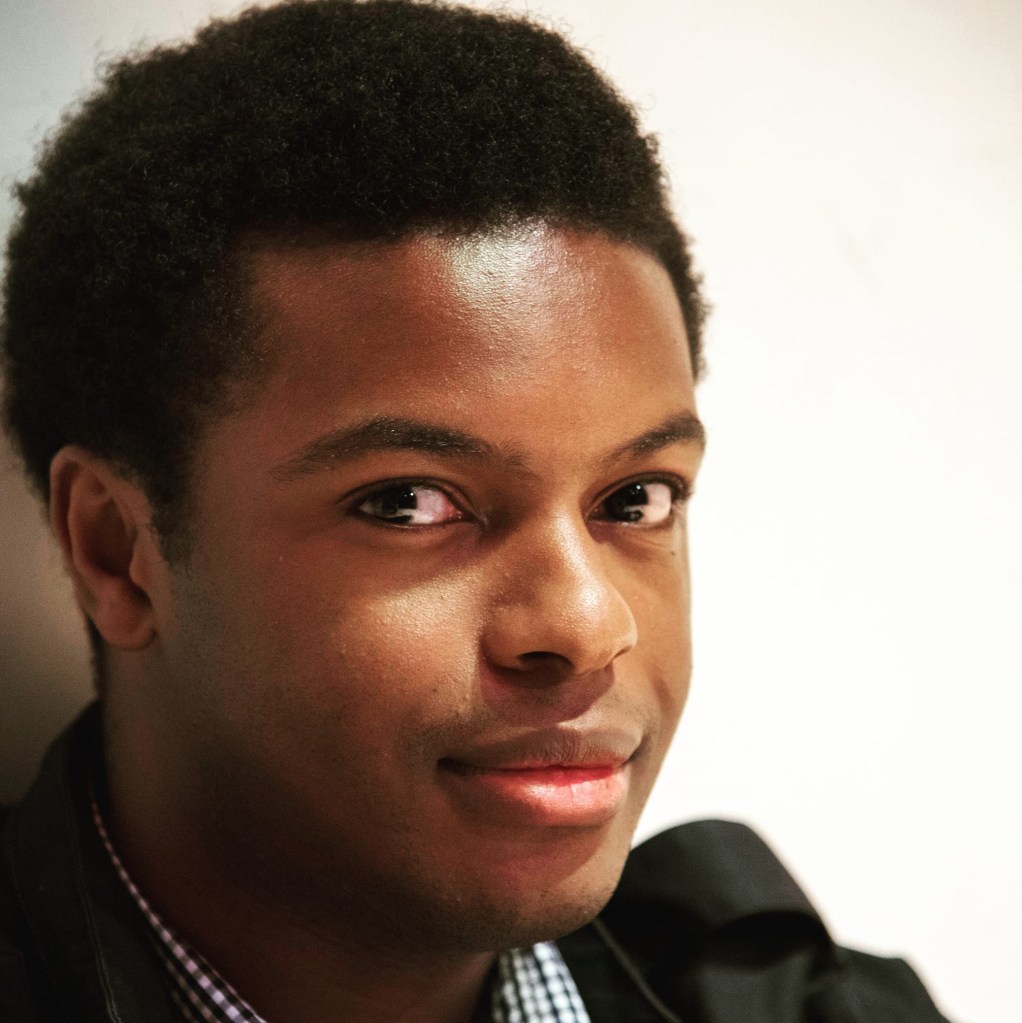
Photo Credit: Louise Stoner (2018)
As the only Black person at the schools I went to between the ages of eight and fourteen, many would find their hands wondering into my hair without consent. One of my favourite writers is Afua Hirsch. Like Emma Dabiri, Hirsch, also grew up mixed-race and wrote a book called Brit(ish) exploring her own identity, branching off into many subjects, including class.
Dabiri’s commentary on the “desire to conform” to a White “aesthetic which values lights skin and straight hair is the result of a propaganda campaign that last more than 500 years” is one I’m sure Black people everywhere relate to but will struggle to articulate. Coming through Britain’s private system, it’s one I struggled to avoid, as on more than one occasion my hair was compared to “wool” like I was Black in the war years, where they referred to “woolly-headed niggers” on British Army correspondence.
Emma Dabiri arrives at a time when the emerging generation of Black Britons are finding themselves lost in academia, writing dissertations on Black Britishness and seeing the deficit of texts that represent them – Don’t Touch My Hair is part of the revolution, and it defies gravity
Share this:


“My Favourite Things”: Bethany
My favourite TV show - I have many. But if I must select just one... Fleabag. I have rewatched several times, I have even read the book (which is more of a script).

My favourite place to go - Peak district, I have several favourite spots within, but overall, it's my favourite place.

My favourite city - Cambridge. It may be more familiarity than anything else, but it does have a charm.

My favourite thing to do in my free time - READ. I have other loves, such as video games and walking. But reading is my everyday pastime.

My favourite athlete/sports personality - Hard one for me, as I'm not really into sports. The only sport I follow which may surprise some is body-building! There's an element of obsession, dedication and art that fascinates me.  So, I will say Kai Greene - but I'm not sure how many will know who this is.

My favourite actor - Tough one, I like most films/TV that has either Bill Hader or Meryl Streep in.

My favourite author - Tough one- Can I give 2 - is that cheating?  Margaret Atwood & Lucy Clarke

My favourite drink - Coca Cola - Full Fat - The good stuff

My favourite food - Bangers & Mash

My favourite place to eat - Anywhere with good food that I don't have to cook myself!

I like people who - Ask Questions. Questions are the stepping-stone before acquiring knowledge.

I don’t like it when people - Assume things stay the same. One of my pet peeves is "Well they should have thought of that before X happened". Things change, feelings change, people's finances change. Therefore, we should try withholding judgement and think how circumstances change.

My favourite book - This one is hard for me. The academic in me says Paul Willis' Learning to Labour, the book opened my mind and genuinely changed my life. But the child in me and the one who loves to explore... The Secret Garden

My favourite book character - This doesn't go in line with my favourite book, but I love the character Charmaine in The Heart Goes Last she's complex but she is also empathetic.

My favourite film - Hocus Pocus - More of a sentimental thing of carving pumpkins every year while watching it!

My favourite poem - While I am not one much for poetry, I adored Rupi Kaur's poetry book Milk and Honey

My favourite artist/band - I have a few, I like The 1975, Alicia Keys, Sam Smith and even some Billie Eilish

My favourite song - Not fitting at all to the above - But - It's Can't help falling in Love

My favourite art - I didn't actually know the name of it till now as I never really thought about it, but what I used to call 'Crazy Stairs' (apparently actually called Relativity by M.C.Escher). It used to be in my Art room at school, I remember thinking it seemed pointless, then I realised that was probably the point.

My favourite person from history - Angela Davis. After I read Women, Race & Class I wanted to explore more – This woman has had a fascinating, challenging, but above all, inspiring life.
… Side note: as I wasn’t asked … Maisie – My dog (pictured) is my favourite…of everything, really. Just look at her, she’s beautiful.


 Thoughts from the criminology team