
Home » Posts tagged 'queer'
Tag Archives: queer

Without solidarity there is no social movement: beyond the rainbow
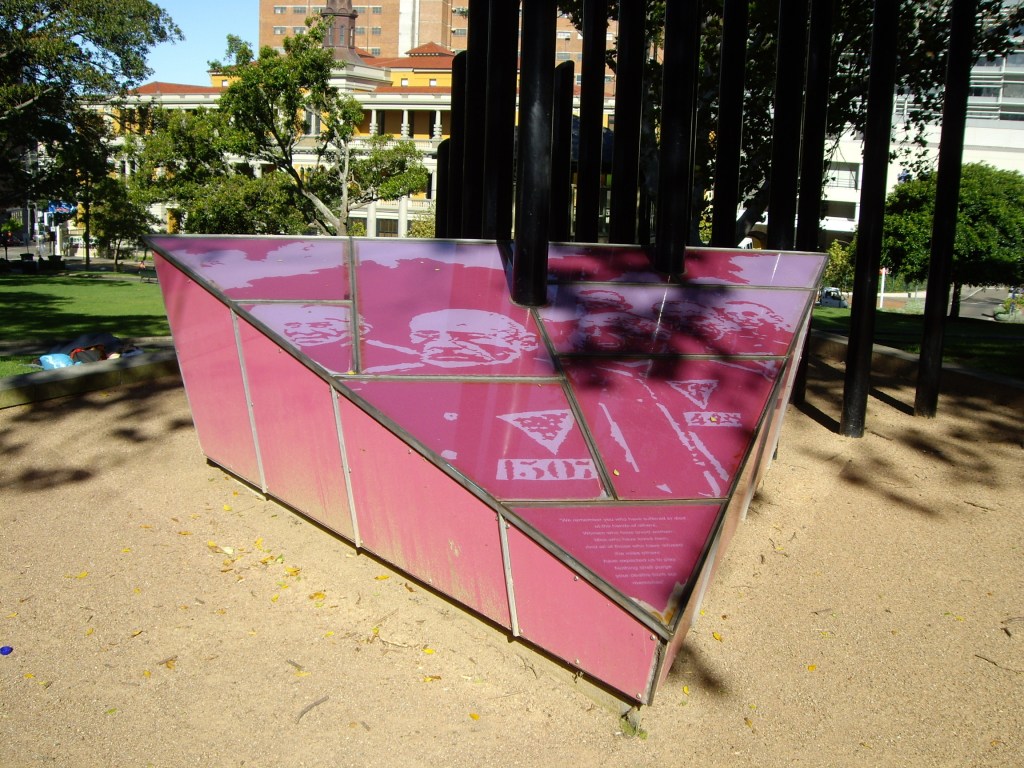
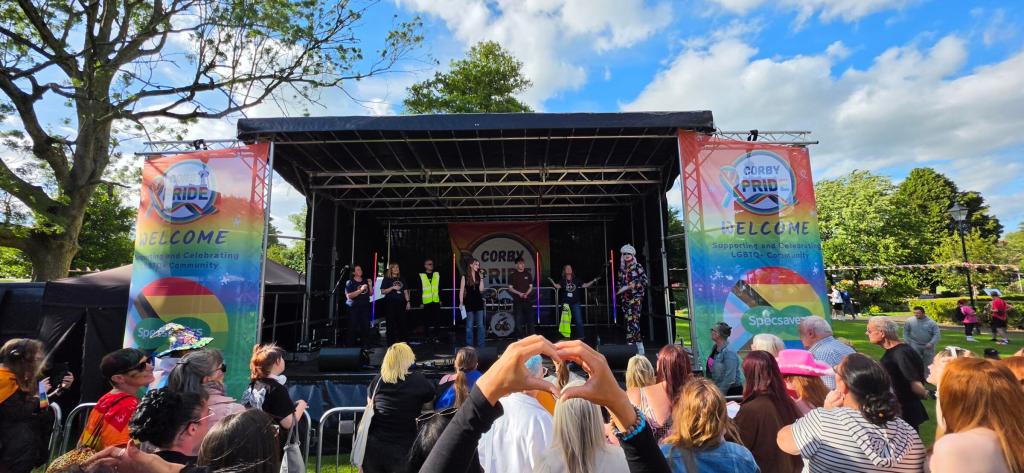
As this month draws to a close, it is worth remembering that for several years now June has been recognised as Pride Month. It is a significant date in the calendar for the LGBTQ+ community both nationally and internationally. Arguably, it is now a cultural event marked by celebrations and activities in towns and cities across the world. On the surface, it may not appear to be a criminological talking point. However, that changes when we consider the origins of Pride itself.
It is widely acknowledged that Pride has its roots in the Stonewall Riots of June 1969. At the time, a marginalised community, alongside other groups campaigning for equality, raised concerns that were fundamentally about civil and human rights. They made a stand against discrimination and criminalisation. Respect and decriminalisation were among the key issues, accompanied by broader demands for equal rights, including the recognition of same-sex relationships and the right to family life. The birth of Pride, therefore, is firmly rooted in activism, civil rights, and the struggle for visibility.
During the 1970s, Pride was unapologetically political, highlighting the inequalities and prejudices faced by the LGBTQ+ community, many of which stemmed directly from the criminalisation of homosexual acts. In the UK, calls for reform had already begun to gain momentum. Following the Wolfenden Report (1957), homosexual acts between consenting men over the age of 21 were decriminalised in England and Wales in 1967. Scotland followed in 1980 and Northern Ireland in 1982. While decriminalisation ended the prosecution of consenting adults, the struggle for equality was far from over.
In 1988, the UK government introduced Section 28 of the Local Government Act, which prohibited local authorities from “promoting homosexuality” through teaching or published materials. It became clear that Pride remained an essential mechanism for drawing attention to injustice and actively protesting against it. Throughout the 1980s and 1990s, Pride was as much a political demonstration as it was a celebration of visibility and community. Campaigns focused on issues such as repealing Section 28, equalising the age of consent, and achieving legal recognition for same-sex relationships. Equality in the age of consent was eventually achieved in England, Wales, and Scotland in 2001 and in Northern Ireland in 2008. Section 28 was repealed in 2003 in England and Wales, having already been repealed in Scotland in 2000. Civil partnerships came into effect in 2005, and same-sex marriage was legalised in 2014, with the first marriages taking place in 2014 in England, Wales, and Scotland and in 2020 in Northern Ireland. For many people outside the LGBTQ+ community, these milestones appeared to signal the end of the movement’s activism.
Far from it.
Since the early 2000s, there has been a growing political focus on, and often hostility towards, members of the trans community. Questions surrounding access to public facilities, pronoun use, healthcare, and participation in sport have become central features of what is often described as the “culture wars”. It is interesting to observe the shift in language from civil rights to culture, as this change obscures the most important aspect of these debates. At their core, these are questions about human rights, dignity, and equal treatment.
Regrettably, some members of the LGBTQ+ community have distanced themselves from this struggle, arguing that full equality has already been achieved. To them, and to many others, I would simply point out that the movement born at Stonewall was led in significant part by trans women and gender-nonconforming individuals whose determination to be visible and respected helped ignite a global movement. Their courage challenged discrimination and injustice. They stood at the forefront of a community demanding recognition and dignity; their mascara countered discrimination and their lipstick was their war paint to fight injustice. Now that their rights are increasingly questioned and, in some cases, curtailed, the wider community should stand alongside them. After all, without solidarity there can be no social movement.
Many people today regard Pride as a relic of late twentieth-century activism that has lost its political relevance. In this view, it has become little more than a party or an excuse for performative displays. Such perspectives overlook a fundamental truth: human rights are rarely given freely, particularly to those who experience discrimination. They are fought for, defended, and maintained through constant vigilance because rights can be eroded as easily as they are won.
Even within the UK, some cities and towns continue to struggle to finance Pride events due to local political opposition or dwindling institutional support. Internationally, Pride marches are increasingly met with counter-protests framed around “family values”, while LGBTQ+ communities in a number of countries face direct and indirect attacks on their rights and freedoms. Several countries have restricted or banned Pride events altogether, while others have altered their legal frameworks in ways that make public expressions of LGBTQ+ identity increasingly difficult or risky. Furthermore, homosexuality remains criminalised in dozens of countries worldwide, with penalties ranging from imprisonment to, in some cases, far harsher punishments.
In many ways, the legal changes securing LGBTQ+ rights in the UK represent the fulfilment of decades of activism, mobilisation, and collective struggle. They are significant achievements and should be celebrated. Yet what matters most is what comes next. Progress is never guaranteed.
As the flags are taken down and the celebrations come to an end, as trans rights continue to be contested, and as democratic societies increasingly grapple with intolerance and authoritarian tendencies, perhaps it is time to remember the spirit that gave birth to Pride. Perhaps it is time, once again, to put on our lipstick and continue the struggle for those whose voices have too often been silenced.
And to the colleague who once asked me why the “L” comes first in the community’s acronym: it is there, in part, because during the AIDS crisis of the 1980s and 1990s, many lesbians stepped forward when others would not. They cared for gay men who were dying, held their hands when families and institutions turned away, and demonstrated a profound humanity in the face of fear and stigma. It is that humanity that we recognise, honour, and celebrate.
Images
L-R Sydney Gay and Lesbian Holocaust Memorial and Corby Pride


