
Home » Posts tagged 'museum'
Tag Archives: museum
Who owns the past?
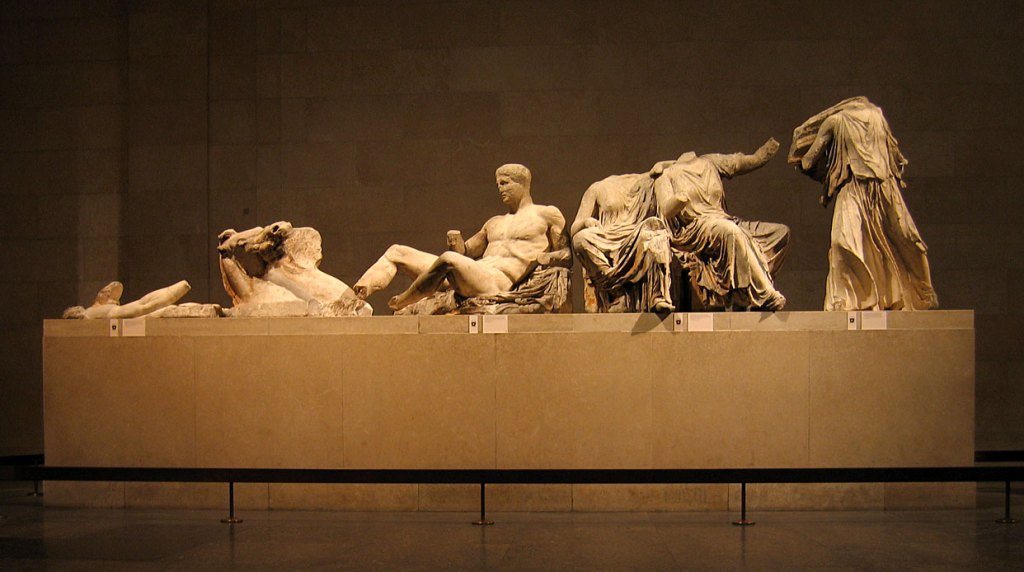
The question of whether museums remain relevant comes up often in discussions about heritage and old artifacts. Yet the evidence suggests they continue to play a vital role in modern society. People still visit them in huge numbers, and schools rely on them as living classrooms. According to the Department for Culture, Media and Sport, museums in the UK welcomed over 40 million visitors in the past year, with attendance peaking in the summer months and during school holidays. Clearly, the appetite for museums hasn’t faded.
Part of their enduring appeal lies in their diversity. There are museums filled with towering dinosaur skeletons, others dedicated to technology from just a decade ago, and countless spaces in between. Among these institutions, some of the oldest — like the British Museum — continue to spark debate and fascination. Its vast collection spans human history, art and culture from across the world. Within its walls you’ll find globally significant artifacts such as the Parthenon Sculptures, the Rosetta Stone, the Ife Head from the Benin Bronzes, and the enigmatic Hoa Hakananai’a from Rapa Nui.
These objects draw millions not only because they are beautiful or ancient, but because they connect us to stories far larger than ourselves. Whether museums should continue to hold such items is an ongoing conversation — but their relevance, at least in the public imagination, remains undeniable. A statue in a museum can provide some understanding about sculpture and carving techniques but in the case of Hoa Hakananai’a it misses the context of its purpose.
The relevance of museums becomes even more pronounced when the objects they display belong to the heritage of other cultures. Calls for repatriation have grown louder in recent decades, often framed as reminders of a colonial past in which powerful nations acquired “beautiful” or culturally significant objects simply because they had the means to do so. For many communities, these artifacts are not just historical items but living symbols of identity, memory and continuity — and their absence is felt as a loss.
Museums often argue that they preserve artifacts and ensure their longevity for future generations. They present themselves as spaces where millions of visitors can immerse themselves in global culture. That is their position, but recent events, such as the Louvre heist, make it harder to accept this claim without question. Even more troubling is the way many of these artifacts were originally removed from their countries of origin. It is difficult to frame these actions as preservation rather than a form of cultural piracy.
The Parthenon Sculptures are a striking example. They were hacked into transportable pieces in the early 19th century to be displayed in what was intended to be the private museum of a Scottish aristocrat. Their removal took place a decade before Greece gained independence through revolution. When that aristocrat later fell into bankruptcy, he sold the sculptures to the British Museum for half his original asking price. This is just one of many transactions that undermine the argument that such acquisitions were motivated by respect for other cultures. Instead, they reveal a pattern of opportunism that continues to shape the debate today.
Therefore, it becomes reasonable to question whether some museums function as relics of a colonial past — institutions that still hold objects taken under unequal power dynamics. Returning artifacts to the communities and regions they originate from is increasingly seen as a step toward cultural justice. Although the Kingdom of Benin no longer exists in its historical form, the Edo people of Nigeria continue to identify with the bronze casts of the Obas (kings) they depict, and they have long called for their return.
The movement for repatriation is gaining international momentum as governments and museum authorities begin to return culturally significant pieces to their rightful communities. If the history and identity of people are the most important parameters, then why insist on keeping the originals in foreign institutions while offering only copies to the cultures that created them?
This leads to a deeper question: who owns the past? How do we curate the history and culture of peoples who endured colonial rule, displacement, or even extermination? Human history may be collective, but the cultural significance of certain artifacts reminds us that we must confront the crimes of the past — the looting, the violence, and the erasure — and recognise the need for justice for those who were wronged.
In the end, the relevance of museums in the twenty‑first century depends on their willingness to confront the legacies that shaped their collections. These institutions can no longer rely solely on their educational value or their role as guardians of global culture; they must also reckon with the histories of extraction, violence and inequality that brought many treasured objects into their halls. Repatriation is not about emptying museums but about rebalancing relationships, restoring dignity and acknowledging that cultural heritage carries meaning far beyond its aesthetic or historical worth. If museums choose to evolve to collaborate, to return what was taken, and to tell fuller, more honest stories they can remain vital spaces for learning and connection. But their future relevance will be measured not by the number of visitors they attract, but by the integrity with which they address the past and the justice they help shape for the generations to come.

Share this:


Journeys Through Time: From British Empire’s Transportation Punishment to Contemporary Immigration Challenges
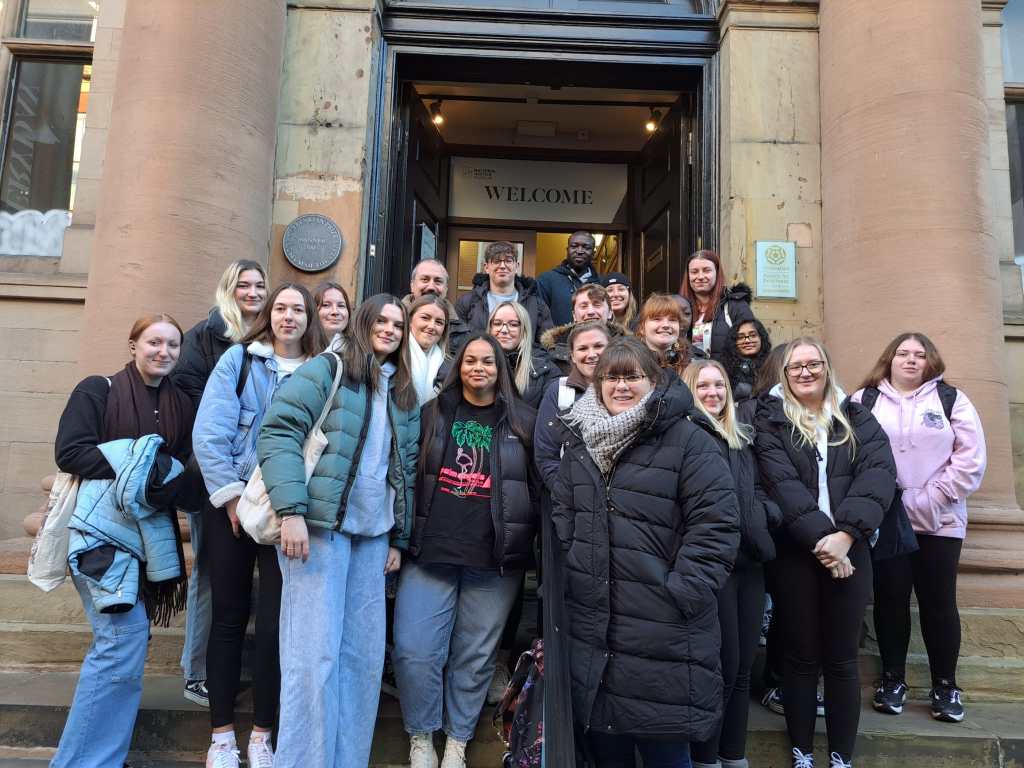
On November 29, 2023, our level 5 criminology students embarked on a visit to the National Museum of Justice in Nottingham. The trip had multiple objectives, including providing students with an out-of-classroom understanding of archives, immersing them in the crime and justice model in Britain from the 1840s to the 1940s, exposing them to rich historical records, deepening their understanding of archival research materials, and offering them first-hand experience on the treatment and conditions of suspected and convicted individuals in the past.
The museum, a vital historical site, not only facilitates reflection on the history of crime and justice in Britain but also offers an opportunity to ponder the trends and trajectory of changes since 1614.
Among the myriad opportunities for learning and research, transportation stood out for me. This form of punishment, prevalent in the British Empire from the 17th to the mid-19th centuries, forcibly removed convicted individuals from Britain to penal colonies, primarily in North America and later in Australia. This severe punishment involved separating convicts from their families and homeland, subjecting them to harsh and unfamiliar environments. Notably, individuals as young as nine were sent to America in 1614, with sentences ranging from 7 to 14 years or life. In addition to its punitive aspect, transportation provided forced cheap labour for the British government in exploited colonies, contributing to the expansion of the British Empire.
The deplorable conditions during transportation, its impact on the history of Australia and other colonies, and its role in the development of a unique convict society underscore its harsh and brutal nature. Despite its significant role, transportation was gradually abolished in the mid-19th century due to growing unpopularity and expense.
The historical context of transportation as a punitive measure serves as a backdrop for understanding current immigration and eviction plans in the UK, particularly concerning refugees and asylum seekers arriving in small boats. Though transportation was phased out in the mid-19th century, the echoes of forcibly moving individuals can be juxtaposed with contemporary immigration policies.
The British Empire’s transportation punishment, involving forced removal to distant penal colonies, parallels the challenges faced by today’s refugees and asylum seekers. While historical transportation was driven by criminality, current immigration plans involve vulnerable populations seeking refuge and safety, raising uncertainties about the safety they can find in Rwanda.
Examining the deplorable conditions of transportation provides a lens to scrutinize the humanitarian aspects of current immigration policies, emphasizing the toll on human life, challenges during migration, and impacts on indigenous populations.
Both transportation and the Rwanda plan share a common objective of removing unwanted individuals from British society, albeit for different reasons. Transportation aimed to punish criminals, while the Rwanda plan intends to deter dangerous journeys across the English Channel.
However, both policies face criticism from human rights groups, asserting their cruelty and violation of international law. Despite this, steps to implement the Rwanda plan are underway, indicating a willingness to sacrifice the well-being of vulnerable individuals for political expediency. The parallels between transportation and the Rwanda plan serve as a stark reminder of the dark side of British history, with asylum seekers and refugees sent to Rwanda facing the prospect of indefinite detention and potential persecution upon return to their countries of origin.
While transportation was abolished in the mid-19th century, exploring its historical significance encourages reflection on the complexities of modern immigration and eviction plans. This analysis highlights how punitive measures, whether historical or contemporary, shape societies, impact individuals, and contribute to a nation’s broader narrative.


