
Home » Social justice (Page 7)
Category Archives: Social justice

April Showers: so many tears

What does April mean to you? April showers as the title would suggest, April Fools which I detest, or the beginning of winter’s rest? Today I am going to argue that April is the most criminogenic month of the year. No doubt, my colleagues and readers will disagree, but here goes….
What follows is discussion on three events which apart from their occurrence in the month of April are ostensibly unrelated. Nevertheless, scratch beneath the surface and you will see why they are so important to the development of my criminological understanding, forging the importance I place on social justice.
On 15 April 1912, RMS Titanic sank to the bottom of the sea, with more than 1,500 lost lives. We know the story reasonably well, even if just through film. Fewer people are aware that this tragedy led to inquiries on both sides of the Atlantic, as well, as Limitation of Liability Hearings. These acknowledged profound failings on the part of White Star and made recommendations primarily relating to lifeboats, staffing and structures of ships. Each of these were to be enshrined in law. Like many institutional inquiries these reports, thankfully digitised so anyone can read them, are very dry, neutral, inhumane documents. There is very little evidence of the human tragedy, instead there are questions and answers which focus on procedural and engineering matters. However, if you look carefully, there are glimpses of life at that time and criminological questions to be raised.
The table below is taken from the British Wreck Commissioners Inquiry Report and details both passengers and staff onboard RMS Titanic. This table allows us to do the maths, to see how many survived this ordeal. Here we can see the violence of social class, where the minority take precedence over the majority. For those on that ship and many others of that time, your experiences could only be mediated through a class based system. Yet when that ship went down, tragedy becomes the great equaliser.

On 15th April, 1989 fans did as they do (pandemics aside) every Saturday during the football season, they went to the game. On that sunny spring day, Liverpool Football Club were playing Nottingham Forest, both away from home and over 50,000 fans had travelled some distance to watch their team with family and friends. Tragically 96 of those fans died that day or shortly after. @anfieldbhoy has written a far more extensive piece on the Hillsborough Disaster and I don’t plan to revisit the details here. Nevertheless, as with RMS Titanic, questions were asked in relation to the loss of life and institutional or corporate failings which led to this tragedy. Currently it is not possible to access the Taylor Report due to ongoing investigation, but it makes for equally dry, neutral and inhuman, reading. It is hard to catch sight of 96 lives in pages dense with text, focused on answering questions that never quite focus on what survivors and families need. The Hillsborough Independent Panel [HIP] is far more focused on people as are the Inquests (also currently unavailable) which followed. Criminologically, HIP’s very independence takes it outside of powerful institutions. So whilst it can “speak truth to power” it has no ability to coerce answers from power or enforce change. For the survivors and family it brings some respite, some acknowledgement that what happened that day should have never have happened. However, for those individuals and wider society, there appears to be no semblance of justice, despite the passing of 32 years.

On 22 April 1993, Stephen Lawrence was murdered. He was the victim of a horrific, racially motivated, violent assault by a group of young white man. This much was known, immediately to his friend Duwayne Brooks, but was apparently not clear to the attending police officers. Instead, as became clear during the Stephen Lawrence Inquiry the police investigation was riddled with institutional racism from the outset. The Macpherson report (1999) tries extremely hard to keep focus on Stephen Lawrence as a human being, try to read the evidence given by Duwayne Brooks and Stephen’s parents without shedding a tear. However, much of the text is taken is taken up with procedural detail, arguments and denial. In 2012 two of the men who murdered Stephen Lawrence were found guilty and sentenced to be detained under Her Majesty’s pleasure (both were juveniles in 1993). Since 1999, when the report was published we’ve learnt even more about the police’s institutional racism and their continual attacks on Stephen’s family and friends designed to undermine and harm. So whilst institutions can be compelled to reflect upon their behaviour and coerced into recognising the need for change, for evolution, in reality this appears to be a surface activity. Criminologically, we recognise that Stephen was the victim of a brutal crime, some, but not all, of those that carried out the attack have been held accountable. Justice for Stephen Lawrence, albeit a long time coming, has been served to some degree. But what about his family? Traumatised by the loss of one of their own, a child who had been nurtured to adulthood, loved and respected, this is a family deserving of care and support. What about the institutions, the police, the government? It seems very much business as usual, despite the publication of Lammy (2017) and Williams (2018) which provide detailed accounts of the continual institutional racism within our society. Instead, we have the highly criticised Sewell Report (2021) which completely dismisses the very idea of institutional racism. I have not linked to this document, it is beneath contempt, but if you desperately want to read it, a simple google search will locate it.

In each of the cases above and many others, we know instinctively that something is fundamentally wrong. That what has happened has caused such great harm to individuals, families, communities, that it must surely be a crime. But a crime as we commonly understand it involves victim(s) and perpetrator(s). If the Classical School of Criminology is to be believed, it involves somebody making a deliberate choice to do harm to others to benefit ourselves. If there is a crime, somebody has to pay the price, whatever that may be in terms of punishment. We look to the institutions within our society; policing, the courts, the government for answers, but instead receive official inquiries that appear to explore everything but the important questions. As a society we do not seem keen to grapple with complexity, maybe it’s because we are frightened that our institutions will also turn against us?
The current government assures us that there will be an inquiry into their handling of the pandemic, that there will be some answers for the families of the 126,000 plus who have died due to Covid-19. They say this inquiry will come when the time is right, but right for who?
Maybe you can think of other reasons why April is a criminologically important month, or maybe you think there are other contenders? Either way, why not get in touch?
Share this:


Never Fear….Spring is almost here (part II)

A year ago, we left the campus and I wrote this blog entry, capturing my thoughts. The government had recently announced (what we now understand as the first) lockdown as a response to the growing global pandemic. Leading up to this date, most of us appeared to be unaware of the severity of the issue, despite increasing international news stories and an insightful blog from @drkukustr8talk describing the impact in Vietnam. In the days leading up to the lockdown life seemed to carry on as usual, @manosdaskalou and I had given a radio interview with the wonderful April Ventour-Griffiths for NLive, been presented with High Sheriff Awards for our prison module and had a wonderfully relaxing afternoon tea with Criminology colleagues. Even at the point of leaving campus, most of us thought it would be a matter of weeks, maybe a month, little did we know what was in store….At this stage, we are no closer to knowing what comes next, how do we return to our “normal lives” or should we be seeking a new normality.
When I look back on my writing on 20 March 2020, it is full of fear, worry and uncertainty. There was early recognition that privilege and disadvantage was being revealed and that attitudes toward the NHS, shop workers and other services were encouraging, demonstrating kindness and empathy. All of these have continued in varying degrees throughout the past year. We’ve recognised the disproportionate impact of coronavirus on different communities, occupations and age groups. We’ve seen pensioners undertaking physically exhausting tasks to raise money for the tax payer funded NHS, we’ve seen children fed, also with tax payer funding, but only because a young footballer became involved. We’ve seen people marching in support of Black Lives Matter and holding vigils for women’s rights. For those who previously professed ignorance of disadvantage, injustice, poverty, racism, sexism and all of the other social problems which plague our society, there is no longer any escape from knowledge. It is as if a lid has been lifted on British society, showing us what has always been there. Now this spotlight has been turned on, there really is no excuse for any of us not to do so much better.
Since the start of the pandemic over 125,000 people in the UK have been killed by Coronavirus, well over 4.3 million globally. There is quotation, I understand often misattributed to Stalin, that states ‘The death of one man: this is a catastrophe. Hundreds of thousands of deaths: that is a statistic!’ However, each of these lives lost leaves a permanent void, for lovers, grandparents, parents, children, friends, colleagues and acquaintances. Each human touches so many people lives, whether we recognise at the time or not and so does their death. These ripples continue to spread out for decades, if not longer.
My maternal great grandmother died during the Spanish flu pandemic of 1918, leaving behind very small children, including my 5 year old nan. My nan rarely talked about her mother, or what happened afterwards, although I know she ended up in a children’s home on the Isle of Wight for a period of time. I regret not asking more questions while I had the chance. For obvious reasons, I never knew my maternal great grandmother, but her life and death has left a mark on my family. Motherless children who went onto become mothers and grandmothers themselves are missing those important family narratives that give a shape to individual lives. From my nan, I know my maternal great grandmother was German born and her husband, French. Beyond that my family history is unknown.
On Tuesday 23 March 2021 the charity Marie Curie has called for a National Day of Reflection to mark the collective loss the UK and indeed, the world has suffered. As you’ll know from my previous entries, here and here, I have reservations about displays of remembrance, not least doorstep claps. For me, there is an internal rather than external process of remembrance, an individual rather than collective reflection, on what we have been, and continue to go, through. Despite the ongoing tragedy, it is important to remember that nothing can cancel hope, no matter what, Spring is almost here and we will remember those past and present, who make our lives much richer simply by being them.
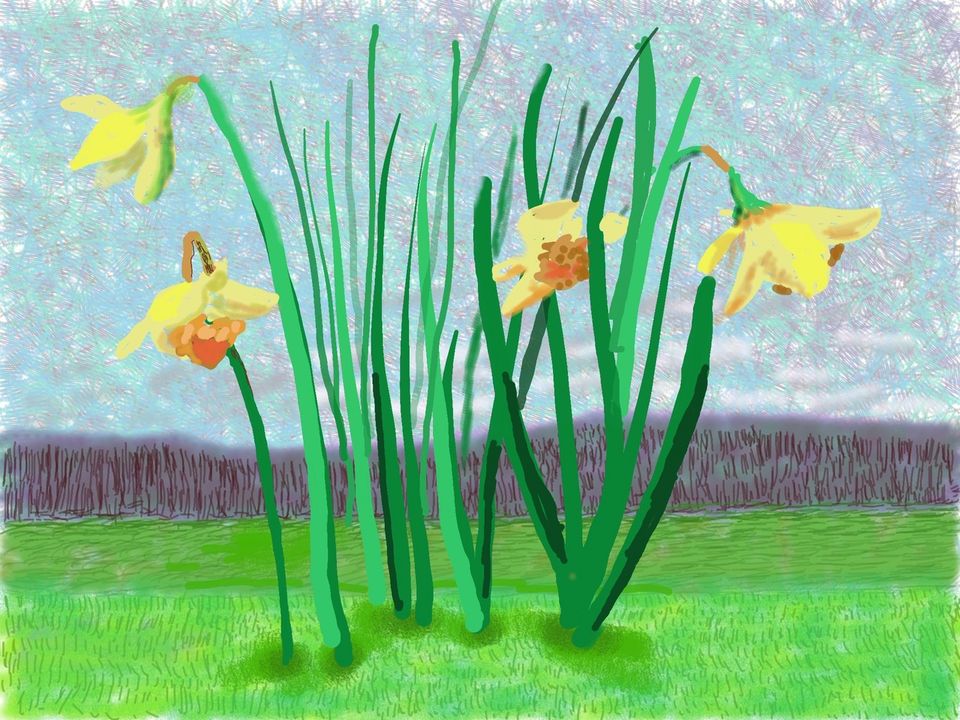
https://www.theartnewspaper.com/comment/a-message-from-david-hockney-do-remember-they-can-t-cancel-the-spring?fbclid=IwAR2iA8FWDHFu3fBQ067A7Hwm187IRfGVHcZf18p3hQzXJI8od_GGKQbUsQU
Share this:


Keep Calm and Forget the Pandemic or What to do in a pandemic? Take advantage of the situation
Eleven months now and there is a new spectre haunting Europe; a plague that has taken hold of our lives and altered our lifestyles. Lockdowns, the r rate, viral transmission, mutations are new terms that common people use as if we are experienced epidemiologists. Masks, made of cloth or the surgical ones, gloves and little bottles of antiseptic have become new fashion accessories. Many people report mental fatigue and others a state of confinement inside their own homes. Some people have started complaining that there is no light in this long tunnel, in country after country face with overwhelmed medical staff and system.
The optimist in me is unequivocal. We can make it through. Life is far more powerful than a disease and it always finds a way to continue, even in the most hostile of conditions. In my view however this is not going to be a feat of a great person; this is not going to be resolved by one solution. The answer is in us as a collective. Humanity thrived when it gets together and the ability to form meaningful bonds that is the backbone of our success to survival.
Imagine our ancestors making their first communities; people that had no speed like the felines, no strength like the great apes and no defensive shell to protect them. Coming out of Africa thousands of years ago, this blood creature had no offensive nor defensive structures to prevail. Our ancestors’ survival must have been on the brink. Who could imagine that some thousands of years ago, we were the endangered species? Our endurance lies on the ability to form a group that worked together and understood each other, carried logic, used tools and communicated with each other.
The current situation is a great reminder of the importance of society and its true purpose. People form societies to protect each other and advance their opportunity for success. We may have forgotten that and understandably so, since we have had people who claimed that there is no such thing as a society, only the individual. The prevailing economic system focuses on individual success, values individual recognition and prioritises individual issues. In short, why worry about others, miles away, feet away, steps away from us if we are doing well.
It is interesting to try to imagine a society as a random collection of indifferent individuals, but more people begin to value the importance of the other. After years of austerity and the promotion of individualism, more people live alone, make relationships through social networking and mostly continue to live a solitary life even when they live with others. Communities, as an ex-prime minister claimed as broken and so people waste no time with them. We take from our communities, the things we need, and we discard the rest. Since the start of the pandemic, deliveries, and online companies have been thriving. Whilst physical shops are facing closure, online ones can hardly cope with the demand. As a system, capitalism is flexible enough to retune the way wealth is made. Of course, when you live alone, there are things you cannot have delivered; intimacy, closeness, intercourse. People can fulfil their basic needs apart from the one that makes them people; their socialisation. We will have to address it and perhaps talk about the need to be a community again.
In the meantime, what happens at the top? In the Bible there was the story of the pool of Siloam. This miraculous pond blessed by an angel offered the opportunity for clemency for those who swam in the waters. Wipe the slate clean and start again. So, what do governments do? Interestingly not as much. Right now, as people try to come to terms with loss, isolation and pain, different governments try to address other political issues. One country is rocked by the revelations that its head of state has created a palace to live in. Another one, has finished construction of his summer palace. In another country they are bringing legislation to end abortions, in another they propose the introduction of police on campuses. Others are restricting the right to protest, and in a country famed for its civil rights, legislation is being introduced not to take pictures of police officers in public, even if they may be regarded in violation of duties. It seems that it is open season for the curtail of civil liberties through the back door. In an island kingdom the system has ordered and moves forward with the construction of more and bigger prisons. A sign that they anticipate public upheaval. Maybe; whatever the reason this opportunity to supress the masses may be tantalising, but it is wrong. When ever we come out of this we need to reconnect as a community. If this becomes an opportunity for some, under the suppression of civic rights, things will become problematic. For starters, people will want to see their patience and perseverance rewarded. My advice to those who rule, listen to your base.
Share this:


Late: The word that defines the UK’s Coronavirus pandemic management

Picture the scene. We are in Downing Street and the news media are awaiting another coronavirus press conference. Professor Chris Whitty, the Chief Medical Officer for England is ready. Sir Patrick Vallance the Chief Scientific Advisor is ready. Where is the Prime Minister (PM)? Late again.
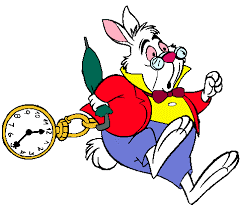
I have this vision of our PM frantically scurrying around like the White Rabbit in Alice in Wonderland humming “I’m late I’m late for very important date”. We might all smile at this vision but I’m afraid the analogy of being late is not a laughing matter when it is applied as the major theme for the UK governments management of what I described in a previous blog as the worst public health crisis in my lifetime. I also recall the PM famously using the phrase “A stitch in time saves nine” which is indeed true however in a pandemic being late or not sewing that stitch in time can and has cost thousands of lives.
In the week that has seen the UK pass 100,000 deaths it is right to reflect on the tragic loss of life. The call from government saying this is not the time to analyse why the UK has done so badly is in my view the wrong line to take. The government could learn a thing or two from the UK health care professions who for years have developed themselves as reflective practitioners. Donald Schon (1983) wrote extensively about reflection in terms of the creation of learning organisations who can both reflect in and on action. It is the former that has been sadly lacking in the UKs response to the coronavirus crisis. Reflection needs to be on the table throughout the pandemic and had it been, we may not have repeated the same mistakes. The management of pandemics is well documented in the medical literature. Professor Chris Whitty the Chief Medical Officer for England outlines how to manage a pandemic in this useful lecture at Gresham College.
Indeed it is also important to remind us of the words of Sir Patrick Vallance who when recommending the urgency of action in a pandemic implored that we “go earlier than you think you want to, go a bit harder than you think you want to and go broader than you think you want to in terms of restrictions.” My observation of the UK pandemic response leads me to conclude that we failed to do any of these. However, for this blog let’s focus on timing. Going early in terms of restrictions and other actions can have an enormous beneficial impact.
The last year has been to coin an overstated phrase “unprecedented” with many arguing that any government would have been overwhelmed and struggled to manage the crisis. Is this fair? One can look at other countries who have managed the situation better and as such have had better outcomes. New Zealand, Australia, Korea for example. Others will point to the differences between countries in terms of geography, population, culture, transport, relative poverty, healthcare systems, reporting mechanisms and living conditions which make comparisons inherently complex.
With the current death toll in the UK so high and continuing to rise, and many scientists telling us that things will inevitably get worse before they get better the question everyone is asking is : What has gone wrong? In this blog I’m going to argue that in large part our problems are based on a lack of urgency in acting. I’m arguing that we have not followed Sir Patrick Vallance’s recommendation and in particular we have been late to act throughout. Below I will set out the evidence for this and propose some tentative reasons as to why this has been the case.
Firstly, despite a pandemic being recognised as the largest threat to any country (it will always be top of any country’s risk register) the UK was slow to recognise the impending crisis and late to recognise the implications of a virus of this nature and how quickly it can spread globally. History informs us of how quickly Spanish flu spread in 1918. The UK was never going to be immune. Late recognition and poor pandemic preparedness meant we were late to get in place the critical infrastructure required to mount a response. Despite several warnings and meetings of the civil contingencies committee (COBR) the health secretary Matt Hancock was dismissive of the threat playing it down. Indeed, the PM failed to attend several early meetings giving the impression that the UK were not taking this as seriously as they should.
When faced with a looming medical/public health emergency it is important that the scientific advisors are in place early (which they were) and that their advice is acted upon. The evidence clearly points to a slow response to this advice which manifested itself in several critical late decisions early in the pandemic. The UK did not close its borders and implement quarantine measures allowing the virus to seed extensively in all parts of the community. Once community transmission had been established it was too late. It did not have in place a substantive testing regime, largely because we were unprepared. It very quickly became clear when we switched from community testing to testing only those in hospital with Covid symptoms that we lacked critical mass testing capacity and hence spent months trying to catch up. Evidence from previous outbreaks of SARS and MERS demonstrated how important mass testing was in controlling the spread, a position advocated by the World Health Organization (WHO). The UK saw case numbers grow rapidly and was slow to get the important public health messages out. Consequently, hospital admissions increased, and the death toll leapt. We were in serious danger of the NHS becoming overwhelmed with critically ill Covid patients.
Public health, medical and scientific experts suggested through their modelling exercises that the death toll, if we didn’t act quickly, could exceed 500,000; a situation socially and politically unpalatable. Therefore, in the absence of no known treatments and no vaccine we would have to resort to the tried and tested traditional methods for the suppression of a respiratory borne virus. Robust hand hygiene, respiratory/cough etiquette and maintaining social distance to reduce close social interaction. The logical conclusion was that to radically reduce social contacts we needed to lockdown. It is widely acknowledged now that the UK was at least a week late in introducing the first lockdown in March 2020.
In the meantime, the virus was sweeping through vulnerable elderly groups in care homes. We were again late to recognise this threat and late to protect them despite Hancock’s claims of throwing a ring of protection around them. The death toll continued to mount. At this stage both the Health (NHS) and care sectors were under enormous pressure and ill equipped to manage. The greatest worry at that stage was lack of adequate Personal Protective Equipment (PPE). Due to our ill preparedness we were late to provide appropriate PPE to both the NHS and the care home sector, exposing healthcare workers to undue risk. The death toll of healthcare workers in any pandemic is high and we were now starting to see this rise in the UK.
Another major criticism during the earlier months was how slow we were in ramping up testing capacity, tracking, tracing cases and ensuring isolation measures were in place. Indeed, concerns about test, trace and isolation continue today. However, lockdown and other public health measures did reduce the case numbers through the summer but inevitably the virus, which thrives in cold damp conditions started to cause further problems as we approached autumn and winter. Combined with this the UK saw a new variant of the virus emerge in the autumn with greater transmissibility. Cases started to rise again along with the inevitable hospital admissions and deaths. It appeared despite warnings from all scientists and health professionals that a second wave was highly possible we were late to recognise the emergence of a second wave of infections. The signs of which were there in September 2020. This led to a second lockdown in November when the advice from the scientific advisors was to lockdown in mid-October or earlier. This decision was compounded by a complex tiered restrictions arrangement to manage outbreaks locally aimed at the avoidance of unnecessary restrictions. Meanwhile the death toll continued to mount.
Notwithstanding the emergence of a new variant of the virus during the second lockdown everyone’s attention was switched to Christmas. The advice offered from government that restrictions would be relaxed for five days was met with incredulity by health professions who argued that this would simply allow the virus to be spread exponentially through greater household mixing. All the evidence at this stage pointed to household mixing as the primary source of transmission. As the situation worsened following the release of lockdown in early December it became obvious that the Christmas guidance had to change. To no ones surprise the advice was changed at the last-minute meaning everyone would have to rearrange their plans. The late change to the Xmas guidance probably meant more family mixing than would have happened had the advice been robust and communicated to the public earlier. Very quickly after Christmas we saw rapid changes to the tier management despite calls for a further lockdown. Cases rose rapidly, hospital admissions were now worse than in the first wave and scientists called for a lockdown. Consequently, we were late implementing Lockdown 3.
Throughout the pandemic the government has provided detailed guidance on restrictions, care homes, travel arrangements and education. It’s difficult to get this right all the time but the issuing of guidance was at times so late it became difficult to interpret the issues with clarity. Probably one the best examples of this relates to the advice provided to schools. Should they stay open or close? What should the Covid secure measures be? How do you construct bubbles of students to reduce social contact? Covid testing of pupils and staff? examinations and assessment guidance? However, the final straw was surely when schools opened in January after the Christmas break to only be told they had to close the very next day as we moved into Lockdown 3.

In conclusion it is said that to manage a pandemic you need a clear, robust strategic plan. The evidence presented here would suggest a lack of strategic planning with crisis decision making on the hoof. Some have argued that we have a PM who struggles to take the big decisions required, who procrastinates and inevitably is left with Hobson’s choice. If you couple this with a group of key ministers who appear to lack the competence to carry their portfolios we have the recipe for a disaster. The consequence of which means the UK has experienced a terrible outcome across a whole set of health, education and economic indicators.
References
Schon, D. (1983) The reflective practitioner: how professionals think in action Basic Books, New York
Whitty, C. (2018) How to Control an Epidemic https://www.youtube.com/watch?v=rn55z95L1h8
Share this:


2020: A Year on “Plague Island”

Last year in this blog, I argued that 2019 had been a year of violence. My colleague, @5teveh provided a gentle riposte, noting that whilst things had not been that good, they were perhaps not as bad as I had indicated. Looking back at both entries it is clear that my thoughts were well-evidenced, but it is @5teveh‘s rebuttal that has proved most prescient in respect of what was to come….
The year started off on a positive, personally and professionally, when both @manosdaskalou and I were nominated for Changemaker Awards. Although beaten by some very tough competition, shortly before leaving campus we were both awarded High Sheriff Awards, alongside our prison colleagues, for our module CRI3006 Beyond Justice. As colleagues and students will know, this module is taught entirely in prison to year 3 criminology students and their incarcerated peers. Unfortunately, the awards took place in the last week on campus, but we are hopeful that we can continue to work together in the near future.
Understandably much of our attention this year has been on Covid-19 and the changes it has wrought on individuals, communities, society and globally. Throughout this year, the Thoughts from the Criminology Team have documented the pandemic in a variety of different ways. From my very early thoughts, written in the panic of abandoning campus for the experience of lockdown to entries from @helentrinder @treventoursu @jesjames50 @cherylgardner2015 @5teveh @manosdaskalou @anfieldbhoy @samc0812 @drkukustr8talk @zeechee @saffrongarside @svr2727 @haleysread The blog has explored Covid-19 from a variety of different angles reflecting on the unprecedented experience of living through a pandemic. It is interesting to see how the situation and our understanding and responses have adapted over the past 9 months.
Alongside the serious materials, it was obvious very early on that we also needed to ensure some lightness for the team and our readers. With this in mind, early in the first lock down, we created the #CriminologyBookClub. We’re currently on our 8th novel and we’ve been highly critical of some of the texts ;), as well as fallen in love with others. However, I know I speak for my fellow members when I say this has offered some real respite for what’s going on around us.
Another early initiative was to invite all our bloggers to contribute an entry entitled #MyFavouriteThings. We ended up with over twenty entries (which you’ll find via the link) from the criminology team, students, as well as a our regular and occasional contributors. Surprisingly we learnt a lot about each other and about ourselves. The process of something as basic as writing down your favourite things, proved to be highly cathartic.
Whilst supporting each other in our learning community, we also didn’t forget our friends and colleagues in prison. Although, the focus has rightly been on the NHS and carers, the pandemic has hit the prison communities very hard. Technology can solve some of the issues of loneliness, but to be locked in a small room, far away from family and friends creates additional problems. For the men and the staff, the last 9 months has brought challenges never seen before. Although, we could not teach the module, we did our best, along with colleagues in Geography and the Vice Chancellor @npetfo, to provide quizzes and competitions to help pass the hours.
In June, the world was shocked by the killing of George Floyd in the USA. For many of us, this death was one in a long line of horrific killings of Black men and women, whereby society generally turned a blind eye. However, in the middle of a pandemic, the killing of George Floyd meant that people could not turn away from what was playing on every screen and every platform. This lead to a resurgence of interest in Black Lives Matter and an outpouring of statements by individuals, organisations, institutions and the State.
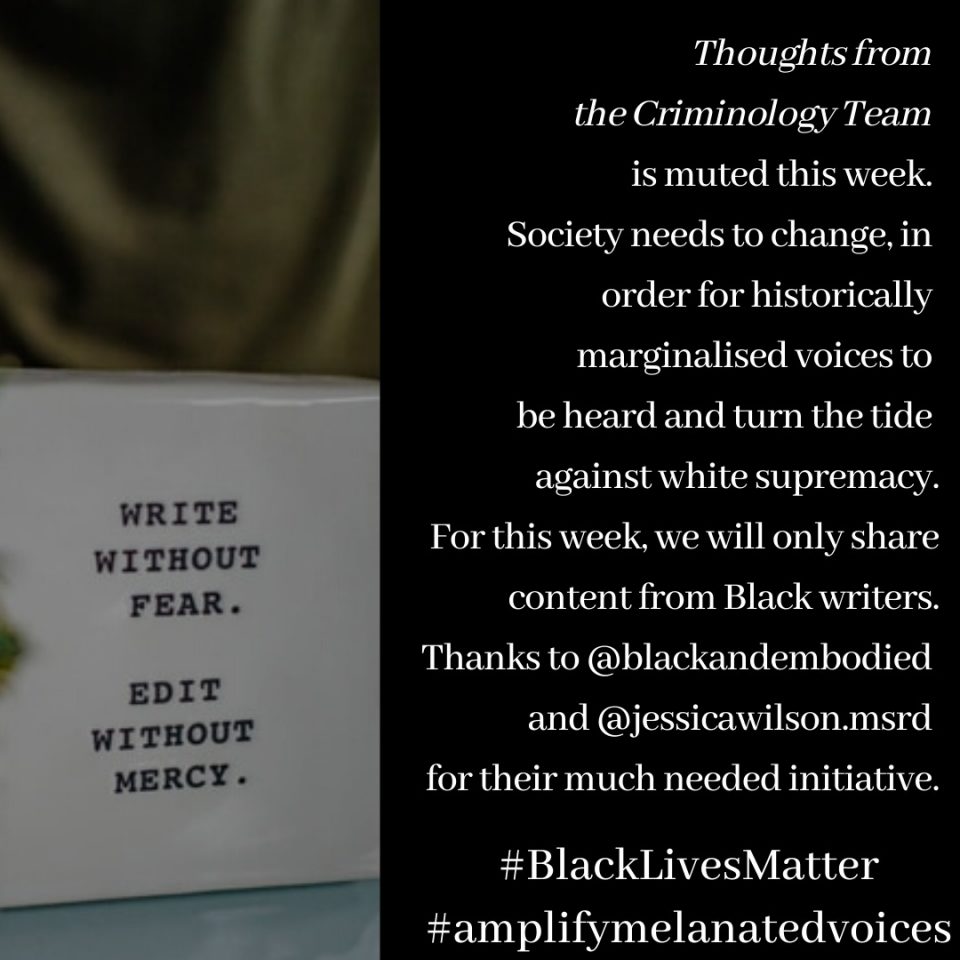
For a week in June, the Thoughts from the Criminology Team muted all their social media to make space for the #AmplifyMelanatedVoices initiative from Alishia McCullough and Jessica Wilson This was a tiny gesture in the grand scheme of things but refocused the team’s attention on making sure there is a space for anyone who wants to contribute.
Whether this new found interest in Black Lives Matters and discussions around diversity, racism, decolonisation and disproportionality continue, remains to be seen. Hopefully, the killing of George Floyd, alongside the profound evidence of privilege and need made evident by the pandemic, has provided a catalyst for change. One thing is clear, everyone knows now, we can no longer hide, there are no more excuses and we all can and must do better.
This year some old faces left for pastures new and we welcomed some new colleagues to the Criminology Team. If you haven’t already, you can read about our new (or, in some cases, not so new) team members’ – @jesjames50 @haleysread and @amycortvriend – academic journeys to becoming Lecturers in Criminology.
Finally, looking back over the last 12 months, certain themes catch my eye. Some of these are obvious, the pandemic and Black Lives Matter have occupied a lot of our minds. The focus has often been on high profile individuals – Captain Tom Moore, Joe Wickes, Marcus Rashford – but has also shone on teams/organisations/institutions such as the NHS, carers, shop workers, delivery drivers, the scientists working on the vaccines, the list goes on. Everyone has played a part, even if that is just by staying at home and out of the way, leaving space for those with a frontline role to play. Upon reflection it is evident that the over-riding themes (and why @5teveh was right last year) are ones of kindness, of going the extra mile, of trying to listen to each other, of reaching out to each other, acknowledging unfairness and privileges, recognising the huge loss of life and the impact of illness and bereavement and trying to make things a little better for all. Hope has become the default setting for all of us, hope that the pandemic will be over, alongside hopes that we can build a better world with its passing. It has also become extremely clear that critical thinking is at a premium during a pandemic, with competing narratives, contradictory evidence and uncertainty, testing all of our ability to cope with change and respond with humility and humanity.
There is no doubt 2020 has been an unprecedented year and one that will stay with us for ever in the collective memory. Going into 2021 it’s important that we remember to consider the positives and keep trying to do better. Hopefully, in 2021 we will get to celebrate Criminology’s 21st Birthday together
Remember to stay safe, strong and well and look out for yourself and others.

Share this:


Covid -19: An opportunity too good to miss
And so, vast swathes of the country have gone into a new lock down (tier 4). We all must have known in hearts that this was coming and those of us that are not in tier 4 will be wondering just when the new lock down will hit us. We can all moan about our ruined Christmas and feel bitterly disappointed about not seeing relatives and friends. We can blame Boris for this monumental cock up, but we have to face facts, Covid -19 is here and something has to be done to stop the spread of the disease.
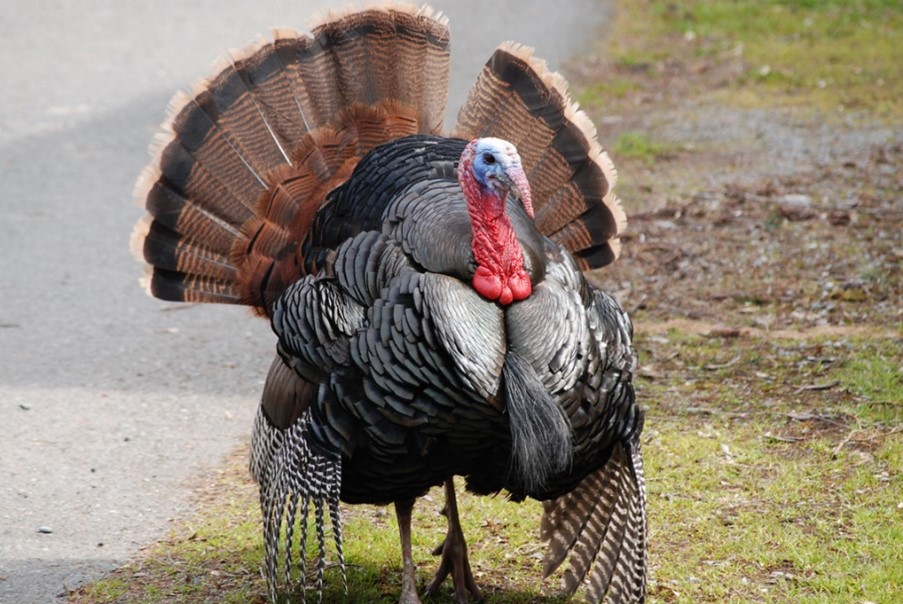
I, like so many, am upset that I will not be able to see my family in person this Christmas but over the last few days I began to wonder just how much of a hardship that is. There was a man on the news the other day that was moaning about the Christmas restrictions, he and his wife had a 15 lb turkey that was now going to waste. My first thought was, so you’d rather catch Covid you *^&$£” **. But this morning I thought, aren’t you lucky to have a 15lb turkey and, as my wife and I discussed whether we will be having a roast on Christmas day and the Sunday after, I thought aren’t I lucky too. There are two things that strike me, I’m able to have what food I want on Christmas day and I’m saving a bloody fortune not having to have all the family round or take them out for Christmas dinner and drinks. The pandemic has some upsides.
But, this is the crux of the matter, how can I sit down to my Christmas lunch knowing that I have money I would have spent sitting in the bank when there are people out there who will be wondering right now, not about the massive turkey, or the family not coming round, or whether to have chicken on Christmas day and Sunday but, whether they can feed themselves and their family tomorrow, let alone Christmas day. We could of course blame Boris and his government (a very rational decision) but judging by Reece Mogg’s comments the other day, they have little interest. We could just ignore it, don’t think about it, pretend all is well and on Christmas day raise a glass to our nearest and dearest and those that we are missing. But as we must face facts that Covid – 19 is here, so must we face facts that people, real people, are starving in this country. It shouldn’t be like that, but it is.
So my wife and I have decided that we will work out how much extra we would have spent this Christmas, by going out, by going to parties, by catering for family and we will spend that money on food and give it to a food bank. It won’t be very much in the greater scheme of things, but it will be something. I’m not writing this blog to say how marvellous we are, far from it, but rather to challenge all of you to do the same. Even a little extra in your shopping before Christmas is going to make a huge difference. Let’s turn this Christmas into one we can remember for the right reasons and turn the Covid- 19 pandemic into an opportunity that we seized for the good.
Please see below for a list of local and national organisations helping families this Christmas and throughout the year:
AmplifiedNN Community Group
AmplifiedNN Festive Family Fundraiser
Northamptonshire Food Poverty Network
Share this:


A Lockdown Moan
As the second lockdown has come to an end, I find myself reflecting on my own lockdown experiences quite a lot. My overall sense is that of gratitude, in that I have been fortunate enough to maintain and be offered new employment during this difficult time.
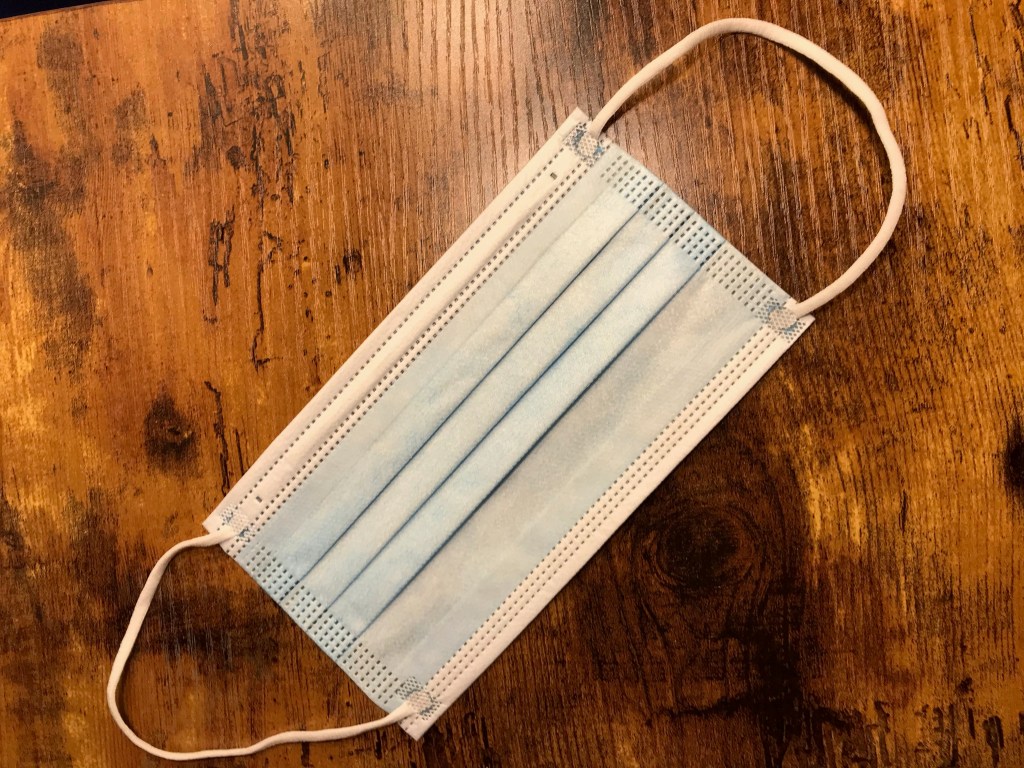
During the first lockdown I was a key worker and travelled to and from work on public transport whilst everyone else was ordered to ‘stay safe, and stay at home’. At times this was frustrating, and although I generally had faith in humanity my views on this were tested. During, lockdown 1.0 I witnessed people being much more aggressive to key workers. I worked in a place where I did not expect people to be nice to me, but even on my route to and from work I found that I was subjected to the odd remark.
One morning at 6am whilst in the city center I was even called ‘a rapist’ because I did not have any change to give to a homeless person, he then sort of offered to fight me. Of course, I wouldn’t ever fight anyone, and he would have been completely unaware that I had just finished a night shift so I would not prove to be a worthy opponent in any sense. I also remember sitting on the bus one night whilst a man, who appeared mentally unwell, persisted to cough all over me (mask free) before exiting at his stop.
I didn’t take any of these experiences personally, and thankfully I didn’t get Covid. It was clear that these people had many of their own problems – many of which may have been exacerbated due to Covid. The lack of understanding of Covid for some people also highlights a key issue i.e., that mainstream concerns are not being communicated to wider population within our society.
I did find myself frustrated by the general population who in my experience, did not appear as positive and kind as the media seemed to suggest. I experienced many incidents of people being selfish, such as people snapping and venting their frustrations at others who are simply just trying to do their jobs (with shocking pay and poor contracts might I add). On top of this was the notion of visiting a supermarket after a 12 hour night shift whilst people scramble for the last scraps of essentials whilst you are walking around like a zombie. With bare shelves, rude people and long queues….what more could key workers ask for? For Christ sake, someone even tried to steal a tin of beans out of my shopping trolley on one occasion!
During lockdown 2.0 I have been very privileged indeed, as I am able to work from home. Staying in this bubble of mine has also made me feel much less frustrated. But I do still wonder, why is it that we feel that those who provide a ‘service’ to us are not people themselves? People with their own problems, thoughts and feelings. Do we think that people are robots? Is this why some people think that it is ok to vent their frustrations at others? I am sure that other people have had more positive experiences than this, but I can’t understand why people aren’t being more kind and understanding of each other. There is a difference between being a service provider and being a servant…people seem to forget this sometimes.
Share this:


The Lockdown Lowdown
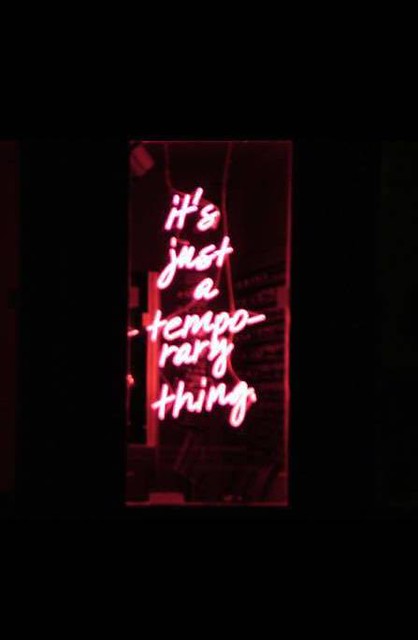
I took this photo a few years ago on a solo visit to Copenhagen, I had just quit my job and was in the process of leaving where I called home, my PTSD was certainly at its worst and the future was entirely uncertain…
A cosy Sunday evening, the flat has been hoovered, the washing is out to dry, lunch has been prepped for the following day…yet despite all of this normality me and my partner sit here on our cosy Sunday armed with the knowledge that another national lockdown is imminent. So whats next for us?
Before I explore whats next I want to reflect on what has been, it was only this time last year that my mental health was at its worst since I was diagnosed with PTSD some years ago and it was during this month last year that I found out I was pregnant. After many difficult conversations I decided that that chapter of my life was not ready to begin, not just yet, and so the guilt consumed me and I relied on anti-depressants to help me through that difficult time. Eventually as time passed so did the guilt and my mental health became stronger, because I willed it so, and after a short stint I stopped using the anti-depressants because I knew within myself I didn’t have to rely on them…
…More time passed and I found that the strength of my mental health had started to peak, I set myself goals that only I knew about and only I could achieve, I started to be critical of the people I surround myself with to ensure that I was living as authentically true to who I am as possible. This was my attempt at self care, As I withdrew from these friendships I simultaneously removed my negative addictions and repeated behaviours (drugs, alcohol, time-wasting, self-depreciation), I realised that my actions allowed me to concentrate my full energy on the things that truly matter in my life (my studies, my family, my relationship)… and then lockdown happened.
And boy was I prepared for that, I wont deny that I grew a few stretch marks and after some self hate Ive learnt to accept and love them as a natural process of my body. I realised I didn’t do much exercise during lockdown and my appetite was unruly, with zoom quiz night’s came alcohol and snacks (lots of them). Despite my growing waist I was okay mentally and yes I wont deny that having my own apartment and living with my partner helps but also having dealt with a bit of a breakdown some months prior helped order my perspective on my life, how I want to live it and how I would tackle this challenging time. As a 2nd year student I lost all hope and focus for a while as the outstanding assignments were piling up and I was heavily relying on the august submission date, I felt like I wasn’t worthy of being a university student, that I was never going to graduate and self doubt quickly reappeared into my life, Its a strange thing really during lockdown I didn’t really do anything at all, but I also never found the time to study? And the strangest thing is that actually most students felt this way and when me and my peers communicated how we were feeling we were able to support each other more and eventually those assignments were submitted and here we are… 3rd years!
So 3 days to go before lockdown 2 and how can I get through this?… how can you get through this? Undoubtedly there are many people who have dealt with a world of pain since coronavirus first graced our planet and yet in my experience I found this year to be quite grounding and it has allowed me to focus my energy on me, who I am, what I want and who I want to be (without sounding narcissistic but rather rightfully selfish), because I have no control over external happenings neither do you and thats okay. what we can do is focus on our little world; ourselves and the people around us. heres a few quotes I find to be quite relevant to this train of thought.
“To what goal are you straining? The whole future lies in uncertainty; live immediately” – Seneca
“Just keep in mind the more we value things outside our control, the less control we have” – Epictetus
“Man conquers the world by conquering himself” – Zeno
So how can you, how can we, get through lockdown? granted it may not be as-long as the last one but we’ve had a taste of normality again and so this time round it may be harder, this time we have long winter days and a lack of vitamin D combined with the uncertainty of celebrating Christmas with family looming over us, so in consideration of Epictetus’ wise words lets focus on what we can control; 1. lets schedule consistent self care( for me that comes in the medium of being disciplined, in terms of uni work.. and diet), 2. Lets move our bodies! go for a walk outside and pick up litter? (later in this blog post you’ll find some of my suggestions for walks around Northamptonshire), 3. don’t pressure yourself into being consistently pro-active! 4. do drink hot chocolate. 5. And if your sad about missing out on getting your Christmas shopping in early then try to buy from local independant businesses, you might find many local stores posting available items onto their social media pages and offering contact-free deliveries! 6. Check up on your friends and family, be mindful of keeping communication going, you don’t know who just might be struggling! 7. Buy a homeless person a warm meal!
(TIP: when looking for businesses check out this new hashtag on instagram introduced by some local Northampton businesses to get people buying more locally)… #SHOPLOCALSAVECHRISTMAS
https://www.instagram.com/explore/tags/shoplocalsavechristmas/
Overall lets focus on our own self betterment and where possible our local communities betterment (and as always wear a mask!!)
And most importantly if you are struggling then reach out to someone and let them know, as always with my posts as the focus tends to be on mental health I will provide links to the university’s, the local communities and national charities mental health resources, so please take note and rely on them if you need to.
For my previous blogs/context have a read of the following:
Navigating Mental Health at University
Navigating your mental health whilst studying at university during a worldwide health pandemic
“Joy comes to us from those whom we love even when they are absent” – Seneca
“Never let the future disturb you. You will meet it, if you have to, with the same weapons of reason which today arm you against the present” – Marcus Aurelius
“Don’t hope that events will turn out the way you want, welcome events in whichever way they happen: this is the path to peace” – Epictetus
I could continue on with a great deal more of these philosophical quotes and if you are interested in them then I’d recommend reading up on the discipline of stoicism, but if you’d like to read on you’ll find a few suggestions of areas to walk in and around Northamptonshire in aid of keeping your body moving during this lockdown, (and if you can take a bag and pick up litter).
Exploring Northampton’s Parks and Reservoirs
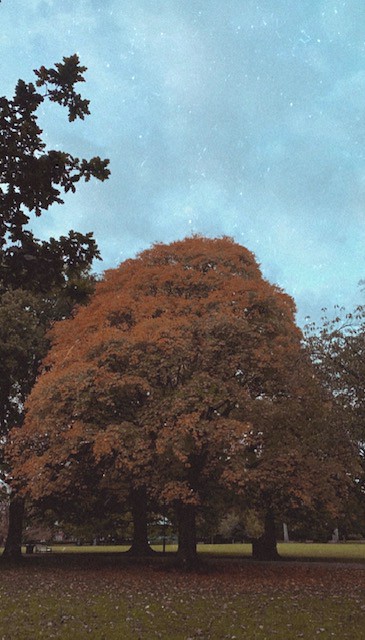
Abington Park; Located in the NN1 postcode a short distance from the town centre. The park has plenty of areas to explore with ponds, forestry areas and it offers some lovely autumnal photo opportunities, heres a particularly orangey-ember tree that caught my eye.
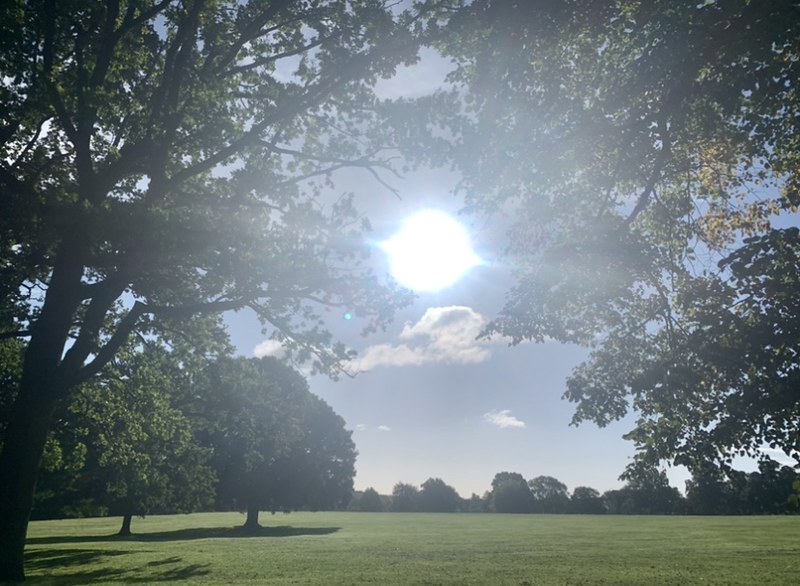

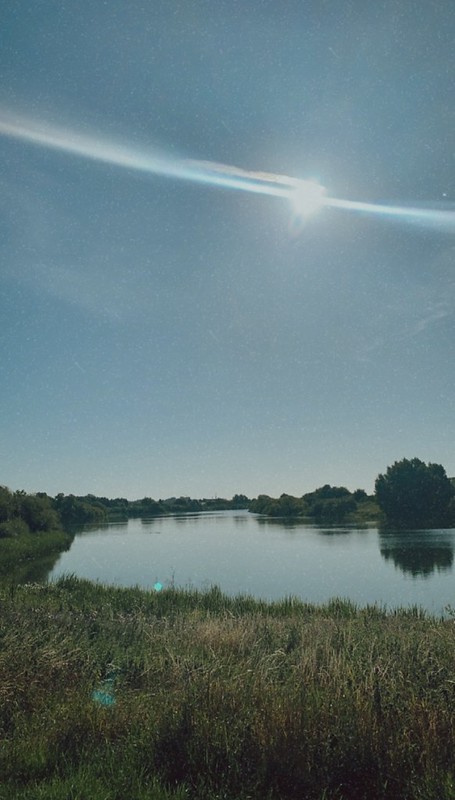
Sixfields lakes and reservoir; Unless you know of this lake you wouldn’t know it was there, Its situated a little down from the Sixfields football stadium, there is a small roundabout you can take to go up towards the cinema (Walter Tull Way), down Edgar Mobbs way, or join the A5076, and there is a fourth almost hidden turning that will take you down a road adjacent to Duston mill road, it is down this road that you will find this little gem.
There are two lakes to walk around, one being the main option where most people park up (there is parking on site) at a leisurely stroll the walk will take around an hour, you may see plenty of fishermen and lots of wildlife!
There is a second walk which I’ve only recently discovered myself, just down from the car park there is a small gate and it is through there you can explore to your hearts content!
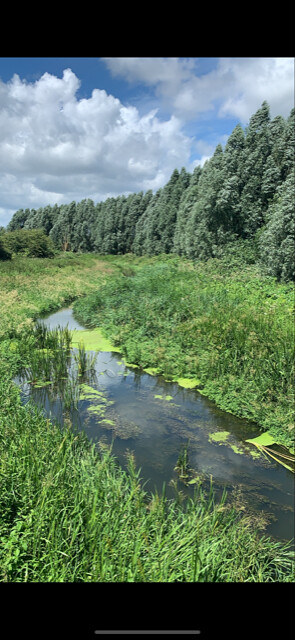
The Racecourse; I Imagine plenty of students and teachers alike will be aware of this location as it housed the university campus for many many years. As a budding criminologist I cant ignore the fact that the Racecourse has developed a rather unruly reputation for crime, I’ve personally never experienced anything and Ive lived in Northampton the majority of my life but thats not to say that it doesn’t happen, so as always be wise about your walk, perhaps avoid late night’s, let someone know where you are walking and stick to the street lights. The racecourse is a roughly 15 minute walk from the town centre and on good weather days offers views like this;

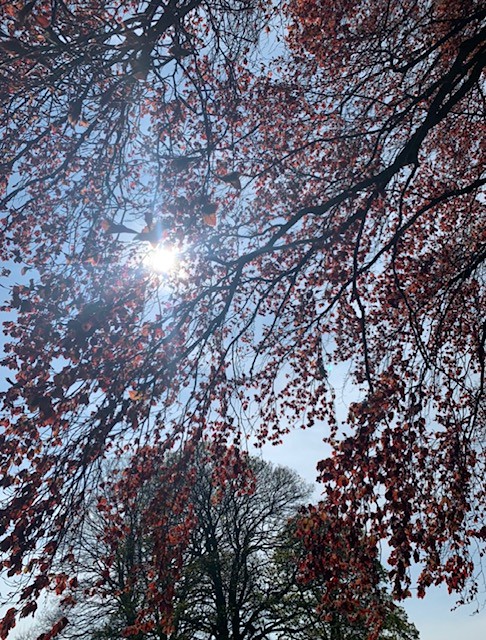
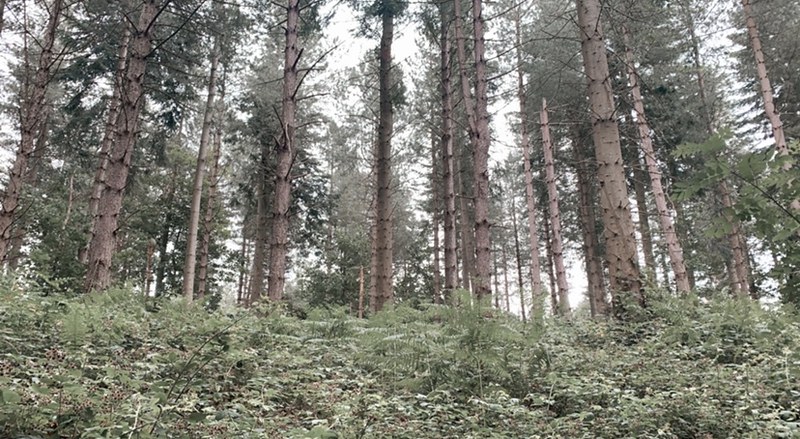
a-bit further afield: Harlestone Firs; I would recommend driving to this location if you can, there may be local busses that run in the area but I would recommend checking the COVID guidance with regard to bus routes. So Harlestone Firs is a fantastic location to get lost in the woods for a few hours, and I literally mean get lost… I have been there countless times and I still lose myself in there, but its a welcome loss. You’ll find endless amounts of huge ferns, fir trees, endless pathways and there is a working timber yard in amongst this location too. Wear boots for this spot I always choose my trusty Dr.Martens.
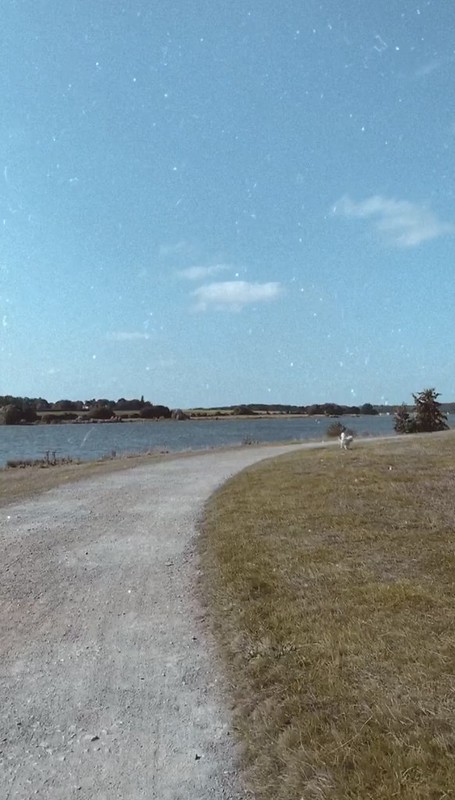
Brixworth Country Park/ Pitsford Reservoir; Another location you’ll likely need a vehicle to visit. This huge location offers a giant walk or a bike ride, you can of-course take your pooch with you too but keep them on a lead as theres plenty of cyclists at this location. I recently made the mistake of biking around here with the pooch on an extremely hot day and wow was that an interesting experience. There is paid parking on site or a little slip road you can park along. If you need to just take a few hours or even the whole day go and visit this location, take a packed lunch and sit and enjoy the view.
Here are some more locations that you may already know about and can explore during this lockdown, do make sure to check local COVID guidance, and even if you cant visit some locations now then make a note of them and visit them when you get a chance, Northamptonshire has such a vast amount of countryside to offer!
Becketts Park – Located just of the university campus offering a short distanced walk but plenty of wildlife and a nice view of the canals and lake.
Sywell Reservoir – You’ll likely need a vehicle to visit this location but you could also take the X46 bus (or X47?) Sywell takes around 2-3 hours to walk depending on pace, its one of my favourite spots as I grew up walking around this location.
Victoria Park and Dallington Park – Both are situated in St.James, and both are relatively small in comparison to the other locations but well worth incorporating into your daily exercise if you live within this location.
– Brackmills Country Park
– Delapre Park and Delapre Wood
– Earls Barton just of Doddington road, a pathway leading down to Summer Leys, here you can explore plenty of the river nene, beautiful views of the surrounding landscape and lots of horses!
– Rectory Farm fields; Here you can explore the fields (but be respectful of the farmers land) these fields stretch out to Overstone and Sywell, if you’d like to visit sywell reservoir and living within rectory farm then just take the fields route this route would take around 30 mins to walk to sywell reservoir and its well worth it.
So thats it for me, if you have any of your own suggestions not just in regard to walks around Northamptonshire but also how to keep your mind healthy during this next lockdown then please do comment any suggestions you might have, were all in this together!
If you’ve read this far then here’s one last quote to guide you into your day…
“The impediment to action advances action, what stands in the way becomes the way” – Marcus Aurelius
see below for references to guidance and advice.
- Counsellors – The Counsellors will listen to you and help you respond to the difficulties in your life, they will allow you to develop your abilities to address and resolve issues in your life. https://www.northampton.ac.uk/student-life/support/counselling-and-mental-health-team/counsellors@northampton.ac.uk
- Mental Health Advisors – The Mental Health Advisors will provide a private and comfortable space to discuss your mental health difficulties and work with you to develop coping strategies whilst studying. https://www.northampton.ac.uk/student-life/support/counselling-and-mental-health-team/
mha@northampton.ac.uk - Assist – Assist can give you advice and guidance for managing your disability whilst studying, for me they helped with a DSA application regarding my Anti-Depressant medication, the DSA application will give me the opportunity to have 6 appointments with the counselling team who can further help me work through my issues by providing me with a safe and comfortable space to talk. https://www.northampton.ac.uk/student-life/support/about-assist/ ASSIST@northampton.ac.uk
- Speak to your GP, they can refer you to the NHS Mental Health Services.
- https://www.nhs.uk/using-the-nhs/nhs-services/mental-health-services/how-to-access-mental-health-services/
- Other helpful support links (local and national)
- https://www.mind.org.uk/
- http://thelowdown.info/
- https://www.mentalhealth.org.uk/
Share this:


My Criminology Journey: Haley

The start of my criminology journey is not very exciting. I am not fully sure of how or why I ended up studying the subject. I was advised to study hairdressing at school as my predicted grades were not good enough for university, but the idea of trusting myself with a pair of scissors was very unnerving. I had a dilemma at college as I was unable to decide whether I wanted to study healthcare or construction – two courses which bore no similarity. In the end I give up trying to make decisions and studied A Levels because that was what my friends were doing.
University may as well have been on Mars at this point, as it was completely mysterious and unknown to me. Whilst at college, I was asked by my tutor to go to an open day at Oxford University. I saw this as an opportunity to unmask this university ‘thing’ for what it really was, so I agreed to go. I felt completely out of place throughout the day and found myself gobsmacked by the sheer privilege of the place, the culture and the students etc. At the same time, I was fascinated by the available courses, so I decided to continue my studies into higher education.
My first attempt at university did not go as well as I had intended it to. I had other issues to contend with at the time, so I dropped out after two weeks. However, in 2010 I enrolled at the UoN and never really left. I had a great time studying criminology at UoN as I thought that my course was very interesting and the teaching staff (aka @paulaabowles and @manosdaskalou) were spectacular.
I did not realise this it at the time but I was well prepared for critical criminological discussions because I came from a background where people would be demonized for a whole host of social problems – it was clear to me at the time that this was unfair. Whilst enjoying the course content I did have to make a considered effort to improve on my writing skills, but it was worth the effort as this improvement worked wonders on my grades. As an undergraduate, I used my overdraft and savings from working part-time jobs to go travelling at the end of each academic year, this was beneficial for helping me to understand criminological issues outside of the UK.
In 2015 I began teaching as an associate lecturer at UoN and I really enjoyed it. I also completed an MA degree in Social Research. To fast-forward to today, I now work as a lecturer in criminology – and this really is, beyond my wildest dreams!
Studying is not always a smooth ride for some, but if you work hard, you never know where you might end up.

Share this:


Witches and warlocks
Time and time again we revisit previous times of our lives, especially when trying to come to terms with unprecedented realities. Society works with precedent and continuity that allows people to negotiate their own individual identities. We live in a society that fostered the culture of the one, and played down the importance of the collective, especially when people in positions of power declared that they can do more with less.
One pandemic later, and we clapped at the heroes those we regarded as needy money-grabbers previously, those we acknowledge now, that we previously cast aside as low skilled workers. One pandemic later, and social movements came to prominence, asking big questions about the criminal justice system and the way it interacts with those numerous people, that are not perceived as “mainstream”. Across Western countries, people are registering the way the system is operating to maintain social order, through social injustice. Each case that appears in the news is not an individual story as before, but are becoming evidence of something wider, systemic and institutional.
Covid-19 affects people, and so we must maintain social distancing, cover our faces and clean our hands. Clear advice from WHO about the pandemic, but people also die when they drown as refugees crossing troubled waters. People also die when someone puts a knee on their throat (who knew?), people die when they have to deal with abject poverty and have no means to cover their basic subsistence. People die, and we record their deaths but officially some of those are normalised to the point that they become expected. Every year I pose the question about good and evil to a group of young adults who seem uncertain about the answer.
I was recently reminded of a statement made a long time ago by Manos Xatzidakis in relation to the normalisation of evil: “If you are not afraid of the face of evil it means that you have become accustomed to it. Then you accept the horror and you are frightened by beauty”. When we are expecting death for seemingly preventable causes, we have crossed that Rubicon according to Xatzidakis.
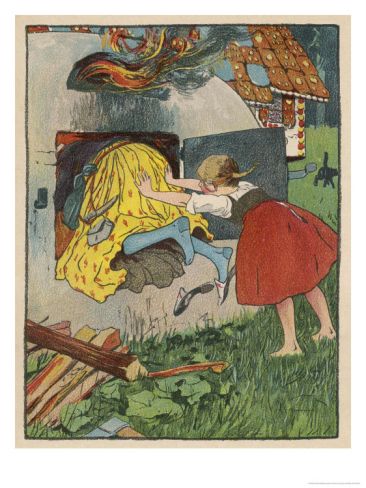
As a kid, one of my favourite stories was Hansel and Gretel. Like all fairy-tales it has a moral signature and is a cautionary lesson. In my mind it contracted the first image of evil, that of a witch. The illustration made it very real, but also quite specific. An oversized, badly dressed witch, with an unsatisfiable taste for children’s flesh. It was the embodiment of true evil. In later years, reading The Witches by Roald Dahl exacerbated the fear of this creature, seemingly normal but with layers of ugly under their skin. The evil that was on the face of the beholder, their intentions clear and their behaviour manipulative but clear on their objectives. This, I learn as an adult, is an evil that only exists in stories.
This kind of witch, is a demonstration of the social vilification of women and especially those who actively try to challenge the status quo, but not the evil that runs in our societies. The construction of social demons is a convenient invention to evoke fears and maintain order; well that is something a sceptic may say…but social scientists ought to question everything and be a bit of a sceptic. In my version of the fairytale the wicked witch is pushed into the oven by Hansel and Gretel, the image of her oversized bottom sticking out, whilst the rest of her body is consumed by the flames.
Admittedly, I was too old to get into the Harry Potter genre and read the books but the image of his opposition made it to popular culture. The “He who cannot be named” became another convenient, albeit complex, evil capable of unspeakable evils. An icon in its own right of the corruptive nature of evil.
The reality of course is slightly different. The big evils do not get extinguished with flames or other means. They do not cease and there is not necessarily happy ever after; social injustice and unfairness is continuous and so is the struggle to fight them. The victories are not complete, but gradual and small. If the pandemic shows us something other than death and heartache, it is the brittleness of life and the need to ask for more in a society that is geared to prime individualism over social solidarity. It is perhaps a good time, for those who never did, to engage with social movements, for those who left them to return and all find their passion of sharing human experience, that is predicated on equality and fairness.
Fairytales, are interesting insomuch of giving us some moral direction but they do not help us to understand the wider social issues and the actions people have to take. The witches out there may not carry brooms and mix spells in cauldrons but evil carries indifference, apathy and lack of empathy. As Edmund Burke said “The only thing necessary for the triumph of evil is for good men to do nothing”, now that is true evil. After all, is there such a thing called evil or are we content with finding easy answers?

 Thoughts from the criminology team