
Home » Prison
Category Archives: Prison

A new model for policing: same old rhetoric, same old politics, same old reality

The Home Secretary’s White Paper ‘From Local to National: A New Model for Policing’ promises a complete revamp of policing in England and Wales. The Northamptonshire Police Federation website provides a fairly good synopsis of what the white paper contains. Although one does hope that they didn’t resort to the use of AI to produce it otherwise they may find themselves going the same way as the beleaguered former chief constable of the West Midlands Police.
When listening to the Home Secretary Shabana Mahmood’ address to parliament regarding these reforms, I am reminded of a timeless quote from Robert Reiner regarding a former Home Secretary, Michael Howard’s address to parliament regarding another Home Office police reform White Paper back in the early 1990s. Michael Howard had stated that ‘the job of the police was to catch criminals’ and Robert Reiner, if I remember the quote correctly, stated that this statement was ‘breathtaking in its audacious simple mindedness’.
My bookshelf used to be full of Home Office White papers regarding police reform. If I went through every one of them, I would find almost all the suggestions, in one form or another, being put forward by this Home Secretary. It is like revisiting my former reality, change for change’s sake to detract from a poor performing government. Although no one could have guessed that Lord Mandelson would quickly hog the news and railroad the political landscape.
The police don’t do themselves any favours, you’ve only got to look at the headlines over the decades to know that. But of course, policing is not easy and sometimes hitting the headlines for the wrong reasons is inevitable. Rarely do the police hit the headlines for the right reasons, not because there aren’t plenty of right reasons, they simply aren’t newsworthy. However, every failure or perceived failure is ammunition for the ambitious politician and police reform is always a headline grabbing option and a distraction from other politically difficult and damning matters.
Let’s be clear, policing doesn’t happen in a vacuum. Policing relies on the public; it relies on other institutions within the criminal justice system and outside of it and it relies on good governance. If the police are underfunded, then the service they deliver to the public is substandard and this then dents confidence in the police which in turn impacts public co-operation. If the other institutions within the criminal justice system are poorly funded such as the courts, then it doesn’t matter what the police do, cases do not get to court in a timely manner, the public withdraw their support and cases collapse. If prisons are overcrowded due to lack of funding and other issues, the courts can’t function correctly and the public lose confidence. As an aside remember the furore around the wrong prisoners being released and the number of prisoners wrongly released over a year. Funny how that seems to have disappeared from the news.
But the problems for policing and the rest of the judicial system pale into insignificance when compared to the issues with underfunding in areas of social services, welfare, the NHS, education and so much more. It is easy to point to policing when the key areas that impact the public the most are decimated. People don’t just commit crime because they are greedy, they don’t resort to violence for absolutely no reason. And it doesn’t take a rocket scientist to work out that if you stop supporting young people, stop giving them hope for a future, stop keeping them engaged in meaningful activities when they are out of school then you will see crime and anti-social behaviour spiral out of control. And of course, its not just young people that feel the impact. Not so long ago there was a movement towards defunding the police. The ideas behind the movement were sound but I think perhaps a little naïve. But what was right was the idea of pouring more money into welfare and youth services. Crime is so much more than just policing, and the police have very little control over it, despite all the rhetoric.
As for policing, the white paper is just a rehash of the same old ideas and another way of wasting public money, not dissimilar to that in 2006 when another Home Secretary decided on police mergers which saw millions spent before the idea was shelved as too expensive. The police have adapted to issues identified by HMIC prior to the proposed mergers in 2006. Collaboration between forces works well, saves money and enables smaller forces to deal with large scale issues. There is no evidence anywhere that big is better. In fact there is plenty of evidence to suggest that it may not be.
If the police have retracted from neighbourhood policing it is because of underfunding. Austerity measures introduced in 2010/11 decimated police forces and their ability to deliver both neighbourhood and response policing. Neighbourhood policing became a luxury and coincidentally was also the area where instant savings could be made. Police Community Support Officers could be shed because unlike police officers, they can be made redundant. As for vetting, something that has grabbed the headlines, well what did you expect? Cut the budgets and those important but less immediate functions are also decimated. Add to this the political pressure to recruit 20,000 officers in a short space of time and you have a recipe for disaster.
I do wonder whether those chief officers that support the latest police reform agenda do so because they really understand policing and its history or because they are naïve or ambitious or perhaps a bit of both. To return to Robert Reiner, the reforms are quite simply ‘breathtaking in their audacious simple mindedness’ and the sooner they are shelved the better.
Share this:


What price justice?

It was reported in the news a couple of days ago that a super complaint has been lodged against the police in England and Wales in respect of their handling of sexual offence cases (The Guardian 15.12). Not long before that article was published, another gave us the news that prisoners have erroneously been released from prison (BBC 5.11). These stories sandwiched another, that concerning the abolition of trial by jury for offences attracting anything less than three years imprisonment (BBC 02.12). The rationale behind these proposals is the reduction of the appalling backlog of court cases awaiting trial.
These stories beg the very simple question what an earth is going on with the criminal justice system? To say it is in crises would be an understatement. The system is broken, and it is hard to see how it can be fixed but perhaps it isn’t difficult to see how it got into its present state.
The justice process is complex and above all else, for it to work effectively, it is costly and by its very nature, it is inefficient. And this has presented problems for successive governments over decades. The conundrum, how to deliver a cost effective, efficient criminal justice system. Put simply the mantra seems to have been how do you achieve cheap justice?
The various components of the criminal justice system are interdependent, when one part fails, it has a knock-on effect to the others. Each part of the criminal justice system has seen so called efficiency and economy drives over the decades, and the consequence has been a cut in service across the board.
How many times do we hear complaints that the police just don’t turn up when a crime is reported or that they are disinterested? But have a look at the sustained cuts in budgets, the burgeoning costs of policing as the social and technological worlds change around us and the constant reprioritising of policing efforts and, it is little wonder that there is no one to turn up or that the crime you are reporting just isn’t important enough. Or maybe the people that do the policing are simply just worn out, disenchanted and frustrated by a system that fails their efforts at every turn. They even conspire to fail themselves.
And what of the Crown Prosecution Service (CPS)? Understaffed and under crude directions to enforce tests and codes to minimise court cases as best they can. With a little bit of research, you can find complaints against the CPS relating to the changing of the threshold in relation to sexual offences. To some extent CPS lawyers act as judge and jury before a defendant is even charged. Economic perhaps, effective, no. This has a knock-on effect to the police who then pre-empt that decision making. No point in sending a file to the CPS just to see it knocked back. The CPS must of course also have a mind to the backlog in the courts, no point sending a case there if it won’t be heard for months, if not years on end. And then the courts. The consistent closure of courts, both magistrates and crown over the years beggars belief. There is no local justice now, if you are defendant, witness or victim, you will be travelling miles to get to the allotted court. And if you do make it, the chance of your case being heard on that day is a lottery. As for legal aid, a pipe dream. Defendants in court trying to defend themselves and having to be assisted by the court clerk because quite frankly, they do not have a clue. But then who would? All of this presupposes the case gets to court in a timely fashion. You try remembering what happened 3 years ago when cross examined by a solicitor or barrister.
And prisons, well, overcrowded, understaffed and failing to provide anything but the basics, if that. Many a report suggests a crumbling prison estate and inhumane conditions within prisons. There has to be something fundamentally wrong with a system that allows prisoners to walk out the gates and then sees vast sums of money and resource poured into trying to find them. Efficient, or effective, not really. As for rehabilitation, don’t even bother thinking about it.
And what of you and I, the public? What faith do you have in the criminal justice system? Is it little wonder that victims will not report crimes, and if they do, they quickly lose interest in supporting a prosecution. If the police rely on the public to help them investigate cases, what hope have they got if the public have no faith in them or the rest of the system?
The problem with successive governments is that they have been too keen to cut costs without understanding or caring about the impact. And they are too quick to judge when things go wrong, pointing the finger anywhere but at themselves. They fail to see the system as a whole; they just seem to fail to see.
Justice costs money. Cutting cases that can go to trial by jury simply displays a lack of interest in justice or incompetence in governing or perhaps both. A government that fails to deliver justice for its citizens is failing in its fundamental duty as a government. The problem is, it’s not only this government that has failed us; the failures go a long way back and any attempt to fix the issues requires a fundamental shift in policy and a significant injection of public money that is just not available. Well, that’s what they will have us believe anyway.
Share this:

A Criminal Called Bob

It was years ago that Bob was born in St. Mary’s Hospital. His mum delivered a relatively healthy baby that she called Robert, after her father despite kicking her out when he found out that she was pregnant from a casual encounter. Bob’s early memory was of a pain in the arm in a busy place he could not remember what it was. His mother was grabbing his arm an early sign that he was unwanted. He would remember many of these events becoming part of everyday life. He remembers one day a stern looking woman came to the place he was living with his mother and take him away. This was the last time he would ever see his mother; he was 5 or 6. A few years afterwards his mother will die from a bad heart. Later, he would find out it was drugs related.
The stern looking lady will take him to another place to live with a family. One of many that he would be placed in. At first, he tried to get to know the hosts but soon it became difficult to keep track. He also lost track of how many times he moved around. There were too many to count but the main memory was of fear going into a place he did not know to stay with people who treated him as an inconvenience. He owned nothing but a bin bag with a few clothes and people will always comment on how scruffy he looked. He remembers discovering some liquorice allsorts in a drawer with the kid he was sharing the room with. He cannot forget the beating he got for eating some of them. The host was very harsh, and they used the belt on him.
School was hell for Bob. As he moved from place to place the schools also changed. The introduction to the class was almost standard. Bob is joining us from so and so and although he lives in foster care, I hope you will be making him feel welcomed…and welcomed he was. The bullying was relentless so was the name calling and the attacks. On occasion he would meet an aloof man who was his “designated tutor”. His questions were abrupt and focused only if he was behaving, if he was making any trouble, if he did as was told. It was hardly ever about education or any of his needs. He remembers going to see him once with a bruised eye to be asked “what did you do?”
And he did a lot! Early on he learned that in order not to go hungry he must hide food away. If he was to meet a new person, he had to show them that he is cannot be taken for granted, he needed to show them he can handle himself. Sometime during his early teenage years his greeting gesture was a headbutt. Violence was a clear vehicle for communication. One person is down the other is up. This became a language he became prolific in. He could read a room quickly and in later years be able to assess the person opposite. If he can take him or not!
The truth that others kept talking about around him became a luxury and an unnecessary situation. Lying about things got him to avoid punishment and any consequences to any of his actions. The only problem was when he was get caught lying. The consequences were dire. So, what he needed to do was to become very good at it. He did. He could lie looking people straight in the eye and not even blink about it.
Later in life he discovered this was an amazing talent to possess. It was useful when he was stealing from shops, it was good when people asking him for the truth, it was profitable when his lies covered other people’s crimes. Before he turned 18, he was an experienced thief and a creative liar. His physique allowed him to take to violence should anyone was to question his “honesty”. When he was 15, he discovered that a combination of cider and acid gives him such a buzz. To mute his brain and to relax his body even for little was so welcomed. This habit became one of his most loyal relationships in his life.
In prison he didn’t go until he was 22 but he went to a young offender’s institution at the age of 17 for GBH. The “victim” was a former friend who stole some of his gear. That really angered him; even days after the event in court he was still outraged with the theft. He was still making threats that he will find him and kill him, in some very graphic descriptions! The court sought no other way but to send him away. From the age of 22 he would become a “frequent flyer” of the prison estate! A long list of different sentences ranging from everything on offer. Usually repeated in pattern; fine, community sentence, prison….and back again! By the time he was 35 he had been in prison for more than 8 years collectively. He did plenty of offender management courses and met a variety of probation and prison officers, well-meaning and not so good. Some tried to help, and others couldn’t care but all of them fade in the background.
Now at the ripe age of 45 he is out of the prison, and he is sofa surfing and claiming universal credit. He gets nothing because he has unpaid fines, so he is struggling financially. In prison he did a barista apprenticeship, but he cannot find any work. As it stands, he is very likely to be recalled back to prison, if the cold weather doesn’t claim him first.
In context, there are some lives that are never celebrated or commemorated. There are people who exist but virtually no one recognises their existence. Their lives are someone else’s inconvenience and in a society that prioritises individual achievement and progression they have none. Bob is a fictional character. His name and circumstances are made up but form part of a general criminological narrative that identifies criminality through the complexity of social circumstance.
Share this:


Grief through art and privilege

Recently, I find myself constantly listening to Cat Burns’ (2025) new album ‘How to be Human’. An incredibly catchy, moving and soulful album. Lyrically, it navigates two types of grief; the death of a loved one (father and grandfather) and the end of a relationship. The lyrics are poignant and the melodies peaceful yet emotional. For somebody who has had this album hit too close too home, it is very much a ‘box of tissues at the ready’ type of album with some ‘get up and dance’ tracks included too.
Engaging with art (music, literature, print) which embodies and navigates grief can assist some in the healing process. Different people frame different emotions which hit in a whole new way. Music, art, literature are a necessity for human kind: but they are also a privilege. A privilege for those who can create, access and afford. Space, money, creativity are needed to create but also arguably to consume art as well. Is this fair given the unfortunate reality that we all will/have been bed fellows with grief, and these resources could help people process/address/feel?
This got me thinking about the broader collective which is grief: grieving for a previous version of yourself, grieving people, grieving a home, grieving something you want but cannot have, the ending of a relationship, loss of income. When I think about it, we grieve all sorts, yet these types of grief are not ‘mainstream’, or at least I hadn’t perceived them as such. And as I thought about grief, it made me think of those within the Secure Estate (children and adults), grieving the loss of loved ones, of relationships, of possibilities and of their liberties. Are they afforded the space to grieve? They are viewed as criminally responsible, and therefore deserving of punishment, and part of this punishment is loss but how do they process this? Do they view this loss of liberty in terms of grief? Are they afforded this privilege? I highly doubt it, and I wonder if this framing of grief and loss is something which needs deeper consideration when looking at rehabilitation. How can you rebuild and move forward if you haven’t processed, or at least begun to process, the loss. The loss of who you were, the loss of time, the loss of relationships, skills, knowledge etc.
In my humble opinion the album is beautiful and has made me deal with a new wave of feelings: but I think this is a good thing. As Burns (2025) identifies in ‘All this love’: it’s just part of the process. A process, given my positionality, I am privileged to be navigating with music, literature, family and friends. A privilege not afforded to all, or for all forms of grief. I think this should change. Grief can be all consuming, even on days when you think you’re on your feet, suddenly the rug is pulled from beneath you. And the tools you have, the space to be and to feel, are essential. So why then do we only afford them to some?
Bibliography:
Burns, C. (2025) ‘How to Be Human’. Available at Amazon Music (Accessed 31st October 2025)
Rosen, M. (2004) Sad Book. Somerville, MA: Candlewick Press
Savage, M. (2025) ‘Cat Burns’ new album shows a softer side to the Traitors star’, BBC, 31st October. Available at: https://www.bbc.co.uk/news/articles/cx2pxz14ypro (Accessed 11th November 2025)
Share this:


A year on… semantics, semantics and semantics?

In October 2024, I wrote a blog on the recently opened Secure School- Oasis Restore. The shiny new edition to the Children and Young People Secure Estate (CYPSE) in England and Wales. In the introduction I pondered on whether this would bring about change within the CYPSE or if this was more of the same. There were lots of positives to consider with the resources, ethos and style of the new Secure School but I, and many others, had concerns that these changes were just words and would amount to little substance. Serious issues within the YJS such as the use of remand, the increasing number of Black and dual heritage children in the CYPSE (despite the overall downwards trend), the continued use of isolation and the high rates of self-harm all appeared to be forgotten with the unveiling of the new Secure School. However, a year on, and the CYPSE failing children appears to be continuing.
Oasis Restore had to ‘temporarily’ close in the summer of 2025 over safety concerns (BBC, 2025). Upon closer reading, and looking at the Ofsted report from April 2025, the main issue is around doors not being able to close properly due to how they were initially made and the damage they have sustained. The Ofsted report (2025) also highlights the use of physical restraint but is positive in how this is only used as a last resort and recorded effectively. The report claims there is a nurturing environment at Oasis Restore, and is overall relatively positive (Ofsted, 2025). The concern is the harm the displacement will have on the children. And why, a CYPSE institution which has cost approximately £40million, was not built fit for purpose?
The children who are placed in CYPSE, for welfare or justice grounds, are incredibly vulnerable. They have often experienced trauma, oppression and isolation at various stages in their childhood from various people and institutions (especially care and CJS). The reality is, these children have been failed multiple times before their arrival in the CYPSE and these failures continue whilst they are there. Oasis Restore was supposed to be different: it was supposed to help, support, nurture and protect. And whilst that appeared to be very much on the agenda, the closing and displacement of these vulnerable children is going to add to being failed by society. I ended my previous blog, reflecting on John Rawls’ when thinking about justice, if an institution cannot be reformed then it should be abolished. I asked, if it was finally time to abolish the CYPSE. I whole heartedly believe it is.
Bibliography:
Askew, J. (2025) Young Offenders School Closes After Safety Concerns, BBC. [online] Available at: https://www.bbc.co.uk/news/articles/cde3g28gxp4o [Accessed 14.10.25]
End Child Imprisonment (2024) Why child imprisonment is beyond reform: A review of the evidence August 2024. [online] Available at: https://article39.org.uk/wp-content/uploads/2024/08/Why-child-imprisonment-is-beyond-reform.-A-review-of-the-evidence-August-2024.pdf
Share this:


A reflective continuous journey

Over the last few weeks I have been in deep thought and contemplation. This has stemmed from a number of activities I have been involved in. The first of those was the Centre for the Advancement of Racial Equality (CARE) Conference, held on the 1st July. The theme this year was “Illustrating Futures – Reclaiming Race and Identity Through Creative Expressions.” It was a topic I have become both passionate and interested in over the last few years. It was really important to be part of an event that placed racial equality at the heart of its message. There were a number of speakers there, all with important messages. Assoc. Prof. Dr Sheine Peart and Dr Richard Race talked about the experiences of racialised women in higher education. They focused on the micro-aggressions they face, alongside the obstacles they encounter trying to gain promotions, or even to be taken seriously in their roles. Another key speaker during the conference was Dr Martin Glynn, unapologetically himself in his approach to teaching and his journey to getting his professor status. It was a reminder to be authentically yourself and not attempt to fit in an academic box that has been prescribed by others. As I write my first academic book, his authenticity reminded me to write my contribution to criminology in the way I see fit, with less worry and comparison to others. It was also another reminder not to doubt yourself and your abilities because of your background or your academic journey being different to others. Dr Glynn has and continues to break down barriers in and outside of the classroom and reminds us to think outside the box a little when we engage with our young students.
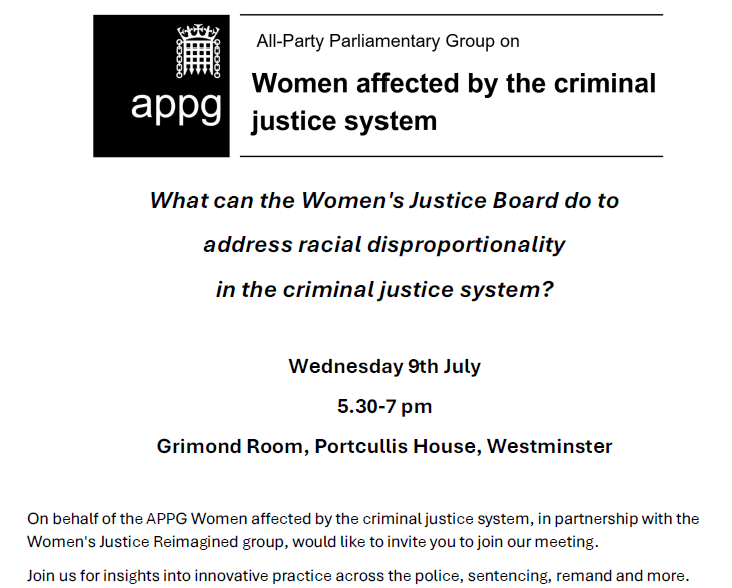
Another key event was the All-Party Parliamentary Group meeting on women in the criminal justice system. The question being addressed at the meeting was ‘What can the Women’s Justice Board do to address racial disproportionality in the criminal justice system?’. It was an opportunity for important organisations and stakeholders to stress what they believed were the key areas that needed to be addressed. Some of the charities and Non-governmental organisations were Hibiscus, Traveller Movement, The Zahid Mubarek Trust. There were also individuals from Head of Anti-slavery and Human Trafficking at HMPPS and the Deputy Mayor for Policing and Crime in London. Each representative had a unique standpoint and different calls for recommendations, ranging from:
• Hearing the voices of women affected in the CJS;
• Having culturally competent and trauma informed CJS staff;
• Ringfenced funding for specialist services and organisations like the ones that were in attendance;
• Knowing who you are serving and their needs;
• Making it a requirement to capture data on race and gender at all stages of the CJS.
It was truly great to be in a room full of individuals so ready to put the hard work in to advocate and push for change. I hope it will be one of many discussions I attend in the future.
Lastly, as I enter the final throes of writing my book on the experiences of Black women in prison I have been reflecting on what I want my book to get across, and who will be able to access it. The book represents the final outcomes of my PhD so to speak:
• To be able to disseminate the words and voices of the women that shared their stories;
• To be able to provide a visual into their lives and highlight the importance of visual research methods;
• To highlight some recommendations for change to reduce some of the pains of imprisonment faced by Black women;
• To call for more research on this group that has been rendered invisible.
Share this:


#UONCriminologyClub: What should we do with an Offender? with Dr Paula Bowles

You will have seen from recent blog entries (including those from @manosdaskalou and @kayleighwillis21 that as part of Criminology 25th year at UON celebrations, the Criminology Team have been engaging with lots of different audiences. The most surprising of these is the creation of the #UONCriminologyClub for a group of home educated children aged between 10-15. The idea was first mooted by @saffrongarside (who students of CRI1009 Imagining Crime will remember as a guest speaker this year) who is a home educator. From that, #UONCriminologyClub was born.
As you know from last week’s entry @manosdaskalou provided the introductions and started our “crime busters” journey into Criminology. I picked up the next session where we started to explore offender motivations and society’s response to their criminal behaviour. To do so, we needed someone with lived experience of both crime and punishment to help focus our attention. Enter Feathers McGraw!!!
At first the “crime busters” came out with all the myths: “master criminal” and “evil mastermind” were just two of the epithets applied to our offender. Both of which fit well into populist discourse around crime, but neither is particularly helpful for criminological study, But slowly and surely, they began to consider what he had done (or rather attempted to do) and why he might be motivated to do such things (attempted theft of a precious jewel). Discussion was fast flowing, lots of ideas, lots of questions, lots of respectful disagreement, as well as some consensus. If you don’t believe me, have a look at what Atticus and had to say!
We had another excellent criminology session this week, this time with Dr Paula Bowles. I think we all had a lot of fun, I personally could have enjoyed double or triple the session time. Dr Bowles was engaging, fun and unpretentious, making Criminology accessible to us whilst still covering a lot of interesting and complex subjects. We discussed so many different aspects of serious crime and moral and ethical questions about punishment and the treatment of criminals. During the session, we went into some very deep topics and managed to cover many big ideas. It was great that everyone was involved and had a lot to say. You might not necessarily guess from what I’ve said so far, how we got talking about Criminology in this way. It was all through the new Aardman animations film Wallace and Gromit: Vengeance Most Fowl and the cheeky little penguin or is it just a chicken? Feathers McGraw. Whether he is a chicken or a penguin, he gave us a lot to discuss such as whether his trial was fair or not since he can’t talk, if the zoo could really be counted as a prison and, if so was he allowed to be sent there without a trial? Deep ethical questions around an animation. Just like last time it was a fun and engaging lesson that made me want to learn more and more and I can’t wait for next time. (Atticus, 14)
What emerged was a nuanced and empathetic understanding of some key criminological debates and questions, albeit without the jargon so beloved of social scientists: nature vs. nurture, coercion and manipulation of the vulnerable, the importance of human rights, the role of the criminal justice system, the part played by the media, the impetus to punish to name but a few. Additionally, a deep philosophical question arose as to whether or not Aardman’s portrayal of Feathers’ confinement in a zoo, meant that as a society we treat animals as though they are criminals, or criminals as though they are animals. We are all still pondering this particular question…. After deciding as group that the most important thing was for Feathers to stop his deviant behaviour, discussions inevitably moved on to deciding how this could be achieved. At this point, I will hand over to our “crime busters”!
What to do with Feathers McGraw?
At first, I thought that maybe we should make prison a better place so that he would feel the need to escape less. It wouldn’t have to be something massive but just maybe some better furniture or more entertainment. Also maybe make the security better so that it would be harder to break out. If we imagine the zoo as the prison, animals usually stay in the zoo for their life so they must have done some very bad stuff to deserve a life sentence! Is it safe to have dangerous animals so close to humans? Feathers McGraw might get influenced by the other prisoners and instead of getting better he might get more criminal ideas. I believe there should be a purpose-built prison for the more dangerous criminals, so they are kept away from the humans and the non-violent criminals. in this case is Feathers considered a violent or non-violent criminal? Even though he hasn’t killed anyone, he has abused them, tried to harm them, hacked into Wallace’s computer, vandalised gardens through the Norbots, and stole the jewel. So, I think we should get a restraining order against Feathers McGraw to stop him from seeing Wallace and Gromit. I also think we should invest in therapy for Feathers to help him realise that he doesn’t need to own the jewel to enjoy it, what would he even do with it?! Maybe socializing could also help to maybe take his mind of doing criminal things. He always seems alone and sad. I’m not sure whether he will be able to change his ways or not but I think we should do the best we can to. (Paisley, 10)
I think in order to stop Feathers McGraw’s criminal behaviour, he should go to prison but while he is there, he should have some lessons on how to be good, how to make friends, how to become a successful businessman (or penguin!), how to travel around on public transport, what the law includes and what the punishments there are for breaking it etc. I also think it’s important to make the prisons hospitable so that he feels like they do care about him because otherwise it might fuel anger and make him want to steal more diamonds. At the same time though, it should not be too nice so that he’ll think that stealing is great, because if you don’t get caught, then you keep whatever you stole and if you do get caught then it doesn’t matter because you will end up staying in a luxury cell with silky soft blankets.
After he is released from prison, I would suggest he would be held under house arrest for 2-3 months. He will live with Wallace and Gromit and he will receive a weekly allowance of £200. With this money, he will spend:
£100 – Feathers will pay Wallace and Gromit rent each week,
£15-he will pay for his own clothes,
£5-phone calls,
£10-public transport,
£35-food,
£5-education,
£15-hygiene,
£15- socialising and misc.
During this time, Feathers could also be home educated in the subjects of Maths, English etc. He should have a schedule so he will learn how to manage his time effectively and eventually should be able to manage his timewithouta schedule. The reason for this is because when Feathers was in prison, he was told what to do every day and at what time he would do it. He now needs to learn how to make those decisions by himself. This would mean when his house arrest is finished, he can go out into the real world and live happy life without breaking the law or stealing. (Linus, 13)
I think that once Feathers McGraw has been captured any money that he has on him will be taken away as well as any disguises that he has and if he still has any belongings left they will be checked to see whether he can have them. After that he should go to a proper prison and not a Zoo, then stay there for 3 months. Once a week, while he is in prison a group of ten penguins will be brought in so that he can be socialised and learn manners and good behaviour from them. However they will be supervised to make sure that they don’t come up with plans to escape. After that he will live with a police officer for 3 years and not leave the house unless a responsible and trustworthy adult accompanies him until he becomes trustworthy himself. He will be taught at the police officers house by a tutor because if he went to school he might run away. Feathers McGraw will have a weekly allowance of £460 that is funded by the government as he won’t have any money. Any money that was taken away from him will be given back in this time. Any money left over will be put into his savings account or used for something else if the money couldn’t quite cover it.
In one week he will give
£60 for fish and food
£10 for travel
£50 for clothing but it will be checked to make sure that it isn’t a disguise.
£80 for the police officer that looking after him
£15 for necessities (tooth brush, tooth paste, face cloth etc…)
£70 for his tutor
£55 for education supplies
£20 will be put in a savings account for when he lives by himself again.
And £100 for some therapy
After 1 year if the police officer looking after him thinks that he’s trustworthy enough then he can get a job and use £40 pounds a week (if he earns manages to earn that much.) as he likes and the rest of it will be put into his savings account. Feathers McGraw will only be allowed to do certain jobs for example, He couldn’t be a police officer in case he steals something that he’s guarding, He also couldn’t be a prison guard in case he helped someone escape etc… If at any point he commits another crime he will lose his freedom and his job and will be confined to the house and garden. When he lives by himself again he will have to do community service for 1 month. (Liv, 11).
Feathers McGraw has committed many crimes, some of which include attempted theft, abuse towards Wallace and Gromit, and prison break.
Here are some ideas of things that we can do to stop him from reoffending:
Immediate action:
A restraining order is to be put in place so he can’t come within 50m of Wallace and Gromit, for their protection both physical and mental. Penguins live for up to 20 years so seeing as he is portrayed as being an adult, my guess is he is around 10 years old. His sentence should be limited to 2 years in prison. Whilst serving his sentence he should be given a laptop (with settings so that he can’t use it to hack) so he can write, watch videos, play games and learn stuff.
Longer term solutions:
When Feathers gets out he will be banned from seeing the gem in museums so there will be less chance of him stelling it. He also will be given some job options to help him get started in his career. His first job won’t be front facing so Wallace and Gromit won’t have to be worried and they will get to say no to any job Feathers tries to get. If he reoffends, he will be taken to court where his sentence will be a minimum of 5 years in prison.
Rehabilitation:
I think Feathers should be given rehabilitation in several different forms, some sneakier than others! One of these forms is probation: penguins which are trained probation officers who will speak to him and try to say that crime is not cool. To him they will look like normal penguins, he won’t know that they have had training. He also should be offered job experience so he can earn a prison currency which he can use to buy upgrades for his cell (for example a better bed, bigger tv, headphones, an mp3 player and songs for said mp3 player) to give him a chance to get a job in the future. (Quinn, 12)
The “crime busters” comments above came after reflecting on our session, their input demonstrates their serious and earnest attempt to resolve an extremely complex issue, which many of the greatest minds in Criminology have battled with for the last two centuries. They may seem very young to deal with a discipline often perceived as dark, but they show us an essential truth about Criminology, it is always hopeful, always focused on what could be, instead of tolerating what we have.
Share this:


Exploring the National Museum of Justice: A Journey Through History and Justice

As Programme Leader for BA Law with Criminology, I was excited to be offered the opportunity to attend the National Museum of Justice trip with the Criminology Team which took place at the back end of last year. I imagine, that when most of us think about justice, the first thing that springs to mind are courthouses filled with judges, lawyers, and juries deliberating the fates of those before them. However, the fact is that the concept of justice stretches far beyond the courtroom, encompassing a rich tapestry of history, culture, and education. One such embodiment of this multifaceted theme is the National Museum of Justice, a unique and thought-provoking attraction located in Nottingham. This blog takes you on a journey through its historical significance, exhibits, and the essential lessons it imparts and reinforces about justice and society.
A Historical Overview
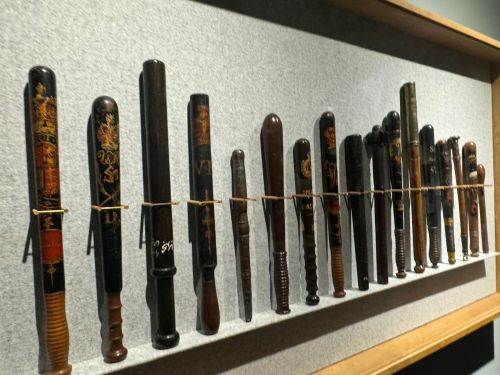
The National Museum of Justice is housed in the Old Crown Court and the former Nottinghamshire County Gaol, which date back to the 18th century. This venue has witnessed a myriad of legal proceedings, from the trials of infamous criminals to the day-to-day workings of the justice system. For instance, it has seen trials of notable criminals, including the infamous Nottinghamshire smuggler, and it played a role during the turbulent times of the 19th century when debates around prison reform gained momentum. You can read about Richard Thomas Parker, the last man to be publicly executed and who was hanged outside the building here. The building itself is steeped in decade upon decade of history, with its architecture reflecting the evolution of legal practices over the centuries. For example, High Pavement and the spot where the gallows once stood.
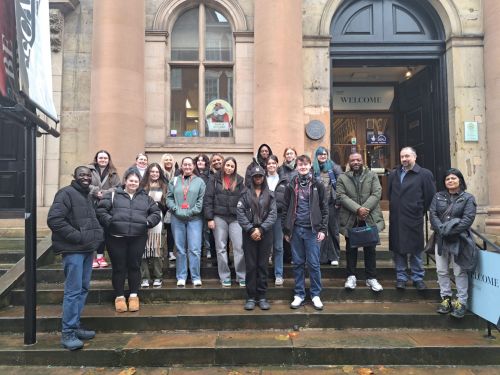
By visiting the museum, it is possible to trace the origins of the British legal system, exploring how societal values and norms have shaped the laws we live by today. The National Museum of Justice serves as a reminder that justice is not a static concept; it evolves as society changes, adapting to new challenges and perspectives. For example, one of my favourite exhibits was the bench from Bow Street Magistrates Court. The same bench where defendants like Oscar Wilde, Mick Jagger and the Suffragettes would have sat on during each of their famous trials. This bench has witnessed everything from defendants being accused of hacking into USA Government computers (Gary McKinnon), Gross Indecency (Oscar Wilde), Libel (Jeffrey Archer), Inciting a Riot (Emmeline Pankhurst) as well as Assaulting a Police Officer (Miss Dynamite).
Understanding this rich history invites visitors to contextualize the legal system and appreciate the ongoing struggle for a just society.
Engaging Exhibits
The National Museum of Justice is more than just a museum; it is an interactive experience that invites visitors to engage with the past. The exhibits are thoughtfully curated to provide a comprehensive understanding of the legal system and its historical context. Among the highlights are:
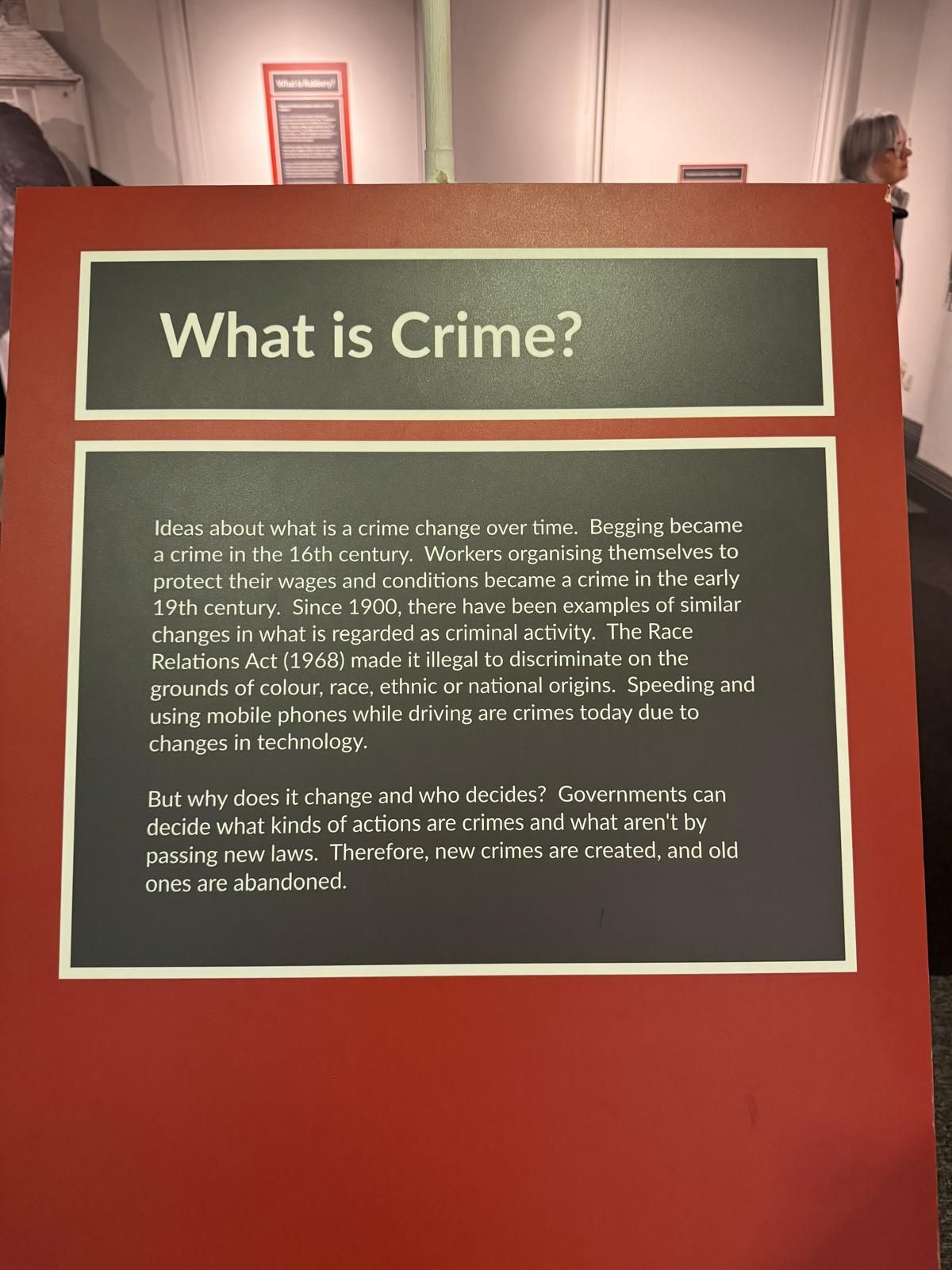

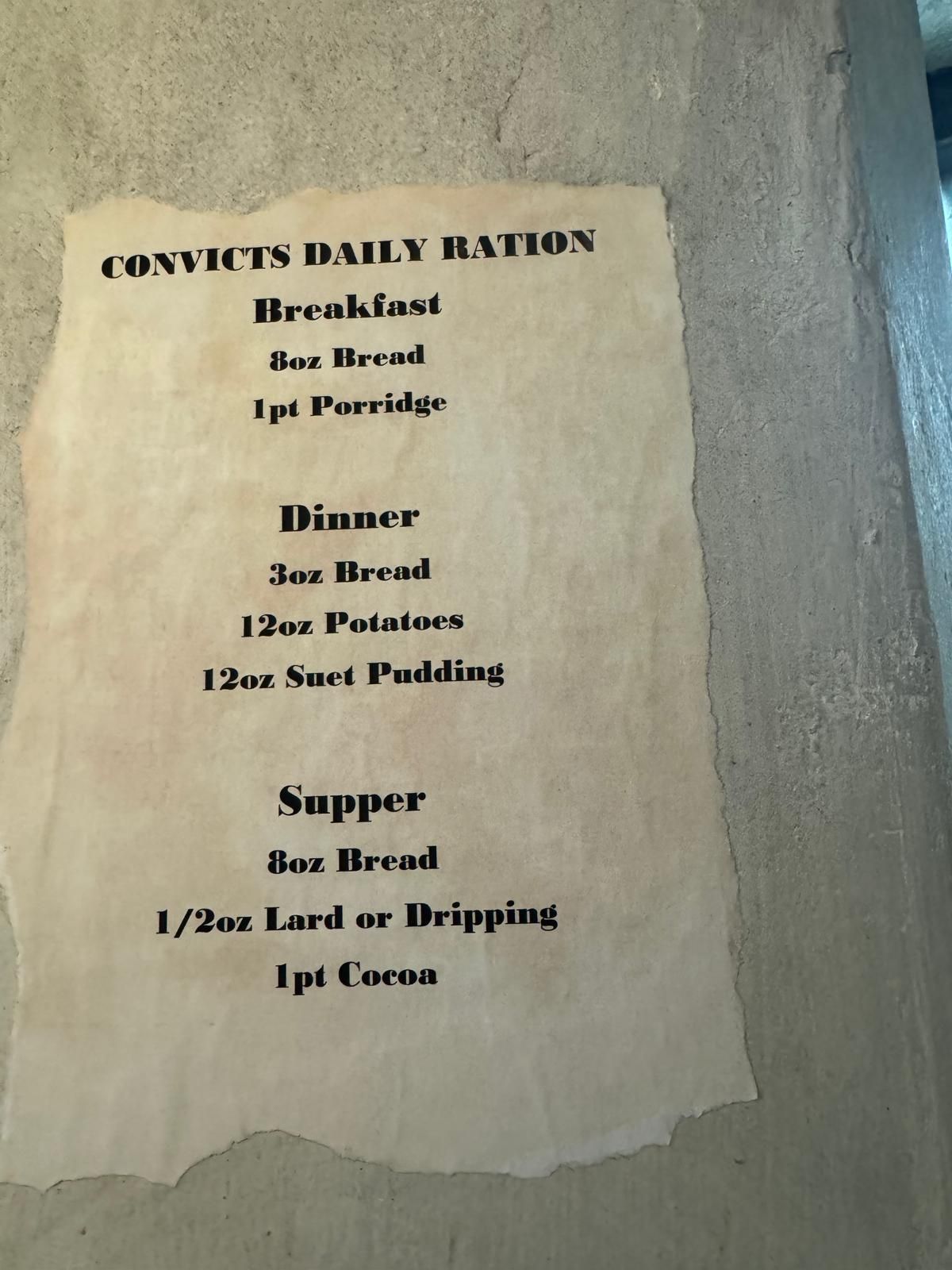


1. The Criminal Courtroom: Step into the courtroom where real trials were once held. Here, visitors can learn about the roles of various courtroom participants, such as the judge, jury, and barristers. This is the same room that the Criminology staff and students gathered in at the end of the day to share our reflections on what we had learned from our trip. Most students admitted that it had reinforced their belief that our system of justice had not really changed over the centuries in that marginalised communities still were not dealt with fairly.
2. The Gaol: We delved into the grim reality of life in prison during the Georgian and Victorian eras. The gaol section of the gallery offers a sobering look at the conditions inmates faced, emphasizing the societal implications of punishment and rehabilitation. For example, every prisoner had to pay for his/ her own food and once their sentence was up, they would not be allowed to leave the prison unless all payments were up to date. The stark conditions depicted in this exhibit encourage reflections on the evolution of prison systems and the ongoing debates surrounding rehabilitation versus punishment. Eventually, in prisons, women were taught skills such as sewing and reading which it was hoped may better their chances of a successful life in society post release. This was an evolution within the prison system and a step towards rehabilitation of offenders rather than punishment.
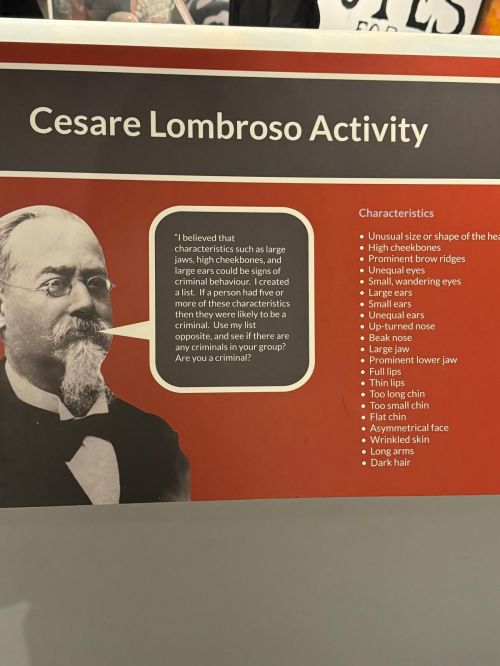
3. The Crime and Punishment Exhibit: This exhibit examines the relationship between crime and society, showcasing the changing perceptions of criminal behaviour over time. For example, one famous Criminologist of the day Cesare Lombroso, once believed that it was possible to spot a criminal based on their physical appearance such as high cheekbones, small ears, big ears or indeed even unequal ears. Since I was not familiar with Lombroso or his work, I enquired with the Criminology department as to studies that he used to reach the above conclusions. Although I believe he did carry out some ‘chaotic’ studies, it really reminded me that it is possible to make statistics say whatever it is you want them to say. This is the same point in relation to the law generally. As a lawyer I can make the law essentially say whatever I want it to say in the way I construct my arguments and the sources I include. Overall, The Inclusions of such exhibits raises and attempts to tackle difficult questions about personal and societal morality, justice, and the impact of societal norms on individual actions. By examining such leading theories of the time and their societal reactions, the exhibit encourages visitors to consider the broader implications of crime and the necessity of reform within the justice system. Do you think that today, deciding whether someone is a criminal based on their physical appearance would be acceptable? Do we in fact still do this? If we do, then we have not learned the lessons from history or really moved on from Cesare Lombroso.
Lessons on Justice and Society
The National Museum of Justice is not merely a historical site; it also serves as a platform for discussions about contemporary issues related to justice. Through its exhibits and programs, our group was invited to reflect on essentially- The Evolution of Justice: Understanding how laws have changed (or not!) over time helps us appreciate the progress (or not!) made in human rights and justice and with particular reference to women. It also encourages us to consider what changes may still be needed. For example, we were incredibly privileged to be able to access the archives at the museum and handle real primary source materials. We, through official records followed the journey of some women and girls who had been sent to reform schools and prisons. Some were given extremely long sentences for perhaps stealing a loaf of bread or reel of cotton. It seemed to me that just like today, there it was- the huge link between poverty and crime. Yet, what have we done about this in over two or three hundred years? This focus on historical cases illustrates the importance of learning from the past to inform present and future legal practices.
– The Importance of Fair Trials: The gallery emphasizes the significance of due process and the presumption of innocence, reminding us that justice must be impartial and equitable. In a world where public opinion can often sway perceptions of guilt or innocence, this reminder is particularly pertinent. The National Museum of Justice underscores the critical role that fair trials play in maintaining the integrity of the legal system. For example, if you were identified as a potential criminal by Cesare Lombroso (who I referred to above) then you were probably not going to get a fair trial versus an individual who had none of the characteristics referred to by his studies.
– Societal Responsibility: The exhibits prompt discussions about the role of society in shaping laws and the collective responsibility we all share in creating a just environment. The National Museum of Justice encourages visitors to think about their own roles in advocating for justice, equality, and reform. It highlights that justice is not solely the responsibility of legal professionals but also of the community at large.
– Ethics and Morality: The museum offers a platform to explore ethical dilemmas and moral questions surrounding justice. Engaging with historical cases can lead to discussions about right and wrong, prompting visitors to consider their own beliefs and biases regarding justice.
Conclusion
The National Museum of Justice in Nottingham is a remarkable destination that beautifully intertwines history, education, and advocacy for justice. By exploring its rich exhibits and engaging with its thought-provoking themes, visitors gain a deeper understanding of the complexities surrounding justice and its vital role in society. Whether you are a history buff, a legal enthusiast, a Criminologist or simply curious about the workings of justice, the National Museum of Justice offers a captivating journey that will leave you enlightened and inspired.
As we navigate the complexities of the modern world, it is essential to remember the lessons of the past and continue striving for a fair and just society for all. The National Museum of Justice stands as a powerful testament to the ongoing quest for justice, inviting us all to be active participants in that journey. In doing so, we honour the legacy of those who have fought for justice throughout history and commit ourselves to ensuring that the principles of fairness and equity remain at the forefront of our society. Sitting on that same bench that Emmeline Pankhurst once sat really reminded me of why I initially studied law.
The main thought that I was left with as I left the museum was that justice is not just a concept; it is a lived experience that we all contribute to shaping.

Share this:


Criminology for all (including children and penguins)!

As a wise woman once wrote on this blog, Criminology is everywhere! a statement I wholeheartedly agree with, certainly my latest module Imagining Crime has this mantra at its heart. This Christmas, I did not watch much television, far more important things to do, including spending time with family and catching up on reading. But there was one film I could not miss! I should add a disclaimer here, I’m a huge fan of Wallace and Gromit, so it should come as no surprise, that I made sure I was sitting very comfortably for Wallace & Gromit: Vengeance Most Fowl. The timing of the broadcast, as well as it’s age rating (PG), clearly indicate that the film is designed for family viewing, and even the smallest members can find something to enjoy in the bright colours and funny looking characters. However, there is something far darker hidden in plain sight.
All of Aardman’s Wallace and Gromit animations contain criminological themes, think sheep rustling, serial (or should that be cereal) murder, and of course the original theft of the blue diamond and this latest outing was no different. As a team we talk a lot about Public Criminology, and for those who have never studied the discipline, there is no better place to start…. If you don’t believe me, let’s have a look at some of the criminological themes explored in the film:
Sentencing Practice
In 1993, Feathers McGraw (pictured above) was sent to prison (zoo) for life for his foiled attempt to steal the blue diamond (see The Wrong Trousers for more detail). If we consider murder carries a mandatory life sentence and theft a maximum of seven years incarceration, it looks like our penguin offender has been the victim of a serious miscarriage of justice. No wonder he looks so cross!
Policing Culture
In Vengeance Most Fowl we are reacquainted with Chief Inspector Mcintyre (see The Curse of the Were-Rabbit for more detail) and meet PC Mukherjee, one an experienced copper and the other a rookie, fresh from her training. Leaving aside the size of the police force and the diversity reflected in the team (certainly not a reflection of policing in England and Wales), there is plenty more to explore. For example, the dismissive behaviour of Mcintyre toward Mukherjee’s training. learning is not enough, she must focus on developing a “copper’s gut”. Mukherjee also needs to show reverence toward her boss and is regularly criticised for overstepping the mark, for instance by filling the station with Wallace’s inventions. There is also the underlying message that the Chief Inspector is convinced of Wallace’s guilt and therefore, evidence that points away from should be ignored. Despite this Mukherjee retains her enthusiasm for policing, stays true to her training and remains alert to all possibilities.
Prison Regime
The facility in which Feathers McGraw is incarcerated is bleak, like many of our Victorian prisons still in use (there are currently 32 in England and Wales). He has no bedding, no opportunities to engage in meaningful activities and appears to be subjected to solitary confinement. No wonder he has plenty of time and energy to focus on escape and vengeance! We hear the fear in the prison guards voice, as well as the disparaging comments directed toward the prisoner. All in all, what we see is a brutal regime designed to crush the offender. What is surprising is that Feathers McGraw still has capacity to plot and scheme after 31 years of captivity….
Mitigating Factors
Whilst Feathers McGraw may be the mastermind, from prison he is unable to do a great deal for himself. He gets round this by hacking into the robot gnome, Norbot. But what of Norbot’s free will, so beloved of Classical Criminology? Should he be held culpable for his role or does McGraw’s coercion and control, renders his part passive? Without, Norbot (and his clones), no crime could be committed, but do the mitigating factors excuse his/their behaviour? Questions like this occur within the criminal justice system on a regular basis, admittedly not involving robot gnomes, but the part played in criminality by mental illness, drug use, and the exploitation of children and other vulnerable people.
And finally:
Above are just some of the criminological themes I have identified, but there are many others, not least what appears to be Domestic Abuse, primarily coercive control, in Wallace and Gromit’s household. I also have not touched upon the implicit commentary around technology’s (including AI’s) tendency toward homogeneity. All of these will keep for classroom discussions when we get back to campus next week 🙂
Share this:


A Love Letter: in praise of board games
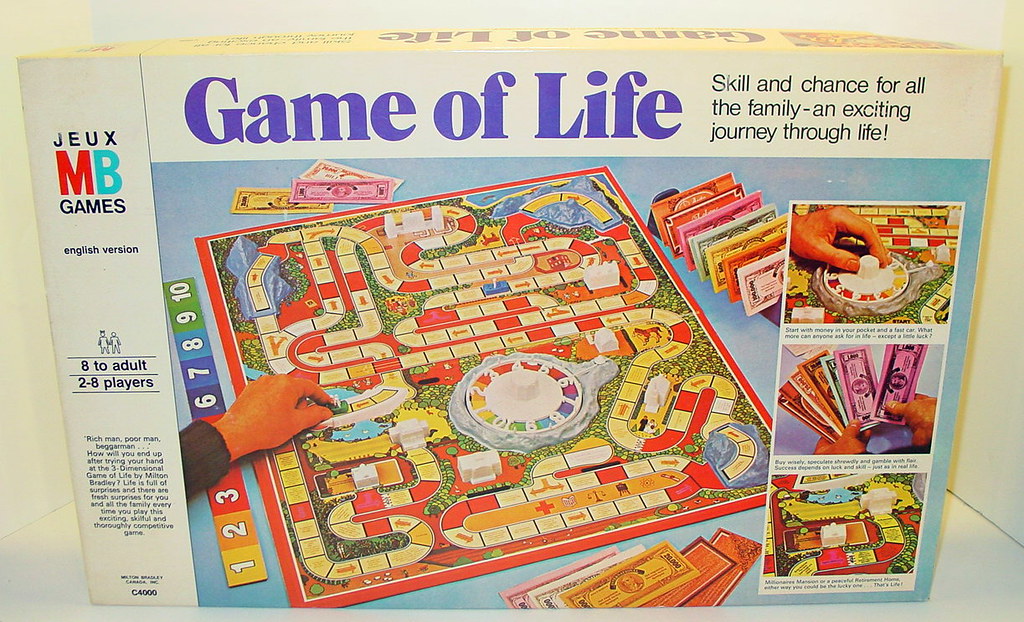
This my fifth love letter, previously I have written in praise of poetry, art, Agatha Christie and the Thoughts from the Criminology Team blog. Since early childhood, I have loved playing games and today’s entry is dedicated to this form of media. In the early years, the focus on fun is paramount, after all who wants to play a dull game? Equally important, the educational aim of games is sometimes explicit, other times less so. Nevertheless, they help us learn to match and sort colours and shapes, to develop our counting skills in an applied setting and improve our memory recall, as well as spelling. Games likes Snap, Happy Families, Hungry Hippos, Snakes and Ladders, Guess Who, Junior Scrabble offer a variety of different ways for children to learn important skills whilst playing. These games enable even very small children to share space, develop important interpersonal skills like taking turns and learn to deal with winning, and of course, losing. Often the latter is a very slow and painful lesson to learn….and one that isn’t always remembered into adulthood!
Of course, one of the most explicit part of playing games is learning the rules of the game, and of course, what happens when we deviate from those rules. It might lead to the loss of a turn or even forfeiture of the entire game. People interpret rules in different ways and families often develop their own “house” rules, but nevertheless there is always an agreed upon set of rules and a way of policing and punishing those who break them.
But once these lessons have been learned, what do games have to teach us as adults? I would say plenty! On a surface level, they offer an opportunity to relax and do something outside of our humdrum lives. Once the games have been purchased, they generally cost nothing to play unlike other forms of leisure time.1 Some can be played alone, others require competitors or even teams. They can aid our thinking, concentration and develop skills of strategy and tactics. They also have the general benefit of not being all consuming (unless at competition level), allowing for conversation to flow. The latter, conversing whilst doing something else, can often be useful for difficult emotional conversations, allowing people to open up without pressure (known colloquially as “health by stealth”).
But do board games have anything to offer to Criminology? Again, I would argue yes! Most games involve chance or luck, will you get the numbers you need, will you have the right pieces/cards in your hand, will the other person play their game in a way that benefits you? It is easy to recognise the role that luck or chance plays in games, but are we equally aware of their role in our lives. More importantly, as criminologists do we fully understand and acknowledge the role played by both in relation to criminality and victimisation?
We have no choice about whether we are born or not, when and where we arrive on the earth, who our parents are. These are all down to forces outside our individual and collective control. Our upbringing, our education, our employment opportunities are largely constrained by geography, money and influence. Compare the opportunities available to a baby born today in Sudan, with one born in the UK, another born in Palestine, and another born in Finland. Compare again, thinking about race, sex, class, disability, sexuality and so on. Very quickly you begin to understand the role played by chance and luck.
So if all of the above are imponderables, how much of a role does luck play in relation to criminality and victimisation? The regular publication of data relating to crime in postcodes, towns/cities and globally show huge diversity in the chance of victimisation. Lucky you, if you were born and live in the ‘Nordic countries of Europe (Norway, Sweden, Denmark, Iceland, and Finland) who rank among the 25 safest globally, most of them also being among the top 10 happiest nations worldwide’. Less fortunate, if you were born in Haiti, Ukraine, Palestine, Sudan or Iraq identified as some of the most dangerous places on earth currently. It is not very difficult to imagine the difference in opportunities in fundamental human rights; food, shelter, healthcare, education and so on. In war ridden nations it is incredibly difficult to separate different typologies of victimisation and for the individuals living under these conditions, it makes no meaningful difference who is/are the perpetrators.
Even if you are living in a “peaceful” state2 such as the UK, there are vast differences in the opportunities available. If you have money you can buy a car to get to work in your evening/night job, if you don’t, maybe you can take a bus, failing that you can walk. Each of those journeys carries its own risks. Your sex, your race, your ethnicity, your sexuality, your abilities/disabilities, your age add the aggravating/mitigating factors and see your risk increase/decrease. All a matter of chance and luck
What about criminality, is this, as the Classical School of Criminology would have us accept, a matter of free will, weighing up the pros and cons and making a deliberate and calculating choice to commit crime? Or can we also identify the same issues of luck and chance as shown above? If your family is loving, everyone has good health, housing is secure, food is plentiful and there are plenty of educational and employment opportunities in your area, would you still choose a life of crime? If there is violence at home, poverty impacts health, housing and regular meals, making it challenging to study or work, would you perceive crime to be a choice?
And what of those board game rules and consequences, real life has its own rules, some written in the forms of laws, others engrained via family, friends, institutions; the norms of our society. In the board game, these rules apply equally (aside from luck and chance) but in real life, not so much. Consider racial and ethnic disproportionality and the treatment of vulnerable women in the CJS, as just two examples. We may all be playing in the same “Game of Life”, but luck, chance and the rules we are subjected to are very different when it comes to criminality and victimisation.
- I appreciate that there are some very expensive board games out there, as well as expansion packs to enhance play. ↩︎
- There are lots of academic arguments around what constitutes a peaceful state, most agree that it more than just the absence of war. Whilst the UK has not seen active warfare on its shores for decades, its military has been involved in conflict throughout the world for more than a century. ↩︎

 Thoughts from the criminology team

