
Home » Nigeria
Category Archives: Nigeria

I’m not Black; my Friends and I are Brown, not Black

I recently began the process of preparing my child for the imminent transition to a new school situated in a diverse community. Despite being born into a similarly diverse environment, his early educational exposure occurred in an ethnically varied setting. Venturing into this new chapter within a racially diverse community has sparked a keen interest in him.
My child soon articulated a perspective that challenged conventional racial labels. He asserted that he and his friend Lucien are not accurately described as ‘black,’ rather he believes they are ‘brown.’ He went further to contest the classification of a lady on TV, who was singing the song “Ocean” by Hillsong, as ‘white.’ According to him, his skin is not black like the trousers he was wearing, and the lady is not white like the paper on my lap. This succinct but profound statement held more critical significance than numerous conversations I’ve encountered in my over five years of post-PhD lecturing.
The task at hand, guiding an under seven-year-old questioning the conventional colour-based categorisation, proved challenging. How do I convince an under seven-year-old that his knowledge of colours should be limited to abstract things and that persons with brown toned skin are ‘black’ while those with fair or light toned skinned are ‘white’? I found myself unprepared to initiate this complex conversation, but his persistent curiosity and incessant ‘why prompts’ compelled me to seek creative ways to address the matter. Even as I attempted to distract myself with a routine evening shower and dinner, my mind continued to grapple with the implications of our conversation.
Post-dinner, my attempt to engage in my usual political news catch-up led me to a YouTube vlog by Adeola titled ‘How I Almost Died!’ where she shared her pregnancy challenges. One statement she made struck a chord: ‘if you are a black woman and you are having a baby in America, please always advocate for yourself, don’t ever keep quiet, whatever you are feeling, keep saying it until they do something about it’ (18:39). This sentiment echoed similar experiences of tennis star Serena Williams, who faced negligence during childbirth in 2017.
The experiences of these popular ‘black’ women not only reminds me that the concept ‘black’ and ‘white’ are not only symbolic, but a tool for domination and oppression, and disadvantaging the one against the other. Drawing inspiration from Jay-Z’s ‘the story of O.J’, the song drew attention to the experiences of race, success, and the complexities of navigating the world as a ‘black’ individual. In the song, two themes stood out for me, the collective vulnerability to prejudice and the apparent bias in the criminal justice system towards ‘black’ people. In the UK, both proportional underrepresentation in staff number and proportional overrepresentation of minoritized groups in the criminal justice system and the consequences therefrom is still topical.
Jay-Z’s nuanced understanding of ‘black’ identity rejects simplistic narratives while emphasising its multifaceted nature. The verse, “O.J. ‘like I’m not black, I’m O.J.’ Okay” underscores the challenges even successful ‘black’ individuals face within racial systems. As criminologists, we recognize the reflection of these issues in daily experiences, prompting continuous self-reflexivity regarding our values, power positions, and how our scholarly practice addresses or perpetuates these concerns. Ultimately, the question persists: Can a post-racially biassed world or systems truly exist?
Share this:

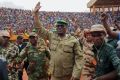
Unravelling the Niger Coup: Shifting Dynamics, Colonial Legacies, and Geopolitical Implications

On July 26, the National Council for Safeguarding the Homeland (CNSP) staged a bloodless coup d’état in Niger, ousting the civilian elected government. This is the sixth successful military intervention in Africa since August 2020, and the fifth in the Sahel region. Of the six core Sahelian countries, only Mauritania has a civilian government. In 2019, it marked its first successful civilian transition of power since the 2008 military intervention, which saw the junta transitioning to power in 2009 as the civilian president.
Military intervention in politics is not a new phenomenon in Africa. Over 90% of African countries have experienced military interventions in politics with over 200 successful and failed coups since 1960 – 1, (the year of independence). To date, the motivation of these interventions revolves around insecurity, wasteful and poor management of state resources, corruption, and poor and weak social governance. Sadly, the current situation in many African countries shows these indicators are in no short supply, hence the adoption of coup proofing measures to overcome supposed coup traps.
The literature evidences adopting ethnic coup proofing dynamics and colonial military practices and decolonisation as possible coup-proofing measures. However, the recent waves of coups in the Sahel defer this logic, and are tilting towards severing ties with the living-past neocolonial presence and domination. The Nigerien coup orchestrated by the CNSP has sent shockwaves throughout the region and internationally over this reason. Before the coup, Mali and France had a diplomatic row. The Malian junta demanded that France and its Western allies withdraw their troops from Mali immediately. These troops were part of Operation Barkhane and Taskforce Takuba. A wave of anti-French sentiments and protests resulted over the eroding credibility of France and accusation of been an occupying force. Mohamed Bazoum, the deposed Nigerien president, accepted the withdrawn French troops and its Western allies in Niger. This was frowned at by the Nigerien military, and as evidenced by the bloodless coup, similar anti-French sentiments resulted in Bazoum’s deposition.
The ousting of President Bazoum resulted in numerous reactions, including a decision by the Economic Community of West African States (ECOWAS), of which Niger is a member and is currently chaired by Nigerian President Bola Ahmed Tinubu. ECOWAS demanded the release and reinstatement of President Bazoum, imposed economic sanctions, and threatened military intervention with a one-week ultimatum. Some argued that the military intervention is unlikely, and some member states pledged support to the junta. At the end of the ultimatum, ECOWAS activated the deployment of its regional standby force but it remains unclear when it will intervene and what the rules of engagement will be. Nonetheless, the junta considers any such act as an aggression, and in addition to closing its airspace, it is understood to have sought support from Wagner, the Russian mercenary.
Amongst the citizenry, while some oppose the military intervention, there is popular support for both the intervention and the military with thousands rallying support for the junta. On 6 August, about 30,000 supporters filled the Niamey stadium chanting and applauding the military junta as they parade the crowd-filled stadium. Anti-French sentiments including a protest that led to an attack on the French embassy in Niger followed the declaration of the coup action. In the civil-military relations literature, when a military assumes high political roles yet has high support from society over such actions, it is considered as a popular praetorian military (Sarigil, 2011, p.268). While this is not a professional military attribute (Musa and Heinecken, 2022), it is nonetheless supported by the citizenry.
In my doctoral thesis, I argued that in situations where the population is discontent and dissatisfied with the policies of the political leadership, a civil-military relations crisis could result. I argued that “as citizens are aware that the military is neither predatory nor self-serving, they are happy trusting and supporting the military to restore political stability in the state. It is possible that in situations where political instability becomes intense, large sections of the citizenry could encourage the military to intervene in politics” (Musa, 2018, p.71). The recent waves of military intervention in Africa, together with anti-colonial sentiments evidences this, and further supports my argument on the role of the citizenry in civil-military relations. For many Nigeriens including Maïkol Zodi who leads an anti-foreign troops movement in Niger, the coup symbolises the political independence and stability that Francophone Africa has long desired.
Thus, as the events continue to unfold, I would like to end this blog with some questions that I have been thinking about as I try to make sense of this rather complex military intervention. The intervention is affecting international relations and has the potential to destabilise the current power balance between the major powers. It could also lead to a military conflict in Africa, which would be a disaster for the continent.
- How have recent coups in the Sahel region signalled a shift away from colonial legacies, and how are these sentiments reshaping political dynamics?
- What is the significance of the diplomatic tensions between Mali and France, and how might they have influenced the ousting of President Bazoum and the reactions to it?
- Given the surge in military interventions in politics across the Sahel region, how does this trend reflect evolving dynamics within the affected countries, and does this has the potential to spur similar interventions in other African States?
- What lessons can be drawn from Mauritania’s successful transition from military to civilian rule in 2019, and how might these insights contribute to diplomatic discussions around possible transition to civilian rule in Niger?
- Are the decisions of ECOWAS influenced by external pressures, how effective is ECOWAS’s approach to addressing coups within member states, and how does the Niger coup test the regional organization’s capacity for conflict resolution?
- To what extent do insecurity, mismanagement of resources, corruption, and poor governance collectively contribute to the susceptibility of African nations to military interventions?
- How can African governments strike a balance between improving the quality of life and coup-proofing measures, and which is most effective for preventing or mitigating the risk of military interventions?
- What are the potential ramifications of the coup on the geopolitical landscape, especially in terms of altering power dynamics among major players?
- What are the implications of the coup for regional stability, and how might it contribute to the potential outbreak of conflict and could it destabilize ongoing counterterrorism efforts and impact cooperation among countries in addressing common security threats?
- Why do widespread demonstrations of support for the junta underscore the sentiments of political independence and stability that resonate across Francophone Africa?
- Given the complexities of the situation, what measures can be taken to ensure long-term stability, governance improvement, and democratic progress in Niger?
- Ultimately, is the western midwifed democracy in Africa serving its purpose, and given the poor living conditions of the vast populace in African countries as measured against all indices, can these democracies serve Africans?
Navigating these questions is essential for comprehending the implications of the coup and the potential outcomes for Niger and its neighbours. In an era where regional stability and international relations are at stake, a nuanced understanding of these multifaceted issues is imperative for shaping informed responses and sustainable solutions.
References
Musa, S.Y. (2018) Military Internal Security Operations in Plateau State, North Central Nigeria: Ameliorating or Exacerbating Insecurity? PhD, Stellenbosch University. Available from: https://scholar.sun.ac.za/handle/10019.1/104931. [Accessed 7 March 2019].
Musa, S.Y., Heinecken, L. (2022) The Effect of Military (Un)Professionalism on Civil-Military Relations and Security in Nigeria. African Security Review. 31(2), 157–173.
Sarigil, Z. (2011) Civil-Military Relations Beyond Dichotomy: With Special Reference to Turkey. Turkish Studies. 12(2), 265–278.
Share this:


“My Favourite Things”: Paul

My favourite TV show - I prefer a movie any day.. episodes are draining

My favourite place to go - Home

My favourite city - London, Zanzibar, and Lagos... Ain’t no party like a Lagos party!

My favourite thing to do in my free time - Bonding with my toddler

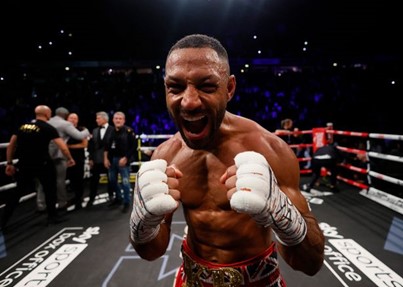
My favourite athlete/sports personality - – BOXING: The Special One! Kell Brook

My favourite actor - Joe Pesci

My favourite author - Sidney Sheldon

My favourite drink - Depends.. Red wine after work or Whiskey for the Weekends

My favourite food - Medium Rare Steak, Lasagne (only from Rodizio Rico, O2 arena), or Egusi & Pounded Yam (Authentic)

My favourite place to eat - As long as the wine is delightful and the food is delicious, I don’t mind

I like people who - are generous & helpful

I don’t like it when people - don’t mind their business

My favourite book - The Doomsday Conspiracy

My favourite book character - Who has time to read fiction?

My favourite film - The Goodfellas, of course!

My favourite poem - 'The Second Coming' by William B Yeats

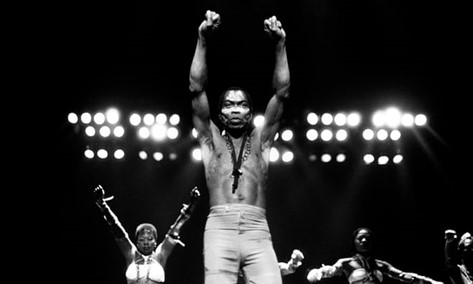
My favourite artist/band -  FELA!

My favourite song - 1. Coffin for Head of State by Fela
 2.  The soundtrack of the Sound of Music – that’s one album I can listen to without skipping a track (My wife thinks I’m weird)

My favourite art - Jean Basquiat: GOD, LAW – an exceptional piece full of symbolism. I need to write a blog on this painting at some point!

My favourite person from history - My favourite person from history – Too many to name just one – but for the sake of this blog, I’ll go with Patrice Lumumba of the Democratic Republic of Congo

Share this:


Cash Strapped, Vote-Buying, Petroleum Scarcity, and the Challenge of a 21st Century Election
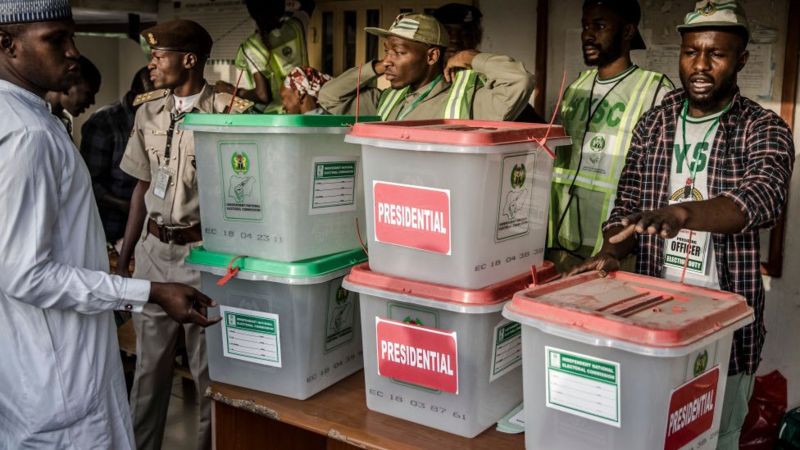
Democratic elections are considered an important mechanism and a powerful tool used to choose political leaders. However, the level of transparency and the safety of votes, the electorates, and the aspirants as recent elections in supposed strong democracies indicate is not a given. Even more, in weak and fragile states, voters grapple with uncertainties including the herculean task of deciding on whom or perhaps what to pledge allegiance to?
Nigerians face such uncertainties as over 93 million voters are set to decide the new leadership of the most populous country in Africa in less than 24 hours. Three contestants: Ahmed Bola Tinubu of the ruling All Progressive Congress (APC); Peter Obi of the Labour Party(LP); and Atiku Abubakar of the Peoples Democratic Party (PSP) are considered the major contestants of the coveted seat of the presidency. All 3 contestants are neither strangers to political power nor free of controversies. Nevertheless, a plethora of problems awaits the successful candidate, including a spiking impatience with government policies from the populace.
Since assuming office in 2015, President Muhammadu Buhari has consciously implemented numerous policies aimed at changing the tide of the crippling economy of Nigeria. One of this was tightening control of foreign exchange and forex restrictions to minimise pressure on the weak exchange rate of the naira against other currencies, and to encourage local manufacturing. Furtherance to this, the government implemented more restrictions including closing all its land borders in August 2019 to curtail smuggling contrabands and to boost agricultural outputs. These policies have been criticised for increasing the hardship of the mostly poor masses and failing to yield desired goals, despite its resulting in an increase in local production of some agricultural products.
The aviation sector and multinational companies were also heavily impacted by the forex restrictions. International airliners were unable to access and repatriate their business funds and profits. As a result, some suspended operations while some multinationals closed down completely. Flawed policy articulation and implementation and a slow or total failure to respond to public disenchantment has been the bane of the 8 years of Buhari regime which ends in a few months. While the masses grappled with surviving movement restrictions during the Covid-19 lockdown, palliative meant for to ease their suffering were hoarded for longer than necessary, thereby provoking series of mass looting and destruction of the storage warehouses.
Demands for action and accountability over police reform also assumed a painful dimension. On 20 October 2020, peaceful protesters demanding the abolishment of a notoriously corrupt, brutal, rogue, and stubborn police unit called SARS were attacked by government forces who killed at least 12 protesters. Incidents as this supports Nigeria’s ranking as an authoritarian regime on the democratic index. Unsurprisingly, the regime appears numb to the spate of violence, insecurity, and recurring killings perpetrated by a complex mix of militias, criminal groups, terrorists, and state institutions as the #EndSARS massacre demonstrates. Thus, a wave of migration among mainly skilled and talented young Nigerians now manifests as a #Japa phenomenon. The two most impacted sectors, health and education ironically supply significant professionals in nations where the political class seek medical treatment or educate their children while neglecting own sectors.
Certainly, the legacy of the Buhari regime would be marred by these challenges which his party presidential candidate and prominent party stalwarts have distanced from. Indeed, they fear electorates would vote against the party as a protest over their suffering. Suffice it that Nigerians lived through the previous year in acute scarcity and non-availability of petroleum products, which further deepened inflation. Currently, cash scarcity is causing untold hardship due to the implementation of a currency redesign and withdrawal limits policy. The timing of the implementation of the policy coincides with the election and is thought to aim at curtailing vote-buying as witnessed in party primary elections. However, there is no guarantee that bank officials would effectively implement the policy.
Thus, as Nigeria decides, the 3 contestants present different realities for the country. For some, voting in the ruling APC candidate who has a questionable history could mean a continuation of the woes endured during the Buhari regime. The PDP candidate who was instrumental in the 2015 election of Buhari has severally been fingered for numerous controversies and corruption, despite having not been prosecuted for any. Similarly, allegations levelled against the LP candidate who has found wide popularity and acceptance amongst the young population has not resulted in any prosecution. However, while the candidate is popular for his anti-establishment stance and desire to change the current system, it is unclear if his party which has no strong political structure, serving governors, or representatives can pull the miracle his campaign has become associated with to win the coveted seat.
Share this:


ASUU vs The Federal Government

It will be 8 months in October since University Lecturers in Nigeria have embarked on a nationwide strike without adequate intervention from the government. It is quite shocking that a government will sit in power and cease to reasonably address a serious dispute such as this at such a crucial time in the country.
As we have seen over the years, strike actions in Nigerian Universities constitute an age-long problem and its recurring nature unmasks, quite simply, how the political class has refused to prioritise the knowledge-based economy.
In February 2022, the Academic Staff Union of Universities (ASUU) leadership
(which is the national union body that represents Nigerian University Lecturers during disputes) issued a 4-week warning strike to the Nigerian government due to issues of funding of the public Universities. Currently, the striking University Lecturers are accusing the government of failing to revitalise the dilapidated state of Nigerian Universities, they claim that the government has refused to implement an accountability system called UTAS and that representatives of the government have continued to backtrack on their agreement to adequately fund the Universities.
The government on the other hand is claiming that they have tried their best in negotiating with the striking lecturers – but that the lecturers are simply being unnecessarily difficult. Since 2017, several committees have been established to scrutinize the demands and negotiate with ASUU, but the inability of these committees to resolve these issues has led to this 8-month-long closure of Nigerian Universities. While this strike has generated multiple reactions from different quarters, the question to be asked is – who is to be blamed? Should the striking lecturers be blamed for demanding a viable environment for the students or should we be blaming the government for the failure of efforts to resolve this national embarrassment?
Of course, we can all understand that one of the reasons why the political class is often slow to react to these strike actions is because their children and families do not attend these schools. You either find them in private Universities in Nigeria or Universities abroad – just the same way they end up traveling abroad for medical check-ups. In fact, the problems being faced in the educational sector are quite similar to those found within the Nigerian health sector – where many doctors are already emigrating from the country to countries that appreciate the importance of medical practitioners and practice. So, what we find invariably is a situation where the children of the rich continue to enjoy uninterrupted education, while the children of the underprivileged end up spending 7 years on a full-time 4-year program, due to the failure of efforts to preserve the educational standards of Nigerian institutions.
In times like these, I remember the popular saying that when two elephants fight, it’s the grass that suffers. The elephants in this context are both the federal government and the striking lecturers, while those suffering the consequences of the power contest are the students. The striking lecturers have not been paid their salaries for more than 5 months, and they are refusing to back down. On the other hand, the government seems to be suggesting that when they are “tired”, they will call off the strike. I am not sure that strike actions of the UK UCU will last this long before some sort of agreement would have been arranged. Again, my heart goes out to the Nigerian students during these hard times – because it is just unimaginable what they will be going through during these moments of idleness. And we must never forget that if care is not taken, the idle hand will eventually become the devil’s workshop!
Having said this, Nigerian Universities must learn from this event and adopt approaches through which they can generate their income. I am not inferring that they do not, but they just need to do more. This could be through ensuring large-scale investment programs, testing local/peculiar practices at the international level, tapping into research grant schemes, remodeling the system of tuition fees, and demonstrating a stronger presence within the African markets. As a general principle, any institution that wishes to reap the dividends of the knowledge-based economy must ensure that self-generated revenues should be higher than the government’s grants – and not the other way. So, Universities in Nigeria must strive to be autonomous in their engagements and their organisational structure – while maintaining an apolitical stance at all times.
While I agree that all of these can be difficult to achieve (considering the socio-political dynamics of Nigeria), Universities must remember that the continuous dependence on the government for funds will only continue to subject them to such embarrassments rather than being seen as respected intellectuals in the society. Again, Nigerian Universities need a total disruption; there is a need for a total overhaul of the system and a complete reform of the organisational structure and policies.
Share this:


Meet the Team: Paul Famosaya, Lecturer in Criminology
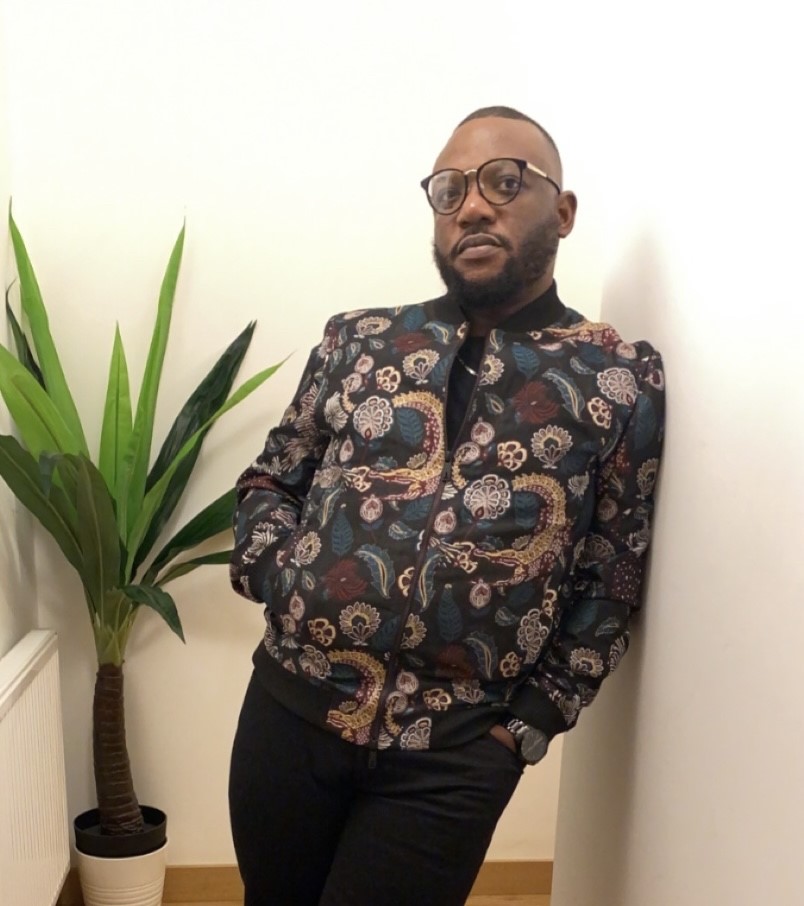
Hi all! My name is Dr Paul Famosaya and I have just joined UoN as a Lecturer in criminology. Prior to joining UoN, I have taught as a Lecturer in criminology and policing at the University of Cumbria – where I contributed to the development and running of modules at both Undergraduate and Masters level. In addition, I have taught criminology at Middlesex University, London as an HP Lecturer (during my PhD days). So, over the years really, I have developed and taught a variety of modules around the theories of crime, the crimes of the powerful, global dimensions of crime, policing, new ideas in criminology, crimes & deviance, social exclusion, criminological frameworks etc. I also serve as a reviewer of a few international reputable journals.
In terms of my academic background, I completed my undergraduate degree in Nigeria, 2010 and then went straight on to complete my Masters in Criminology at Middlesex University, London. I then dived straight in to my PhD, which I completed also at Middlesex in 2019 – with my thesis focusing on police experiences, actions and practices.
I came into the world of Criminology simply for my interest in understanding the logic of corruption and the network of greed. I realised that these two components are largely the foundational problems of my home country Nigeria, and many other countries. So, the plight to unravel these dynamics from both institutional and personal level triggered my interest in the discipline. To a large extent, this interest has continued to strengthen my area of specialisation which concentrates largely on the areas of Critical and Theoretical criminology, Police culture, Social harms and Injustice. Criminology is something I’ve really enjoyed doing and while I have taught it for many years, I still consider myself to be a student of Criminology really.
I am currently completing another article on pandemics and criminology – so it’ll be cool to chat with colleagues looking at similar area(s). Looking forward to meeting everyone soon!
Share this:


Turning a blind eye: when people remain silent to abuse in the name of religion, tradition, and culture

The thought that people in the 21st Century are silent about abuse appears to be an absurd notion. There has been a significant development in how public opinion is increasing the awareness of the role of abuses that occur behind closed doors, and the responsibility of safeguarding to protect the most vulnerable. Case studies of Daniel Pelka, Baby P, and even the institutional abuses at Winterbourne View Hospital are significant signal crimes, having provided public opinion with the chance to progress its understanding of abuse behind closed doors, being able to question concerning behaviours and beliefs, and for this to be reflected within legislation; with abusers even being sentenced and imprisoned.
Abuses behind closed doors
I raise the progression made on abuses that occur behind closed doors; there is still far to go, however, institutional abuses that occur literally in front of these doors are still an issue in society today.
The power imbalance of the state and police department in recognising their responsibility for the murder of George Floyd is one of many examples of this; the image of the local authority leaning on his neck, with him pleading for his mother and his life, is an image that can never be forgotten. The issues of institutional racism can be traced back decades, with the MacPherson Report highlighting these issues following the murder of Stephen Lawrence in 1993, but how far has society come to know about crimes committed within the family and community, to preserve the honour of religion, culture, and tradition? Deciding to leave one’s religious faith, has the potential to cause disruptions to the ideological framework of the family and community.
This decision appears to increase the level of threat the family and community may feel towards the individual as a result, with an increased likelihood of creating an environment of abuse to foster physical and psychological abuse. Being able to challenge such abuse, which occurs under the veil of religion, tradition, and culture, appears to be difficult. This might be due to how this type of abuse is maintained under collusion and coercive control within the family and community – with maintaining izzat (honour) being deemed the highest priority, instead of maintaining the dignity of the human being. His article aims to reflect upon the notion that apostatic-abuse occurs both in private and public worldwide due to the influences of power involved with this issue.
The definition of “apostate”
An apostate is a term used to describe people who once identified as religious, or with faith, or belief in God, or gods, and now identifies as non-religious. The transition of apostasy is difficult for the individual for a number of reasons, and the example of the Lion King is usually apt in explaining this issue (spoilers follow):
The moment where Mufasa dies, Simba (Mufasa’s son) is blamed for this and is shunned to leave the family home by his uncle Scar, and Scar further directs his hyena-followers to kill Simba. Simba evades the attack and travels across the desert alone and isolated for a considerable amount of time, where he eventually collapses.
The journey of Simba during this moment is similar to the journey of the apostate. The thought that a person can have a different opinion to that of the household can be divisive. For example, public opinion was ideologically divided in the United Kingdom over the recent decision to either remain in or leave the European Union. Having ideological differences on this topic, ruptured the cohesion within society, where family members even stopped talking to each other based on the ideological decision made. These political and ideological differences were used as a rationale by the murderer who sided with leaving the European Union, of Labour MP Jo Cox who sided with remaining in the European Union.
Apostates and their families
Sadly, the act of apostasy, where family members have ideological differences, can cause a similar threat reaction by families and communities towards their family member. When family members are strongly dedicated to the conviction of their ideology, faith, and/or scripture, the assertion of shunning the individual, using violence, and even threatening and causing death can be viable options to maintain the honour of their family home and community, is saddening. This conviction further facilitates an abusive environment to develop within the family and community, with family members silently accepting the abuse as a consequence for holding ideological differences. The reaction of the family members increases the likelihood of the person being isolated and shunned, which further creates an environment suitable for abuse to occur, and in similarity to Simba’s journey, this increases the likelihood of the apostate being left to survive on their own without support from the family that once supported them. The differences in thought and ideology create the dynamic of the family belonging to the in-group, and the apostate being identified in the out-group. This also appears to dehumanise the apostate, labelling them as a traitor to the values held dear by the family and community, thus perceiving abuse as an appropriate and acceptable punishment. The power held against the individual by the family and community increases the likelihood of secrecy and silence towards the harm that may be caused.
Abuses against apostates
The concern currently relates to how society appears to struggle with challenging ideas and beliefs, with origins based in religion, tradition, and culture. Regardless of its origin, however, abuse cannot be tolerated. Abuse is usually about a structural and personal power imbalance. The abuser uses that power as leverage to get the individual to do things, they do not want to do. One can appreciate that abuse of any kind, such as physical, psychological, neglect, and domestic violence, are all means to impede on the life of an individual. The cause for concern grows immensely when family members engage in acts of abuse against their own, and in cases within familial communities where the notion of abuse is hidden. Case studies from the past, such as Victoria Climbie, Shafilea Ahmed, and Surjit and Sarbjit Athwal, provide a rare insight into the damaging consequences of abuse within the family home. Some of the conditions that are similar between these case studies are that families maintained secrecy and a sense of order within the home to ensure the abuse remained hidden. The interesting similarity in these cases is how religion, culture, and/or tradition are used to rationalise the abuse – to maintain the notion of izzat; honour, within the family and community. This consequently creates an environment where the notion of honour is prioritised higher than the notion of humanity. Indeed, abuse cannot be tolerated, and for society to not tolerate such abuse, society needs to become comfortable with Maajid Nawaz’s notion that, “no idea is above scrutiny, and no person is below dignity”. What this means is that we can only challenge this type of abuse by becoming more comfortable with calling-out concerning behaviours and beliefs, regardless of their origin, and by adhering to the view of maintaining the dignity of humanity at all costs. Through this perspective, we can limit the number of vulnerable people that may be victims of such abuse, by not being silent to the abuses occurring behind closed doors.
Two key findings of the study
My recent publication, Apostates as a Hidden Population of Abuse Victims (Parekh & Egan, 2020), was the first research study to identify the worldwide abuses that apostates face within religious households. Two significant issues were found whilst completing the research.
Differences between ex-Muslims and ex-Christians
First, Muslim apostates were more likely than Christian apostates to face abuses in the form of assault (being shoved, pushed), serious assault (being hit, physically hurt, threats of death or injury), and psychological abuse (coercive control, stress, fear). The offenders in cases of apostatic-abuse are usually family members and members of their local community, who are acting under the guise of protecting, preserving and honouring their religion, tradition, and culture. Despite the lower number of people identifying as Muslim apostates in the study, they were significantly more likely to face this level of abuse, which questions the volatility towards apostates within some Muslim households across the world, and raises the wider question of how apostates may be perceived within Islam. The religious scriptures within Islam do not favour the apostate well, how else would a marginalised group cope with people who defect? Sadly, this has been integrated within the legislature of twelve nation-states, where the act of apostasy is still punishable by death, and in seven states where this act is punishable with a prison sentence (Humanists International, 2019; Humanists International, 2020). This shows a link between the way in which the religious scriptures are interpreted, actualised, and how religious sanctions are integrated within the criminal justice systems too. The power held by the state to kill its citizens is a concerning criminological issue; one that I would assert the state should not have, however, what appears to also be concerning is that the notion of human intrigue, inquisition, and intuition, are punishable. How can human beings flourish, if the very nature of being human is open to punishment? The recent case of Mubarak Bala in Nigeria is a testament to the concerns of this study. Enacting blasphemy laws appears to be positively supported as a way of preserving religious, traditional, and cultural values and practices, and by doing so, are perceived as favourable within the religious community. Bala’s post which critiqued Islam on social media was interpreted as insulting to Islam within Nigeria. As such, the full force of the religiously informed criminal justice system has been unhinged in its approach to deny Bala of his basic human rights. But, the power held by such traditionalistic interpretations of Islam, raises considerable concerns for people within a nation-state that may think differently. Cultural rules and values, under the guise of “honour,” are systematically embedded by families and communities to prevent individualisation and the demise of traditional cultural norms held by the parental migrant generation, which causes people to live fearfully within an Orwellian dystopia, enforced by the Sword of Damocles.
Apostates are less likely to report abuse to the police
Second, victims were less likely to inform the local authority of the abuses they were facing. Does this beg the question as to why victims are not reporting their abuse to the police? There are several reasons why victims struggle to report their abuse, and a selection of the reasons are highlighted here. Firstly, does the police truly understand the extent of apostatic-abuse? Secondly, will the police understand the religious, cultural, and traditional significance of this act of abuse? Thirdly, what are the ramifications for the victim within their family and community if they disclose this abuse, and will this cause further retribution? Fourthly, if the victim is under the age of adulthood, will the police take their claim seriously? Fifthly, does the religious community have a sense of power and influence within society that, can be used against the apostate? Sixthly, if the victim is to report the abuse, will they be shunned from the family? Seventhly, can the victim report the abuse, if by identifying as an apostate, they are likely to be punished instead? The study was able to capture the voices of the victims, and the reasons why they struggled to inform the local authority. What becomes concerning is that, despite being abused, victims are still left powerless. The psychological impact of having one’s family member taking part in abuse for having a difference of perspective is open to severely damaging the victim’s perspective of how the world functions, and if law enforcement remains silent too, then this further increases the levels of helplessness felt by the victim. When victims are left in a state of helplessness, this questions the legitimacy of the state in being able to protect its citizens from harm. The rationale of religion, culture, and tradition appear to be sufficient in extending punishment onto the apostate, and for family members, the community, and even police forces to further their assertion that the apostate might deserve the punishment they receive. How dangerous is it then, for a religious person to question deeply held religious views? This is a pertinent issue that fails to be raised – an apostate was once religious. Hence, if a religious person begins to doubt the teachings of their faith, and this is deemed as insulting, then how do religious people remain safe under such draconian infrastructure? If a religious person starts questioning their faith, and this becomes the catalyst for abuse within the home due to notions of dishonour, then how likely is that religious person to continue questioning their beliefs, or raise alarm to the way they are being treated; especially if they are aware that the local authority is less likely to support them? The responsibility for reporting the abuse should not be solely on the shoulders of the abused. The poignant issue here is to highlight the social structures that are involved to inhibit the victim from being aware that they have the power to report the crimes being committed against them.
How to contrast apostatic-abuse?
So, what do we do when dark things and hidden wrongdoings are concealed by social norms? Apostatic-abuse, by its nature, is usually hidden due to the stigma of dishonouring the family and the community, with members maintaining social norms to protect the moral fibre of its community. The consequences of which, can be truly abhorrent for the apostate, where they might have experienced physical and psychological abuse, to being shunned, excommunicated, to even having their life threatened by people who they believed loved them. When abuse can proliferate under secrecy, this increases the difficulties for local authorities to become aware that such victims exist. The example of how activists in the United Kingdom have worked with local authorities to raise awareness of the damaging effects of forced marriage and female genital mutilation to victims and asserting the need to criminalise abusers is a positive step towards legitimising the effect of these crimes towards victims (Council of Europe, 2017; Raptim, 2018). Following a similar model, internationally, would be advocated towards challenging and supporting victims of apostatic-abuse (Metropolitan Police, 2020; NPCC, 2018; Safe Lives, 2017). This model would act as a catalyst to provide training to organisations within criminal justice systems to support their comprehension of this hidden form of abuse. This may also facilitate conversations with members of parliament to further increase support for this abuse being represented within the legislation. This is not an issue within an isolated geographical location, but a worldwide phenomenon. As such, recognition of this form of abuse for organisations that work to support victims would be influential in gaining insight into the effects apostatic-abuse can cause. This form of action, awareness, and support being provided by agencies of criminal justice systems, may reduce the influence of power that abusers may have on victims, as a result of this crime becoming recognised.
Apostatic-abuse is a crime that is maintained through secrecy, social collusion, and coercive control, to maintain power and control over the individual that decides to think differently from their family and community. Sadly, in some nation-states, this perspective has also been criminalised with legislation even advocating for the death of the individual or imprisonment. This remains a crime that is either hidden within families and communities or is carried out by the state, through blasphemy laws, as a form of appeasing the masses to show the integration of religious law to criminal law. When human beings are restricted to how they can think about issues that are pertinent to them, increases the feelings of closure, censure, and control that are not psychologically healthy for the individual. This article, along with the published research, are the first steps to highlight these issues and starting the conversation of how we can help hidden victims around the world.
References
Council of Europe. (2017). Female Genital Mutilation and Forced Marriage. Accessed on 1st August 2020: https://rm.coe.int/female-genital-mutilation-and-forced-marriage/16807baf8f.
Humanists International. (2019). The Freedom of Thought Report. Accessed on 1st August 2020: https://fot.humanists.international/download-the-report/.
Humanists International. (2020). Humanists at Risk: Action Report 2020. Accessed on 1st August 2020: https://humanists.international/wp-content/uploads/2020/06/3098_Humanists-International_Humanists-at-Risk-Action-Report_Amends-V2_LR.pdf.
Parekh, H., & Egan, V. (2020). Apostates as a hidden population of abuse victims. Journal of Interpersonal Violence, DOI: 10.1177/0886260519898428.
Metropolitan Police. (2020). Operation Limelight. Accessed on 1st August 2020: https://assets.publishing.service.gov.uk/government/uploads/system/uploads/attachment_data/file/860625/operation_limelight_instructions.pdf.
National Police Chief’s Council (NPCC). (2018). Honour Based Abuse, Forced Marriage and Female Genital Mutilation: a Policing Strategy for England, Wales & Northern Ireland – Eradicating Honour based Abuse, Force Marriage and Female Genital Mutilation Together. Accessed on 1st August 2020: https://www.npcc.police.uk/Publication/Final%20NPCC%20HBA%20strategy%202015%202018December%202015.pdf
Raptim. (2018). 12 NGOs Fighting Against Female Genital Mutilation. Accessed on 1st August 2020: https://www.raptim.org/fighting-against-female-genital-mutilation/.
Safe Lives (2017). Your Choice: ‘honour’-based violence, forced marriage and domestic abuse. Accessed on 1st August 2020: https://safelives.org.uk/sites/default/files/resources/Spotlight%20on%20HBV%20and%20forced%20marriage-web.pdf.
Share this:


#CriminologyBookClub: My Sister, the Serial Killer

The latest book to grace the Criminology book club was My Sister, the Serial Killer by Oyinkan Braithwaite, and after some excellent choices by @5teveh and @manosdaskalou, and a meh choice from @paulaabowles, the pressure was on for my choice. Unfortunately, it received mixed reviews, but I think I speak for all members of the book club when I say: It’s definitely better than The Yellow Room (sorry @paulaabowles)!
The negatives of the book, as expressed by the uneducated and picky members of the club (I promise I’m not bitter-HA), include the unlikableness of the characters: all morally repulsive, selfish and uninspiring. Whilst the book is set in Nigeria, there isn’t much description to transport you there, something the other books have done well, so this was disappointing. And there is a lot left unanswered. At times the book drops some hints into the characters’ past, hinting at why the sisters are the way they are (basically why one of them is a serial killer of her ex-boyfriends and the other mops up the mess), which is gripping and exciting, until it is left unanswered. The ‘older’ members of the club who weren’t overly keen on the book, felt it had potential but it wasn’t their cup of tea… and in all fairness the factors which they raised as being disappointing, were disappointing. BUT, it was still an excellent read! Myself (@jesjames50), @saffrongarside and @haleysread enjoyed the book, and below we have shared our views:
It is fast past, written in what feels like snippets, dangling possibilities and explanations in each chapter, throwing it back to their childhood, alluding at the dangers they faced together, fighting over the same man who isn’t great so that is slightly confusing: c’mon, have better choices in life partners, or even just dates! So many questions raised and so many left unanswered, but this is part of the book’s charm. It’s a story, an experience, a gripping account of a sister’s devotion to her strange, ex-boyfriend stabbing, sister. How far will she go? Why does she go to these lengths? What happens when the sister becomes too much of a loose cannon? You’ll have to read and not find out! But that’s what makes it an excellent read, by an excellent writer!
@jesjames50
My Sister, the Serial Killer is unlike any other book I have read before. I loved the fast pace and the creeping sense of dread that builds as you read on. The book is like a snapshot in time of the lives of two sisters – there are no right answers, no resolutions and no sense of justice served. Although I felt little affection for the characters, I was invested in their relationships, the story and how it would play out. I think it would work well as a TV or film adaptation and I look forward to reading other books by Oyinkan Braithwaite in the future
@saffrongarside
In an odd sort of way this book reminds me of my relationship with my younger siblings. I’m sure that many older siblings will agree that there is an unwritten obligation to support and protect younger siblings in many situations. In Kerode’s case… she takes this obligation to the extremes! I enjoyed this book as a thriller, but as with the last thriller we endured for book club I did not like any of the amoral characters. I also desired a bit more depth to the story line, the characters and location background – but maybe this is what makes thrillers so successful? Who knows?
@haleysread
So overall, not quite as successful as the Baby Ganesha Detective Agency novels, but I mean come on, its competing with a Cadbury chocolate eating baby elephant! But it’s a book that’s modern, well written, gripping and possess twists and turns. It’s short, sharp and snappy! I am proud and satisfied with my choice, as is Saffron and Haley. The others are in agreement that they struggled to put it down, it was intriguing! But alas not all literature is for everyone (albeit I think they are just being fussy)! On to @saffrongarside’s choice next, wonder what the club will think of The Tokyo Zodiac Murders by Soji Shimada? Stay tuned…

Share this:


Can there be Justice for Benjamin Arum Izang? An Unfortunate Victim of Forum Shopping
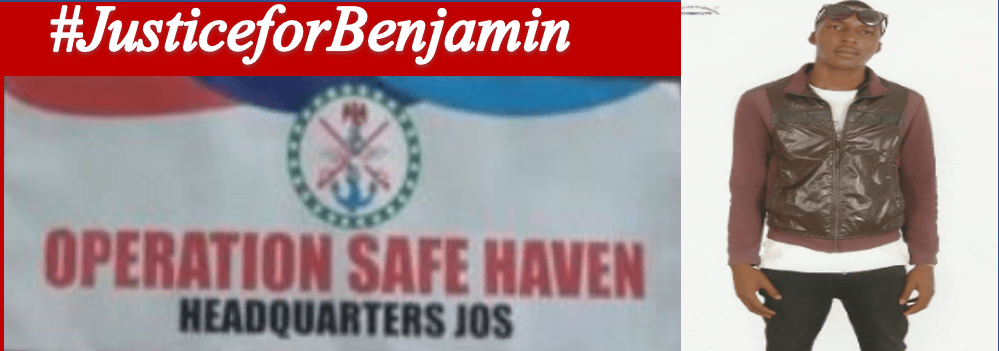
So Jos[1] tweeter community was agog with the scandal of the alleged torture of 31 year old Benjamin Arum Izang by personnel of the Operation Safe Haven (OPSH) Military Special Task Force (STF) conducting internal security operations in Plateau State. The family reported that the torture eventually led to Benjamin’s demise because of the fatality of the injury inflicted on him by the military personnel.
The sad event that led to this unfortunate incidence is reported to be an altercation over a fifty-naira egg (approximately 11 cents) between the deceased and a certain Blessing, an egg hawker whose egg was said to be broken by Benjamin. Failure to reach an understanding led Blessing to report the matter to the personnel of the STF, who quickly swung into action, albeit, one that involved the torture of Benjamin.
An investigation by Dickson S. Adama (a media correspondent) revealed that the Media Officer of the STF indicates not been aware of the incident. However, the family and the concerned public are crying for justice as this is not the first of such cases in the State. Rightfully so, scholars and practitioners of peace and conflict consider this incidence as forum shopping,[2] a decision by disputants to choose a security agency to intervene in their dispute, based on the expectation that the outcome will favour them, even if they are the party at fault. Studies[3] including my doctoral research on the military security operations in Plateau State indicates this as a recurring problem when the military conducts security operations in society.[4]
Often, when dispute ensues between two or more parties and both desire to emerge victorious or to exert their position on the other, desperate actions can be taken to ensure victory. One of such actions is the decision to invite a third party such as the military which is often not the suitable institution to handle matters of civilian disputes. In my doctoral research, I detailed the factors that makes the military the most unsuitable agency for this role, key among which is that they are neither trained nor indoctrinated for law enforcement duties. More so, the task and skill of law enforcement and managing civilian disputes which involves painstaking investigation and ascertaining guilt before conviction/serving punishment is the primary role of the police and the criminal justice system, which the military is not a part of. The military trains for war and combat mission, to kill and to obliterate and essentially, their culture and indoctrination is designed along these tenets.
Given this, when the military is involved internally as in the case of Benjamin and Blessing, it engenders numerous challenges. First, with the knowledge that the military dispenses ‘instant justice’ such as punishment before determining guilt, civilians such as Blessing will always seek this option. Tweeps such as @ByAtsen tweeted for instance that ‘same soldiers at the same outpost did this to another who, unlike Benjamin, is still alive nursing his wounds.’ One challenge is that where forum shopping denies justice, it breeds lawlessness and can further evoke public outrage against the military. In turn, this can erode the legitimacy of the security role of the military. Where this occurs, a more worrying challenge is that it can exacerbate rather than ameliorate insecurity, especially where civilians feel compelled to seek alternative protection from coercion from State forces and threats from the armed groups the military was meant to avert.
[1] Jos is the capital city of Plateau State Nigeria. The State was once the most peaceful State in Nigeria (arguable) but is now embroiled in intermittent and protracted violence, between the mostly Christian natives and Hausa/Fulani ‘settlers,’ and series of insurgent style attacks of rural farming communities by marauding herdsmen widely believed to be Fulani herdsmen.
[2] Keebet Von Benda-Beckmann, ‘Forum Shopping and Shopping Forums: Dispute Processing in a Minangkabau Village in West Sumatra’, Journal of Legal Pluralism, 19 (1981), 117–59.
[3] Judith Verweijen, ‘The Ambiguity of Militarization: The Complex Interaction between the Congolese Armed Forces and Civilians in the Kivu Provinces, Eastern DR Congo’ (Utrecht University, 2015).
[4] Sallek Yaks Musa, ‘Military Internal Security Operations in Plateau State, North Central Nigeria: Ameliorating or Exacerbating Insecurity?’ (Stellenbosch University, 2018) <https://scholar.sun.ac.za/handle/10019.1/104931> [accessed 14 March 2019].
Share this:

‘Guilty’ of Coming Out Daily – Abroad. #BlackenAsiaWithLove
I am annoyed that our apartment-building manager told my husband that a two-bedroom had recently become available, and that we should move in because we would be “more comfortable.” My husband always takes such statements at face value, then performs his own cost/benefits analysis. Did the manager offer a discount, I asked? I mean, if he’s genuinely concerned about our comfort, shouldn’t he put his money where his mouth is? That’s probably just the American in me talking: He was either upselling the property or probing us to see what the deal was – not at all concerned about our comfort. I speak code, too.
The most homophobic thing that anyone has ever said to me is not any slur, but that gay people should not “flaunt it.” As if concealing our identities would magically erase homophobia. This reveals that the speaker either doesn’t know – or doesn’t care to know – how readily people everywhere speak about our personal lives. There are random people I have met in every single part of the world, that ask my marital status. It comes shortly after asking my name and where I’m from. The words used are revealing – just ask any divorced person who has engaged with any society’s traditions. Is it deceptive to say that they are “single,” instead? What’s more, regardless of language, preferred terms like “unmarried” reveal the value conferred upon this status. You’re not a whole person until you’re married, and a parent. It is only then that one is genuinely conferred what we sociologists call ‘personhood’. Also, are married lesbians called two Mrs.?
Come out, come out wherever you are.
In many parts of the world, being ‘out’ carries the death penalty, including parts of my father’s homeland, Nigeria. I’ve literally avoided visiting Nigeria because of the media-fueled fear of coming out. I hate the distance it’s wedged between my people, our culture and I. There was a time when coming out was literally the hardest thing I ever had to do. Now, l must come out daily.
Back in the UK, many educators would like to believe that they don’t discuss their personal lives with students. But who hasn’t been casually asked how one spent the weekend? Do I not say “My husband and I…” just as anyone else might? Abroad, do I correct co-workers when they refer to us as ‘friends’? Yesterday, I attended an academic conference. All the usual small talk. I came out a dozen times by lunch.
In teaching English here in Asia, isn’t it unfair for me to conceal from my students the gender of my “life-partner,” which is actually our formal legal status? Am I politicising my classroom by simply teaching gender-neutral terms like ‘spouse’ or ‘partner’? Or, do I simply use the term ‘husband’ and skim over their baffled faces as they try to figure out if they have understood me properly? Am I denying them the opportunity to prepare for the sought-after life in the west? Further, what about the inevitability of that one ‘questioning’ student in my classroom searching for signs of their existence!
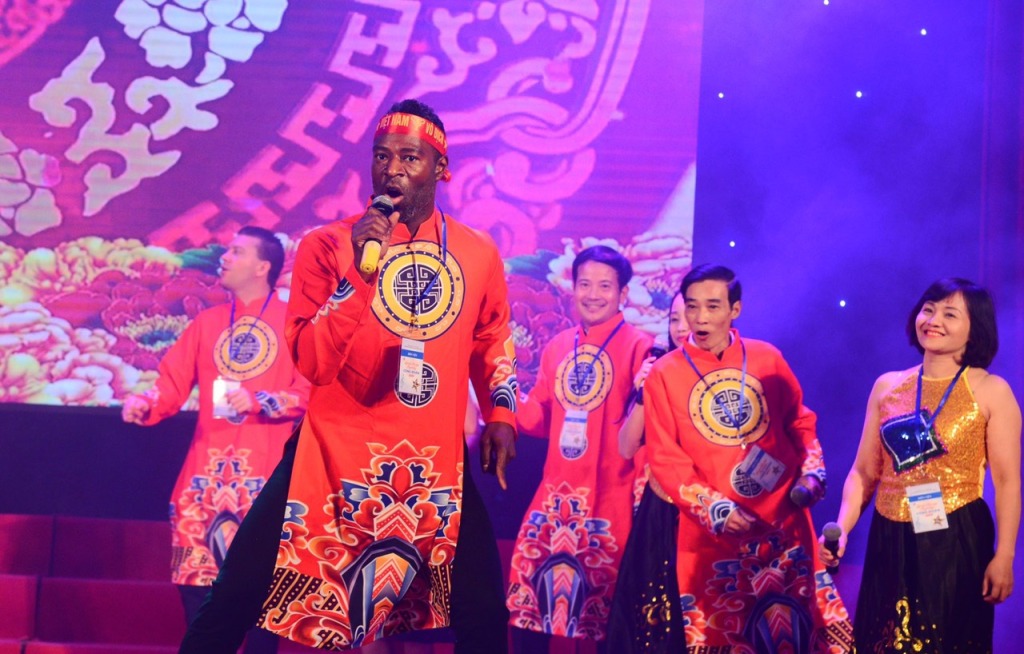
I was recently cornered in the hallway by the choreographer hired by our department to support our contribution to the university’s staff talent competition (see picture below*). She spoke with me in German, explaining that she’d lived several years in the former GDR. There are many Vietnamese who’d been ‘repatriated’ from the GDR upon reunification. So, given the historical ties to Communism, it’s commonplace to meet German (and Russian) speakers here. Naturally, folks ask how/why I speak (basic) German. My spouse of seventeen years is German, so it’d be weird if I hadn’t picked up any of the language. It’s really deceptive to conceal gender in German, which has three. I speak German almost every day here in Hanoi.
The word is ‘out’.
In Delhi, we lived in the same 2-bedroom flat for over 7 years. It became clear to our landlady very early on that we slept in one bedroom. Neighbours, we’re told, also noticed that we only ever had one vehicle between us and went most places together. Neither the landlady nor any neighbour ever confronted us, so we never had to formally come out. Yet, the chatter always got back to us.
As a Peace Corps volunteer in rural Mali in the late 90’s, I learned to speak Bambara. Bambara greetings are quite intimate: One normally asks about spouses, parents and/or children, just as Black-Americans traditionally would say “How yo’ momma doin?’” In Mali, village people make it their business to get single folks hitched. Between the Americans, then, it became commonplace to fake a spouse, just so one would be left in peace. Some women wore wedding bands for added protection, as a single woman living alone was unconscionable. The official advice for gays was to stay closeted L. While I pretended to be the husband of several volunteers, I could never really get the gist of it in my village. Besides, at 23 years old, being a single man wasn’t as damning as it is for women. I only needed excuses to reject the young women villagers presented to me. Anyhow, as soon as city migrants poured back to the village for Ramadan, I quickly discovered that there are plenty of LGBTQ+ folks in Mali! This was decades before Grindr.
Here in Hanoi, guys regularly, casually make gestures serving up females, as if to say: ‘Look, she’s available, have her’. I’ve never bothered to learn the expected response, nor paid enough attention to how straight men handle such scenarios. Recently, as we left a local beer hall with another (gay) couple, one waiter rather cheekily made such gestures at a hostess. In response, I made the same gestures towards him; he then served himself up as if to say ‘OK’. That’s what’s different about NOW as opposed to any earlier period: Millennials everywhere are aware of gay people.
A group of lads I sat with recently at a local tea stall made the same gestures to the one girl in their group. After coming out, the main instigator seamlessly gestured towards the most handsome in his clique. When I press Nigerian youth about the issue, the response is often the same: We don’t have a problem with gay people, we know gay people, it’s the old folk’s problem. Our building manager may be such a relic.
*Picture from The 2019 Traditional Arts Festival at Hanoi University of Science and Technology (HUST)

 Thoughts from the criminology team