Home » Knife Crime
Category Archives: Knife Crime

Murder

The day I first heard about the murder of Damilola Taylor, it sounded like another story of urban violence. The details were shocking but not unusual. A broken glass bottle had been used as a weapon, causing a severe wound to the victim’s thigh. The injury severed a major artery and the victim later died in hospital. The attack took place in Peckham, South London, a place that was already associated in the public imagination with concerns about crime and disorder.
As a criminologist, nothing in the initial reports immediately stood out. Violence is not exclusive to cities, but its concentration and visibility often differ from those found in rural communities. News reports framed the killing as an act of senseless violence, another tragic incident in the broader landscape of urban crime. It was only as the story developed that it became clear this case was about far more than the act itself.
The victim was Damilola Taylor, a ten-year-old boy who never made it home from the library. His family had come to Britain from Nigeria, hoping to secure medical treatment for his sister. Instead, they became the centre of one of the most significant criminal cases in modern British history.
The public reaction was shaped by more than the brutality of the attack. Both the victim and the eventual perpetrators were children. Damilola was ten years old. Those later convicted were only twelve and thirteen at the time of the attack. The case challenged popular assumptions about violence, childhood, and responsibility. It forced the public to confront the uncomfortable reality that serious violence can emerge among the young and that its consequences are often devastating for entire communities.
Yet the criminological significance of the case lies not primarily in the violence itself but in the response to it.
The original trial ended in acquittals. Central prosecution evidence was undermined by concerns regarding witness reliability, while expert testimony suggested that Damilola’s injuries may have resulted from an accident rather than a deliberate attack. Questions emerged about the collection, interpretation, and presentation of evidence. The Taylor family expressed frustration with the criminal justice system, arguing that the investigation lacked the rigour their son’s death deserved.
What followed was a prolonged struggle over competing versions of events. Forensic evidence became a central battleground. Experts disagreed. Investigators faced criticism. Public confidence was tested. Eventually, a retrial produced convictions after DNA evidence linked two brothers to the attack. The criminal justice system ultimately secured guilty verdicts, but the process revealed the difficulties of investigating serious crime and maintaining public trust when institutional performance is called into question.
For local residents, the case became symbolic of wider concerns about neglect and marginalisation. Community members organised protests and campaigns demanding justice. They were not simply asking for convictions. They were questioning whether institutions were responding adequately to the needs of communities already struggling with poverty, violence, and limited political influence.
As public debate intensified, the murder became associated with broader discussions of knife crime and youth violence. Politicians, journalists, and commentators searched for explanations. Some focused-on culture. Others pointed to family breakdown, social exclusion, or failures of policing. In doing so, the discussion often moved away from the specific circumstances of Damilola’s death and towards competing political narratives about crime.
This is where criminology offers a different perspective.
For much of the public, murder is often understood through the lens of mystery and resolution. Who committed the offence? How was it done? Will justice be served? These questions dominate media coverage because they provide a compelling narrative. Criminology, however, asks different questions. What social conditions surround acts of violence? How do institutions respond to harm? Which voices are taken seriously, and which are ignored? What political interests shape public understandings of crime?
Viewed through this lens, the case becomes about much more than identifying offenders. It reveals how crime can expose institutional weaknesses, generate political controversy, and deepen existing social divisions. The debates surrounding Damilola’s murder were not only about individual responsibility. They were also about policing, justice, community trust, race, and belonging.
More than two decades later, what remains most important is not the symbolism attached to the case but the human tragedy at its centre. Damilola Taylor was a ten-year-old Yoruba boy who spent his final moments bleeding to death in a stairwell. Behind every discussion of policy, forensic evidence, and criminal justice reform stands a child who never returned home, and a family forced to live with unimaginable loss.
That is perhaps the most important lesson criminology can offer. Crime is not interesting because it is sensational. Crime matters because it causes harm. The true significance of Damilola Taylor’s murder lies not in its notoriety, but in what it reveals about the ways societies respond to suffering, the institutions entrusted with delivering justice, and the communities left to carry the consequences when they fail.
If you would like to find out more about Damilola Taylor and get involved with the trust which bears his name, more information can be found here.
Share this:

Criminology First Week Activity (2021)

Before embarking on a new academic year, it is always worth reflecting on previous years. In 2020, the first year we ran this activity, it was a response to the challenges raised by the Covid-19 pandemic and was designed to serve two different aims. The first of these, was of course, academic, we wanted students to engage with a activity designed to explore real social problems through visual criminology, inspiring the criminological imagination for the year ahead. Second, we were operating in an environment that nobody was prepared for: online classes, limited physical contact, mask wearing, hand sanitising, socially distanced. All of these made it very difficult for staff and students to meet and to build professional relationships. The team needed to find a way for people to work together safely, within the constraints of the Covid legislation of the time and begin to build meaningful relationships with each other.
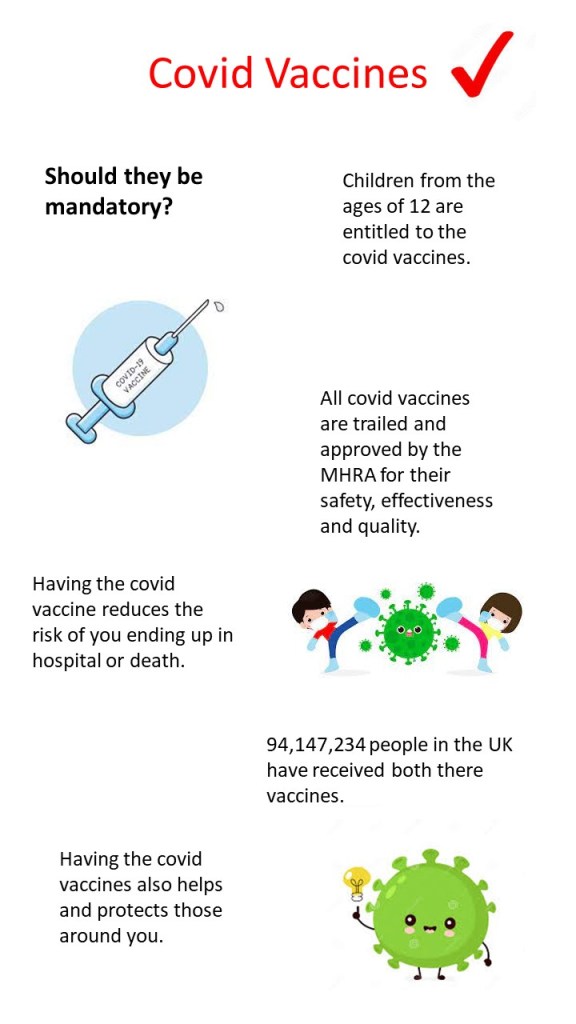
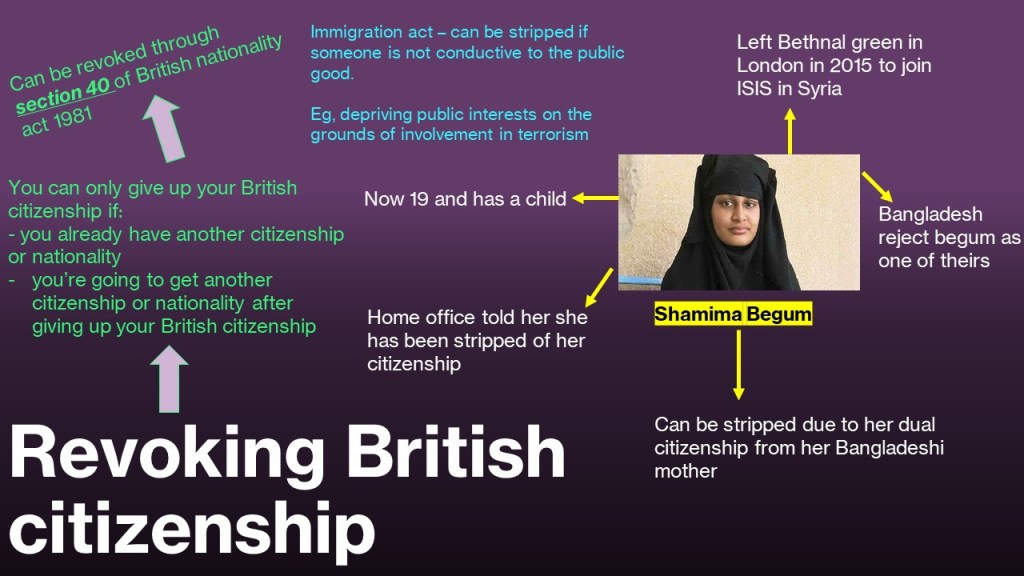
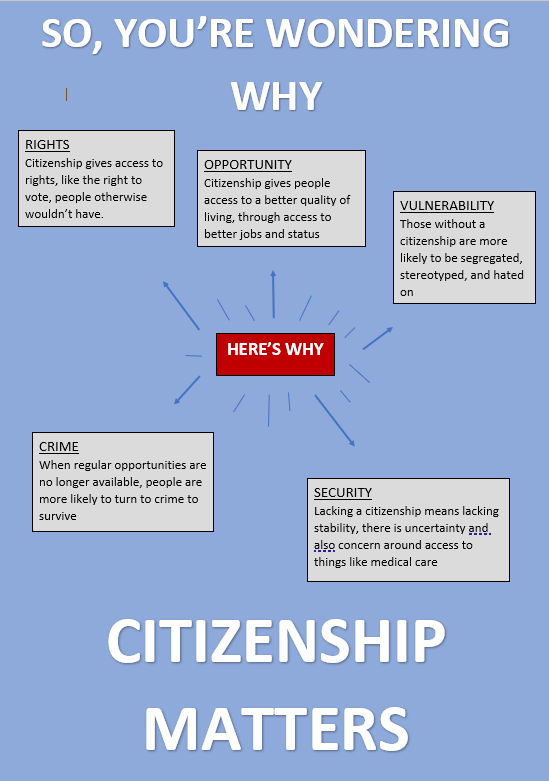
The start of the 2021/2022 academic year had its own pandemic challenges with many people still shielding, others awaiting covid vaccinations and the sheer uncertainty of going out and meeting people under threat of a deadly disease. After taking on board student feedback, we decided to run a similar activity during the first week of the new term. As before, students were placed into small groups, advised to take the default approach of online meetings (unless all members were happy to meet physically), provided with a very short prompt and limited guidance as to how best to tackle the project. The prompts were as follows:
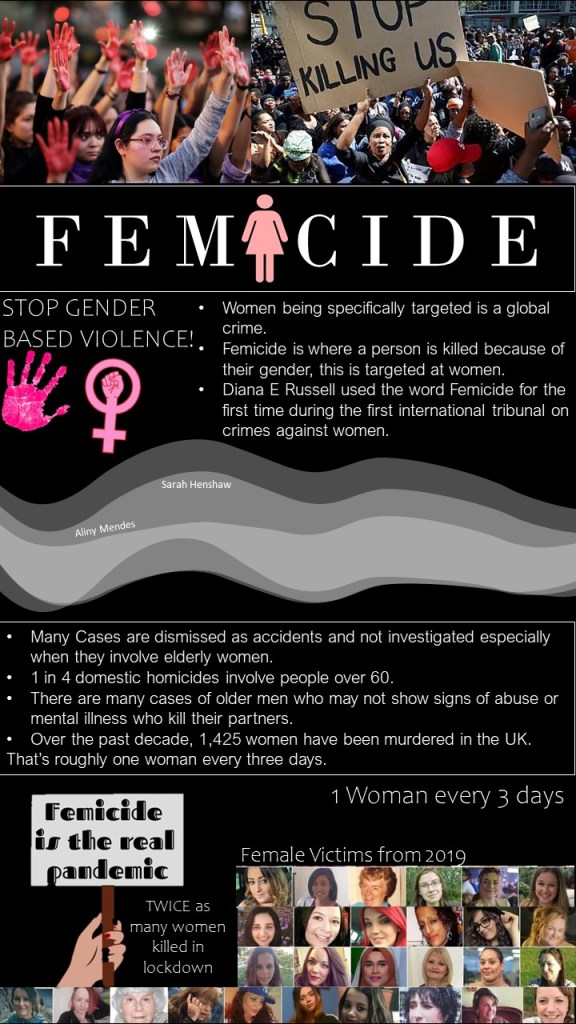
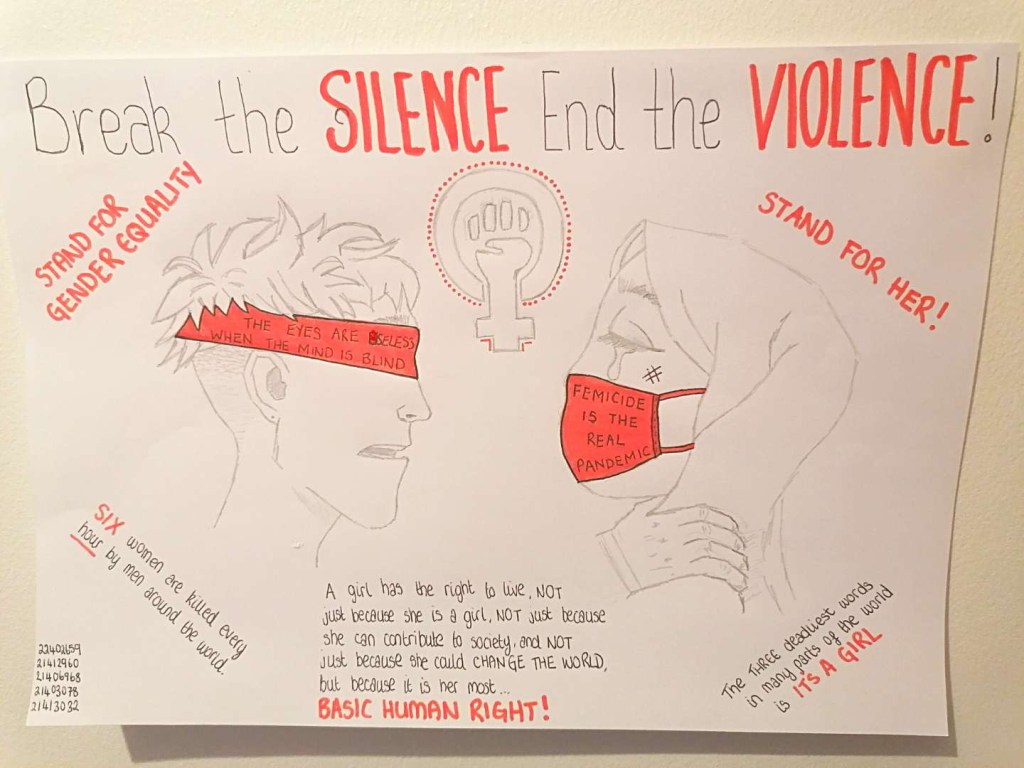
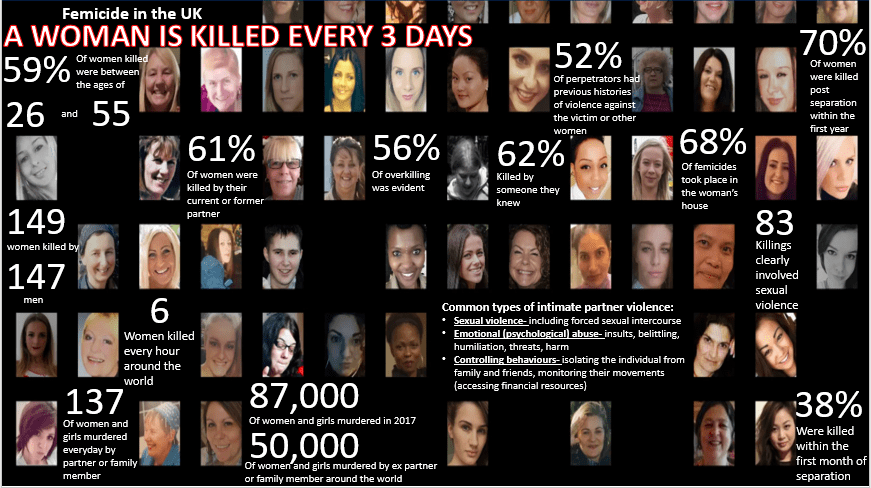
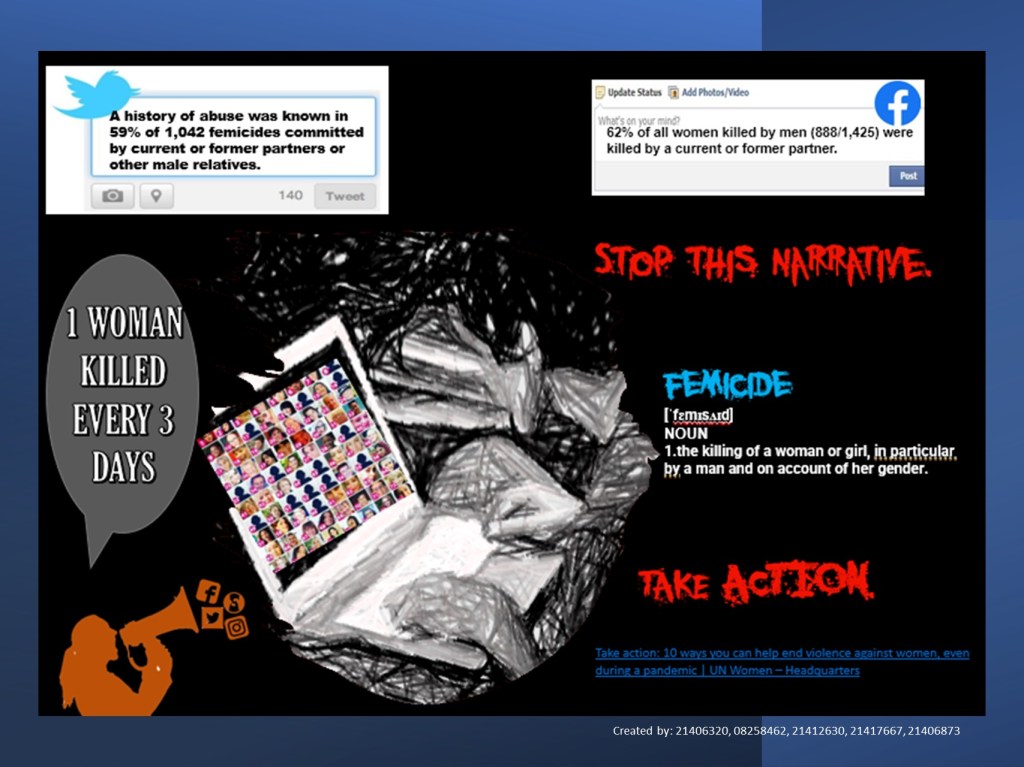
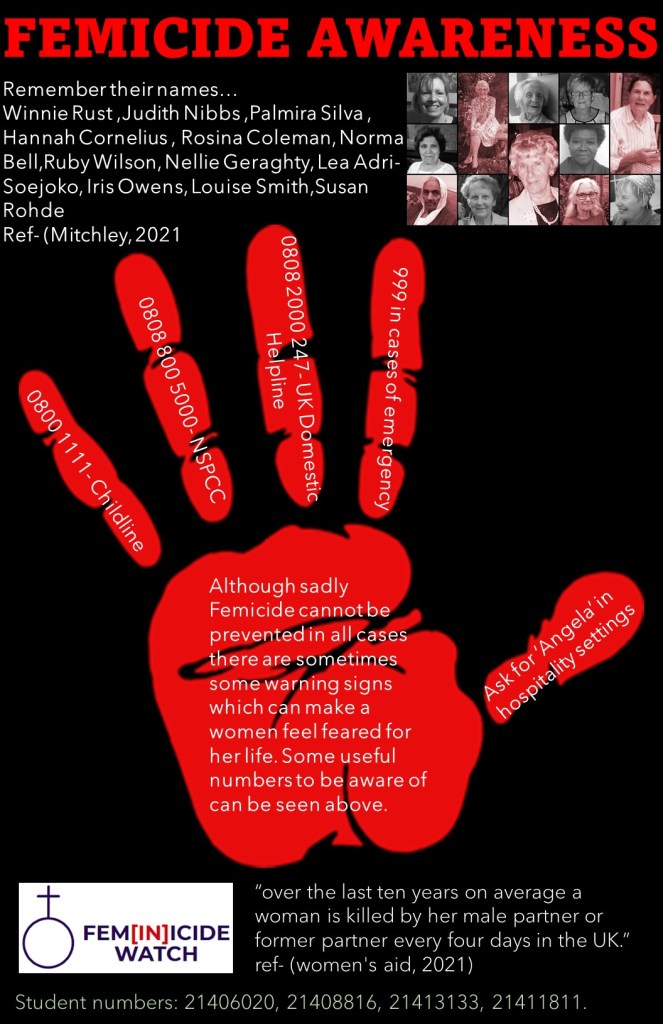
Year 1: Femicide
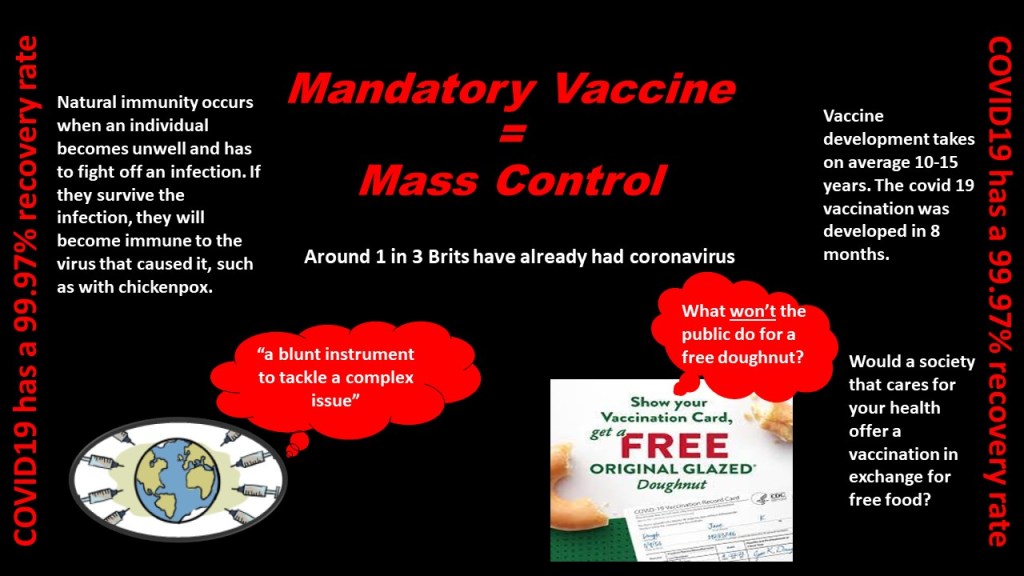
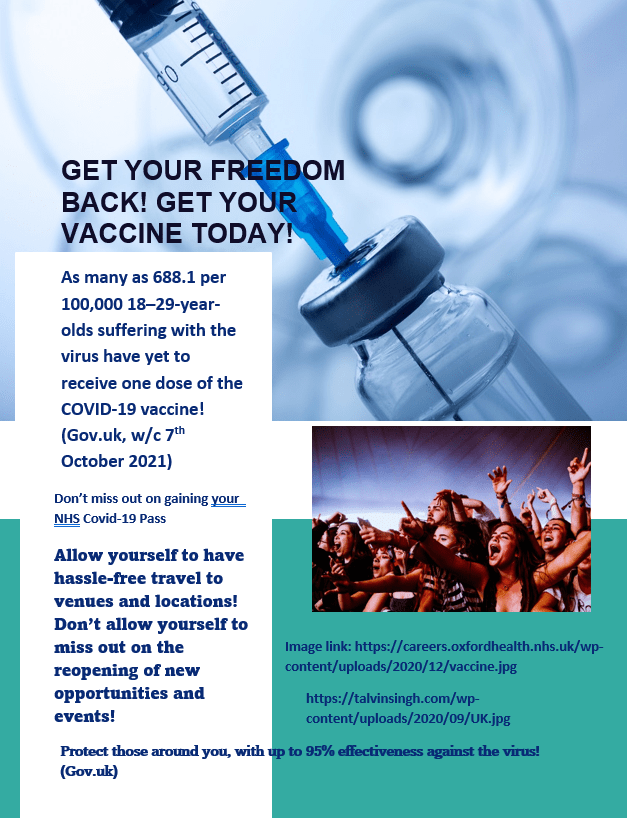
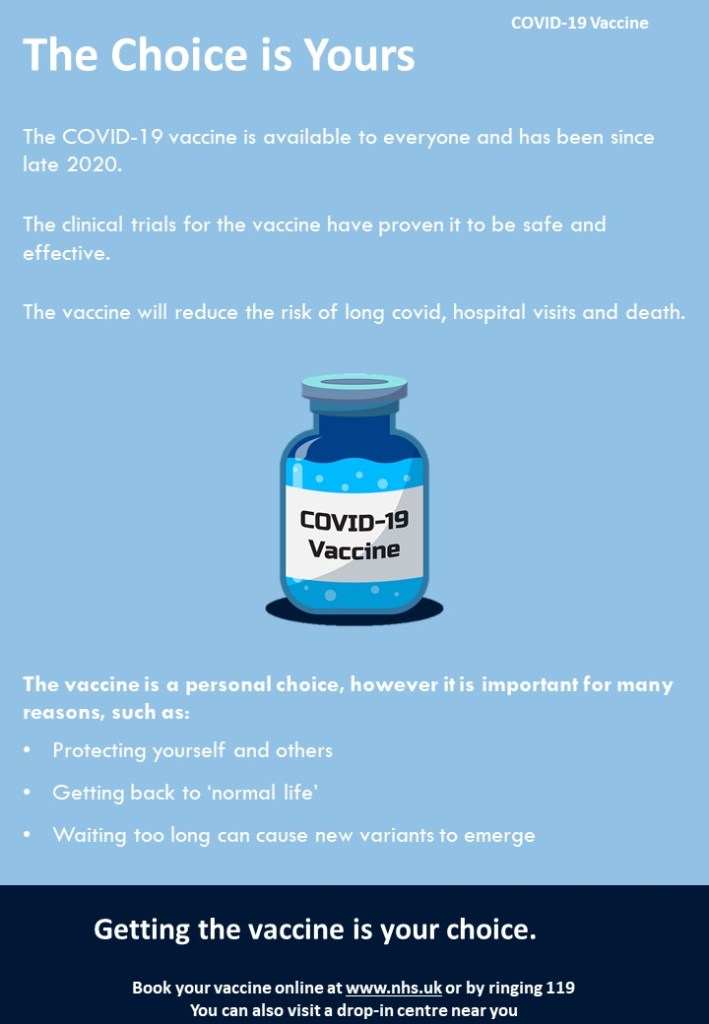
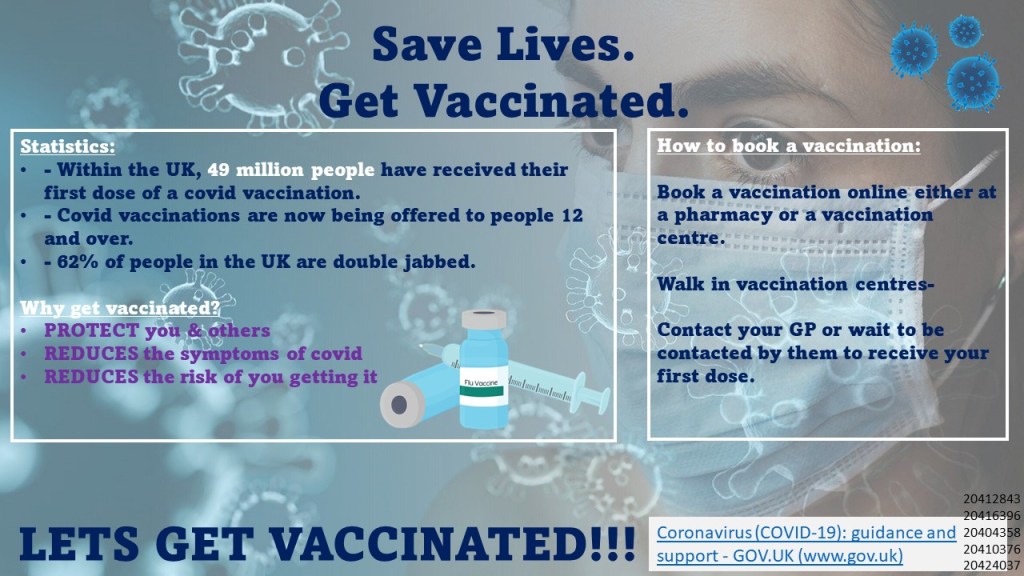
Year 2: Mandatory covid vaccinations
Year 3: Revoking British citizenship
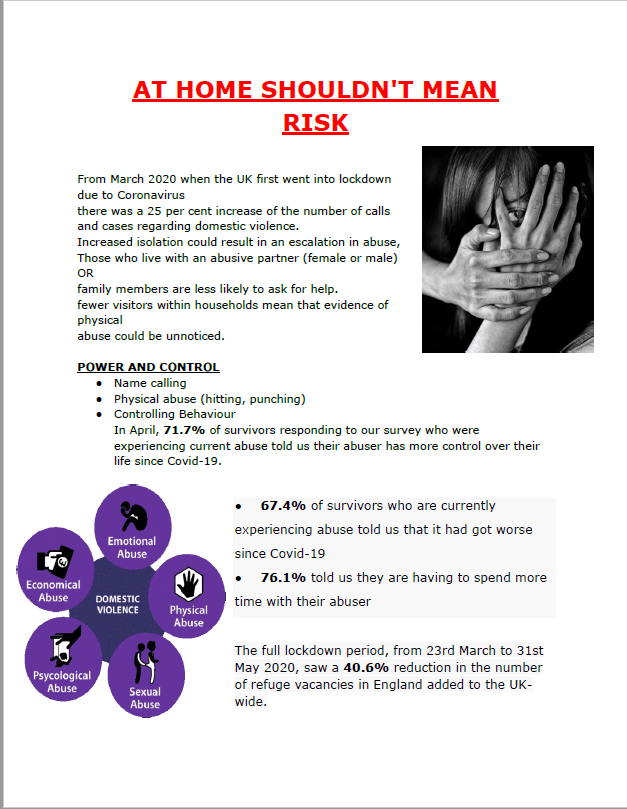
Many of the students had never physically met, yet managed to come together in the midst of a pandemic, negotiate a strategy, carry out the work and produce well designed and thoughtful, criminological posters.
As can be seen from the collage below, everyone involved embraced the challenge and created some remarkable posters. Some of these have been shared previously across social media but this is the first time they have all appeared together in one place.
I am sure everyone will agree our students demonstrated knowledge, understanding, resilience and stamina. We will be running a similar activity for the first week of the academic year 2022-2022, with different prompts to provoke thought and encourage dialogue and team work. We’ll also take on board student and staff feedback from the previous two activities. Plato once wrote that ‘our need will be the real creator’, put more colloquially, necessity is the mother of all invention, and that is certainly true of our first week activity.
Who knows what exciting ideas and posters will be demonstrated this time, but one thing is for sure Criminology students have the opportunity to flex their activism, prepare to campaign for social justice, in the process becoming real #Changemakers.
















Share this:


Criminology First Week Activity (2020)

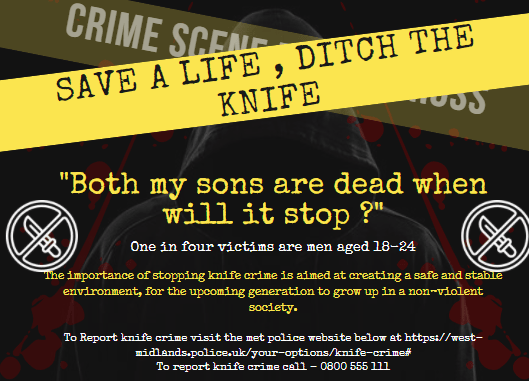
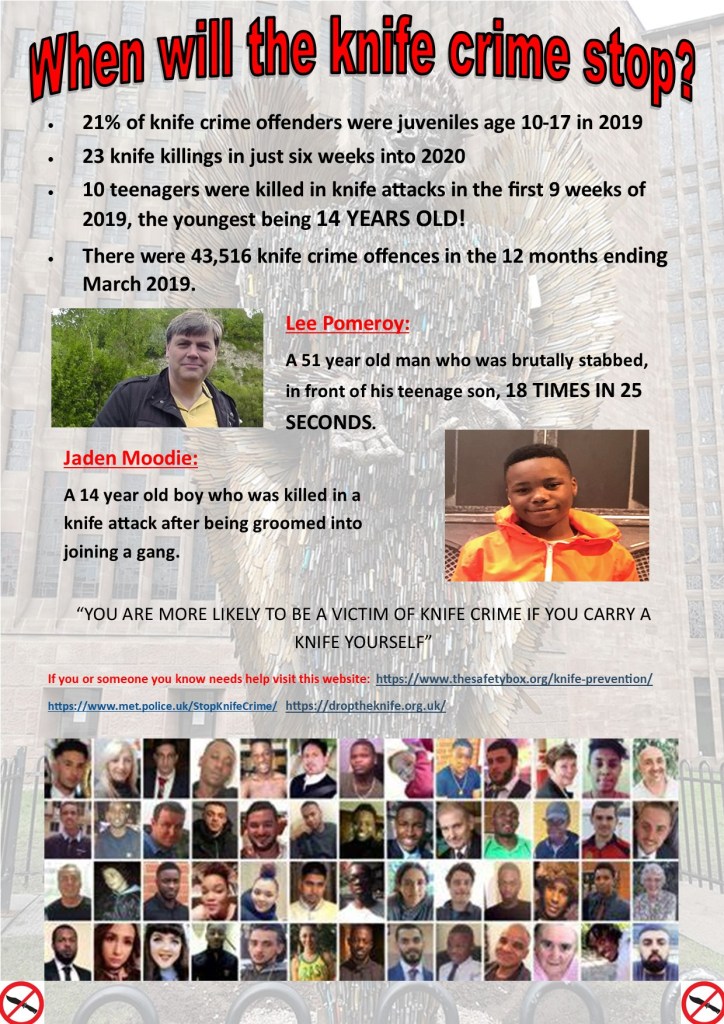
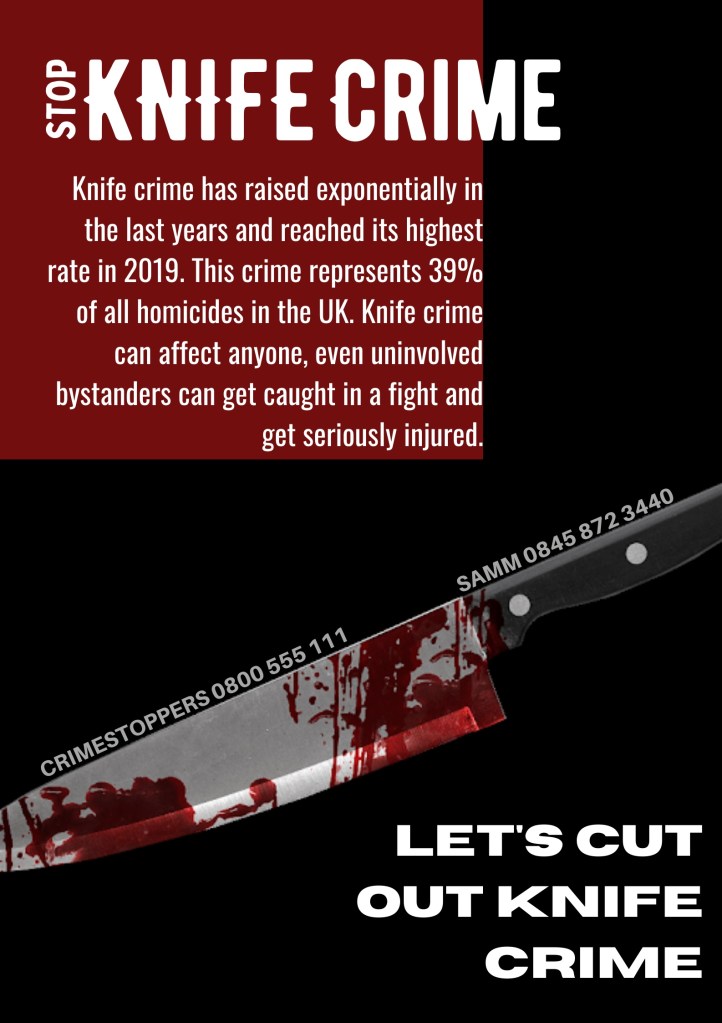
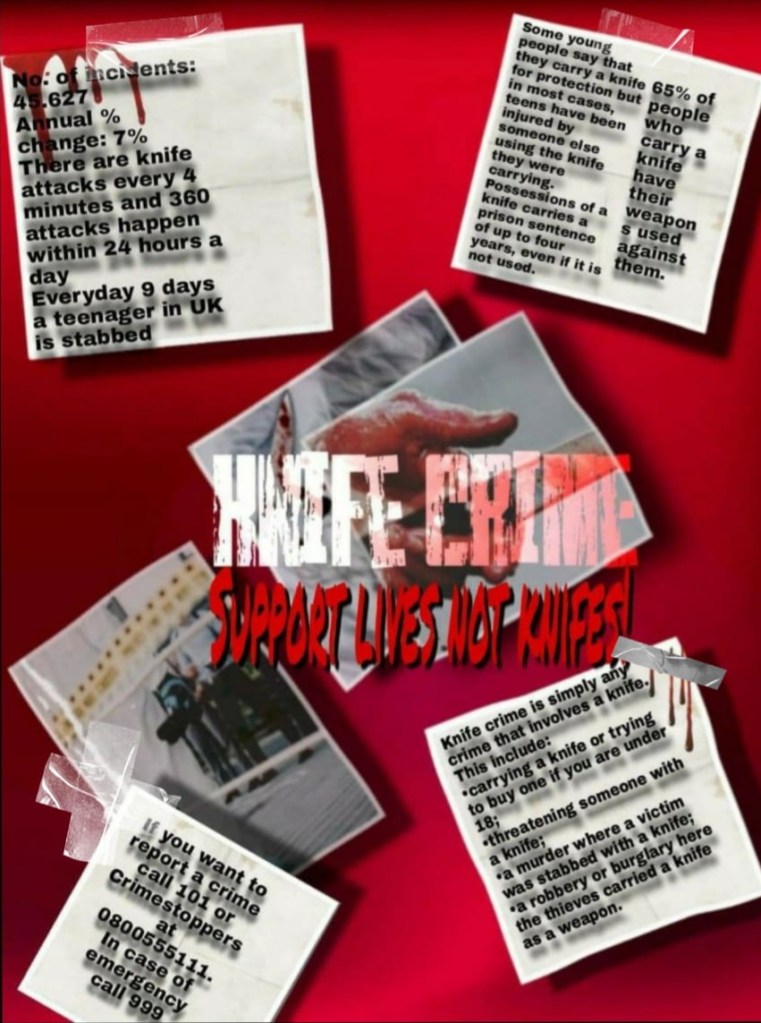
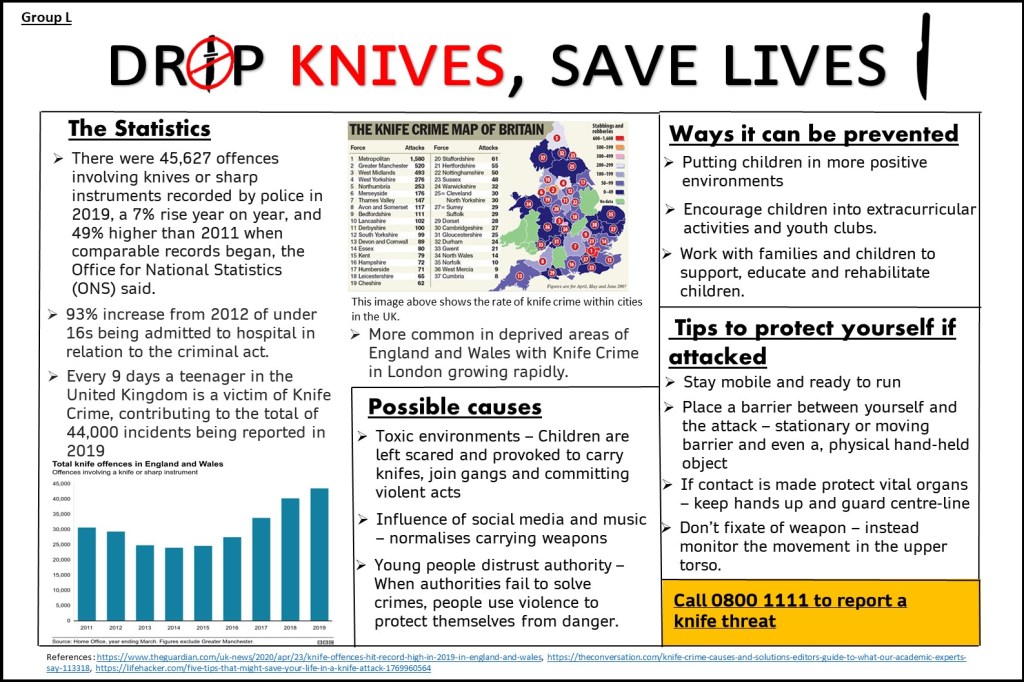
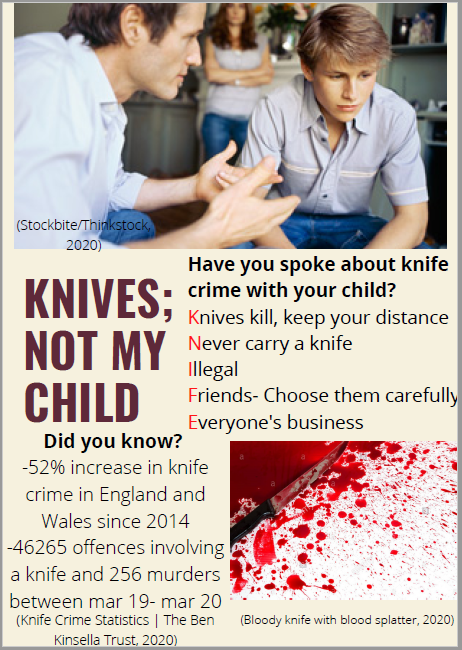
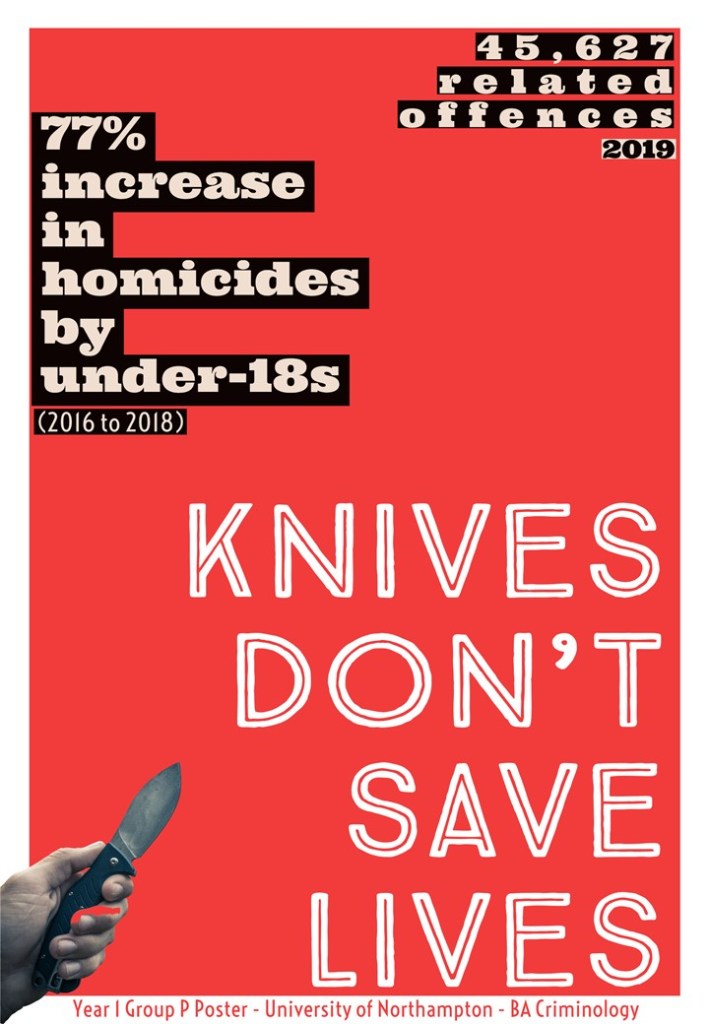
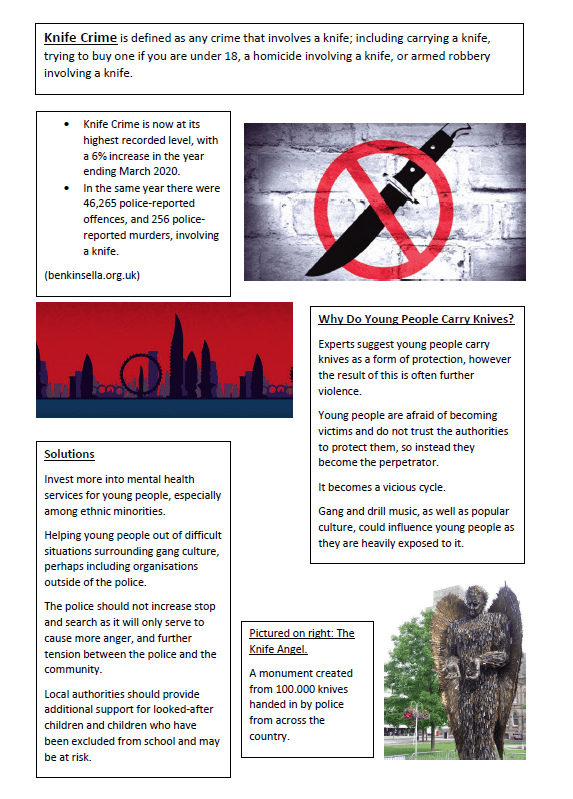
As we prepare to start the new academic year, it is worth reflecting on the beginning of the last one. In 2020 we began the academic year with a whole cohort activity designed to explore visual criminology and inspire the criminological imagination. Students were placed into small (socially distanced) groups, provided with a very short prompt and limited guidance as to how best to tackle the project. The prompts were as follows:
Year 1: Knife Crime
Year 2: Policing Protest (e.g. Black Lives Matter, Extinction Rebellion and so on)
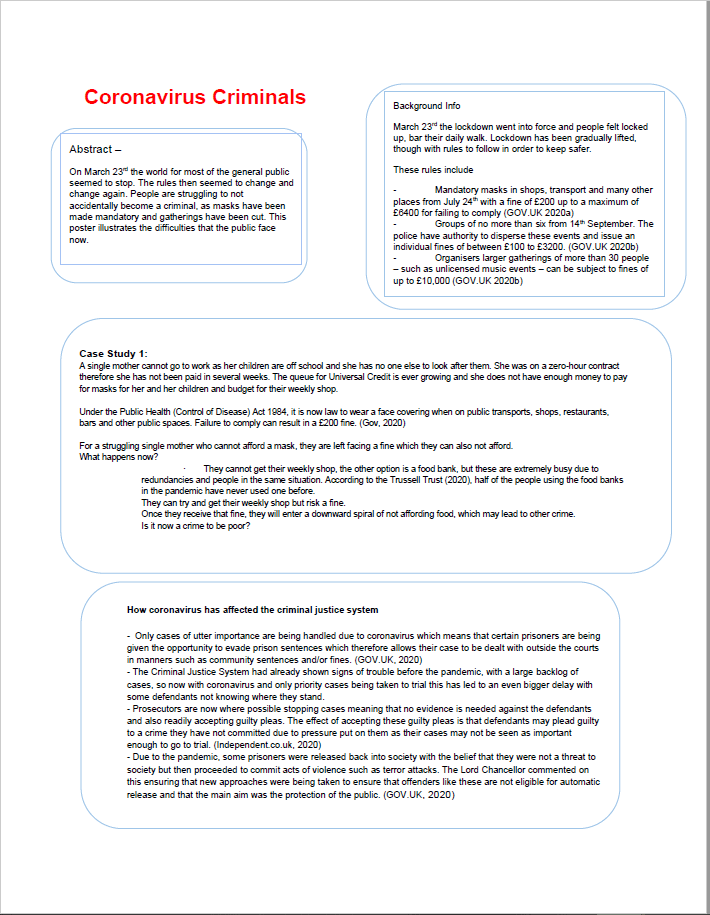
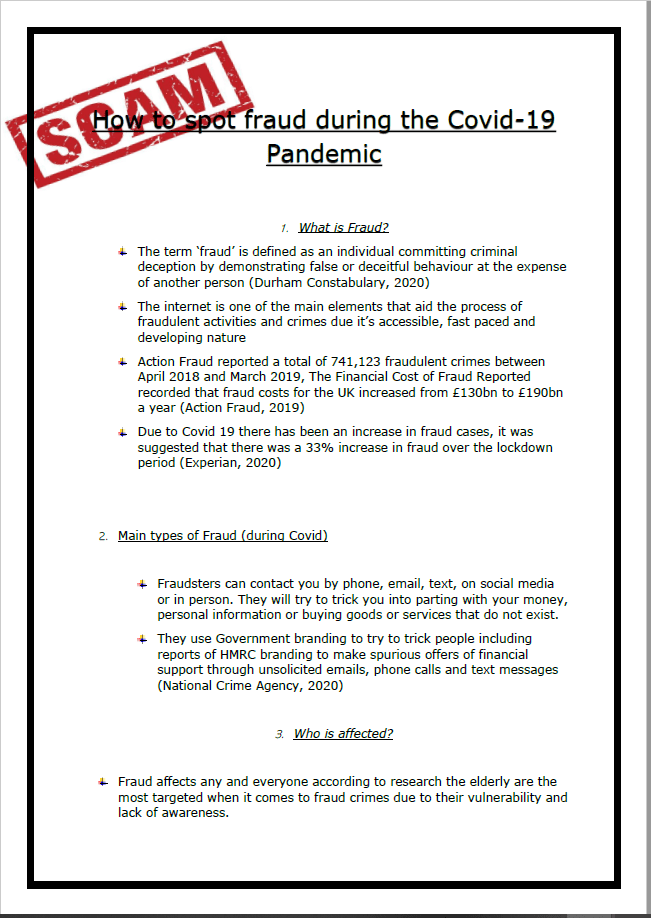
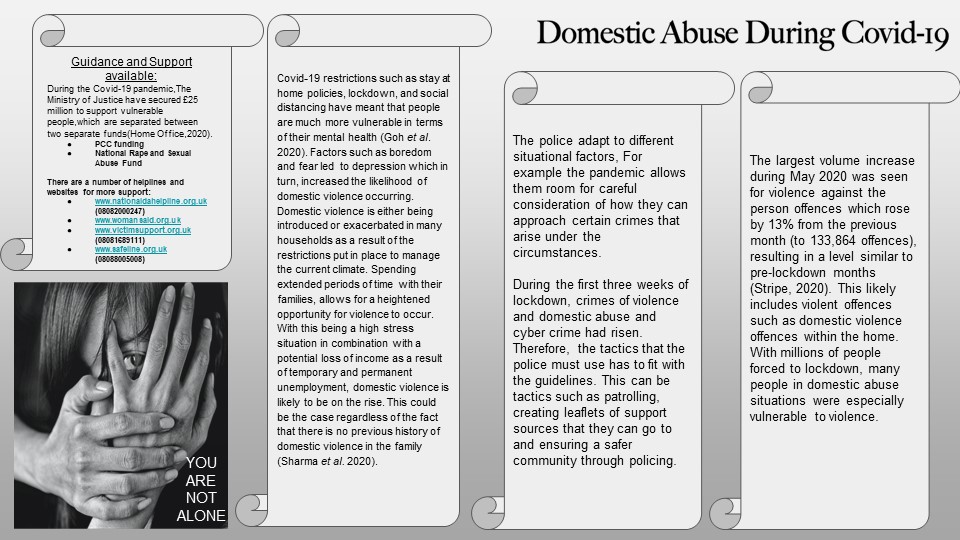
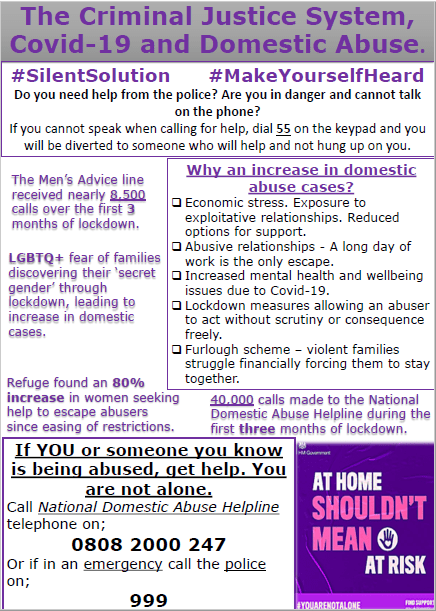
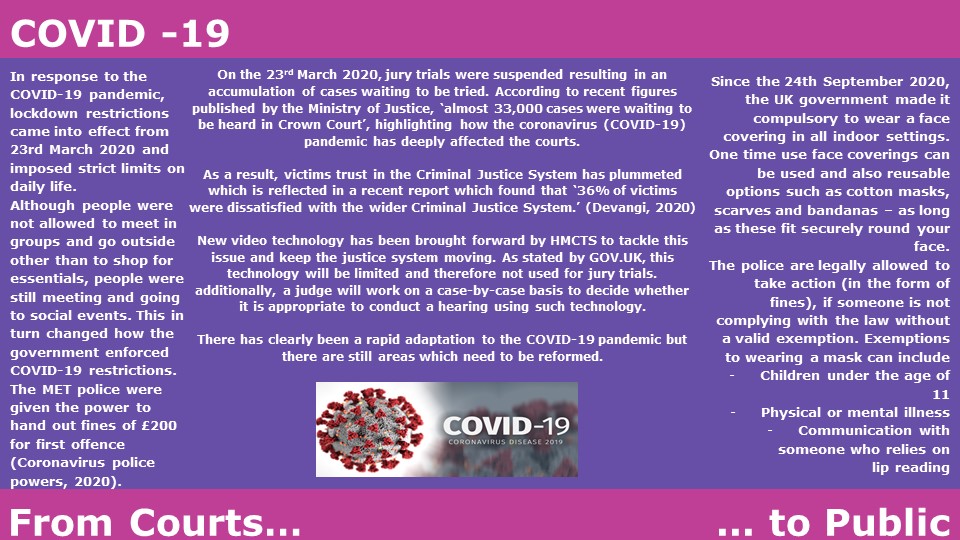
Year 3: Creating Criminals: the CJS during the Covid-19 pandemic
Many of the students had never physically met, yet managed to come together in the midst of a pandemic, negotiate a strategy, carry out the work and produce well designed and thoughtful, criminological posters.
As can be seen from the collage below, everyone involved embraced the challenge and created some remarkable posters. Some of these have been shared previously across social media but this is the first time they have all appeared together in one place.
I am sure everyone will agree our students demonstrated knowledge, understanding, resilience and stamina. We will be running a similar activity for the first week of the academic year 2021-2022, with different prompts to provoke thought and encourage dialogue and team work. Who knows what exciting ideas and posters will be demonstrated this time, but one thing is for sure Criminology students have the opportunity to campaign for social justice becoming real #Changemakers.