
Home » Inequality (Page 2)
Category Archives: Inequality

What makes a good or bad society?: VII

As part of preparing for University, new students were encouraged to engage in a number of different activities. For CRI1009 Imagining Crime, students were invited to contribute a blog on the above topic. These blog entries mark the first piece of degree level writing that students engaged with as they started reading for their BA (Hons) Criminology. With the students’ agreement these thought provoking blogs have been brought together in a series which we will release over the next few weeks.
What are some requirements to a good society? A good society makes us, as a community, feel secure. This is so incredibly important in making a society be considered good as it lowers the rates of criminality, thus improving the appearance of the area and reassurance of being a safe place. This will lead to a better world, given that it will promote positive behaviour, similar to the idea of positive reinforcement, if people were to act accordingly, they would be rewarded with a positive environment. Another requirement is the higher employment rates, the more success will be found within a society. Meaning, there will be less cases of homelessness, and considerably more wealth compared to if there were lower employment rates within a place. Higher employment rates also link into my next point of a fair education. A fair education is arguably one of the most important requirements of a good society, as it firstly links into high employment rates, if someone were to be in a position of having a better education, their IQ is likely to be higher which in most chances will lead to a very succeeding job. A fair education is very important as it allows everyone involved a fair chance and involves no bias, if this were the case it would lead to a bad society as the community are not promoting wealth for everyone involved, only for those they favour. Another requirement that makes up a good society is human rights. Similar to a fair education, human rights provide a chance for people and includes no favouritism. Human rights provide freedom which impact factors such as food and healthcare. These thrive to better societies given that people are not held back and can be free to do however they please in positive and safe ways. A final requirement I would suggest that makes a good society are basic human needs. It is crucial that humans are provided with our biological needs such as water, food, housing/shelter etc. This is due to the fact that we simply cannot live without it.
However, I do believe that we live in a bad society, for many reasons, including the reasons previously mentioned. To begin, there has been a lack of safety net from the police to the public, which leads to repeated cases of rape, police brutality etc. While it can be argued the police are trying to keep the public safe, they are simply causing more harm than good, and considering the police are meant to be role models to the public, the public have increased the rate of criminality with riots and protests against the police, not making our society a safe place. Our society has become let down in regard to basic human needs, although employments rates are high at 74.8% for those ages 16-64, in 2019 the homelessness statistic in the UK is significantly high at 219,000. Meaning the need for food, shelter and water has become at a higher demand.
It has been very clear in recent years that we do not live in a good society, due to the reasons of security within the police, employment rates, a fair education, human rights and basic human needs, all of which could easily make up a good society if it were taken seriously by the appropriate people.
Share this:

What makes a good or bad society?: VI
As part of preparing for University, new students were encouraged to engage in a number of different activities. For CRI1009 Imagining Crime, students were invited to contribute a blog on the above topic. These blog entries mark the first piece of degree level writing that students engaged with as they started reading for their BA (Hons) Criminology. With the students’ agreement these thought provoking blogs have been brought together in a series which we will release over the next few weeks.
I believe that the society we live in is good but has areas that need to be improved. One of the requirements that I think will make a good society is sympathy. I believe that if more people show sympathy towards the homeless, then it can help lower the homeless population and, therefore, lower the percentage of unemployment. This can also reduce the strain on charities, which in turn allows them to focus more help on the people who really need it.
Another requirement to make a good society is self-control. If the population practices self-control, then our society will start to have fewer incidents involving alcohol, such as drink driving and fewer aggressive assaults. One of the other outcomes of practising self-control is a decrease in the volume of visits to the NHS. This can be anything from A&E visits after a night out to health visits due to obesity, this decrease could majorly help the NHS and allow them to give more appointments to people with life-threatening conditions.
Another requirement to help make a good society is more successful and higher rehabilitation rates. If we as a society start to give more support to the members that have wronged then they will have a higher chance of being reformed, which will allow us to live in a society with a lower crime rate, therefore, giving us the opportunity to feel safer in our lives.
One of the other areas of our society that needs improvement is education. If the level of education and extra educational support is improved in areas of higher deprivation then it will help young people to move away from crime and bad role models, they may be able to get higher paying jobs, which will allow them to take care of their families and improve the areas that they have come from. This can give them security in their lives, which again will help them to turn away from criminal acts. If the extra educational support is increased then the young people who need extra support can improve on their studies and gain more confidence in themselves, which will help them to gain better grades.
Another requirement of a good society is lower unemployment levels. If we start to improve support for the unemployed, such as classes to help them improve on existing skills and to learn new skills. This can start to lower the unemployment rates and relieve some of the pressure on the government and the county and district councils.
One of the other areas that we could improve in our society to make it better is extra curricular activities for young people to get involved with. If there are more weekend and after school activities and workshops for our younger people to get involved with then it can help to stop them committing crimes. These activities can also help them to learn new skills to take forward in their lives, it can also help those who maybe aren’t as academic as others.
Share this:

What makes a good or bad society?: V
As part of preparing for University, new students were encouraged to engage in a number of different activities. For CRI1009 Imagining Crime, students were invited to contribute a blog on the above topic. These blog entries mark the first piece of degree level writing that students engaged with as they started reading for their BA (Hons) Criminology. With the students’ agreement these thought provoking blogs have been brought together in a series which we will release over the next few weeks.
Our society is created up by a system that fails it from the beginning it is supposed to make our society better, but in fact creates conflict and frustration and this would be the justice system. The justice system is put in place to allow people to live in a world that has rules and control to create this good society, however, is overwhelmed by the amount of crime.
A good society in my eyes would be one where people took accountability for their wrong doings, because as humans its unrealistic to ask there to be no mistakes we all are living life for the first time and therefor are bound to get things wrong, but being able to take accountability for our actions would be the first step to being able to have a good society. I don’t think it’s possible to ever have no crime or this pitch perfect world, but I believe that there’s things that can be put into place to make society better.
In my eyes change requires there to be understanding and accountability, we as people find it very easy to judge and come to assumptions instead of taking time to understand the issues at hand, and if we would just take a step back and try and see the bigger picture we may be able to come to a mutual ground of seeing why issues occur instead of simply judging. Helping us to understanding why things happen and reduce the resent that occurs is certain situations.
For a society to flourish and grow it needs to be nurtured in the right way this would include, having a fair justice system, things put into place to help guide those who have lost their way a bit and to provide a constant support system. I strongly think a society depends on the nurture around it and that widely impact the impact those are going to have on others.
An ideal good society would involve everyone coming together to support one and another being each other’s community instead of creating big segregations between races and cultures if we as human could learn to live and work together as one, we would solve a lot of issues across the world. War would not exist as our system would result in aiding everyone.
I still believe a good society needs a hierarchy system in terms of rules in place to ensure everyone’s safe as without a foundation of what’s right and wrong it allows people to think they can do as they please. Rules help put into perspective what’s not allowed as a collective thing that are unacceptable by knowledge and provide a punishment to fall upon if those rules are broken.
Overall, a good society needs to be built up of basic foundations of nature, understanding and accountability in my opinion to reduce the conflict that occurs in some cases. A good society needs to be open minded.
Share this:

What makes a good or bad society?: IV
As part of preparing for University, new students were encouraged to engage in a number of different activities. For CRI1009 Imagining Crime, students were invited to contribute a blog on the above topic. These blog entries mark the first piece of degree level writing that students engaged with as they started reading for their BA (Hons) Criminology. With the students’ agreement these thought provoking blogs have been brought together in a series which we will release over the next few weeks.
A good society can be defined as one with social cohesion with a safe, secure environment and a bad society as one lacking these qualities, when using this definition, we can look at if society is good or bad.
In the media there has been an increase in crimes reported, including individuals being caught and charged for their actions, which would have previously escaped the public eye. With an increase in media use from youths, it puts them at a risk to exploitation due to their vulnerability as young people. Social influencers have been able to exploit their own children through sexualising their actions to attract paedophiles and earn profit from these views. In this situation, parents fail to protect their children from the harmful environment the media can attract. Thus, social media is growing in its dangerous nature making it unsafe.
There has been an increase in violence in all aspects of society, such as shootings and wars. America holds the highest rate of school shootings and has failed to make schools a safe place for children. America suffers from violence due to the legalisation of guns which can be seen with many attempted assassinations of presidents, some of which have been successful. The latest attempt being Donald Trump in 2024, which shows how America has failed to provide people with security no matter their status in society.
Even outside of America there has been a failure to make society safe as seen in East Europe. The Russo Ukrainian war gained attention in 2022 over Russia’s failure to capture Ukraine. This caused anxiety as other countries could not fight due to being part of NATO, instead they provided aid for Ukraine. Despite this the war has continued, making Ukraine unsafe to live in, forcing many to immigrate. The Israel-Hamas war started in 2023 and as a result of this war, businesses who supported Israel were boycotted, which demonstrates the interests between businesses and the public not aligning, resulting in protests over powerful figures’ failure to speak up against the violence, thus there is a lack of social solidarity.
Human rights are not consistent within the world. This can be seen in Islamic countries making homosexuality forbidden, whereas in the West homosexuality can be acted upon in public without punishment. With women’s rights there has been recent debates about abortion and its legalisation within America. 17 states have banned abortion, which shows a lack of consensus between the states as the laws are not consistent throughout America. There has been widespread protests to bring back the right to an abortion to women. Additionally, in some countries women have fewer rights due the ideology of men as being superior. The exclusion to rights means women cannot work or get an education predominantly in the Middle East and Africa, whereas the West aim for equal opportunities, showing how politics between countries are not in agreement as to what is a human right.
Therefore, when looking at these events, there is a lack of social cohesion and safety between countries, and even within the same country there is little agreement, this results in a bad society.
Share this:

What makes a good or bad society?: III
As part of preparing for University, new students were encouraged to engage in a number of different activities. For CRI1009 Imagining Crime, students were invited to contribute a blog on the above topic. These blog entries mark the first piece of degree level writing that students engaged with as they started reading for their BA (Hons) Criminology. With the students’ agreement these thought provoking blogs have been brought together in a series which we will release over the next few weeks.
Introduction
Everyone has a different view on whether our society is good or bad or what they perceive a good society to be. Especially individuals who come from different backgrounds and diverse cultures, people experience different societies, cultures and childhoods which can affect everyone’s versions of what a good society is.
Requirements of a good society
My perception of a good society would be a multicultural and diverse civilisation where crime, racism, misogyny, sexism, ableism and so on is at an all time low or doesn’t exist. I only say an all time low because where people are concerned some kind of deviant behaviour will always exist. I believe a society where men could be able to walk the street without the fear of being assaulted or women could walk the streets without the fear of being sexually assaulted is ideal. Also I believe a good society would have no hierarchy, not to the extreme of communism but in the sense that no one should look down on a job individuals have. No job, car or house is valued more because everyone is trying to improve their quality of life. Everyone no matter what race, ethnicity and gender should have the same amount of respect and in the same sense if someone commits a crime no matter who they are they should be held with the same accountability. Women should be paid the same as men, when they are completing the same tasks and doing the same job there should be no reason for them to have different pay. Another requirement I believe in is easy access to education for everyone. Growing up in a deprived area I understand the struggles with getting an education and I personally believe that helping with funds for students, creating more schools or helping support parents who would rather homeschool their children should be more accessible. Absence of corruption is also another, for a society to work and be the best it can be there should be no corruption. No one should be able to use their power, money or any form of blackmail to get out of situations they have caused. Society would be so much smoother if corruption never existed, leading to there should be no attentiveness to power. People who do have power should not be able to use it to their advantage, I do not believe in removing power however, there should never be a situation where an individual who values themselves to have more ‘power’ then another should feel they can control another.
Good Society?
It’s extremely hard to define and work out all requirements of a good society as it could be never ending to work out everyone’s belief of what a good society is as well as my own. I believe we can all have our own opinion of what a good society would require or how it would function. But I will leave you with this, I always say a good society would be one where my younger siblings and the next generations can walk the street and I will not have to worry about their safety. When we reach that point I believe that’s what a good society would be.
Share this:

What makes a good or bad society?: II
As part of preparing for University, new students were encouraged to engage in a number of different activities. For CRI1009 Imagining Crime, students were invited to contribute a blog on the above topic. These blog entries mark the first piece of degree level writing that students engaged with as they started reading for their BA (Hons) Criminology. With the students’ agreement these thought provoking blogs have been brought together in a series which we will release over the next few weeks.
Does a good society need morality? A successful criminal justice system? A strong economic system?
What are the requirements for a good society? Personally, I believe the answer to that question depends on the person it is being proposed to, so in this entry you will hear about my own opinion on what a society truly needs to be regarded as “good” and several other outlooks.
Some would argue including myself that a good society must depend on virtues to provide its foundations. Underpinning all values is a firm belief in being respected, regardless of background, age, ethnicity, or gender. Thus, tolerability is a key moral in modern day as the world is constantly progressing into a more diverse, expressible place therefore it is essential people tolerate the qualities that make everyone unique. For society to improve it is vital people listen and reflect on what they have heard, as conflicting opinions do not essentially mean either one is right- a concept that has been lost in today’s society but is a key requirement of a good one.
Respect promotes mutual understanding and contributes to effective communication. It also builds trust between individuals which is imperative to society, a good society must include elements of trust. Trust is found in relationships, friendships and within the work/education setting. It is the key to social harmony as people who trust one another are more willing to cooperate and work productively. Furthermore, research has linked trust with economic growth, democracy, tolerance, charity, community, health, and happiness therefore showing the widespread effects a simple belief can have. With trust comes honesty. In a world that thrives on trust, honesty serves as the ethical foundation upon which a trustworthy society is built. It is through honesty that we establish a social fabric of integrity, reliability, and transparency which are all key values needed for a good society to flourish.
I personally believe along with many others these virtues have the ability to at the very least improve society as they pave the way for cooperation, teamwork and a happier life.
Other people may focus on an effective criminal justice system when they view the requirements of a good society. Why is the Criminal Justice System Important? The criminal justice system is designed to deliver justice for all which means protecting the innocent, convicting criminals, and providing a fair justice process to help keep order across the country. In other words, it keeps our citizens safe. In order for justice to be served the police, the courts, the CPS and probation services all must work together to achieve the common goal, building a better society.
A stable economy may also be seen as a requirement for a good society due to the widespread positive effects it has such as how it improves peoples living standards and contributes to economic growth and development. It also provides people with more employment opportunities and increases public expenditure.
In conclusion, a good society cannot be determined by just one factor but by many.
Share this:

What makes a good or bad society?: I
As part of preparing for University, new students were encouraged to engage in a number of different activities. For CRI1009 Imagining Crime, students were invited to contribute a blog on the above topic. These blog entries mark the first piece of degree level writing that students engaged with as they started reading for their BA (Hons) Criminology. With the students’ agreement these thought provoking blogs have been brought together in a series which we will release over the next few weeks.
I will start off by saying it is difficult to say whether we live in a good society or not because there are a lot of factors to take into consideration before making such a claim.
I believe the justice system, despite what anyone says is still as racist and sexist as ever.
In 2022, out of police officers whose ethnicity was known, white people made up 91.9% of the police force. (gov.uk, 2023), this number shows that the police force is predominantly white, which does not represent diversity, especially because currently society are trying to change to become more diverse and represent equality, that is why we see movements like Black Lives Matter blowing up.
In 2023, 36.8% of police officers were females, (statista, 2023), making the overall police force predominantly, white males. This does not represent the general population at all. It is easy to understand why people often have negative views on the police force and why people feel as though the police are working against them rather than for them, This can reduce the authority people believe the police have over them, thus increasing the rates of crimes.
Another take could be that because of the rise in social media and video games, kids and young adults who have accessed these materials for most of their lives start to forget real life consequences. The aims of some of the most popular video games, such as (Grand Theft Auto, Fortnite and Call of Duty) involve the killing of other characters, whilst some are worse than others, they all present one thing in common, when you kill a character, they come back to life. From when we are young, we understand that when someone passes it is irreversible, However, what the younger generation lack now is the knowledge that consequences have actions. In a video game and on social media people are constantly faced with death, real or not, it is desensitising us and numbing our understanding of how delicate human life is.
I also think that the fact that there is a consequence to every action needs to be taught to the kids of our generation, as more and more kids are being manipulated into selling drugs, by the idea that they will get money out of it, but also that they will be protected and wouldn’t get into trouble for it, also raising the crime rates.
I believe that the society we live in now is corrupted, with people lacking humanity and authority. I believe the world could be better if we gained these things back. It is important for us as humans to feel safe and secure, and with the raising crime rates, I certainly do not feel safe.
Share this:


Labour’s Winter Fuel Allowance Cut: Austerity 2.0 and the need for De-commodification?

Last week, the Government voted as an overwhelming majority to scrap the winter fuel allowance. This has been met with fierce backlash from critics, particularly Labour MP Zara Sultana who stated her removal of taking part in ‘Austerity 2.0’. Meanwhile, in Prime Minister Questions, Kier Starmer defended the decision by referring to the ’22-billion-pound black hole’ that was left by the former Conservative Government (See Amos, 2024). This policy decision will mean that pensioners and vulnerable social groups across the UK will face a loss of financial support to pay for the ever-rising energy costs, particularly over the coming winter months. The health implications and fears onto those who will be affected were reported widely by critics. For example, Labour MP Rosie Duffield represented her constituents, some of whom were cancer patients who were severely worried about keeping warm this coming winter and relied on the winter fuel allowance as a reliable source of financial support (Lavelle, 2024).
This latest move initiated by Starmer’s Labour Government is primarily justified through the need for temporary acts of austerity, to balance the books and reduce the national debt and deficit which according to Starmer’s speech at the latest Prime Minister’s Questions now sits at over twenty billion.
A fundamental question here is not of the need for action to reduce the national deficit…. rather the question is- who should foot the bill? Latest figures show that within the same time as when the country scraps the winter fuel allowance, According to Race and Jack (2024), major energy companies such as British Gas announced its profits for 2023 has increased ten-fold to £750 million with the profits forecast to soar higher at the end of this year. There are calls by some politicians, including Zara Sultana to introduce a windfall tax that will put a cap on the gross profits gained by energy companies and large-scale businesses, through which these taxes can be put into public infrastructure, services, and spending. A common counterargument here however is how these businesses and corporations will remove themselves from the UK and situate themselves in alternative global markets, that through globalisation and free-market economy principles has become easier.
The scrapping of the winter fuel allowance demonstrates how under economic crisis, it is communities who foot the bill and suffer the consequences of government failure to protect public infrastructure and avoid generating a deficit and national debt. This policy also represents a balancing act between keeping corporations and businesses active players in the free-market economy versus protecting the countries most vulnerable and providing sufficient public infrastructure and utilities. Perhaps there is an alternative way between preserving the markets and re-orienting their purpose back to a public good…
Capitalist markets are led by profiteering… however, through the process of de-commodification, these markets are brought back under state(s) control and are re-oriented to serve a greater public good and social need (Soron & Laxer, 2006; Hilary, 2013). De-commodification turns the modes of production and consumption towards serving a greater public need. Whilst there is profit opportunities for those on the supply side, this is met with serving a greater public need. Essentially, de-commodification removes acts of disempowerment and the dependency of people from the markets and restores the power, much of which is placed back into state control. Perhaps, the model of de-commodification might not work in all contexts, particularly when one considers the intensification of globalisation and geopolitical insecurity, however there should be discussions on de-commodification…. As otherwise, the markets will continue to over-rule the state and communities will continue to pay the price…
References
Amos, O (2024) Starmer and Sunak clash on winter fuel payments at PMQs. BBC News. 11th September. Available at https://www.bbc.co.uk/news/live/c303gm7qz3pt {Accessed 13th September 2024}.
Hilary, J (2013) The Poverty of Capitalism: Economic Meltdown and the struggle for what comes next. London: Pluto Press.
Lavelle, D (2024) Winter fuel pay decision ‘brutal’ and could lead to deaths, says Labour MP. The Guardian, 7th September. Available at https://www.theguardian.com/politics/article/2024/sep/07/winter-fuel-pay-decision-brutal-labour-mp-rosie-duffield {Accessed 13th September 2024}.
Race, M., and Jack, S (2024) British Gas sees profits increase ten-fold. BBC News. 15th February. Available at https://www.bbc.co.uk/news/business-68303647#:~:text=British%20Gas%20has%20announced%20its,of%20Russia’s%20invasion%20of%20Ukraine {Accessed 13th September 2024}.
Soron, D., and Laxer, G (2006) De-commodifying Public Life. Peterborough: Broadview Press.
Share this:


Zemiological Perspective: Educational Experiences of Black Students at the University of Northampton

As a young Black female who has faced many challenges within the education system, particularly related to behavioral issues, I noticed how the system can unintentionally harm black students. I observed that Black children’s experiences in the education system are not always viewed from a deviant perspective, because they are not inherently deviant. The institutional harm faced by Black students is not always a ‘crime’ nor is it illegal, yet it is profoundly damaging.
This realisation prompted me to adopt a zemiological perspective, drawing upon the work of Hillyard et al. (2004) to highlight the subtle yet impactful harms faced by Black students in the educational system. My primary objective was to uncover the challenges these students face, as outlined in my initial research question: ‘To what extent can the experiences of Black students in higher education be understood as a form of social harm?’ To achieve this, I analysed the educational experiences of Black students at the University of Northampton. This involved reviewing the university’s access and participation plans, which detail the performance, access, and progression of various demographics within the institution, with a particular focus on BAME students.
Critical race theory (CRT) was the guiding theoretical framework for this research study. CRT recognises the multifaceted nature of racism, encompassing both blatant acts of racial discrimination and subtler, systemic forms of oppression that negatively impact minority ethnic groups (Gillborn, 2006). This theoretical approach is directly correlated to my research and was strongly relevant. This allowed me to gain insight into the underlying reasons behind the disparities faced by Black students in higher education. As well as enabling me to unpack the complexities of racism and discrimination, providing a comprehensive understanding of how these issues manifest and persist within the educational landscape.
Through conducting content analysis on the UON Access and Participation Plan document and comparing it to sector averages in higher education, four major findings came to light:

Access and Recruitment: The University of Northampton has made impressive progress in improving access and recruitment for BAME students, fostering diversity and inclusivity in higher education, and surpassing sector standards. Yet, while advancements are apparent, there remains a need for more comprehensive approaches to tackle systemic barriers and facilitate academic success across the broader sector.
Non-Continuation: Alarmingly, non-continuation rates among BAME students at the University of Northampton have surpassed the sector average, indicating persistent systemic obstacles within the education system. High non-continuation rates perpetuate cycles of disadvantage and limit opportunities for personal and professional growth.
Attainment Gap: Disparities in academic attainment between White and BAME students have persisted and continue to persist, reflecting systemic inequalities and biases within the academic landscape. UON is significantly behind the sector average when it comes to attainment gaps between BAME students and their white counterparts. Addressing the attainment gap requires comprehensive approaches that tackle systemic difficulties and provide targeted support to BAME students.
Progression to Employment or Further Study: UON is also behind the sector average in BAME students progression in education or further study. BAME students face substantial disparities in progression to employment or further study, highlighting the need for collaborative efforts to promote diversity and inclusivity within industries and professions. Addressing entrenched biases in recruitment processes is essential to fostering equitable opportunities for BAME students.
Contributions to Research: This research deepens understanding of obstacles within the educational system, highlighting the effectiveness of a zemiological perspective in studying social inequalities in education. By applying Critical Race Theory, the study offers insights that can inform policies aimed at fostering equity and inclusion for Black students.
The findings hold practical implications for policy and practice, informing the development of interventions to address disparities and create a more supportive educational environment. This research significantly contributes to our understanding of the experiences of Black students in higher education and provides valuable guidance for future research and practice in the field.
Aside from other limitations in my dissertation, the main limitation was the frequent use of the term ‘BAME.’ This term is problematic as it fails to recognise the distinct experiences, challenges, and identities of individual ethnic communities, leading to generalisation and overlooking specific issues faced by Black students (Milner and Jumbe, 2020). While ‘BAME’ is used for its wide recognition in delineating systemic marginalisation (UUK 2016 cited in McDuff et al., 2018), it may conceal the unique challenges Black students face when grouped with other minority ethnic groups. The term was only used throughout this dissertation as the document being analysed also used the term ‘BAME’.
This dissertation was a very challenging but interesting experience for me, engaging with literature was honestly challenging but the content in said literature did keep me intrigued. Moving forward, i would love Black students experiences to continue to be brought to light and i would love necessary policies, institutional practises and research to allow change for these students. I do wish i was more critical of the education system as the harm does more so stem from institutional practices. I also wish i used necessary literature to highlight how covid-19 has impacted the experiences of black students, which was also feedback highlighted by my supervisor Dr Paula Bowles.
I am proud of myself and my work, and i do hope it can also be used to pave the way for action to be taken by universities and across the education system. Drawing upon the works of scholars like Coard, Gillborn, Arday and many others i am happy to have contributed to this field of research pertaining to black students experiences in academia. Collective efforts can pave the way for a more promising and fairer future for Black students in education.
References
Gillborn, D. (2006). Critical Race Theory and Education: Racism and anti-racism in educational theory and praxis. Discourse: Studies in the Cultural Politics of Education, 27 (1), 11–32. [Accessed 21 April 2024]
Hillyard, P., Pantazis, C., Tombs, S. and Gordon, D., (Eds), (2004). Beyond Criminology: Taking Harm Seriously, London: Pluto Press.
Milner, A. and Jumbe, S., (2020). Using the right words to address racial disparities in COVID-19. The Lancet Public Health, 5(8), pp. e419-e420
Mcduff, N., Tatam, J., Beacock, O. and Ross, F., (2018). Closing the attainment gap for students from Black and minority ethnic backgrounds through institutional change. Widening Participation and Lifelong Learning, 20(1), pp.79-101.
Share this:


When will these issues be addressed?
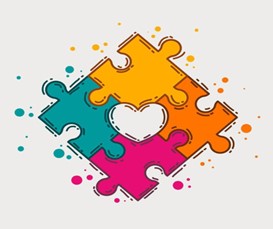
In the realm of education, inclusivity and accessibility should be the foundation of any society aspiring for progress. However, in the case of special education schools in the United Kingdom, there exists a troubling narrative of systemic failings. Despite efforts to provide tailored education for students with diverse needs, the British educational system’s shortcomings in special education have cast a shadow over the pursuit of equal opportunities for all.
One of the main challenges facing special education schools in the UK is inadequate funding. These institutions often struggle with limited resources, hindering their ability to provide the necessary support for students with special educational needs. Insufficient funding results in larger class sizes, fewer specialized staff, and a lack of essential resources, all of which are detrimental to the quality of education these schools can offer. Furthermore, the heavy reliance on the UKs crumbling social care services and the overstretched NHS within special education settings exasperate poor outcomes for children and young people.
Special education students require a range of support services tailored to their individual needs. However, the inconsistency in the provision of support services across different regions of the UK is a glaring issue. Disparities in access to speech therapists, occupational therapists, and other essential services create an uneven educational landscape, leaving some students without the critical support they require to thrive.
Effective collaboration and communication between educators, parents, and support professionals are vital for the success of any special education school. Unfortunately, there is often a lack of seamless coordination. The lack of collaboration can and has result in fragmented support for the students, hindering their overall development and thus making it difficult to implement cohesive and effective educational plans.
The success of special education programs relies heavily on well-trained and empathetic educators. Unfortunately, the British educational system falls short in providing comprehensive training for teachers, working in special education schools. Many teachers express a lack of preparation to address the unique challenges posed by students with diverse needs, leading to a gap in understanding and effective teaching strategies. It is also important to note that many staff members that work within special education settings are not trained teachers, although they have been given the title of teachers. This further leads to inadequate education for children and young people. Moreover, post-covid has seen a high staff turnover within these settings. There have been many reports that have alluded to the notion that British schools are failing our children, but it seems that children from special education provisions are ignored, and families are dismissed when concerns are raised about the lack of education and preparation for the ‘real world’.
I am also critical of the overreliance of labelling students with specific disabilities. While categorization can be useful for designing targeted interventions, it can also lead to a narrow understanding of a student’s capabilities and potential. This labelling approach inadvertently contributes to stereotypes and stigmas, limiting the opportunities available to students with special needs….. There tends to be a focus on the troubling history of the way people with disabilities in the UK have been treated, but what I find interesting is there is a sense of disregard for the issues that are occurring in the here and now.
There is also a lack of special education provisions in the UK. This has led to many children with additional needs without a school place. And while a specific figure of the number of children being excluded from education has not been disclosed, West Northamptonshire, has awarded families over £49,000 over special education failings in 2023 (ITV, 2023). Furthermore, Education health care plan recommendations (EHCP) have not been followed within schools. These are legally binding documents that have been continuously dismissed which has led to further legal action against West Northants council in recent years (Local Government and Care Ombudsman, 2023).
The failings in special education schools have repercussions that extend beyond the classroom. Many students who leave these schools face challenges in transitioning to higher education, entering the workforce or living independently. The lack of adequately tailored support for post-education opportunities leaves these individuals at a disadvantage, perpetuating a cycle of limited prospects, which inevitably pull people with disabilities into a cycle of poor health and poverty (Scope, 2023). The disability employment gap in the UK is 29% and the average disabled household faces a £975 a month in extra costs (Scope, 2023) access to employment and financial independence is out of reach for disabled people due to failings within education because lack of preparation for life beyond school.
There needs to be reform in British schools from mainstream to special education. There are failings across the board. Adequate funding, improved teacher training, consistent support services, enhanced collaboration, and a shift away from overreliance on labelling are all crucial steps toward creating an inclusive educational environment. It is difficult to draw on optimism when the UK government continues to ignore age old concerns. This blog entry is to bring awareness to an issue, that may not be on your radar, but will hopefully get you to reflect on the copious barriers that people with disabilities face. Childhood should be a time when there is a fence built to protect children is schools. As we get older and face the challenges of the wider world, we should be equipped with some skills. Special education schools should not be used as a holding place until a child comes of age. There should be provisions put in place to give all young people an equitable chance.

 Thoughts from the criminology team