
Home » Incel
Category Archives: Incel

That’s not misogyny….it’s just your imagination
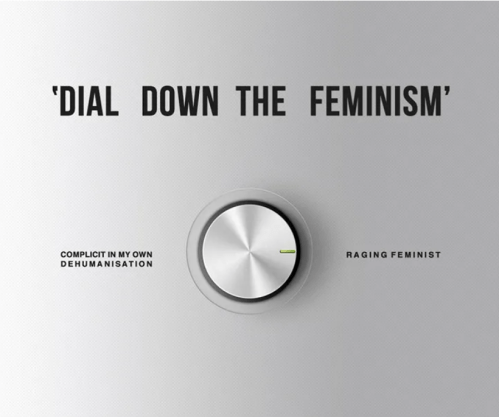
Imagine a little boy1 called Jimmy, he could be called, Aaron, Daniel, Joshua, Matthew, Samuel or any other other traditionally male name, but for expediency, we’ll call him Jimmy, short for James. From the moment of birth he becomes somebody’s son, the light of their lives, new beginnings for all. Lots of people comment, how lucky to have a boy, not that there’s anything wrong with girls, but a son is something special, somebody to carry on the family name. Gifts are bestowed, and anyone who has looked for children’s clothes recently, will see that tradition still holds sway, blue for a boy, pink for a girl. And what about toys, no dolls for little boys, unless they’re in military attire, instead, some bricks, some cars, a gun, something sporty, a ball, a bat, to keep their mind and body active. What about some books, we’re told that boys don’t really like those, a message they absorb quite readily, reading is hard to learn and requires patience and perseverance. Nevertheless, we don’t want Jimmy to be illiterate, so let’s find some books about his place in the world, tales of empire, princes and superheroes who save the world. Books that really centre the male experience, where girls and women are secondary characters to assist or be rescued, that’s if they appear at all. Think of all those traditional fairy tales where girls are told again and again to stay on the right path, to do as they’re told, to defer to the male characters. All this while the men are fighting dragons, ogres, travelling the world. But don’t forget he loves his mummy dearly, she understands him, that’s why she reads those stories to him.
All too soon little Jimmy has to leave his mother’s bosom and enter the world of formal education. Mummy tells him “boys don’t cry” whilst all the while worrying what school will do to their little boy who loves animals and cries when watching Bambi. Nevertheless, he is mummy’s “brave little soldier” and he will do his best to toughen up in the classroom, in the playground and on the playing fields. As we are told boys don’t really like girls games, they’re boring and dull, and even if they do, what will the other boys say? A steady drip drip of intolerance, never compromised, in the instruction of young Jimmy. When things go wrong, as they often do in human relationships, Jimmy’s behaviour is excused, he’s young, he’s enthusiastic, he’s exuberant, he’s misunderstood. And after all “boys will be boys”, he’s probably just ended up with the wrong crowd. He’s only playing, he’s only teasing, it’s only banter, nothing serious, nothing to get wound up about. We must be patient, after all boys mature much slower than girls, or so we are told. Give him time, give him space, he’ll grow out of it. But don’t forget he loves his mummy dearly, she understands him, she knows that he’s her “little hero”.
And what happens to the girls whilst they wait for little Jimmy to grow up? They learn too, they learn to take up less space, to stay out of Jimmy’s way, they learn to keep quiet, because nobody’s hearing, although everyone says they’re listening. The girls are whipping things out of all proportion, they don’t understand, they’re gunning for poor Jimmy who is such a delightful little boy , apart from when there’s no adults around. Anyway, Jimmy said sorry, begrudgingly and because he was told to, but it is an apology nonetheless. So there is no need to hold a grudge, let’s go back to where we were before you started your silly complaints to busy adults. Don’t forget nobody likes a girl that whines and nags, everybody benefits when they have a smile on their face and an eagerness to support and nurture, it doesn’t become a young lady to be tiresome and needy. So the powers that be excuse, minimise and ameliorate Jimmy’s behaviours, attitudes and actions. But don’t forget he loves his mummy dearly, she understands him, even if she does go on a bit.
So off Jimmy goes to university, where women predominate undergraduate studies. Here, there is less tolerance, for Jimmy’s behaviours, but there are plenty of others like him. All are focused on the transition from childhood to independent adult. There is more opportunity to live freely, to decide who you want to be, but there are also lots of challenges to your beliefs, your attitudes, your behaviours. Still that freedom, means you can avoid those difficult conversations in classrooms, you can keep your head down, you can focus on a different kind of education, one freely available from like-minded peers, the internet, AI etc. There’s nobody to chase you, to pick up after you, to make sure you’re not staying up too late, or getting in with the wrong crowd, there doesn’t appear to be any consequences. You don’t need to engage with women, their study groups, their friendships, their desire for education as an escape from their own mother’s experiences, Jimmy’s had years of being told what to do, how to think, how to behave, now he gets to decide, he’s in charge of his own destiny and those around him, need to sit up and take notice. But don’t forget he loves his mummy dearly, she understands him, she can empathise with how hard he works, how tough life is for her little Jimmy.
After university, Jimmy’s off to be a professional. A fully formed adult, with a degree under his belt, and a lifetime of reassurance that he’s supported. He didn’t get the degree classification he deserved, too many rules and regulations, too many classes, too many assessments, but that’s not his fault. Everyone knows there is a gender disparity in attainment, so it must be the fault of those academics, who tried to challenge his thinking because they don’t understand the real world. None of that matters now, he has a job, a career, and he’s going to change the world. By now he’s used to being listened to, all the times in headteachers’ offices where his behaviour was deconstructed, analysed and reinterpreted. His mummy, who had no opportunity to go to University, listens to her clever son who tells her how things are in the world. He talks about ideas and people that she’s never heard of, some with some very nasty things to say and she presumes this is what the educated discuss. Little does she know, this does not come from the classroom, but from podcasts, pornography, late night chats whilst playing violent video games, and little Jimmy’s banter with his mates. The problem is the women in his workplace, don’t like his banter, his jokes, his little comments. They’ve been working for a long time, alongside raising their own little Jimmys, and they know what this is. They sense the misogyny all around them, they’ve had a lifetime of feeling, hearing and seeing men like little Jimmy. They talk over them, they talk about them, they take their ideas and their work and they demean and diminish at every opportunity. They exaggerate their knowledge and experience and use ad hominem attacks and whataboutery to great effect. They take it for granted that they have something to say, that people want to listen to them. They sit in meetings and say “what about the men?” yet never, “what about the women?”. Anything to shift attention back to them, centre of attention, supported, enabled and encouraged. But don’t forget he loves his mummy dearly, she understands him, even if she does switch off when he goes off on one of his rants, after all he knows best, he’s her “clever little boy”.
But what about the women in little Jimmy’s workplace? They’ve seen it all before, they’ve read the fairy tales and they know that dragons can be vanquished, but only by men. They laugh and joke about their experiences with other women, but this dark humour, reverberates at night and in quiet moments, and they know they are avoiding confronting the issue. By doing this there is collectivity but they know such humour protects no girl or woman. But professionalism means they cannot tackle the problem head on, they cannot call it out for what it is, there are policies and processes, institutions must have evidence, what happened, when did it happen, who saw it happen, what did you do/say, have you tried an informal approach etc etc. Before the women even begin, they know that they’re at a grave disadvantage, after all little Jimmy is new, he’s ambitious, he’s enthusiastic, he’s exuberant, he’s misunderstood. Let’s see if we can get him some training, some unconscious bias, some cultural competency, some management expertise, the list goes on. But little Jimmy is well versed in avoiding challenge so he goes through the motions, another certificate to remind him of all that he has achieved. The women relearn what they already know from a lifetime’s experience, take up less space, stay out of Jimmy’s way, keep quiet, because nobody’s hearing, although everyone says they’re listening. The women are catastrophising, they don’t understand, they’ve got it in for little Jimmy who is so delightful when talking to management, but far less charming when nobody is around. Anyway, Jimmy declares remorse, begrudgingly, without ever mentioning the words sorry or apology, and only because he was told to, but it is an apology nonetheless. So there is no need to hold a grudge, let’s go back to where we were before you started your tedious complaints, it will make a happier workplace for all. Don’t forget nobody likes a woman that whines and nags, everybody benefits when they have a smile on their face and an eagerness to work hard and pick up the slack, it doesn’t become a lady to be tiresome and needy, so get back to work. Again the powerful excuse, minimise and ameliorate Jimmy’s behaviours, attitudes and actions. But don’t forget he loves his mummy dearly, and he deserves to rise to the top in whatever he does, after all he’s a “born leader” and those women will only waste the opportunity because of their biology.
A lifetime of always getting his way, nobody ever saying NO and actually meaning it, always somebody to make space, make time, make allowances, makes it very difficult to stop Jimmy’s misogynistic proclivities. He certainly would not recognise that misogyny has anything to do with him or his mates, what a Silly Billy. Instead, he carries on oblivious to the misery he leaves in his wake. But don’t forget he loves his mummy dearly, and it’s not his fault women misinterpret his intentions. But what happens when somebody says NO, and means it? In the very best case scenario little Jimmy take this as a learning opportunity, listening and actually hearing the words spoken to him, doing the important work on himself. If you want to know about the worse scenario, read the lived experiences encapsulated on the Everyday Sexism Project or Everyone’s Invited from which this blog entry has taken inspiration. You could also ask the women who pick up the pieces, mop up the tears, tend to the broken bodies and minds on a daily basis, by following the work of charities such Northamptonshire Rape Crisis and Eve Domestic Abuse. You could take the time to listen to the girls and women in your lives about their experiences, but proceed with caution, you may not be ready for what you might hear.
The words above are a figment of my imagination, but the content described happens everyday, all around us in plain sight. The story above is not just about Jimmy, but lots of Jimmys, whose misogynistic attitudes and behaviours are facilitated, encouraged and tolerated by all of us. Men, women, institutions, society are complicit in the continuation and perpetuation of misogyny. In the UK and further afield, adults, children and institutions continue to operate within the parameters of the British Empire, enabling attitudes such as misogyny, racism, homophobia, disablism and all of the other miseries to continue unabated. However, much we might want to pretend these attitudes are outdated and the behaviours, simply symptomatic of an overactive imagination, if you open your eyes you will see it all around you. It is not enough to wring our hands whilst watching Adolescence or Eastenders or Louis Theroux: Inside the Manosphere, kidding ourselves this doesn’t happen around us, only to other people. Bear in mind also, that the attention is always focused on the male characters, as always, girls and women are bit players, secondary to the main story, appearing only as victims and survivors and often causal factors in their own victimisation (see Jimmy’s mum above). Programmes such as these, offer the promise of awareness raising, but we swiftly move onto the next offering. We all have a responsibility to call out misogyny, to listen when girls and women try to explain their experiences, and the powerful have a duty to protect all, not just some of our society. If you don’t understand or recognise another’s experiences, don’t dismiss, ask questions, centre that person’s dialogue and then act on it.
- I have deliberately focused on girls and women, at the expense of other intersectionalities such as race, religion, sexuality, age and disability, simply because the problem is just too large for a single blog entry. But you could consider the misery of misogynoir or hijabophobia or many other contexts in which male supremacy continues to have a devastating and generational impact on individual lives. ↩︎
Share this:


Reflecting on Adolescence

This short series from Netflix has proven to be a national hit, as it rose to be the #1 most streamed programme on the platform in the UK. It has become a popular talking point amongst many viewers, with the programme even reaching into parliament and having praise from the government. After watching it, I can say that it is deserving of its mass popularity, with many aspects welcoming it to my interests.
It is not meant to be an overly dramatised show as we see from other programmes on Netflix. Whilst it fits in the genre of “Drama” it mainly serves itself as a message and portrayal of how toxic masculinity takes form at a young age. One episode was an hour long interrogation that became difficult to watch as it felt as if I was in the room myself, seeing a young boy turn from being vulnerable and scared to intimidating, aggressive and manipulative. As a programme, it does its job of engagement, but its message was displayed even better. Our society has a huge problem with perceptions of masculinity and how young men are growing up in a world that normalises misogyny. The microcosm that Adolescence shows encapsulates this problem well and highlights the problem of the “manosphere” that many young men and even children are turning to as they become radicalised online.
Commentators such as Andrew Tate have become a huge idol to his followers, which are often labelled as “incels”. Sine his rise in popularity in past years, an epidemic of these so called manosphere followers perpetuate misogyny in every corner of their lives, following and believing tales like the “80-20 rule” in which 80% of women are attracted to 20% of men. This kind of mindset is extremely dangerous and, as displayed in Jamie’s behaviour, leads to a feeling of necessity in regard to women liking them. This behaviour isn’t exactly new; it is a form of misogyny that has plagued society for as long as society has been around, however it has been perpetuated further by the “Commentaters”, as I call them.
As a fan of the Silent Hill series, I have always enjoyed stories that dive deep into the psyche and explore wider themes in ways that make the audience uncomfortable, yet willing, to confront. Adolescence does this in the form of a show not so disguised as an overarching message. I feel like it has done its job of making people reflect and critically think about what is wrong with society, and exposing those who do not think about the wider messages and only care about entertainment. I mean, people sit and question whether or not Jamie did the crime and argue that he is not guilty, when the show explicitly shows and tells you what happens through Jamie’s character, demeanour and interactions in the interrogations.
Misogyny and the forces that uphold it are not new concepts and nor will it be an ancient concept any time soon with the way contemporary society functions. Even as society may become more tolerant, there will always be a way for women to be disadvantaged. However, stories like Adolescence may provide a glimmer of hope in dissecting and being a piece of the puzzle that pieces together the wider branches of misogyny and allow for more people to explore its underpinnings.


