
Home » Domestic Abuse
Category Archives: Domestic Abuse

Same shit, different day

I’ve thought long and hard about whether or not to write this blog, it contains nothing new, it adds nothing to the discussion and it is borne of frustration, not just mine. Nevertheless, if the same thing keeps happening, then why not keep shouting about it, even if no-one appears to be listening.
Recently I attended an event supposedly focused on Violence Against Women & Girls [VAWG], the organisers, the venue, the speakers remain anonymous, because this is not about specific individuals or organisations. Instead, as the title indicates, the issues raised below are repeated again and again, across different times and place, involving different people, with different claims to knowledge. Nevertheless, they have far more in common than they would care to acknowledge.
In September 2024, the government announced a commitment to halving VAWG over the next decade. The announcement itself was rather confused, seemingly conflating the term VAWG with Domestic Abuse [DA] whilst simultaneously promising to ‘take back our streets’. The latter horribly reminiscent of the far right’s racists diatribe around taking back our country. But I digress, in the government statement there is no mention of sexual violence, despite Rape Crisis England and Wales’ assertion that 1 in 4 women and girls over 16 have been subjected to sexual assault or rape. Similarly, Refuge suggest that 1 in 4 women will be subjected to forms of domestic abuse across their lifetimes. The statistical data is shaky, the problems with reporting are well documented, but ask any woman, and they will tell you about their own experiences and those of friends and families. A brief glance at the Everyday Sexism Project or Everyone’s Invited will give you some idea of the scale of the violences facing women and girls.
But to return to the latest VAWG event, there have been very many of these, all following the same pattern. Crowds of women in the audience, all experts, some professional, some academic, some through victimisation, some through vicarious victimisation and of course, some of those women encapsulate more than one of those categories, they are not mutually exclusive. So how do we harness and utilise this great body of knowledge, experience and expertise? The sad answer for events like this, is 99% of the time, we don’t. They’re there to sit quietly and listen to the same old narrative from police leaders and officers, saying that the institution has got it wrong in the past, but has learnt lessons and is now doing much better. Noticeably, there are few men in the audience, only those compelled to attend by their employment, after all VAWG explicitly mentions women and girls so it must be a female problem, despite the fact that the violences are predominately carried out by men.
To really drive the message home, we have speakers who can’t be bothered to prepare an accessible presentation for their audience. Relying instead on their white privilege, their charisma and charm (think a poor parody of a 1990’s Hugh Grant in a Richard Curtis film), with their funny little anecdotes of how they met a woman who changed their view on VAWG. Or how primary school teachers are usually women, and that’s where the problems begin, they just don’t do enough to support our little boys and young men on their journeys. Similarly, mothers who don’t pay enough attention which mean their sons go onto to become these violent men. We have white women too, ones that want the audience to focus on women who have been killed by men, but who cannot actually be bothered to find out how to say their names, stumbling over any name that is not anglicised.
In the audience it is notable that there are few Black and Brown women present. Even when they are invited as speakers, they are cut short, talked over, their names forgotten or mispronounced. They are the add-ons, a pathetic attempt at inclusivity, but don’t worry they’re never the main attraction. That spotlight is always reserved for men. No wonder Black and Brown women can’t face attending, or leave part way through, they’re sick and tired of being patronised while they pick up the broken pieces of men’s violences.
So what do women actually learn from these events? They learn to keep quiet, to pretend they’re learning something, but in the breaks they get together and talk about their frustrations, their ongoing exclusion from discussions. They learn that the problem belongs to them. That not only have they got to mop up women’s blood, sweat and tears, using plenty of their own in the process, to support and rebuild women after trauma, they are also responsible for the boys and men.
It really does not have to be this way! In every community there are women of all colours, all religions, all sexualities, all nations, doing the hard work. Building each other up against a maelstrom of never ending male violence, not to mention the additional violences of racism, microaggressions and exclusion. These are the experts, these are the people with whom the solutions lie. The police have had almost 200 years to get it right, they are nowhere near, time for them to move over and let the real experts do the talking, whilst they listen and start to hear and learn!
Share this:


Changing the Narrative around Violence Against Women and Girls

For Criminology at UON’s 25th Birthday, in partnership with the Northampton Fire, Police and Crime Commissioner, the event “Changing the Narrative: Violence Against Women and Girls” convened on the 2nd April. Bringing together a professional panel, individuals with lived experience and practitioners from charity and other sectors, to create a dialogue and champion new ways of thinking. The first in a series, this event focused on language.
All of the discussions, notes and presentations were incredibly insightful, and I hope this thematic collation does it all justice.
“A convenient but not useful term.”
Firstly an overwhelming reflection on the term itself; ‘Violence Against Women and Girls’ – does it do justice to all of the behaviour under it’s umbrella? We considered this as reductionist, dehumanising, and often only prompts thinking and action to physical acts of violence, but perhaps neglects many other harms such as emotional abuse, coercion and financial abuse which may not be seen as, or felt as ‘severe enough’ to report. It may also predominantly suggest intimate partner or domestic abuse which may too exclude other harms towards women and girls such as (grand)parent/child abuse or that which happens outside of the home. All of which are too often undetected or minimised, potentially due to this use of language. Another poignant reflection is that we may not currently be able to consider ‘women and girls’ as one group, given that girls under 16 may not be able to seek help for domestic abuse, in the same way that women may be able to. We also must consider the impact of this term on those whose gender identity is not what they were assigned at birth, or those that identify outside of the gender binary. Where do they fit into this?
To change the narrative, we must first identify what we are talking about. Explicitly. Changing the narrative starts here.
“I do not think I have survived.”
We considered the importance of lived experience in our narratives and reflected on the way we use it, and what that means for individuals, and our response.
Firstly, the terms ‘victim’ and ‘survivor’ – which we may use without thought, use as fact, particularly as descriptors within our professions, but actually these are incredibly personal labels that only individuals with such experience can give to themselves. This may be reflective of where they are in their journey surrounding their experiences and have a huge impact on their experience of being supported. It was courageously expressed that we also must recognise that individuals may not identify with either of those terms, and that much more of that person still exists outside of that experience or label. We also took a moment to remember that some victims, will never be survivors.
Lived experience is making its way into our narratives more and more, but there is still much room for improvement. We champion that if we are to create a more supportive, inclusive, practical and effective narrative, we must reflect the language of individuals with lived experience and we must use it to create a narrative free from tick boxes, from the lens of organisational goals and societal pressure.
Lived experience must be valued for what it is, not in spite of what it is.
“In some cases, we allow content – which would otherwise go against our standards – if its newsworthy.”
A further theme was a reflection on language which appears to be causing an erosion of moral boundaries. For example, the term ‘misogyny’ – was considered to be used flippantly, as an excuse, and as a scapegoat for behaviour which is not just ‘misogynistic’ but unacceptable, abhorrent, inexcusable behaviour – meaning the extent of the harms caused by this behaviour are swept away under a ‘normalised’ state of prejudice.
This is one of many terms that along with things like ‘trauma bond’ and ‘narcissist’ which have become popular on social media without any rigour as to the correct use of the term – further normalises harmful behaviour, and prevents women and girls from seeking support for these very not normal experiences. In the same vein it was expressed that sexual violence is often seen as part of ‘the university experience.’
This use of language and its presence on social media endangers and miseducates, particularly young people, especially with new posting policies around the freedom of expression. Firstly, in that many restrictions can be bypassed by the use of different text, characters and emoji so that posts are not flagged for certain words or language. Additionally, guidelines from Meta were shared and highlighted as problematic as certain content which would, and should, normally be restricted – can be shared – as long as is deemed ‘newsworthy.’
Within the media as a whole, we pressed the importance of using language which accurately describes the actions and experience that has happened, showing the impact on the individual and showing the extent of the societal problem we face… not just what makes the best headline.
“We took action overnight for the pandemic.”
Language within our response to these crimes was reflected upon, in particular around the term ‘non-emergency’ which rape, as a crime, has become catalogued as. We considered the profound impact of this language for those experiencing/have experienced this crime and the effect it has on the resources made available to respond to it.
Simultaneously, in other arenas, violence toward women and girls is considered to be a crisis… an emergency. This not only does not align with the views of law enforcement but suggests that this is a new, emerging crisis, when in fact it is long standing societal problem, and has faced significant barriers in getting a sufficient response. As reflected by one attendee – “we took action overnight for the pandemic.”
“I’ve worked with women who didn’t report rape because they were aroused – they thought they must have wanted it.”
Education was another widely considered theme, with most talk tables initially considering the need for early education and coming to the conclusion that everyone needs more education; young and old – everything in between; male, female and everything in between and outside of the gender binary. No-one is exempt.
We need all people to have the education and language to pass on to their children, friends, colleagues, to make educated choices. If we as adults don’t have the education to pass on to children, how will they get it? The phrase ‘sex education’ was reflected upon, within the context of schools, and was suggested to require change due to how it triggers an uproar from parents, often believing their children will only be taught about intercourse and that they’re too young to know. It was expressed that age appropriate education, giving children the language to identify harms, know their own body, speak up and speak out is only beneficial and this must happen to help break the cycle of generational violence. We cannot protect young people if we teach them ignorance.
Education for all was pressed particularly around education of our bodies, and our bodily experiences. In particular of female bodies, which have for so long been seen as an extension of male bodies. No-one knows enough about female bodies. This perpetuates issues around consent, uneducated choices and creates misplaced and unnecessary guilt, shame and confusion for females when subjected to these harms.
“Just because you are not part of the problem, does not mean you are part of the solution.“
Finally, though we have no intention or illusion of resolution with just one talk, or even a series of them – we moved to consider some ways forward. A very clear message was that this requires action – and this action should not fall on women and girls to protect themselves, but for perpetrators for be stopped. We need allies, of all backgrounds, but in particular, we need male allies. We need male allies who have the education, and the words necessary to identify and call out the behaviour of their peers, their friends, their colleagues, of strangers on the bus. We asked – would being challenged by a ‘peer’ have more impact? Simply not being a perpetrator, is not enough.
Share this:


Criminology for all (including children and penguins)!

As a wise woman once wrote on this blog, Criminology is everywhere! a statement I wholeheartedly agree with, certainly my latest module Imagining Crime has this mantra at its heart. This Christmas, I did not watch much television, far more important things to do, including spending time with family and catching up on reading. But there was one film I could not miss! I should add a disclaimer here, I’m a huge fan of Wallace and Gromit, so it should come as no surprise, that I made sure I was sitting very comfortably for Wallace & Gromit: Vengeance Most Fowl. The timing of the broadcast, as well as it’s age rating (PG), clearly indicate that the film is designed for family viewing, and even the smallest members can find something to enjoy in the bright colours and funny looking characters. However, there is something far darker hidden in plain sight.
All of Aardman’s Wallace and Gromit animations contain criminological themes, think sheep rustling, serial (or should that be cereal) murder, and of course the original theft of the blue diamond and this latest outing was no different. As a team we talk a lot about Public Criminology, and for those who have never studied the discipline, there is no better place to start…. If you don’t believe me, let’s have a look at some of the criminological themes explored in the film:
Sentencing Practice
In 1993, Feathers McGraw (pictured above) was sent to prison (zoo) for life for his foiled attempt to steal the blue diamond (see The Wrong Trousers for more detail). If we consider murder carries a mandatory life sentence and theft a maximum of seven years incarceration, it looks like our penguin offender has been the victim of a serious miscarriage of justice. No wonder he looks so cross!
Policing Culture
In Vengeance Most Fowl we are reacquainted with Chief Inspector Mcintyre (see The Curse of the Were-Rabbit for more detail) and meet PC Mukherjee, one an experienced copper and the other a rookie, fresh from her training. Leaving aside the size of the police force and the diversity reflected in the team (certainly not a reflection of policing in England and Wales), there is plenty more to explore. For example, the dismissive behaviour of Mcintyre toward Mukherjee’s training. learning is not enough, she must focus on developing a “copper’s gut”. Mukherjee also needs to show reverence toward her boss and is regularly criticised for overstepping the mark, for instance by filling the station with Wallace’s inventions. There is also the underlying message that the Chief Inspector is convinced of Wallace’s guilt and therefore, evidence that points away from should be ignored. Despite this Mukherjee retains her enthusiasm for policing, stays true to her training and remains alert to all possibilities.
Prison Regime
The facility in which Feathers McGraw is incarcerated is bleak, like many of our Victorian prisons still in use (there are currently 32 in England and Wales). He has no bedding, no opportunities to engage in meaningful activities and appears to be subjected to solitary confinement. No wonder he has plenty of time and energy to focus on escape and vengeance! We hear the fear in the prison guards voice, as well as the disparaging comments directed toward the prisoner. All in all, what we see is a brutal regime designed to crush the offender. What is surprising is that Feathers McGraw still has capacity to plot and scheme after 31 years of captivity….
Mitigating Factors
Whilst Feathers McGraw may be the mastermind, from prison he is unable to do a great deal for himself. He gets round this by hacking into the robot gnome, Norbot. But what of Norbot’s free will, so beloved of Classical Criminology? Should he be held culpable for his role or does McGraw’s coercion and control, renders his part passive? Without, Norbot (and his clones), no crime could be committed, but do the mitigating factors excuse his/their behaviour? Questions like this occur within the criminal justice system on a regular basis, admittedly not involving robot gnomes, but the part played in criminality by mental illness, drug use, and the exploitation of children and other vulnerable people.
And finally:
Above are just some of the criminological themes I have identified, but there are many others, not least what appears to be Domestic Abuse, primarily coercive control, in Wallace and Gromit’s household. I also have not touched upon the implicit commentary around technology’s (including AI’s) tendency toward homogeneity. All of these will keep for classroom discussions when we get back to campus next week 🙂
Share this:


Victims of Domestic Violence Repeatedly Failed by UK Police Forces

On the last day of August 2024 I was invited to an event focused on “Victims of Domestic Violence Repeatedly Failed by UK Police Forces” held at Fenny Compton Village Hall. The choice of venue was deliberate, it was the same venue where Alan Bates brought together for the first time, just some of the many post-masters/mistresses impacted by, what we now recognise as, Britain’s largest miscarriage of justice. This meeting demonstrated that rather than one or two isolated incidents, this was widespread impacting 100s of people. Additionally, the bringing of people together led to the creation of the Justice for Sub-Postmasters Alliance [JFSA], a collective able to campaign more effectively, showing clearly that there is both strength and purpose in numbers.
Thus the choice of venue implicitly encouraged attendees to take strength in collectivity. Organised by three women who had lost daughters and a niece who instinctively knew that they weren’t the only ones. Furthermore, each had faced barrier after barrier when trying to find out what had happened to their loved ones leading up to and during their deaths. What they experienced individually in different areas of the country, shared far more commonality than difference. By comparing their experiences, it became clear that their losses were not unique, that across the country and indeed, the world, women were being subjected to violence, dying, grieving and being subjected to organisational indifference, apathy, if not downright institutional violence.
At the event, woman after woman, spoke of different women, very much loved, some had died, some had fled their violent partners (permanently, one hopes) and others who were still trapped in a living hell. Some spoke with confidence, others with trepidation or nerves, all filled with anguish, passion and each determined to raise their voices. Again and again they detailed their heartbreaking testimony, which again showed far more commonality than difference:
- Women being told that their reporting of domestic abuse incidents may make things much worse for them
- Evidence lost or disposed of by police officers
- Corrupted or deleted body worn camera footage
- Inability or unwillingness to recognise that domestic abuse, particularly coercive behaviour escalates, these are not separate incidents and cannot be viewed in isolation
- Police often dismissing women’s reports as examples of “minor” or “borderline” domestic abuse, when as detailed above, individual incidents in isolation do not reflect the lived experience
- History of domestic abuse ignored/disregarded whether or not recorded by the police
- Victims of domestic abuse being asked for forensic levels of detail when trying to report
- Victims of domestic abuse being incorrectly refused access by the police to access to information covered by Clare’s Law (Domestic Violence Disclosure Scheme)
- The Domestic Abuse, Stalking and Honour Based Violence [DASH} forms treated as tick box exercise, often done over harried phone calls
- Victims of domestic violence, criminalised when trying to protect themselves and their children from violent partners
- When escaping from violent relationships women are placed in refuges, often far from their support networks, children move schools losing their friendship circles and breaking trusted relationships with teachers
- Suicide not investigated according to College of Policing own guidance: Assume Nothing, Believe nobody, Challenge everything!
- Police failing to inform the parents of women who have died
- Dead women’s phones and laptops handed over to the men who have subjected them to violence (under the guise of next-of-kin)
- The police overreliance on testimony of men (who have subjected them to violence previously) in relation to their deaths
- Challenges in accessing Legal Aid, particularly when the woman and children remain in the family home
- The lack of joined up support, lots of people and charities trying to help on limited resources but reacting on an ad hoc basis
- The police would rather use valuable resources to fight victims, survivors and their families’ complaints against them
The above is by no means an exhaustive list, but these issues came up again and again, showing clearly, that none of the women’s experiences are unique but are instead repeated again and again over time and place. It doesn’t matter what year, what police force, what area the victim lived in, their education, their profession, their class, marital status, or whether or not they were mothers. It is evident from the day’s testimony that women are being failed not only by the police, but also the wider Criminal Justice System.
Whilst the women have been failed, the criminologist in me, says we should consider whether the police are actually “failing” or whether they are simply doing what they were set up to do, and women are simply collateral damage. Don’t forget the police as an institution are not yet 200 years. They were set up to protect the rich and powerful and maintain control of the streets. Historically, we have seen the police used against the population, for example policing the Miners’ Strikes, particularly at Orgreave. More recently the response to those involved in violent protest/riots demonstrates explicitly that the police and the criminal justice system can act swiftly, when it suits. But consider what it is trying to protect, individuals or businesses or institutions or the State?
The police have long been faced by accusations of institutional racism, homophobia and misogyny. It predominantly remains a institution comprised of white, straight, (nominally) Christian, working class, men, despite frequent promises to encourage those who do not fit into these five classifications to enlist in the force. Until the police (and the wider CJS) are prepared to create a less hostile environment, any attempt at diversifying the workforce will fail. If it continues with its current policies and practices without input from those subjected to them, both inside and outside the institution, any attempt at diversifying the institution will fail. But again we come back to that word ‘failure’, is it failing if the institution continues to maintain the status quo, to protect the rich and powerful and maintain control of the streets?
But does the problem lie solely with the police and the wider criminal justice system, or are we continually failing as a society to support, nurture and protect women? Take for example Hearn’s astute recognition that ‘[f]or much too long men have been considered the taken-for-granted norm against which women have been judged to be different’ offers an alternative rationale (1998: 3).Many scholars have explored language in relation to women and race, identifying that in many cases the default is understood to be a white male (cf. de Beauvoir, 1949/2010, Lakoff, 1973, Spender, 1980, Eichler, 1988/1991, Penelope, 1990, Homans, 1997). As de Beauvoir evocatively writes, ‘humanity is male and man defines woman not in herself, she is not regarded as an autonomous being […] He is the Subject; he is the Absolute. She is the Other’ (de Beauvoir, 1949/2010: 26). Lakoff (1973) also notes that the way in which language is used both about them and by them, disguises and enables marginalisation and disempowerment. Furthermore, it enables the erasure of women’s experience. The image below illustrates this well, with its headline figure relating to men. Whilst not meaning to dismiss any violence, when women’s victimisation far outweighs that faced by men, this makes no logical sense.

Nevertheless, we should not forget men as Whitehead dolefully concludes:
‘to recognize the extent and range of men’s violences is to face the depressing and disturbing realization that men’s propensity for cruelty and violence is probably the biggest cause of misery in the world (2002: 36).’
Certainly numerous authors have identified the centrality of men (and by default masculinity) to any discussion of violence. These range from Hearn’s powerful assertion that it is ‘men [who] dominate the business of violence, and who specialize in violence’ (1998: 36) to Mullins (2006) suggestion that women act as both stimulation for men’s violence (e.g. protection) and as a limiter. Certainly, Solnit perceptively argues that armed with the knowledge that men are responsible for far more violence, it should be possible to ‘theorise where violence comes from and what we can do about it a lot more profoundly’ (2014: 25).
All of the challenges and barriers identified on the day and above make it incredibly difficult, even for educated well-connected women to deal with, this is compounded when English is not your first language, or you have a visa dependant on your violent partner/husband, or hold refugee status. As various speakers, including the spokeswoman for Sikh Women’s Aid made clear, heritage and culture can add further layers of complexity when it comes to domestic abuse.
Ultimately, the event showed the resilience and determination of those involved. It identified some of the main challenges, paid tribute to both victims and survivors and opened a new space for dialogue and collective action. If you would like to keep up with their campaign, they use the hashtag #policefailingsuk and can be contacted via email: policefailings.uk@yahoo.com
References
de Beauvoir, Simone, (1949/2010), The Second Sex, tr. from the French by Constance Borde and Sheila Malovany Chevalier, (New York: Vintage Books)
Eicler, Margrit, (1988/1991), Nonsexist Research Methods, (London: Routledge) (Kindle Version)
Hearn, Jeff, (1998), The Violences of Men, (London, Sage Publications Ltd)
Homans, Margaret, (1997), ‘“Racial Composition”: Metaphor and the Body in the Writing of Race’ in Elizabeth Abel, Barbara Christian and Helene Moglen, (Eds), Female Subjects in Black and White, (London: University of California Press): 77-101
Lakoff, Robin, (1973), ‘Language and Woman’s Place,’ Language in Society, 2, 1: 45-80
Mullins, Christopher W., (2006), Holding Your Square: Masculinities, Streetlife and Violence, (Cullompton: Willan Publishing)
National Centre for Domestic Violence, (2023), ‘Domestic Abuse Statistics UK,’ National Centre for Domestic Violence, [online]. Available from: https://www.ncdv.org.uk/domestic-abuse-statistics-uk/ [Last accessed 31 August 2024]
Penelope, Julia, (1990), Speaking Freely: Unlearning the Lies of the Fathers’ Tongues, (New York: Pergamon Press)
Solnit, Rebecca, (2014), Men Explain Things to Me, (London: Granta Publications)
Spender, Dale, (1980), Man Made Language, (London: Routledge and Kegan Paul)
Whitehead, Stephen M., (2002), Men and Masculinities, (Cambridge: Polity Press)
Share this:


Everyone loves a man in uniform: The Rise and Fall of Nick Adderley

Some of our local readers will be familiar with the case of former Chief Constable Nick Adderley who was recently dismissed from Northamptonshire Police. The full Regulation 43 report can be found here and it provides an interesting, and at times, comical, narrative of the life and times of the now disgraced police officer.
The Regulation 43 report describes Adderley’s creation of a “false legend” of military service, whereby this supposed naval man fought bravely to protect the Falkland Islands (despite only being 15 when the conflict ended), rescued helicopters and ships in the height of battle, commanded men, was a military negotiator during the Anti-Duvalier protest movement in Haiti. In short, an all round real-life Naval action man! It’s pity for Adderley, that the Regulation 43 panel found none of this was true, instead a ‘Walter Mitty‘ like trail of lies were revealed throughout the investigation.
Nevertheless, not content with his brave military career, our intrepid hero decided he would take his considerable (in his estimation at least) skills into policing. First applying to Greater Manchester Police [GMP] (who turned him down on the grounds that there were ‘better candidates’) and then Cheshire Police. From Cheshire Police, he went to GMP and then to Staffordshire Police, finally arriving in Northamptonshire in the summer of 2018. Despite all of these different forces, all of the different application and promotion forms that our brave hero completed, not one person bothered to check that he was telling the truth. To check that this man, responsible for upholding law and order, was a fit candidate for the role. instead, I suspect, like so many it seems, we are so in love with our military and all its trappings, that we lose any sense of criticality when it comes to uniforms. After all who would dare to question a Chief Constable, whether a police officer, civilian worker or member of the public? Easier to keep parroting the mantra of “our brave boys”, than to think critically about institutions and their members, as the cartoon below demonstrates all too well.
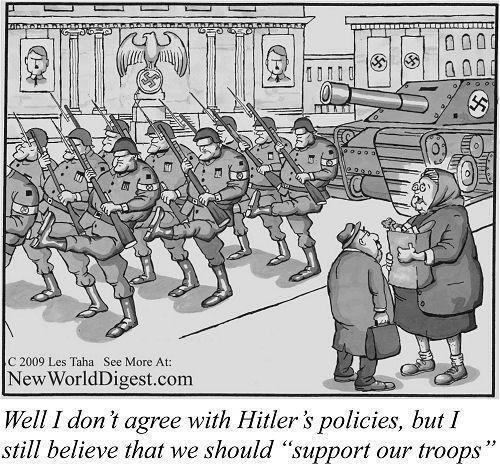
At this point Adderley has been dismissed from Northamptonshire Police and banned from policing. In 2024 the Angiolini Inquiry published its report, which in part focused on police vetting and there is no doubt, post-Adderley the police as an institution, will undertake more soul searching. Additionally, some commentators have begun a campaign to have Adderley’s police pension reduced/removed. These matters will continue to rumble along for some time. But, in short, Adderley has been punished and publicly outed as a liar, but that does not begin to undo the immense harm his behaviour has inflicted on the community.
During his time at Chief Constable of Northamptonshire, Adderley called upon his supposed military history and experience to support his arguments and the decisions he made. For instance, the 2019 arming of Northamptonshire’s police with tasers or the 2020 launch of eight interceptors, described by Adderley as “a new fleet of crime-busting cars” or the 2021 purchase of “eight Yamaha WR450F enduro bikes“. To me, all of these developments scream the militarisation of policing. Since the very foundation of the Metropolitan Police in 1829, serving officers and the public have continually been opposed to arming the police, yet Adderley, with his military service, seemingly knew best. But what use is a taser, fast car or motorbike in everyday community policing, how do they help when responding to domestic abuse, sexual violence, or the very many mental health crises to which officers are regularly called? How do these expensive military “toys” ensure that all members of society feel protected and not just some communities? How can we ensure that tasers don’t do lasting harm to those subjected to their violence? Instead all of these developments scream a fantasy of both military and policing, one in which the hero is always on the side of the righteous, devoting his life to taking down the “baddies” by whatever means necessary.
Ultimately for the people of Northamptonshire we have to decide, can we view Adderley’s police leadership as the best use of taxpayers’ money, a response to evidence based policing or just a military fantasy of the man who lied? More importantly, the county and its police force will struggle to untangle Adderley’s web of lies and the harm inflicted on the people of Northamptonshire, making it likely that this entirely unevidenced push to militarise the police will continue unchecked.
Share this:


Justice or Just Another One?

Luckily I’ve never been one for romantic movies. I always preferred a horror movie. I just didn’t know that my love life would become the worst horror movie I could ever encounter. I was only 18 when I met the monster who presented as a half decent human being. I didn’t know the world very well at that point and he made sure that he became my world. The control and coercion, at the time, seemed like romantic gestures. It’s only with hind sight that I can look back and realise every “kind” and “loving” gesture came from a menacing place of control and selfishness. I was fully under his spell. But anyway, I won’t get into every detail ever. I guess I just wanted to preface this with the fact that abuse doesn’t just start with abuse. It starts with manipulation that is often disguised as love and romance in a twisted way.
This man went on to break me down into a shell of myself before the physical abuse started. Even then, him getting that angry was somehow always my fault. I caused that reaction in his sick, twisted mind and I started to believe it was my fault too. The final incident took place and the last thing I can clearly recall is hearing how he was going to cave my head in before I felt this horrendous pressure on my neck with his other hand keeping me from making any noise that would expose him.
By chance, I managed to get free and RUN to my family. Immediately took photos of my injuries too because even in my state, I know how the Criminal Justice System would not be on my side without evidence they deemed suitable.
Anyway, my case ended up going to trial. Further trauma. Great. I had to relive the entire relationship by having every part of my character questioned on the stand like I was the criminal in this instance. I even got told by his defence that I had “Histrionic Personality Disorder”. Something I have never been diagnosed with, or even been assessed for. Just another way the CJS likes to pathologise women’s trauma. Worst of all, turns out ‘Doctor Defence’ ended up dropping my abuser as he was professionally embarrassed when he realised he knew my mother who was also a witness. Wonderful. This meant I got to go through the process of being criminalised, questioned, diagnosed with disorders I hadn’t heard of at the time, hear the messages, see the photos ALL over again.
Although “justice” prevailed in as much as he was found guilty. All for the sake of a suspended sentence. Perfect. The man who made me feel like he was my world then also tried to end my life was still going to be free enough to see me. The law wasn’t enough to stop him from harming me, why would it be enough to stop him now?
Fortunately for me, it stopped him harming me. However, it did not stop him harming his next victim. For the sake of her, I won’t share any details of her story as it is not mine to share. Yet, this man is now behind bars for a pretty short period of time as he has once again harmed a woman. Evidently, I was right. The law was not enough to stop him. Which leads me to the point of this post, at what stage does the CJS actually start to take women’s pleas to feel safe seriously? Does this man have to go as far to take away a woman’s life entirely before someone finally deems him as dangerous? Why was my harm not enough? Would the CJS have suddenly seen me as a victim, rather than making me feel like a criminal in court, if I was eternally silenced? Why do women have to keep dying at the hands of men because the CJS protects domestic abusers?”
Share this:


Criminology First Week Activity (2021)

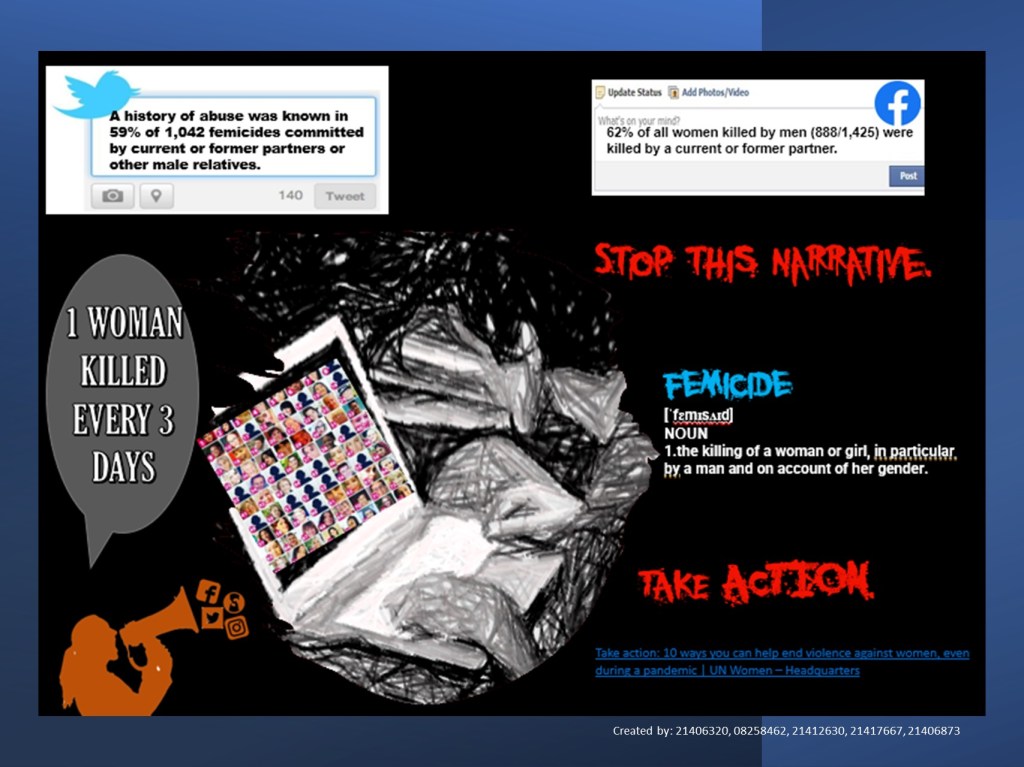
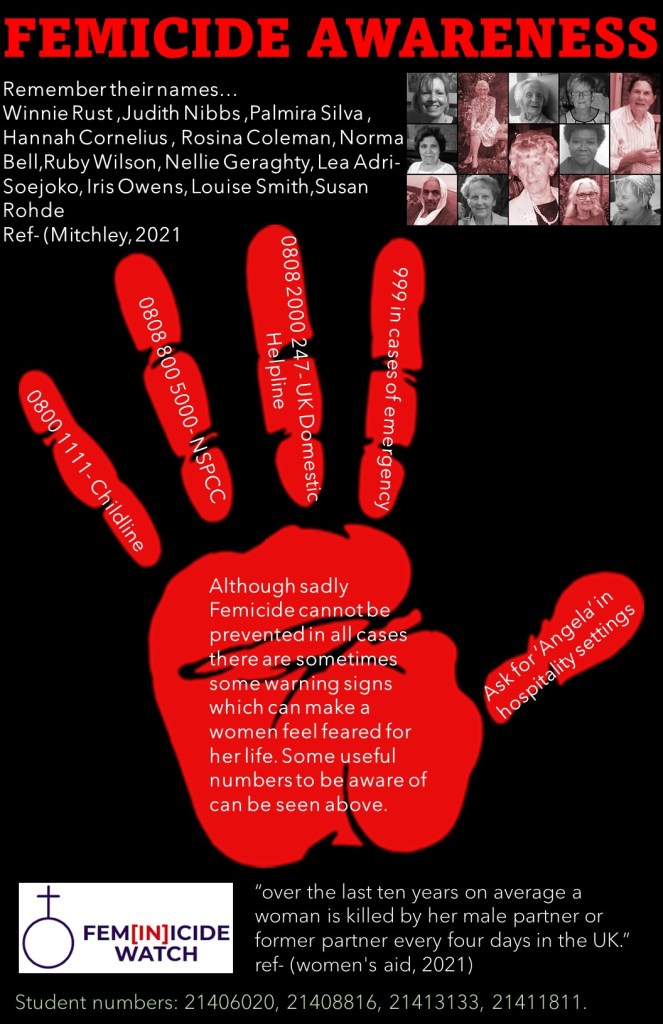
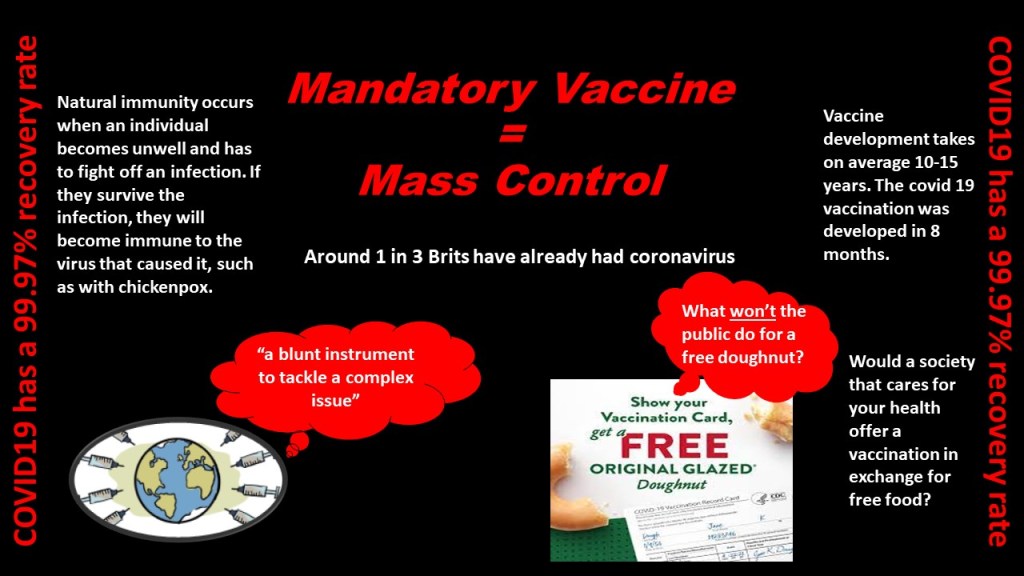
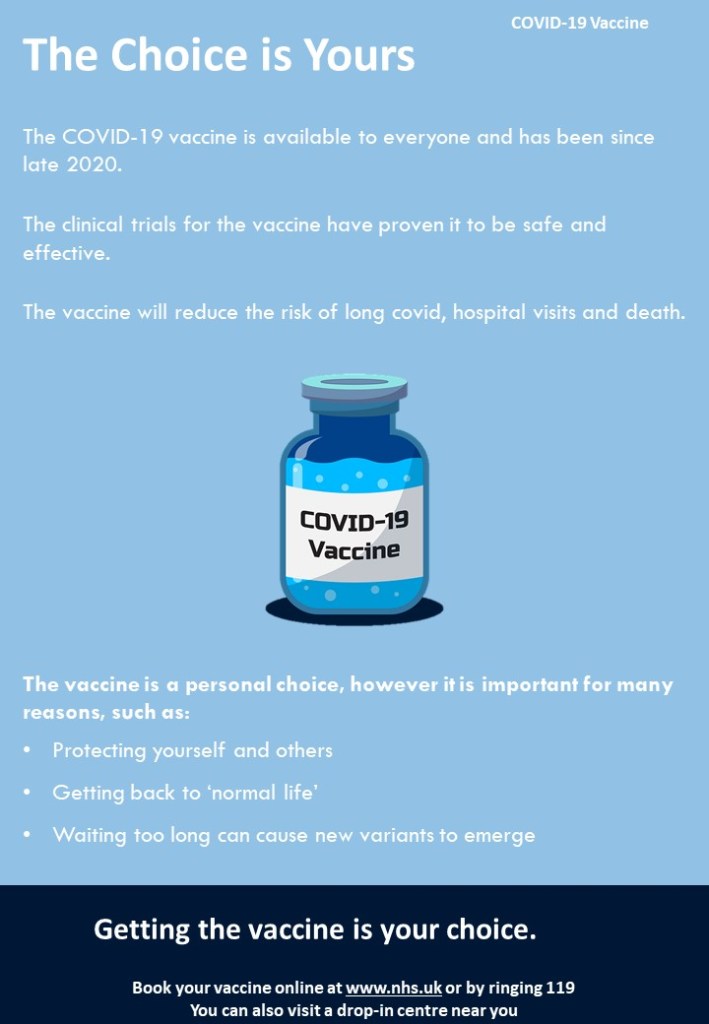
Before embarking on a new academic year, it is always worth reflecting on previous years. In 2020, the first year we ran this activity, it was a response to the challenges raised by the Covid-19 pandemic and was designed to serve two different aims. The first of these, was of course, academic, we wanted students to engage with a activity designed to explore real social problems through visual criminology, inspiring the criminological imagination for the year ahead. Second, we were operating in an environment that nobody was prepared for: online classes, limited physical contact, mask wearing, hand sanitising, socially distanced. All of these made it very difficult for staff and students to meet and to build professional relationships. The team needed to find a way for people to work together safely, within the constraints of the Covid legislation of the time and begin to build meaningful relationships with each other.
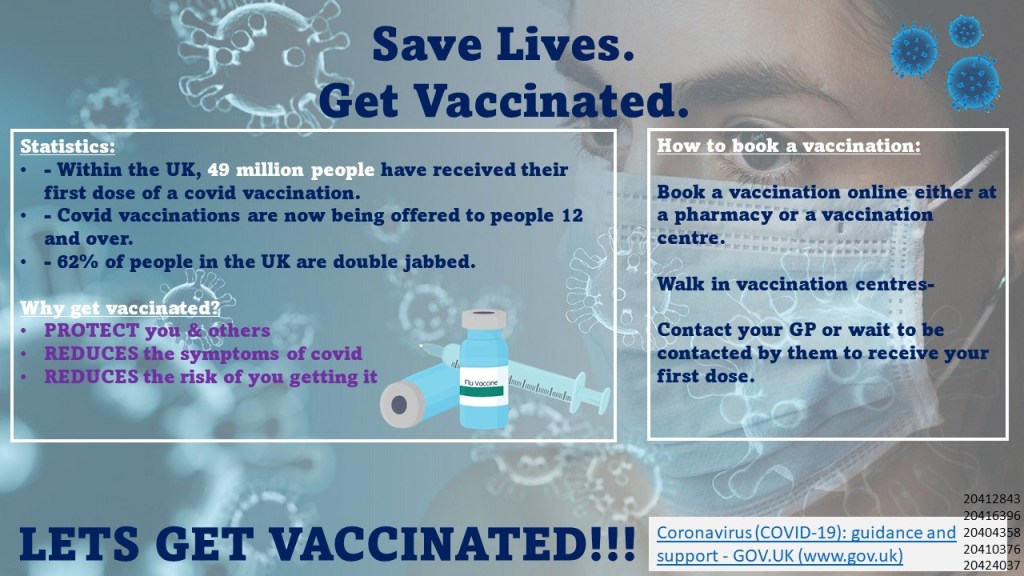
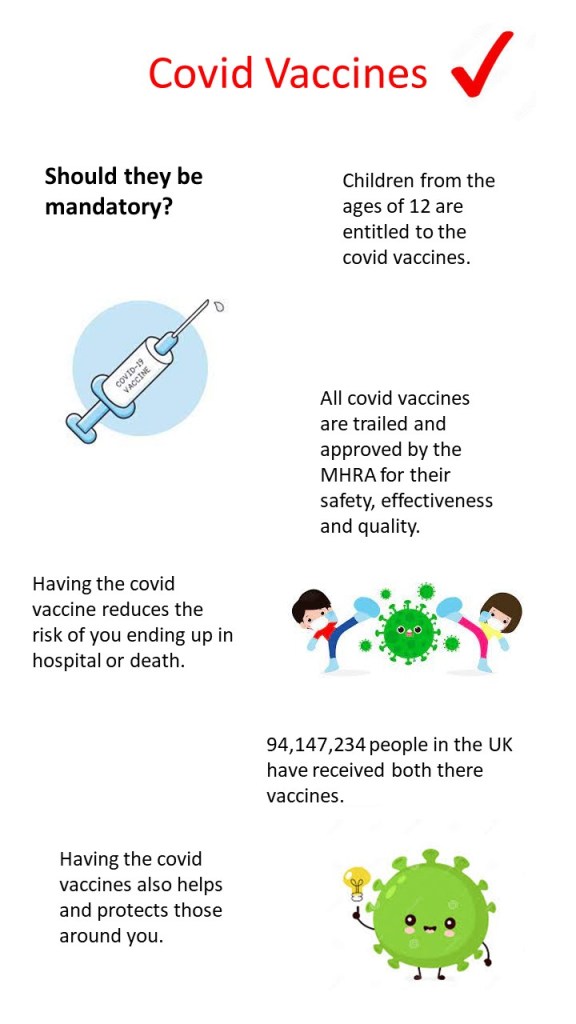
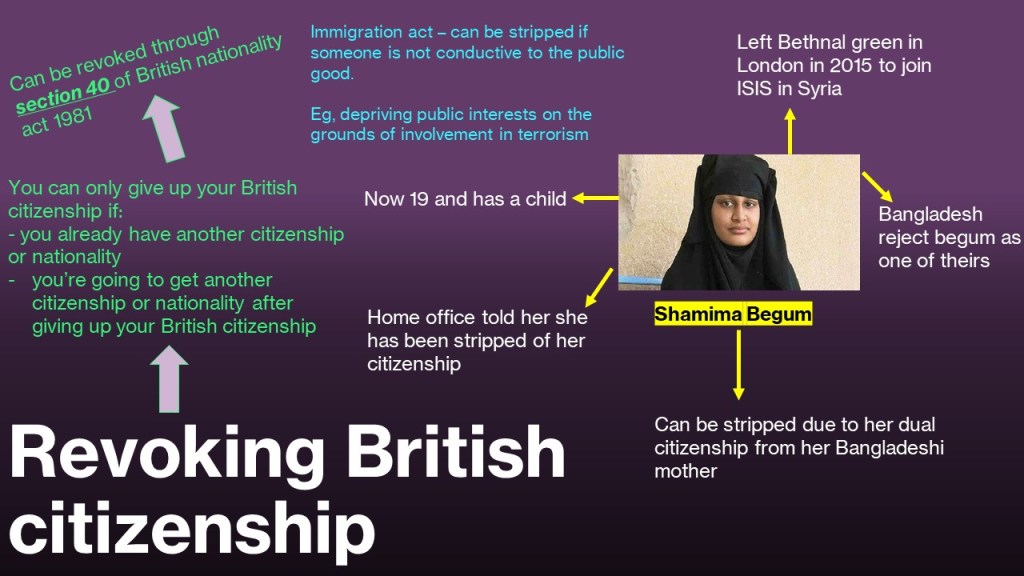
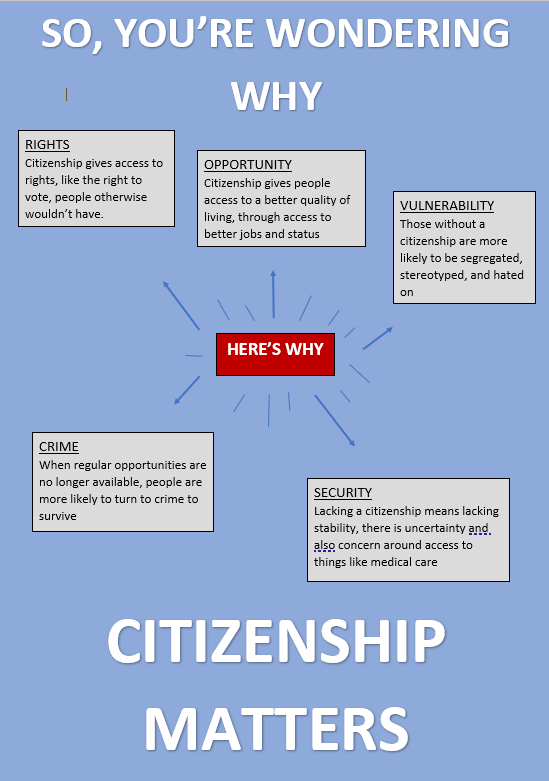
The start of the 2021/2022 academic year had its own pandemic challenges with many people still shielding, others awaiting covid vaccinations and the sheer uncertainty of going out and meeting people under threat of a deadly disease. After taking on board student feedback, we decided to run a similar activity during the first week of the new term. As before, students were placed into small groups, advised to take the default approach of online meetings (unless all members were happy to meet physically), provided with a very short prompt and limited guidance as to how best to tackle the project. The prompts were as follows:
Year 1: Femicide
Year 2: Mandatory covid vaccinations
Year 3: Revoking British citizenship
Many of the students had never physically met, yet managed to come together in the midst of a pandemic, negotiate a strategy, carry out the work and produce well designed and thoughtful, criminological posters.
As can be seen from the collage below, everyone involved embraced the challenge and created some remarkable posters. Some of these have been shared previously across social media but this is the first time they have all appeared together in one place.
I am sure everyone will agree our students demonstrated knowledge, understanding, resilience and stamina. We will be running a similar activity for the first week of the academic year 2022-2022, with different prompts to provoke thought and encourage dialogue and team work. We’ll also take on board student and staff feedback from the previous two activities. Plato once wrote that ‘our need will be the real creator’, put more colloquially, necessity is the mother of all invention, and that is certainly true of our first week activity.
Who knows what exciting ideas and posters will be demonstrated this time, but one thing is for sure Criminology students have the opportunity to flex their activism, prepare to campaign for social justice, in the process becoming real #Changemakers.


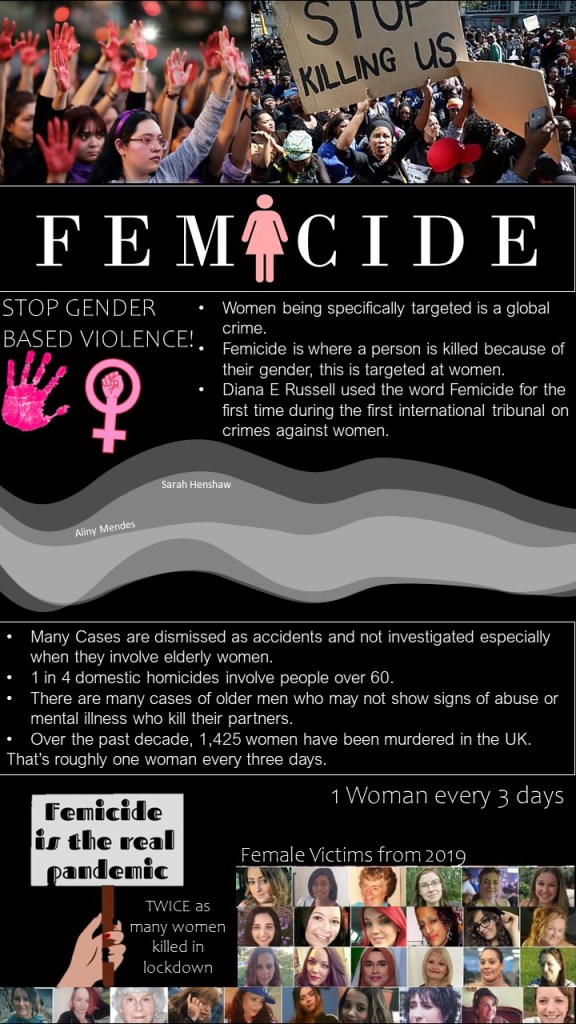

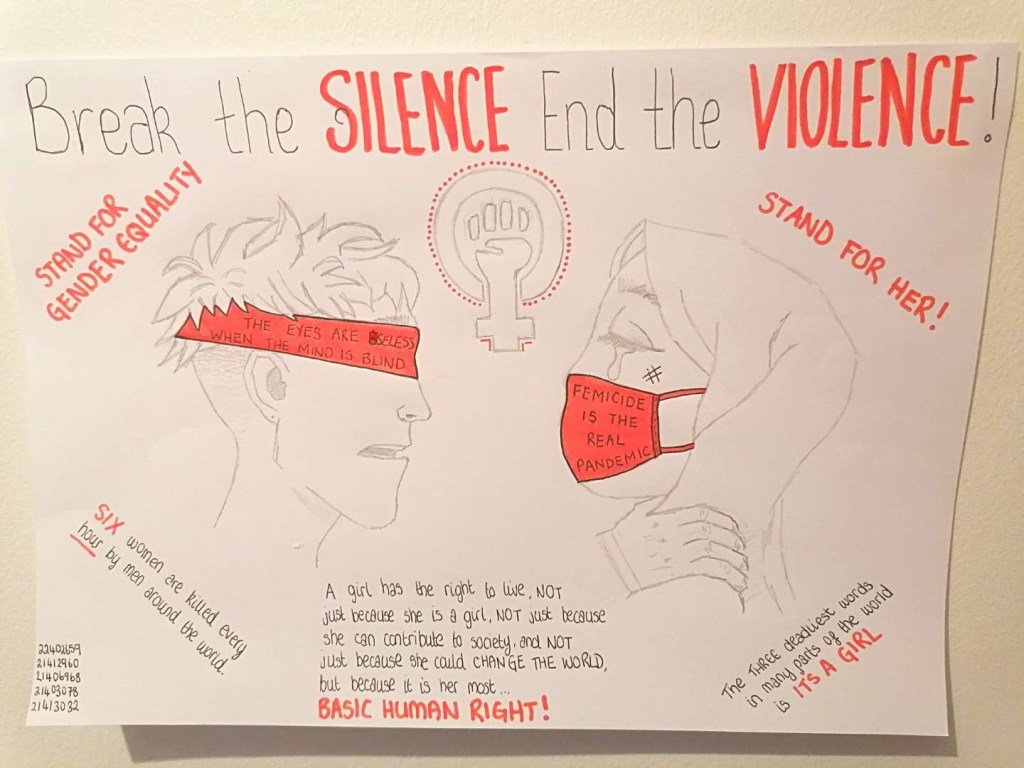


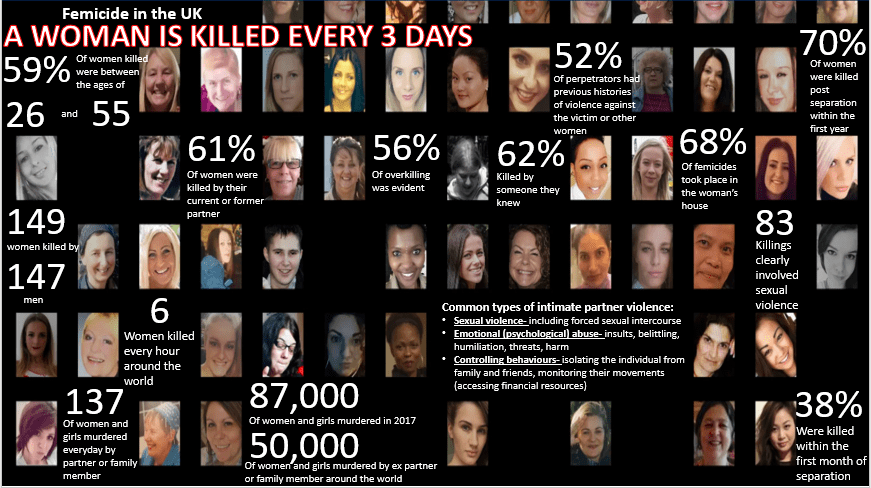












Share this:


Merry Christmas

“Merry Christmas”, a seasonal greeting dating back in 1534 when Bishop John Fisher was the first on record to write it. Since then across the English-speaking world, Merry Christmas became the festive greeting to mark the winter festive season. Although it marks a single day, the greeting relates to an entire season from Christmas Eve to the 12th night (eve of the epiphany). The season simulates the process of leading to the birth, circumcision and the baptism of Jesus. Like all births, there is an essential joy in the process, which is why in the middle of it there is the calendar change of the year, to mark more clearly the need for renewal. At the darkest time of the year, for the Northern hemisphere the anticipation of life and lights to come soon. Baby Jesus becomes an image of piety immortalised in numerous mangers in cities around the world.
The meaning is primarily religious dating back to when faith was the main compass of moral judgment. In fact, the celebrations were the last remnants of the old religion before the Romans established Christianity as the main faith. The new religion brought some changes, but it retained the role of moral authority. What is right and wrong, fair and unfair, true and false, all these questions were identified by men of faith who guided people across life’s dilemmas. There is some simplicity in life that very difficult decisions can be referred to a superior authority, especially when people question their way of living and the social injustice they experience. A good, faithful person need not to worry about these things, as the greater the suffering in this life, the greater the happiness in the afterlife. Marx in his introduction to Hegel’s philosophy regarding religion said, “Die Religion ist das Opium des Volkes”, or religion is the opium of the people. His statement was taken out of context and massively misquoted when the main thrust of his point was how religion could absorb social discontent and provide some contentment.
Faith has a level of sternness and glumness as the requirement to maintain a righteous life is difficult. Life is limited by its own existence, and religion, in recognition of the sacrifices required, offers occasional moments for people to indulge and embrace a little bit of happiness. When religious doctrine forgot happiness, people became demoralised and rebellious. A lesson learned by those dour looking puritans who banned dancing and singing at their own peril! Ironically the need to maintain a virtuous life was reserved primarily for those who were oppressed, the enslaved, the poor, the women, many others deemed to have no hope in this life. The ones who lived a privileged life had to respond to a different set of lesser moral rules.
People, of course, know that they live in an unjust society regardless of the time; whether it is an absolute monarchy or a representative republic. Regardless of the regime, religion was there to offer people solace in despair and destitution with the hope of a better afterlife. Even in prisons the charitable wealthy will offer a few ounces of meat and grain for the prisoners to have at least a festive meal on Christmas Day. Traditionally, employers will offer a festive bonus so that employees can get a goose for the festive meal, leaving those who didn’t to be visited by the ghosts of their own greed, as Dickens tells us in a Christmas carol. At that point, Dickens concerned with dire working conditions and the oppression of the working classes subverts the message to a social one.
By the time we move to the age of discovery, we witness the way knowledge conflicts with faith and starts to question the existence of afterlife…but still we say Merry Christmas! There is a recognition that the message now is more humanist, social and even family focused rather than a reaffirmation of faith. So, the greeting may have remained the same, but it could symbolise something quite different. If that is the case, then our greeting today should mean, the need to embrace humanity to accept those around us unconditionally, work and live in the world fighting injustices around. “Merry Christmas” and Speak up to injustices. Rulers and managers come and go; their oppression, madness and tyranny are temporary but people’s convictions, collectivity and fortitude remain resolute.
Christmas is meant to be a happy time full of joy, wonder and gifts. Lights in the streets, cheerful music in the shops, a lot of good food and plenty of gifts. This is at least the “official” view; which has grown to become such an oppressive event for those who do not share this experience. There are people who this festive season live alone, and their social isolation will become even greater. There are those who live in abusive relationships. There are children who instead of gifts will receive abuse. There are people locked up feeling despair; traditionally in prisons suicide rates go rocket high at the festive season. There are those who live in such conditions that even a meal is a luxury that they cannot afford every day. There are who live without a shelter in cold and inhuman conditions. These are people to whom festivities come as a slap in the face, in some cases even literal, to underline the continuous unfairness of their situation.
Most of us may have read “the little match girl” as kids. A story that let us know of the complete desperation of those people living in poverty. A child, like the more than a million children every year that die hoping until the very end. The irony is that for many millions of people around the world conditions have not changed since the original publication of the story back in mid-19th century. During this Christmas, there will be a child in a hospital bed, a child with a family of refugees crossing at sea, or a child working in the most inhuman conditions. Millions of children whose only wish is not a gift but life. The unfairness of these conditions makes it clear that “Merry Christmas” is not enough of a greeting. So, either we need to rebrand the wish or change its meaning!
The Criminology Team would like to wish “Social Justice” for all; our colleagues who fight for the future, our students who hope for a better life, our community that wishes for a better tomorrow, our world who deals with the challenges of the environment and the pandemic. Diogenes the Cynic used to carry a lantern around in search of humans; we hope that this winter you have the opportunity (unlike Diogenes) to find another person and spend some pleasant moments together.
Share this:


The Maid: A Few Thoughts

Last week featured my first weekend of rest in a long time and I was desperate to do nothing. In conversation with a friend I mentioned that I had not binge-watched anything in a long time and she suggested The Maid (streaming on Netflix) with a warning that it was brilliant but that I might find it traumatic. I consumed the entire season over the weekend, even after I messaged said friend to inform her after episode two that it was a difficult watch and I would need a break. I did not take a break and powered through. If you have ever been through, witnessed or supported someone through abuse, this will be a difficult watch but I also found it quite therapeutic because it was realistic.
The series is about domestic abuse and focuses on emotional abuse, addressing some of the stigma and contested victimhood of those who suffer non-physical abuse. Although based in the US, it addresses the lack of recognition in the legal system for abusive relationships that do not feature physical violence. The show highlighted that many in society do not recognise non-physical domestic abuse as ‘real’ or ‘enough’, and for a while the female lead (Alex) herself did not perceive herself to be victimised enough to warrant support from a refuge or seek help from the police. She later moves through her denial after getting flashbacks as a symptom of PTSD. She realised that having witnessed her father perpetrate violence towards her mother as a child, her daughter was now impacted in exactly the same way, despite this ‘lesser’ form of abuse.
Much of the series showed the struggles of single mothers leaving abusive relationships, often with nothing but the clothes on their backs. Forcibly displaced, they slowly try to rebuild their lives, applying for state benefits, social housing and childcare. Alex quickly finds a job and still finds it difficult to find a place to live because she needs state support to supplement her rent and deposit. There are few landlords who accept tenants receiving state support, both in the US and the UK. She is repeatedly facing the barriers of an unjust system, stacked against her because of the type of victimisation she suffered.
While facing structural barriers, the maid found help in the most unlikely people: women in the shelter, a social worker helping her to fight the system, a wealthy woman she worked for. Her relationships changed with some people to access support. She was forced to seek help from her father and another male friend when she was left homeless which had difficult gendered dynamics. The father had been abusive to her mother and when she recalled this, it caused conflict in her relationship and she left his home, despite this leaving her homeless once again. Her male friend appeared to be helpful and kind but did so with the expectation she would start a relationship with him and when this did not materialise she was again asked to leave with nowhere to go so she returns to her ex-partner.
The maid does not as much get back into a relationship with him than coexists with him. The relationship he thinks they have is not what her reality is. He thinks she has come home, she is there because she is homeless with nowhere else to go. They live parallel lives. After returning to the ‘family home’, Alex falls into depression and suffers PTSD. Some of the imagery here is intense. In one scene the sofa swallows her up, as if she wished to sink into the cracks of the furniture, not wanting to be seen, wanting to escape but with no means to flee or places to flee to. In other scenes, she tries to go for a walk in the forest, but the trees close in around her, visually representing the isolation her abuser has forced upon her.
My main criticism is in the final episode when Sean tells the maid he will get sober but getting sober will not fix this. Alcohol is not the problem. He was abusive during his sober phases. Quitting alcohol does not transplant men’s attitudes, values and beliefs towards women. Being sober does not remove the need for abusive men to control women. This sends the wrong message to the audience, and it is a dangerous message to send. I would have liked to see the series end with Sean admitting he was a controlling, abusive man and that he would get help for this. Instead he blamed his behaviour on alcohol.
I’m going to play the tape forward and imagine a season 2 because I have witnessed this scenario a few times over the years. He cleans up, gets sober and appears to look like he is doing well. He may have been to rehab or AA where he was taught that he probably should not punch walls or throw objects at people’s heads. He gets in a new relationship and it looks like all is well for a while but he still has not admitted or addressed why he was abusive so his behaviours are there, they are just more subtle. He gaslights, manipulates, controls. But he isn’t outwardly aggressive so he gets away with it for a while. Until he doesn’t.
Share this:


Criminology First Week Activity (2020)

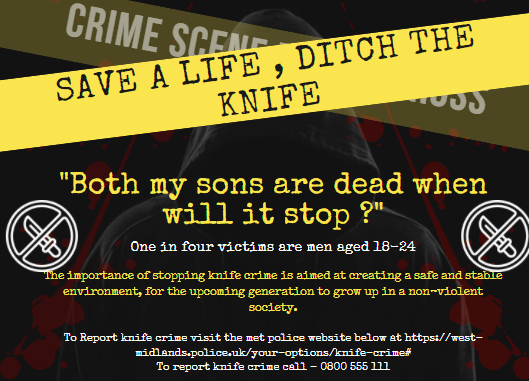
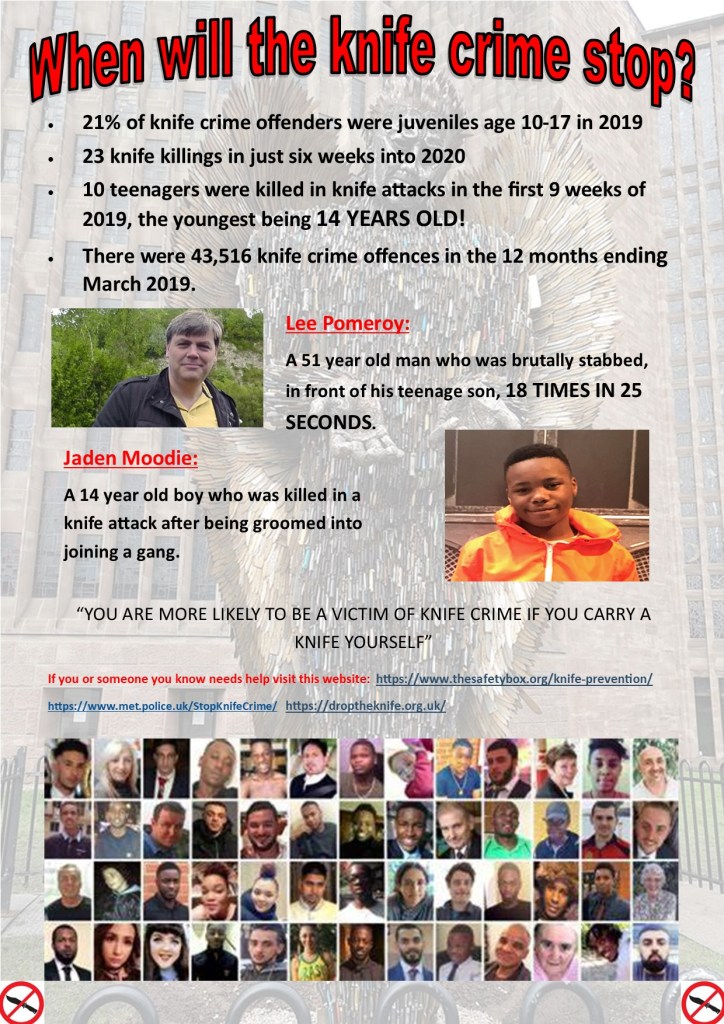
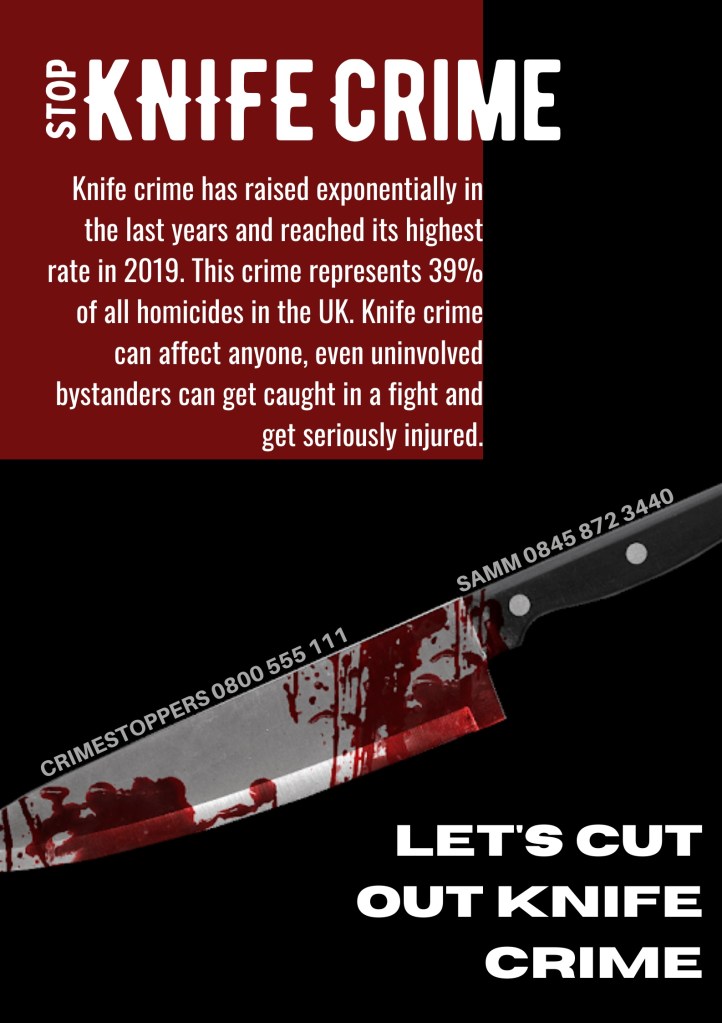
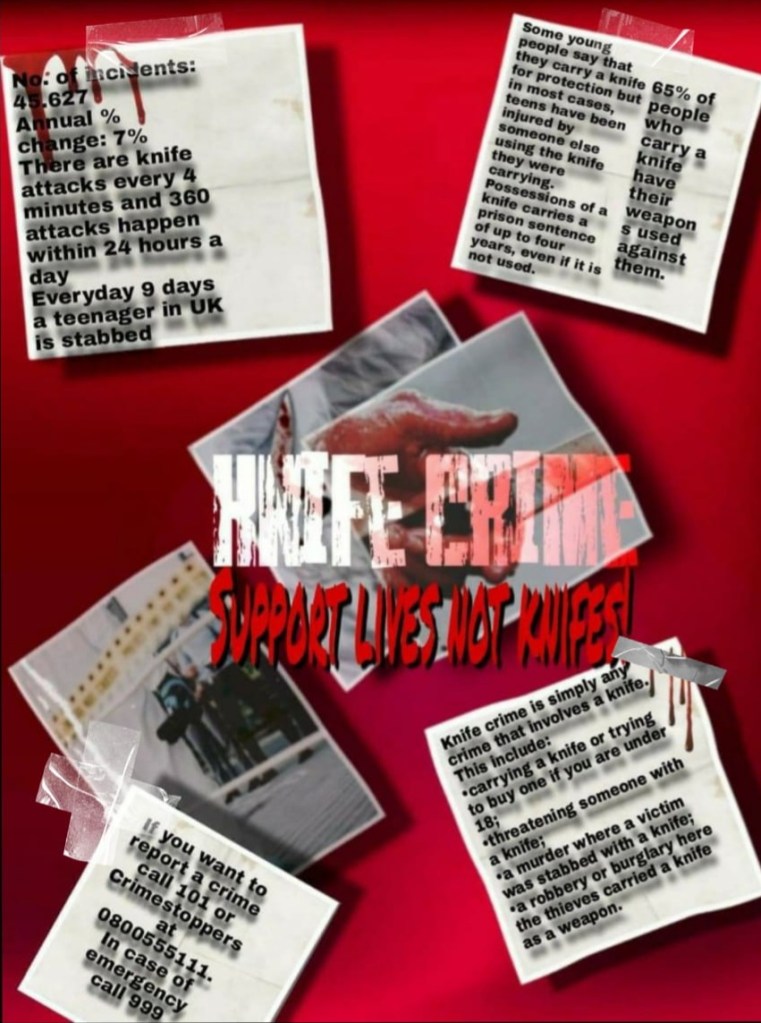
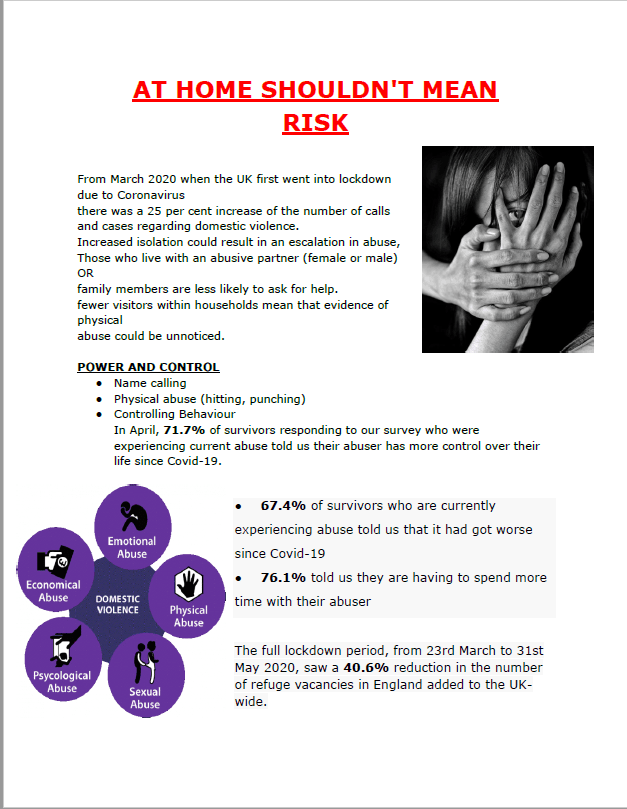
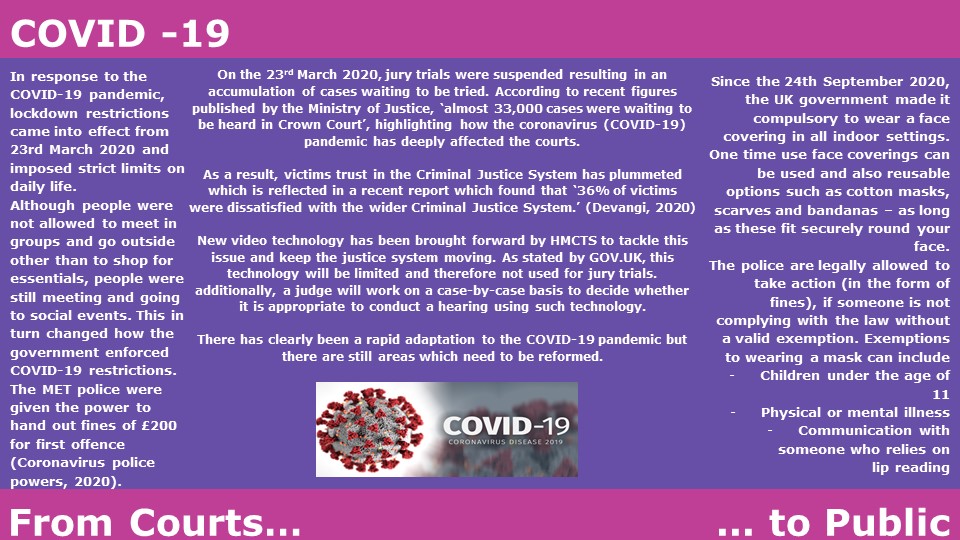
As we prepare to start the new academic year, it is worth reflecting on the beginning of the last one. In 2020 we began the academic year with a whole cohort activity designed to explore visual criminology and inspire the criminological imagination. Students were placed into small (socially distanced) groups, provided with a very short prompt and limited guidance as to how best to tackle the project. The prompts were as follows:
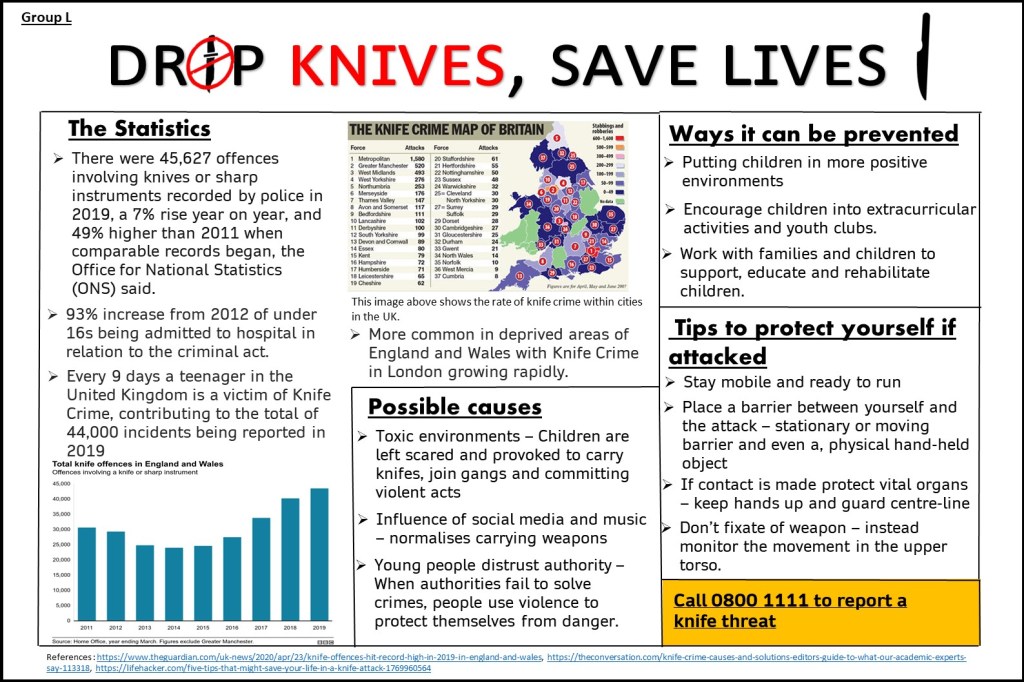
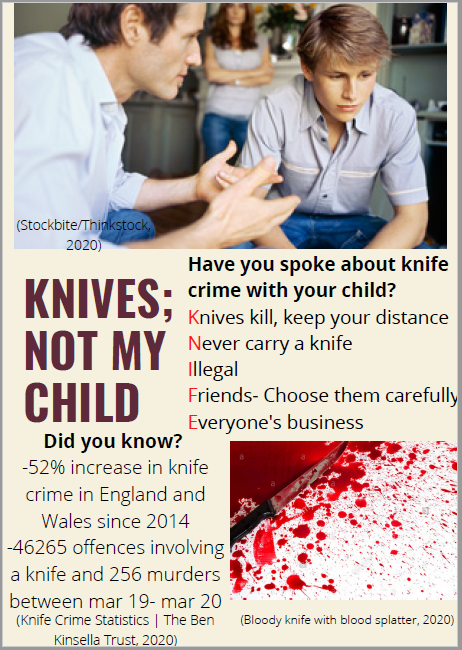
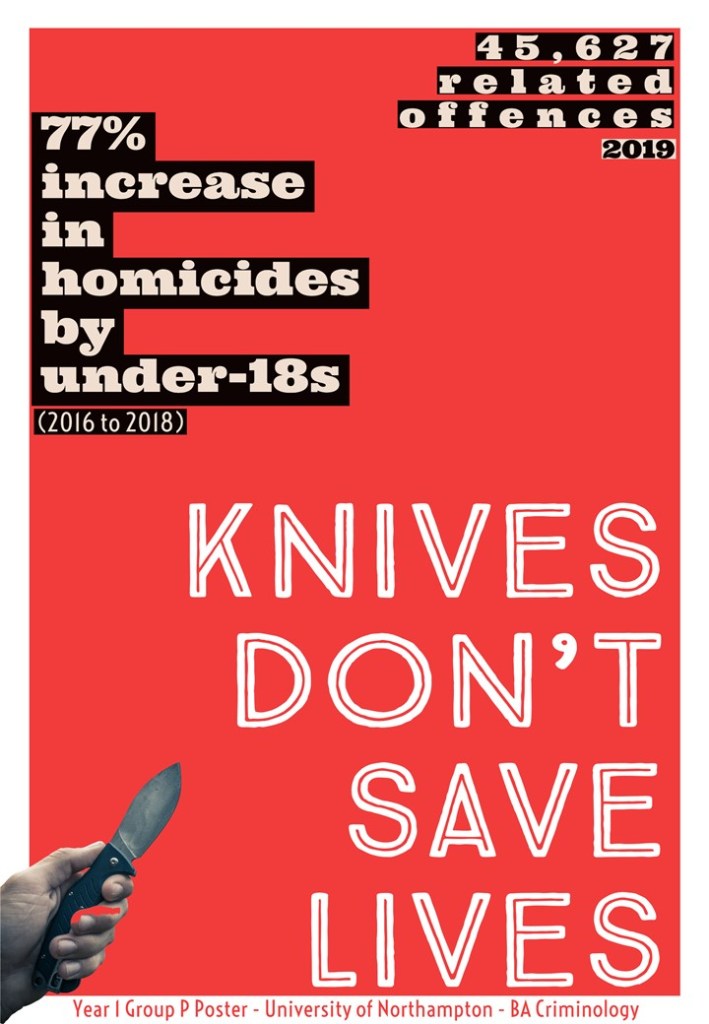
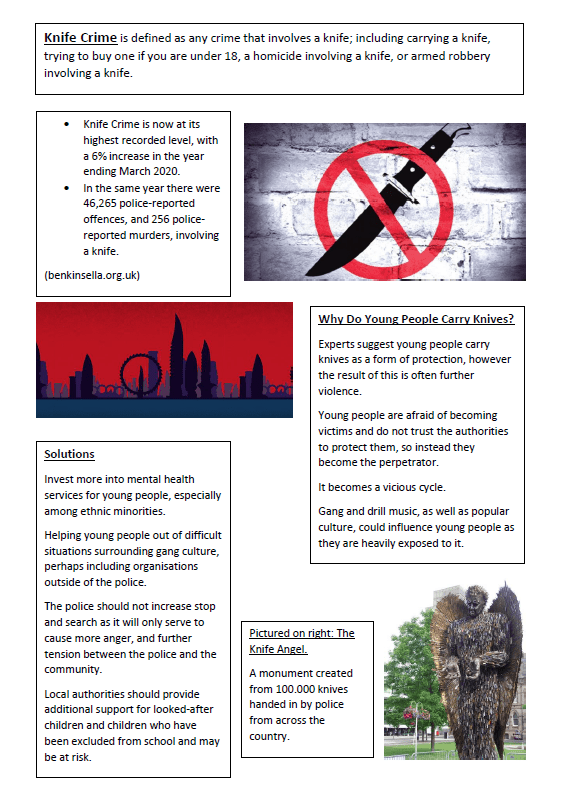
Year 1: Knife Crime
Year 2: Policing Protest (e.g. Black Lives Matter, Extinction Rebellion and so on)
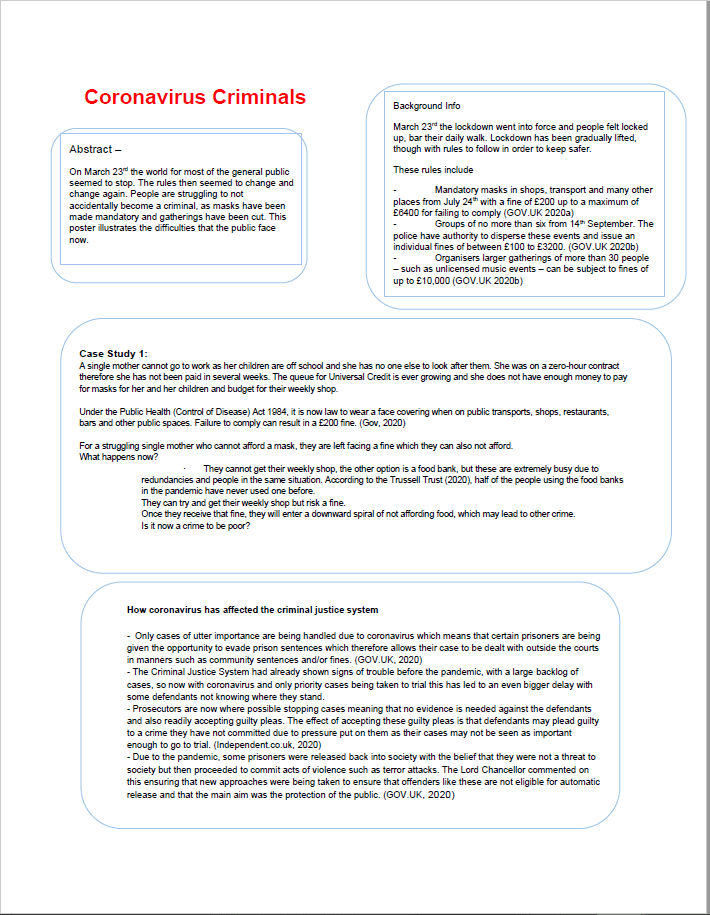
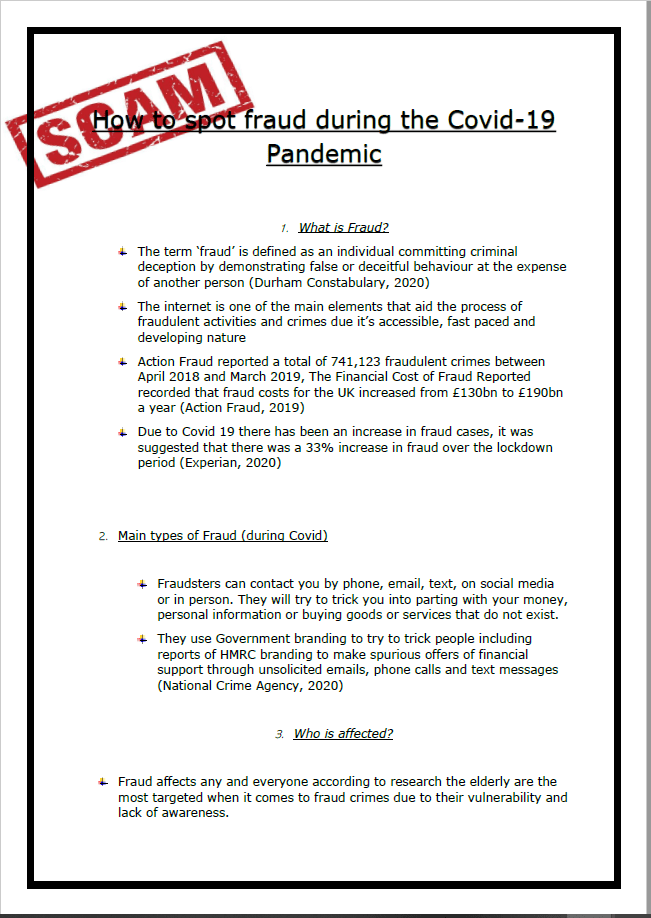
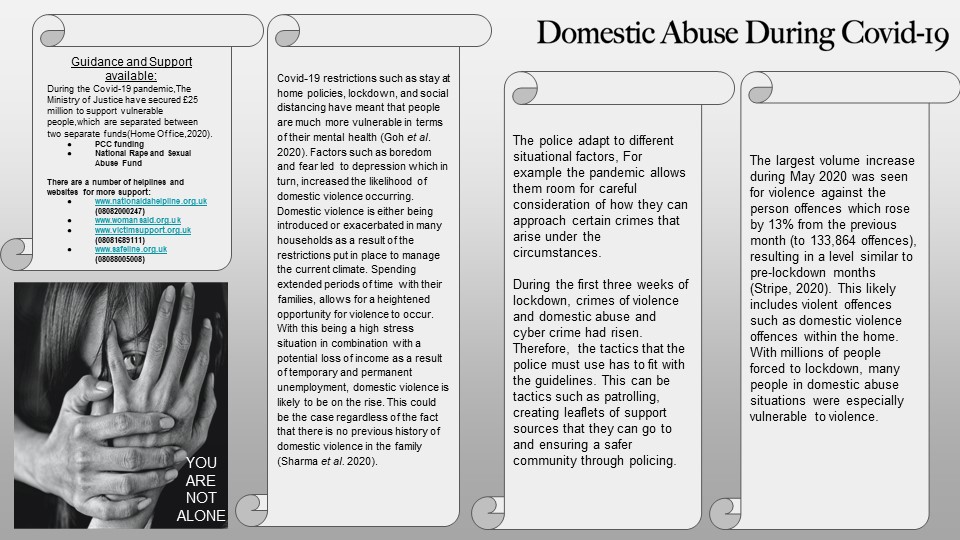
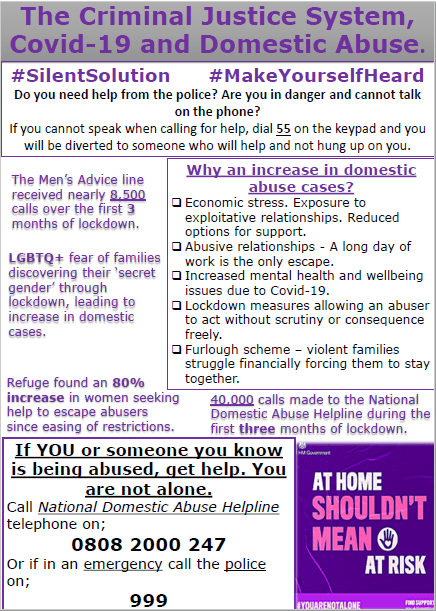
Year 3: Creating Criminals: the CJS during the Covid-19 pandemic
Many of the students had never physically met, yet managed to come together in the midst of a pandemic, negotiate a strategy, carry out the work and produce well designed and thoughtful, criminological posters.
As can be seen from the collage below, everyone involved embraced the challenge and created some remarkable posters. Some of these have been shared previously across social media but this is the first time they have all appeared together in one place.
I am sure everyone will agree our students demonstrated knowledge, understanding, resilience and stamina. We will be running a similar activity for the first week of the academic year 2021-2022, with different prompts to provoke thought and encourage dialogue and team work. Who knows what exciting ideas and posters will be demonstrated this time, but one thing is for sure Criminology students have the opportunity to campaign for social justice becoming real #Changemakers.
















 Thoughts from the criminology team