
Home » Deprivation
Category Archives: Deprivation

Cost of Living Crisis: Don’t worry it’s the Sovereign’s Birthday!*

On Saturday 31st May 2025, on Wellington Arch there was an increased presence of police. It was a sunny, albeit windy day in central London, and lots of people (tourists and locals) raised questions around why there appeared to be an increased police presence on this final Saturday of the May half term. At around 1pm approximately, what appeared to be hundreds of uniformed royal officers on horseback paraded through Wellington Arch into Hyde Park. They appeared to have come from Buckingham Palace. It was quite a sight to see! Every Sunday, there is a small parade, known as Changing of the Guard, but this was a substantially bigger ordeal. There is usually 2/3 police bikes that escorts the parade on the Sunday but not the numbers of Police (vans, bikes and officers) out on this sunny Saturday. It is over quickly, but the amount of people power, and I would imagine money, this has used seems quite ridiculous.
It turns out the large parade on May 31st was a ‘practice run’ for the Trooping of the Colour, which will occur on Saturday 15th June 2025. The Trooping of the Colour marks the ‘official’ birthday of the British Soverign and has done so for over 260years (Royal Household, 2025). It involves “Over 1400 parading soldiers, 200 horses and 400 musicians […] in a great display of military precision, horsemanship and fanfare to mark the Sovereign’s official birthday” (Royal Household, 2025). Having seen this every year, it is quite a spectacle and it does generate a buzz and increase in tourism to the area every year. I know the local small businesses in the surrounding areas are grateful for the increase in people, and it draws tourists in globally to view which generates money for the economy. But given the poverty levels visibly evident in London (not to mention those which are hidden), is this a suitable spend of money? Add on the more alarming issues with the monarchy and what it represents steeped in the clutches of empire and fostering hierarchies and inequalities, should this ‘celebration’ still be occurring? It’s the ‘Official’ Birthday of the Sovereign, but how many Birthdays does one need?
According to a Freedom of Information Request, the Ministry of Defence claimed in 2021, the Trooping of the Colour cost taxpayers around £60,000 (not the cost of the event, as there would have been other monies attached to funding this). Imagine what good this money could do: the people it could feed, the people it could provide shelter for, the medical treatment or research it could fund! Given this was 2021, I am going to hazard a guess that in 2025 this is going to cost significantly more. And for what? The Monarchy is the visual embodiment of empire, and according to the National Centre of Social Research, support for and interest in the Monarchy has been steadily declining for the past decade (NCSR, 2025). So even if people choose to ignore the horrific past of the British Sovereigns, it would appear that many are not interested in the Monarchy, regardless of its history (NCSR, 2025). I am aware the Royal family, and these ‘celebrations’, bring in income and generates global interest which translates to the argument that having a Monarchy is ‘economically viable’, but when you look at the disadvantage elsewhere, especially in London, its hard not to question clinging on to such traditions and the expense of meeting people’s basic needs. There is no critical consideration of what maintaining these traditions might suggest, or how they might impact those most effected by the British Empire and Colonialism. So why are these ‘celebrations’ persisting, and why are they having a practice run when steps away from them, in the underpass by Hyde Park Tube station there are people sleeping rough and begging for food? It feels as though there is a serious disconnect between what society needs (affordable homes, food, reasonable living wage, rehabilitation programmes, support and care) and what society will get (a glorified Birthday party for the ‘British Sovereign’).
*Note: the title of the blog should be read dripping in sarcasm.
References:
The National Centre for Social Research (2024) British Social Attitudes: Support for the Monarchy Falls [online]. Available at: https://natcen.ac.uk/news/british-social-attitudes-support-monarchy-falls-new-low [Accessed 4th June 2025].
The Royal Household (2025) What is Trooping the Colour? [Online]. Available at: https://www.royal.uk/what-is-trooping-the-colour#:~:text=The%20Trooping%20of%20the%20Colour,mark%20the%20Sovereign’s%20official%20birthday [Accessed 4th June 2025].
Share this:


SUPREME COURT VISIT WITH MY CRIMINOLOGY SQUAD!

Author: Dr Paul Famosaya
This week, I’m excited to share my recent visit to the Supreme Court in London – a place that never fails to inspire me with its magnificent architecture and rich legal heritage. On Wednesday, I accompanied our final year criminology students along with my colleagues Jes, Liam, and our department head, Manos, on what proved to be a fascinating educational visit. For those unfamiliar with its role, the Supreme Court of the United Kingdom stands at the apex of our legal system. It was established in 2009, and serves as the final court for all civil cases in the UK and criminal cases from England, Wales, and Northern Ireland. From a criminological perspective, this institution is particularly significant as it shapes the interpretation and application of criminal law through precedent-setting judgments that influence every level of our criminal justice system

7:45 AM: Made it to campus just in the nick of time to join the team. Nothing starts a Supreme Court visit quite like a dash through Abington’s morning traffic!

8:00 AM: Our coach is set to whisk us away to London!
Okay, real talk – whoever designed these coach air conditioning systems clearly has a vendetta against warm-blooded academics like me! 🥶 Here I am, all excited about the visit, and the temperature is giving me an impromptu lesson in ‘cry’ogenics. But hey, nothing can hold us down!.

Picture: Inside the coach where you can spot the perfect mix of university life – some students chatting about the visit, while others are already practising their courtroom napping skills 😴
There’s our department Head of Departmen Manos, diligently doing probably his fifth headcount 😂. Big boss is channelling his inner primary school teacher right now, armed with his attendance sheet and pen and all. And yes, there’s someone there in row 5 I think, who’s already dozed off 🤦🏽♀️ Honestly, can’t blame them, it’s criminally early!
9:05 AM The dreaded M1 traffic
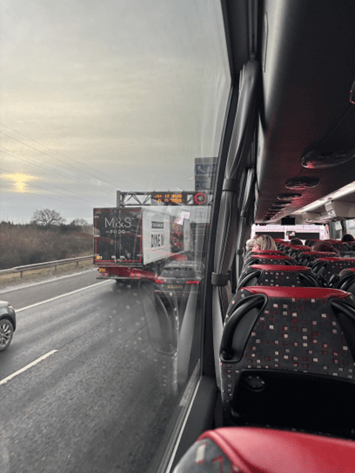
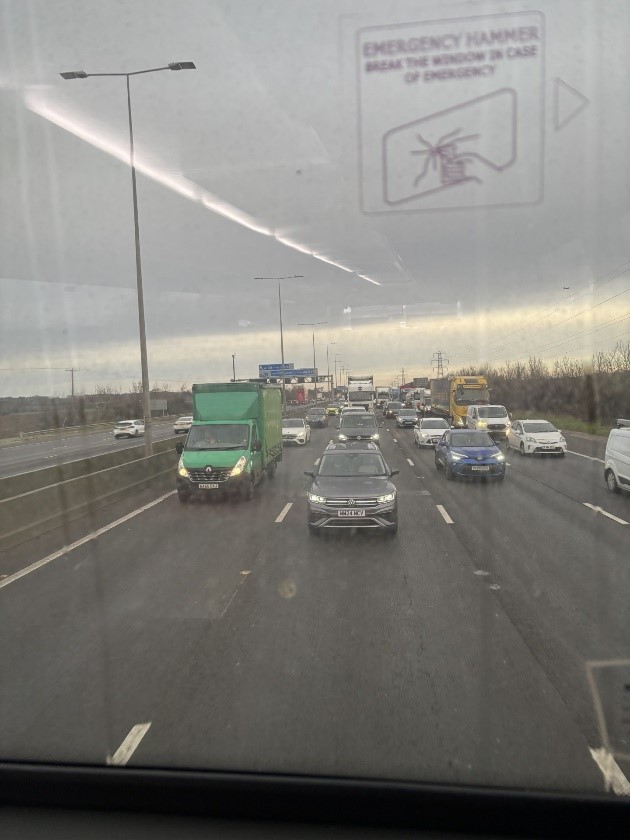
Sometimes these slow moments give us the best opportunities to reflect. While we’re crawling through, my mind wanders to some of the landmark cases we’ll be discussing today. The Supreme Court’s role in shaping our most complex moral and legal debates is fascinating – take the assisted dying cases for instance. These aren’t just legal arguments; they’re profound questions about human dignity, autonomy, and the limits of state intervention in deeply personal decisions. It’s also interesting to think about how the evolution of our highest court reflects (or sometimes doesn’t reflect) the society it serves. When we discuss access to justice in our criminology lectures, we often talk about how diverse perspectives and lived experiences shape legal interpretation and decision-making. These thoughts feel particularly relevant as we approach the very institution where these crucial decisions are made.

The traffic might be testing our patience, but at least it’s giving us time to really think about these issues.
10:07 AM – Arriving London – The stark reality of London’s inequality hits you right here, just steps from Hyde Park.
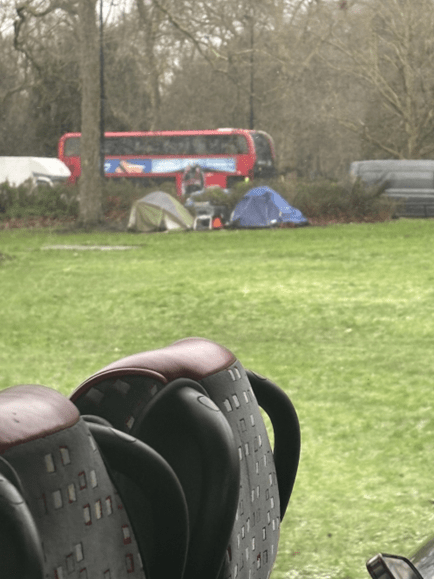
Honestly, this is a scene that perfectly summarises the deep social divisions in our society – luxury cars pulling up to the Dorchester where rooms cost more per night than many people earn in a month, while just meters away, our fellow citizens are forced to make their beds on cold pavements. As a criminologist, these scenes raise critical questions about structural violence and social harms. When we discuss crime and justice in our lectures, we often talk about root causes. Here they are, laid bare on London’s streets – the direct consequences of austerity policies, inadequate mental health support, and a housing crisis that continues to push more people into precarity. But as we say in the Nigerian dictionary of life lessons – WE MOVE!! 🚀
10:31 AM Supreme Court security check time
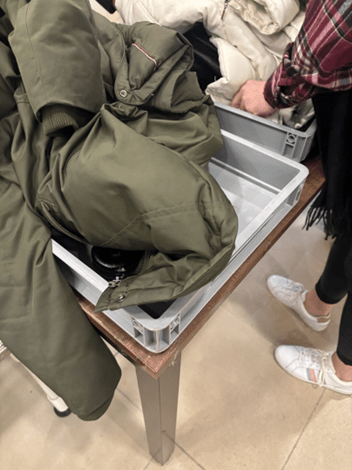
Security check time, and LISTEN to how they’re checking our students’ water bottles! The way they’re examining those drinks is giving: Nah this looks suspicious 🤔

So there I am, breezing through security like a pro (years of academic conferences finally paying off!). Our students follow suit, all very professional and courtroom-ready. But wait for it… who’s that getting the extra-special security attention? None other than our beloved department head Manos! 😂

The security guard’s face is priceless as he looks through his bags back and forth. Jes whispers to me ‘is Manos trying to sneak in something into the supreme court?’ 😂 Maybe they mistook his collection of snacks for contraband? Or perhaps his stack of risk assessment forms looked suspicious? 😂 There he is, explaining himself, while the rest of us try (and fail) to suppress our giggles. He is a free man after all.
10: 44AM Right so first stop, – Court Room 1.


Our tour guide provided an overview of this institution, established in 2009 when it took over from the House of Lords as the UK’s highest court. The transformation from being part of the legislature to becoming a physically separate supreme court marked a crucial step in the separation of powers in the country’s legislation. There’s something powerful about standing in this room where the Justices (though they usually sit in panels of 5 or 7) make decisions. Each case mentioned had our criminology students leaning in closer, seeing how theoretical concepts from their modules materialise in this very room.
10:59 AM Moving into Court 2, the more modern one!


After exploring Courtroom 1, we moved into Court Room 2, and yep, I also saw the contrast! And apparently, our guide revealed, this is the judges’ favourite spot to dispense justice – can’t blame them, the leather chairs felt lush tbh!
Speaking of judges, give it up for our very own Joseph Buswell who absolutely nailed it when the guide asked about Supreme Court proceedings! 👏🏾 As he correctly pointed out, while we have 12 Supreme Court Justices in total, they don’t all pile in for every case. Instead, they work in panels of 3 or 5 (always keeping it odd to avoid those awkward tie situations). 👏🏾 And what makes Court Room 2 particularly significant for public access to justice the cameras and modern AV equipment which allow for those constitutional and legal debates to be broadcast to the nation. Spot that sneaky camera right at the top? Transparency level: 100% I guess!

The exhibition area

The exhibition space was packed with rich historical moments from the Supreme Court’s journey. Among the displays, I found myself pausing at the wall of Justice portraits. Let’s just say it offered quite the visual commentary on our judiciary’s journey towards representation…

Beyond the portraits, the exhibition showcased crucial stories of landmark judgments that have shaped our legal landscape. Each case display reminded us how crucial diverse perspectives are in the interpretation and application of law in our multicultural society.

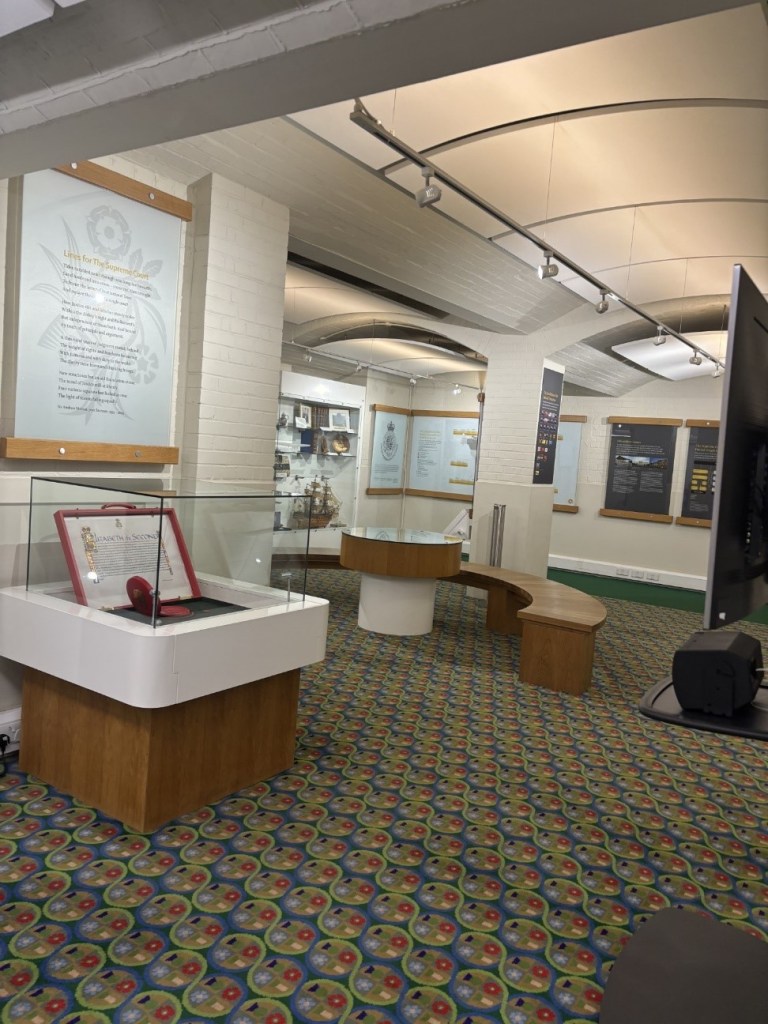

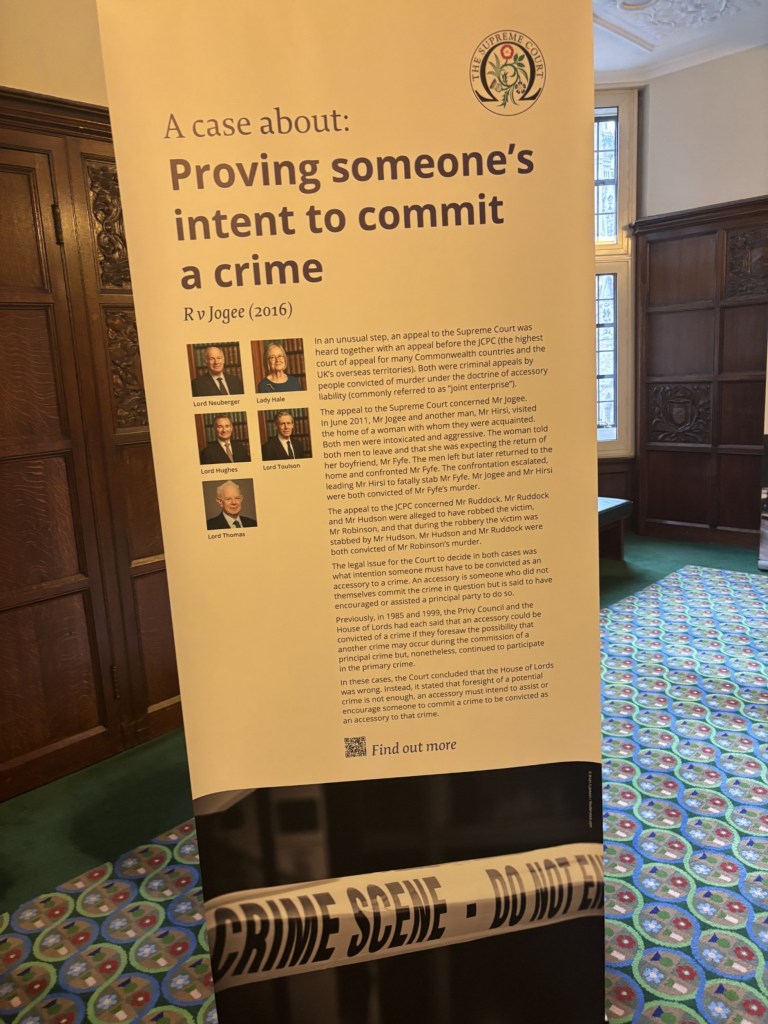
11: 21AM Moving into Court 3, home of the Judicial Committee of the Privy Council (JCPC)

The sight of those Commonwealth flags tells a powerful story about the evolution of colonial legal systems and modern voluntary jurisdiction. Our guide explained how the JCPC continues to serve as the highest court of appeal for various independent Commonwealth countries. The relationship between local courts in these jurisdictions and the JCPC raises critical questions about legal sovereignty and judicial independence and the students were particularly intrigued by how different legal systems interact within this framework – with each country maintaining its own laws and legal traditions, yet looks to London for final decisions.

Breaktime!!!!
While the group headed out in search of food, Jes and I were bringing up the rear, catching up after the holiday and literally SCREAMING about last year’s Winter Wonderland burger and hot dog prices (“£7.50 for entry too? In this Keir Starmer economy?!😱”). Anyway, half our students had scattered – some in search of sustenance, others answering the siren call of Zara (because obviously, a Supreme Court visit requires a side of retail therapy 😉).


But here’s the moment that had us STUNNED – right there on the street, who should come power-walking past but Sir Chris Whitty himself! 😱 England’s Chief Medical Officer was on a mission, absolutely zooming past us like he had an urgent SAGE meeting to get to 🏃♂️. That man moves with PURPOSE! I barely had time to nudge Jes before he’d disappeared. One second he was there, the next – gone! Clearly, those years of walking to press briefings during the pandemic have given him some serious speed-walking skills! 👀
3:30 PM – Group Photo!
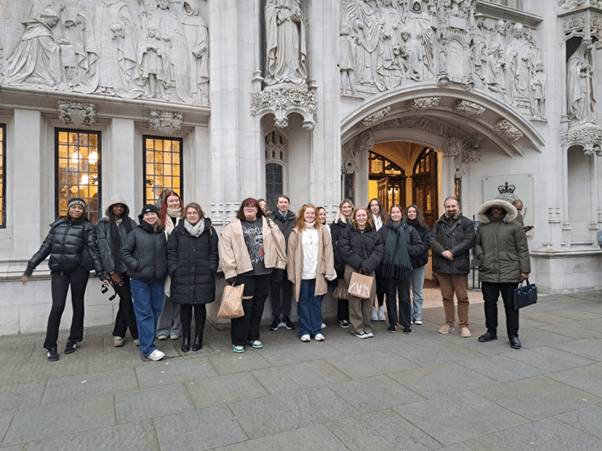
Looking at these final year criminology students in our group photo though! Even with that criminal early morning start (pun intended 😅), they made it through the whole Supreme Court experience! Big shout out to all of them 👏🏾👏🏾👏🏾👏🏾👏🏾👏🏾 Can you spot me? I’m the one on the far right looking like I’m ready for Arctic exploration (as Paula mentioned yesterday), not London weather! 🥶 Listen, my ancestral thermometer was not calibrated for this kind cold today o! Had to wrap up in my hoodie like I was jollof rice in banana leaves – and you know we don’t play with our jollof! 😤
4:55 PM Heading Back To NN

On the journey back to NN, while some students dozed off (can’t blame them – legal learning is exhausting!), I found myself reflecting on everything we’d learned. From the workings of the highest court in our land to the stark realities of social inequality we witnessed near Hyde Park, today brought our theoretical classroom discussions into sharp focus. Sitting here, watching London fade into the distance, I’m reminded of why these field trips are so crucial for our students’ understanding of justice, law, and society.
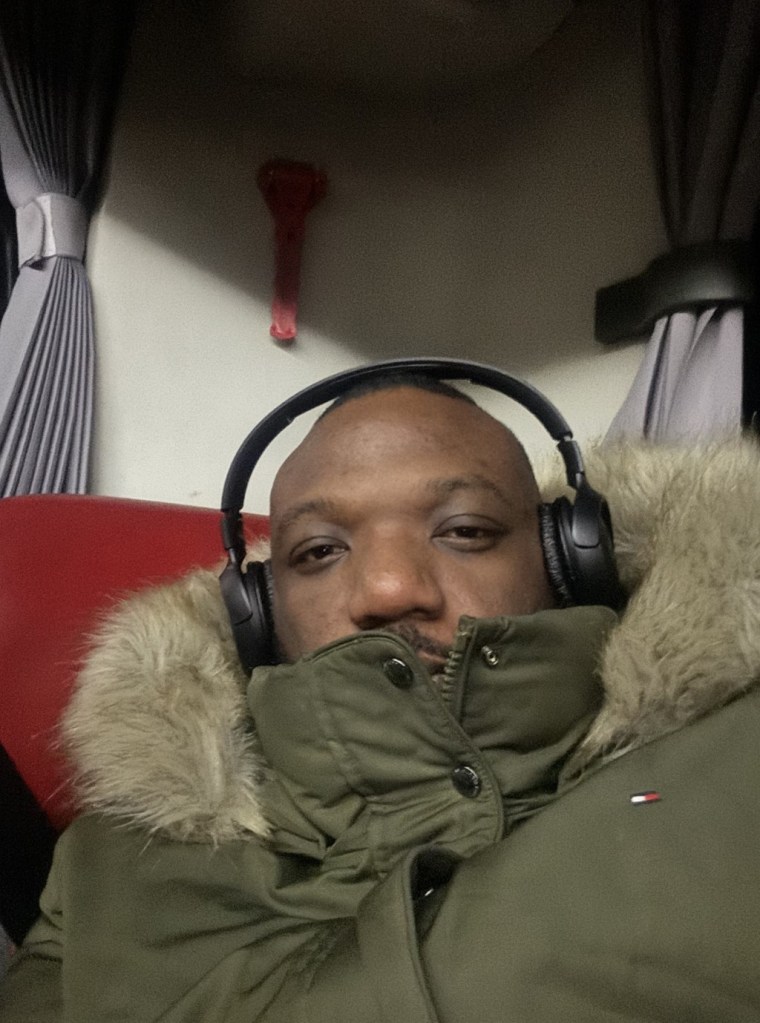

Listen, can we take a moment to appreciate our driver though?! Navigating that M1 traffic like a BOSS, and getting us back safe and sound! The real MVP of the day! 👏🏾👏🏾👏🏾👏🏾👏🏾👏🏾
And just like that, our Supreme Court trip comes to an end. From early morning rush to security check shenanigans, from spotting Chief Medical Officer on the streets to freezing our way through legal history – what a DAY!
To my amazing final years who made this trip extra special – y’all really showed why you’re the future of criminology! 👏🏾 Special shoutout to Manos (who can finally put down his attendance sheet 😂), Jes, and Liam for being the dream team! And to London… boyyyy, next time PLEASE turn up the heat! 🥶
As we all head our separate ways, some students were still chatting about the cases we learned about (while others were already dreaming about their beds 😴), In all, I can’t help but smile – because days like these? This is what university life is all about!
Until our next adventure… your frozen but fulfilled criminology lecturer, signing off! 🙌
Share this:


Homelessness: Outsiders and Surviving on the Street: A snapshot of my undergraduate dissertation.

As the wait until graduation dissipates, I thought I may outline my dissertation and share some of the interesting notions I discovered and the events I experienced throughout the process of creating potentially the most extensive research project each of us has conquered so far.
What was my research about?
As we all know, the issue of homelessness is rife throughout the streets of Northampton and across the UK. I wanted to explore two main areas of homelessness that I understood to be important: the Victimisation of the homeless and the Criminalisation of the homeless. Prior research suggested that the homeless were victimised more frequently than the general public; they are more invisible victims, ignored and abused. There is a lack of reporting of the victimisation they face, partially explained by the lack of trust and lack of embracing victim identity, therefore, a lack of understanding of the victimisation this group faces. They are treated as outsiders, so they act as outsiders, the out-group whose behaviour is deemed ‘deviant,’ resulting in exclusionary tactics such as Hostile Architecture and legislation to hinder their ability to survive. Statistics do suggest that a large number of the homeless population have previously engaged in criminal activity, but the reasonings behind the criminality are distinct. There is an understanding that the criminal behaviour engaged in by the homeless population is survival in nature and only conducted to sustain themselves on the street. The crimes they commit may be due to the ‘criminogenic’ situation they find themselves in where they have to conduct these behaviours due to the environment, society and the economy.
What did I do?
My research was conducted in The Hope Centre, a homeless and hardship charity located in Northampton. Within the centre, I conversed with 7 service users about their experiences living on the street, engagement with criminal activity and the events they have faced. I based my research around an interpretivist lens to capture their experiences and ensure they are subjective and connected to that individual.
What did I find?
The conversations produced a multitude of different reoccurring themes, but the three I believe to be the most stand-out and important are Survival, Cynicism and Labelling, and Outsiders.
Within the survival theme, numerous individuals spoke of the criminality that they have engaged in whilst being on the street, from shoplifting to drug dealing. Still, there was a variety of different justifications used to rationalise their behaviour. Some individuals explained that the crime was to be able to sustain themselves, eat, sleep, etc. For some, the criminality was rationalised by softening the victim’s stance by suggesting they were faceless or victimless if they targeted large corporations. For some, the rationale was to purchase drugs, which, although deemed a commodity and a luxury by some, is also a necessity by others, needing a particular substance to be able to live through the night.
Within the Cyclicism theme, a common topic was that of the society that these individuals reside in; the homeless that have sometimes been released from prison are let out into a society with a lack of job opportunities (due to criminal records) and a drug culture that forces them into other money-making ventures such as criminality, resulting in a total loop back into the prison system. Some participants were under the assumption that the prison system was designed this way to create money by pushing them back into it.
One final theme was that of labelling and outsiders, this is the situation whereby individuals the participants were perceived negatively regardless of what they did and how they acted. They suggested that they were seen as ‘dirty’ even if they had showered. Due to this, they were excluded from society for being an outlier and seen as different to the ‘in-group’ with no control over changing that. This led to some participants attempting to change their behaviour and look to fit in with societal norms. There is also a perception from the homeless about other homeless individuals, specifically the divide between those who beg and those who do not. Some believe that those who beg, harass people and give the entire community a ‘bad rep.’
My dissertation did not aim to drive a specific conclusion due to the individual nature of the conversations. However, it is my hope and aim to potentially change the perceptions and actions of each individual who has read my dissertation regarding this neglected group in society.
Share this:


Let us not forget
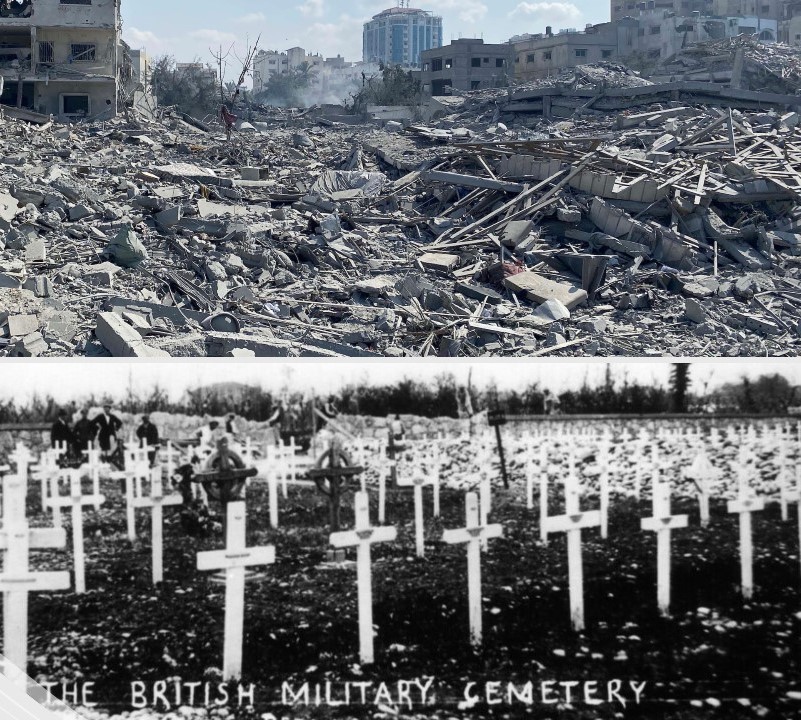
Yesterday marked the 80th anniversary of the D Day landings and it has seen significant coverage from the media as veterans, families, dignitaries, and others converge on the beaches and nearby towns in France. If you have watched the news coverage during the week, you will have seen interviews with the veterans involved in those landings. What struck me about those interviews was the humbleness of those involved, they don’t consider themselves heroes but reserve that word for those that died. For most of us, war is something that happens elsewhere, and we can only glimpse the horrors of war in our imaginations. For some though, it is only too real, and for some, it is a reality now.
I was struck by some of the conversations. Imagine being on ship, sailing across the English Channel and looking back at the white cliffs of Dover and being told by someone in charge, ‘have a good look because a lot of you will never see them again’. If knowing that you are going to war was not bad enough, that was a stark reminder that war means a high chance of death. And most of those men going over to France were young, to put it in perspective, the age of our university students. If you watched the news, you will have seen the war cemeteries with rows upon rows, upon rows of headstones, each a grave of someone whose life was cut short. Of course, that only represents a small number of the combatants that died in the war, there are too many graveyards to mention, too many people that died. Too many people both military and civilian that suffered.
The commemoration of the D Day landings and many other such commemorations serve as a reminder of the horrors of war when we have the opportunity to hear the stories of those involved. But as their numbers dwindle, so too does the narrative of the reality, only to be replaced with some romantic notion about glory and death. There is no glory in war, only death, suffering and destruction.
The repeated, ‘never again’ after the first and second world war seems to have been a utopian dream. Whilst we may have been spared the horrors of a world war to this point, we should not forget the conflicts across the world, too numerous to list here. Often, the reasons behind them are difficult to comprehend given the inevitable outcomes. As one veteran on the news pointed out though ‘war is a nonsense, but sometimes it’s necessary’.
The second part of that is a difficult sentiment to swallow but then, if your country faces invasion, your people face being driven from their homes or into slavery or worse, then choices become very stark. We should be grateful to those people that fought for our freedoms that we enjoy now. We should remember that there are people doing the same across the world for their own freedoms and perhaps vicariously ours. And perhaps, we should look to ourselves and think about our tolerance for others. Let us not forget, war is a nonsense, and there is no glory in it, only death and destruction.
Share this:


2024: the year for community and kindness?



The year 2023 was full of pain, loss, suffering, hatred and harm. When looking locally, homelessness and poverty remain very much part of the social fabric in England and Wales, when looking globally, genocide, terror attacks and dictatorships are evident. Politics appear to have lost what little, if any, composure and respect it had: and all in all, the year leaves a somewhat bitter taste in the mouth.
Nevertheless, 2023 was also full of joy, happiness, hope and love. New lives have been welcomed into the world, achievements made, milestones met, communities standing together to march for a ceasefire and to protest against genocide, war, animal rights, global warming and violence against women to name but a few. It is this collective identity I hope punches its way into 2024, because I fear as time moves forward this strength in community, this sense of belonging, appears to be slowly peeling away.
When I recollect my grandparents and parents talking about ‘back in the day’ what stands out most to me is the community identity: the banding together during hard times. The taking an interest, providing a shoulder should it be required. Today, and even if I think back critically over the pandemic, the narrative is very singular: you must stay inside. You must be accountable, you must be responsible, you must get by and manage. There is no narrative of leaning on your neighbours, leaning on your community to the extent that, I’m under the impression, existed before. We have seen and felt this shift very much so within the sphere of criminal justice: it is the individual’s responsibility for their actions, their circumstances and their ‘lot in life’. And the Criminologists amongst you will be uttering expletives at this point. I think what I am attempting to get at, is that for 2024 I would like to see a shared identity as humankind come front and central. For inclusivity, kindness and hope to take flight and not because it benefits us as singular entities, but because it fosters our shared sense of, and commitment to, community.
But ‘community’ exists in so much more than just actions, it is also about our thoughts and beliefs. My worry: whilst kindness and support exist in the world, is that these features only exist if it does not disadvantage (or be perceived to disadvantage) the individual. An example: a person asks me for a sanitary product, and having many of them on me the vast majority of the time, means I am able and happy to accommodate. But what if I only had one left and the likelihood of me needing the last one is pretty high? Do I put myself at a later disadvantage for this person? This person is a stranger: for a friend I wouldn’t even think, I would give it to them. I know I would, and have given out my last sanitary product to strangers who have asked on a number of occasions. And if everyone did this, then once I need a product I can have faith that someone else will be able to support me when required. The issue, in this convoluted way of getting there, is for most of us (including me as evidenced) there is an initial reaction to centralise ‘us’ as an individual rather than focus on the community aspect of it. How will, or even could, this impact me?
Now, I appreciate this is overly generalised, and for those that foster community to all (not just those in their community and are generally very selfless) I apologise. But in 2024, I would like to see people, myself included, act and believe in this sense of community rather than the individualised self. I want people to belong, to support and to generally be kind and not through thinking about how it impacts them to do so. We do not have to be friends with everyone, but just a general level of kindness, understanding and a shared want for a better, inclusive, and safe future would be great!
So Happy New Year to everyone! I hope our 2024 is full of peace, prosperity, community, safety and kindness!

Share this:


Stop the boats, Stop the visas, Meet the thresholds and You are in!

The Tory party has witnessed a number of challenges in recent years and with the appointment of Rishi Sunak, a brief sense of stability was felt amidst the chaos. As different parties look to the upcoming elections, each party have begun to move pieces on its chess board. While campaigns have unofficially begun, some commentators have argued that Sunak’s recent policy on migration could be one of his game plans.
Let’s take a closer look into this recent migration policy. Attention seemed to have slowly shifted away from the plan of redirecting boats to Rwanda to the need to suppress legal migration. To restrict LEGAL migration, Sunak’s government instituted policies limiting opportunities on student visas, banning dependents on care visas, increasing the minimum income threshold for skilled worker and family visas, and revising rules around shortage occupation lists.
Starting with the skilled worker visas, the government imposed a £38,700 minimum salary requirement to gain entry into the UK. Simply put, if you are coming to work in the UK, you must search for a job that pays nothing less than £38,700 in annual income, or else you will not qualify. For me, I think some clarification is needed here for what the government considers as skilled jobs exactly. I say this because junior doctors, nurses and train operators would be considered as being part of a skilled workforce. However, these skilled work force have undertaken multiple strike action over dispute on wages in the last few months. This leads me to another question – how many ‘skilled job’ workers earn a salary of £38,700 in the current day economy? Although the government implied that the reason for this is to force organisations to look to British citizens first rather than relying on legal migrants – which could be thought as quite commendable however, a number of UK workers earn less than the new threshold annually anyway. So this logic needs further clarity in my view.
In terms of curbing student’s visas, UK higher education has long attracted international students, yet these new policies outrightly banning postgraduate dependents and targeting post-study work visas seem quite harsh, especially given the exorbitant £13,000 to £18,000 yearly tuition fees already paid by these students. If the aim is transforming education into a type of transitory/knowledge based tourism, this should be transparent so aspiring international scholars are not misled into believing they are wanted for anything beyond their hefty bank balances.
On family visas and so forth, it is without a doubt that these new rules will tear apart families because it also imposes a £38,700 minimum income threshold on family visas from £18,600. The technicality around this is that legal migrants will not be the only ones to be affected by these new rules, British citizens will also be affected. Let us consider this scenario. Consider Linda, a British citizen working part-time in retail earning £33,000 annually. She aims to marry her long-term boyfriend from Sri Lanka next summer, but both of them fall short of the minimum income threshold. Under the current rule, Linda now faces a dilemma. It’s either she increases her earnings above the threshold by the next spring or uproot her British life to reunite with her partner abroad. Contrast her plight with Kelvin, a non British citizen who has recently secured a Band 7 physiotherapy role in the NHS. He is entering the UK from Mozambique and has managed to negotiate a £47,000 pay deal with his trust. Kevin has the right to move his family freely over to the UK without any disruption. This seems more like double standards because for the less affluent, it seems the right to create a family across borders will become an exclusive privilege reserved only for the rich under this new policy.
The clock may be running out for advocacy groups hoping to see a repeal of these new regulations by the House of Lords and it seems doubtful there is enough procedural means in the Commons to withdraw the policies.
Share this:


Pregnancy and Lavender Fields

If being a women means that you will experience harm due to your socially constructed sex/gender, being pregnant and a mother certainly adds to this. The rose-tinted view of pregnancy implies that pregnancy is the most wonderful of experiences. There is imagery of the most privileged of mothers with their pregnancy ‘glow’, in fields of [insert flower here] holding their bumps with the largest of smiles. Outside of smiles and lavender field imagery, judgment is reserved for pregnant women who do not enjoy pregnancy. In a world of ‘equality gone mad’, it seems that whilst some pregnant women may have a variety of hurdles to face, it is presumed that they should carry on living in the exact same way as those who are not pregnant.
Maybe you lose your job upon becoming pregnant and your workplace does not provide you with sick pay when needed. Maybe it is harder for you to access healthcare and screenings due to racism and xenophobia. Perhaps it is a Covid-19 pandemic, your boss is a bit disgruntled that you are pregnant and despite the legal guidance stating that pregnant people should isolate you are told that you need to work anyway. Or perhaps you are quite ill during your pregnancy, you must try to cope and continue to work regardless, but must also hide this sickness from your customers and colleagues. Whilst at the same time it is unlikely that there are places for you to rest or be sick/ill in peace. If any time is taken off work you may then be considered as being work-shy by some. Despite it being well documented that some pregnancy related ill-health conditions, like hyperemesis, have serious consequences, such as the termination of pregnancy, death and mothers taking their own lives (with or without suitable interventions).
Before labour, if you go to the triage room screaming in pain, maybe you will need to wait some time at the reception for staff to assist you, and perhaps you may be asked to ‘be quiet’ so as to not disturb the equilibrium of the waiting room. Maybe your labour is incredibly painful but apparently you must ‘take it like a champ’ and pain relief medication may be withheld. Maybe you will receive a hefty bill from the NHS for their services due to your undocumented migrant status, refused asylum application or have no recourse to public funds. If experiencing pain post-labour, maybe your pain is disregarded, and you face life-threatening consequences due to this.
Once you become a mother maybe you are more exhausted than your partner, maybe your partner is a abusive, maybe they cannot push a pram, change nappies, calm a crying baby because of toxic masculinity. If your baby becomes upset (as they do sometimes) whilst out and about you may need a quite low sensory place to feed them, or for them to relax but there is nowhere suitable to go. If looking flustered or a bit dishevelled whilst out maybe you are treated as a shop-lifting suspect by security and shop assistants.
If you have the privilege of being able to return to work, ensure that you return within the optimum time frame as having too much or too little time off work is not viewed as desirable. Also, make sure you have some more babies but not too many as both would be deemed selfish. Whether you breastfeed or provide formula both options are apparently wrong, in different ways. If you do breastfeed and need to use a breast pump whilst returning to work you may find that there are no/or a limited amount of suitable rooms available on public transport, at transport hubs, in public venues and workplaces for using a breast pump. This, among with other factors, such as the state of the economy, the lack of/a poor amount of maternity pay, and childcare costs, make the ability to both maintain formal employment and be present as a healthy mother difficult. Notably, the differences, extent and severity of harmful experiences differ depending on power, your status and identity attributes, if your gender does not neatly fit into the white privileged/women/female/mother box you will face further challenges.
It seems that society, its institutions and people want babies to be produced but do not want to deal with the realities that come with pregnancy and motherhood.
Share this:


ASUU vs The Federal Government

It will be 8 months in October since University Lecturers in Nigeria have embarked on a nationwide strike without adequate intervention from the government. It is quite shocking that a government will sit in power and cease to reasonably address a serious dispute such as this at such a crucial time in the country.
As we have seen over the years, strike actions in Nigerian Universities constitute an age-long problem and its recurring nature unmasks, quite simply, how the political class has refused to prioritise the knowledge-based economy.
In February 2022, the Academic Staff Union of Universities (ASUU) leadership
(which is the national union body that represents Nigerian University Lecturers during disputes) issued a 4-week warning strike to the Nigerian government due to issues of funding of the public Universities. Currently, the striking University Lecturers are accusing the government of failing to revitalise the dilapidated state of Nigerian Universities, they claim that the government has refused to implement an accountability system called UTAS and that representatives of the government have continued to backtrack on their agreement to adequately fund the Universities.
The government on the other hand is claiming that they have tried their best in negotiating with the striking lecturers – but that the lecturers are simply being unnecessarily difficult. Since 2017, several committees have been established to scrutinize the demands and negotiate with ASUU, but the inability of these committees to resolve these issues has led to this 8-month-long closure of Nigerian Universities. While this strike has generated multiple reactions from different quarters, the question to be asked is – who is to be blamed? Should the striking lecturers be blamed for demanding a viable environment for the students or should we be blaming the government for the failure of efforts to resolve this national embarrassment?
Of course, we can all understand that one of the reasons why the political class is often slow to react to these strike actions is because their children and families do not attend these schools. You either find them in private Universities in Nigeria or Universities abroad – just the same way they end up traveling abroad for medical check-ups. In fact, the problems being faced in the educational sector are quite similar to those found within the Nigerian health sector – where many doctors are already emigrating from the country to countries that appreciate the importance of medical practitioners and practice. So, what we find invariably is a situation where the children of the rich continue to enjoy uninterrupted education, while the children of the underprivileged end up spending 7 years on a full-time 4-year program, due to the failure of efforts to preserve the educational standards of Nigerian institutions.
In times like these, I remember the popular saying that when two elephants fight, it’s the grass that suffers. The elephants in this context are both the federal government and the striking lecturers, while those suffering the consequences of the power contest are the students. The striking lecturers have not been paid their salaries for more than 5 months, and they are refusing to back down. On the other hand, the government seems to be suggesting that when they are “tired”, they will call off the strike. I am not sure that strike actions of the UK UCU will last this long before some sort of agreement would have been arranged. Again, my heart goes out to the Nigerian students during these hard times – because it is just unimaginable what they will be going through during these moments of idleness. And we must never forget that if care is not taken, the idle hand will eventually become the devil’s workshop!
Having said this, Nigerian Universities must learn from this event and adopt approaches through which they can generate their income. I am not inferring that they do not, but they just need to do more. This could be through ensuring large-scale investment programs, testing local/peculiar practices at the international level, tapping into research grant schemes, remodeling the system of tuition fees, and demonstrating a stronger presence within the African markets. As a general principle, any institution that wishes to reap the dividends of the knowledge-based economy must ensure that self-generated revenues should be higher than the government’s grants – and not the other way. So, Universities in Nigeria must strive to be autonomous in their engagements and their organisational structure – while maintaining an apolitical stance at all times.
While I agree that all of these can be difficult to achieve (considering the socio-political dynamics of Nigeria), Universities must remember that the continuous dependence on the government for funds will only continue to subject them to such embarrassments rather than being seen as respected intellectuals in the society. Again, Nigerian Universities need a total disruption; there is a need for a total overhaul of the system and a complete reform of the organisational structure and policies.
Share this:


Never Fear….Spring is almost here (part II)

A year ago, we left the campus and I wrote this blog entry, capturing my thoughts. The government had recently announced (what we now understand as the first) lockdown as a response to the growing global pandemic. Leading up to this date, most of us appeared to be unaware of the severity of the issue, despite increasing international news stories and an insightful blog from @drkukustr8talk describing the impact in Vietnam. In the days leading up to the lockdown life seemed to carry on as usual, @manosdaskalou and I had given a radio interview with the wonderful April Ventour-Griffiths for NLive, been presented with High Sheriff Awards for our prison module and had a wonderfully relaxing afternoon tea with Criminology colleagues. Even at the point of leaving campus, most of us thought it would be a matter of weeks, maybe a month, little did we know what was in store….At this stage, we are no closer to knowing what comes next, how do we return to our “normal lives” or should we be seeking a new normality.
When I look back on my writing on 20 March 2020, it is full of fear, worry and uncertainty. There was early recognition that privilege and disadvantage was being revealed and that attitudes toward the NHS, shop workers and other services were encouraging, demonstrating kindness and empathy. All of these have continued in varying degrees throughout the past year. We’ve recognised the disproportionate impact of coronavirus on different communities, occupations and age groups. We’ve seen pensioners undertaking physically exhausting tasks to raise money for the tax payer funded NHS, we’ve seen children fed, also with tax payer funding, but only because a young footballer became involved. We’ve seen people marching in support of Black Lives Matter and holding vigils for women’s rights. For those who previously professed ignorance of disadvantage, injustice, poverty, racism, sexism and all of the other social problems which plague our society, there is no longer any escape from knowledge. It is as if a lid has been lifted on British society, showing us what has always been there. Now this spotlight has been turned on, there really is no excuse for any of us not to do so much better.
Since the start of the pandemic over 125,000 people in the UK have been killed by Coronavirus, well over 4.3 million globally. There is quotation, I understand often misattributed to Stalin, that states ‘The death of one man: this is a catastrophe. Hundreds of thousands of deaths: that is a statistic!’ However, each of these lives lost leaves a permanent void, for lovers, grandparents, parents, children, friends, colleagues and acquaintances. Each human touches so many people lives, whether we recognise at the time or not and so does their death. These ripples continue to spread out for decades, if not longer.
My maternal great grandmother died during the Spanish flu pandemic of 1918, leaving behind very small children, including my 5 year old nan. My nan rarely talked about her mother, or what happened afterwards, although I know she ended up in a children’s home on the Isle of Wight for a period of time. I regret not asking more questions while I had the chance. For obvious reasons, I never knew my maternal great grandmother, but her life and death has left a mark on my family. Motherless children who went onto become mothers and grandmothers themselves are missing those important family narratives that give a shape to individual lives. From my nan, I know my maternal great grandmother was German born and her husband, French. Beyond that my family history is unknown.
On Tuesday 23 March 2021 the charity Marie Curie has called for a National Day of Reflection to mark the collective loss the UK and indeed, the world has suffered. As you’ll know from my previous entries, here and here, I have reservations about displays of remembrance, not least doorstep claps. For me, there is an internal rather than external process of remembrance, an individual rather than collective reflection, on what we have been, and continue to go, through. Despite the ongoing tragedy, it is important to remember that nothing can cancel hope, no matter what, Spring is almost here and we will remember those past and present, who make our lives much richer simply by being them.
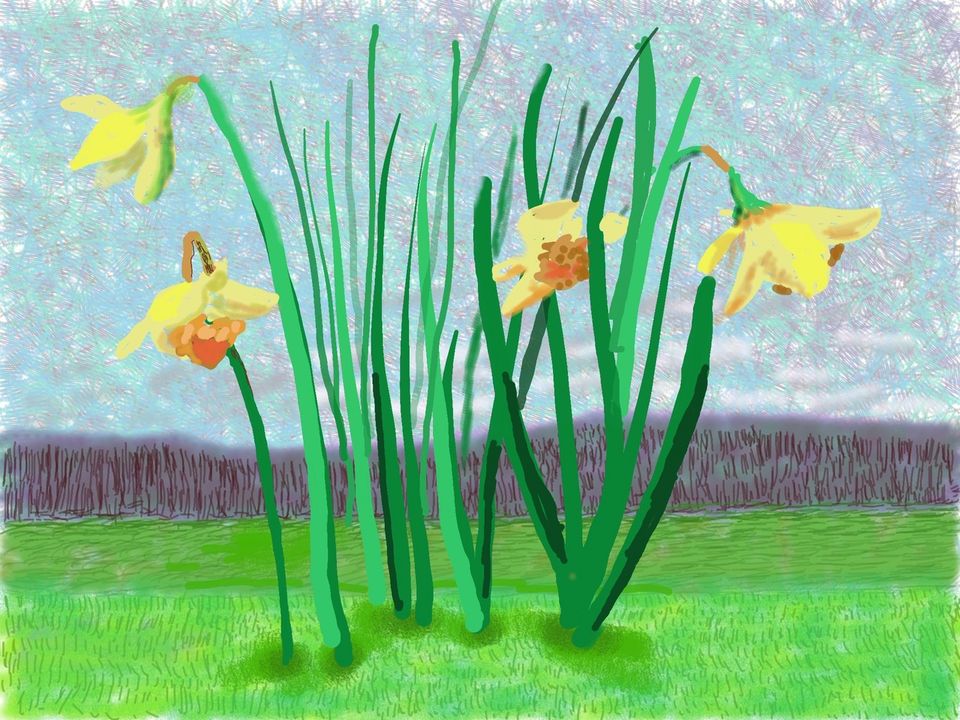
https://www.theartnewspaper.com/comment/a-message-from-david-hockney-do-remember-they-can-t-cancel-the-spring?fbclid=IwAR2iA8FWDHFu3fBQ067A7Hwm187IRfGVHcZf18p3hQzXJI8od_GGKQbUsQU
Share this:


Hypocrites or just human?

At a time of a significant religious festival in the Christian calendar and at a time of global anxiety, sacrifice and distress, it seems apt to reflect on where we stand in it all.
Like most, I watch the television, listen to the radio, tap into social media (albeit only on limited occasions), receive emails and listen to family, friends and colleagues.
I am amazed by the sacrifice that some people make to protect or look after others and yet dismayed by the actions and comments of some. And yet as I ponder on the current situation I realise that it only brings into focus behaviours, actions and comments that were already there. Perhaps, the circumstances have allowed some to shine or provided more of a focus on those that already do outstanding things, and this is a good thing but human nature as it is, doesn’t really change. Here are a few examples, I’m sure if you reflect on these you will think of more.
- We lament at the inequality in the world, but we do little about it. Instead, we fight to buy up all the toilet rolls that we can, lest we run out.
- We complain the government haven’t done enough in the current crisis and then flout the guidelines they gave us on social gatherings and movement or cause others to do so (did you really need that Amazon order?)
- We complain about our work conditions, but we are content for the company or organisation to continue paying us, often saying they don’t pay us enough
- We are upset by colleagues who do us a disservice and then denigrate others because of their so-called ineptitude
- We complain about being bullied but go on to display the same bullying behaviours that we complained about
- We call people misogynistic but then in the same breath suggest that the world would be better without men or that women do a better job
- We accuse people of being racist but then use derogatory and stereotypical language to describe those that we accuse
- We condemn those that we see as privileged and suggest they should give up their wealth and status. And yet we fail to consider our own privilege and are not prepared to give up what we have (see the first comment re inequality)
- We see the criminal justice system as unfair but would be the first to complain if we were a victim of crime and the offender wasn’t brought to justice. What we see as justice is dependent on the impact the wrongful act has on us
- We commit crimes, albeit perhaps minor ones or committed crimes when we were younger and didn’t know better, yet we castigate others for being criminal. Welfare cheats are awful, but tax payments are to be avoided
I could go on, but I think by now you get the general idea. I’ll return to religion if I may, not that I’m religious, but I did start off the blog with an acknowledgement of the timing in line with the Christian calendar: “He that is without sin among you, let him cast the first stone at her”, (John, 8:7). Maybe we should be a little more honest with ourselves and think about what we say or do before we judge and condemn others. I do wonder though, are we all hypocrites, or is it part of the pathology of just being human?

 Thoughts from the criminology team
