
Home » Criminal Justice System (Page 4)
Category Archives: Criminal Justice System

Refugee Week 2022

Next week (20th-26th June) is Refugee Week, coming at a moment in time days after the first deportation flight of asylum seekers to Rwanda was scheduled. Luckily the government’s best efforts were thwarted by the ECHR this time. Each year Refugee Week has a theme and this year’s focus is healing. People fleeing conflict and persecution have a lot to heal from and I am pessimistic about whether healing is possible in the UK. My own research examines the trajectories of victimisation among people seeking safety. I trace experiences of victimisation starting from the context from which people fled, during their journeys and after arrival in the UK. It is particularly disturbing as someone who researches people seeking safety that once they arrive in a place they perceived to be safe, they continue to be victimised in a number of ways. People seeking safety in the UK encounter the structurally violent asylum ‘system’ and discriminatory attitudes of swathes of the public, sections of the media and last not certainly not least, political discourse. Even after being granted leave to remain, refugees face a struggle to find accommodation, employment, convert education certificates and discrimination and hate crime is ongoing.
Over the years I have supported refugees who suffered breakdowns after having their asylum claim awarded. They are faced with the understanding of the trauma they suffered pre-migration, compounded by the asylum system and the move-on period following claims being awarded. Yet this is no time to heal. In the wake of the Nationality and Borders Act 2022, no migrant nor British citizen with a claim to citizenship elsewhere is safe. There is no safety here and therefore there can be no healing, not meaningful healing anyway.

Despite my negative outlook on the state of immigration policy in the UK, there are some positive signs of healing for some people seeking safety. These experiences are often facilitated by peer support, grassroots organisations and charities. I recall one woman who had fled Iraq coming into a charity I was undertaking research in. When we met for the first time, she was tiny and looked much older than she was. She would pull her veil tightly around her head, almost like it was protecting her. This woman did not speak a word of English and the only volunteer Kurdish Sorani interpreter did not attend the group every week. The womens’ group I attended conducted activities which overcame language barriers and at the time we were working with tiles and mosaics on a project which lasted a few weeks. During this time I could visibly see this woman start to heal. She started to stand up straight, making her appear taller. Her face softened and she appeared younger. She started smiling and her veil loosened. She was relaxing among us. In my experience, I’ve noticed that the healing comes in ebbs and flows. Relief of being ‘safe’, compounding stress of asylum, making friends, waiting, waiting, waiting for a negative decision, being supported by NGOs, letters threatening deportation, having a ‘safe’ place to live, having a firework posted through your letterbox.
For me this week is about celebrating those fleeting moments of healing, since I spend so much of my time discussing and researching the negative. The University of Northampton is co-hosting a number of events to mark Refugee Week 2022, starting with a service being held to remember all those seeking sanctuary both past and present. The event will be held on Monday 20th June at 1pm at Memorial Garden, Nunn Mills Road, Northampton, NN1 5PA (parking available at Midsummer Meadow car park).
Monday will end with an ‘in conversation with’ event with University of Northampton doctoral candidate Amir Darwish. Amir is Kurdish-Syrian and arrived in the UK as an asylum seeker in 2003. He is now an internationally published poet and writer. This event will be run in conjunction woth Northampton Town of Sanctuary and will be hosted at Delapre Abbey at 7pm. You can find further details and book tickets here.
On Wednesday the University of Northampton and Northampton Town of Sanctuary will be hosting an online seminar at 3pm with Professor Peter Hopkins, whose recent research examined the exacerbation of existing inequlaities for asylum seekers during the pandemic. I’ve just written a book chapter on this for a forthcoming volume reflecting on the unequal pandemic and it was staggering – but unsurprising – to see the impact on asylum seekers. This seminar can be accessed online here.
The week’s events will conclude with a Refugee Support Showcase which does what it says on the tin. This event will be an opportunity for organisations working with refugees in the local area to show the community the valuable work they do. This event will take place on Thursday 23rd June 4-6pm at the Guildhall, St. Giles Square, Northampton.
This year the University has worked with a number of organisations to produce a well-rounded series of events. Starting with reflection and thought of those who have sought, and continue to seek sanctuary and celebrating the achievements of someone who has lived experiences of the asylum system. Wednesday contibutes to the understanding of inequalities for people seeking safety and we end Friday on a positive note with the work of those who facilitate healing.
Share this:


No ways tired: Miss Lillie, arrested with Mrs. Parks.
12 September 2021
Visit to the Equal Justice Initiative Museum, From Enslavement to Mass Incarceration.
Near the end of the EJI’s newly expanded museum, there is a wall of slightly larger than life-size mugshots of folks arrested alongside Mrs. Rosa Parks in just another local act of civil disobedience. I’ve rarely seen a more earnest collection of everyday people, not unlike the folks around me as I get to know Montgomery today.
Mugshots.
Men in suits, ladies sporting pretty hats in their Sunday best.
Farmers in overalls and working women in neat dresses.
Learned-looking men with glasses, and fancy tiepins.
Young men in sleek fedoras and two or three older men in derbies.
Another man wears a skullcap.
Meaningful women and men of age, of reconstruction age, whom we imagine had by then seen every intimate and public side of Jim and Jane Crows’ wickedness.
They were representin’.
The only thing they seem to have in common is their determination.
(Sigh).
I found myself face-to-face and fixated with
Miss Lillie Bell Robinson.
She sat,
Framed,
With her arms,
Crossed.
Double-crossed.
With her head,
Tilted,
With her expression, tired, but
Also, a particular squint in her eye – or perhaps a gleam – that betrays her obvious fatigue,
As if saying: “No ways tired.”
I moan in tune, and
This somehow keeps my knees from buckling under the weight of it all, since
The preceding exhibits have already taken us along a long timeline where
Every glimpse of justice gets trampled upon –
Again, and again.
I sigh and see why they are tired.
On that day, did Miss Lillie know that much more violence, much more real intensified violence was yet to come?
This was the mid-50’s, and
Could Miss Lillie have imagined that:
Just 5-6 years later,
Freedom Riders from the north would arrive around the corner,
Riding federally desegregated, public coaches, and
The same local sheriffs would stand by, and
Let them get beaten, assaulted, brutally, and
Battered by white-hot mobs –
Only to arrest the so-called outside agitators?
Probably all of you, Miss Lillie, were battered by many of the same hands, and
Abandoned by many of the same actors of local justice.
I estimate Miss Lillie to be my grandparents’ age, and
By that day, they’d already fled and made their way to Kentucky.
I am wondering where Miss Lillie is now – right now?
(I take a deep sigh and realize that I’ve not yet reached the mass incarceration part of the museum, and ultimately just skimmed on by.
Graciously, the final exhibit is a “Recovery room,” a hall of walls of portraits,
which we might also call “mugshots,”
As each face had all, actively, over centuries,
Activated against oppression.
I recognized writers, musicians, poets, painters, politicians, preachers, teachers, activists of all flavors, and
After the weight of the truth shown in each timeframe, this left me feeling full of joy.
And, I moaned along with the tunes, there, too.
That day,
She’d had had enough, and
Though reluctant before,
Somehow now,
Miss Lillie could no longer stand by, and
Just wait for justice, and
Just go on about her own merry way, and
Pretend like this is ok, and
Adjust to the insanity of segregation, and
The very look on her face said this is “why we can’t wait.”
Her face calm, but
Twisted.
The mug shot ID, hanging around her neck like a shackle: #7010.
Business as usual, and for sure somebody’s gettin’ paid.
So, she not knowing.
She, not knowing if this all will work.
If getting arrested today mattered.
If any of this is worth it.
If this time change is coming,
having nothing left but Faith…
in herself, in others, and
Somehow faith in her nation… to do the right thing,
Despite this day, and
In spite of the many apparent setbacks, and
A million everyday,
Tiny little cuts.
We rise.
That day, Miss Lillie rose to the occasion.
She and all these others stepped up so we could step out, and
Step in here now,
Free to learn about each step along our legacy of peace.
I’m now in awe of Miss Lillie, and
Take a step back and
Smile at her, and
Take in the glory of this sensation.
Hats off to you, Miss Lillie.

Share this:


Youth or Adult: can you tell?
This week’s blog begins with a game: youth or adult, secure estate in England and Wales. Below are some statements, and you simply need to guess (educated guesses please), whether the statement is about the youth, or adult secure estate. So, are the statements about children in custody (those under the age of 18 years old) or adults in custody (18+). When you’re ready…
- 70% decrease in custody in comparison to 10 years ago
- Segregation, A.K.A Solitary Confinement, used as a way of managing the most difficult individuals and those who pose a risk to themselves or others
- Racial disproportionality in relation to experiencing custody and being remanded to custody
- Self-harm is alarmingly high
- 1/3 have a known mental health disability
- Homelessness after release is a reality for a high proportion of individuals
- Over half of individuals released from custody reoffend, this number increases when looking at those sentenced to 6months of less
How many did you answer youth secure estate, and how many adult secure estate? Tally up! Did you find a 50/50 split? Did you find it difficult to answer? Should it be difficult to spot the differences between how children and adults are treated/experience custody?
All of the above relate specifically to children in custody. The House of Commons Committee (2021) have argued that the secure estate for children in England and Wales is STILL a violent, dangerous set of environments which do little to address the needs of children sentenced to custody or on remand. Across the academic literature, there is agreement that the youth estate houses some of the most vulnerable children within our society, yet very little is done to address these vulnerabilities. Ultimately we are failing children in custody! The Government said they would create Secure Schools as a custody option, where education and support would be the focus for the children sent here. These were supposed to be ready for 2020, and in all fairness, we have had a global pandemic to contend with, so the date was pushed to 2022: and yet where are they? Where is the press coverage on the positive impact a Secure School will make to the Youth estate? Does anyone really care? A number of Secure Training Centres (STCs) have closed down across the past 10 years, with an alarmingly high number of the institutions which house children in custody failing Ofsted inspections and HM Inspectorate of Prisons (2021) found violence and safety within these institutions STILL a major concern. Children experience bullying from staff, could not shower daily, experience physical restraint, 66% of children in custody experienced segregation which was an increase from the year prior (HM Inspectorate of Prisons, 2021). These experiences are not new, they are re-occurring, year-on-year, inspection after inspection: when will we learn?
The sad, angry, disgusting truth is you could have answered ‘adult secure estate’ to most of the statements above and still have been accurate. And this rings further alarm bells. In England and Wales, we are supposed to treat children as ‘children first, offenders second’. Yet if we look to the similarities between the youth and adult secure estate, what evidence is there that children are treated as children first? We treat all offenders the same, and we treat them appallingly. This is not a new argument, many have raised the same points and concerns for years, but we appear to be doing very little about it.
We are kidding ourselves if we think we have a separate system for dealing with children who commit crime, especially in relation to custody! It pains me to continue seeing, year on year, report after report, the same failings within the secure estate, and the same points made in relation to children being seen as children first in England and Wales: I just can’t see it in relation to custody- feel free to show me otherwise!
References:
House of Commons Committees (2021) Does the secure estate meet the needs of young people in custody? High levels of violence, use of force and self-harm suggest the youth secure estate is not fit for purpose [Online]. Available at: https://houseofcommons.shorthandstories.com/justice-youth-secure-estate/index.html. [Last accessed 4th April 2022].
HM Inspectorate of Prisons (2021) Children in Custody 2019-2020: An analysis of 12-18-year-old’s perceptions of their experiences in secure training centres and young offender institutions. London: Her Majesty’s Inspectorate of Prisons.
Share this:


Colston, the toppling of a pejorative narrative

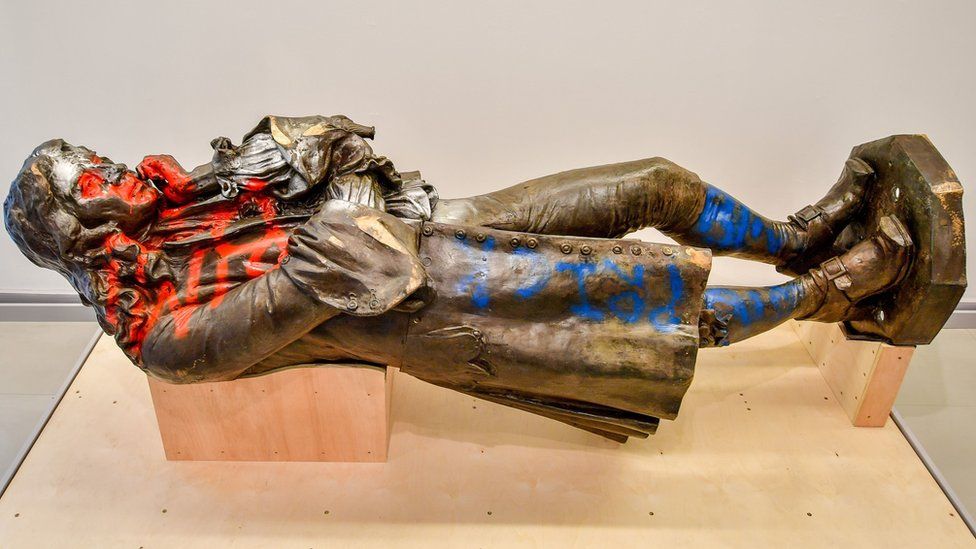
The acquittal of the four defendants for their role in the toppling of Edward Colston in Bristol has created an interesting debate and in some, more right-wing quarters, fury. In an interview following the verdict Boris Johnson stated we cannot seek to “retrospectively change our history“
But what history is he talking about, the one where this country was heavily involved in slavery or some other history around Empire and ‘jolly hockey sticks and all that sort of thing’?
History tells us that this country’s empire, like all empires significantly benefited from its conquests to the detriment of those conquered. Although if you watch the Monty Python film The Life of Brian, the right of the political spectrum might find some comfort in the sketch that starts with ‘What have the Romans ever done for us’? This country’s history is complex more so because it is a shared history with its own inhabits and those of other countries across most of the world. A history of slaves and slave traders. A history of rich and powerful and poor and powerless. A history of remapping of countries, redefining of borders, of the creation of unrest, uncertainty and chaos. A history of theft, asset stripping, taking advantage and disempowerment. As well as a history of standing up to would be oppressors. It is a complex history but not one that is somehow rewritten or removed by the toppling of a statue of a slave trader.
The tearing down of the statue is history. It is a fact that this country’s so called great and good of the time were tarnished by a despicable trade in human misery. The legacy of that lives on to this day. Great and good then, not so now, in fact they never were, were they? It may be questionable whether the circumstances of the removal of the statue were right, hence the charges of criminal damage. It might be questionable whether the verdict given by the jury was right, but surely this isn’t about changing history, it is about making it.
There are suggestions that the verdict may be referred to a higher authority, perhaps the Supreme Court. It appears right that there was a case to answer, and it seems right that the jury were allowed to deliver the verdict they did. There is nothing perverse in this, nothing to challenge, due process has taken place and the people have spoken. The removal of the statue was not criminal damage and therefore was lawful.
If a statue is an affront to the people of a locality, then they should be able to have it removed. If is such an affront to common decency, then the only people guilty of an offence are those that failed to remove it in the first place. Of course, it is more complex than that and perhaps the bigger question is why this didn’t happen sooner?
It would seem fitting to replace the statue with something else. Something perhaps that shows that slowly people of this country are waking up to the country’s past, well at least some of them. A statue that commemorates a new beginning, that acknowledges the country’s true past and points the way to a far more humane future for all. No Mr Johnson, we shouldn’t try to rewrite or obliterate history, we just need to change the way it written and stop ignoring the truth.
Share this:

And still the message is the same…
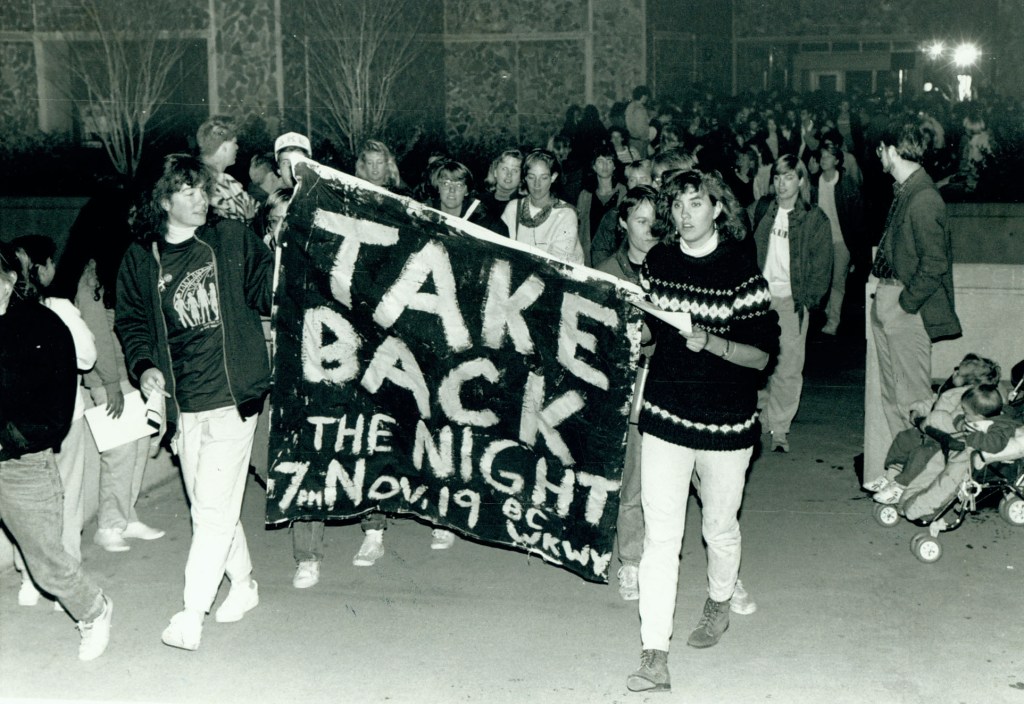
Following on from last week’s blog entry from @5teveh, @jesjames50 explores further dimensions of Sarah Everard’s murder.
Recently we saw the sentencing of Sarah Everard’s kidnapper, rapist and murderer. He has received a whole life sentence. As a woman within society I welcome this sentence. As a criminologist I am at a loss. There is a lot to unpick here in terms of ‘justice’ and whether this has been served. It is pertinent to question the use of a whole life order on a violent, misogynistic, kidnapper, rapist and murderer; who cooperated after arrest, who pleaded guilty and expected the full force of the law. But I shall leave that to another day, as the media’s portrayal of the sentencing and aftermath is what is currently fuelling my anger. The message remains the same, women can and should do more to prevent their victimisation.
The sentence given is at odds with the coverage which has followed. Handing down the most severe sentence available in England and Wales represents the seriousness of the offence, and the damage it has caused to those directly involved and those further afield. The possibility that the offender was in a position of trust, has violated this trust and committed abhorrent acts appears to justify the whole life order. The comparison to terrorism, something which violence against women has been linked to before within academia, is also very telling. But what is the focus? The focus is on how women can go about feeling safe in society and make lines of inquiry if they have doubts about a police officer’s conduct! Here the onus is on women acting in a manner of keeping themselves safe. The message remains the same: women should prevent their victimisation. Excellent I’ll add this nugget of information to my bag of ‘top tips for walking alone at night’.
Why aren’t the media building on this platform to challenge misogynist attitudes? Why are they not raising awareness of violence against women? Sarah’s kidnapping, rape and murder is horrific: but what about the women who undergo daily violence at the hands of their partners, family, friends? These individuals are also in a position of trust and abuse this position to cause harm to women! Here the media could raise awareness about how deep-rooted the issue of violence against women is, but instead they reinforce the idea that women can prevent their victimisation, and that violence occurs at night, by a stranger, and will have the offender brought to justice. This is not the reality for the vast majority of women. It is an extreme and exceptional case (no doubt something True Crime will encapsulate in years to come) and this is further reinforced by the sentence given. Yet violence against women is not exceptional, or rare: it is an everyday reality! Something the media has failed to draw attention to. And by failing to cement Sarah’s kidnapping, rape and murder in the wider context of violence against women, it raises the potential to set a standard of violence against women. Those everyday cases which do not fit the same circumstances are not considered an issue.
My intentions are in no way to take away from the abhorrent crimes committed against Sarah. The crimes sit in the context of violence against women which is still a fundament issue overlooked within society, and has been overlooked once again. And the rhetoric which has followed, yet again, is around how women can protect themselves in the future. The message remains the same…
Share this:


Criminology First Week Activity (2020)

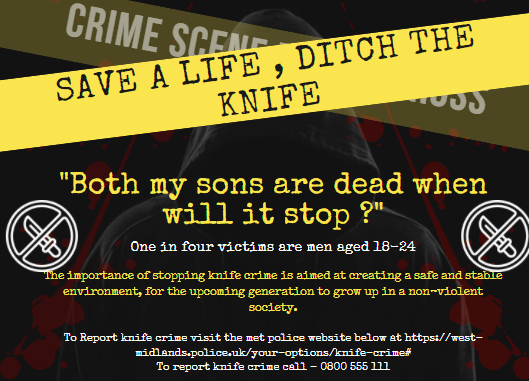
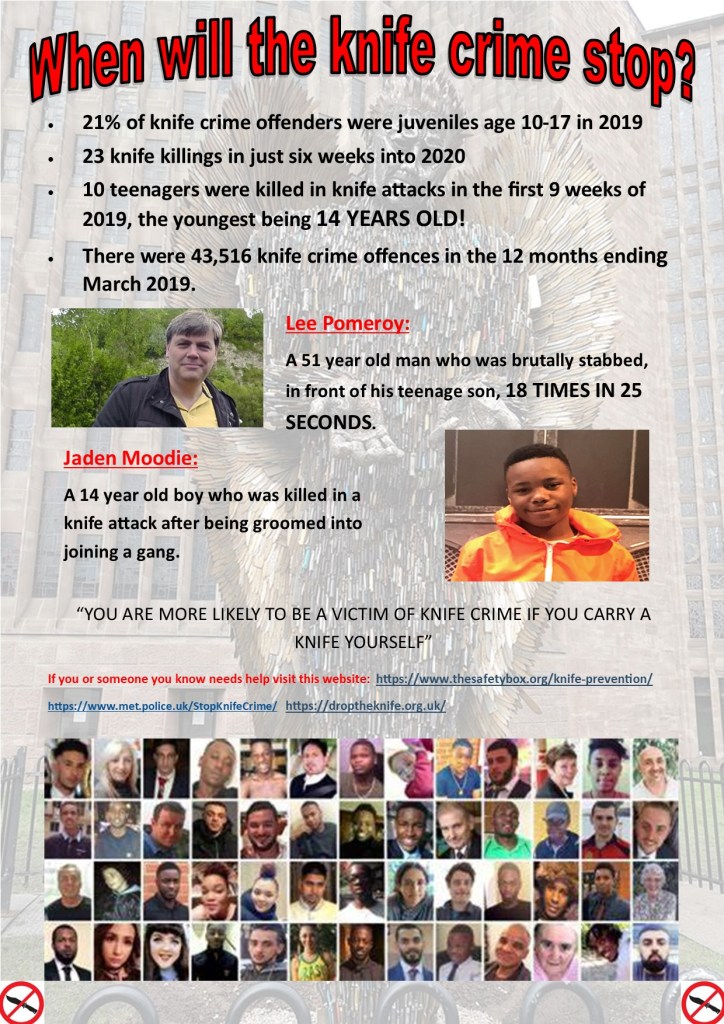
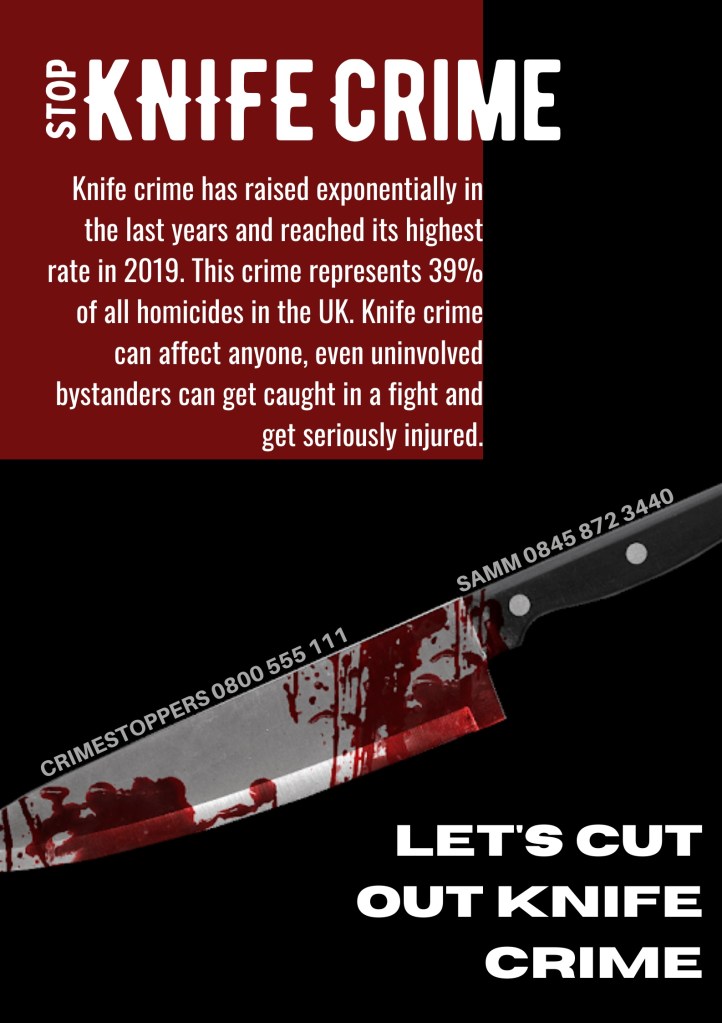
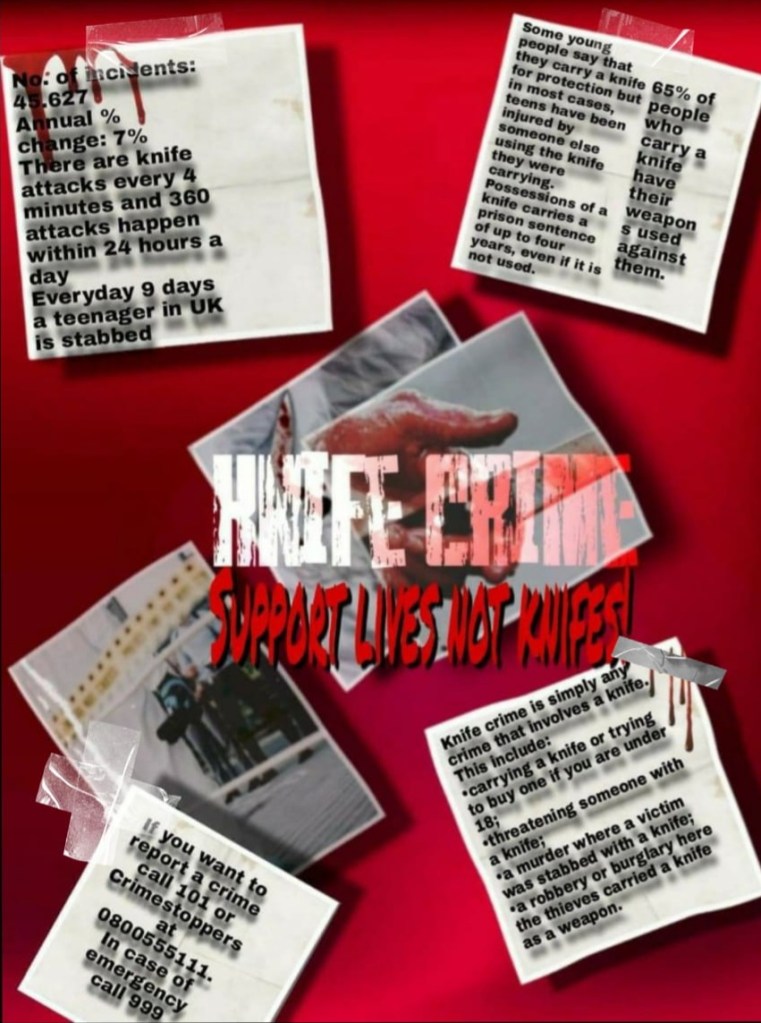
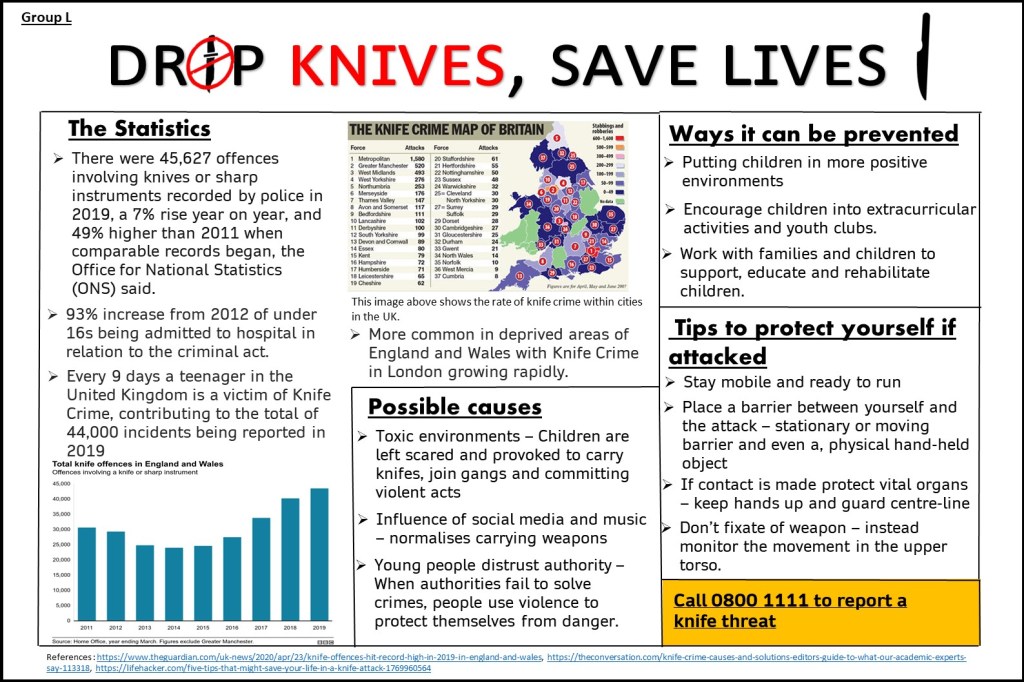
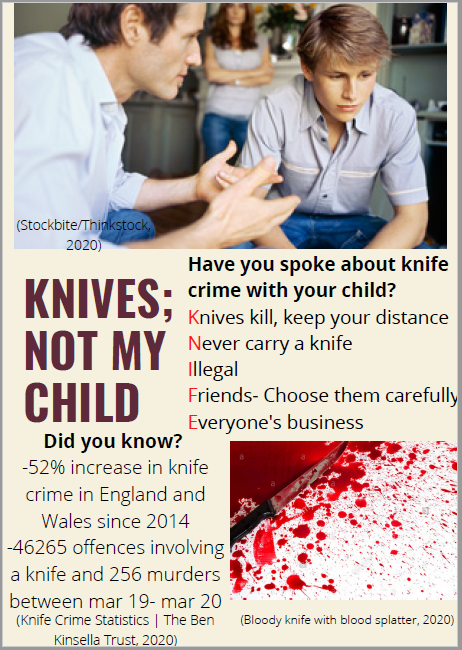
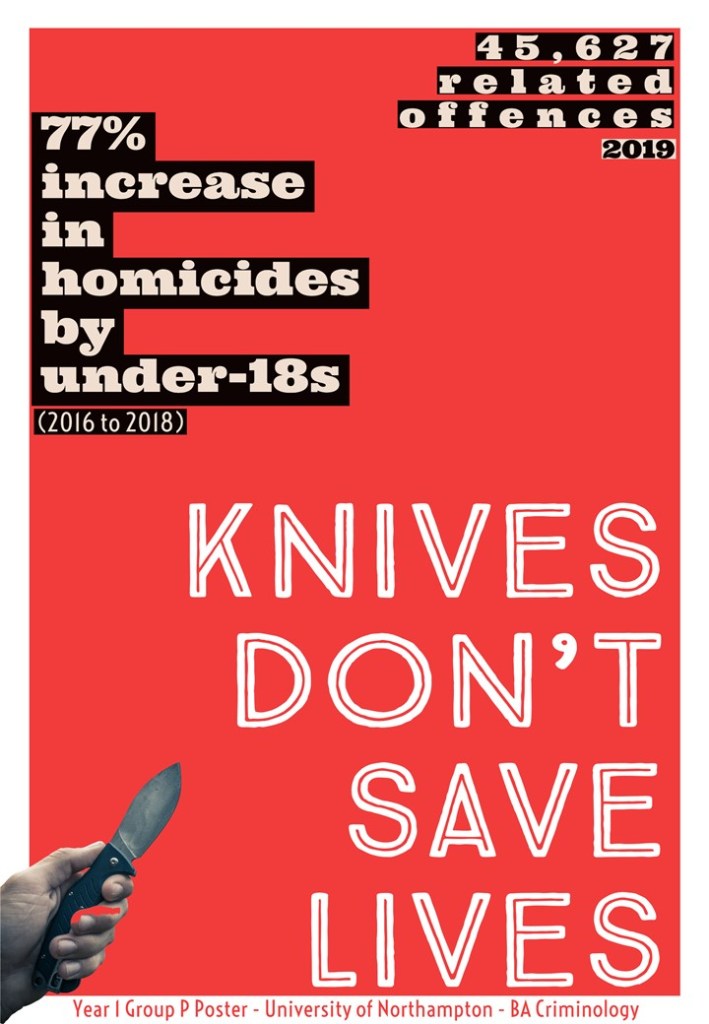
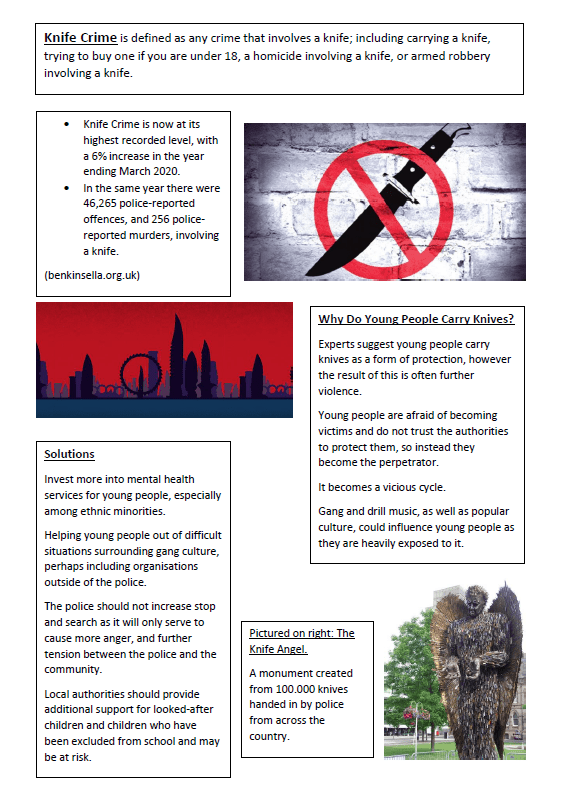
As we prepare to start the new academic year, it is worth reflecting on the beginning of the last one. In 2020 we began the academic year with a whole cohort activity designed to explore visual criminology and inspire the criminological imagination. Students were placed into small (socially distanced) groups, provided with a very short prompt and limited guidance as to how best to tackle the project. The prompts were as follows:
Year 1: Knife Crime
Year 2: Policing Protest (e.g. Black Lives Matter, Extinction Rebellion and so on)
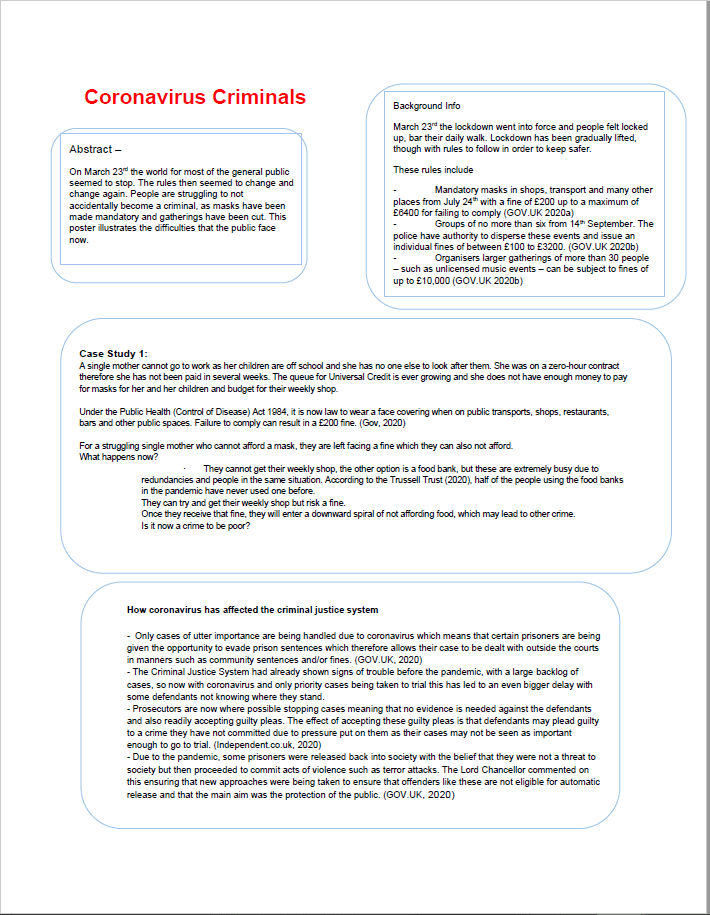
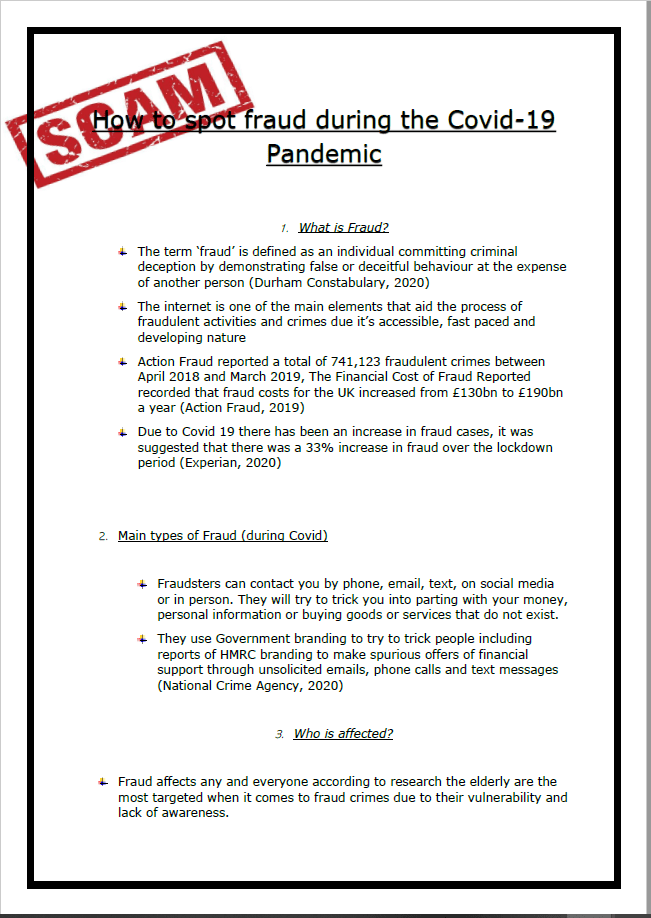
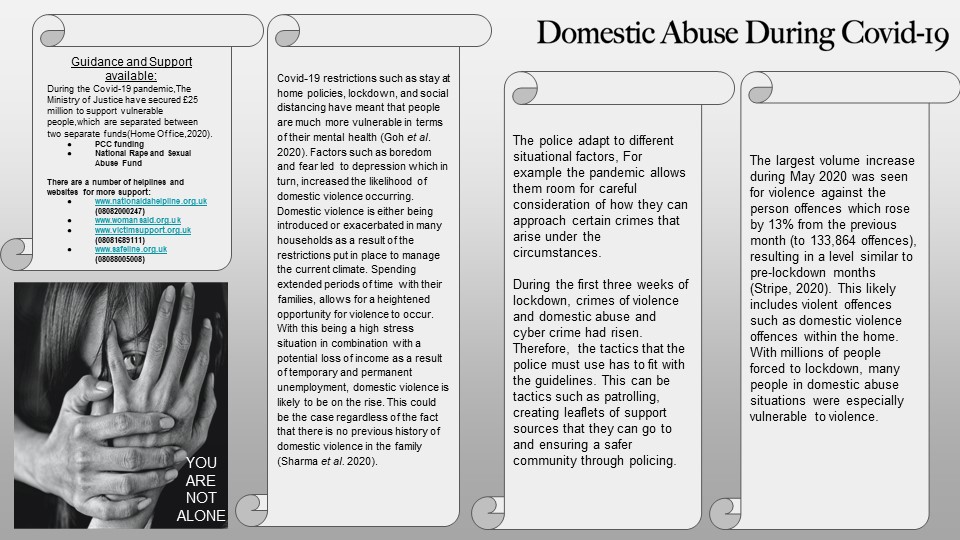
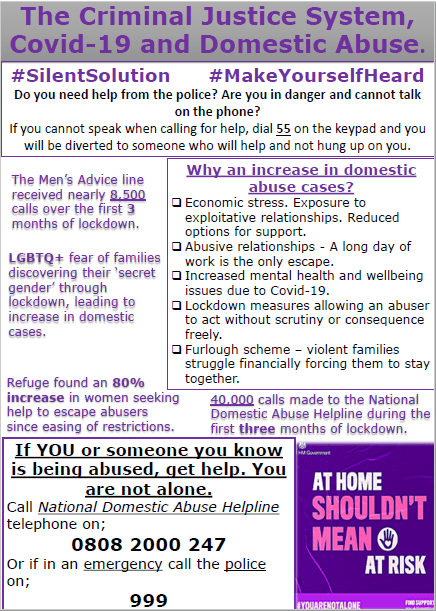
Year 3: Creating Criminals: the CJS during the Covid-19 pandemic
Many of the students had never physically met, yet managed to come together in the midst of a pandemic, negotiate a strategy, carry out the work and produce well designed and thoughtful, criminological posters.
As can be seen from the collage below, everyone involved embraced the challenge and created some remarkable posters. Some of these have been shared previously across social media but this is the first time they have all appeared together in one place.
I am sure everyone will agree our students demonstrated knowledge, understanding, resilience and stamina. We will be running a similar activity for the first week of the academic year 2021-2022, with different prompts to provoke thought and encourage dialogue and team work. Who knows what exciting ideas and posters will be demonstrated this time, but one thing is for sure Criminology students have the opportunity to campaign for social justice becoming real #Changemakers.
















Share this:


Do we have to care?

In recently published The end-to-end rape review report on findings and actions the responsible minister admitted that “victims of rape [are] being failed”. This stark admission is based on data that indicates that the current situation on dealing with rape is far worst than 5 years ago. The ministers are “ashamed” of the data but luckily in their report they offer some suggestions on how to improve things; what to do to bring the conviction rates to the 2016 level and to move more cases forward for trial, leading to successful convictions. At that point, the report presents the Criminal Justice System [CJS] as a singular entity that needs to address the issue collectively. This, in part, is a fair assessment although it ignores the cultural differences of the constituent parts of the system. Nonetheless, the government has identified a problem, commissioned a report and has a clear “ambitious” plan of how to address it.
The report indeed presents some interesting findings and I urge people to review it whenever they can (https://www.gov.uk/government/publications/end-to-end-rape-review-report-on-findings-and-actions). We know for example already that the number of cases that went into prosecution were low; in the last years this has become even lower. That despite the prevalence rate remaining more or less the same. Victims report that they are treated poorly, not believed arguing that the investigative model needs changing. No wonder the ministers appear apologetic of the situation. A headline crime category that is likely to cause an uproar and whilst thinking of the political fallout they come out in support of the victims! Who wouldn’t? Supporting a victim of crime, any crime is one of the main objectives of the CJS; once they have handed out retribution and prioritised on making an example of specific crimes and focusing on particular criminals, then their focus is on the victims! The findings were expected, but even so when reading about the higher vulnerability of disabled women to rape and sexual abuse, underscores the systemic failure to deal with this crime. It does not read like care!
If I was an agitator, I would say that a criminal committing rape has less chance (statistically) to be convicted than someone who commits theft; but then I will be making a criminological cardinal sin; conflating criminalities and confusing the data. In our profession we deal with data all the time. Many of them come in the form of metrics looking at the way different crimes are reported, recorded etc. We also know that context gives a perspective to these data. Numbers may look the same, but that is arguably part of the problem. It does not take into account the source of the data and their circumstances. Not all numbers are the same and most importantly they do not measure similar trends. The way the success rates are to be measured is not dissimilar from before and without owning a magic ball, it can be foreseen that rape will remain as is. Of course, the metrics may change colour to signal improvement, but that will not alter the fundamental issues.
On the day, one may have their car broken into, to report the incident can be a requirement from their insurance if they are to cover the cost. On the day, the said person got raped by a current/former partner the matter is not about insurance. These acts are not similar and to treat criminality as a singularity draws up uneven comparisons. In this case we have a list of recommendations trying to ameliorate the bad metrics. What are the recommendations? The focus is again on the police and the Crime Prosecution Service [CPS] and the court experience the victims will have. Again, indicates that these institutions have been criticised before for similar failings. The change of practices in the police does not go as far as exploring the institutional culture. The CPS’s requirement to do more is tied with the successful cases they will prosecute. The need for the two organisations to work together more closely has been a discussion point for the last 20 years; as for the better experience in courts, it is definitely welcomed but in recent years, Victim Support as an organisation was stripped bare, the additional services cut and the domestic violence shelters disappearing. The call for more services was continuously met with the offer of voluntary organisations stepping in, into such a complex area to provide help and support. One may think that if we are to prioritise on victim experience these services may need to become professional and even expand the current ones.
Lastly in this document the tone is clear; the focus yet again is reactionary. We have some bad data that we need to change somehow; we have got some clear action plans and we can measure them (as the report intimates) at regular times. This approach is the main problem on dealing with rape! It does not offer any interventions prior to the crime. There is nothing to deal say with rape culture, the degradation of women, the inequality and the rape myths that women are still subjected to. Interestingly there are mention of empathy toward the rape victim but there is not a plan to instil empathy for people more widely. No plan to engage the educational system with respect for the other (whoever the other is; a woman, a person of colour, disability, different origin) regarding sexual behaviours. The report tenuously mentions consent (or lack of understanding it) instead of making plans how it can be understood across. Unfortunately, this crime reveals the challenges we face in the discipline but also the challenges we face as a society that has traded care for metrics and the tyranny of managerialism.
Share this:


Not so Priti politics: setting a clear example
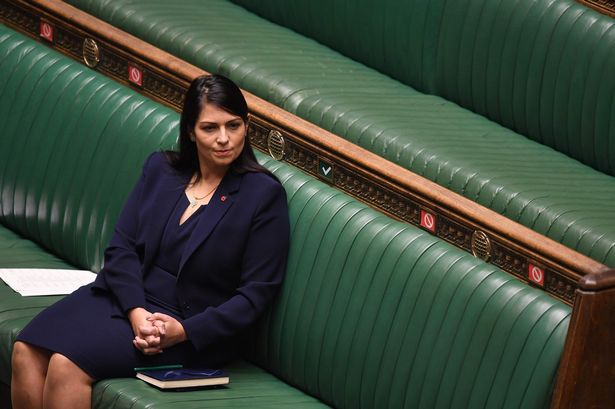
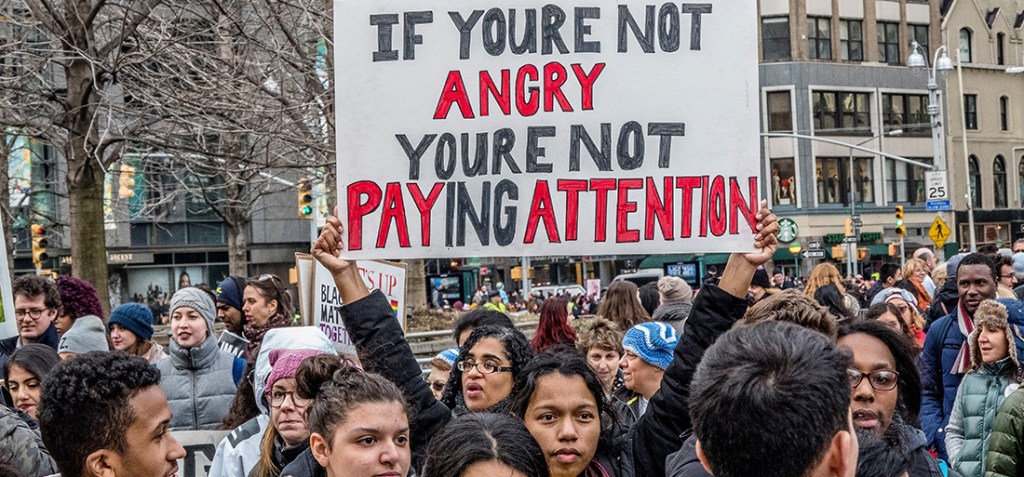
Of course Priti Patel the home secretary is correct when she declared that England fans have a right to boo England football players taking the knee before the England versus Croatia match on Sunday. Correct that is, in considering the spirit of the European Convention on Human Rights and Article 10, Freedom of Expression. This being encapsulated in our own Human Rights Act 1998. But whilst, the home secretary considers such booing, lets call it a form of protest, acceptable, she then adds that the ‘taking of the knee’ is simply ‘gesture politics’ and finds this form of protest unacceptable. The players and others through television advertising have made it clear that the statement is not political, it is simply a reminder of the need to tackle inequality and racism.
So, I’m left considering this, according to Priti Patel, it is acceptable to protest against those that oppose inequality and in particular racism, but it is not acceptable to protest against that in equality and racism. The first is a right, the second is some form of gesture politics. Ms Patel doesn’t end it there though but bemoans the Black Lives Matter protests and the ‘devastating impact they had on policing’. Somehow, I think she’s missed the point. If it is simply about the resources required to police the BLM protests, well the right of expression you say people have (you can boo if you want to) was simply being exercised and the police have a duty to facilitate those protests, devastating or not. If the devastation was about some other impact such as morale, then I think a bit of introspection wouldn’t go amiss. There is far too much evidence to show that the criminal justice system and the application of policing in particular is unequal, unfair and in need of change.
The home secretary is ultimately in charge of policing in this country. A politician, yes, but also supposedly a leader, who should be leading by example. What sort of example have her views set police forces across the country? Carry on folks, this is just gesture politics. No empathy, no understanding and a devil may care attitude, suggests that tackling inequality is not on the home secretary’s, let alone this government’s, agenda. This is not politics of the right, this smacks of politics of the far right. This is something we should all be worried about.
Share this:


Chauvin’s Guilty Charges #BlackAsiaWithLove
Charge 1: Killing unintentionally while committing a felony.
Charge 2: Perpetrating an imminently dangerous act with no regard for human life.
Charge 3: Negligent and culpable of creating an unreasonable risk.
Guilty on all three charges.
Today, there’s some hope to speak of. If we go by the book, all the prosecution’s witnesses were correct. Former police officer Chauvin’s actions killed George Floyd. By extension, the other two officers/overseers are guilty, too, of negligence and gross disregard for life. They taunted and threatened onlookers when they weren’t helping Chauvin kneel on Floyd. Kneeling on a person’s neck and shoulders until they die is nowhere written in any police training manual. The jury agreed, and swiftly took Chauvin into custody . Yet, contrary to the testimonials of the police trainers who testified against Chauvin’s actions, this is exactly what policing has been and continues to be for Black people in America.
They approached Floyd as guilty and acted as if they were there to deliver justice. No officer rendered aid. Although several prosecution witnesses detailed how they are all trained in such due diligence, yet witnesses and videos confirm not a bit of aid was rendered. In fact, the overseers hindered a few passing-by off-duty professionals from intervening to save Floyd’s life, despite their persistent pleas. They acted as arbiters of death, like a cult. The officers all acted in character.
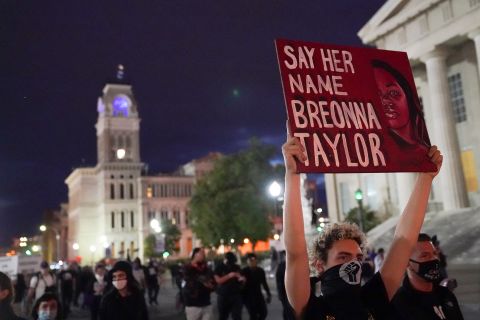
Teenager Darnella Frazier wept on the witness stand as she explained how she was drowning in guilt sinceshe’d recorded the video of Chauvin murdering Mr. Floyd. She couldn’t sleep because she deeply regrated not having done more to save him, and further worried for the lives many of her relatives – Black men like George Floyd, whom she felt were just as vulnerable. When recording the video, Ms. Frazier had her nine-year-old niece with her. “The ambulance had to push him off of him,” the child recounts on the witness stand. No one can un-see this incident.
History shows that her video is the most vital piece of evidence. We know there would not have even been a trial given the official blue line (lie). There would not have been such global outcry if Corona hadn’t given the world the time to watch. Plus, the pandemic itself is a dramatic reminder that “what was over there, is over here.” Indeed, we are all interconnected.
Nine minutes and twenty seconds of praying for time.
Since her video went viral last May, we’d seen footage of 8 minutes and 46 seconds of Chauvin shoving himself on top of ‘the suspect’. Now: During the trial, we got to see additional footage from police body-cameras and nearby surveillance, showing Chauvin on top of Mr. Floyd for nine minutes and twenty seconds. Through this, Dr. Martin Tobin, a pulmonary critical care physician, was able to walk the jury through each exact moment that Floyd uttered his last words, took his last breath, and pumped his last heartbeat. Using freeze-frames from Chauvin’s own body cam, Dr. Tobin showed when Mr. Floyd was “literally trying to breathe with his fingers and knuckles.” This was Mr. Floyd’s only way to try to free his remaining, functioning lung, he explained.
Nine minutes and twenty seconds. Could you breathe with three big, angry grown men kneeling on top of you, wrangling to restrain you, shouting and demeaning you, pressing all of their weight down against you?
Even after Mr. Floyd begged for his momma, even after the man was unresponsive, and even still minutes after Floyd had lost a pulse, officer Chauvin knelt on his neck and shoulders. Chauvin knelt on the man’s neck even after paramedics had arrived and requested he make way. They had to pull the officer off of Floyd’s neck. The police initially called Mr. Floyd’s death “a medical incident during police interaction.” Yes, dear George, “it’s hard to love, there’s so much to hate.” Today, at least, there’s some hope to speak of.

Share this:


We are not the same…respectfully
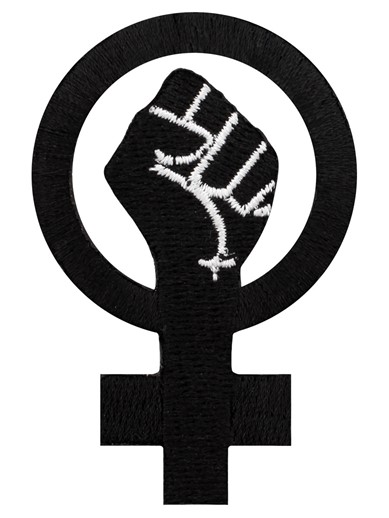
Disclaimer: whilst I can appreciate that it’s Women’s History Month and it would be appropriate that we all come together in support of one another, especially in the notion of us vs them (men). However, I am undoubtedly compelled to talk about race in this matter, in all matters in that sense. I can only speak on the influence of the women who are around me and of women who look like me. Black women. So, to the lovely white girl on twitter who felt the need to express under my thread how disheartened she was by the racial separation of womanhood in feminism … from the bottom of my heart, I am not sorry.
Sometime last year I stumbled across a book called They Were Her Property: White Women as Slave Owners in the American South by the marvellous Stephanie Jones Rogers. The book protested against the belief that white women were delicate and passive bystanders to the slave economy due to masculine power in the 18th century. Instead, it explores the white supremacy of white women and the high level of protection they had which, which often led to the lynching and killing of many Black men and boys (Emmett Till, 1955). The book also looks at the role of enslaved wet nurses, as many white women perceived breastfeeding to be uncultured and therefore avoided it. However, while enslaved children were flourishing and healthy, many of the white babies were dying. As a result, Black mothers were forced to separate from their babies and dedicate their milk and attention to the babies of their mistresses.
Consequently, this led to the high rise of neglect and death of black babies as cow’s milk and dirty water was used as a substitute (Jones-Rogers, 2019). Furthermore, Rogers goes on to explain how the rape of Black women was used to ensure the supply of enslaved wet nurses. As you can imagine the book definitely does not sugar coat anything and I am struggling to finish it due to my own positionality in the subject. One thing for sure is that after learning about the book I was pretty much convinced that general feminism was not for me.
When I think about the capitalisation and intersectional exploitation that black women endured. I lightly emphasise the term ‘history’ when I say women’s history, because for Black women, it is timeless. It is ongoing. We see the same game play out in different forms. For example, the perception that white women are often the victims (Foley, et al., 1995) and therefore treated delicately, while Black women receive harsher/ longer sentences (Sharp, 2000). The high demand of Black women in human trafficking due to sexual stereotypes (Chong, 2014), the injustice in birth where Black women are five times more likely to die from pregnancy and childbirth than white women in the UK (University of Oxford, 2019) and the historical false narrative that Black women feel less pain than white women (Sartin, 2004, Hoffman et al, 2016).
So again, we are not the same…. Respectfully.
It is important for me to make clear that we are not the same, because we are viewed and treated differently than white women. We are not the same, because history tells us so. We are not the same, because the criminal justice system shows us so. We are not the same, because the welfare system and housing institutions show us so. We are not the same, because of racism.
This year’s women’s history month was more so about me learning and appreciating the Black women before me and around me. As I get older, it represents a subtle reminder that our fight is separate to much of the world. There is nothing wrong in acknowledging that, without having to feel like I am dismissing the fight of white women or the sole purpose of feminism in general. I am a Black feminist and to the many more lovely white women who may feel it’s unnecessary or who are disheartened by the racial separation of womanhood in feminism, I am truly, truly not sorry.
P.s to Nicole Thea, Sandra Bland, Toyin Salau, Blessing Olusegun, Belly Mujinga and Mary Agyeiwaa Agyapong. I am so sorry the system let down and even though you are not talked about enough, you will never be forgotten.
References:
Chong, N.G., (2014). Human trafficking and sex industry: Does ethnicity and race matter?. Journal of Intercultural Studies, 35(2), pp.196-213.
Foley, L.A., Evancic, C., Karnik, K., King, J. and Parks, A. (1995) Date rape: Effects of race of assailant and victim and gender of subjects on perceptions. Journal of Black Psychology, 21(1), pp.6-18.
Hoffman, K.M., Trawalter, S., Axt, J.R. and Oliver, M.N. (2016) Racial bias in pain assessment and treatment recommendations, and false beliefs about biological differences between blacks and whites. Proceedings of the National Academy of Sciences, 113(16), pp.4296-4301.
Jones-Rogers, S.E.(2019). They were her property: White women as slave owners in the American South. Yale University Press.
Sartin, J.S. (2004) J. Marion Sims, the father of gynecology: Hero or villain?. Southern medical journal, 97(5), pp.500-506.
Sharp, S.F., Braley, A. and Marcus-Mendoza, S. (2000) Focal concerns, race & sentencing of female drug offenders. Free Inquiry in Creative Sociology, 28(2), pp.3-16.
University of Oxford. (2019) NPEU News: Black women are five times more likely to die in childbirth than white women. Why? {Online}. Available from:https://www.npeu.ox.ac.uk/mbrrace-uk/news/1834-npeu-news-black-women-are-five-times-more-likely-to-die-in-childbirth-than-white-women-why {Accessed 29th March 2021}

 Thoughts from the criminology team
