
Home » Crime and Society (Page 9)
Category Archives: Crime and Society

Deniable racism: ‘I’m alright Jack’

Photograph: Bill Orchard/Rex/Shutterstock
I heard on the news a week or so ago that an investigation by ITV news had found that the majority of NHS Trusts have not completed full risk assessments on BAME staff. Considering that BAME groups are impacted disproportionately by COVID-19 I have to ask why? And, probably more importantly, now that the issue has been raised, what are the government doing to make sure that the risk assessments are carried out? Since I heard about it I’ve seen no response, so I guess I can answer my own question ‘nothing’.
But then maybe I shouldn’t be surprised, I read an article on Racism and the Rule of Law and you can’t but be appalled by the number of recommendations from various inquiries and reviews that have failed to be acted upon. The problem is that the action requires more than just the eloquently spoken or written word; to put it very bluntly and maybe crudely, ‘put your money where your mouth is’. It is easy to state that this is wrong or that is wrong in our institutions, the term ‘institutional racism’ trots off the tongue, seized upon by the wronged and more worryingly banded about by the societal racists of the elite who are only too willing to blame someone else. In thinking about this I wonder whether when we use the term racism, we are all talking the same language. The ‘deniable’ racism is easy to identify, ‘we don’t use that sort of language anymore’, ‘we no longer put those signs in our windows’, we have laws that say you can’t act in that way. ‘Actually, I’m not a racist’. But the statistics don’t lie, they can be bent, manipulated to some extent to favour one argument or another but there are some very basic inescapable facts, BAME groups are over represented in the wrong areas of our society and under represented in the right areas. And most of this I dare say does not owe itself to ‘deniable’ racism, it’s more than that, it’s embedded in our society, it’s not institutional racism, it’s societal racism and it’s hidden. The problem with societal racism is that we only see the positive attributes of people that are like us and we promote those that excel in showing those attributes. Hence, we have the elite in business and government that are not ‘deniable’ racists but nonetheless are the epitome of, and lead a racist society.
I want to return to the idea of ‘putting your money where your mouth is’ mantra. They say money makes the world go around, I’m not sure that is entirely true, but it certainly goes a long way to getting things done and conversely the lack of it ensures that nothing happens or in some cases that good things come to an end. A prime example is the austerity measures put in place in 2010 that saw budgets to government agencies and funding to councils cut significantly. Those that suffered were the most deprived. Even worse, was the fact that funding for youth projects in inner cities suffered and those initiatives that were aimed at reducing violent crime amongst young people ground to a halt. Policing saw huge cuts and with it the withdrawal of neighbourhood policing. This link to communities was severed and any good work that was going on was quickly undone. That doesn’t explain all that is wrong with policing, but it certainly doesn’t help in building bridges. Who in their right mind would embark upon fiscal policies with no regard to such outcomes, our elected government did. If we think now about the so-called return to normality post the Covid-19 pandemic, which caring company or institution would suggest that the most impacted by the virus should continue or return to work, or study, or any other activity, without considering their specific risks and needs? Probably those that have more concern for the bottom line than peoples’ lives. ‘I’m alright Jack’ comes to mind or at least I want to make sure I am.
In thinking about policies, procedures, risk assessments or recommendations, managers have an eye to finance. In the NHS, the day to day business still has to happen, in policing, incidents still need to be attended to, so where is the money to do the extra? Everything comes at a cost and every recommendation in every review will cost something. The NHS risk assessments will cost money. The question is whether government and all of us in society really believe that ‘black lives matter’. If we do, then then it’s time to acknowledge the type of society we live in and who we really are and for government to ‘put the money where its mouth is’ so that the recommendations can be acted on. Or of course, we could just have another review and ‘Jack’ will do very nicely out of that as well thank you.
Share this:


“I can’t breathe”

George Floyd’s words: “I can’t breathe”, have awaken almost every race and creed in relevance to the injustice of systematic racism faced by black people across the world. His brutal murder has echoed and been shared virtually on every social media platform – Floyd’s death has changed the world and showed that Black people are no longer standing alone in the fight against racism and racial profiling. The death of George Floyd has sparked action within both the white and black communities to demand comprehensive police reforms in regards to police brutality and the use of unjust force towards ethnic minorities.
There have been many cases of racism and racial profiling against black people in the United Kingdom, and even more so in the United State. Research has suggested that there have been issues with police officers stereotyping ethnic minorities, especially black people, which has resulted in a vicious cycle of the stopping and searching of those that display certain physical features. Other researchers have expounded that the conflict between the police and black people has no correlation with crime, rather it is about racism and racial profiling. Several videos circulating on social media platforms depict that the police force does harbour officers who hold prejudice views towards black people within its ranks.
Historically, black people have been deprived, excluded, oppressed, demonised and brutally killed because of the colour of their skin. As ex-military personnel in Her Majesty’s Armed Forces and currently working as a custody officer, I can say from experience that the use of force used during the physical restraint on George Floyd was neither necessary nor proportionate to the circumstances. In the video recorded by bystanders, George Floyd was choked in the neck whilst fighting for his life repeating the words “I can’t breathe”. Perhaps the world has now noticed how black people have not been able to breathe for centuries.
The world came to halt because of Covid-19; many patients have died because of breathing difficulties. Across the world we now know what it means if a loved one has breathing issues in connection with Covid-19 or other health challenges. But nothing was done by the other police officers to advise their colleague to place Floyd in the recovery position, in order to examine his breathing difficulties as outlined in many restraint guidelines.
Yet that police officer did not act professional, neither did he show any sign of empathy. Breath is not passive, but active, breathing is to be alive. Racial profiling is a human problem, systematic racism has destroyed the world and further caused psychological harm to its victims. Black people need racial justice. Perhaps the world will now listen and help black people breathe. George Floyd’s only crime was because he was born black. Black people have been brutally killed and have suffered in the hands of law enforcement, especially in the United States.
Many blacks have suffered institutional racism within the criminal justice system, education, housing, health care and employment. Black people like my own wife could not breathe at their workplaces due to unfair treatment and systematic subtle racial discrimination. Black people are facing unjust treatment in the workplace, specifically black Africans who are not given fair promotional opportunities, because of their deep African accent. It is so naïve to assume that the accent is a tool to measure one’s intelligence. It is not overt racism that is killing black people, rather the subtle racism in our society, schools, sports and workplace which is making it hard for many blacks to breathe.
We have a duty and responsibility to fight against racism and become role models to future generations. Maybe the brutal death of George Floyd has finally brought change against racism worldwide, just as the unprovoked racist killing of black teenager Stephen Lawrence had come to embody racial violence in the United Kingdom and led to changes in the law. I pray that the massive international protest by both black and other ethnicities’ will not be in vain. Rather than “I can’t breathe” reverberating worldwide, it should turn the wheel of police reforms and end systematic racism.
“Restricting someone’s breath to the point of suffocation is a violation of their Human Rights”.
Share this:


“Things you need to know about criminology”: A student perspective – Bonnie Middleton (2017-2020)

We are all living in very strange times, not sure when life will return to normal...but if you're thinking about studying criminology, here is some advice from those best placed to know!

The most important module to my understanding of criminology is: All of them! Every module contributes to your understanding of Criminology and all are different and enjoyable. Personally, my favourite module was Violence: From Domestic to Institutional in Year 3; this module ties together everything you know about Criminology; the reasons why we are subjective as criminologists and our ability to look beyond the scope of what we know.

The academic criminology book you must read:
Outsiders: Studies in the sociology of deviance (1963) by Howard Becker. Albeit a dated book, its ideas are relevant and relate to many criminological such as; how and why criminals are labelled and stigmatised; why are the youth demonised; why people reject the norms and values of society and become criminals in doing so.

The academic journal article you must read:
This is a hard one. Articles are great for discovering new ideas and methodologically testing theories. I would recommend reading: Arrigo, J. (2004). A Utilitarian Argument Against Torture, Interrogation of Terrorists. Science and Engineering Ethics. 10(3), pp. 543-572. This article poses many questions for a criminologist which enlightens you to think subjectively and challenge your own views; which is what Criminology is all about. From reading this article you will learn to think critically when faced with a challenging dilemma; the rights of a terrorist and how can the law can be tailored to fit the crime.

The criminology documentary you must watch:
Where do I begin? Louis Theroux and Stacey Dooley are both great journalists and documentary makers. If I had to pick one, I would recommend watching the BBC’s documentary on Grenfell If you watch this documentary you must consider; the government’s response; who is accountable; why are the residents of Grenfell still in temporary accommodation. These are the sorts of questions you should be asking as someone studying Criminology.

The most important criminologist you must read:
Familiarise yourself with the ideas of Lombroso, this will aid your understanding on how criminological theory and ideas have developed overtime through biological, psychological and sociological standpoints.

Something criminological that fascinates me:
Domestic abuse. I had done my dissertation on this as I have a great interest in male dominance and power over women, especially in intimate relationships. Gender plays a key role in this which when examined in depth, will change your view on gender paradigms.

The most surprising thing I know about criminology is: Criminality was believed by Lombroso to be inherited and that criminals possessed physical defects, criminality would be measured by the size and shape of particular body parts; this was later discredited. I can remember learning this in first year and it fascinated me.

The most important thing I've learnt from studying criminology is:
To not judge a book by its cover and to not take everything at face value. Do not be afraid to challenge other’s standpoints and beliefs. Thinking critically is the most important skill to have, search deeper into issues and apply your own thoughts and experiences.

The most pressing criminological problem facing society is:
Mass incarceration and reoffending rates. The UK is yet to move away from the ‘tough on crime’ approach favouring law and order and punishment. The penal system needs to be reformed to ensure offenders are rehabilitated to break the cycle of criminality; definitely educate yourself on political party’s manifesto’s and what they say about crime and justice before voting.

When family and friends ask, I tell them criminology is: I tell family and friends that criminology is such a broad field of study; we look at law, psychology, science, sociology, politics, penal systems, criminal justice organisations, media and much more. From this, you attain the ability to think critically and reflect, it can help you in many situations not just criminological issues. It is an incredibly insightful and enlightening field to study; it opens up many opportunities.
Share this:


Criminology 2020 AD

2020 will be a memorable year for a number of reasons. The big news of course was people across the world going into lockdown and staying home in order to stop the transmission of a coronavirus Covid-19. Suddenly we started counting; people infected, people in hospitals, people dead. The social agenda changed and our priorities altered overnight. During this time, we are trying to come to terms with a new social reality, going for walks, knitting, baking, learning something, reading or simply surviving, hoping to see the end of something so unprecedented.
People are still observing physical distancing, and everything feels so different from the days we were discussing future developments and holiday plans. During the last days before lockdown we (myself and @paulaabowles) were invited to the local radio by April Dawn to talk about, what else, but criminology. In that interview we revealed that the course started 20 years ago and for that reason we shall be having a big party inviting prospective, current and old students together to mark this little milestone. Suffice to say, that did not happen but the thought of celebrating and identifying the path of the programme is very much alive. I have written before about the need to celebrate and the contributions our graduates make to the local, regional and national market. Many of whom have become incredibly successful professionals in the Criminal Justice System.
On this entry I shall stand on something different; the contribution of criminology to professional conduct, social sciences and academia. Back in the 1990s Stan Cohen, wrote the seminal Against Criminology, a vibrant collection of essays, that identified the complexity of issues that once upon a time were identified as radical. Consider an academic in the 1960s imagining a model that addresses the issue of gender equality and exclusion; in some ways things may not have changed as much as expected, but feminism has entered the ontology of social science.
Criminology as a discipline did not speak against the atrocities of the Nazi genocide, like many other disciplines; this is a shame which consecutive generations of colleagues since tried to address and explain. It was in the 1960s that criminology entered adulthood and embraced one of its more fundamental principles. As a theoretical discipline, which people outside academia, thought was about reading criminal minds or counting crime trends only. The discipline, (if it is a discipline) evolved in a way to bring a critical dimension to law and order. This was something more than the original understanding of crime and criminal behaviour and it is deemed significant, because for the first time we recognised that crime does not happen in a social vacuum. The objectives evolved, to introduce scepticism in the order of how systems work and to challenge established views.
Since then, and through a series of events nationally and internationally, criminology is forging a way of critical reflection of social realities and professional practices. We do not have to simply expect a society with less crime, but a society with more fairness and equality for all. The responsibilities of those in position of power and authority is not to use and abuse it in order to gain against public interest. Consider the current pandemic, and the mass losses of human life. If this was preventable, even in the slightest, is there negligence? If people were left unable to defend themselves is that criminal? Surely these are questions criminology asks and this is why regardless of the time and the circumstances there will always be time for criminology to raise these, and many more questions.
Share this:

#CriminologyBookClub: The Unexpected Inheritance of Inspector Chopra
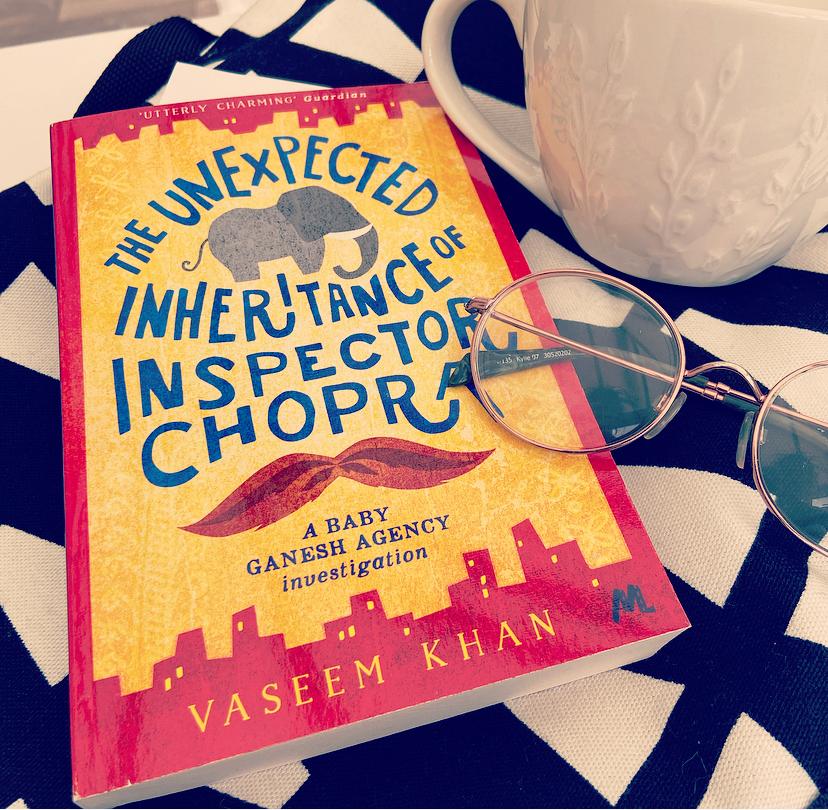
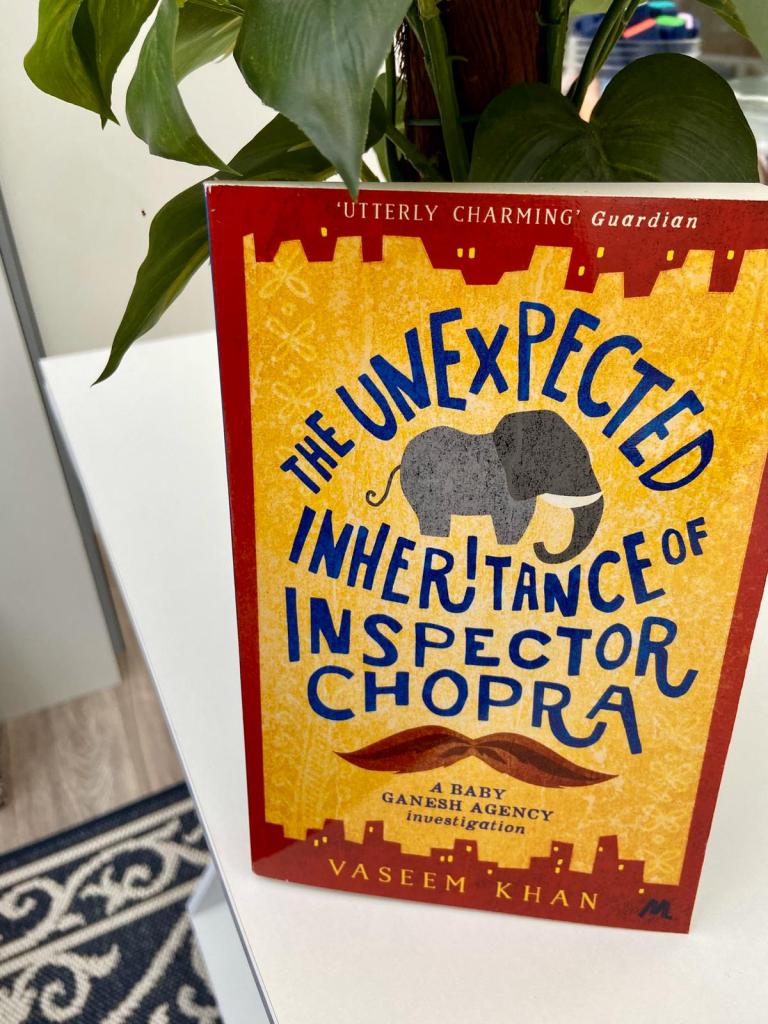
As you know from our last #CriminologyBookClub entry a small group of us decided the best way to thrive in lockdown was to seek solace in reading and talking about books. This blog entry is very different from any other we’ve published before, in that it has seven bloggers contributing! There is a very good reason why and that is because @manosdaskalou managed to choose a book that delighted all of us, and believe me, that is a challenge for a group of bibliophiles. Without more ado, let’s see what everyone thought:

“The second book of book club was a huge success- excellent choice @manosdaskalou! The Unexpected Inheritance of Inspector Chopra by Vaseem Khan was delightful! Whilst fulfilling all the ‘usual stuff’ associated with a crime novel, it also adds a layer of fantasy and wonder which is usually alien to crime fiction. As I raced through the novel, falling in love with characters- Poppy is kick ass, the complete opposite of drippy Carol (The Yellow Room) and safe to say I now want a baby Elephant; I was transformed into another world, something which crime fiction has never done for me before. It brought back feelings of nostalgia and memories of reading David Eddings and Derek Landy in the summer after GCSEs, when life was simpler and full of joy! A wonderful, intriguing and mysterious crime novel with a hint of fantasy, pulling you away to a different place. An enchanting and wonderful read which blends serious social injustices and issues with mystery, suspense and humour- I cannot wait to see what Inspector Chopra and Ganesha get up to next!”
@jesjames50

“The problem with writing a mere paragraph for a blog about a book that I really did enjoy is that I fear I won’t be able to do it justice. The story, well I’m sure others might tell you what the book is about but, if you want to know, really want to know, read it. Rarely can I say that I couldn’t wait to finish the book and yet didn’t want it to finish. The characters come to life, especially the elephant, in a way that makes it seem almost real, but not quite. The story moves on at a fast pace and yet has a steadiness to it. There are surprises along the way and, yet they are almost expected, it was always going to be that way. Within the narrative there is a demonstration of what we know to be good in humans and, yet it encompasses so much of what we know to be bad. How then can I have left the final page, sad that the book was finished, but uplifted by the narrative and almost salivating at the anticipation of reading the next in the series? The plaudits on the cover don’t do it justice, to answer my question, all I can reiterate is that you have to read it to understand.”
@5teveh
“When I first received this book, I was a bit sceptical, as I did not know how an elephant was going to be incorporated into a detective crime novel. However, I was pleasantly surprised. The first book in the series was a delight and a much-needed escape in these uncertain times. This book captured my attention very quickly and whisked me off on a colourful, picturesque adventure to Mumbai, with the amazing inspector Chopra and of course the star of the story, Ganesh the mysterious baby elephant. The book introduces you to an interesting plot. At first you are made to think that the focus of the book will be on Inspector Chopra investigating the murder of a young man. However, you are quickly introduced to the wider issues that sit at the heart of social and economic challenges present in India. Without leaving you glum, the book has a nice balance of crime and mystery, coupled with humour, great food, wonderful scenery and lovable characters. I liked this book as it was unique to any other books that I have read. I am looking forward to continuing the Baby Ganesh Detective Agency series.”
@svr2727
“Vaseem’s novel had me from to get-go. Set in bustling Mumbai this novel has more depth than the usual “whodunit” scenario. This book is a criminologist’s dream, as yes, we all find out who did it in the end, and yes the case is also solved but there are also issues of poverty and corruption to contend with. The story would not be complete without Ganesha the elephant who makes solving the case possible (and survivable). Ganesha goes through a lot in the story. From being depressed and chained up outside an apartment complex, to being mistakenly left to drown during heavy rain and fed chocolate. Despite all of this, Ganesha is often the hero of the hour, so for me the book symbolises the true greatness of animals: We do not deserve them.”
@haleysread
“I really enjoyed this book. It was great to lose myself in a different country and culture and to meet so many relatable characters there – even (especially?) the chocolate loving elephant! I can’t wait to find out what happens next…”
@saffrongarside
As well as having the joy of reading The Unexpected Inheritance of Inspector Chopra, we also had the very unexpected pleasure of welcoming the author Vaseem Khan to our book club meeting today. To be able to hear about Vaseem’s motivations for creating the colourful world in which Inspector Chopra and Ganesha work and play was fascinating. The opportunity to ask questions was fantastic and we’d like to say a big thank you to Vaseem for allowing us a peak inside his world of writing. It is now easy to see where Inspector Chopra gets his generosity of spirit from. And now we’ll leave the final word to @manosdaskalou….after all he did choose the book 😉
“What does a gang of criminologists do at lockdown? We read crime books and talk about them. On this occasion The Unexpected Inheritance of Inspector Chopra was a welcomed distraction from reality. The book introduces the retired inspector with a very unusual sidekick! The retired inspector is a very honourable, incorruptible professional whose investigation will bring him in conflict with the criminal underbelly of Mumbai. The retired inspector is not fazed, and he is determined to carry on regardless. The investigation takes inspector Chopra around the city; which gives the reader a unique opportunity to get to know a metropolitan megapolis.”
@manosdaskalou
Share this:


#CriminologyBookClub: The Yellow Room

In times of crisis it is beneficial to occupy yourself with things to do. This helps us to cope with boredom, and to distract us from the bleakness of reality. What better way to help with this than to start a book club? That’s right, whilst some of us were sitting at home twiddling our thumbs, @paulaabowles had sent us all a book that we were to read and discuss in virtual book club meetings. Little did we know that this book club was to be our very own ray of sunshine during such an unprecedented time.
Our first book is The Yellow Room by Mary Robert Rinehart (dubbed the American Agatha Christie by the blurb, which is generous). Set in Maine (USA) during WWII, this is a classic whodunit crime novel. With the wealthy Spencer family finding themselves tangled in a web of evidence that instigates their involvement with a dead woman that is found in the closet of their holiday home. The book is filled with intrigue and the plot thickens with each chapter, with more and more clues being thrown into the mix. Until too much is thrown in, and what is left of the book is quite simply… a mess.
The book consists of 30 chapters, and we think the club is in agreeance that the first 20-24 chapters are pretty great. Rinehart throws a number of spanners in the works, with near misses, burning hillsides, death by frights, illegitimate children and secret marriages. We all had our theories, some boarding on plagiarism (they know who they are!). However as it turns out a few of us were half right, and then so were some of the others. We will not give away any spoilers, but the ending, the answer we were all waiting for was disappointing and quite frankly we are still not 100% sure who did it, and what was actually done. The leading lady of the book Carol Spencer, dubbed drippy Carol by the club, because she is, well… DRIPPY, does nothing but smoke and drink coffee, whilst surrounded by crime and uncertainty. But, alas, when all is righted, she finds herself in the arms of an arrogant moody man, all happily engaged! Possibly a romance (although a bad one) or possible a classic whodunit (a half decent one), who can tell?
Overall the book was a success: it inspired intrigue and discussion! The virtual book club even more so! A bunch of misfits, gathered together (20minutes after the allotted time because one member of the group is late- @manosdaskalou), discussing the book, thinking about the social context, the characters, and how it is received today. It is a fantastic virtual club consisting of familiar suspects: the princess, the athlete, the criminal, the brain, the basket case, the parent and the “carol” (representations may not be literal or accurate). What will the misfits think of the next book? Will they all agree? Will one read ahead and sit silently and sheepishly, without the others knowing? Stay tuned…
@jesjames50 and @haleysread – founding members of the #CriminologyBookClub
Share this:


Hypocrites or just human?

At a time of a significant religious festival in the Christian calendar and at a time of global anxiety, sacrifice and distress, it seems apt to reflect on where we stand in it all.
Like most, I watch the television, listen to the radio, tap into social media (albeit only on limited occasions), receive emails and listen to family, friends and colleagues.
I am amazed by the sacrifice that some people make to protect or look after others and yet dismayed by the actions and comments of some. And yet as I ponder on the current situation I realise that it only brings into focus behaviours, actions and comments that were already there. Perhaps, the circumstances have allowed some to shine or provided more of a focus on those that already do outstanding things, and this is a good thing but human nature as it is, doesn’t really change. Here are a few examples, I’m sure if you reflect on these you will think of more.
- We lament at the inequality in the world, but we do little about it. Instead, we fight to buy up all the toilet rolls that we can, lest we run out.
- We complain the government haven’t done enough in the current crisis and then flout the guidelines they gave us on social gatherings and movement or cause others to do so (did you really need that Amazon order?)
- We complain about our work conditions, but we are content for the company or organisation to continue paying us, often saying they don’t pay us enough
- We are upset by colleagues who do us a disservice and then denigrate others because of their so-called ineptitude
- We complain about being bullied but go on to display the same bullying behaviours that we complained about
- We call people misogynistic but then in the same breath suggest that the world would be better without men or that women do a better job
- We accuse people of being racist but then use derogatory and stereotypical language to describe those that we accuse
- We condemn those that we see as privileged and suggest they should give up their wealth and status. And yet we fail to consider our own privilege and are not prepared to give up what we have (see the first comment re inequality)
- We see the criminal justice system as unfair but would be the first to complain if we were a victim of crime and the offender wasn’t brought to justice. What we see as justice is dependent on the impact the wrongful act has on us
- We commit crimes, albeit perhaps minor ones or committed crimes when we were younger and didn’t know better, yet we castigate others for being criminal. Welfare cheats are awful, but tax payments are to be avoided
I could go on, but I think by now you get the general idea. I’ll return to religion if I may, not that I’m religious, but I did start off the blog with an acknowledgement of the timing in line with the Christian calendar: “He that is without sin among you, let him cast the first stone at her”, (John, 8:7). Maybe we should be a little more honest with ourselves and think about what we say or do before we judge and condemn others. I do wonder though, are we all hypocrites, or is it part of the pathology of just being human?
Share this:

20 years of Criminology

It was at the start of a new millennium that people worried about what the so-called millennium will do to our lives. The fear was that the bug will usher a new dark age where technology will be lost. Whilst the impending Armageddon never happened, the University College Northampton, as the University of Northampton was called then, was preparing to welcome the first cohort of Criminology students.
The first cohort of students joined us in September 2000 and since then 20 years of cohorts have joined since. During these years we have seen the rise of University fees, the expansion of the internet and google search and of course the emergence of social media. The original award was focused on sociolegal aspects, predominantly the sociology of deviance, whilst in the years since the changes demonstrate the departmental and the disciplinary changes that have happened.
Early on, as criminology was beginning to find its voice institutionally, the team developed two rules that have since defined the focus of the discipline. The first is that the subject will be taught in a multi-disciplinary approach, widely inclusive of all the main disciplines involved in the study of crime; so alongside sociology, you will find psychology, law, history, philosophy to name but a few. The impetus was to present these disciplines on an equal footing and providing opportunity to those joining the course, to discover their own voice in criminology. The second rule was to give the students the opportunity to explore contentious topics and draw their own perspective. Since the first year of running it, these rules have become the bedrock of UoN Criminology.
The course since the early years has grown and gone through all those developmental stages, childhood, adolescence and now eventually we have reached adulthood. During these stages, we managed to forge a distinctiveness of what criminology looks like; introducing for example a research placement to allow the students to explore the theory in practice. In later years we created courses that reflect Criminology in the 21st Century always relating to the big questions and forever arming learners with the skills to ask the impossible questions.
Through all these years students join with an interest in studying crime and by the time they leave us, to move onto the next chapter of their lives, they have become hard core criminologists. This is always something that we consider one of the course’s greatest contribution to the local community.
In an ordinary day, like any other day in the local court one may see an usher, next to a probation officer, next to a police officer, next to a drugs rehabilitation officer, all of them our graduates making up the local criminal justice system. A demonstration of the reach and the importance of the university as an institution and the services it provides to the local community. More recently we developed a module that we teach in prison comprised by university and prison students. This is a clear sign of the maturity and the journey we have done so far…
As the 21st century entered, twin towers fell, bus and tube trains exploded, consequent wars were made, riots in the capital, the banking crisis, the austerity, bridge attacks, Brexit, extinction rebellion, buildings burning, planes coming down, forest fires and #metoo, and we just barely cover 20 years. These and many more events keep criminological discourse relevant, increase the profile of the subject and most importantly further the conversation we are having in our society as to where we are heading.
As I raise my glass to salute the first 20 years of Criminology at the University of Northampton, I am confident that the next 20 years will be even more exciting. For those who have been with us so far a massive thank you, for those to come we are looking forward to discussing some of the many issues with you. We are passionate about criminology and we want you to infect you with our passion.
As they say in prison, the first 20 years are difficult the rest you just glide through…
Share this:


“Back to the future”: 2019 A Year of Violence?

When I was young, 2020 seemed like the stuff of science fiction. Programmes like Tomorrow’s World held the promise of a future full of leisure, with technology taking the strain in all aspects of human life. Now we’re in 2020 it appears we have plenty of technology, but whether it adds or subtracts from the lived human experience, is still very much up for discussion. Certainly, it is increasingly difficult to separate work from leisure with the liquidity technology brings.
As is traditional for this time of year, the mind turns to reflection on the year gone by. This year is no different, after all it, like many others, has been packed with both good and bad experiences. Personally, 2019 was challenging in a number of different arenas, my patience, temerity and resilience have been tested in many novel ways. Events have caused me to reflect upon my own values and philosophies and my moral and ethical compass has been and continues to be tested. I don’t intend to go into lots of detail here, but it feels to me as if violence is increasingly impinging on all aspects of life. The first few days of 2020 suggests this perception is likely to continue with Trump’s decision to assassinate ‘Iran’s top general and second most powerful official, Qassem Suleimani’.
In December, 2019 we saw yet another general election. Whatever your particular persuasion, it is difficult to view British politics as anything other than increasingly personalised and aggressive. Individuals such as David Lammy MP, Diane Abbott MP, Caroline Dinenage MP, as well as campaigners such as Gina Miller and Greta Thunberg are regularly attacked on twitter and through other media. However, it is not all one sided, as Drillminster showed us in 2018 with his artistic triumph Political Drillin. It is clear that these verbal attacks are beginning to become part and parcel of political life. Such behaviour is dangerous, on many levels, political discourse is a necessity in a mature democracy and shutting up discordant voices cannot lead to unity in the UK.
In November, we were shocked and horrified by the terrorist attack at Fishmonger’s Hall. This attack on colleagues involved in prison education, raised questions around individual and collective decisions to engage with criminology with convicted criminals. Nevertheless, despite such horrific violence, the principles and practice of prison higher education remain undaunted and potentially, strengthened.
October, saw the publication of Grenfell Phase 1. This document identifies some of the issues central to the horrific fire at Grenfell Tower in 2017. Whether this and later publications can ever really make sense of such complexity, offer the victims and survivors comfort and go some way to ensuring justice for all those involved, remains to be seen. Those who have studied CRI3003 Violence with me are likely to be cynical but it is early days.
For much of September, the focus was on the prorogation of parliament and the subsequent court case. As with December, there were many complaints about the violence of language used both inside and outside parliament. Particularly, notable was the attack on MP Jess Phillips’ constituency office and arguments around the inflammatory language used by PM Boris Johnson.
In August, the media published video footage of Prince Andrew with his friend, the convicted sex offender Jeffrey Epstein. This story rumbles to the end of the year, with more allegations made toward the prince, culminating in an infamous interview which threatens to continue unabated.
July saw the end of a trial into modern slavery, leading to prison sentences for 8 of those involved. The judge concluded that slavery was still thriving in the UK, often ‘hiding in plain sight’. What support is available to those subjected to this violence, is not clear, but prison sentences are unlikely to make any material benefit to their lives.
In June, shocking footage emerged of MP Mark Field forcibly removing a female protester. Strikingly his colleague, MP Johnny Mercer tweeted ‘if you think this is “serious violence” you may need to recalibrate your sensitivities’. After some years teaching around violence, I have no idea what Mr Mercer feels qualifies as violence, but putting your hands on another’s throat would seem to a reasonable starting point.
May saw attention drawn to the media, with the racism of Danny Baker and inherent cruelty of the Jeremy Kyle Show. Arguments which followed suggest that, for many, neither were seen as problematic and could be dismissed as so-called “entertainment”.
April saw the collapse of the first trial of David Duckenfield, police commander at the 1989 Hillsborough disaster. Although put on trial again, later in the year, he was found not guilty on the 28 November, 2019. The chair of the Hillsborough Family Support Group, Margaret Aspinall perhaps spoke for everyone involved when she asked ‘When 96 people – they say 95, we say 96 – are unlawfully killed and yet not one person is accountable. The question I’d like to ask all of you and people within the system is: who put 96 people in their graves? Who is accountable?’ After 30 years, it seems justice is still a long way away for the victims, survivors and their families.
After years of growth in life expectancy, in March the Institute and Faculty of Actuaries published data suggested that this was no longer the case in the UK. Although they offered no conclusions as to why this was the case, evidence indicating that the ideology of austerity costs lives, cannot be discounted.
In February, the Office for National Statistics announced homicidal knife crime was at the highest level for over 70 years. Despite harsher sentences for those carrying knifes, evidence from the College of Policing indicates that such penalties exacerbate rather than improve the situation.
The new year began with squabbling about Brexit and the expected impact on Northern Ireland. On the 20 January 2019 a bomb detonated in Londonderry, fortunately with no injuries. For those of us old enough to remember “The Troubles”, footage of the incident brings back many horrific memories. Nevertheless, discussions around Northern Ireland and Brexit continue throughout 2019 and into 2020, with little regard for the violence which has ensued in the past.
Many events have happened in 2019, as with every other year and what stays in the mind is an individual matter. I feel that my world has become more violent, or maybe I have just become more attuned to the violence around me. I make no apology for my adherence to pacifist ideology, but this perspective has been and no doubt, will continue to be challenged. I must consider whether there comes a time when ideology, values, philosophy, temerity and resilience, are little more than good old-fashioned stubbornness. Until that point of no return comes, I will stand my ground and for every violent action that occurs, I will try my best to work toward a better world, once in which equality, peace and social justice reign supreme.
Share this:


Empathy Amid the “Fake Tales of San Francisco”*
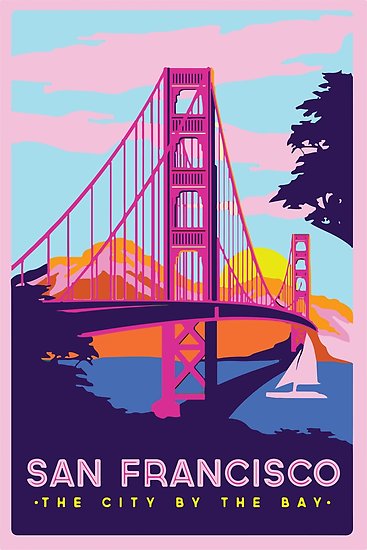
This time last week, @manosdaskalou and I were in San Francisco at the American Society of Criminology’s conference. This four-day meeting takes place once a year and encompasses a huge range of talkers and subjects, demonstrating the diversity of the discipline. Each day there are multiple sessions scheduled, making it incredibly difficult to choose which ones you want to attend.
Fortunately, this year both of our two papers were presented on the first day of the conference, which took some of the pressure off. We were then able to concentrate on other presenters’ work. Throughout discussions around teaching in prison, gun violence and many other matters of criminological importance, there was a sense of camaraderie, a shared passion to understand and in turn, change the world for the better. All of these discussions took place in a grand hotel, with cafes, bars and restaurants, to enable the conversation to continue long after the scheduled sessions had finished.
Outside of the hotel, there is plenty to see. San Francisco is an interesting city, famous for its Golden Gate Bridge, the cable cars which run up and down extraordinarily steep roads and of course, criminologically speaking, Alcatraz prison. In addition, it is renowned for its expensive designer shops, restaurants, bars and hotels. But as @haleysread has noted before, this is a city where you do not have to look far to find real deprivation.
I was last in San Francisco in 2014. At that point cannabis had been declassified from a misdemeanour to an infraction, making the use of the drug similar to a traffic offence. In 2016, cannabis was completely decriminalised for recreational use. For many criminologists, such decriminalisation is a positive step, marking a change from viewing drug use as a criminal justice problem, to one of public health. Certainly, it’s a position that I would generally subscribe to, not least as part of a process necessary to prison abolition. However, what do we really know about the effects of cannabis? I am sure my colleague @michellejolleynorthamptonacuk could offer some insight into the latest research around cannabis use.
When a substance is illegal, it is exceedingly challenging to research either its harms or its benefits. What we know, in the main, is based upon problematic drug use, those individuals who come to the attention of either the CJS or the NHS. Those with the means to sustain a drug habit need not buy their supplies openly on the street, where the risk of being caught is far higher. Thus our research population are selected by bad luck, either they are caught or they suffer ill-effects either with their physical or mental health.
The smell of cannabis in San Francisco is a constant, but there is also another aroma, which wasn’t present five years ago. That smell is urine. Furthermore, it has been well documented, that not only are the streets and highways of San Francisco becoming public urinals, there are also many reports that public defecation is an increasing issue for the city. Now I don’t want to be so bold as to say that the decriminalisation of cannabis is the cause of this public effluence, however, San Francisco does raise some questions.
- Does cannabis cause or exacerbate mental health problems?
- Does cannabis lead to a loss of inhibition, so much so that the social conventions around urination and defecation are abandoned?
- Does cannabis lead to an increase in homelessness?
- Does cannabis increase the likelihood of social problems?
- Does the decriminalisation of cannabis, lead to less tolerance of social problems?
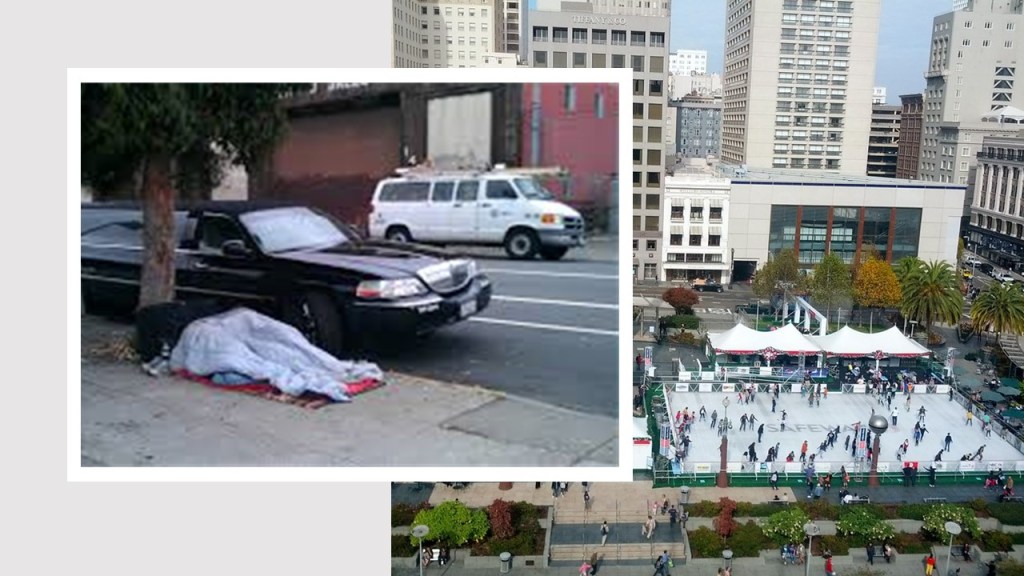
I don’t have any of the answers, but it is extremely difficult to ignore these problems. The juxtaposition of expensive shops such as Rolex and Tiffany just round the corner from large groups of confused, homeless people, make it impossible to avoid seeing the social problems confronted by this city. Of course, poor mental health and homelessness are not unique to San Francisco or even the USA, we have similar issues in our own town, regardless of the legal status of cannabis. Certainly the issue of access to bathroom facilities is pressing; should access to public toilets be a right or a privilege? This, also appears to be a public health, rather than CJS problem, although those observing or policing such behaviour, may argue differently.
Ultimately, as @haleysread found, San Francisco remains a City of Contrast, where the very rich and the very poor rub shoulders. Unless, society begins to think a little more about people and a little less about business, it seems inevitable that individuals will continue to live, eat, urinate and defection and ultimately, die upon the streets. It is not enough to discuss empathy in a conference, no matter how important that might be, if we don’t also empathise with people whose lives are in tatters.
*Turner, Alex, (2006), Fake Tales of San Francisco, [CD]. Recorded by Arctic Monkeys in Whatever People Say I Am, That’s What I’m Not, The Chapel: Domino Records

 Thoughts from the criminology team