
Home » Coronavirus (COVID-19) (Page 6)
Category Archives: Coronavirus (COVID-19)

Misfortune and the Blame Game
It seems to be a peculiar past-time in this country to moan and find fault with everything and blame anyone but ourselves for our mishaps and misfortune.
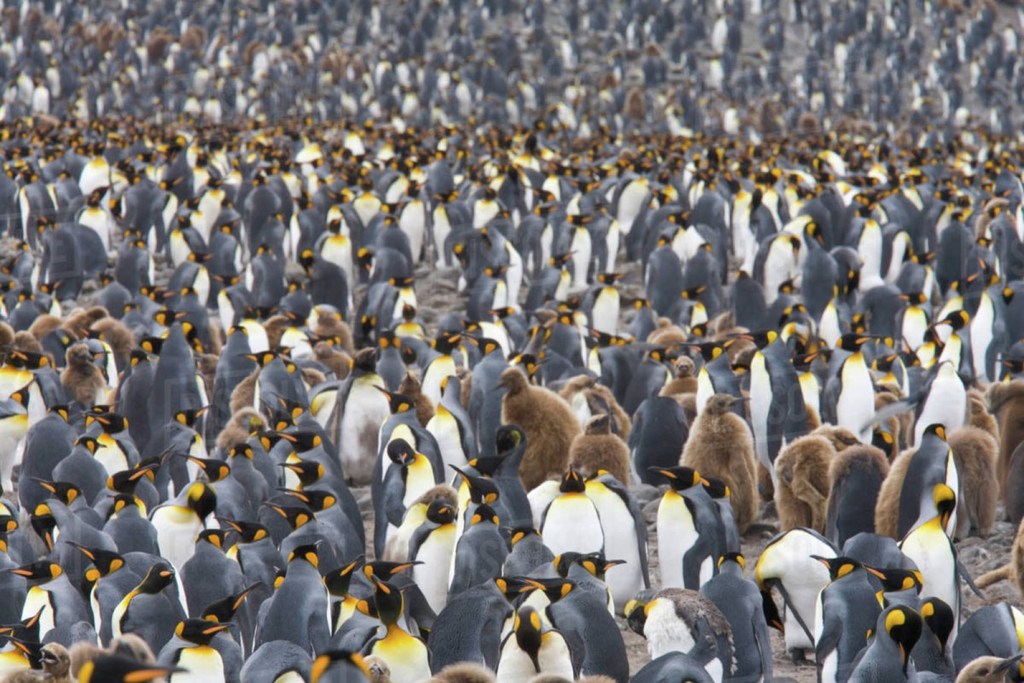
I was watching a television programme last night about Britain’s bizarre weather conditions in 2020 and what struck me, actually you could have slapped me round the face with a wet kipper, was the behaviour of people in the heatwave of April 2020. An extraordinary heatwave saw people flocking to parks and to the beach. Some scenes looked more akin to those pictures we see of seals or penguins on a remote island where there isn’t an inch to move without stumbling over the next incumbent, all staking their claim to a little parcel of land on which they can sunbathe or nest. ‘Weren’t we supposed to be social distancing and in lockdown’? Of course, we blame the government for lockdown 2 and the tier system. How unfair it is that we can’t see our loved ones, oh the mental anguish when we miss school, or have to learn online or get made redundant or our business goes belly up. But flock to the seaside we must, go to the park and mingle is a necessity, rush to the pub and drink and make merry, have parties and raves and forget about social distancing and that awful thing that the government keeps wittering on about. Let’s blame the police for dishing out fines, its so unfair and let’s even blame the hospitals, that’s where my loved one caught Corona virus. Yes, the government were to blame for suggesting that we should ‘eat out to help out’, but did we really think it was suddenly fine to plunder food from every outlet that provided a cut-price meal? Like lemmings, people rushed to pack out restaurants and pubs in search of a culinary bargain and many got more than they bargained for. ‘Two for the price of one’ had a new meaning.
None of this of course is a new phenomenon; the virus might be, the behaviour is not. We speed along the road and when caught by the police ask them if they haven’t got anything better to do than stop us. We complain about the NHS but carry on drinking lots, eating rubbish and failing to exercise. Our illness in the morning is due to the bad kebab, not the large amount of alcohol we consumed. We moan about our rubbish grades, somehow expecting that the parties, the staying in bed all day, the failure to attend, the work commitments and all the other hubris will get us an A grade or at least a B. It’s the way the lecturers teach, not our lack of commitment, that’s the problem here, ‘oh and I’m paying for this rubbish’. In football, we blame the referee for not giving a foul or for giving a foul when we are convinced it wasn’t one and yet watch players carry on diving all over the place rolling around as if they’ve been scythed down by the grim reaper and then chewed up by Jaws before being magically revived by the miraculous sponge. More at home with an Equity Card, players constantly seek to bamboozle the referee, it’s no wonder they sometimes get it wrong. We moan about the stampede at the start of the shop sales, not that that’s been a problem this year, well not yet anyway, but we are part of the stampede, shoving and trampling over others to get to the much reduced bargain. We lament the demise of the high street, watching the tumbleweed blow past as we scuttle away to our laptops, pads and phones to do a bit more online shopping only rushing out in droves (social distancing ignored) to take advantage of the demise of yet another retail outlet.
Whilst ministers are trying to hammer out a Brexit deal, posturing and moaning about the intransigence of the other side, they probably secretly hope that there will be no deal. That way we can blame the Europeans and the Europeans can blame us. But are we not to blame for this monstrosity; we voted for it? We live in a democracy and are rightly proud of it and yet Trump like we are quick to point out that we personally didn’t vote for that bit that we don’t like, and the vote was probably rigged anyway. Having realised our error, we still voted in the government that said it would get it done and we didn’t care about the price. Let’s hope that a return to the troubles in Ireland doesn’t become a reality, but if it does, it’ll no doubt be the fault of the Irish. Our sense of history only stretches back to when we saved the world from the Nazis.
We need to look to ourselves and our own action and behaviour before we start blaming everyone and everything around us. Yes, misfortune does fall on some of us and sometimes it isn’t our fault but like it or not, many of the problems are caused by us and we compound the problems by blaming others. If we fail to grip the notion that we have responsibility, then history will judge us as a nation that moaned about everything and did nothing but cause calamitous problems for ourselves and the rest of the world.
Share this:


Yorkshire Ripper: Not an Obituary
Wilma McCann, 28
Emily Jackson, 42
Irene Richardson, 28
Patricia Atkinson, 32
Jayne MacDonald, 16
Jean Jordan, 21
Yvonne Pearson, 22
Helen Rytka, 18
Vera Millward, 40
Josephine Whitaker, 19
Barbara Leach, 20
Marguerite Walls, 47
Jacqueline Hill, 20
As the team northerner I took it upon myself to write about Peter Sutcliffe after hearing of his death. Sutcliffe was a serial killer who operated in West Yorkshire and the North West of England. He was convicted of murdering 13 women and attempting to kill 7 more in the 1970s, and was serving 20 life sentences for his crimes.
Ironically, the ripper was killed by covid-19, the deadliest killer of 2020 (incidentally I asked students to imagine covid-19 being a serial killer in a lecture yesterday). Reports suggest that he was in ill health prior to contracting the coronavirus, was obese and had diabetes. He died 2 days after his diagnosis after refusing treatment.
When I started writing about the Yorkshire Ripper, I couldn’t help but think about his victims. Those he killed (named above – remember them), those he harmed and who survived, the relatives of both and the women in the areas in which he would prey on his victims, who feared leaving their homes every day for half a decade. These are the people I am thinking about, those who are in my thoughts. How do they feel about the news of his death? How have they felt every time they have heard his name for the last few decades? How, 40+ years later, are the living victims coping?
I didn’t know a lot about Peter Sutcliffe. It was before my time so when I read about the secondary victimisation as a result of police and the prosecution blaming the victims it made me angry. Peter Sutcliffe would prey on women, often prostitutes. The police at the time differentiated between the victims who were sex workers and the victims who weren’t and referred to those that weren’t as ‘innocent victims’, insinuating that the sex workers were not entirely blameless and may have precipitated their fate. Thankfully, West Yorkshire Police have issued a statement to apologise for the language and tone used at the time but the damage has already done.
I’d like to say society has learned from its mistakes, but sadly I don’t think we have. There is still evidence of victim blaming, particularly in cases of femicide and rape. Think of the Grace Millane murder and the protests in Ireland after a barrister suggest the jury consider the victim’s underwear, questioning consent. I hope one day we, as a society, learn. I hope the victims of Peter Sutcliffe get some sort of relief from both his passing and the apology from West Yorkshire Police.
Share this:


A Lockdown Moan
As the second lockdown has come to an end, I find myself reflecting on my own lockdown experiences quite a lot. My overall sense is that of gratitude, in that I have been fortunate enough to maintain and be offered new employment during this difficult time.
During the first lockdown I was a key worker and travelled to and from work on public transport whilst everyone else was ordered to ‘stay safe, and stay at home’. At times this was frustrating, and although I generally had faith in humanity my views on this were tested. During, lockdown 1.0 I witnessed people being much more aggressive to key workers. I worked in a place where I did not expect people to be nice to me, but even on my route to and from work I found that I was subjected to the odd remark.
One morning at 6am whilst in the city center I was even called ‘a rapist’ because I did not have any change to give to a homeless person, he then sort of offered to fight me. Of course, I wouldn’t ever fight anyone, and he would have been completely unaware that I had just finished a night shift so I would not prove to be a worthy opponent in any sense. I also remember sitting on the bus one night whilst a man, who appeared mentally unwell, persisted to cough all over me (mask free) before exiting at his stop.
I didn’t take any of these experiences personally, and thankfully I didn’t get Covid. It was clear that these people had many of their own problems – many of which may have been exacerbated due to Covid. The lack of understanding of Covid for some people also highlights a key issue i.e., that mainstream concerns are not being communicated to wider population within our society.
I did find myself frustrated by the general population who in my experience, did not appear as positive and kind as the media seemed to suggest. I experienced many incidents of people being selfish, such as people snapping and venting their frustrations at others who are simply just trying to do their jobs (with shocking pay and poor contracts might I add). On top of this was the notion of visiting a supermarket after a 12 hour night shift whilst people scramble for the last scraps of essentials whilst you are walking around like a zombie. With bare shelves, rude people and long queues….what more could key workers ask for? For Christ sake, someone even tried to steal a tin of beans out of my shopping trolley on one occasion!
During lockdown 2.0 I have been very privileged indeed, as I am able to work from home. Staying in this bubble of mine has also made me feel much less frustrated. But I do still wonder, why is it that we feel that those who provide a ‘service’ to us are not people themselves? People with their own problems, thoughts and feelings. Do we think that people are robots? Is this why some people think that it is ok to vent their frustrations at others? I am sure that other people have had more positive experiences than this, but I can’t understand why people aren’t being more kind and understanding of each other. There is a difference between being a service provider and being a servant…people seem to forget this sometimes.
Share this:


Intolerance, frustration and stupidity
‘Stupid is, as stupid does’ a phrase that many people will recall from that brilliant film Forrest Gump, although as I understand the phrase was originally coined in the 19th century. I will return to the phrase a little later but my starting point for this blog is my colleague @jesjames50’s self-declared blog rant and an ensuing WhatsApp (other media are available) conversation resulting in a declaration that ‘maybe we are becoming less tolerant’.
So, I ask myself this, what do we mean by tolerant or intolerant and more importantly what behaviours should we tolerate? To some extent my thoughts were driven by two excellent papers (Thomson, 1971, 1985) set as reading for assessment questions for our first-year criminology students. The papers describe ethical dilemmas and take us through a moral maze where the answers, which are so seemingly obvious, are inevitably not so.
As a starting point I would like you to imagine that you frequent a public house in the countryside at weekends (I know that its not possible at the moment, but remember that sense of normality). You frequently witness another regular John drinking two to three pints of beer and then leave, getting into his car and driving home. John does not think he is incapable of driving home safely. John may or may not be over the proscribed limit (drink driving), but probably is. Would you be able to make some excuse for him, would you tolerate the behaviour?
Let us imagine that John had a lot to drink on one night and being sensible had a friend drive him and his car home. The next morning, he wakes up and drives to work and is over the proscribed limit, but thinks he’s fine to drive. Would you be able to make some excuse for him, would you tolerate the behaviour?
Of course, the behaviour becomes absolutely intolerable if he has a collision and kills someone, I think we would all agree on that. Or even if he simply injures someone, I think we would say we cannot tolerate this behaviour. Of course, our intolerance becomes even greater if we know or are in somehow related to the person killed or injured. Were we to know that John was on the road and we or someone we know was also driving on the same road, would we not be fearful of the consequences of John’s actions? The chances of us coming across John are probably quite slim but nonetheless, the question still applies. Would we tolerate what he is doing and continue with our own journey regardless?
Now imagine that John’s wife Jane is driving a car (might as well keep the problems in one family) and Jane through a moment of inattention, speeds in a residential street and knocks over a child, killing them. Can we make excuses for Jane? How tolerant would you be if the child were related to you? Inattention, we’ve all been there, how many times have you driven along a road, suddenly aware of your speed but unsure as to what the speed limit is? How often have you driven that all familiar journey and at its end you are unable to recall the journey?
The law of course is very clear in both the case of John and Jane. Driving whilst over the proscribed limit is a serious offence and will lead to a ban from driving, penalty points and a fine or even imprisonment. Death by dangerous driving through drink or drugs will lead to a prison sentence. Driving without due care and attention will lead to a fine and penalty points, death by careless driving is likely to result in a prison sentence.
So I ask this, what is the difference between the above and people’s behaviours during the Covid-19 pandemic?
Just to be clear, contracting Covid-19 may or may not kill you, of course we know the risk factors go up dependant on age, ethnicity and general health but even the youngest, healthiest have been killed by this virus. Covid-19 can cause complications, known as long Covid. Only now are we starting to see its long-term impact on both young and old people alike.
Now imagine that Michael has been out to the pub the night before and through social contact has contracted Covid but is unaware that he has the disease. Is it acceptable him to ignore the rules in the morning on social distancing or the wearing of a mask? What is the difference between him and John driving to work. What makes this behaviour more acceptable than John’s?
Imagine Bethany has symptoms but thinks that she may or may not have Covid or maybe just a cold. Should you tolerate her going to work? What if she says she must work to feed her family, can John not use the same excuse? If John’s behaviour is intolerable why should we tolerate this?
If people forget to move out of the way or get too close, what makes this behaviour any different to Jane’s? Of course, we see the immediate impact of Jane’s inattention whereas the actions of our pedestrians on the street or in a supermarket are unseen except by those close to the person that dies resultant of the inattention. Should we tolerate this behaviour?
To my colleagues that debated whether they have become less tolerant I say, no you have not. There are behaviours that are acceptable and those that are not, just because this is a new phenomenon does not negate the need for people to adhere to what are acceptable behaviours to protect others.
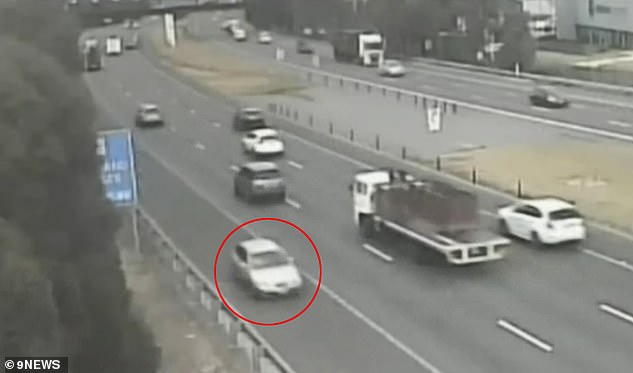
To those of you that have thought it was a good idea to go to a party or a pub before lockdown or do not think the rules need apply to you. You are worse than John and Jane combined. It is akin to getting drunk, jumping in your cars and racing the wrong way down a busy motorway. ‘Stupid is as stupid does’ and oh boy, some people really are stupid.
References
Thomson, Judith Jarvis, (1971), ‘A Defense of Abortion,’ Philosophy & Public Affairs, 1, 1: 47-66
Thomson, Judith Jarvis, (1985), ‘The Trolley Problem,’ The Yale Law Journal, 94, 6 : 1395-1415,
Share this:


“My Favourite Things”: Amy

My favourite TV show - This is hard! I love a box set and it depends on my mood but This Is Us for when I need a good cry and Travels With My Father or Idiot Abroad for laughs (combines my love of travel with belly laughs)

My favourite place to go - Mum and dad's. Their home and gites at Cousserat (shameless plug) in South West France is the most peaceful place I've ever been. Waking up with a view of the vines, having breakfast with my parents, running for miles and not seeing another car, the beautiful boulangeries and lively night markets. I wish I could travel over more than I do

My favourite city - Paris

My favourite thing to do in my free time - CrossFit - functional fitness combining cardio, gymnastics and Olympic weightlifting elements. It's super addictive and has a real sense of community so it's my social life as well as my gym

My favourite athlete/sports personality - Any of the CrossFit women but Tia-Clair Toomey is an absolutely phenomenal athlete. Her mindset, work ethic and determination is inspiring

My favourite actor - Tom Hardy. Needs no further explanation

My favourite author - I can't remember the last time I read fiction. We're probably talking about the Jane Austen period it's been that long. If we're talking academia then Vicky Canning. We think alike and she's lovely

My favourite drink - Diet Coke but I quit for months at a time because it's addictive. I also love Caribbean Nocco and lemon and ginger tea

My favourite food - If I could only eat one food for the rest of my life it would definitely be chicken

My favourite place to eat - My own dining room but in terms of restaurants there's so much choice in Manchester I rarely eat in the same place twice!

I like people who - help others

I don’t like it when people - are racist

My favourite book - Gendered Harm and Structural Violence in the British Asylum System by Victoria Canning. It's been my go to during my PhD

My favourite book character - Jo from Little Women

My favourite film - Bridesmaids

My favourite poem - I don't know a single poem. Is that bad? I studied English Literature at Access and I don't recall what I read

My favourite artist/band - Emmy the Great has a special place in my heart

My favourite song - I can't answer this. It's like choosing your favourite child

My favourite art - I was on site during the fieldwork phase of my PhD research at a womens' group for newly arrived migrants. There was one woman who didn't speak a word of English but she loved the art activities. She created a series of tiles over a few weeks. The artwork was beautiful because of what it symbolised. The woman came in withdrawn and closed, wearing her veil tightly like it was an extra layer of protecting from the world. By the time she completed her mosaic tiles she looked taller, younger and she smiled. Her veil loosened, as did her furrowed brow. It was absolutely incredible to see the change in her. Sat with a group of women making mosaic tiles for a few weeks positively influenced her wellbeing.

My favourite person from history - I'm a woman from Manchester so it has to be Emmeline Pankhurst. Her legacy continues today in her home which is now home to a range of women's services
Share this:


The Lockdown Lowdown
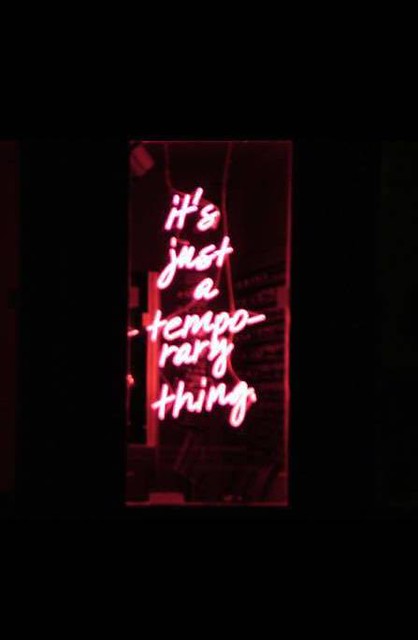
I took this photo a few years ago on a solo visit to Copenhagen, I had just quit my job and was in the process of leaving where I called home, my PTSD was certainly at its worst and the future was entirely uncertain…
A cosy Sunday evening, the flat has been hoovered, the washing is out to dry, lunch has been prepped for the following day…yet despite all of this normality me and my partner sit here on our cosy Sunday armed with the knowledge that another national lockdown is imminent. So whats next for us?
Before I explore whats next I want to reflect on what has been, it was only this time last year that my mental health was at its worst since I was diagnosed with PTSD some years ago and it was during this month last year that I found out I was pregnant. After many difficult conversations I decided that that chapter of my life was not ready to begin, not just yet, and so the guilt consumed me and I relied on anti-depressants to help me through that difficult time. Eventually as time passed so did the guilt and my mental health became stronger, because I willed it so, and after a short stint I stopped using the anti-depressants because I knew within myself I didn’t have to rely on them…
…More time passed and I found that the strength of my mental health had started to peak, I set myself goals that only I knew about and only I could achieve, I started to be critical of the people I surround myself with to ensure that I was living as authentically true to who I am as possible. This was my attempt at self care, As I withdrew from these friendships I simultaneously removed my negative addictions and repeated behaviours (drugs, alcohol, time-wasting, self-depreciation), I realised that my actions allowed me to concentrate my full energy on the things that truly matter in my life (my studies, my family, my relationship)… and then lockdown happened.
And boy was I prepared for that, I wont deny that I grew a few stretch marks and after some self hate Ive learnt to accept and love them as a natural process of my body. I realised I didn’t do much exercise during lockdown and my appetite was unruly, with zoom quiz night’s came alcohol and snacks (lots of them). Despite my growing waist I was okay mentally and yes I wont deny that having my own apartment and living with my partner helps but also having dealt with a bit of a breakdown some months prior helped order my perspective on my life, how I want to live it and how I would tackle this challenging time. As a 2nd year student I lost all hope and focus for a while as the outstanding assignments were piling up and I was heavily relying on the august submission date, I felt like I wasn’t worthy of being a university student, that I was never going to graduate and self doubt quickly reappeared into my life, Its a strange thing really during lockdown I didn’t really do anything at all, but I also never found the time to study? And the strangest thing is that actually most students felt this way and when me and my peers communicated how we were feeling we were able to support each other more and eventually those assignments were submitted and here we are… 3rd years!
So 3 days to go before lockdown 2 and how can I get through this?… how can you get through this? Undoubtedly there are many people who have dealt with a world of pain since coronavirus first graced our planet and yet in my experience I found this year to be quite grounding and it has allowed me to focus my energy on me, who I am, what I want and who I want to be (without sounding narcissistic but rather rightfully selfish), because I have no control over external happenings neither do you and thats okay. what we can do is focus on our little world; ourselves and the people around us. heres a few quotes I find to be quite relevant to this train of thought.
“To what goal are you straining? The whole future lies in uncertainty; live immediately” – Seneca
“Just keep in mind the more we value things outside our control, the less control we have” – Epictetus
“Man conquers the world by conquering himself” – Zeno
So how can you, how can we, get through lockdown? granted it may not be as-long as the last one but we’ve had a taste of normality again and so this time round it may be harder, this time we have long winter days and a lack of vitamin D combined with the uncertainty of celebrating Christmas with family looming over us, so in consideration of Epictetus’ wise words lets focus on what we can control; 1. lets schedule consistent self care( for me that comes in the medium of being disciplined, in terms of uni work.. and diet), 2. Lets move our bodies! go for a walk outside and pick up litter? (later in this blog post you’ll find some of my suggestions for walks around Northamptonshire), 3. don’t pressure yourself into being consistently pro-active! 4. do drink hot chocolate. 5. And if your sad about missing out on getting your Christmas shopping in early then try to buy from local independant businesses, you might find many local stores posting available items onto their social media pages and offering contact-free deliveries! 6. Check up on your friends and family, be mindful of keeping communication going, you don’t know who just might be struggling! 7. Buy a homeless person a warm meal!
(TIP: when looking for businesses check out this new hashtag on instagram introduced by some local Northampton businesses to get people buying more locally)… #SHOPLOCALSAVECHRISTMAS
https://www.instagram.com/explore/tags/shoplocalsavechristmas/
Overall lets focus on our own self betterment and where possible our local communities betterment (and as always wear a mask!!)
And most importantly if you are struggling then reach out to someone and let them know, as always with my posts as the focus tends to be on mental health I will provide links to the university’s, the local communities and national charities mental health resources, so please take note and rely on them if you need to.
For my previous blogs/context have a read of the following:
Navigating Mental Health at University
Navigating your mental health whilst studying at university during a worldwide health pandemic
“Joy comes to us from those whom we love even when they are absent” – Seneca
“Never let the future disturb you. You will meet it, if you have to, with the same weapons of reason which today arm you against the present” – Marcus Aurelius
“Don’t hope that events will turn out the way you want, welcome events in whichever way they happen: this is the path to peace” – Epictetus
I could continue on with a great deal more of these philosophical quotes and if you are interested in them then I’d recommend reading up on the discipline of stoicism, but if you’d like to read on you’ll find a few suggestions of areas to walk in and around Northamptonshire in aid of keeping your body moving during this lockdown, (and if you can take a bag and pick up litter).
Exploring Northampton’s Parks and Reservoirs
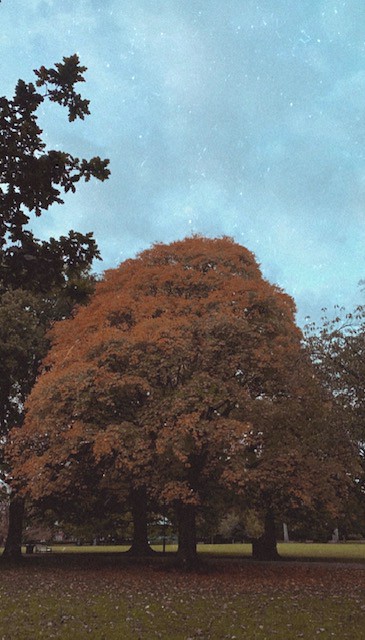
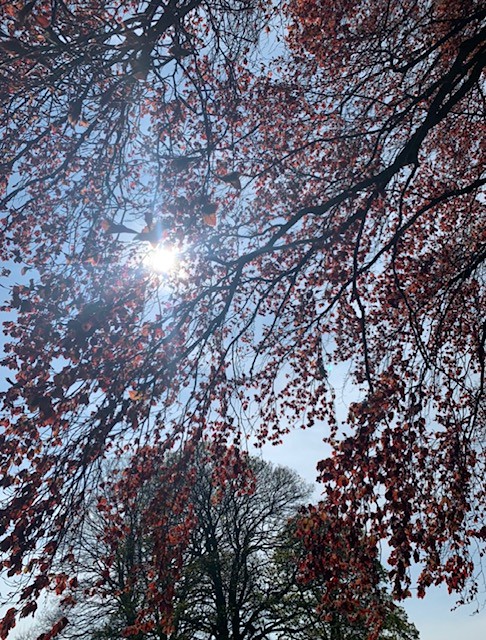
Abington Park; Located in the NN1 postcode a short distance from the town centre. The park has plenty of areas to explore with ponds, forestry areas and it offers some lovely autumnal photo opportunities, heres a particularly orangey-ember tree that caught my eye.
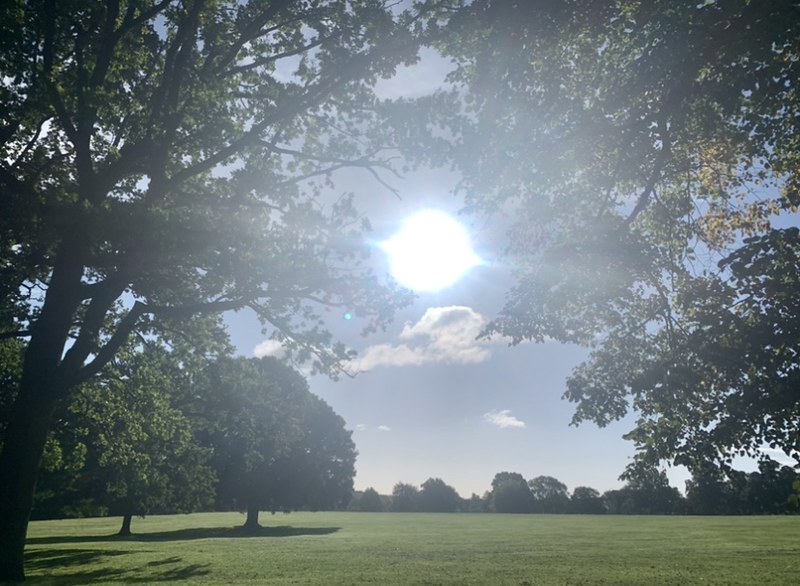

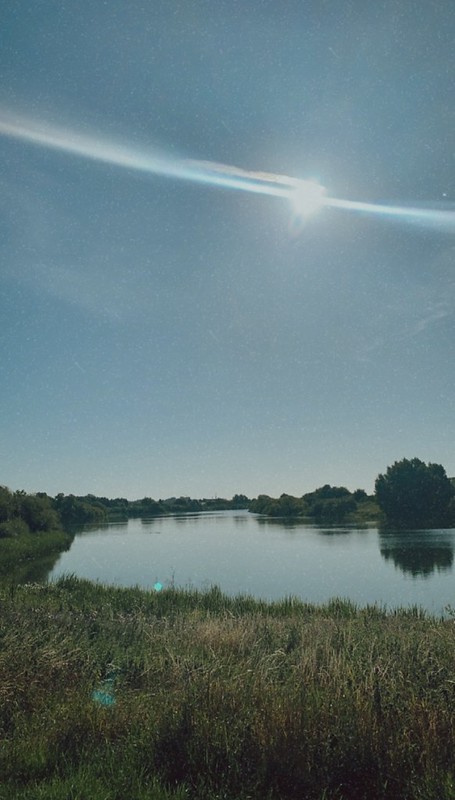
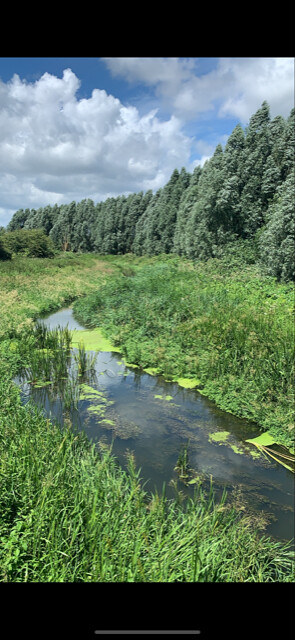
Sixfields lakes and reservoir; Unless you know of this lake you wouldn’t know it was there, Its situated a little down from the Sixfields football stadium, there is a small roundabout you can take to go up towards the cinema (Walter Tull Way), down Edgar Mobbs way, or join the A5076, and there is a fourth almost hidden turning that will take you down a road adjacent to Duston mill road, it is down this road that you will find this little gem.
There are two lakes to walk around, one being the main option where most people park up (there is parking on site) at a leisurely stroll the walk will take around an hour, you may see plenty of fishermen and lots of wildlife!
There is a second walk which I’ve only recently discovered myself, just down from the car park there is a small gate and it is through there you can explore to your hearts content!
The Racecourse; I Imagine plenty of students and teachers alike will be aware of this location as it housed the university campus for many many years. As a budding criminologist I cant ignore the fact that the Racecourse has developed a rather unruly reputation for crime, I’ve personally never experienced anything and Ive lived in Northampton the majority of my life but thats not to say that it doesn’t happen, so as always be wise about your walk, perhaps avoid late night’s, let someone know where you are walking and stick to the street lights. The racecourse is a roughly 15 minute walk from the town centre and on good weather days offers views like this;

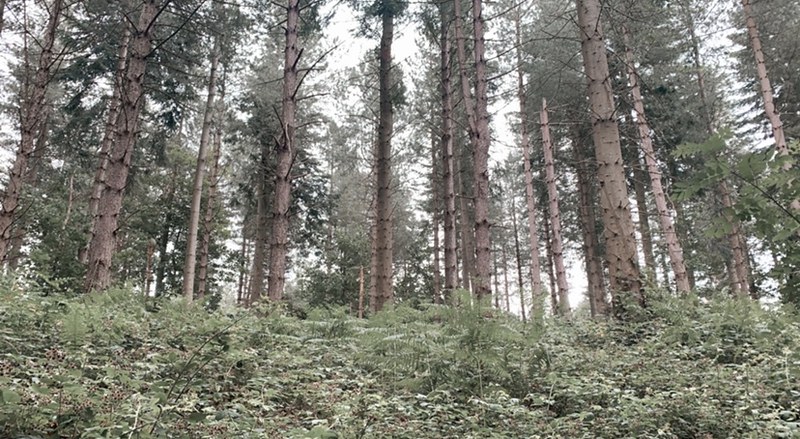
a-bit further afield: Harlestone Firs; I would recommend driving to this location if you can, there may be local busses that run in the area but I would recommend checking the COVID guidance with regard to bus routes. So Harlestone Firs is a fantastic location to get lost in the woods for a few hours, and I literally mean get lost… I have been there countless times and I still lose myself in there, but its a welcome loss. You’ll find endless amounts of huge ferns, fir trees, endless pathways and there is a working timber yard in amongst this location too. Wear boots for this spot I always choose my trusty Dr.Martens.
Brixworth Country Park/ Pitsford Reservoir; Another location you’ll likely need a vehicle to visit. This huge location offers a giant walk or a bike ride, you can of-course take your pooch with you too but keep them on a lead as theres plenty of cyclists at this location. I recently made the mistake of biking around here with the pooch on an extremely hot day and wow was that an interesting experience. There is paid parking on site or a little slip road you can park along. If you need to just take a few hours or even the whole day go and visit this location, take a packed lunch and sit and enjoy the view.
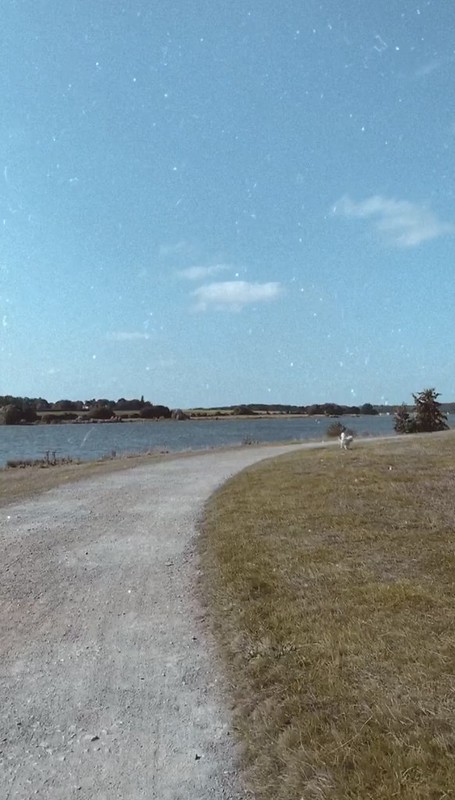
Here are some more locations that you may already know about and can explore during this lockdown, do make sure to check local COVID guidance, and even if you cant visit some locations now then make a note of them and visit them when you get a chance, Northamptonshire has such a vast amount of countryside to offer!
Becketts Park – Located just of the university campus offering a short distanced walk but plenty of wildlife and a nice view of the canals and lake.
Sywell Reservoir – You’ll likely need a vehicle to visit this location but you could also take the X46 bus (or X47?) Sywell takes around 2-3 hours to walk depending on pace, its one of my favourite spots as I grew up walking around this location.
Victoria Park and Dallington Park – Both are situated in St.James, and both are relatively small in comparison to the other locations but well worth incorporating into your daily exercise if you live within this location.
– Brackmills Country Park
– Delapre Park and Delapre Wood
– Earls Barton just of Doddington road, a pathway leading down to Summer Leys, here you can explore plenty of the river nene, beautiful views of the surrounding landscape and lots of horses!
– Rectory Farm fields; Here you can explore the fields (but be respectful of the farmers land) these fields stretch out to Overstone and Sywell, if you’d like to visit sywell reservoir and living within rectory farm then just take the fields route this route would take around 30 mins to walk to sywell reservoir and its well worth it.
So thats it for me, if you have any of your own suggestions not just in regard to walks around Northamptonshire but also how to keep your mind healthy during this next lockdown then please do comment any suggestions you might have, were all in this together!
If you’ve read this far then here’s one last quote to guide you into your day…
“The impediment to action advances action, what stands in the way becomes the way” – Marcus Aurelius
see below for references to guidance and advice.
- Counsellors – The Counsellors will listen to you and help you respond to the difficulties in your life, they will allow you to develop your abilities to address and resolve issues in your life. https://www.northampton.ac.uk/student-life/support/counselling-and-mental-health-team/counsellors@northampton.ac.uk
- Mental Health Advisors – The Mental Health Advisors will provide a private and comfortable space to discuss your mental health difficulties and work with you to develop coping strategies whilst studying. https://www.northampton.ac.uk/student-life/support/counselling-and-mental-health-team/
mha@northampton.ac.uk - Assist – Assist can give you advice and guidance for managing your disability whilst studying, for me they helped with a DSA application regarding my Anti-Depressant medication, the DSA application will give me the opportunity to have 6 appointments with the counselling team who can further help me work through my issues by providing me with a safe and comfortable space to talk. https://www.northampton.ac.uk/student-life/support/about-assist/ ASSIST@northampton.ac.uk
- Speak to your GP, they can refer you to the NHS Mental Health Services.
- https://www.nhs.uk/using-the-nhs/nhs-services/mental-health-services/how-to-access-mental-health-services/
- Other helpful support links (local and national)
- https://www.mind.org.uk/
- http://thelowdown.info/
- https://www.mentalhealth.org.uk/
Share this:


Witches and warlocks
Time and time again we revisit previous times of our lives, especially when trying to come to terms with unprecedented realities. Society works with precedent and continuity that allows people to negotiate their own individual identities. We live in a society that fostered the culture of the one, and played down the importance of the collective, especially when people in positions of power declared that they can do more with less.
One pandemic later, and we clapped at the heroes those we regarded as needy money-grabbers previously, those we acknowledge now, that we previously cast aside as low skilled workers. One pandemic later, and social movements came to prominence, asking big questions about the criminal justice system and the way it interacts with those numerous people, that are not perceived as “mainstream”. Across Western countries, people are registering the way the system is operating to maintain social order, through social injustice. Each case that appears in the news is not an individual story as before, but are becoming evidence of something wider, systemic and institutional.
Covid-19 affects people, and so we must maintain social distancing, cover our faces and clean our hands. Clear advice from WHO about the pandemic, but people also die when they drown as refugees crossing troubled waters. People also die when someone puts a knee on their throat (who knew?), people die when they have to deal with abject poverty and have no means to cover their basic subsistence. People die, and we record their deaths but officially some of those are normalised to the point that they become expected. Every year I pose the question about good and evil to a group of young adults who seem uncertain about the answer.
I was recently reminded of a statement made a long time ago by Manos Xatzidakis in relation to the normalisation of evil: “If you are not afraid of the face of evil it means that you have become accustomed to it. Then you accept the horror and you are frightened by beauty”. When we are expecting death for seemingly preventable causes, we have crossed that Rubicon according to Xatzidakis.
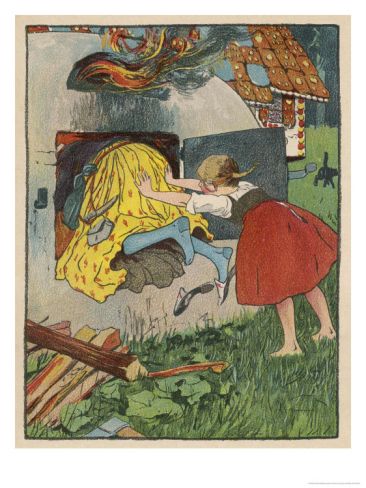
As a kid, one of my favourite stories was Hansel and Gretel. Like all fairy-tales it has a moral signature and is a cautionary lesson. In my mind it contracted the first image of evil, that of a witch. The illustration made it very real, but also quite specific. An oversized, badly dressed witch, with an unsatisfiable taste for children’s flesh. It was the embodiment of true evil. In later years, reading The Witches by Roald Dahl exacerbated the fear of this creature, seemingly normal but with layers of ugly under their skin. The evil that was on the face of the beholder, their intentions clear and their behaviour manipulative but clear on their objectives. This, I learn as an adult, is an evil that only exists in stories.
This kind of witch, is a demonstration of the social vilification of women and especially those who actively try to challenge the status quo, but not the evil that runs in our societies. The construction of social demons is a convenient invention to evoke fears and maintain order; well that is something a sceptic may say…but social scientists ought to question everything and be a bit of a sceptic. In my version of the fairytale the wicked witch is pushed into the oven by Hansel and Gretel, the image of her oversized bottom sticking out, whilst the rest of her body is consumed by the flames.
Admittedly, I was too old to get into the Harry Potter genre and read the books but the image of his opposition made it to popular culture. The “He who cannot be named” became another convenient, albeit complex, evil capable of unspeakable evils. An icon in its own right of the corruptive nature of evil.
The reality of course is slightly different. The big evils do not get extinguished with flames or other means. They do not cease and there is not necessarily happy ever after; social injustice and unfairness is continuous and so is the struggle to fight them. The victories are not complete, but gradual and small. If the pandemic shows us something other than death and heartache, it is the brittleness of life and the need to ask for more in a society that is geared to prime individualism over social solidarity. It is perhaps a good time, for those who never did, to engage with social movements, for those who left them to return and all find their passion of sharing human experience, that is predicated on equality and fairness.
Fairytales, are interesting insomuch of giving us some moral direction but they do not help us to understand the wider social issues and the actions people have to take. The witches out there may not carry brooms and mix spells in cauldrons but evil carries indifference, apathy and lack of empathy. As Edmund Burke said “The only thing necessary for the triumph of evil is for good men to do nothing”, now that is true evil. After all, is there such a thing called evil or are we content with finding easy answers?
Share this:

A grand day out
Have you noticed how the news is reported these days in respect of Covid-19? Gone are the individualised and personalised stories of the casualties of this awful virus. Gone are the stories of individual and collective heroism of ordinary, actually extraordinary, people. Gone is the mention of the R rate and the discussion around it. Gone are those pictures of the people that died. No longer the headline, Covid- 19 is reduced to the middle order and consists predominately of the number of cases and the number of deaths. We watch these figures rise on a daily basis and we hear discussion about local lockdowns and areas with high incidents. We hear confusing stories about lockdown and then no lock down and then lockdown or is it partial lockdown and where exactly does it apply? We hear about areas that have high incidents where no action is being taken, well not yet anyway. And companies that remain open despite outbreaks only to be forced to close, let’s be honest, because of media scrutiny. We hear more from Nicola Sturgeon the first minister of Scotland than we do from our own prime minister.
We are sucked into a world of tourism, safe corridors and safe countries, lists and the plight of the aviation industry. We hear tourists moaning about self-isolation (I constantly scream at the tv you made that choice you ****). We are sucked into the debacle around schools and qualifications and returning to school. And we are told by Boris that we should all go back to work, back to the office. We hear of tourists returning on flights having contracted Covid-19 and passengers not wearing masks on flights. At the same time, we are told by bosses in the aviation industry that the industry is doomed unless something is done about it, this self-isolation malarkey really isn’t good for business. Once again, I shout at the tv (I don’t suppose you’ll be getting on one of those cattle trucks in a hurry you ***). Do I sound angry, I guess I am?
When the virus first struck, whenever that was, we all probably didn’t take it that seriously, serious but you know, not that serious. Then there was the lockdown, now that was serious, and it hit home how serious it was. Then we watched the tv and that reinforced how serious it was and if you weren’t a little concerned for yourself, your friends and your loved ones then you really weren’t in touch with reality. And then the economic costs started to rack up and that became really serious. And then, the government decided that since the NHS hadn’t been overwhelmed it was now permissible to open things up. And then, the government decided that it would pass the responsibility for the management of Covid to local authorities. And somewhere along the line, the responsibility for ensuring my safety, and yours became that of business. As long as businesses could assure us that they were Covid safe then we could go back to work and go shopping and eat out. In fact, you could eat out for 50% less in some places aided by a government scheme. A scheme to get businesses back on their feet which of course involved packing people in. Just how Covid secure are these places, well you take your chance, but you can feel assured.
I decided to venture out with my wife to get ourselves a new mattress. The old one has had its day, we meet in the middle of the bed every night, whether we want to or not, the only solution, to try to sleep as close to the edge as you can and if possible somehow cling on. Time for a new mattress. I’m not sure about these new-fangled mattresses (you know, the ones that come in a box and then pop out never to be returned to the box) and so rather than shopping on line we went to a store. We entered the store, masked up as is required, to be greeted by an assistant who pointed to the hand sanitiser. “oh, that bottle doesn’t work”, she says, “try the other but you’ll have to hit it quite hard”. Oh well, at least she’s wearing a face shield and I notice the other assistants are doing the same, except that theirs are up, a bit like a visor really, as they hang about talking to each other. One saunters over to us and after a brief conversation leaves us to look at and try the mattresses. Now that sounds alright doesn’t it, except that not only was his face shield not down, he’d taken it off altogether and thrown it onto the bed. We kept our distance. So, the markings on the floor suggesting 2 metre distance and the hand sanitiser at the entrance and the issue of face shields to staff are all Covid compliant but in operation, not really. Still we had a grand day out and felt quite assured.
As we hear the clamour to get schools back up and running, we hear about the plight of the school children and as a consequence, the voices and concerns of the teachers are drowned out. As we hear the concerns of lecturers from their union, the lecturers themselves and even the medical profession, their voices are drowned out. The only thing that seems to matter now is the economy and business. Those that run it are not on the coal face and will not be putting themselves at risk, but they tell us how we must all do our bit and return to work. If you wonder how getting children back to school fits in, well parents caring for children at home are not in the office working.
I selected some passages from the government guidelines regarding Covid 19.
“The more people you have interactions with, the more chance the virus has to spread. Therefore, try to limit the number of people you see – especially over short periods of time”
“limit the number of different activities which you partake in succession to reduce the potential chain of transmission”
“group size should be limited to the minimum which allows the activity to take place”
Now isn’t that confusing. We must all get back to work and back to the offices and, yet the government’s own guidelines seem to suggest this should not happen unless absolutely necessary. How exactly does this fit with teaching and class sizes and the number of students that teachers interact with? The same applies to lecturers at university, of course they have the added problem that the students will have come from all over the country and then come together in a Covid -19 cauldron. Pack them all in but you can feel assured that schools and campuses are Covid safe (a bit like those planes returning from foreign climes).
I feel like I am in a socio-economic experiment. An experiment where I see the disadvantaged and weak in our society put at risk for the sake of business. Where the older generation are made to feel dispensable and unimportant. Where figures are manipulated to downplay the seriousness of the problem. Die on day 29 after infection and you won’t be included in the Covid statistics. I see an experiment where facts are bent, ignored, and a narrative that subjugates the truth to management and business ideals. It looks like I’m going to be shouting at the tv for a very long time and I must be honest I really don’t feel very assured.

Share this:


Covid-Universities and what if
Over the past week or so there have been some mutterings about whether it is safe to open up universities. There is the advice from the scientific advisors (Universities get some Indie SAGE advice on reopening campuses in September) and some thoughts from academics ‘Why universities must move all teaching online this autumn’.
As we move closer to the start of term, so my dread of what is ahead comes into sharper focus. I try to imagine what it would be like and try to reassure myself that the risk assessments have been done and the reassurances that the universities are Covid safe are true rather than simply fantasy and wishful thinking.
In this safe environment I imagine that the number of students and staff on campuses will be carefully managed as it is with many large stores.
I imagine that all staff and students will be wearing face coverings. This is not for protection of themselves, as the use of coverings is a somewhat altruistic venture, I cover my face and protect you and you cover yours and protect me.
I imagine that all thoroughfares will be marked and monitored. Social distancing is important, and we need to be at least a metre apart.
I imagine that the classrooms will be laid out in such a way that social distancing can be maintained and that the classrooms will be well ventilated, even in the middle of winter. I imagine all the chairs and desks and any other equipment will be wiped down after each session.
I imagine that face to face teaching will be limited and interactions with multiple groups of students will be severely curtailed to ensure lecturers are not put at unnecessary risk. I imagine each class will comprise only a few students to minimise risk.
I imagine that anyone who is symptomatic will not attend a university and will after being tested self-isolate. I imagine that all the people they have been in contact with will do the same for a whole, boring, 14 days.
I imagine that the universities’ management will be at each university, leading from the front. They will be checking to ensure the safety of students and staff. They will be mixing with staff and students, receiving feedback and continuously monitoring. I imagine the safety of the students and staff is paramount.
And then I think, what if…
What if campuses are a free for all. Students can come and go as they please, there is no monitoring of volumes. Or what if there is, but it is impossible to enforce with limited staff to do so. And those staff tasked with this endeavour are at greater risk due to the proximity with large volumes of students.
What if people decide not to wear face coverings or having got into the building decide to take them off or several people are exempt for some reason or another. Altruism has gone out of the window. I’m a criminologist and I know that people break the rules for all sorts of reasons and the only certainty is that some people will break the rules.
What if social distancing becomes all too difficult. Many of us have experienced it in stores. A one-way system works for most, but a significant number just don’t abide by it, for whatever reason. People break rules.
What if the social distancing in classes is impossible, there just isn’t enough classes to maintain it with the volume of students on the course. What if ventilation is impossible, other than air conditioning, some classes are in the middle of buildings. Who will clean the chairs and equipment after each class? Go to a restaurant and tables and chairs are wiped down after each use so who will do it at a university?
What if lecturers have to teach multiple groups face to face as there are not enough staff to spread the load. Teaching in a classroom for two hours multiple times in a day with different groups each time must surely expose lecturers to much greater risk.
What if students are of the age group where they are more likely to be asymptomatic? How many that are infected might be at a university, spreading the virus around campus and around the locality. Even if they are symptomatic, how likely are they to self-isolate? Judging by the street parties and illegal raves reported on the news, there is a good chance that some will break the rules. Let’s be realistic, if you are only likely to suffer affects akin to a cold, why would you be that bothered about social distancing or self-isolation?
And finally, what if all managers avail themselves of the much-vaunted government advice, work from home if you can. Leadership from the rear, the bottom line is more important than the safety of others. We can of course dress this up in management psychobabble about what the students need.
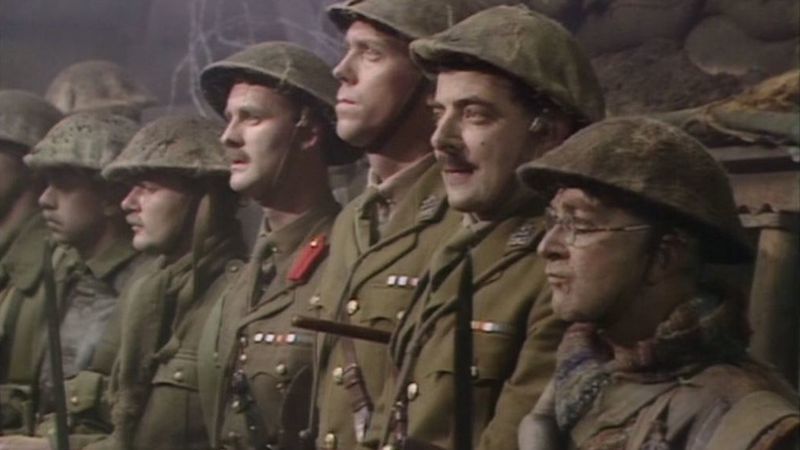
Never mind, ‘Tally ho and all of that sort of thing and over the top we go’*.
* For those of you that are lost at this point it might be worth a visit to the last episode of Blackadder Goes Forth.
Share this:


Road trip
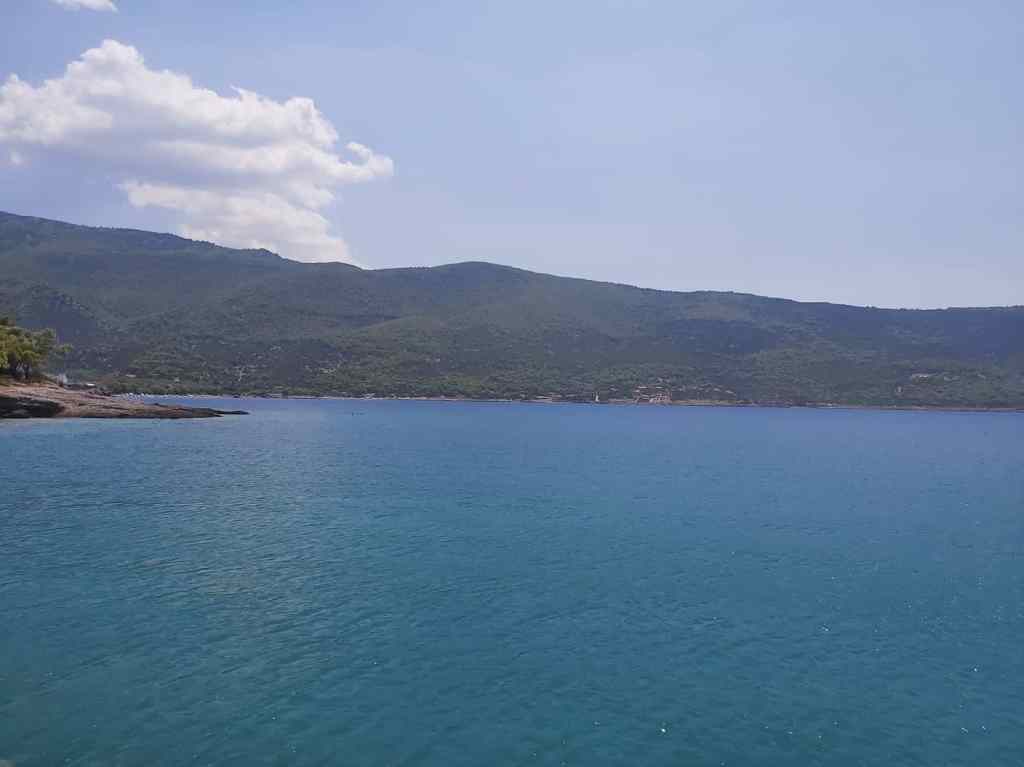
In all fairness a road trip is a metaphor for life. We live in perpetual motion, moving forward and going from place to place. Our time is spent through journeys in our space, through the time of our lifespan. Alone or with others, planned or unplanned journeys are to happen. That is life as it is.
Sometimes of course a road trip is nothing more than an actual trip in a countryside, quickly to be forgotten replaced by the next one! On this occasion, I shall try to narrate it as it happened, as it is fresh in my mind and the images can be vividly recalled. Maybe in future it would serve as a reminder, but on this occasion, it is merely a reminder of a very odd trip! At this stage, I would like to state that no humans nor animals were hurt during this road trip.
I am driving on one of the island’s country roads, the road is narrow going through the lush pine forest, some sycamore trees on the side. The track is leading up and down the mountainous path. The scenery is scenic and probably the reason people choose it. The road alternates views from the forest, the valleys, the canyons and the sea in the distance. Hues of green, and blue everywhere; and the smell. The pines joined with thyme and other fragrant herbs, a combination that gives the air that scent I cannot describe. The light blue of the sky meet the Aegean blue in the distance.
As per usual, on a road trip I prepare my maps, and plan the route in advance, but just in case I also keep an eye on the road in case there is a change. On this occasion, the public works are working wonders; the street signs are non-existent so I opted out. Interestingly instead of traffic information there were signs but not about the road ahead. Somewhere is the midst of the journey there is the first sign about Jesus. According to the sign “He is the truth, the way and the life”. I am unsure about the destination, but at least Jesus is aware. The next couple of signs involve Jesus and his teachings whilst the last one is making me feel a bit uncomfortable. “Jesus died for your sins” it proclaims! Ok fair enough, let’s say that he did. Any chance of knowing also whereabouts I am and where I am heading. The route continues with further signs until we come to a stop.
Finally, more signs. On this occasion there are some holy sites and monasteries. One of them is of a Saint most revered that apparently most of his body rests in a nearby location, (minus an arm and a shin). Later, I discover the Saint helps sick children and those who suffer from cancer. Admirable, considering that he’s almost 300 years dead. Still no actual traffic information on the road! At least the signs got me reading of a fascinating man long gone. It is fascinating reading on beliefs and miracles. Within them they hold peoples’ most secret expectations, those that under normal circumstances, they dare not to speak about. This is a blog post for another time; back on the road trip and almost two hours on the journey.
At this point, a herd of cows who have been lunching on the side of the road, decided to take a nap on the road. To be honest, it is only one of them who is blocking the way, but the rest are near idly watching. At this stage, I come to a stop waiting for the cow to move. The cow who was napping opened her eyes and looks at me, I look back, she looks away and continues to lay motionless in the middle of the road. I briefly evoke the Saint. Nothing. I am contemplating Jesus and still nothing. After some time, around an hour of cow staring I am going for my last resort. I get out of the car and promise that unless the cow moves, I shall part with vegetarianism. Now I am openly threatening the cow to eat her. This is when nature retaliates. A flock of goats join the cow. They meander around me and the stubborn bovine. The road is now akin to a petting zoo.
I employ a trick I picked up from cowboy films. I raise my hat, luckily, I am wearing a hat, weaving my arms furiously and making sounds. The cow is despondent at first and the goats just talk back. After a few minutes I have managed to get the cow to move and the goats are now at the side of the road. That’s my opportunity to leave. As I turn back, I notice another car behind me; they are also travelers who begin to applaud my efforts at husbandry. The road is clear, and I am on my way.
The next hour is less eventful although the road is still hairpinned; now it’s heading downwards and from the mountains its heading to the sea. I arrive at the sea way over the expected time and I manage to find a spot to park. One the wall, next to the spot someone wrote “you vote for them every four years like cows”. The writing is black, so I assume an anarchist, or maybe the author had a similar driving experience to me, or it’s just an unfortunate metaphor. The sea is cool and the views of the sea and in the distance a group of islands, spectacular. There are hot springs near by but in this weather the sea is more than enough. After all that drive, a stop at a local taverna is inevitable. Speciality dish mosxaraki or beef stew! I think the Saint is testing me!
On the way back, the road is empty. The cows rest on the side of the road. I slow down, I look out…they look away. At a local coffee shop a patron asks for the Covid-special coffee. I suppose a joke about the thing that occupies everyone’s mind. He doesn’t wear a mask and doesn’t seem to believe this pandemic “nonsense”. I was wondering if he is related to the stubborn cow. The trip ended and it formed another of those planned road trips. There was nothing spectacular about it. There is however the crux of my point. Like life, most of our roadtrips are unspectacular on their own. It is what we remember of them that matters. In the last months millions of people went into lockdown. Their lives seemed to stand still; a road trip can also be a metaphor, provided we don’t forget the details.

 Thoughts from the criminology team