
Home » Addiction
Category Archives: Addiction

The Journey of a University of Northampton Criminology Graduate

On this Jubilee year, I ponder and reflect on my 3 years as a joint honours Criminology student, and where my life journey has taken me since
In 2012-2015, I did joint honours Criminology and Education studies, and later did the LLM in International Criminal Law and Security at from 2015-2017.
My journey as a Criminology Student alumni has lead me to all sorts of unique pathways.
Having a background in notetaking and student support at different universities, I worked for 6 1/2 years as a Co-op Member Pioneer (8th January 2018-10th August 2024), where, in the community I served, I supported the local police with crime related issues, and mediated between them and the public on crime issues that mattered to them and helped to support the police, as blogged about here ‘As a Member Pioneer Supporting the Police’ . Whilst this role was about connecting communities, supporting charities, causes and local people, I saw the opportunity to help the police and the community on crime related issues.
From December 2019-June 2020, I worked for 6 months in an addiction recovery unit. Here, I learned about addiction on a more deeper and personal level. I was one of 2 members of staff who were not addicts, and so the experience was eye-opening! The staff who had ‘come clean’ from their addictions would talk about their lives before becoming clean, and how they would resort to crime to fund their addictions. It was a vicious cycle for them as they were fighting traumatic battles which lead them down the route of addiction, and could not find their way out.
I was trained on taking phone calls, and spoke with so many devasted individuals who had lost their sons, daughters, husbands and wives to addiction, and were desperate to get them the help they needed. Seeing families torn apart by addiction, and meeting with new clients who had come in to get help and learning about their stories revealed deep sufferings and traumas, some of which were life-changing events, and harrowing cries for help.
I audited medication on a daily basis, worked with the Addiction specialist doctor to make sure all new clients had been seen to, and prepared folders for each client which the support team used in their care plans. I would also create certificates for all clients who had completed their time at the unit, and celebrated in their success.
When COVID struck, I was put on furlough, and later made redundant – such is life XD – Onto my next adventure!
Where am I now?
Fast forward to March 2021; after completing a lengthy job application and job interview, I landed myself a job in the Civil Service working for the Ministry of Justice! I do casework, work with the Judges on progressing cases, I clerked a few hearings previously too. Everyday is different, and every case I work on is different.
I process new claims and with the support of the Legal Officers, issue directions to the parties if any other information is required. I oversee the progress of cases and ensure all correspondence is up to date, all orders have been issued, and the case is ready to be heard.
Each day is different, and I love everything that I do working for the justice system.
Share this:


Ain’t Nobody Never Muted No Gadget BEFORE No Class!
The cyber-lure and lull in class.
The solutions are simple, though the problem is grand and manifests in many micro ways; it’s so common that it’s difficult to see. Digital distraction looms over classrooms like a heavy fog.
You see them ensnared by invisible threads, blocking hallways and doorways, halted as they stand, transfixed and feverishly glued to their phones. Many arrive with restless fingers tapping away on these small screens. Others make a beeline for the nearest socket upon entering the classroom, clutching chargers and cables like lifelines. Some arrive engrossed in video calls – often on speakers – their faces illuminated by the glow of their screens. Still, others refuse to dislodge and stash their earbuds; perhaps they are simply unaware or incapable? Few arrive untethered from the grasp of cyberspace, their connection to reality tenuous at best. Throughout the session, the anxious behaviours rarely subside, as I witness them struggling to break free from the digital embrace clearly holding them captive.
Upon arrival, most students sit and place their phone right on the desk in front of them, ready to escape into cyberspace at a moment’s notice. Then, come the laptops and tablets. Most have two gadgets or more – including smartwatches – anything to shield them from being here, and anchor them there in cyberspace. A larger part of the educator’s role now is to reach: S T R E T C H into cyberspace and teach students how to anchor themselves here IRL.
Ain’t nobody never muted no gadget BEFORE no class!
Arriving in class, they are poised and prepped by social media for distraction, and entertainingly so. Through hours of rehearsal, they get to pay attention to whatever they want with a mere swipe. This applies to messaging, social media and news, dating family and group chats, spam emails and university announcements. The F2F classroom environment is competing with all this lure of the cyberworld. In spite of this daily evidence, folks still feel we’re in charge of the focus of our own attention, according to psychologist Prof Sherry Turkle. Worse, all this constant craving and distraction is diminishing our capacity for empathy.
Once distracted, UNESCO reports that “it can take students up to 20 minutes to refocus on what they were learning” according to one study. Subsequent studies have confirmed the attention lull, as have bans on phones in schools. A 2018 study found “More frequent use of digital media may be associated with development of ADHD symptoms.” When students arrive at university classrooms, it’s a blur.
Despite our initial hopes, the pull of the wholistic virtual environment has ultimately pushed away F2F dialogue. What’s more, the passive attention paid to social media creates a deficit in our conversation skills. We easily get caught up in the loop of reporting and responding to ‘what google said.’ In Teaching Critical Thinking, bell hooks says smashingly: “we are living in a culture in which many people lack the basic skills of communication because they spend most of their time being passive consumers of information” (44). Like a group of friends out for a night using google reviews to dictate every step, too often conversation in the classroom is reduced to trading ‘what google said’. Little attention is given to who said what and, why. Or, less so, what one thinks.
A low tech class.
While there are endless Apps, and gadgets to get students involved in learning, the few hours spent in any face-to-face session can be a respite from such hyper-cyber-immersion.
Share this:


Navigating the Realm of Harm Reduction in the Midst of Chaos
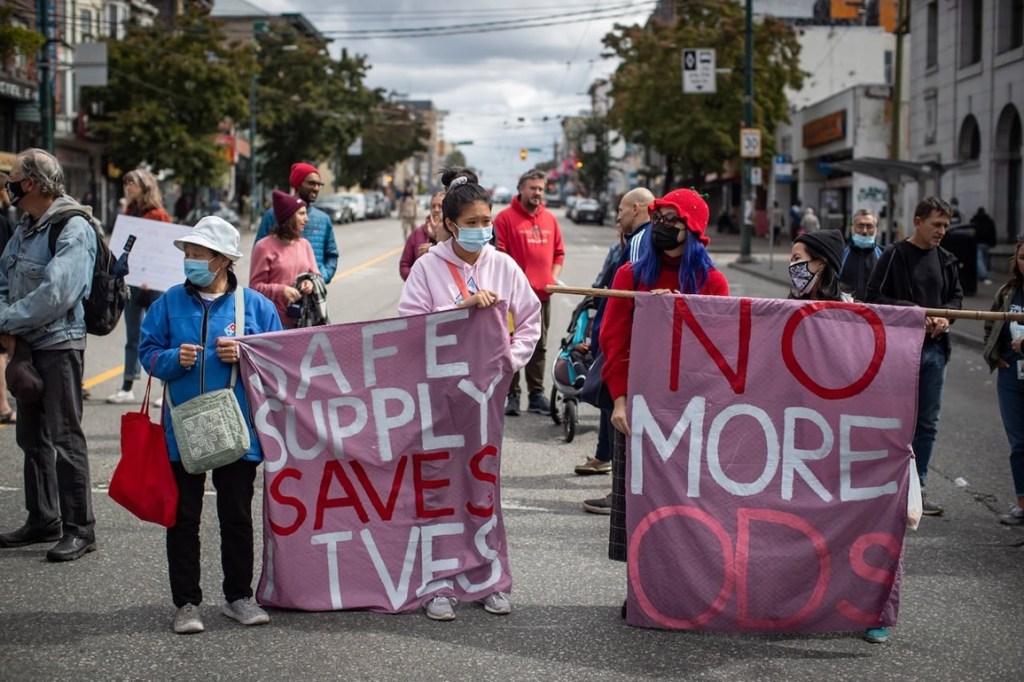
In recent years, Canada has emerged as a trailblazer in progressive drug policy by embracing a bold approach to decriminalization. This paradigm shift represents a departure from the traditional punitive stance toward drug offenses, instead prioritizing harm reduction strategies. As the nation navigates the complex terrain of drug policy reform, it becomes evident that this move holds the promise of addressing public health issues more effectively.
The decriminalization of drugs in Canada is rooted in a recognition of the failure of punitive measures to curb substance abuse. Rather than treating drug addiction as a criminal issue, the emphasis is now on approaching it as a public health concern. By lifting criminal penalties for possession of small amounts of drugs, the Canadian government aims to break the cycle of imprisonment and provide individuals struggling with addiction access to the help they need.
At the core harm reduction is a guiding principle in Canada’s evolving drug policy. Instead of focusing solely on preventing drug use, the emphasis has shifted to minimizing the negative consequences associated with it. This approach includes the distribution of clean needles, supervised injection sites, and access to overdose-reversing medications. By adopting harm reduction strategies, Canada aims to protect the well-being of both individuals using drugs and the broader community.
The decision to decriminalize drugs draws inspiration from the success of Portugal’s approach. In 2001, Portugal decriminalized the possession and use of all drugs, opting for a health-focused model. Over the years, Portugal has witnessed a decline in drug-related deaths, HIV infections, and problematic drug use. Canadian policymakers are eager to replicate these positive outcomes and shift the narrative around drug use from punishment to rehabilitation.
Despite the potential benefits, the decriminalization of drugs in Canada has sparked debates and concerns. Many people have argued that lenient drug policies may contribute to increased drug use, while others worry about the potential strain on public resources for addiction treatment. Furthermore, investigative reporter Tyler Oliveira has demonstrated the damaging effects of drug misuse and homelessness in Vancouver. From watching his investigation, I wonder whether the Canadian government could better use their resources to tackle issues pertaining to homelessness, rather than creating a wider problem of social ills. While there are calls to treat people with issues of addiction more humanely in Canada, Oliveira’s documentary is shocking and, in many ways, frightful. With images of large amounts of methamphetamine users unable to walk and becoming extremely violent to healthcare workers and the general public I wonder if this more towards progressive policy has gone too far (I don’t know how I would feel inhaling meth fumes on my way to my local shop).
Striking a balance between personal freedom and public welfare remains a challenge, but advocates believe that the emphasis on harm reduction will ultimately lead to better outcomes for everyone….
Decriminalization opens the door for more community involvement in addressing drug-related issues. Local initiatives, grassroots organizations, and community outreach programs gain significance as they become crucial players in the broader strategy of harm reduction. By empowering communities, Canada aims to foster a collaborative and compassionate approach to tackling the complex issue of drug addiction.
Canada’s journey toward the decriminalization of drugs represents a paradigm shift in the global war on drugs. By embracing harm reduction as a cornerstone of its strategy, the nation aims to prioritize the health and well-being of its citizens over punitive measures. The lessons learned from Portugal and other progressive models underpin the potential for positive change. As Canada continues to navigate the complexities of drug policy reform, the emphasis on harm reduction holds the promise of transforming the narrative around drug use and addiction. Only time will tell if this bold approach will lead to a healthier, more compassionate society.
Share this:


Mobile-impaired drivers. #BlackenAsiaWithLove
Mobile-impaired drivers.
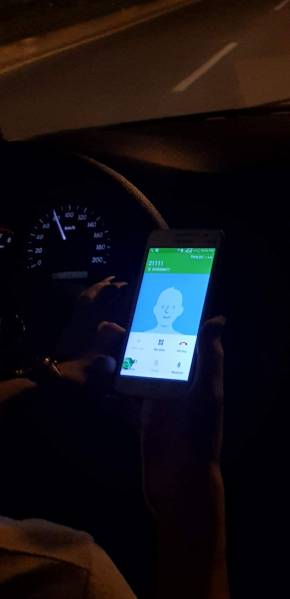
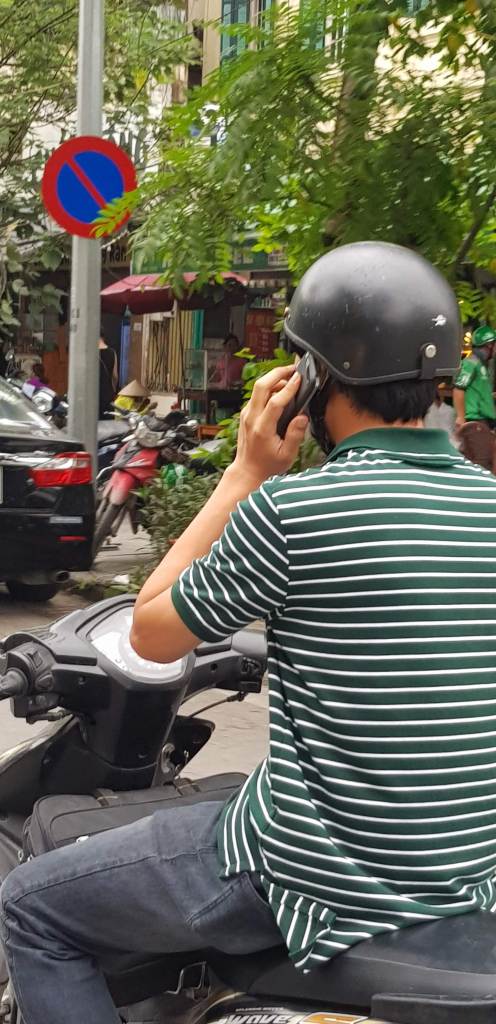
So, try to imagine a man driving a motorbike, a 5-year-old standing on the tiny platform between him and the handlebars, a tall toddler standing behind him on the seat, clinging round his neck, and a woman sitting side-saddle behind the baby. Both adults are bent over scrolling on the phone. In the middle of traffic. I see this every day, but a few days back, I saw a toddler playing peek-a-boo with his dad while he was driving. Interestingly, as he struggled to move the baby’s hands away, the man never shifted his eyes away from his phone.
Between the two adults described above, nobody had one good eye on the road. Said plainly, the man was impaired; he drove with one eye, one hand. Look around, so many are. All I could do was laugh. I didn’t find the spectacle funny. I chuckled to myself, mostly about my own helplessness. I feel like there’s nothing I can do about the risk they face, or the danger they place on others. Their kids are at a severe disadvantage, being precociously exposed to such mindlessness. Many of the motorists around here are similarly disabled. It’s a common affliction.

What if the baby decides it’s not time to stop peek-a-boo, as babies do, despite the man using his hand to wave him away in frustration? What if they hit a bump – because he wasn’t looking – and either child slipped? Or, what if some driver is speeds towards you in the exact same scenario? Or, what if either dropped their phone? We know that there is a strong impulse to reach for a falling object – even in traffic. Imagine dropping something that holds great value for you. Would instinct kick in? Could it be worse now since heavy social media usage paves neural pathways of impulsive behaviours?
As I move around on the streets, it’s as if most people have only one hand and one eye on the road. It’s nothing to see someone driving a motorcycle holding their phones to their ear, enthralled in conversation, just one hand guiding their vehicle through torrid traffic and very bumpy roads. Potholes and sewage covers, for example, are regularly too deep to tackle with two wheels, so drivers usually swiftly go around. A quick swerve. What’s more, it’s the normal thing to carry one’s entire family along on these adventure rides. Yet, even with two-to-three generations in tow, I’ve seen drivers driving around with their phone in one hand, dialing, texting or scrolling, lifted so they could see it.
I can count on one hand the number of moto-taxi drivers I’ve had with any hands-free brace to hold the phone as it displays our route. Some, at least, leave their devices in their pockets, and only check-in at stoplights. (I should start mentioning this in my ratings – not just stars.)

Devices? Mobile phones sold in this part of the world have two SIM card slots, but it’s also quite common to see people jostling two phones at a time. Perhaps one for private use, and the other professional, and so forth. It suggests a deeply entrenched mobile phone culture here, now.
In any public space, on any form of transportation, no matter what’s going on, you can look in any given direction and see most people glued to their phones. Alone, with friends, families, co-workers all are online. Face-to-face is never enough. The most distressing is seeing adults snub kids for their phones – or worse get them hooked early and stuff device in their hands, too. What’s a kid supposed to think if mommy and daddy drive while mobile impaired? Yes, kids, it’s not gone unnoticed that parents are spending more time with their phones than their own kids. Even during a commute. Ah, riding with my folks used to be such good quality time.
Smartphones are powerful. So, it comes to no surprise that folks would take to squeezing in every free moment to scroll through social media. If folks aren’t handling it directly, their phones are sitting right there in front of them, the perfect escape for even a moment’s silence, uncertainty, doubt, loneliness, longing, or even curiosity. The mobile provides it all. It has disabled our ability to focus, even when operating heavy machinery.
Why not take time during that long drive to pick and jive with friends on the net? What’s a matter with liking a few of my friends’ Facebook posts at the traffic light? It’s not like my kids have anything interesting to say. I can respond to a few work messages by the time I get to where I’m going; who cares if I slow-up traffic. Oh, let me stop right here, in the middle of the road, to finish this text. This has to be done now; I am unable to refuse. While cruising along, why not just let my friends know that I’m just a few minutes away (even if I’ve already shared my live locations and texted them just as I set off on my way).
Though cognitively we know that we tend to overestimate the things that we can divide our attention between. Vehicles are keenly designed to allow drivers to focus on the road ahead, having a forward-facing display and any needed amenity at one’s fingertips. On two wheels, acceleration and brakes, blinkers and even widely used horns are all there at drivers’ fingertips. Cars compete for the easiest to reach radio, seat, and climate controls. In my last car, I could even do all these things and more from my steering wheel. Yet here, I even seen the biggest, most fully equipped cars being driven around by mobile disabled drivers. These brand-spanking new vehicles come with hands-free technology, but it’s a miss to me as to why there’s no widespread usage of these. Plus, no moto-makers have designed these two-wheelers for one-handed, one-eyed driving.
Share this:


When I grow up what will I be?
Wherever I go in life, whatever I do, as long as I am helping others and making a positive difference, I will be happy”
For many years, that has been my take on looking for jobs – helping people, and making a positive difference.
What will I do with my life? Where will life lead me? I’ll say my prayers, and find out!
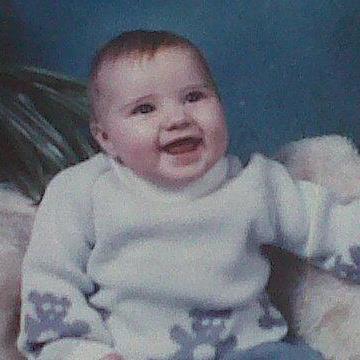
As a child (between 5-9 years old), I wanted to be a nurse; I have a caring nature, and love helping people! Imagining myself in a nurse’s uniform, and putting bandages on patients and making them better, was something I dreamed about.
Life moves forward, and at the age of 13 I wanted to be so much!
I considered becoming a teacher of either English or Religious Studies. At 13, I loved English and learning about all world faiths. It fascinated me! My teacher had a degree and masters from Oxford University; and I absorbed everything I could! Religious Studies was my favourite subject (alongside art, drama and English) I also had my first, most profound spiritual experience, deepening my Catholic faith (written in more detail in chapter 1 of Everyday Miracles).
My hobbies included reading, writing and drawing. Throughout my teenage years, I devoured the Harry Potter books, the Lord of the Rings books, and Phillip Pullman’s His Dark Materials books. I had a library card, and would borrow books from the library in my village and would read regularly at home. I wanted to be an artist and author, and would often write poetry and short stories, and kept a sketchbook to do drawings in. I dreamed of being a published author, and to be an artist – however, these were seemingly beyond my reach. I prayed to God, that I would be able to fulfil these life ambitions one day.
Alongside of this, I also did some charity work – any change that I got from my lunches, I would put in an empty coffee jar and save them up. I was given the rather cruel nickname, ‘penny picker’, which resulted in bullying from people across different year groups, because I picked up pennies off the floor and put them in my charity pot. Though I did get a mention in the school newsletter stating that the money I raised amounted to quite a large sum, and went to CAFOD, and a homeless charity. I have always done charity work, and still do charity work today!
In school, there were 2 sets in each year; the A-band and the B-band. The A-band were the high academic performers, and those who got high grades. The B-band was the lower set… the set which I was in… This meant that when it came to picking GCSEs, I could only choose 2, not 3, which the A-band students were able to do.
In my Citizenship and Religious studies lessons, I began learning more about the globalized world, human rights, and social issues. Here, I learned in great detail about slavery (slightly covered in history too), prejudice and discrimination, the Holocaust, and 3rd world issues, such as extreme poverty, deprivation, and lack of basic human necessities, such as water, food and sanitation. We even touched upon the more horrific human rights abuses such as extraordinary rendition, religious persecution, torture, and rape and sexual violence.
My ambitions began to evolve more, and I dreamed of becoming a lawyer and even a judge. I wanted to serve justice, make communities safer, and to do more to combat these issues. With my soft heart, and a love of helping people, I knew that being a lawyer would help with doing this!
Moving forward to Year 10; choosing my GCSEs…. I spoke with one of the school heads, and asked for advice. I was still adamant on being a lawyer, and so was advised to do drama and history. Drama as it would boost my confidence, public speaking and expressive skills. History, because of the analytical thinking and examination of evidence that lawyers need when presenting their arguments. I was very happy with this! I loved drama and I enjoyed history – both the teachers were great and supportive!
At the age of 15, I was diagnosed with Asperger Syndrome – this explained so much about me and my idiosyncrasies. Ironically, it was my drama and my history teacher who picked up on it, due to my odd gait, social skills, and how I processed information. At parents’ evening, both teachers discussed with my mum about the diagnosis, and getting support. It was a big shock when I spoke with each of my teachers individually about the diagnosis.
At the end of doing my GCSEs, I was a pretty average student with mostly C grades. When it came to picking A-levels, I was unable to to the subjects that I really wanted to do…. Philosophy, Theology, Law and Psychology…. After a few weeks of battling and trying to get onto a course that would accept me, I ended up doing Travel and Tourism, A-level Media, Applied Sciences and Forensics (which had a criminology module), and, in Year 13, I took on an Extended Project, to boost my chances of getting into university.
I felt somewhat disillusioned… I’m studying courses that will only accept me because of my grades – an odd combination, but a chance to learn new things and learn new skills! In my mind, I wondered what I would ever do with myself with these qualifications…
Deciding to roll with it, I went along. I was much more comfortable in my Sixth Form years as I learned to embrace my Asperger’s, and started being included in different socials and activities with my peers.
Those 2 years flew by, and during my science course, when I did the criminology unit, I was set on studying that joint honors at a university. Criminology gripped me! I loved exploring the crime rates in different areas, and why crime happens (I had been introduced briefly to Cesare Lombroso, and the Realist theories). I have always loved learning.
Fast forward, I decided to go to Northampton University to do Criminology and Education, and even had the hope that I may be able to get a teaching job with the education side. However, due to an education module no longer being taught, I majored in Criminology.
However, in my second year of studies, I did a placement at a secondary special needs college, and helped the children with their learning! All the children would have a day at a vocational training centre doing carpentry, arts and crafts, and other hands on and practical courses. Back in their classrooms, they had to write a log of what they learned. The students I helped were not academic, and so I would write questions on the board to guide them with their log writing, and would write words that they struggled to spell – my opportunity to help students with their education! Later in life, I worked as a Support Worker for students with additional needs at both Northampton, and Birmingham City University, so still learning whilst helping others.
July 2015, I graduated with a 2:1 in my degree, and I had been encouraged to do an LLM in International Criminal Law and Security – a degree in law! It was unreal! From being told I could not do A-level law, here, I was able to do a masters in law! I applied for the Santander Scholarship, and got enough money to cover my course and some living costs – basically, a Masters degree for free!
During those 2 years of being a part time post graduate, I set up and ran the Uni-Food Bank Team and continued with running Auto-Circle Spectrum Society. January 2016 saw a downward dive in my mental health and I was diagnosed with severe depression (When the Darkness Comes).
I learned to cope and found my own way of healing myself through art and painting (which I later began painting on canvasses and sold at arts and crafts fayres).
February 2018 – I graduate with my LLM; the first on my dad’s side of the family to go to university, and on my mum’s side, the first to have a masters’ degree.
Going back to the question of this blog; When I grow up, what will I be?
I will be everything that I ever wanted to be! I am now a published author (mentioned at the start of the blog), have done freelance writing and art (everything I have written on every platform used can be accessed here: Blog Home Page: Other Writing Pieces)! I got a degree in Criminology with Education, and a Masters degree in International Criminal Law and Security!
I have have utilised my knowledge of human rights to fight for the rights of Persecuted Christians, political and social activists, and write to someone on death row too! (Serving Our Persecuted Brothers and Sisters Globally, I See You, Prisoners of Conscience, Within Grey Walls
I still do loads of charity work, and support my local food bank along the side too! (Brain Tumor Research; Helping Those in Need)
It’s safe to say that God answered every single one of my prayers, and even gave me strength in some circumstances!
Currently, I am working as the administrator of an an addiction recovery unit in my home village! A job I thoroughly enjoy – it is challenging, my colleagues are the funniest bunch I have ever met! I have learned so much, and am thriving!
Most importantly, as I’ve grown up, I’ve learned to be happy, learned to overcome all odds that are against me, and to always help others regardless of the circumstance. I’ve learned to be compassionate and strong ❤
Share this:

“My Favourite Things”: samc0812

My favourite TV show - My favourite current show is Friday Night Dinner. My all-time favourite has to be Breaking Bad, I’ve watched from beginning to end three times!

My favourite place to go - Definitely has to be the beach, I always find being by the sea calming. My favourite place in the world is Thailand. I’ve never met such happy, friendly people. Thai street food is amazing and it’s a beautiful peaceful part of the world

My favourite city - London. I have so many memories of day trips, nights out and experiences in London. Every time I probably don’t spend as much time there as I would like actually considering how easily it’s reached from where I live

My favourite thing to do in my free time - Bake. You can’t beat a home-made cake. I’ve been baking a lot lately, my children are fed up of cake!

My favourite athlete/sports personality - I’m not a huge sports fan but I have a lot of respect for Usain Bolt. I watched a documentary about his life once, his commitment to training and resilience was incredible

My favourite actor - Morgan Freeman. He always seems to choose roles well that suit him. I don’t think I’ve seen any film’s he’s been in that I haven’t enjoyed

My favourite author – I don’t think I could choose. It’s not very often I read books by the same author for myself. I do with my children though, my favourite children’s author is probably A.A. Milne or Roald Dahl because they’re classics which never grow old

My favourite drink - Chocolate milkshake… I’m not sure I’ve ever grown out of drinking chocolate milk!

My favourite food - Cheeseburgers. My friends call me a connoisseur of cheeseburgers because I eat them so much. Everyone I know asks me before trying out a new burger restaurant

My favourite place to eat - My mum and dads house. My mum makes an amazing roast dinner. There’s nothing better than a family meal, even if I do normally end up washing up at the end

I like people who - are open minded, honest and empathetic. I don’t see any reason to be anyone other than yourself. I also think the best way to learn and grow as a person is to remain open minded. As for as being empathetic, I think people show this in many different ways, sometimes it’s less obvious. I like to believe most people have some good in there somewhere

I don’t like it when people - are closed minded and argumentative. I think there’s a fine line between intelligent debate and opinionated argument

My favourite book - Since I was a teenager my favourite book has always been Junk by Melvin Burgess

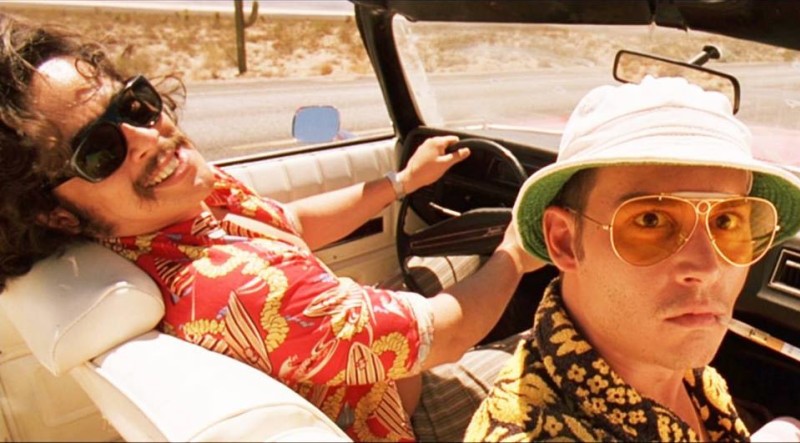
My favourite book character - Raoul Duke in Fear and loathing in Las Vegas. I find it interesting the way the character is a representation of the way the author views his life. Hunter S. Thompson was an interesting enough character without needing a fictional version

My favourite film - Interstellar. Space fascinates me. I like to ponder over the possibilities of time travel. I love that physicist Nolan Thorne was hired to make the explanation of a black hole accurate

My favourite poem -
Warning by Jenny Joseph. I read it on my wedding day. It was actually the priest who suggested it, I think he saw I was a little bit of a wild, independent woman!

My favourite artist/band - I’ve been going to raves since I was 16 so most of my favourite artists are small and less well-known DJ’s. My husband Dj’s as well, so many of them I met through him, and are now good friends of mine. I don’t think I could pick just one

My favourite song - This a tough one, I like so many genres of music. I guess if I had to choose one, it would be “The way you look tonight” by Tony Bennet because it was my wedding dance song and it always makes me think of my grandparents

My favourite art - My favourite type of art is portraits. I watched a documentary with artist Grayson Perry and he described how portraits are an interpretation of how the artist see’s that person. I like to look at portraits and imagine what I think that person is like

My favourite person from history - It would have to be Albert Hoffman. My area of research is mostly based in psychedelic medicines and drug policy. Albert Hoffman is the scientist who discovered LSD. He’s quite well-known for accidentally administering himself the first documented dose of LSD and riding his bicycle home. He was one of the first people to recognise the potential pharma psychological benefits of hallucinogens, I like to think one day modern science will make a strong enough case to revolutionise psychiatric care with substances like LSD. Although Hoffman discovered LSD in 1943 we still don’t fully understand the full complexities of how it works on the mind
Share this:


Things I used to could do without a phone. #BlackenAsiaWithLove
A Spoken Word poem for young people everywhere, esp Youth in Asia, who may never know WE LIVED before smartphones…and live to tell about it.
Walk.
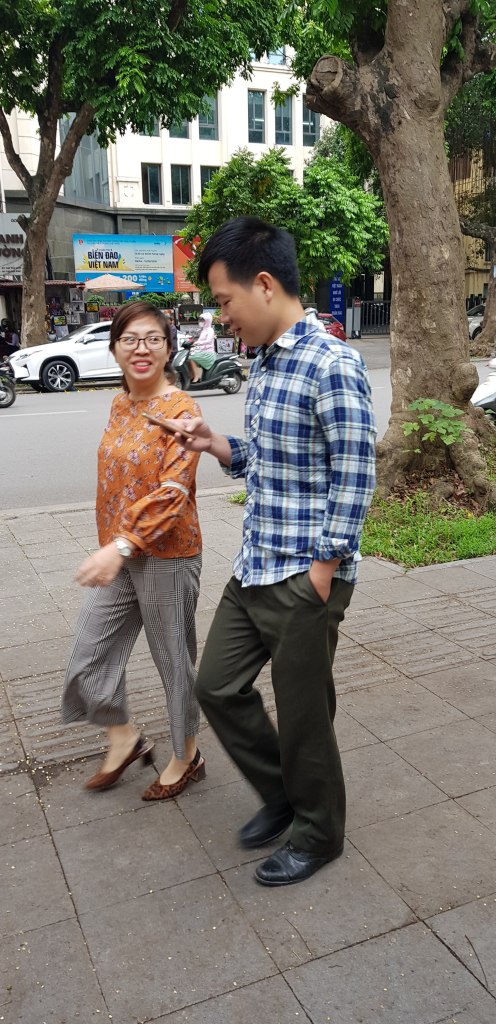
Walk down the street.
Find my way.
Go someplace.
Go someplace I had previously been.
Go someplace I had previously not been.
Meet.
Meet friends.
Meet friends at a specific time and place.
Meet new people.
Meet new people without suspicion.
Strike up a conversation with a stranger.
Make myself known to a previously unknown person.
Now, everything and everyone unknown is literally described as ‘weird’.
Eat.
Eat in a restaurant by myself.
Pay attention to the waiter.
Wait for my order to arrive.
Sit.
Sit alone.
Sit with others.
Listen.
Listen to the sound of silence.
Listen to music.
Listen to a whole album.
Listen to the cityscape.
Overhear others’ conversations in public.
Watch kids play.
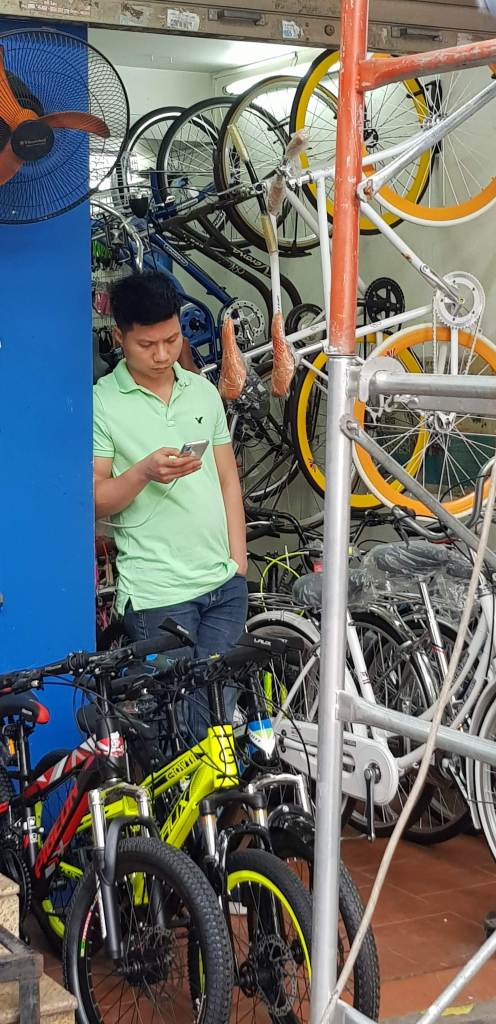
Shop.
Share.
Share pictures.
Take pictures.
Develop pictures.
Frame pictures.
See the same picture in the same spot.
Read.
Read a book.
Read a long article.
Read liner notes.
Pee.
I used to be able to stand at a urinal and focus on what I was doing,
Not feeling bored,
Not feeling the need to respond to anything that urgently.
Nothing could be so urgent that I could not, as the Brits say, ‘take a wee’.
Wait.
Wait at a traffic light.
Wait for a friend at a pre-determined place and time.
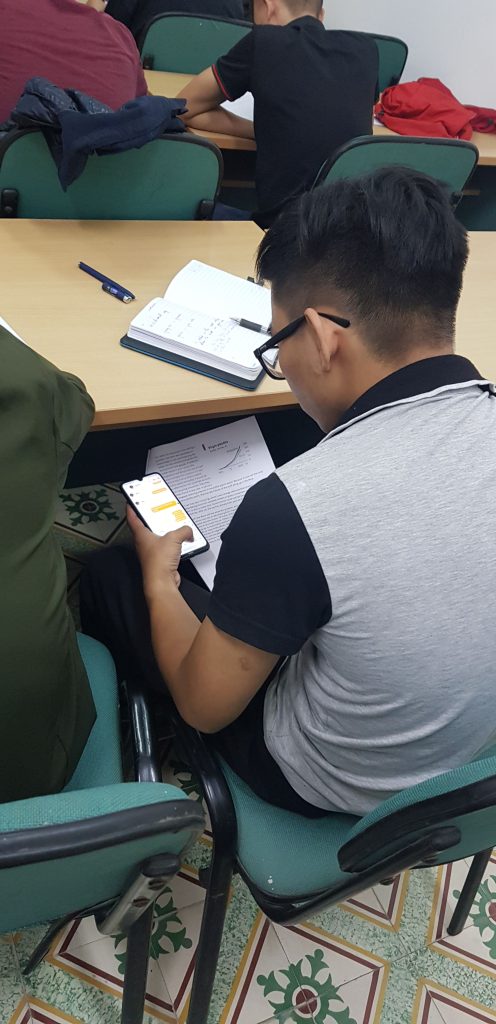
Wait for my turn.
Wait for a meal I ordered to arrive.
Wait in an office for my appointment.
Wait in line.
Wait for anything!
I used to appreciate the downtime of waiting.
Now waiting fuels FOMO.
I used to enjoy people watching…
Now I just watch people on their phones.
It’s genuine anxiety.
Walk.
Walk from point A to B.
I used to could walk between two known points without having to mark the moment with a post.
Now I can’t walk down the hall,
Or through the house or even to the toilet without checking my phone.
I avoid eye contact with strangers.
Anyone I don’t already know is strange.
I used to could muscle through this awkwardness.
Talk.
Have a conversation.
A friend and I recently lamented about how you used to could have a conversation and
Even figure out a specific thing that you couldn’t immediately recall…
Just by talking.
I also appreciate the examples we discussed.
Say you wanted to mention a world leader but couldn’t immediately remember their name. What would you do before?
Rattle off the few facts you could recall and in so doing you’d jog your memory.
Who was the 43rd US president?
If you didn’t immediately recall his name,
You might have recalled that the current one is often called “45” since
Many folks avoid calling his name.
You know Obama was before him, therefore he must’ve been number “44.”
You know Obama inherited a crap economy and several unjust wars,
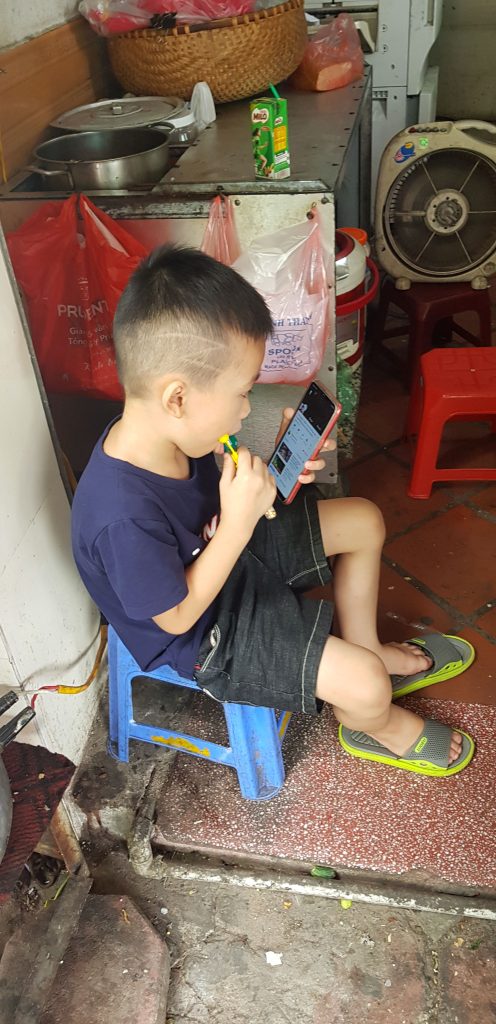
Including the cultural war against Islam. And
That this was even one of the coded racial slurs used against him: “A Muslim.”
Putting these facts together,
You’d quickly arrive at Dubya! And
His whole warmongering cabinet. And
Condi Rice. And
General Powell’s botched PowerPoint presentation at the UN. And
Big dick Cheney, Halliburton and that fool shooting his friend while hunting.
That whole process might have taken a full minute,
But so would pulling up 43’s name on the Google.
This way, however, you haven’t lost the flow of conversation nor the productive energy produced between two people when they talk.
(It’s called ‘limbic resonance’, BTW).
Yeah, I used to be able to recall things…
Many more things about the world without my mobile phone.

Wonder.
Allow my mind to wander.
Entertain myself with my own thoughts.
Think.
Think new things.
Think differently just by thinking through a topic.
I used to know things.
Know answers that weren’t presented to me as search results.
I used to trust my own knowledge.
I used to be able to be present, enjoying my own company,
Appreciating the wisdom that comes with the mental downtime.
Never the fear of missing out,
Allowing myself time to reflect.
It is in reflection that wisdom is born.
Now, most of us just spend our time simply doing:
Surfing, scrolling, liking, dissing, posting, sharing and the like.
Even on a wondrous occasion, many of us would rather be on our phones.
Not just sharing the wonderful occasion –
Watching an insanely beautiful landscape through our tiny screens,
Phubbing the people we’re actually with,
Reducing a wondrous experience to a well-crafted selfie –
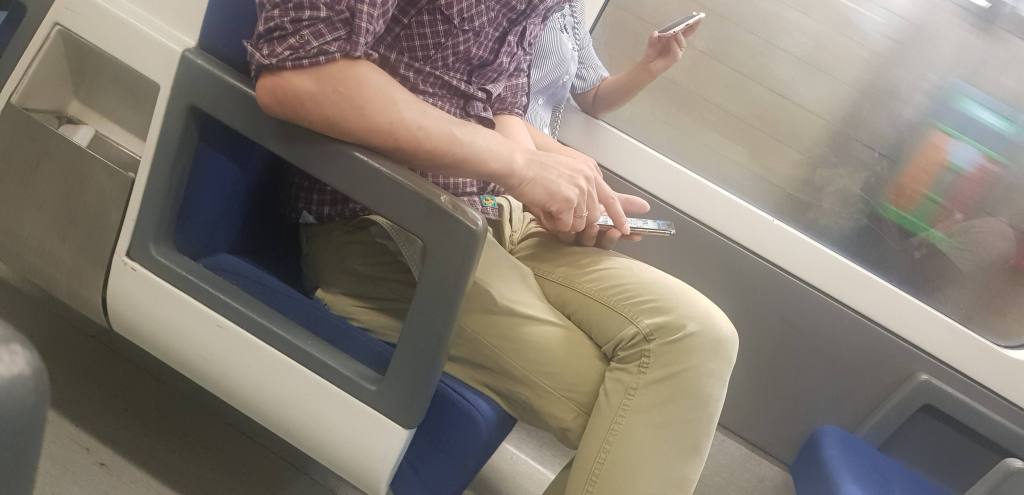
But just making sure we’re not missing out on something rather mundane happening back home.
I used to could be in the world.
Now, I’m just in cyberspace.
I used to be wiser.
Share this:


Empathy Amid the “Fake Tales of San Francisco”*
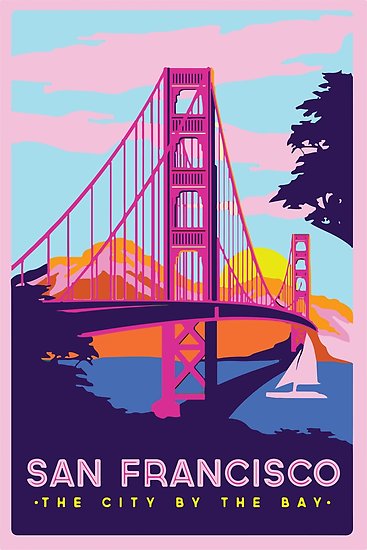
This time last week, @manosdaskalou and I were in San Francisco at the American Society of Criminology’s conference. This four-day meeting takes place once a year and encompasses a huge range of talkers and subjects, demonstrating the diversity of the discipline. Each day there are multiple sessions scheduled, making it incredibly difficult to choose which ones you want to attend.
Fortunately, this year both of our two papers were presented on the first day of the conference, which took some of the pressure off. We were then able to concentrate on other presenters’ work. Throughout discussions around teaching in prison, gun violence and many other matters of criminological importance, there was a sense of camaraderie, a shared passion to understand and in turn, change the world for the better. All of these discussions took place in a grand hotel, with cafes, bars and restaurants, to enable the conversation to continue long after the scheduled sessions had finished.
Outside of the hotel, there is plenty to see. San Francisco is an interesting city, famous for its Golden Gate Bridge, the cable cars which run up and down extraordinarily steep roads and of course, criminologically speaking, Alcatraz prison. In addition, it is renowned for its expensive designer shops, restaurants, bars and hotels. But as @haleysread has noted before, this is a city where you do not have to look far to find real deprivation.
I was last in San Francisco in 2014. At that point cannabis had been declassified from a misdemeanour to an infraction, making the use of the drug similar to a traffic offence. In 2016, cannabis was completely decriminalised for recreational use. For many criminologists, such decriminalisation is a positive step, marking a change from viewing drug use as a criminal justice problem, to one of public health. Certainly, it’s a position that I would generally subscribe to, not least as part of a process necessary to prison abolition. However, what do we really know about the effects of cannabis? I am sure my colleague @michellejolleynorthamptonacuk could offer some insight into the latest research around cannabis use.
When a substance is illegal, it is exceedingly challenging to research either its harms or its benefits. What we know, in the main, is based upon problematic drug use, those individuals who come to the attention of either the CJS or the NHS. Those with the means to sustain a drug habit need not buy their supplies openly on the street, where the risk of being caught is far higher. Thus our research population are selected by bad luck, either they are caught or they suffer ill-effects either with their physical or mental health.
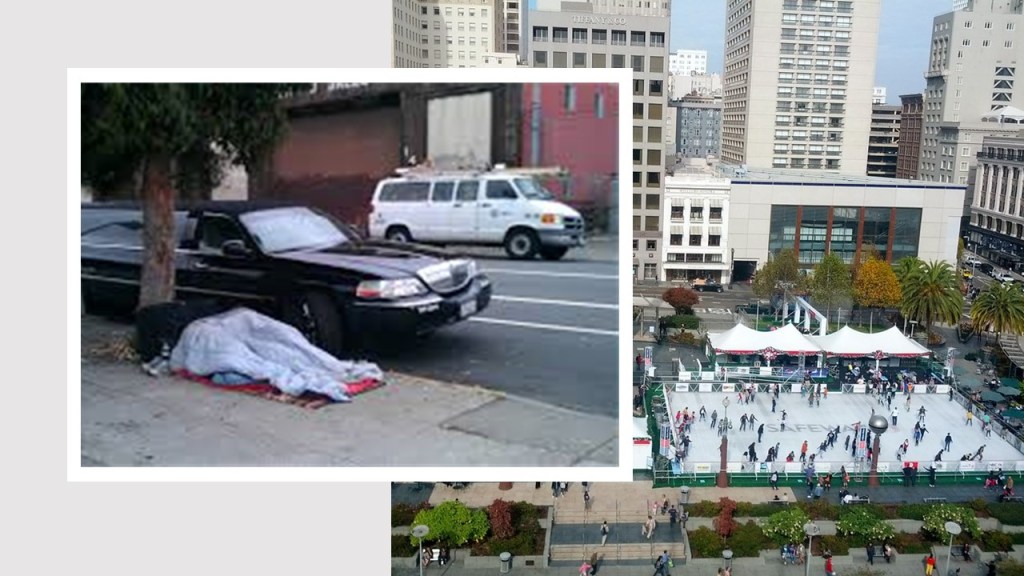
The smell of cannabis in San Francisco is a constant, but there is also another aroma, which wasn’t present five years ago. That smell is urine. Furthermore, it has been well documented, that not only are the streets and highways of San Francisco becoming public urinals, there are also many reports that public defecation is an increasing issue for the city. Now I don’t want to be so bold as to say that the decriminalisation of cannabis is the cause of this public effluence, however, San Francisco does raise some questions.
- Does cannabis cause or exacerbate mental health problems?
- Does cannabis lead to a loss of inhibition, so much so that the social conventions around urination and defecation are abandoned?
- Does cannabis lead to an increase in homelessness?
- Does cannabis increase the likelihood of social problems?
- Does the decriminalisation of cannabis, lead to less tolerance of social problems?
I don’t have any of the answers, but it is extremely difficult to ignore these problems. The juxtaposition of expensive shops such as Rolex and Tiffany just round the corner from large groups of confused, homeless people, make it impossible to avoid seeing the social problems confronted by this city. Of course, poor mental health and homelessness are not unique to San Francisco or even the USA, we have similar issues in our own town, regardless of the legal status of cannabis. Certainly the issue of access to bathroom facilities is pressing; should access to public toilets be a right or a privilege? This, also appears to be a public health, rather than CJS problem, although those observing or policing such behaviour, may argue differently.
Ultimately, as @haleysread found, San Francisco remains a City of Contrast, where the very rich and the very poor rub shoulders. Unless, society begins to think a little more about people and a little less about business, it seems inevitable that individuals will continue to live, eat, urinate and defection and ultimately, die upon the streets. It is not enough to discuss empathy in a conference, no matter how important that might be, if we don’t also empathise with people whose lives are in tatters.
*Turner, Alex, (2006), Fake Tales of San Francisco, [CD]. Recorded by Arctic Monkeys in Whatever People Say I Am, That’s What I’m Not, The Chapel: Domino Records
Share this:

As a Member Pioneer supporting the Police
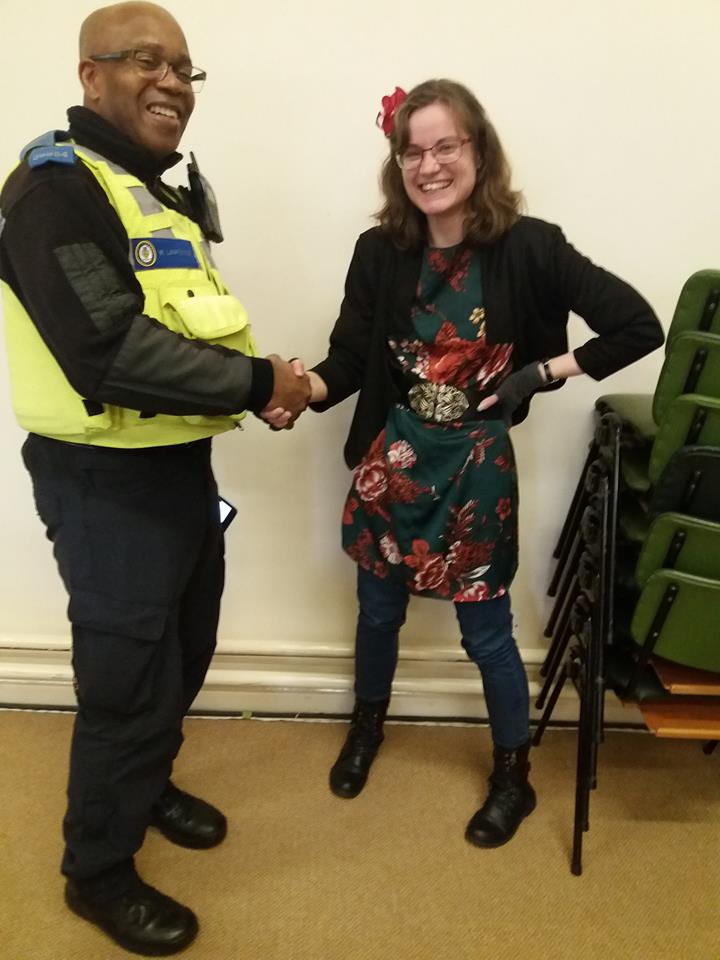

Stephanie graduated in 2015 having read BA (Hons) Criminology (with Education Studies
Since January 2018, I have worked part time as a Co-op Member Pioneer, for the area of Yardley Wood in Birmingham. In my role, I do charity work, support the local causes, aid the community and local people, run a litter pickers’ forum, build and establish local networks, do work with the council and the police. Throughout my time doing this role, I have loved every challenge thrown at me, and have increasingly done more work supporting the police.
When I first met with some of the PCSOs [Police Community Support Officers] last year, I began doing more work supporting them, and helping the community with crime-related issues. I had been informed by one of the PCSOs that the Billseley Police (whom cover Yardley Wood) are the smallest police team in the country, made up of 7 staff (the Sergeant, 4 PCSOs and 2 police officers, soon to become 3 as one of the PCSOs is training to be a full officer).
In June 2018 and 2019, during the Co-op Fortnight, I hosted a ‘Meet your Member Pioneer’ event in store, where the local community could anonymously write down something to make the local community better. I received a huge number of crime related issues, such as people knowing where drug dealers and addicts were, issues of people speeding and parking dangerously outside schools, issues of knife crime, anti-social behaviour, and people wanting there to be more police on the streets for safety and protection.
On both occasions, after getting all the crime-related notes out, I emailed the police department everything that had been written down, helping the police get more information from the public on different issues that were all dealt with. Being a community pioneer in non-police uniform, it made it easier for the public to privately disclose and offload their crime-related concerns, knowing that it would be taken seriously, and forwarded on. In an effort to further support the police with extending the reach to the local community, I advertise their events on my social media sites, saving them time and resources, and encourage people to attend, or message me any concerns they would like me to take forward.
After being introduced to staff, from Livingstone House (an organisation that helps recovering addicts), SIFA Fireside (that deals with homelessness and social exclusion), the Moseley Exchange (a business enterprise group that runs various community projects), I’m helping build community networks that the police can rely on to help people from different demographics, as well as aid them in their understanding of how to help addicts, beggars, the homeless, and many others. This has enabled the police to have access to a range of resources and information and contacts whom they can rely on and get advice from.
More recently, after getting in touch with David Jamieson, the Police and Crime Commissioner, I am helping the police set up a knife bank near the station. I’ve also gotten in touch with and organisation called Activating Creative Talent that does knife crime awareness training in schools, and am working with one of the PCSOs on delivering knife awareness education in schools and in the community. It’ll be a big, ongoing community project that is soon to take off!
In the role, I love all that I do supporting the police. I never imagined that as a community pioneer, I would aid and support the police in the capacity that I have.
Share this:


Teaching Criminology….Cui Bono?
Following several conversations with students and reflecting on another year of studying it got me thinking, what is or can be the quintessentially criminological issue that we can impart onto them? It is always interesting to hear from others how your ideas are transferred into their notes, phrases and general understanding. I think that there are a few things that are becoming clear early on, like the usual amazement of those outside the discipline who hear one studying criminology; a reverence as if the person reading the subject is on a par with those committing the deed. There is a natural curiosity to crime in all walks of life and those seen closer to the topic, attract part of that curiosity.
There are however some more profound issues relating to criminology that are neither clear nor so straightforward. The discipline is an amalgamation of thoughts and theories making it incredibly difficult to pinpoint a generic appreciation for the discipline. Some of us like the social discourses relating to social injustice, a matter traditionally closer to sociology or social work, while others ponder the conceptual dynamics of human behaviour, mostly addressed in philosophical debates, then there are those who find the individual characteristics and personality socio-dynamic dimensions intriguing. These distinct impressions will not only inform our understanding but will also provide each of us with a perspective, a way of understanding criminology at a granular level.
In criminological discourses, informed by law, I used to pose the old Latin question: Cui bono (who benefits)? A question posed by the old legal experts to trace liability and responsibility of the act committed. Obviously in their view crime is a choice committed freely by a deviant mind. But then I was never a legal expert, so my take on the old question was rather subversive. The question of who benefits can potentially lay the question of responsibility wide open, if it is to be looked from a social harm perspective. The original question was incredibly precise to identify a person for the benefit of a trial. That’s the old criminal evidence track.
Taking this question outside the forensic setting and suddenly this becomes quite a loaded query that can unpack different responses. Cui bono? Why are we talking about drug abuse as a crime and not about tax avoidance? Why is the first regarded a crime, whilst the second is simply frowned upon? Cui bono? When we criminalise the movement of people whose undocumented by we have very little information for those who have procured numerous properties in the country? If our objection is on transparency of movement then there is clearly a difference of how this is addressed. Cui bono? When we identify violence at interpersonal level and we have the mechanisms to suppress it, but we can engage in state violence against another state without applying the same mechanisms? If our objection is the use of violence, this is something that needs to be addressed regardless of the situation, but it is not. Ironically some of the state violence, may contribute to the movement of people, may contribute to the exploitation of population and to the use of substances of those who returned home broken from a violence they embraced.
Our criminology is merely informed from our perspective and it is my perspective that led me to those thoughts. I am very sure that another colleague would have been making a series of different connections when asked “Cui Bono?”

 Thoughts from the criminology team