
Home » Articles posted by amycortvriend (Page 2)
Author Archives: amycortvriend

Refugee Week 2021
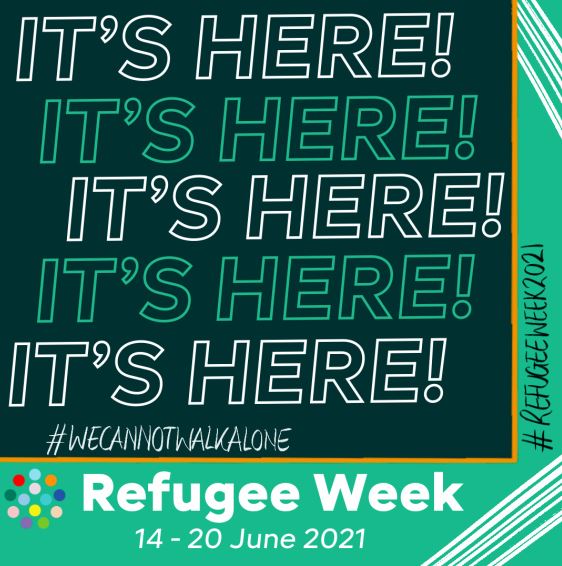
This year’s refugee week begins today, 14th June 2021 with the theme ‘we cannot walk alone’. The aim is to encourage all of us to reach out and help someone new. This week is close to my heart as border criminology is one of my key research interests. I am strongly committed to impactful research, activism and contributing my time and resources to helping refugees and making those fleeing persecution feel welcome in the UK’s hostile environment. As the resident border criminologist, I want to introduce Refugee Week activities at the University of Northampton but also to suggest how we can help ensure nobody walks alone.
The University of Northampton is hosting a week of talks in conjunction with Northampton Town of Sanctuary. Beginning on Monday at 2pm we welcome Gulwali Passarlay who fled Afghanistan at the age of 12, travelling alone through 8 countries to the UK where he was eventually granted asylum. Having spent the last few years interviewing, supporting and advocating for refugees I have heard many stories of survival. No two have been the same but each shares such painful paths that I cannot imagine. Each time I hear a refugee speak about the situations they fled I feel humbled, and grateful that despite its array of flaws, the UK is safe. In our Outsiders module, students were recently asked to challenge assumptions of minority groups. Hearing the stories of refugees from the mouths of refugees is enough to shatter any assumptions, rhetoric and media narratives about those fleeing persecution so for those who have undertaken or will sit the module next year this is a must!
On Tuesday 15th June at 2pm there will be an introduction and update to the City of Sanctuary movement. Being a City (or Town) of Sanctuary means committing to becoming a place which welcomes those seeking safety. The movement extends to universities, many of which offer Sanctuary Scholarships to asylum seekers and refugees. The Northampton Town of Sanctuary movement wants the University of Northampton to become a University of Sanctuary. Dependents of asylum applicants who arrive in the UK as children, go to school and college here, make friends, speak English, and have GCSEs and A-levels, are then unable to continue in their education as they would be liable to pay international student fees. Asylum seekers currently receive £39.63 per week from the government and are prohibited from seeking employment. They are not entitled to student finance. They are at the end of the road, forced to sit quietly and wait for the letter to come through their door with a decision.
In my own research, many of the asylum seekers I interviewed had been in the asylum process for years. For those who arrived as children and attended school here, once they left college and all their friends were going to university, they were left behind with nothing to do. This had enormous impact on their mental health and their sense of identity. They hid their asylum-seeking identity from their friends in fear of judgement, creating false narratives about who they were. This was often due to past experience of xenophobic abuse after disclosing their immigration status at school. Upon leaving school they would further advance these false narratives, making up stories about why they were not working or going to university. Just one of the people I interviewed managed to secure a Sanctuary Scholarship, despite many of them submitting applications. Having seen the impacts of exclusion from higher education, I want to see every university being a University of Sanctuary, but let’s start with the University of Northampton.
The third talk of the week is delivered by Emma Harrison from IMIX, an organisation which delivers valuable work in changing the conversation around migration and refugees. We’ve all seen the headlines and media reports of ‘illegal immigrants’ (the term ‘illegal immigrant’ infuriates me but that’s another future blog). We’ve heard Priti Patel’s plans to overhaul the ‘broken’ immigration system. The plans include further criminalisation of people seeking safety, avoiding death, rape, persecution, war; and extreme sentencing rules for those who help them reach a place of safety. The media and political rhetoric are relentless and a change in the conversation is desperately needed. I often feel hopeless about my work, that the work of myself and other border criminologists falls on deaf ears. I was at a conference a few weeks ago where the keynote was discussing the abolition of immigration detention. Immigration detention is pointless and harmful and research outputs have been good at pointing out the harms but perhaps we need to tell them what they want to hear: immigration detention is a pointless waste of money. I am looking forward to listening and hope I can pick up some tips to alter the way I communicate findings to different audiences. This talk is on Wednesday 16th June at 2pm.
The final talk of the week is delivered by a representative from the British Red Cross on Friday 18th June at 11am. The British Red Cross do a range of invaluable work from practical support such as supplying clothing and food, to finding missing family members of people seeking sanctuary. The talk will be focussed on the work the organisation does in Northamptonshire and Leicestershire during the pandemic. One of the first things I intend to do when I move to Northampton is to familiarise myself with the local service provision for refugees and asylum seekers and get involved so for me this will be a good place to start.
I encourage all our students to attend at least one of these events. They are all virtual so you could even listen while you sunbathe in the park. To attend, please email Nick who will forward a link. For our students who are interested in supporting refugees, we have a Student Action for Refugees branch at the university who coordinate student efforts to help refugees. There are many other ways we can all contribute to making sure people do not ‘walk alone’. We can read books such as Behrouz Boochani’s No Friend but the Mountains or The Good Immigrant edited by Nikesh Shukla, or watch one of the films free on the British Film Institute’s Refugee Week event. We can have conversations with others and try to think about what refugees might be going through. Next time you see a news report about a conflict talk about what you would do in that situation, what belongings you would take, which of your family would you leave behind? Having conversations such as these helps to build empathy and compassion. We can go further to challenge racist and xenophobic assumptions. I often ask, ‘what is your fear?’ to which I can invariably rationally explain why whatever they disclose will not materialise. Do one, all or some of these things. But I implore you to do SOMETHING to contribute not only to Refugee Week but to making the UK a more welcoming place.
Share this:


Alex park: a space of criminological interest?
Almost every day I walk my puppy in the local park. Most days I go around 6-7am when there’s barely anyone around. He’s made a couple of dog friends and we often stop for a chat. It’s tranquil and calm. I’ll listen to an audio book or the birds. The dog mother of Hazel the Italian greyhound tells me which birds are calling.
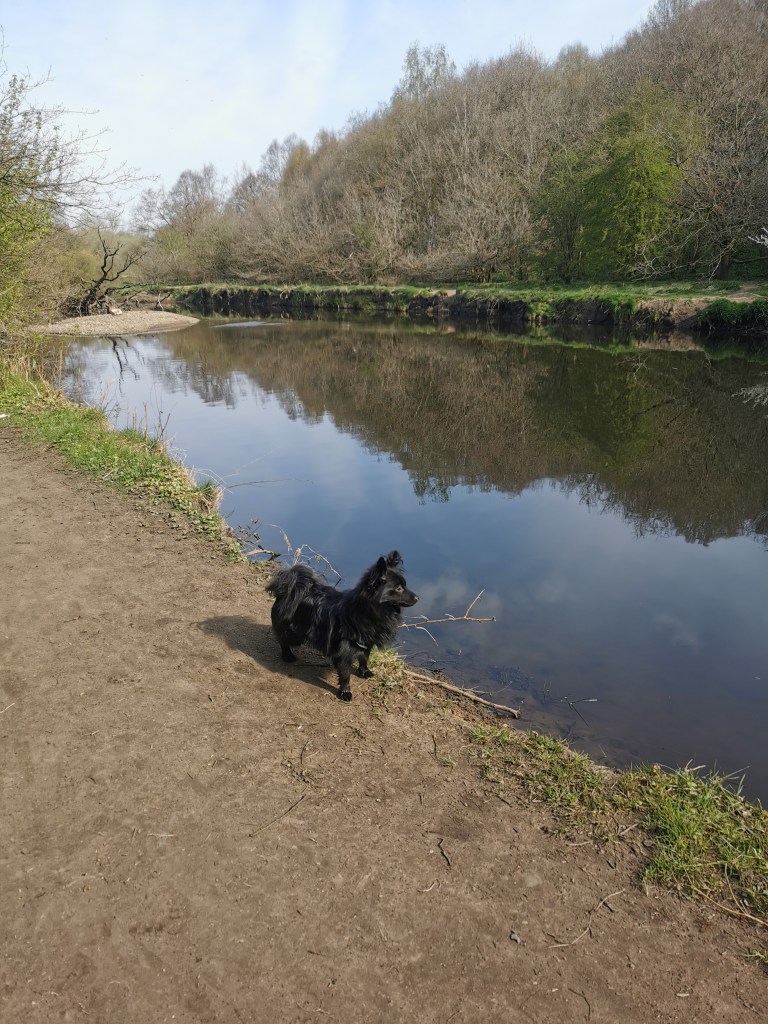
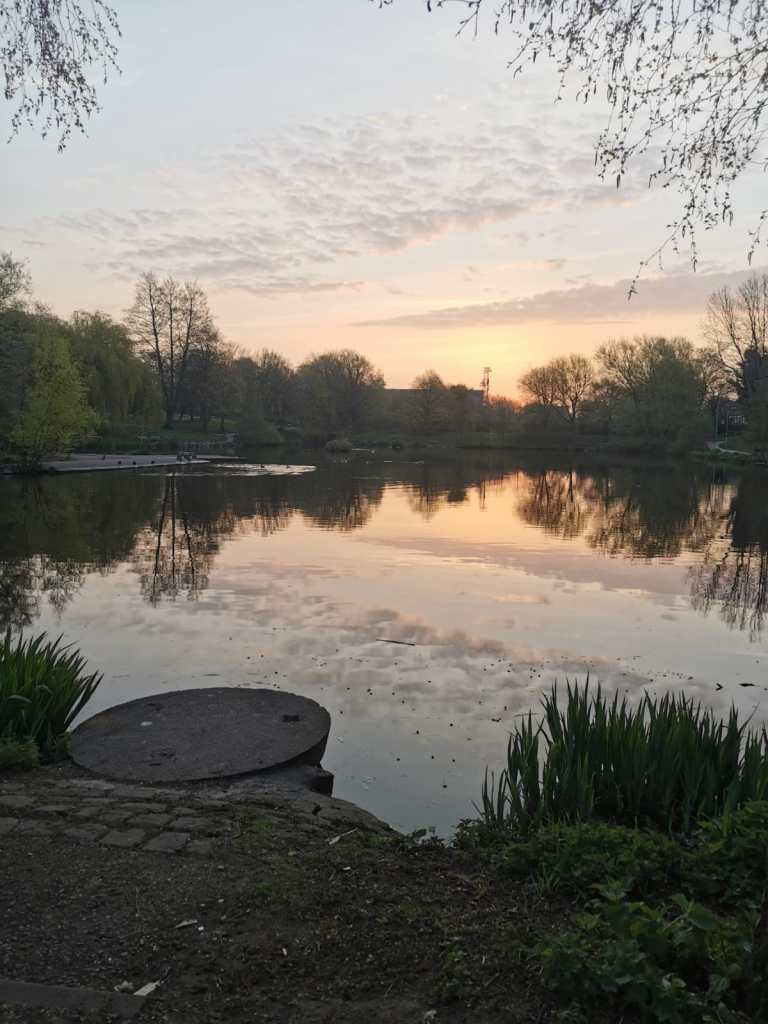
Usually in the evening we go to a huge field so he can quite literally run rings around me. A few weeks ago, we broke tradition and went to the local park in the late afternoon. I had spent the entire day in front of a screen and needed a break. We got to the park and it was different – it looked different, sounded different, and felt different. The sun was out so of course it was busier, and as you’d expect after school there were children playing on the skate park and the playground. There were about a dozen dogs in the dog park (it’s not as fancy as it sounds – just a patch of grass where the dogs dig holes and fetch sticks). Prince was a bit overwhelmed and so was I – at this point I hadn’t seen so many people in one place since pre-covid!
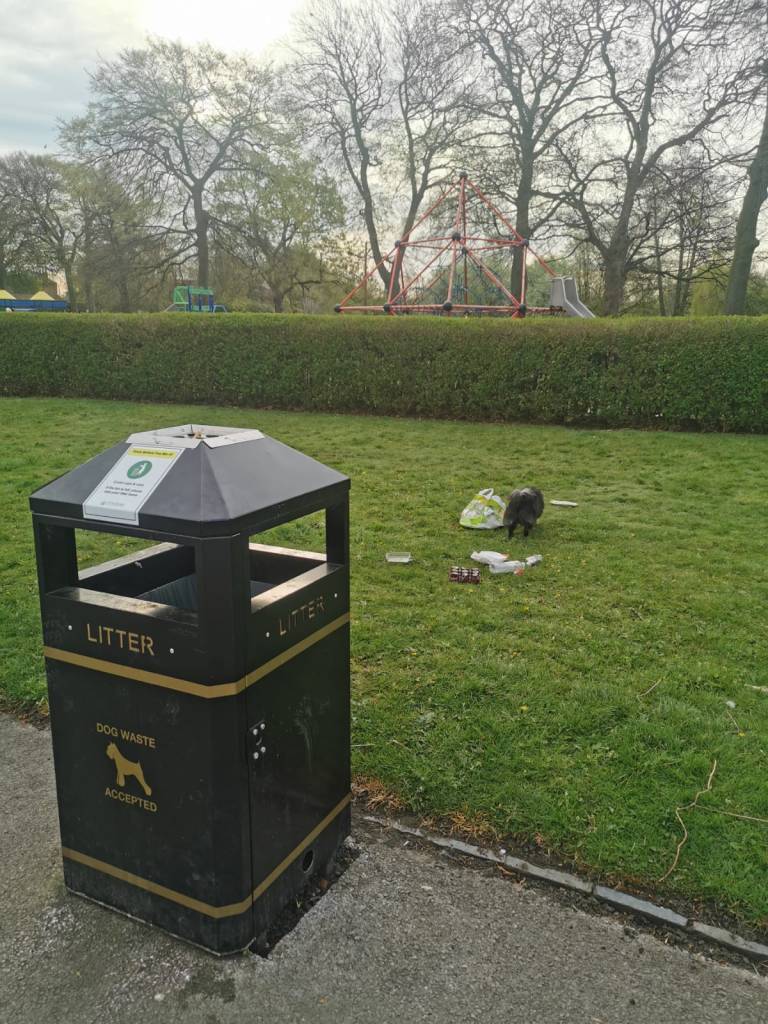
I soon learned that I couldn’t let Prince off his lead on a Monday because the mess from the weekend (even before the outdoor rule of six) would not yet be cleaned and he would eat everything. One Monday he walked an entire lap of the park with a croissant in his mouth that was bigger than his head. Another day he picked up half a joint of cooked meat. I noticed the signs of people having good (and not so good) times, particularly after sunny weekends. Sometimes when it’s warm there’s groups of men fishing, pulling all-nighters, smoking cannabis and drinking. Once, we followed a trail of blood around the path and although it could just as easily come from a child after a fall, the empty, broken alcohol bottles led me to imagine scenarios of violence.
During my visits to the park over the last few months I have seen evidence of alcohol and drug use, and possible violence. In May last year, there were reports of gunshots fired, leading to a man being arrested on suspicion of possessing a firearm. Quite worrying considering I live only a couple of hundred metres away. There have also been incidents involving youths wielding baseball bats and setting fires before attacking firefighters. I had a look at the crime data for the area but Greater Manchester Police have had some IT issues affecting data from 2019 onwards (that’s another story…), however older data showed a pattern of anti-social behavior, arson and a few violent offences as well. This is all very different to the place of tranquility I visit daily with the puppy.

The next day we returned for our early morning walk and I reflected upon the changes in the character of the park and the actors and events that create this. I started thinking about criminology and the environment around us, about how places can change so much throughout the day and across the seasons. I thought about situational crime prevention. My work brain truly switched on and I stopped hearing the birds and started seeing the CCTV and the lighting. I thought to myself that I would not go to the park when it gets dark but if I did, I would stay in the lit areas where the cameras could see me. I would stay away from the groups of fishermen because they were sure to be drunk and stoned by nightfall. I haven’t seen them behave in a threatening manner although I have overheard verbal threats. They are usually asleep when I walk by but as a single woman I’d think twice about walking past a group of lively, drunk men at night.
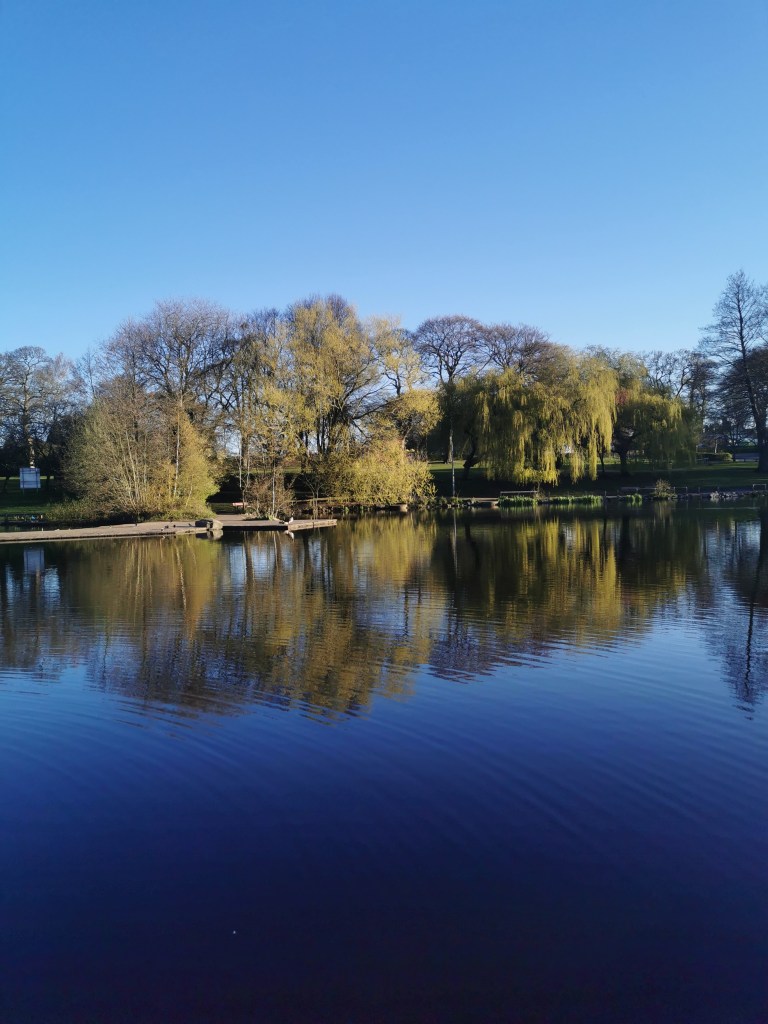
This local park is just one example based on my observations, but the question is, is it a criminogenic space? Or am I criminologist who sees things of criminological interest in everything, everywhere? Or a woman who constantly assesses personal safety? Luckily I haven’t had enough thinking time and space to ponder these questions otherwise this would have been a long read.
Share this:


#CriminologyBookClub: The Reluctant Fundamentalist

As you know from our regular #CriminologyBookClub entries a small group of us decided the best way to thrive in lockdown was to seek solace in reading and talking about books. Building on on what has quickly become standard practice, we’ve decided to continue with all eight bloggers contributing! Our tenth book was chosen by @amycortvriend As can be seen from below, this text gave us plenty to think and talk about.
This was an interesting choice. Having lived through 2001, it was interesting to reflect on events almost two decades ago. I’ve read quite a lot of material around the area, so the content of The Reluctant Fundamentalist didn’t really have any surprises. The use of just one voice to tell the story was interesting and left you wondering what (if anything) the other person in the conversation was saying. I found the sex scenes with Erica rather disturbing, primarily recognising that this was a vulnerable women, regardless of Changez’ motivations. Overall an interesting read, with many unanswered questions left hanging. I know I’ve filled in the blanks, but equally I recognise that other members of the criminology book club may have very different answers….
@paulaabowles
Set in a Lahore café it is easy to imagine the scene and the changing scenery as day turns to night and a one-sided conversation takes place between the narrator and a stranger. In a story of the clash of two cultures and ideologies, the protagonist explains how he at first embraces the ‘American Dream’, soaking up the capitalist vision and the pathway to riches and success only to turn against these ideas as a result of some inner turmoil that he cannot fully explain. For the reader the explanation may become somewhat clearer as each page is turned but still you are left with the question, what is the purpose of this conversation? All becomes clear at the end or does it? A cleverly written plot that captivates from the start. The storyline takes the reader on a journey that is carefully narrated and beautifully descriptive. I really enjoyed the book and it took me back to some of the academic work around terrorism and fundamentalism. A good read that certainly makes you ponder some western values.
@5teveh
When I think back to The Reluctant Fundamentalist, I remember being swept up in the unique style of writing, the timely and thought-provoking themes and the somewhat questionable characters. I struggled to put it down and I think it navigates some themes well (I’ll be careful of spoilers). However, once I had finished the book I was left with a crucial question: ‘What is the ending?’. I struggled with the ‘love’ relationship depicted, even more so upon reflection. And was rooting for a love interest between the protagonist and his boss, Jim, but that was not to be. All in all, I could not put the book down and thoroughly enjoyed it, however as always when I take time for critical reflection: things become a little unstuck. However, excellent choice @amycortvriend!
@jesjames50
The book mostly consists of a person telling his life-story in a restaurant. For me, the storyteller’s life experiences were at times very sad, and when reflecting on scenes involving the women who he loved…maybe even a little strange. The book includes plenty of themes that are relevant to the field of criminology so I think it’s a book that criminology students would find interesting. I was intrigued by this book as I wanted to know more about the main character’s story, I also wanted to know why he was bothering to tell his story to a stranger in such detail in the first place. Overall, I thought the book was good, despite ambiguous ending!
@haleysread
I did not enjoy this book. I really struggled to get past the style in which it was written which I found at times irritating and at others uncomfortable. The descriptions of the narrator’s ‘relationship’ with Erica were particularly difficult to read. There were too many things left unknown to the reader which made it difficult to feel sympathetic to any of the characters involved and the ambiguous ending was more frustrating than intriguing.
@saffrongarside
The Reluctant Fundamentalist, is a novel that we as a society should read. This novel will not give you a manual on how to treat people, but it will hopefully get you to reflect on the implicit ignorance of society and the violence that is legitimised in the name of politics.
Although the backdrop of the novel is set during the 9/11 terror attacks, Mohsin Hamid, does not address the clichés of terrorism, or the morals of individuals. The focus of the novel rests on the problematic treatment and labels that society pushes onto ‘suspect’ communities, and the power that Western society holds over the rest of the world.
The main character of the story Changez, is not necessarily a likeable or loveable character, he is human, he is flawed he holds the qualities that all humans possess. But being a Pakistani national that is living in the U.S at such a volatile time, creates an atmosphere of angst that is exclusive to him and people that look like him. Throughout the novel I constantly wanted him to comply with the ideals of Western society so that he could fit in to win and be Othered less.
As an individual that is deemed different than the ‘norm’ and part of a suspect community, it is difficult to ignore how hard it is to be completely accepted and given access into a society that only gives you part membership. The blurred boundaries between fiction and nonfiction of this novel, allows for uncomfortable reflection of my own tireless navigation through society and the problematic narratives that has been thrust upon others.
This book will not solve the problems of the world, but it will allow us to reflect on who we are, how we treat each other and how we can do better as humans.
@svr2727
The Reluctant Fundamentalist was definitely a fascinating read. It leaves an impression to you. There is something unsettling about the way the story progresses, and you are always on edge about what is likely to happen next. The story is a constant narration as a one-way conversation. At first the novelty of the conversation is interesting and engaging, but in parts it is stretching it, feeling a bit exaggerated. The protagonist is unclear if they are a hero or a villain, friend or foe and this sustains that suspense even further. We are left wondering as we trace different parts of his story through a seemingly random recollection of events. The writing is good and engaging leaving you wanting to know more, but for those who like the certainty of what happens this may not be for you. After I finished the book, I wasn’t sure if I liked it or not, mainly because I wasn’t sure of how I felt about the characters. One thing is for sure the subject matter and the pace of writing will leave you guessing.
@manosdaskalou
Having read another of the author’s novels, I was looking forward to The Reluctant Fundamentalist and it did not disappoint. It took me a chapter or two to get used to the writing style which was almost a one-sided conversation which made you constantly wonder who the other person is, why they are there and what they are saying. Spoiler alert: we never find out. I like that the ending is open, leaving the reader to draw their own conclusions. I also enjoyed the journey of the protagonist from his desperation of wanting to succeed in his pursuit of the American dream to the realisation, triggered by 9/11, that he never truly would fit in, nor does he want to anymore.
@amycortvriend
Share this:


Finding focus in office exile

I have now passed a year of being exiled from my office, separated from people for most of the time. A couple of weeks before the first lockdown I was working in another university and we had just a day or two notice to switch to online teaching. As a doctoral candidate I valued the flexibility of being able to work from home, in the office, and in overpriced coffee shops in Manchester’s Northern Quarter. The weather helped with the first lockdown. I would have virtual office working sessions with my colleagues in the criminology department in my garden. I thought I was coping but the reality was I was masking any fear, sadness and the effects of having no human contact. I was training two or three times per day, counting every calorie I ate. I lost a few pounds, got stronger, fitter and felt physically amazing.
We got some respite in the summer when lockdown restrictions were lessened. However, I lost a family member to Covid-19 and still felt unsure and anxious about going out so I didn’t make the most of it. I did have a couple of work sessions in my local library which was a welcome change of scenery. This was short lived as I currently live in Manchester and we have been in either lockdown or tier 3 restrictions for most of the last year. My saving grace was my gym. We had outdoor sessions, new members joined, and I got to see real people, albeit in socially distanced marked off squares of territory on the gym floor. Life was much better then. I left the house most days.
By December’s lockdown I was starting to struggle. With dark mornings and nights there would be days when I wouldn’t leave the front door. I went from training daily to training once or twice per week and some days I wouldn’t get any more than 2,000 steps in. For my, training is my anti-depressant. It keeps me sane, it keeps be focussed and it keeps me connected to a community of people who value it too. For me, this was a worrying sign.
Fast-forward to today, a year on from lockdown 1. I sit here in front of my laptop day in, day out, trying to concentrate, trying to find the perfect playlist to make me concentrate, taking nootropic supplements (legal, not the drugs), brain vitamins and high caffeine supplements to make me concentrate. I sit here researching symptoms and self-diagnosing ADHD. But really, I just need my office. I need an over-priced lemon and ginger tea, I need a commute, I need people, I need to get out of my living room. But I don’t need it at a cost of losing more lives to Covid-19 so I’ll sit in my living room and wait.
For now, as difficult as it is to focus, I manage. I just have to work harder than ever at it. So for all of our students who are also struggling, I will finish with some of my top tips but bear in mind we all learn differently so find what works for you.

Amy’s top study from home tips:
- Host virtual study sessions with colleagues. I have at least 2 sessions per week with a colleague. We start the session by saying hi and having some human interaction before stating our goals. We keep each other accountable by asking if our goals are achievable within the 2 hour frame and suggesting more specific goals. We then mute and work, coming back at the end of the 2 hours to hold one another accountable and share how we have done. I cannot emphasise enough how much this has helped me!
- Write a to do list each day and week with SMART goals. You’re better off having smaller goals that are achievable than bigger goals that are not
- Use the Pomodoro technique. Ordinarily this is 25 mins work followed by a 5 or 10 minute break. There are online tools and apps or you can set a timer. One of my supervisors recently suggested to me to reduce the working session to 15 minutes to account for my reduced concentration span. This is helping!
- Don’t have the same expectations on yourself as you ordinarily would. These are not ordinary times
- Work with your own mind. My brain works well early in the morning so sometimes I have my laptop open at 5.30am. I have friends that work late in the night. I also know I read well in the afternoon and I do my best thinking when I am on a solitary walk in nature
- Set yourself little goals with rewards. Currently, if I finish editing 5 pages I get an episode of Grey’s Anatomy or a cookie (bad idea) or a 10 minute browse on Instagram
- Lean on the resources available to you. At UoN our students are lucky to have a tonne of informative resources on Skills Hub (see the section on ‘How to Study’), our Learning Development team to help with academic skills, a mental health team who can help support mental wellbeing, and a whole host of other services. Ask for help and accept it when it is offered (this I need to work on)
- Listen to a focus playlist. My go to Spotify playlists are here and here
Share this:


Reflecting on International Women’s Day

On International Women’s Day I wanted to write a blog to celebrate the incredible women who have inspired me, supported me, fought for the rights of women all over the world both past and present. Perhaps that post will come but I felt sadness and anger, rage that made me want to shout and swear from the rooftops that feminism is not done. Gender equality has not been completed. We may have advanced a few levels, but patriarchy is still alive and free right here in England as well as throughout the world. The reality is that gender equality is a myth. Ordinarily I’m more hopeful and positive and maybe the pandemic combined with finishing my PhD is pushing me over the edge. But as well as celebrating International Women’s Day I wanted to identify some of the areas in which there is work to do, both in the UK and worldwide.
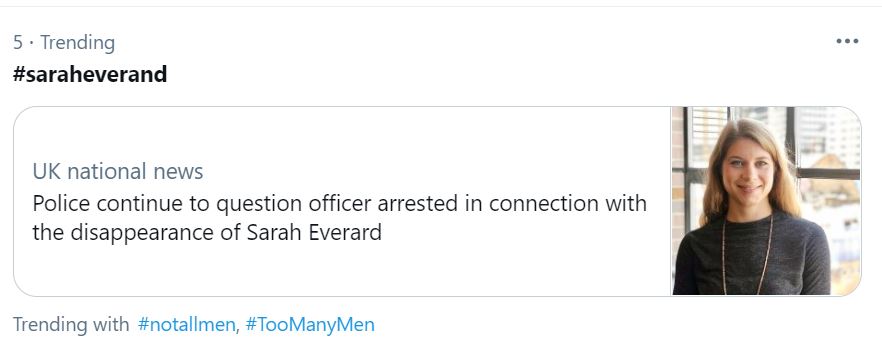
On the week of International Women’s Day, the media has been filled with women, but not for the right reasons. Let us start with the interview broadcasted on International Women’s Day with Megan Markle and Prince Harry which highlighted not only her position as a woman but also the intersectionality of being a woman of colour in the royal family and the implications of this. The interview was responded in an appalling manner by Piers Morgan who questioned her experience of feeling suicidal which was then reflected on social media (never read the comments!!!). A woman’s experiences with mental health were questioned and ridiculed. Not long after the tragic death of Caroline Flack, people – including many other women – have forgotten to #bekind. The investigation over the disappearance of Sarah Everard was responded to by the Met police advising women in the local area not to go out at night, perpetuating a culture of victim blaming. A woman’s actions were being questioned. So here we are in 2021 with our internal thoughts and emotions and our external actions being judged by others. When women have spoken out about our right to feel safe walking home at night, about how we walk the long way home and hold a key between our fingers for protection, #notallmen resurfaces on Twitter, in a similar tone to #alllivesmatter last year. When one group renews a call for equality, the patriarchs and supremacists oppress harder. These are just a couple of examples in the media, the public domain, this week but there is also clear inequality in domestic life.
Throughout the pandemic there have been numerous reports suggesting that women have disproportionately undertaken childcare which has had a devastating impact, particularly for single mothers. While data from the Office for National Statistics shows that home schooling is distributed equally in mixed sex couples, women have undertaken substantially more of non-developmental childcare – the bathing, bedtime routine, feeding etc. I recall the days of being a working single parent with a small child. With no after school club and no family available to chip in, I relied on childcare swaps, a childminder (who I couldn’t afford to pay more than a couple of days per week). It was a case of beg, borrow or steal whatever childcare I could get to get to work and would often miss lectures because I didn’t have any childcare (note to students – if you have childcare responsibilities and are struggling please do not hesitate to drop me an email. I have almost a decade of experience juggling kids with studies and I am always happy to share tips or just have a mutual rant about how hard it is!). I cannot imagine how I would have managed with the pandemic if my children were younger. I am lucky enough to work in a team where my colleagues don’t bat an eyelid when my teenager pops her head in asking for food or help with schoolwork but I do have friends telling me how their male counterparts have given them advice on how to juggle virtual meetings with parenting small children. Men (not all men – some men are excellent allies) having no clue how hard women have to fight as women to do it all – the career, the childcare, the housework, all while earning less than our male counterparts (currently 15.5% less). Of course the data on equal pay is complex but the bottom line is we get paid less, it’s harder to advance our careers because as we live in the bodies that produce babies and we have career breaks when we take maternity leave or go part time while the children are young – the only way that can change is if we choose not to have kids and we are criticised for that too!
I have so far established that the UK is hostile in the media and not equal in the home and employment but where do we sit globally? It was placed 21st on the Global Gender Gap Index 2020. Do you think you could guess which countries are higher than the UK? Go on, spend a minute and write down who you would expect to be in the top 20. Of course, there are the countries one might expect – Iceland is top of the list, Norway, Finland and New Zealand too. But let’s throw a curveball in there. Albania. Having worked with and interviewed many female Albanian asylum seekers and refugees who have usually fled Albania due to at least one but often many forms of gendered violence this comes as quite a surprise to me. Of course, I have a biased experience and have only come into contact with those who have had devastating experiences of patriarchy in the country. Rwanda is up there too within the top 10. Not long after the devastating genocide in Rwanda where women were brutally raped as a weapon of war (see here for a cheeky plug and an analysis of sexual violence in conflict in a different geographical context). Today, women make up half of the politicians in the country. Women have risen up and have taken power. In the UK I look at the female politicians in power today and in recent years and I recoil in horror. Priti Patel is probably (barring the Queen) the most powerful female politician in England. I witness first hand in my work with asylum seekers the harm she causes every day. Intentional harm, following in Theresa May’s footsteps to create a hostile environment for migrants. These women are not the people I want to look up to, or want my children to look up to. In fact, one of the few shared interests my daughter and I have is our disdain for these women.
The women I do look up to are those asylum seekers Patel and her band of merry men at the Home Office are trying to repel. Those who have fled situations that I, as a middle class white woman cannot even begin to comprehend. All the women who I have interviewed in my doctoral research had either fled gendered violence including forced and child marriage, domestic abuse, sex trafficking and honour violence; or their gender had intersected with other forms of persecution making their living situation untenable because they were women. They fled life or death situations to the point of leaving their homes, families and countries because their governments could not, or would not, protect them. They arrive in the UK and are faced with the hostile environment conjured by May and continued by Patel and both the Home Secretaries in between. They face structural violence in the forms of forced poverty, illegal detention, substandard and sometimes dangerous accommodation perpetrated under the mandate of women. All the while being vilified by the tabloids and swathes of the public. Some of my participants arrived here as children and were bullied in school because they were asylum seekers, being told that they were taking jobs and money. The bullies could not comprehend that they were prohibited by law from working and were given £5 per day to live on. They then hid their identities, never telling anyone that they were an asylum seeker, lying to their friends about why they couldn’t go on college trips abroad, why they couldn’t have a bank account, why they couldn’t get a job or go to university.
I want to celebrate Amira* who defied the odds. She came here when she was in her early teens, knowing just a few words of English. She worked hard to learn the language and passed her GCSEs and A-levels, gaining a competitive Sanctuary scholarship which funded her university education. I want to celebrate Drita, an Eastern European woman who was physically abused by her father as a child, forced to marry an abusive man who eventually left her destitute with three children. She then left her children with her parents while she sought work, got a boyfriend who sold her into sex slavery, set her room on fire to kill herself but managed to escape, picked up her children and fled a lifetime of gendered violence from every man she had ever met. She spent 2 days in a lorry with her children to get to the UK. Not really the UK, she would have gone anywhere, just out of her country to safety. These women are survivors. These women fought to stay alive. They fought to escape. They didn’t escape. They arrived here to face May’s legacy of a hostile environment. These women are terrified every time they have to report to the Home Office, every letter they get threatens them with detention and deportation and reminds them that they or on bail, literally equating them with a process usually found in the criminal justice system. These women are heroes and should be celebrated for surviving. On International Women’s Day yes, let us celebrate all that all we have achieved so far but it cannot end here. Each year we need a renewed call for action for women.
*All names are pseudonyms to protect the anonymity of participants
Share this:


Data collection in a pandemic: Discovering what’s up with WhatsApp *or any other instant messaging service

Many of our students will be thinking about or preparing for, their dissertations. Ordinarily this is the fun part of a degree. The part where you have the freedom to research a topic of interest. Two or three years ago, none of us could have predicted we would be in the midst of a global pandemic which limits research opportunities, particularly for undergraduates who have practical and ethical limitations. One thing that I would encourage students – or indeed anyone doing research in the pandemic – to do, is to be innovative and think outside of the box when planning research. Here in the UK we are lucky enough that most of us have access to the internet. The way I communicate with friends, family and colleagues most frequently is using instant messaging services and so I incorporated this technology into my own research. In sharing my own experience of using instant messaging as a data collection tool, I hope to offer some hope that where there are obstacles, there are also ways to overcome them.
I conducted my most recent research prior to the pandemic, however I had other barriers to navigate. I was researching the victimisation of asylum seekers, and wanted to understand if, and how, they coped with these experiences. I was lucky enough to undertake two face to face interviews with most of the participants which helped me to gain an understanding of their life histories and the broader aspects of their experiences but I also wanted to understand the day to day stressors and how they coped with these events. I knew that a diary method would be an appropriate approach to elicit the data I required, however there were some limitations with using traditional written journals. All the asylum seekers who participated in my research spoke some English as a second language and some spoke the language but could not read or write proficiently. In addition to this, traditional journal entries can be time consuming and there were additional practical considerations to consider such as how I would retrieve the journals. To overcome these obstacles I decided to use digital technology to collect diary data, in part because electronic methods have been found to increase response rates, but also because most asylum seekers I have come across own a mobile phone. Mobile phones are essential to enable to contact their family in their country of origin as well as maintaining contact with their solicitor and other agencies working with them.
Once I had decided to use mobile technology, I sent weekly messages to each of the people I interviewed, asking them how they were that day and how their week had gone, what were some of the good and bad things that had happened. I did this for 12 weeks before conducting their follow up interviews. For the purpose of my doctoral thesis, the method provided data that would help me understand the day to day stress of being an asylum seeker, often resulting from structural harms perpetrated by the Home Office. This may be the mother feeling guilty after being late to pick her children up from school because she had to catch three buses to report to the Home Office and fulfil the conditions of her immigration bail; or the feeling of dread in the pit of her stomach when a brown envelope came through the door, fearful that this may be what feels like a death warrant from the Home Office ordering her deportation. Events such as these were often not mentioned during interview, when interviewees would often recall the major life events and forget the moments of everyday life. Using mobile technology meant that participants could write in their first language and either them or I could translate it. It also meant that they could quickly send a message in the moment, while a particular event was fresh in their minds.
Using mobile technology to collect data worked well for me as it helped me to stay in contact with participants and inform my follow up interviews as well as providing the information I required to answer the research questions. As anticipated the response rate was good – even those who could not afford credit were often able to access Wi-Fi and send a message from a public space. The use of mobile technology to collect diary entries overcame more barriers than it presented, and the method proved fit for purpose, gaining the data required to get a fuller picture of those I was researching. For students planning dissertations or other research projects that are to be undertaken soon, I urge you to think creatively about your research methods and modes of data collection. Although a large part of our teaching focuses on traditional methods, I encourage you to be independent thinkers and so solve the problem of doing research in a pandemic.
Share this:


Yorkshire Ripper: Not an Obituary

Wilma McCann, 28
Emily Jackson, 42
Irene Richardson, 28
Patricia Atkinson, 32
Jayne MacDonald, 16
Jean Jordan, 21
Yvonne Pearson, 22
Helen Rytka, 18
Vera Millward, 40
Josephine Whitaker, 19
Barbara Leach, 20
Marguerite Walls, 47
Jacqueline Hill, 20
As the team northerner I took it upon myself to write about Peter Sutcliffe after hearing of his death. Sutcliffe was a serial killer who operated in West Yorkshire and the North West of England. He was convicted of murdering 13 women and attempting to kill 7 more in the 1970s, and was serving 20 life sentences for his crimes.
Ironically, the ripper was killed by covid-19, the deadliest killer of 2020 (incidentally I asked students to imagine covid-19 being a serial killer in a lecture yesterday). Reports suggest that he was in ill health prior to contracting the coronavirus, was obese and had diabetes. He died 2 days after his diagnosis after refusing treatment.
When I started writing about the Yorkshire Ripper, I couldn’t help but think about his victims. Those he killed (named above – remember them), those he harmed and who survived, the relatives of both and the women in the areas in which he would prey on his victims, who feared leaving their homes every day for half a decade. These are the people I am thinking about, those who are in my thoughts. How do they feel about the news of his death? How have they felt every time they have heard his name for the last few decades? How, 40+ years later, are the living victims coping?
I didn’t know a lot about Peter Sutcliffe. It was before my time so when I read about the secondary victimisation as a result of police and the prosecution blaming the victims it made me angry. Peter Sutcliffe would prey on women, often prostitutes. The police at the time differentiated between the victims who were sex workers and the victims who weren’t and referred to those that weren’t as ‘innocent victims’, insinuating that the sex workers were not entirely blameless and may have precipitated their fate. Thankfully, West Yorkshire Police have issued a statement to apologise for the language and tone used at the time but the damage has already done.
I’d like to say society has learned from its mistakes, but sadly I don’t think we have. There is still evidence of victim blaming, particularly in cases of femicide and rape. Think of the Grace Millane murder and the protests in Ireland after a barrister suggest the jury consider the victim’s underwear, questioning consent. I hope one day we, as a society, learn. I hope the victims of Peter Sutcliffe get some sort of relief from both his passing and the apology from West Yorkshire Police.
Share this:


“My Favourite Things”: Amy

My favourite TV show - This is hard! I love a box set and it depends on my mood but This Is Us for when I need a good cry and Travels With My Father or Idiot Abroad for laughs (combines my love of travel with belly laughs)

My favourite place to go - Mum and dad's. Their home and gites at Cousserat (shameless plug) in South West France is the most peaceful place I've ever been. Waking up with a view of the vines, having breakfast with my parents, running for miles and not seeing another car, the beautiful boulangeries and lively night markets. I wish I could travel over more than I do

My favourite city - Paris

My favourite thing to do in my free time - CrossFit - functional fitness combining cardio, gymnastics and Olympic weightlifting elements. It's super addictive and has a real sense of community so it's my social life as well as my gym

My favourite athlete/sports personality - Any of the CrossFit women but Tia-Clair Toomey is an absolutely phenomenal athlete. Her mindset, work ethic and determination is inspiring

My favourite actor - Tom Hardy. Needs no further explanation

My favourite author - I can't remember the last time I read fiction. We're probably talking about the Jane Austen period it's been that long. If we're talking academia then Vicky Canning. We think alike and she's lovely

My favourite drink - Diet Coke but I quit for months at a time because it's addictive. I also love Caribbean Nocco and lemon and ginger tea

My favourite food - If I could only eat one food for the rest of my life it would definitely be chicken

My favourite place to eat - My own dining room but in terms of restaurants there's so much choice in Manchester I rarely eat in the same place twice!

I like people who - help others

I don’t like it when people - are racist

My favourite book - Gendered Harm and Structural Violence in the British Asylum System by Victoria Canning. It's been my go to during my PhD

My favourite book character - Jo from Little Women

My favourite film - Bridesmaids

My favourite poem - I don't know a single poem. Is that bad? I studied English Literature at Access and I don't recall what I read

My favourite artist/band - Emmy the Great has a special place in my heart

My favourite song - I can't answer this. It's like choosing your favourite child

My favourite art - I was on site during the fieldwork phase of my PhD research at a womens' group for newly arrived migrants. There was one woman who didn't speak a word of English but she loved the art activities. She created a series of tiles over a few weeks. The artwork was beautiful because of what it symbolised. The woman came in withdrawn and closed, wearing her veil tightly like it was an extra layer of protecting from the world. By the time she completed her mosaic tiles she looked taller, younger and she smiled. Her veil loosened, as did her furrowed brow. It was absolutely incredible to see the change in her. Sat with a group of women making mosaic tiles for a few weeks positively influenced her wellbeing.

My favourite person from history - I'm a woman from Manchester so it has to be Emmeline Pankhurst. Her legacy continues today in her home which is now home to a range of women's services

Share this:


Meet the team – Amy Cortvriend, Lecturer in Criminology
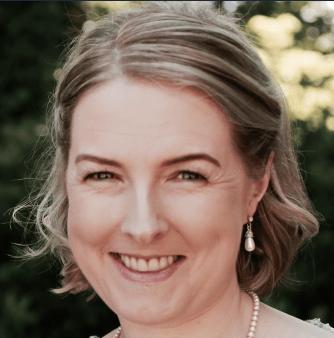
I am one of the new members of the criminology team at UoN and have joined from the University of Manchester where I have been a teaching assistant (probably the equivalent of associate lecturer at UoN) for the last couple of years while I’ve been working on my PhD. I’m looking forward to my new role as lecturer in criminology and hopefully at some point meeting students in real life, face to face. It’s a bit strange starting a new job in a new town when I’m still sat in my living room in Manchester, but the rest of the team have made me feel welcome regardless.
My journey into criminology is a funny one. I did life the opposite to many people, having my first child at 16. When my second child went to school I decided to return to education and as I didn’t have A-levels I has to undertake an Access diploma to get into university. I was required to choose three subjects and at first, I opted for English literature because I love(d) reading (I’m sure I still love reading but I’ve not read anything non-work related for a long time). I picked sociology because it sounded interesting and the same with history. At the last minute I swapped history to criminology and never looked back. From my first lesson I knew this was my future, although at that point I wasn’t sure how.
I always had imposter syndrome and never thought my work was good enough (still do today but we’ll save that for another blog post), but my Access tutor believed in me and suggested I apply to the University of Manchester. As I was a mature student, I had to attend an interview with two of the lecturers. I was super nervous, but I got a place and never left. The undergraduate degree was difficult at times because there were only a couple of mature students and they eventually dropped out. I wasn’t in halls and had kids at home, so I didn’t have the same student experience as many of my cohort, however I made some great friends particularly those who stayed to undertake our MRes.
I finished my undergraduate degree with a first and was awarded a scholarship for my research Masters’ then luckily got another studentship for my PhD which is near completion and here I am. Since I’m teaching research methods modules this year my students will be pleased to know that my BA (Hons) and MRes were heavily focussed on research methods and my PhD has given me three years of real-life research experience. My dissertations and thesis have all followed my research interests in the psychology of victimisation and border criminology. My PhD thesis explores the victimisation of refugees and how they cope. That’s all I will say about my research right now, but I will write another blog about it at some point. Probably when I’ve finished writing it and the hard work is a distant memory.
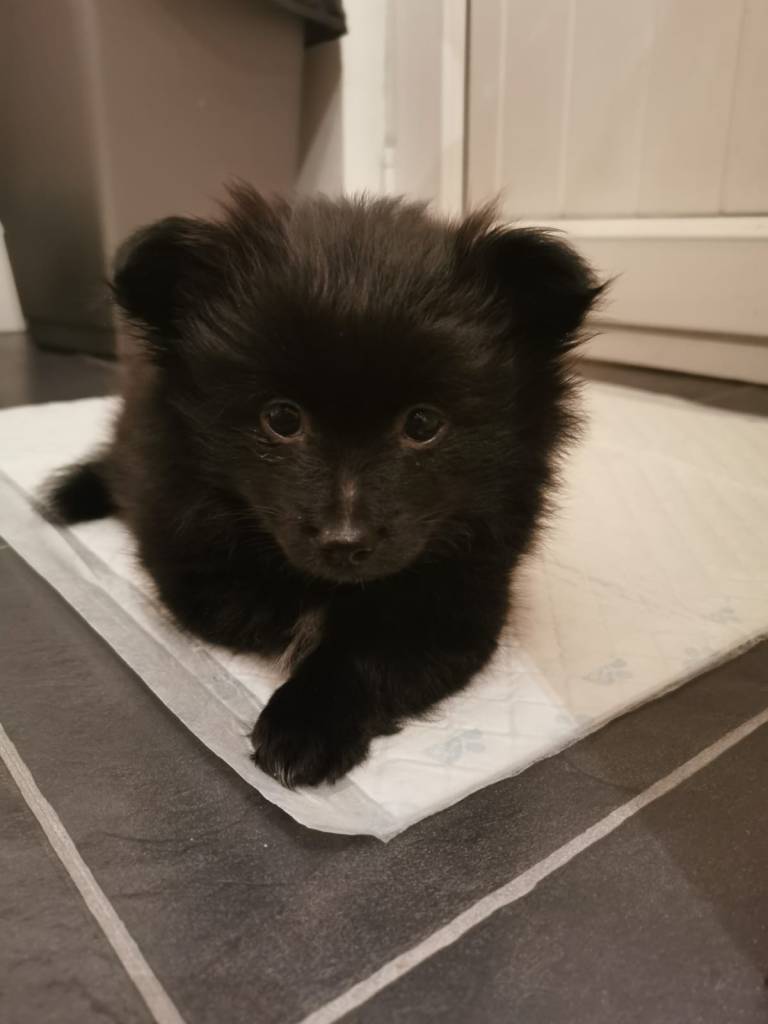
On a personal note, the daughter I had at 16 is now grown up and lives on her own and my youngest is a sassy 14-year-old girl. We have also just got our Pomeranian puppy Prince. In my free time I’m usually doing something active. I’m a Crossfitter and many of my closest friends are gym friends so the gym is both my mental health crutch and my social life. When I do eventually sit down, I love a good box set. I’m currently watching The Morning Show with Jennifer Aniston and Reese Witherspoon. Recommendations via email are welcome.
Now you know a little bit about me. I’ll look forward to getting to know all the criminology students soon, either virtually or face to face. Hopefully some of you will put your cameras on at least for a day so that when we eventually meet, I’ll know who you are.

 Thoughts from the criminology team