

Taking a short break….back soon

The academic year 23/24 will shortly come to an end with the last assessments submitted and graded. Here at the Thoughts From the Criminology Team we’re going to take a little break before we jump back into planning for the new academic year. Don’t worry, we’ll be back with lots of interesting entries from August and after all, ‘absence makes the heart grow fonder’.
In the meantime, there’s plenty on the site to explore.
Enjoy your July whatever you are up to!
Share this:


Gypsy Roma Traveller History Month: A Romany Museum
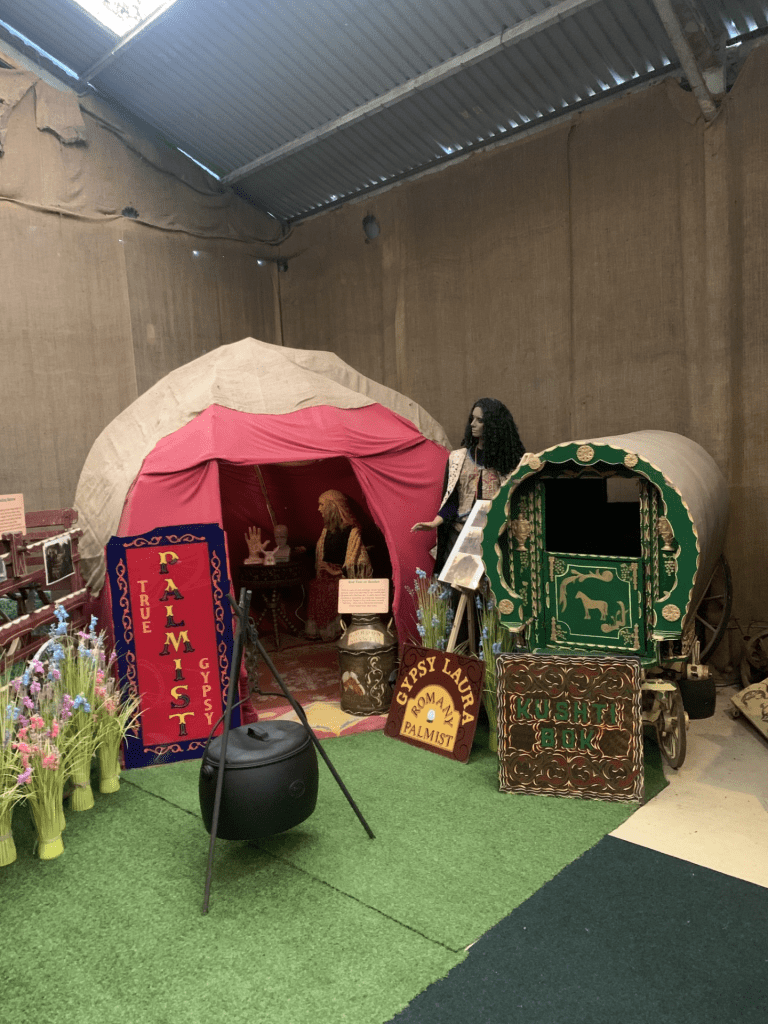
In April I visited the Gordon Boswell Romany Museum, museums in this country tend to operate under the guise of whiteness, but this one is different – it seems to be unapologetically and traditionally Romany.
The museum has an off grid feel to it, it appears after driving miles amongst countryside fields and if you would like to contact the museum staff, apparently telephone is best, not social media or email. This museum is also situated within what seems to be a Romany family home area and working scrapyard business. So even before entering the building, the culture of close family ties for building home and business that is outside of mainstream culture, are there.
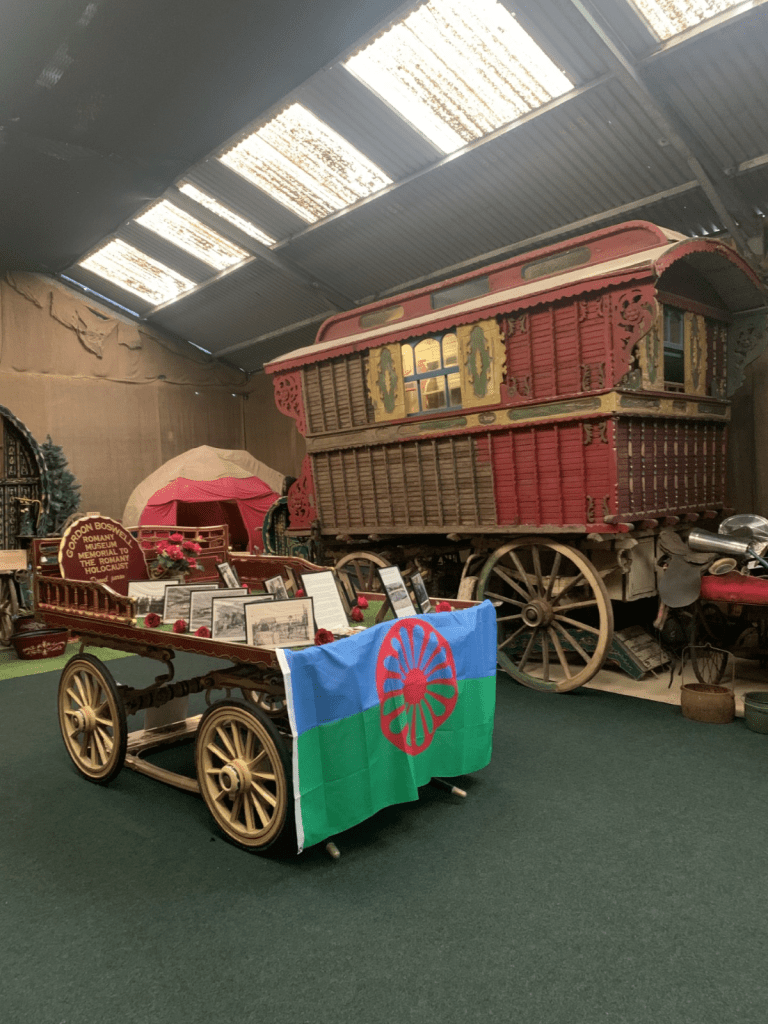
Inside the museum there are a variety of traditional Romany artefacts, which includes wagon, trailers, horse related items and handmade gifts, as well as other wagons curated by the owners and close contacts themselves. You will be pressed to find any written signage here, as in-line with tradition Romany history is passed on through verbal story telling. So if you want to know more about something you will need to ask those running the place, who are keen to have a chat with you.
I was surprised to see that the museum had a decent amount of visitors considering that this was a weekday and located in a lowly populated area in Spalding. The museum seems to be aimed at celebrating and illustrating traditions, instead of being motivated by profit. The visitors that were there also seemed to be touched by their visit, perhaps it is the attempt at preserving a traditional culture that has been under constant pressure, that makes this so meaningful. Or the memories of the past which the museum seems to hold onto.
Upon exiting the museum, seemingly Romany people pull up with a horse and cart near-by. A reminder of a slower paced yet hard working traditional life, where the outside world and mainstream culture does not matter so much as long as there is food on the table and supportive family near by. Although, I was left with more questions after the visit, such as where are the museums/spaces for other groups, such as Traveller culture? Where are the celebrations for more contemporary lives lived by Gypsy Roma and Traveller people?

This year the month in which I celebrated Romany culture the most was in April with a visit to The Gordon Boswell Romany Museum and I really did enjoy the visit. I have not done much to celebrate this month as I wonder – how do you to celebrate these specific History Month in a way that is meaningful and not performative?
Share this:


The Problem with True Crime

There has been a huge spike in interest in true crime in recent years. The introduction to some of the most notorious crimes have been presented on Netflix and other streaming platforms, that has further reinforced the human interest in the gore of violent crimes.
Recently I went to the theatre to watch a show title the Serial Killer Next Door, which highlights some of the most notorious crimes to sweep the nation. From the Toy Box Killer (David Ray-Parker) and his most brutal violence against women to Ed Kemper and the continuous failing by the FBI to bring one of the most violent and prolific killers to justice. While I was horrified by the description both verbal and photographic of the crimes committed, by the serial killers. I was even more shocked at the reaction of the audience and how the cases were presented. The show attempted to sympathise with the victims but this fell short as the entertainment value of the audience was paramount and thus, the presenter honed in on the ‘comedic’ factor of the criminal and the crimes committed. Graphic pictures of the naked bodies of men, women and children brutalised at the hands of the most sadistic monsters were put on screens for speculation and entertainment. Audience members enjoyed popcorn and crisps while lapping up the horror displayed.
I did not stay for the full show…..
The level of distaste was too much for me but from what I did watch made me reflect deeply and led me to the age-old topic among criminologists and victimologists that question where the victims are and why do they continue to be dehumanised. Victims of these heinous crimes are rarely remembered and depicted in a way that moves them away from being viewed as human and instead commodities and after thoughts of crime.
The true crime community on YouTube has been criticized for the sensationalist approach crime. With niche story telling while applying one’s makeup and relaying the most brutal aspects of true crime cases to audiences. I ask the question when and how did we get to this point in society where entertainment trumps victims and their families. Later, this year I will be bringing this topic to a true crime panel to further explore the damage that this type of entertainment has on both the consumer and the victim’s legacy. The dehumanisation of victims and desensitisation of consumers for entertainment tells us something about the society we live in that should be addressed…..I am sure there will be other parts to this post that will explore the issues with true crime and its problematic and exploitative nature.
Share this:


Let us not forget
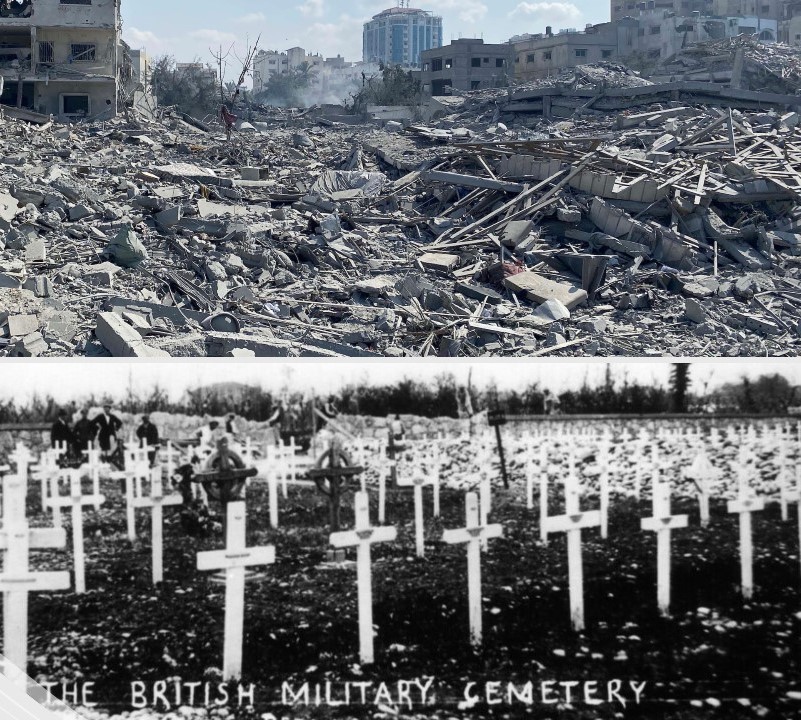
Yesterday marked the 80th anniversary of the D Day landings and it has seen significant coverage from the media as veterans, families, dignitaries, and others converge on the beaches and nearby towns in France. If you have watched the news coverage during the week, you will have seen interviews with the veterans involved in those landings. What struck me about those interviews was the humbleness of those involved, they don’t consider themselves heroes but reserve that word for those that died. For most of us, war is something that happens elsewhere, and we can only glimpse the horrors of war in our imaginations. For some though, it is only too real, and for some, it is a reality now.
I was struck by some of the conversations. Imagine being on ship, sailing across the English Channel and looking back at the white cliffs of Dover and being told by someone in charge, ‘have a good look because a lot of you will never see them again’. If knowing that you are going to war was not bad enough, that was a stark reminder that war means a high chance of death. And most of those men going over to France were young, to put it in perspective, the age of our university students. If you watched the news, you will have seen the war cemeteries with rows upon rows, upon rows of headstones, each a grave of someone whose life was cut short. Of course, that only represents a small number of the combatants that died in the war, there are too many graveyards to mention, too many people that died. Too many people both military and civilian that suffered.
The commemoration of the D Day landings and many other such commemorations serve as a reminder of the horrors of war when we have the opportunity to hear the stories of those involved. But as their numbers dwindle, so too does the narrative of the reality, only to be replaced with some romantic notion about glory and death. There is no glory in war, only death, suffering and destruction.
The repeated, ‘never again’ after the first and second world war seems to have been a utopian dream. Whilst we may have been spared the horrors of a world war to this point, we should not forget the conflicts across the world, too numerous to list here. Often, the reasons behind them are difficult to comprehend given the inevitable outcomes. As one veteran on the news pointed out though ‘war is a nonsense, but sometimes it’s necessary’.
The second part of that is a difficult sentiment to swallow but then, if your country faces invasion, your people face being driven from their homes or into slavery or worse, then choices become very stark. We should be grateful to those people that fought for our freedoms that we enjoy now. We should remember that there are people doing the same across the world for their own freedoms and perhaps vicariously ours. And perhaps, we should look to ourselves and think about our tolerance for others. Let us not forget, war is a nonsense, and there is no glory in it, only death and destruction.

 Thoughts from the criminology team
