
Home » 2022 (Page 2)
Yearly Archives: 2022

The ‘Chocolate Cost-of-Living Crisis’
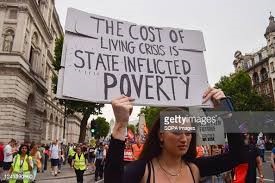
Despite the turmoil and mess the country is currently in, this week’s blog post is dedicated to chocolate, and how to maintain a very much needed chocolate fix during the cost-of-living crisis and the sh** storm which British Politics currently is. Do not even get me started on the Casey Review (2022) which has been overshadowed by that sh** storm I previously mentioned. So, in an attempt to address a serious concern plaguing us all, but disproportionately those most vulnerable, I would like to share some of my findings on the ‘chocolate cost-of-living crisis’.
Before the ‘official’ cost-of-living crisis hit, chocolate was seriously upping its price tag. What used to be 99p or £1 for branded ‘share’ bag (I mean who actually has the self-control to share a share bag?!), has now risen to a huge £1.25 per bag! Now this is for Cadbury’s ‘share’ bags (buttons, wispa bites, twirl pieces to name a few), you are looking at £1.35 for Mars products (Magic stars, Minstrels, Maltesers, MnMs)! Those of us that eat Vegan, lactose-free chocolate are looking at an even higher price tag for an even smaller product. Supermarket chocolate has also gone up in price, and remains nowhere near as scrumptious as the likes of Cadbury, Mars and even Nestle (although I myself am not a Nestle loving due to their questionable ethical practices*). But given the sh** storm the Country is currently in, and the impact of the cost-of-living crisis is having, we need chocolate more than ever! But do not fear: I have some handy tips when it comes to selecting the most reasonably priced and therefore affordable chocolate to help get us through these sh***y times.
The key when looking at the cost of chocolate, and all products, is to look at the price per g/kg. This is usually in teeny tiny writing at the bottom of the price tag on the shelves. Most chocolate (and because I am a self-proclaimed chocolate snob, I am discussing branded chocolate) is coming in around the 85p+ per 100g mark. But there are some sneaky little joys which are undercutting this, and I highly recommend stocking up!
Terry’s Milk Chocolate Orange: £1, (63p/100g): a clear winner! They have various types, dark chocolate, white chocolate and popping candy, and these vary in weights but come in between 63p/100g to 69p/100g!
Cadbury Dairy Milk (360g bar): £3, (83p/100g): the key to Cadburys is the bigger the cheaper! Do not be fooled by the smaller bars and their ‘cheaper’ price. They are not cheaper: and lets be honest who wouldn’t want 360g of chocolate over 150g?!
HOWEVER
Galaxy Caramel (135g bar): 99p (73p/100g): good news for caramel lovers! The smaller caramel bar is cheaper than the 360g Galaxy smooth milk bar (97p/100g), so in this case less is actually more!
Galaxy Minstrels ‘More to Share’ Bag: £1.99 (83p/100g): best value share bag out there at the moment. Again, do not be tricked by the smaller and what may seem like cheaper bags, because they are not!
Growing up with a single-parent father who worked the ‘mum’ shift in a warehouse meant we were very stringent and careful with money: mainly because we didn’t have much. This skill of checking value for money and the price per g/kg is something engrained within me, and something I am extremely grateful for! Check those £’s per g/kg people! It may mean you can have a treat at the end of the week, which doesn’t burn through your pockets, to help off-set the sh** we are currently dealing with.
*it has recently been brought to my attention, the unethical historical practices of Cadbury’s in relation to the Slave Trade, and their racist advertisements in the early 2000’s (not sure how I missed this)! Morally, as I try to avoid Nestle products due to their unethical practices, I will also attempt the same with Cadbury’s: but I fear this will not be an easy transition.
Share this:

A Generation w/o real dialogue & ATT!
Share this:


ASUU vs The Federal Government

It will be 8 months in October since University Lecturers in Nigeria have embarked on a nationwide strike without adequate intervention from the government. It is quite shocking that a government will sit in power and cease to reasonably address a serious dispute such as this at such a crucial time in the country.
As we have seen over the years, strike actions in Nigerian Universities constitute an age-long problem and its recurring nature unmasks, quite simply, how the political class has refused to prioritise the knowledge-based economy.
In February 2022, the Academic Staff Union of Universities (ASUU) leadership
(which is the national union body that represents Nigerian University Lecturers during disputes) issued a 4-week warning strike to the Nigerian government due to issues of funding of the public Universities. Currently, the striking University Lecturers are accusing the government of failing to revitalise the dilapidated state of Nigerian Universities, they claim that the government has refused to implement an accountability system called UTAS and that representatives of the government have continued to backtrack on their agreement to adequately fund the Universities.
The government on the other hand is claiming that they have tried their best in negotiating with the striking lecturers – but that the lecturers are simply being unnecessarily difficult. Since 2017, several committees have been established to scrutinize the demands and negotiate with ASUU, but the inability of these committees to resolve these issues has led to this 8-month-long closure of Nigerian Universities. While this strike has generated multiple reactions from different quarters, the question to be asked is – who is to be blamed? Should the striking lecturers be blamed for demanding a viable environment for the students or should we be blaming the government for the failure of efforts to resolve this national embarrassment?
Of course, we can all understand that one of the reasons why the political class is often slow to react to these strike actions is because their children and families do not attend these schools. You either find them in private Universities in Nigeria or Universities abroad – just the same way they end up traveling abroad for medical check-ups. In fact, the problems being faced in the educational sector are quite similar to those found within the Nigerian health sector – where many doctors are already emigrating from the country to countries that appreciate the importance of medical practitioners and practice. So, what we find invariably is a situation where the children of the rich continue to enjoy uninterrupted education, while the children of the underprivileged end up spending 7 years on a full-time 4-year program, due to the failure of efforts to preserve the educational standards of Nigerian institutions.
In times like these, I remember the popular saying that when two elephants fight, it’s the grass that suffers. The elephants in this context are both the federal government and the striking lecturers, while those suffering the consequences of the power contest are the students. The striking lecturers have not been paid their salaries for more than 5 months, and they are refusing to back down. On the other hand, the government seems to be suggesting that when they are “tired”, they will call off the strike. I am not sure that strike actions of the UK UCU will last this long before some sort of agreement would have been arranged. Again, my heart goes out to the Nigerian students during these hard times – because it is just unimaginable what they will be going through during these moments of idleness. And we must never forget that if care is not taken, the idle hand will eventually become the devil’s workshop!
Having said this, Nigerian Universities must learn from this event and adopt approaches through which they can generate their income. I am not inferring that they do not, but they just need to do more. This could be through ensuring large-scale investment programs, testing local/peculiar practices at the international level, tapping into research grant schemes, remodeling the system of tuition fees, and demonstrating a stronger presence within the African markets. As a general principle, any institution that wishes to reap the dividends of the knowledge-based economy must ensure that self-generated revenues should be higher than the government’s grants – and not the other way. So, Universities in Nigeria must strive to be autonomous in their engagements and their organisational structure – while maintaining an apolitical stance at all times.
While I agree that all of these can be difficult to achieve (considering the socio-political dynamics of Nigeria), Universities must remember that the continuous dependence on the government for funds will only continue to subject them to such embarrassments rather than being seen as respected intellectuals in the society. Again, Nigerian Universities need a total disruption; there is a need for a total overhaul of the system and a complete reform of the organisational structure and policies.
Share this:


World Mental Health Day 2022

Monday marked World Mental Health day, that one day of the year when corporations and establishments which act like corporations tell us how much mental health matters to them, how their worker’s wellbeing matters to them. Given many sectors are affected by industrial action, or balloting for industrial action, this seems like a contradiction. Could it be possible that these industries and government are causing mental ill health, while paying lip service as a PR tool? Could it be that capitalism and inequalities associated with it are both the cause of mental health conditions and the very thing that prevents recovery from it?
Capitalism, I argue, is the root of a lot of society’s problems. The climate crisis is largely caused by consumerism and our innate need for stuff. The cost of living crisis is more like a greed crisis, since the rich are getting richer and the corporations are making phenomenal profits while small business struggle to make ends meet and what used to be the middle class are relying on food banks, getting second jobs and wondering whether they can afford to put the heating on. No wonder swathes of us are suffering with anxiety, depression and other mental health conditions. Of course, I cannot argue that capitalism is to blame for all manner of mental health conditions as that is simply not the case. There are many causes of mental health conditions which simply cannot be blamed on the environment. The mental health conditions I discuss here are the depression and anxiety that so many of us suffer as a result of environmental stressors, namely capitalist embedded society.
The mental health epidemic did not start with the current ‘crises’[1] though. Yes, the COVID-19 pandemic contributes and exacerbates already existing inequalities and the UK saw an increase in adults reporting psychological distress during the first two years of the pandemic, yet fewer were being diagnosed, perhaps due to inaccessibility of GPs during this time. Even before all these things which have exacerbated mental health conditions, prevalence of common mental disorders has been increasing since the 1990s. At the same time, we have seen in the UK, neoliberal ideology and austerity politics privatise parts of the NHS and decimate funding to services which support those with needs relating to their mental health.
I am not a psychologist but I know a problem when I see or experience one. Several months ago, I was feeling a bit low and anxious so I sought help from the local NHS talking therapies service. The service was still in restrictions and I was offered a series of six DBT-based telephone appointments. After the first appointment, I realised that this was not going to help. It was suggested to have a structure in my life. I have a job, doctoral studies, dog, home educated teenager, and I go to the gym. Scheduling and structure was already an essential part of my life. Next, I was taught coping skills. ‘Get some exercise’, ‘go for a walk’. Ditto previous session – I’m gym obsessed, with a dog I walk every day, mostly in green spaces. My coping skills were not the problem either. What I realised was that I didn’t need psychological help, I needed my environment to change. I needed my workload to be reduced, my PhD to finally end, my teenage daughter not to have any teenage problems, my dog to behave, for someone to pay my mortgage off, and a DIY fairy to fix the house I don’t have time to fix. No amount of therapy could ever change these things. I realised that it wasn’t me that was the problem – it was the world around me.
I am not alone. The Mental Health Foundation have published some disturbing statistics:
- In the past year, 74% of people (in a YouGov survey of 4,619) have felt so stressed they have been overwhelmed or unable to cope.
- Of those who reported feeling stressed in the past year, 22% cited debt as a stressor.
- Housing worries are a key source of stress for younger people (32% of 18-24-year-olds cited it as a source of stress in the past year). This is less so for older people (22% for 45-54-year-olds and just 7% for over 55s).
The data show not only the magnitude of the problem, but they also indicate some of the prevalent stressors in these respondents’ lives. Over 1 in 5 people cited debt as a stressor, and this survey was undertaken long before the cost of greed crisis. It is deeply concerning, particularly considering the anticipated increase in interest rates and the cost of energy bills at the moment.
The survey also showed that young people are concerned about housing, and this will have a disproportionate impact on care leavers who may not have family to support them and working class young people who cannot afford housing.
The causes of both these issues are predominantly fat cat employers who can afford to pay sufficient and fair wages, fat cat landlords buying up property in droves to rent them out at a huge profit, not to mention the fat cat energy suppliers making billions when half the country is now in fuel poverty. All the while, our capitalism loving government plays the game, shorting the pound to raise profits for their pals while the rest of us struggle to pay our mortgages after the Bank of England raised interest rates. No wonder we’re so stressed!
For work-related stress, anxiety and depression, the Labour Force Survey finds levels at the highest in this century, with 822,000 suffering from such mental health conditions. The Health and Safety Executive show that education and human, health and social work are the industries with the highest prevalence of stress, anxiety and depression. It is yet another symptom of neoliberalism which applies corporate values to education and public services, where students are the cash cow, and workers are exploited; and health and social work being under funded for years. Is it any wonder then that both nurses and lecturers are balloting for industrial action right now?
Despite all this, when World Mental Health Day arrives, it becomes the perfect PR exercise to pay lip service to staff wellbeing. The rail industry are in a period of industrial action, yet I have seen posts on rail companies’ social media promoting World Mental Health Day. Does the promotion of mental health initiatives include fair pay and conditions for staff? I think not.
Something needs to give, but what?
As a union member and representative, I argue for the need for employers to pay staff appropriately for the work they do, and to treat them fairly. This would at least address work and finance related stressors. Sanah Ahsan argues for a universal basic income, for safe and affordable housing and for radical change in the structural inequalities in the UK. Perhaps we could start with addressing structural inequalities. Gender, race and class all impact on mental health, with women more likely to be diagnosed with depression, Black women at an increased risk of common mental health disorders and the poor all more likely to suffer mental health conditions yet less likely to receive adequate and culturally appropriate support. In my research with women seeking asylum, there is a high prevalence of PTSD, yet therapy is difficult to access, in part due to language difficulties but also due to cultural differences. Structural inequalities then not only contribute to harm to marginalised people’s mental health, but also form a barrier to support.
I do not have a realistic solution, but I have the feeling society needs a radical social change. We need an end to structural inequalities, and we need to ensure those most impacted by inequalities get adequate and appropriate support. When I look to see who is in charge, and who could be in charge if the tides were to turn, and I don’t see this happening anytime soon.
[1] I’m hesitant to call them crises. As Canning (2017:9) explains in relation to the refugee ‘crisis’, a crisis is unforesessable and unavoidable. The climate crisis has been foreseen for decades, and the cost of living crisis is avoidable if you compare other European countries such as France where the impact has been mitigated by the government. The mental health crisis has also been growing for a long time and the extent to which we say today could be both foreseen and avoided.
Share this:


The Origins of Criminology

The knife was raised for the first time, and it went down plunging into naked flesh; a spring of blood flowed cascading and covering all in red. The motion was repeated several times. Abel fell to his death and according to scriptures this was the first crime. Cain who wielded the knife roamed the earth until his demise. The fratricide that was committed was the first recorded murder and the very first crime. A colleague tried to be smart and pointed that the first crime is Eve’s violation in the garden with the apple, but I did point out that according to Helena Kennedy QC, she was framed! In the least Eve’s was a case of entrapment which is criminological but leaves the first crime vacant. So, murder it is! A crime of violence that separates aggressor and victim.
The response to this crime is retribution. In the scriptures a condemnation to insanity. In later years this crime formed the basis of the Mosaic Law inclusive of the 10 commandments and death as the indicative punishment. In the Ancien Régime the punishment became a spectacle on deterrence whilst the crowds denounced the evildoer as they were wheeled into the square! In modern times this criminality incorporated rehabilitation to offer the opportunity for the criminal to repent and make amends.
‘The first man who having enclosed a piece of ground bethought himself of saying “This is mine”’! This is an alternative interpretation of the first crime, according to Jean-Jacques Rousseau (1762/1993: 192). In The Social Contract he identifies the first crime very differently from the scriptures. In this case the crime is not directed at a person but the wider community. The usurping of land or good in any manner that violates the rights of others is crime because it places individualism ahead of the common good. As in this crime there is no violence against the person, the way in which we respond to it is different. Imperialism as a historical mechanism accepts the infringement of property, rights, and human rights as a necessity in human interactions. The law here is primarily protected for the one who claims the land rather than those who have been left homeless. In this case, crime is associated with all those mechanisms that protect privilege and property. Soon after titles of land emerged and thereafter titles of people owning other people follow. The land becomes an empire, and the empire allows a man and his regime to set the laws to protect him and his interests. Traditionally empires change from territories of land to centres of government and control of people. The land of the English, the land of the Finnish, the land of the Zulu. In this instance the King become a figure and custom law subverts natural law to accommodate authority and power.
These two “original” crimes represent the diversity in which criminology can be seen; one end is the interpersonal psychological rendition of criminality based on the brutality of violence whilst on the other end is an exploration of wider structural issues and the institutional violence they incorporate. The spectrum of variety criminology offers is a curse and a blessing in one. From one end, it makes the discipline difficult to specify, but it also allows colleagues to explore so many different issues. Regardless of the type of crime category for any person attracted to the discipline there is a criminology for all.
Between these two polar apart approaches, it is interesting to note their interaction. In that it can be seen the interaction of the social and historical priorities of crime given at any given time. This historical positivism of identifying milestones of progression is an important source of understanding the evolution of social progression and movements. Let’s face it, crime is a social construct and as such regardless of the perspective is indicative of the way society prioritises perceptions of deviance.
Arguably the crimes described previously denote different schools of thought and of course the many different perspectives of criminology. A perfectly contorted discipline that not only adapts following the evolution of crime but also theorises criminality in our society. When you are asked to describe criminology, numerous associations come to mind, “the study of crime and criminality” the “discipline of criminal behaviours” “the social construction of crime” “the historical and philosophical understanding of crime in society across time” “the representation of criminals, victims, and agents in society”. These are just a few ways to explain criminology. In this entry we explore the origins of two perspectives; theology and sociology; image that the discipline is influenced by many other perspectives; so consider their “origin” story. How different the first crime can be from say a psychological or a biological perspective. The origins of criminology is an ongoing tale of fascinating specialisms.
Rousseau, Jean-Jacques, (1762/1993), The Social Contract and Discourses, tr. from the French by G.D.H. Cole, (London: Everyman’s Library)
Share this:


‘Now is the winter of our discontent’
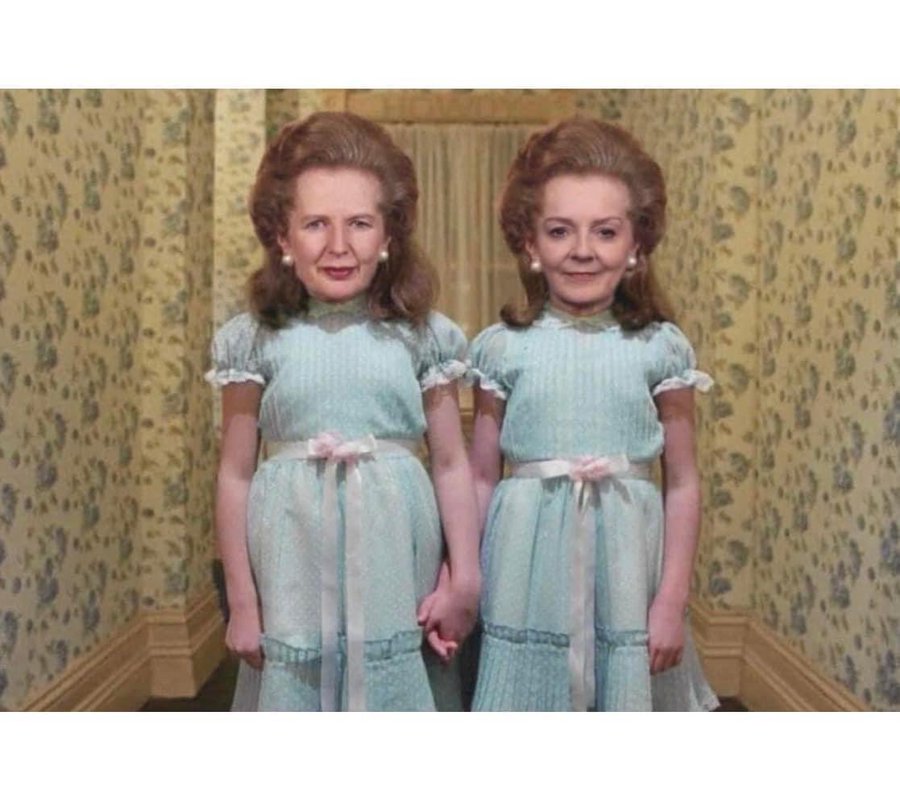
As I write this blog, we await the detail of what on earth government are going to do to prevent millions of our nations’ populations plummeting headlong into poverty. It is our nations in the plural because as it stands, we are a union of nations under the banner Great Britain; except that it doesn’t feel that great, does it?
As autumn begins and we move into winter we are seeing momentum gaining for mass strikes across various sectors somewhat reminiscent of the ‘winter of discontent’ in 1979. A few of us are old enough to remember the seventies with electricity blackouts and constant strikes and soaring inflation. Enter Margaret Thatcher with a landslide election victory in 1979. People had had enough of strikes, believing the rhetoric that the unions had brought the downfall of the nation. Few could have foreseen the misery and social discord the Thatcher government and subsequent governments were about to sow. Those governments sought to ensure that the unions would never be strong again, to ensure that working class people couldn’t rise up against their business masters and demand better working conditions and better pay. And so, in some bizarre ironic twist, we have a new prime minister who styles herself on Thatcher just as we enter a period of huge inflationary pressures on families many of whom are already on the breadline. It is no surprise that workers are voting to go on strike across a significant number of sectors, the wages just don’t pay the bills. Perhaps most surprising is the strike by barristers, those we wouldn’t consider working class. Jock Young was right, the middle classes are staring into the abyss. Not only that but their fears are now rapidly being realised.
I listened to a young Conservative member on the radio the other day extolling the virtues of Liz Truss and agreeing with the view that tax cuts were the way forward. Trickle down economics will make us all better off. It seems though that no matter what government is in power, I have yet to see very much trickle down to the poorer sectors of society or for that matter, anyone. The blame for the current economic state and the forthcoming recession it seems rests fairly on the shoulders of Vladimir Putin. Now I have no doubt that the invasion of Ukraine has unbalanced the world economic order but let’s be honest here, social care, the NHS, housing, and the criminal justice system, to name but a few, were all failing and in crisis long before any Russian set foot in the Ukraine.
That young Conservative also spoke about liberal values, the need for government to step back and to interfere in peoples lives as little as possible. Well previous governments have certainly done that. They’ve created or at least allowed for the creation of the mess we are now in by supporting, through act or omission, unscrupulous businesses to take advantage of people through scurrilous working practices and inadequate wages whilst lining the pockets of the wealthy. Except of course government have been quick to threaten action when people attempt to stand up for their rights through strike action. Maybe being a libertarian allows you to pick and choose which values you favour at any given time, a bit of this and a bit of that. It’s a bit like this country’s adherence to ideals around human rights.
I wondered as I started writing this whether we were heading back to a winter of discontent. I fear that in reality that this is not a seasonal thing, it is a constant. Our nations have been bedevilled with inadequate government that have lacked the wherewithal to see what has been developing before their very eyes. Either that or they were too busy feathering their own nests in the cesspit they call politics. Either way government has failed us, and I don’t think the new incumbent, judging on her past record, is likely to do anything different. I suppose there is a light at the end of the tunnel, we have pork markets somewhere or other.
Share this:


Do You Remember the Time? At the Lynching Memorial
On September 11, 2021 I visited the Lynching Memorial, which is near the newly expanded Equal Justice Initiative Museum, From Enslavement to Mass Incarceration.
At the heart of the “National Memorial for Peace and Justice” (Lynching memorial) is a vast collection of giant, rusty metal, rectangular pillars, hanging tightly together like a neatly planned and well-looked-after orchard.
Etched in each are the names of (known) lynching victims by date.
We can see that, at times, entire families were lynched.

The pillars are hung so cleverly that one has to experience this artistic installation in person.
Nonetheless, the subject of white terrorism in the deep south is heavy,
Which is perhaps why Guests are invited to visit the nearby museum before the Memorial.
One needs time to prepare.
Naturally, sandwiched between enslavement and mass incarceration exhibits,
The museum also has an array of material on lynching.
This included a giant mural of jars surrounded by videos, infographic murals, maps and
An interactive register of every known lynching by county, date, state, and name.
I’m still stuck on the mural of snapshots of actual lynching advertisements, and
Pictures of actual news reports of victims’ final words.
These were the actual final words of folks etched forever in these hanging, rusty pillars.
Ostensibly, written by war correspondents.
Standing in awe of the museum’s wall of jars, I chatted with a tall Black man about my age.
He’d traveled here from a neighboring state with his teen son to, as he said,
“See how this stuff we go through today ain’t new.”
I recounted to him what a young man at the EJI memorial had showed me a few years ago:
A man’s name who’d been lynched early last century for selling loose cigarettes –
Just like Eric Garner!
Yet, even since then,
We’ve gotten the police murders of George Floyd and Breonna Taylor,
Or even Michael Brown, Walter Scott and Philando Castile.
Amadou Diallo was shot 19 times in 1999, standing on his own stoop
And while Jayland Walker got 46 bullets this year while fleeing on foot.
Tamir Rice!
Tamir Rice was a little boy.
A little boy playing in the park. But his mere presence terrified a white man.
So he called 9-1-1 and the police showed up and shot Tamir within seconds!
We can watch the tape.
All of these martyrs are included in the museum’s growing timelines (sigh).
After their own legal work in representing the wrongfully imprisoned for damn near life,
EJI began collecting jars of dirt near every known lynching, and
If invited by local officials, EJI would offer a memorial plaque and ceremony commemorating that community’s recognition of historic injustice(s).
An open field sits next to the suspended pillars, filled with a duplicate of each pillar.
These duplicates sit, having yet to be collected and properly dedicated by each county.
These communities are denied healing, and we know wounds fester.
The field of lame duplicates effectively memorializes the festering denial in our body politic.
There are far too many unrecorded victims and versions of white mob violence, and intimidation, not just barbarous torture and heinous murder.
Outside of these few sorts of memorials,
We do have to wonder how else this rich history has stayed in our collective memories.
Too many Black families were too traumatized to talk and didn’t want to pass it to their kids.
We know many fled after any minor incursion,
Just as someone had advised Emmet Till to do,
And there’s no accounting for them and the victims’ families who fled and
Even hid or discarded any news clippings they’d seen of the events.
Yet, whites must have kept record.
Did whites collect the newspaper ads or reports of a lynching they’d attended or hoped to?
They made and sold lynching postcards, curios, and other odd lynching souvenirs.
Where are the avid collectors?
Plus, apparently, terrorists don’t just kidnap and hang someone to death,
So what did they do with all the ears, noses, fingers, and genitals they cut off?
Or eyes they plucked out?
Or scalps they shaved?
Many victims pass out from the immense pain of being tortured and burned alive, but still
I doubt all those pieces and parts got thrown in the fire, because, of course,
Plenty of pictures show entire white families there to celebrate the lynching like (a) V-day.
And in many ways, it was, and
The whites looked as if they would’ve wanted to remember.
Looks can be deceiving, but the ways whites were also bullied into compliance is real.
Still, my mother swears that some white families’ heirlooms must include
Prized, preserved pieces of Nat Turner.
Ooh, wouldn’t that be a treasure that would be.
Plus, given the spate and state of anti-Black policing and violence,
Our democracy, nay, our Constitution itself, is as rusty as these pillars.
The pillars resting in the field remind us not only the work left to do, but also, it’s urgency.
How many more pillars may we still need?
How many amendments did will freedom take?
It goes to show how great thou art now!
See: Slave Ads at the EJI Museum
Share this:


Criminology First Week Activity (2021)

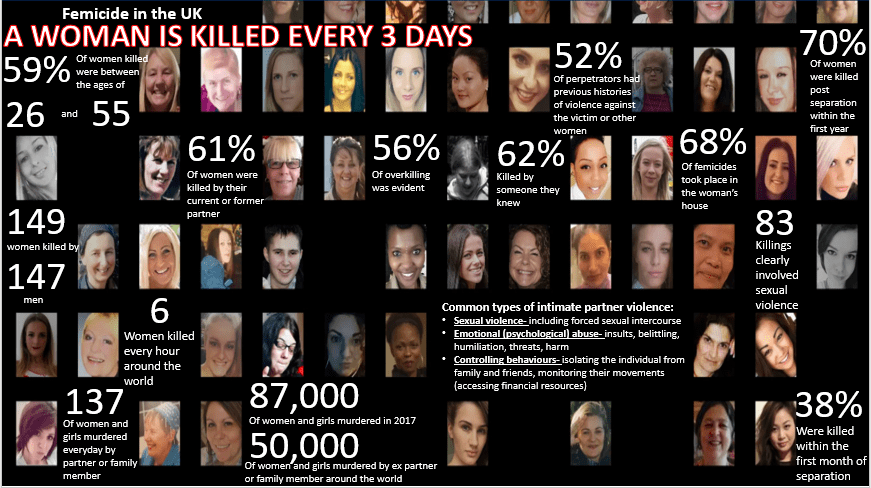
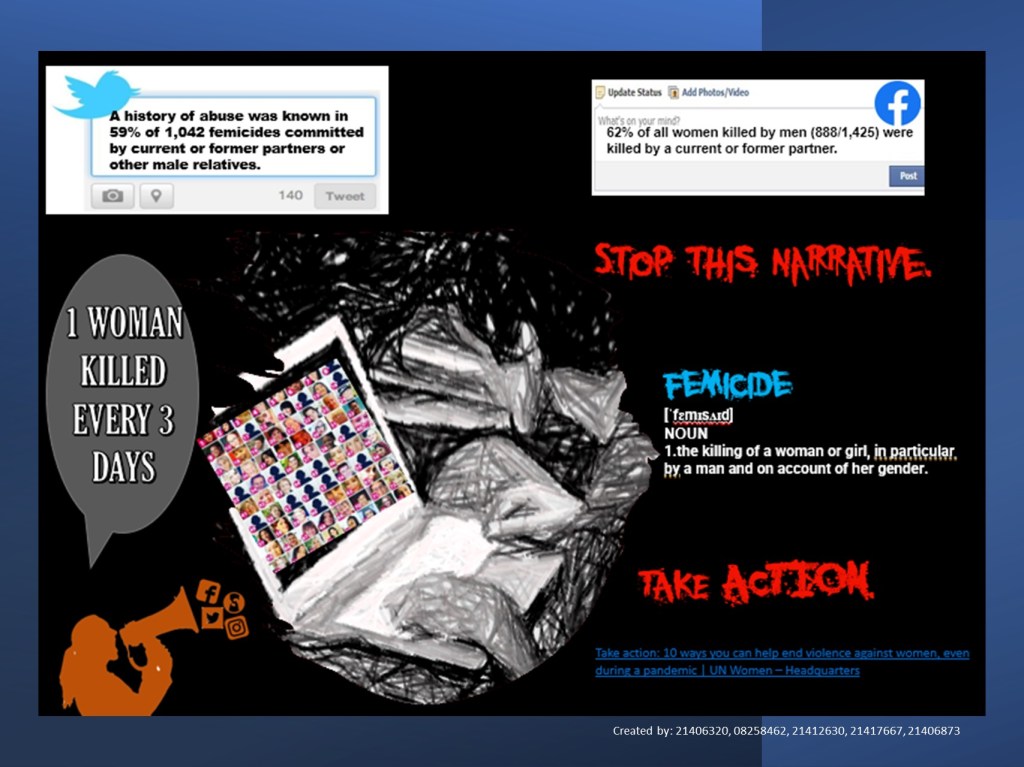
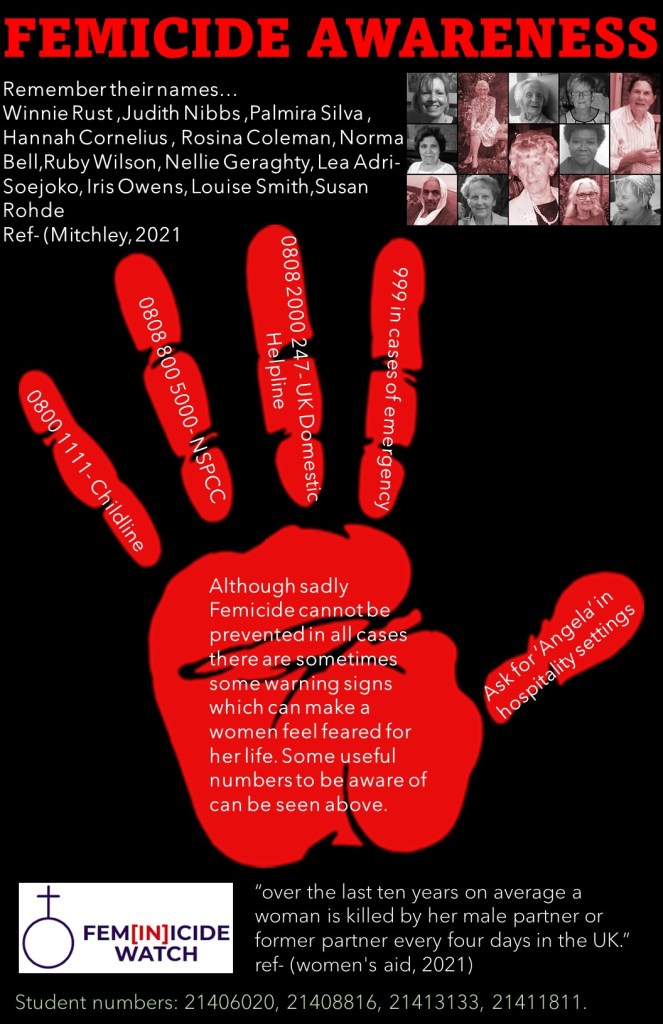
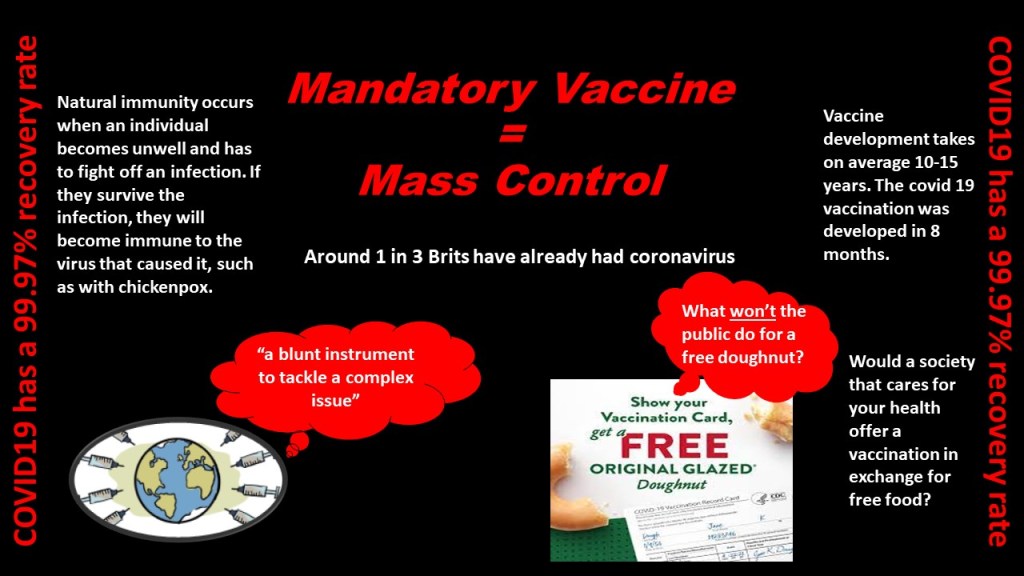
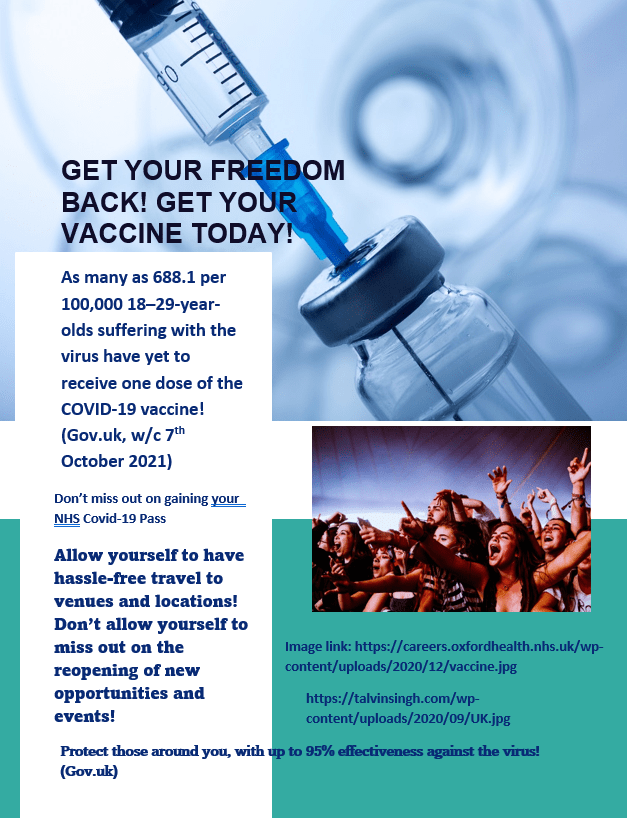
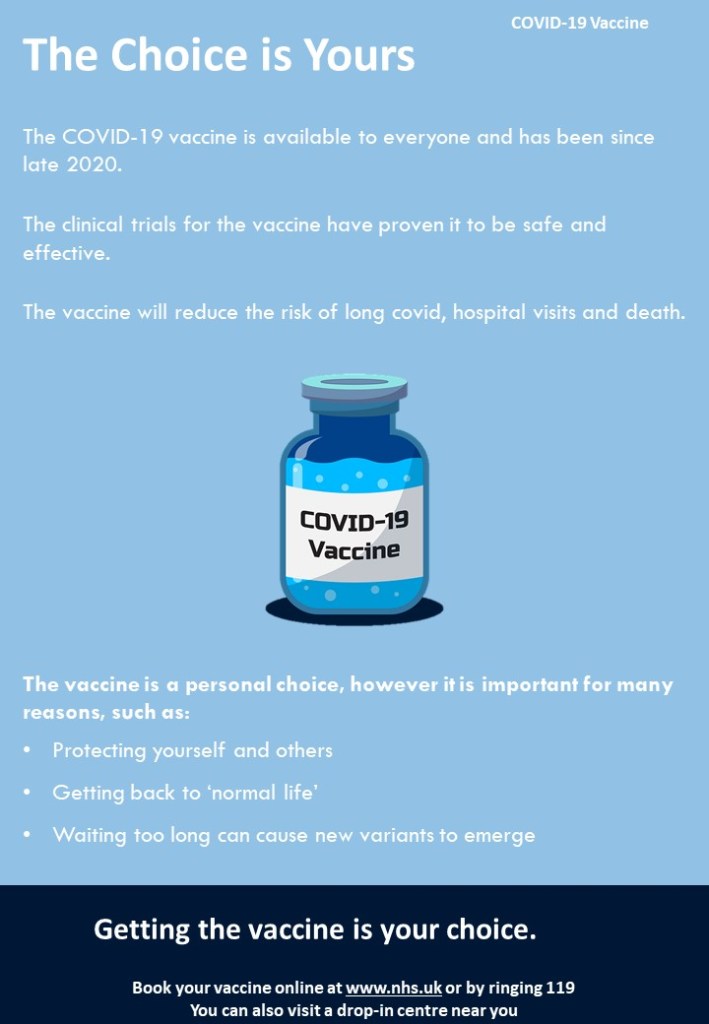
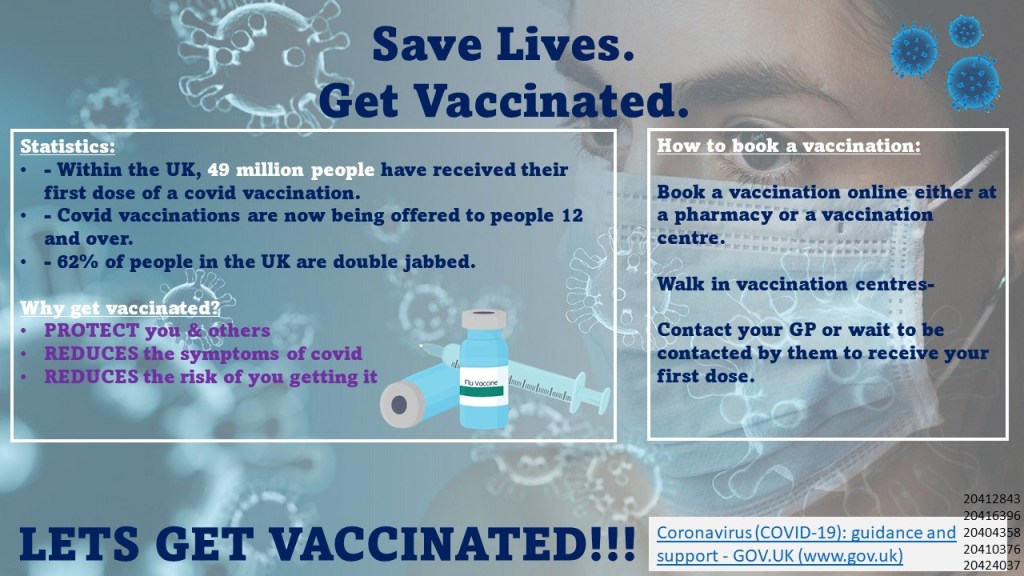
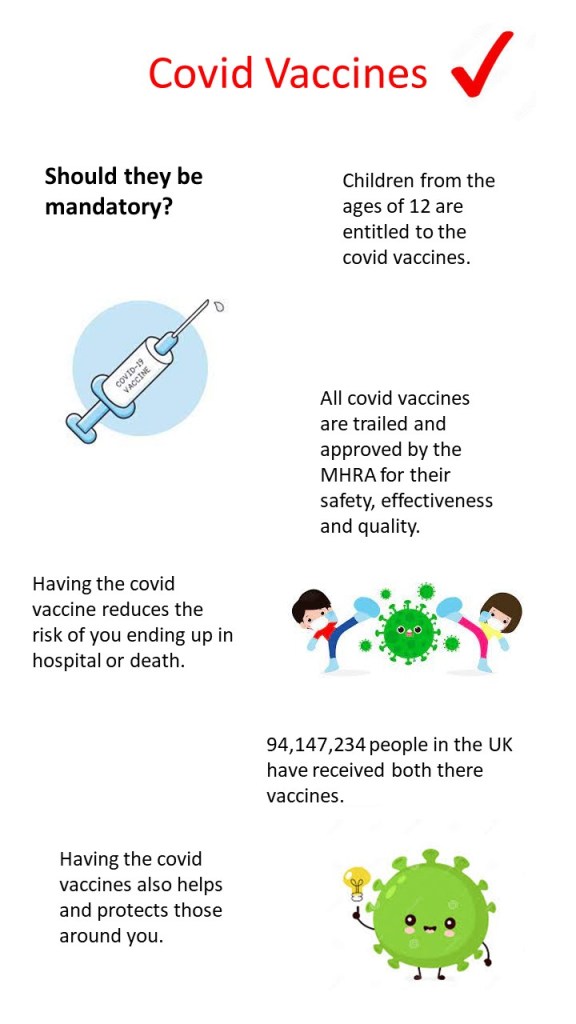
Before embarking on a new academic year, it is always worth reflecting on previous years. In 2020, the first year we ran this activity, it was a response to the challenges raised by the Covid-19 pandemic and was designed to serve two different aims. The first of these, was of course, academic, we wanted students to engage with a activity designed to explore real social problems through visual criminology, inspiring the criminological imagination for the year ahead. Second, we were operating in an environment that nobody was prepared for: online classes, limited physical contact, mask wearing, hand sanitising, socially distanced. All of these made it very difficult for staff and students to meet and to build professional relationships. The team needed to find a way for people to work together safely, within the constraints of the Covid legislation of the time and begin to build meaningful relationships with each other.
The start of the 2021/2022 academic year had its own pandemic challenges with many people still shielding, others awaiting covid vaccinations and the sheer uncertainty of going out and meeting people under threat of a deadly disease. After taking on board student feedback, we decided to run a similar activity during the first week of the new term. As before, students were placed into small groups, advised to take the default approach of online meetings (unless all members were happy to meet physically), provided with a very short prompt and limited guidance as to how best to tackle the project. The prompts were as follows:
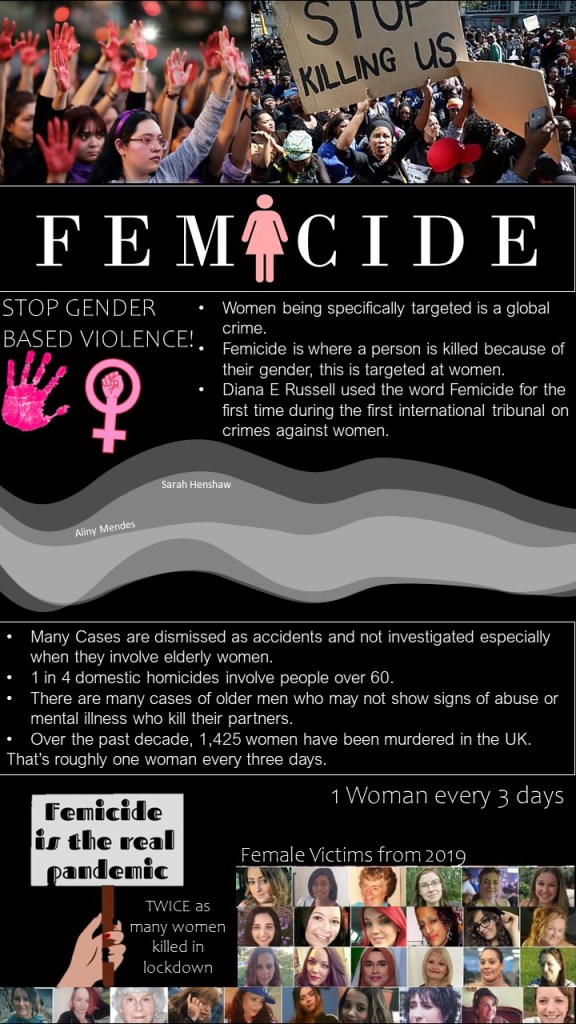
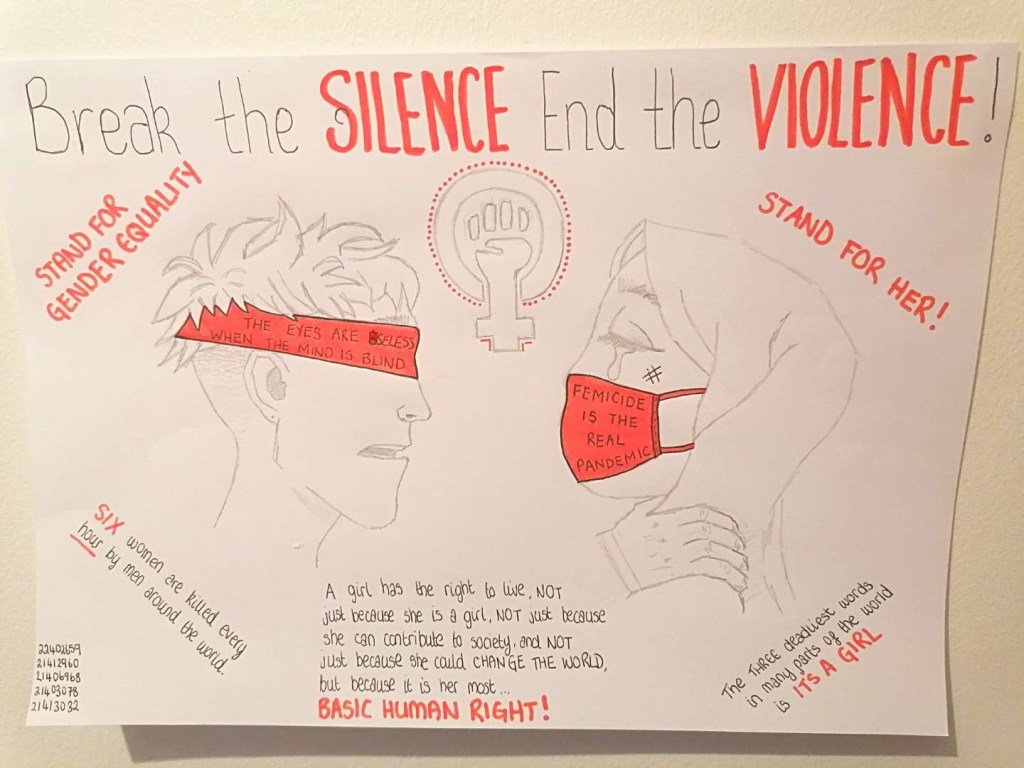
Year 1: Femicide
Year 2: Mandatory covid vaccinations
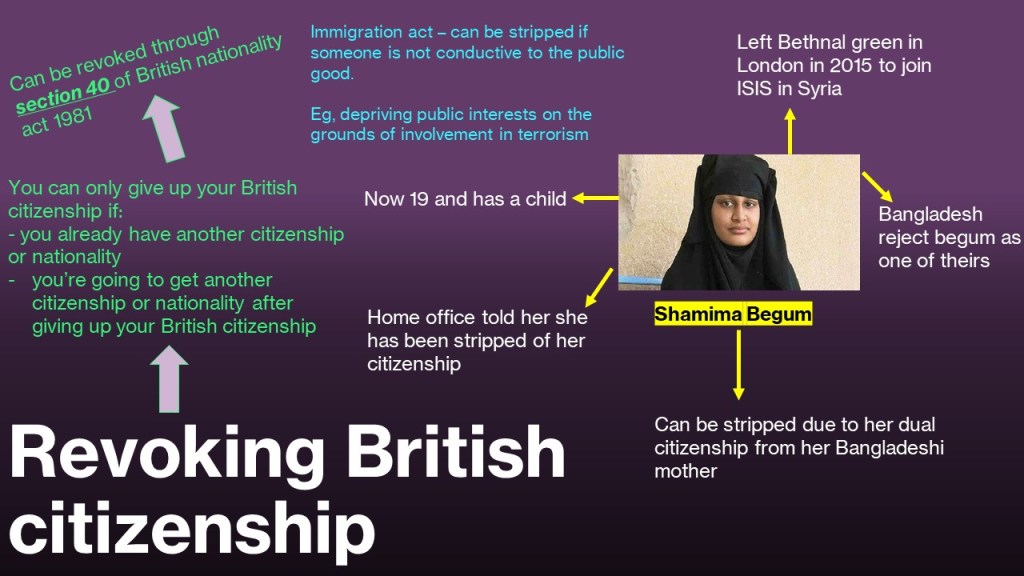
Year 3: Revoking British citizenship
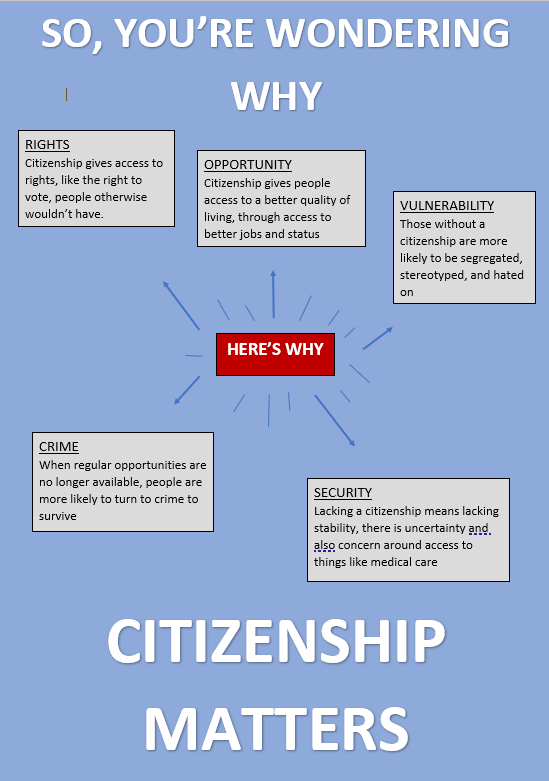
Many of the students had never physically met, yet managed to come together in the midst of a pandemic, negotiate a strategy, carry out the work and produce well designed and thoughtful, criminological posters.
As can be seen from the collage below, everyone involved embraced the challenge and created some remarkable posters. Some of these have been shared previously across social media but this is the first time they have all appeared together in one place.
I am sure everyone will agree our students demonstrated knowledge, understanding, resilience and stamina. We will be running a similar activity for the first week of the academic year 2022-2022, with different prompts to provoke thought and encourage dialogue and team work. We’ll also take on board student and staff feedback from the previous two activities. Plato once wrote that ‘our need will be the real creator’, put more colloquially, necessity is the mother of all invention, and that is certainly true of our first week activity.
Who knows what exciting ideas and posters will be demonstrated this time, but one thing is for sure Criminology students have the opportunity to flex their activism, prepare to campaign for social justice, in the process becoming real #Changemakers.
















Share this:


The Good Doctor has me thinking…

Recently I have begun watching ABC’s The Good Doctor, which is a medical drama based in the fictional, yet prestigious, San Jose St Bonaventure Hospital and follows the professional and personal journeys of a number of characters. The show is based on a South Korean tv medical drama called Good Doctor and is produced by Daniel Dae Kim and developed by David Shore (creator of House). The main character is Dr Shaun Murphy who has Autism. He is a surgical resident in the early seasons and the show focuses on how Dr Murphy navigates his professional and personal life, as well as how the hospital and other doctors, surgeons, nurses and patients navigate Dr Murphy’s style of communication and respond to him. As a medical drama, in my humble opinion, it is highly entertaining with the usual mix of interesting medical cases and personal drama required. The characters are also relatable in a number of different areas. As a springboard for a platform to talk about equality, equity and fairness, it is accessible and thought-provoking.
A key focus of the programme is the difficulty Dr Murphy has with communication. Well, I say difficulty in communicating, but in actuality I would say he communicates differently to what is recognised as an ‘accepted’ or ‘normal’ form of communication. Dr Murphy struggles to express emotions and becomes overwhelmed when things change and are not within his controlled environment. A number of his colleagues adapt their responses and ways of interacting with him in order to support and include him, whereas others do not and argue that despite his medical brilliance, and first-rate surgical skills, he should not be treated differently to the other surgical residents, as this is deemed unfair.
Whilst watching, the claims of treating all surgical residents equally, and ensuring the hospital higher-ups are being fair; notions of John Rawls’ writing scream out at me. Students who have studied Crime and Justice should be familiar with Rawls’ veil of ignorance, liberty principles and difference principle, in particular with its reference to ‘justice’. But the difference principle weighs heavily when looking at how Dr Murphy functions within the hospital institution with its rules, procedures and power dynamics which clearly benefit and align with some people more so than others. Under the veil of ignorance, maybe an empathetic doctor or surgeon is not required, but a competent and successful one is? Maybe being empathetic is a personal circumstance rather than an objective trait? For Rawls, it is important that the opportunity to prosper is equal for all: and this might mean the way this opportunity is presented is different for different individuals. Rawls asks us to consider a parallel universe and what could be (a popular stance to take within the philosophical realm): why can’t people with autism be given the chance to save lives and perform surgeries just because they cannot communicate in a way deemed ‘the norm’ when dealing with patients.
It is possible that I am over-thinking this. And when I ask my partner about it, they raise questions about why Dr Murphy should be given different opportunities to the other residents and the harm Dr Murphy’s communication barriers could and do cause within the series. But I feel they are missing the point: it is not about different opportunities, its about different methods to ensure they all have the same opportunity to succeed as surgeons. It is not about treating everyone the same, which might on the surface appear to be fair, it is about recognising that equal treatment involves taking account for the differences. Why should Dr Murphy be measured against norms and values from an institution which is historically white, non-disabled, male, and cis-gendered? This might appear to be a lot of thought for a fictional medical drama, but to reiterate it’s an excellent programme with plenty to think about…
Bibliography:
Rawls, J. (1971) A Theory of Justice. Oxford: Oxford University Press.
Ryan, A. (1993) Justice. Oxford: Oxford University Press.
Share this:


Food Banks: The Deserving vs Undeserving

A term that has been grating on me recently is ‘hard work’. I have had a recent bout of watching lots of television. From my observations it appears that more commentators within the media have grasped the idea that the continued need for Food Banks in the United Kingdom is awful. Yet commentators still continue with the same old deserving/undeserving tripe which has existed for centuries (which CRI2002 students are well-aware of). That being, that we should be concerned about food banks… ‘because now even hard-working people are using them!’, aka those within formal (preferably full-time) employment.
What is it that is not being said by such a statement? That being unable to survive off benefits is perfectly fine for people who are unemployed as they do not deserve to eat? If that is the case perhaps a reconsideration of the life experiences of many unemployed people is needed.
To provide some examples, a person might claim unemployment benefits because they are feeling mentally unwell or harmful to themselves but a variety of concerns have prevented them from seeking additional support and claiming sickness benefits, in this situation working hard on survival might be prioritised over formal employment. Another person might sacrifice their work life to work hard to unofficially care for relatives who have slipped through cracks and are unknown to social services, whilst not reaching out for support due to fear/a lack of trust social services – they have good reasons to be concerned. Some people might have dropped out of formal employment due to experiencing a traumatic life event(/s) which means that they now need to work hard on their own well-being. Or, shock-horror, people may be claiming unemployment benefits because they are working hard post-pandemic to find a job which pays enough for them to survive.

Let’s not forget that many of those who access Food Banks are on sickness benefits because they cannot work due to experiencing a physical and/or mental health disability. The underserving/deserving divide appears to be further blurred these days as those who claim sickness benefits are frequently accused of being benefits cheats and therefore undeserving of benefits and Food Bank usage. Even so, the acknowledgement of disability and Food Bank usage within the media is rare.
Is it really ok to perceive that the quality of a person’s life and deserved access to necessities should depend on their formal employment status?
There is twisted logic in the recent conservative government discourse about hard work. There is the claim that if we all work hard we will reap the rewards, yet in the same breath ‘deserving hard workers’ are living from payslip to payslip due to the cost of living crisis, poor quality pay and employment. Hence the need to use Food Banks.
The conservatives hard working mantra that all people can easily gain employment is certainly a prejudiced assumption. With oppressive, profit seeking, exploitative and poor quality employment there is little room allowed for humans to deal with their personal, family life pains and struggles which makes job retention very difficult. Perhaps the media commentators need a re-phrase: It is awful that any person needs to use a Food Bank!

 Thoughts from the criminology team