
Home » 2020 (Page 2)
Yearly Archives: 2020

Affirm Urself
I love you.
You are beautiful.
I know you can do anything.**
- Record this on your phone.
- Listen regularly especially when in doubt, love or trouble.
- Encourage others.
This is just one of the ways we can build the “strength to love,” as Dr Martin Luther King urges in his eponymously titled book. I use this affirmation with my students in order to encourage them to build confidence, self-esteem and become aware of any self-loathing they many carry. It takes confidence to listen to others before speaking one’s own mind and embrace change. It’s easy to be toxic, especially online. It takes guts, however, to resist insulting others who have differing perspectives. It takes tenacity to think twice and NOT respond with greed, anger or stupidity (i.e. to lead a life freer of GAS).
Certainly, those who labour in the classroom have often come to realize that in addition to teaching our subject matter, we’re often teaching people how to become more confident. Nowhere is this more visible than in urban Asia, filled with youth, sandwiched between cultures online, wedged between generations that have steep distinctions. Youth in Asia are regularly assaulted with all the wonders of the world right in their pockets, but confronted with the reality of ‘development’. They’re often to young/inexperienced to recognize that no nation is ‘there’ yet, so they falsely hold up the west as a beacon of hope. I say hold up a mirror to one’s self, with the fierce determination to see nothing but love and acceptance. THAT, my friends, is development.
**Adapted from Lizzo, live at Glastonbury 2019. See here move the crowd here: https://www.youtube.com/watch?v=QnIbJi_jWII
Then she has the crowd say: “I love you Lizzo. You are beautiful, girl. And you can do anything, b*tch. Do it on your good days, but especially do it on your bad days ’cause that sh*t is like medicine, man!”
Share this:


Tré Ventour: His Northants Male Role Model of the Year Speech in Full
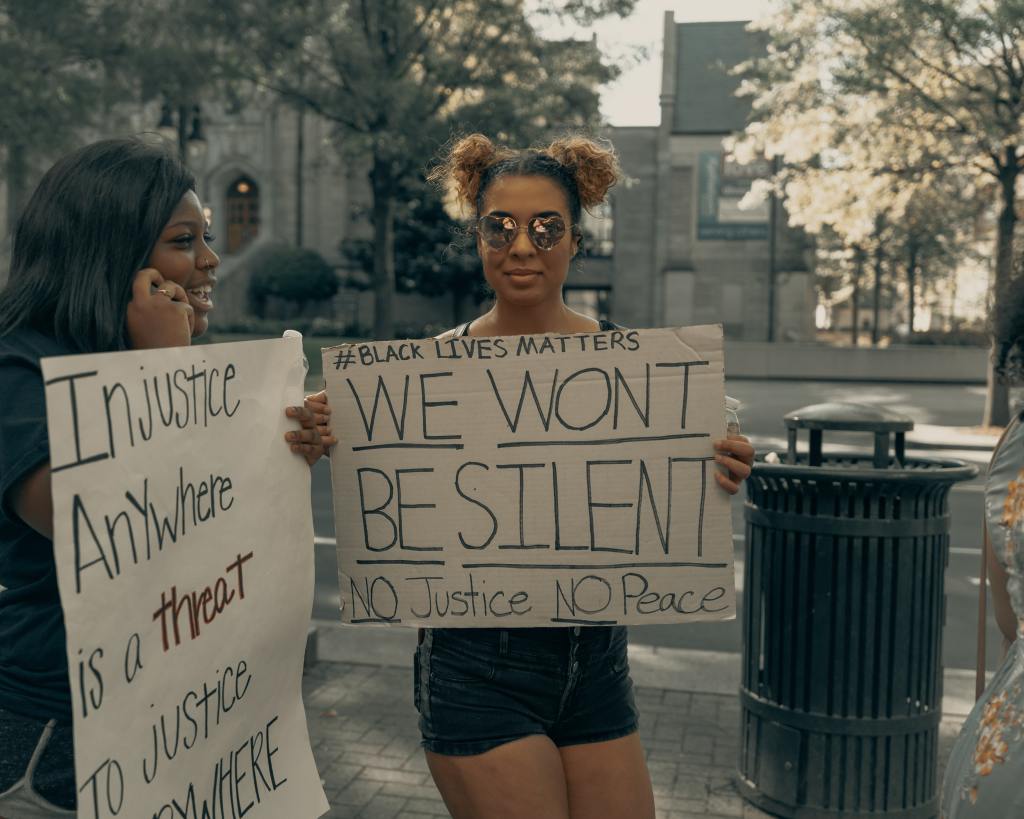
I think I speak for most people when I say, nobody expected 2020. The Coronavirus pandemic tied with the murder of George Floyd by American police officers and the subsequent anti-racism protests across the UK, the US and the rest of the world has created what one would call a perfect storm. 2020 has allowed Northampton and the county as a whole to show us who it is, who the people are in their hearts and real the definition of community. I started this year thinking about the Windrush Scandal, as that injustice has continued through the pandemic with the prolonging of the government’s hostile environment policies.
Wendy Williams’ Windrush Lessons Learned report published in March (just as we went into the first lockdown) struck a note for me, as members of that Windrush Generation would also have been caught up in the Coronavirus pandemic, a contagion that has disproportionate outcomes against Black, Brown and ethnic minority communities. Being nominated for this award really took me by surprise, as it was totally unexpected. I have come to realise that what people and in some cases me myself have defined as activism, is simply doing what I think to be right. The moral thing.
Pushes for equal rights like Black lives matter shouldn’t be political but they are by their nature. Whether we’re talking about Votes for Women in the early 20th century to workers’ rights with the Miners Strikes in the Thatcher era as well as the Poll Tax Riots… or even the narrative around race with Stephen Lawrence. All movements for equality have inspired me and continue to do today, including the Black Lives Matter movement and the pushes for gay rights and trans rights both now in the 21st century but also the movements from which it started dating back to Stonewall in 1969.
International Men’s Day encompasses men from all parts of society, an intersectionality of experiences: Black men, white men; gay men, straight men; trans, autistic, working-class, middle-class, immigrants, refugees… an intersectionality of experiences all worth exploring and celebrating. In the process of my activism if you want to call it that, and pushing for equality; especially in the buzzword of 2020 ‘anti-racism’, many have come to see me as a role model. First and foremost, I would like to thank my parents for showing me what activism looks like.
My parents that survived the 1980s for me to be here (not everyone was so lucky. That decade is the closest this country has to a Civil Rights-era level event. My mother growing up in Northamptonshire which back then was its own battleground in terms of racism, and also my father from Lichfield, Staffordshire having numerous experiences of racism in Birmingham and Handsworth.
They lived and survived, so I could live and survive, and my grandparents for making that trip from the West Indies… members of that Windrush Generation that give so much and take so little. People like me are my ancestors’ wildest dreams but we also have much farther to go.
So, thanks to them. I want to thank Hannah Litt, Emma Shane, Josh West and the members of Amplified NN who have come out for their community, also as activists in their own right. I want to thank Paula Bowles and Manos Daskalou, the senior lecturers of University of Northampton’s criminology department, for standing by me and supporting my work during my time at Waterside and still continueing to do so now, as colleagues and my friends.
I also want to than Anjona Roy and the team at Northamptonshire Rights and Equality Council for supporting things I have done, both as a director at NREC but also when I was at the university, and prior. I would also like to thank Rebecca Clark, Karen Adams and team at Black Lives Matter Buckingham for welcoming me into their ranks and really for allowing me to push for change in that community as well. If this pandemic has shown us anything, I think it’s that we need to stand by our words and principles.

We all need to be leaders in our communities. Too many leaders and authority figures are the embodiment of “do as I say, not say as I do.” In this award, I have tried to encompass the opposite. Stand with your community where possible and I will end with a quote from the famous slave abolitionist and human rights campaigner Frederick Douglass…
“Power concedes nothing without a demand. It never did and it never will.” And as Douglass said again, “if there is no struggle, there is no progress.” I graciously accept this award but we need to keep it pushing.
Thanks very much.
Share this:


Intolerance, frustration and stupidity
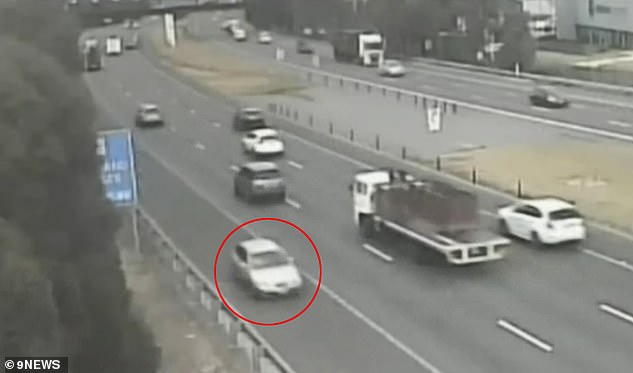
‘Stupid is, as stupid does’ a phrase that many people will recall from that brilliant film Forrest Gump, although as I understand the phrase was originally coined in the 19th century. I will return to the phrase a little later but my starting point for this blog is my colleague @jesjames50’s self-declared blog rant and an ensuing WhatsApp (other media are available) conversation resulting in a declaration that ‘maybe we are becoming less tolerant’.
So, I ask myself this, what do we mean by tolerant or intolerant and more importantly what behaviours should we tolerate? To some extent my thoughts were driven by two excellent papers (Thomson, 1971, 1985) set as reading for assessment questions for our first-year criminology students. The papers describe ethical dilemmas and take us through a moral maze where the answers, which are so seemingly obvious, are inevitably not so.
As a starting point I would like you to imagine that you frequent a public house in the countryside at weekends (I know that its not possible at the moment, but remember that sense of normality). You frequently witness another regular John drinking two to three pints of beer and then leave, getting into his car and driving home. John does not think he is incapable of driving home safely. John may or may not be over the proscribed limit (drink driving), but probably is. Would you be able to make some excuse for him, would you tolerate the behaviour?
Let us imagine that John had a lot to drink on one night and being sensible had a friend drive him and his car home. The next morning, he wakes up and drives to work and is over the proscribed limit, but thinks he’s fine to drive. Would you be able to make some excuse for him, would you tolerate the behaviour?
Of course, the behaviour becomes absolutely intolerable if he has a collision and kills someone, I think we would all agree on that. Or even if he simply injures someone, I think we would say we cannot tolerate this behaviour. Of course, our intolerance becomes even greater if we know or are in somehow related to the person killed or injured. Were we to know that John was on the road and we or someone we know was also driving on the same road, would we not be fearful of the consequences of John’s actions? The chances of us coming across John are probably quite slim but nonetheless, the question still applies. Would we tolerate what he is doing and continue with our own journey regardless?
Now imagine that John’s wife Jane is driving a car (might as well keep the problems in one family) and Jane through a moment of inattention, speeds in a residential street and knocks over a child, killing them. Can we make excuses for Jane? How tolerant would you be if the child were related to you? Inattention, we’ve all been there, how many times have you driven along a road, suddenly aware of your speed but unsure as to what the speed limit is? How often have you driven that all familiar journey and at its end you are unable to recall the journey?
The law of course is very clear in both the case of John and Jane. Driving whilst over the proscribed limit is a serious offence and will lead to a ban from driving, penalty points and a fine or even imprisonment. Death by dangerous driving through drink or drugs will lead to a prison sentence. Driving without due care and attention will lead to a fine and penalty points, death by careless driving is likely to result in a prison sentence.
So I ask this, what is the difference between the above and people’s behaviours during the Covid-19 pandemic?
Just to be clear, contracting Covid-19 may or may not kill you, of course we know the risk factors go up dependant on age, ethnicity and general health but even the youngest, healthiest have been killed by this virus. Covid-19 can cause complications, known as long Covid. Only now are we starting to see its long-term impact on both young and old people alike.
Now imagine that Michael has been out to the pub the night before and through social contact has contracted Covid but is unaware that he has the disease. Is it acceptable him to ignore the rules in the morning on social distancing or the wearing of a mask? What is the difference between him and John driving to work. What makes this behaviour more acceptable than John’s?
Imagine Bethany has symptoms but thinks that she may or may not have Covid or maybe just a cold. Should you tolerate her going to work? What if she says she must work to feed her family, can John not use the same excuse? If John’s behaviour is intolerable why should we tolerate this?
If people forget to move out of the way or get too close, what makes this behaviour any different to Jane’s? Of course, we see the immediate impact of Jane’s inattention whereas the actions of our pedestrians on the street or in a supermarket are unseen except by those close to the person that dies resultant of the inattention. Should we tolerate this behaviour?
To my colleagues that debated whether they have become less tolerant I say, no you have not. There are behaviours that are acceptable and those that are not, just because this is a new phenomenon does not negate the need for people to adhere to what are acceptable behaviours to protect others.
To those of you that have thought it was a good idea to go to a party or a pub before lockdown or do not think the rules need apply to you. You are worse than John and Jane combined. It is akin to getting drunk, jumping in your cars and racing the wrong way down a busy motorway. ‘Stupid is as stupid does’ and oh boy, some people really are stupid.
References
Thomson, Judith Jarvis, (1971), ‘A Defense of Abortion,’ Philosophy & Public Affairs, 1, 1: 47-66
Thomson, Judith Jarvis, (1985), ‘The Trolley Problem,’ The Yale Law Journal, 94, 6 : 1395-1415,
Share this:


Bang! Smash! Pow! Representation Matters. #BlackenAsiaWithLove
A superhero walks into a bar.
A reporter walks up and offers a drink.
They end up spending the night together, and a love affair ensues.
*
A superheroine walks into a bar.
A reporter walks up to her and offers a drink.
They end up spending the night together, and a love affair ensues.
*
A Black superheroine walks into a bar.
A Black reporter walks up to her and offers a drink.
They end up spending the night together, and a love affair ensues.
*
A Black superheroine walks into a bar.
A Black woman reporter walks up to her and offers a drink.
They end up spending the night together, and a love affair ensues.
That’s Black Lightning.
*
Superman and Lois Lane got to love one another, and
Wonder Woman fell in love with the first man she met.
For generations of Sci-Fi and superheroes,
Everybody was straight and white.
The Star Trek franchise has been imagining a fairer future since the 60’s, but
It’s only now -on the newest Star Trek show – that
Yellow, black, white, red and brown people portray species from throughout the galaxy.
Finally, things as fickle as religion or gender identity aren’t barriers to love.
*
I earnestly wonder if it was the creators or the audiences who couldn’t see anybody else loved, but straight white people?!?
That only straight white men could save the day.
Representation matters.
Which superhero did you see at first?
Share this:


“My Favourite Things”: Amy

My favourite TV show - This is hard! I love a box set and it depends on my mood but This Is Us for when I need a good cry and Travels With My Father or Idiot Abroad for laughs (combines my love of travel with belly laughs)

My favourite place to go - Mum and dad's. Their home and gites at Cousserat (shameless plug) in South West France is the most peaceful place I've ever been. Waking up with a view of the vines, having breakfast with my parents, running for miles and not seeing another car, the beautiful boulangeries and lively night markets. I wish I could travel over more than I do

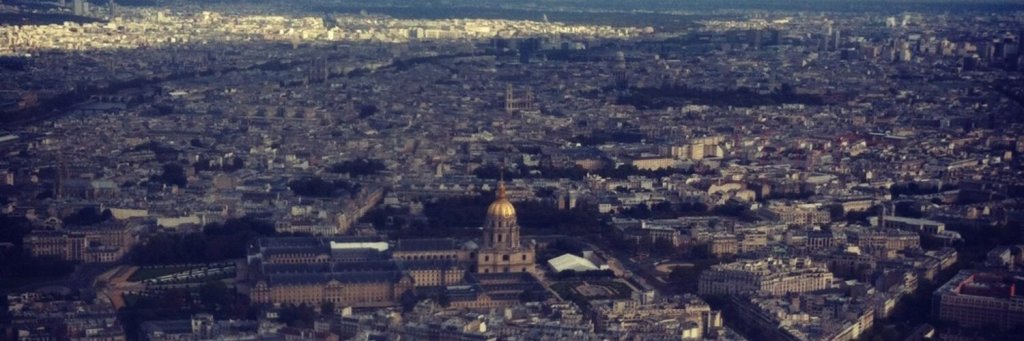
My favourite city - Paris

My favourite thing to do in my free time - CrossFit - functional fitness combining cardio, gymnastics and Olympic weightlifting elements. It's super addictive and has a real sense of community so it's my social life as well as my gym

My favourite athlete/sports personality - Any of the CrossFit women but Tia-Clair Toomey is an absolutely phenomenal athlete. Her mindset, work ethic and determination is inspiring

My favourite actor - Tom Hardy. Needs no further explanation

My favourite author - I can't remember the last time I read fiction. We're probably talking about the Jane Austen period it's been that long. If we're talking academia then Vicky Canning. We think alike and she's lovely

My favourite drink - Diet Coke but I quit for months at a time because it's addictive. I also love Caribbean Nocco and lemon and ginger tea

My favourite food - If I could only eat one food for the rest of my life it would definitely be chicken

My favourite place to eat - My own dining room but in terms of restaurants there's so much choice in Manchester I rarely eat in the same place twice!

I like people who - help others

I don’t like it when people - are racist

My favourite book - Gendered Harm and Structural Violence in the British Asylum System by Victoria Canning. It's been my go to during my PhD

My favourite book character - Jo from Little Women

My favourite film - Bridesmaids

My favourite poem - I don't know a single poem. Is that bad? I studied English Literature at Access and I don't recall what I read

My favourite artist/band - Emmy the Great has a special place in my heart

My favourite song - I can't answer this. It's like choosing your favourite child

My favourite art - I was on site during the fieldwork phase of my PhD research at a womens' group for newly arrived migrants. There was one woman who didn't speak a word of English but she loved the art activities. She created a series of tiles over a few weeks. The artwork was beautiful because of what it symbolised. The woman came in withdrawn and closed, wearing her veil tightly like it was an extra layer of protecting from the world. By the time she completed her mosaic tiles she looked taller, younger and she smiled. Her veil loosened, as did her furrowed brow. It was absolutely incredible to see the change in her. Sat with a group of women making mosaic tiles for a few weeks positively influenced her wellbeing.

My favourite person from history - I'm a woman from Manchester so it has to be Emmeline Pankhurst. Her legacy continues today in her home which is now home to a range of women's services
Share this:

My MAGA #BlackAsiaWithLove
Back in 2007-8, I didn’t spend too much time watching the build-up to the presidential election. Until then, all I knew about America was that we’d yet to atone for our original sins: Enslaving one group of people, annihilating another, while lying and bragging about freedom, justice and liberty for all. Naw, America hadn’t never been great in any way I’d like to try again. My America had never been that, so nothing about 2008 betrayed that notion, even Obama’s candidacy.
Flash fast forward to a year later, for once in my life, America was finally great. This isn’t to suggest that America had suddenly become great, but electing and inaugurating Obama was a sure flash of greatness, a threshold that we’d crossed which distinguished us from the entire history of the nation hitherto. This is why the world celebrated the Obama candidacy – distinct from his actual presidency –the will to break from the white supremacist pattern of our original sins.
My MAGA Day 1:
There weren’t massive protests against president Obama on his very first day. Nay, his successful campaign was lauded the Nobel Prize for Peace. Flash further forward to now, and we have a president who picks with his allies, bullies his party members, dismisses people of color, chides poor people, taunts the media, teases any woman in his presence. We can’t call any of this ‘character’…unless it’s preceded by a bunch of bad adjectives, like his favorite for a non-compliant woman, “nasty.”
During Obama’s 8-year presidency, when it came to addressing ‘the people’, I could see that our leader was demonstrating what it meant to MAGA. He was capable of nuance even in cultural timebombs! When a white cop arrested an upstanding Black professor on his own porch, Obama invited them both over to the White House for a beer, and ostensibly to signal the need for racial reconciliation in critical justice in general, and, in particular, in Black folks’ dealings with the police. Later, when a Black teen was murdered by a rent-a-cop, Obama wept, and lamented that that could have been his son. ‘They’ chided him for racializing the issue. ‘They’ never see patterns, so entrenched are they in the myth of their own individuality.
Throughout Agent Orange’s presidency, when we being gunned down repeatedly by cops -in our own homes, out jogging, playing in the park, driving down the street, shopping at Walmart – 45 remained silent… that is until we took a knee. Back then, circa 2016, he and his klan caught all hell fire. When we started more openly defying white supremacy, ‘they’ had our names in their mouths like liquor. They ain’t had nothing to say about the value of Black life until that undeniable 8 minutes of 46 seconds of the symbolic hooves on our necks! Some say that was the breaking point.
Flash forward to today: Agent Orange may have to be carried out of the White House – in cuff hopefully – as he refuses to concede. What’s more, the nation has elected our second Catholic president, and our first women of color as vice president, and she’s the child of immigrants, too. Has America woken up from that sad slumber?
Share this:


Step the **** back!

This blog entry comes with a content warning. This is not an eloquently written, or question raising blog post. Instead, this is what can only be described as a rant post. Sometimes its’ important for us to offload on to our friends, family, the wider public about some of the things that are getting to us. For me, it’s the small differences between Lockdown and Lockdown 2.0 which are driving my slightly mad. I wish to share an example of things that have changed between the two lockdowns we have experienced this year, and why I am offloading to you kind and wonderful readers. Although if you find you have been guilty of either of the behaviours in the example provided, please ‘step the **** back’.
The first example I wish to focus on relates to when I have been out and about running. In the first lockdown I was running regularly: those glorious heatwaves meant I ran either very early or very late. Originally I started running around some of the parks, however these soon became infested with people (regardless of what time you visited), so I began running ‘road routes’: as I like to call them. There was not much traffic during the lockdown, although still a fair amount of pedestrians to contend with. However, whenever I approached a person or pair, we made a big effort of maintaining a solid distance between us. Sometimes this meant going on the grass (thankfully dry because of the sunny sunny sun), and other times it meant me going on the road (which had little if any traffic on it). Pairs or adults with children always went in single file, and I always made an effort to smile. I did not feel at risk running during the first lockdown when I switched to the ‘road routes’ and kept it up all the way through to September. Then term started and all got a bit crazy!
However we are only a week in to Lockdown 2.0 and I am not a happy bunny! I have started running again over the past week, and on multiple occasions I have returned more frustrated and annoyed then when I left because people are not ‘stepping the **** back’. Naturally, traffic has increased (again regardless of what time I run), and the ground it wet and slippery thanks to the wet, wet rain! Therefore when it comes to approaching single pedestrians or pairs it is a bit more challenging to maintain a safe distance between us, without slipping on the grass or potentially be hit by a car. But I am not approaching single pedestrians or pairs, I’m approaching groups of people or pairs who are refusing to walk in single file despite the fact they can clearly see me approaching (I wear high vis for a reason)! I have to stop and jog on the spot in front of them just for them to pass without me slipping in the mud, or take a risk with the traffic which is not fun or safe! I’m breathing heavily, puffing away clearly not wearing a mask: why the hell won’t you step away and give me space? I’m literally breathing on you: this is not ok! We are in a pandemic!
On top of this is the even more alarming experience of visiting the post office only a few days into lockdown 2.0. I have my face covering, I have sanitised upon entering, and I go and join the queue and stand on the nice red stickers that have been laid out for us. But wait! What is this? I turn around and literally jump forwards as a person is on my shoulder! They are not standing on the red stickers which mark out where it is safe to stand, they are so close! Not ok! So I step forward, cautious of approaching the person in front and not keeping a safe distance with them. Phew, this is ok. I turn around and BAM: there they are again. SO rather than ask them to step back (they have headphones in and are staring at their phone), I construct a text message to my partner that read:
Made it to the po fine: bit of a que so might be a little while. There is a woman who is literally stood on my shoulder and keeps moving forward with me. So close she can probably read this text message. Hi, STEP BACK PLEASE! ….
I left the message up for a minute or two as I continued constructing the rest of the text. I hear a gruff grunt, I turn and the person behind me takes a HUGE step back and shoots me daggers. I smile appreciatively. Surely if you can read my message you are WAY too close! Why did you not stick to the red stickers in the first place? Lockdown 2.0 still requires us to maintain social distancing when visiting the essential shops or when out getting fresh air, yet some seem to have forgotten this. Eugh!!!
Share this:


What Kamala Harris teaches us about Mixed-Race
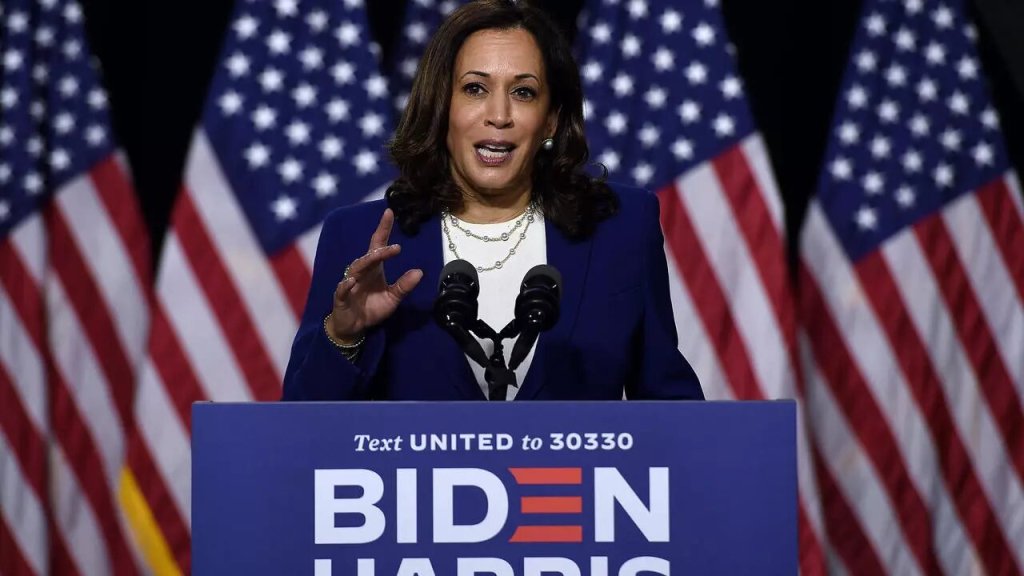
As President-elect Joe Biden has seen off Donald Trump, the one people are talking about is Vice President-elect Kamala Harris. In her appointment, and even throughout this whole campaign, it is evident that race and America are like two peas in a pod; yin and yang; ice and fire… and Biden choosing her as his Vice President provokes America’s underbelly to show its teeth. Born to a Jamaican father and Indian mother, in Britain Kamala is someone that we would call Multiracial or Mixed-Race. However, in America, they still practice the one-drop rule where one Black ancestor makes a person Black.
And you only have to look at the media headlines as well as the rhetoric on Twitter to see how she, like many Black women in past and present is a victim of misogynoir
Being celebrated in numerous places as the first Black, first Asian, first Indian, first woman Vice President; of course there were flare ups on social media and it really makes me think about identity, pertinently for people that do not fit into monracial boxes. Mixed-Race is the fastest growing racial group but it’s also the one where important conversations are not being had. Like Kamala Harris, former-President Barack Obama is Mixed-Race, raised by his white mother but he is racialised as Black. Harris’ Jamaican and Indian heritage means she is also from a Multiracial background.
Moreover, Jamaica: a place that has been home to Africans, Jews, Lebanese, white European, Indians, Chinese, white creoles and more. What happened in Jamaica is also indicative of what happened on other islands, including Trinidad, Grenada and St. Kitts & Nevis. The Caribbean by its history of migration is Mixed-Race. Blackness has a Mixed-Race history. As far as race is concerned, the Black Lives Matter movement has shown me that Black is more of a political stance and identity, than a race. Race is a construct but if we take that construct at face value, there’s millions of people like me that “look Black” (darker skin / tighter hair) who are actually Multiracial.
The Black Lives Matter movement also is making me think about how much we don’t know about Blackness, Black identity, heritage and history; furthermore, how in Black communities, this is still an uncomfortable conversation
Barack Obama was celebrated as the first Black president of the United States but his mother was white. Both Harris’ Black and Indian identities are being celebrated, as well as being the first woman Vice President. In this reflection, it can be noted what identities are being used in political football and which ones aren’t. Using Obama and Harris as a conduit, it is a reminder of the monoracial boxes that Black history is being seen through. What we also have to realise is that Black has changed meaning over time and Black is not a monolith, and neither is Mixed-Race. Blackness is fluid.
Whether we agree with her politics is another conversation entirely, and whether Harris claimed her Black ancestry prior is another discussion; we don’t know what her relationship is like with her Blackness, as the road to being one with your own racial identity is a long one… I am not sure anyone’s in a place to judge – Black, white or otherwise.
Share this:


Meet the team – Amy Cortvriend, Lecturer in Criminology
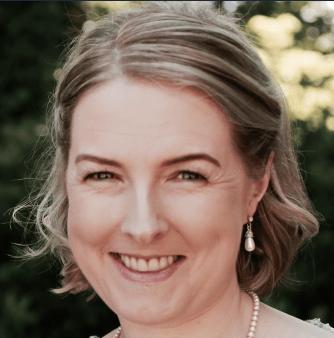
I am one of the new members of the criminology team at UoN and have joined from the University of Manchester where I have been a teaching assistant (probably the equivalent of associate lecturer at UoN) for the last couple of years while I’ve been working on my PhD. I’m looking forward to my new role as lecturer in criminology and hopefully at some point meeting students in real life, face to face. It’s a bit strange starting a new job in a new town when I’m still sat in my living room in Manchester, but the rest of the team have made me feel welcome regardless.
My journey into criminology is a funny one. I did life the opposite to many people, having my first child at 16. When my second child went to school I decided to return to education and as I didn’t have A-levels I has to undertake an Access diploma to get into university. I was required to choose three subjects and at first, I opted for English literature because I love(d) reading (I’m sure I still love reading but I’ve not read anything non-work related for a long time). I picked sociology because it sounded interesting and the same with history. At the last minute I swapped history to criminology and never looked back. From my first lesson I knew this was my future, although at that point I wasn’t sure how.
I always had imposter syndrome and never thought my work was good enough (still do today but we’ll save that for another blog post), but my Access tutor believed in me and suggested I apply to the University of Manchester. As I was a mature student, I had to attend an interview with two of the lecturers. I was super nervous, but I got a place and never left. The undergraduate degree was difficult at times because there were only a couple of mature students and they eventually dropped out. I wasn’t in halls and had kids at home, so I didn’t have the same student experience as many of my cohort, however I made some great friends particularly those who stayed to undertake our MRes.
I finished my undergraduate degree with a first and was awarded a scholarship for my research Masters’ then luckily got another studentship for my PhD which is near completion and here I am. Since I’m teaching research methods modules this year my students will be pleased to know that my BA (Hons) and MRes were heavily focussed on research methods and my PhD has given me three years of real-life research experience. My dissertations and thesis have all followed my research interests in the psychology of victimisation and border criminology. My PhD thesis explores the victimisation of refugees and how they cope. That’s all I will say about my research right now, but I will write another blog about it at some point. Probably when I’ve finished writing it and the hard work is a distant memory.
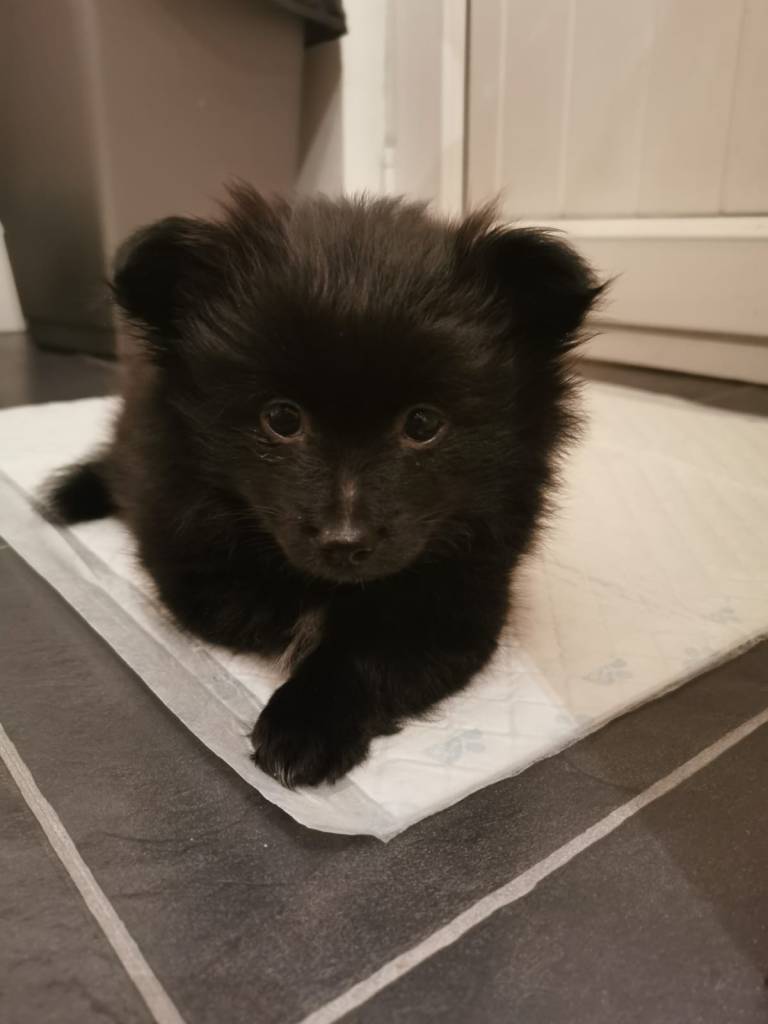
On a personal note, the daughter I had at 16 is now grown up and lives on her own and my youngest is a sassy 14-year-old girl. We have also just got our Pomeranian puppy Prince. In my free time I’m usually doing something active. I’m a Crossfitter and many of my closest friends are gym friends so the gym is both my mental health crutch and my social life. When I do eventually sit down, I love a good box set. I’m currently watching The Morning Show with Jennifer Aniston and Reese Witherspoon. Recommendations via email are welcome.
Now you know a little bit about me. I’ll look forward to getting to know all the criminology students soon, either virtually or face to face. Hopefully some of you will put your cameras on at least for a day so that when we eventually meet, I’ll know who you are.
Share this:


The Lockdown Lowdown
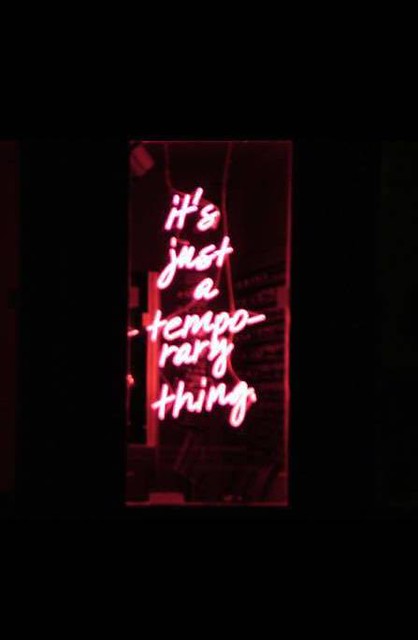
I took this photo a few years ago on a solo visit to Copenhagen, I had just quit my job and was in the process of leaving where I called home, my PTSD was certainly at its worst and the future was entirely uncertain…
A cosy Sunday evening, the flat has been hoovered, the washing is out to dry, lunch has been prepped for the following day…yet despite all of this normality me and my partner sit here on our cosy Sunday armed with the knowledge that another national lockdown is imminent. So whats next for us?
Before I explore whats next I want to reflect on what has been, it was only this time last year that my mental health was at its worst since I was diagnosed with PTSD some years ago and it was during this month last year that I found out I was pregnant. After many difficult conversations I decided that that chapter of my life was not ready to begin, not just yet, and so the guilt consumed me and I relied on anti-depressants to help me through that difficult time. Eventually as time passed so did the guilt and my mental health became stronger, because I willed it so, and after a short stint I stopped using the anti-depressants because I knew within myself I didn’t have to rely on them…
…More time passed and I found that the strength of my mental health had started to peak, I set myself goals that only I knew about and only I could achieve, I started to be critical of the people I surround myself with to ensure that I was living as authentically true to who I am as possible. This was my attempt at self care, As I withdrew from these friendships I simultaneously removed my negative addictions and repeated behaviours (drugs, alcohol, time-wasting, self-depreciation), I realised that my actions allowed me to concentrate my full energy on the things that truly matter in my life (my studies, my family, my relationship)… and then lockdown happened.
And boy was I prepared for that, I wont deny that I grew a few stretch marks and after some self hate Ive learnt to accept and love them as a natural process of my body. I realised I didn’t do much exercise during lockdown and my appetite was unruly, with zoom quiz night’s came alcohol and snacks (lots of them). Despite my growing waist I was okay mentally and yes I wont deny that having my own apartment and living with my partner helps but also having dealt with a bit of a breakdown some months prior helped order my perspective on my life, how I want to live it and how I would tackle this challenging time. As a 2nd year student I lost all hope and focus for a while as the outstanding assignments were piling up and I was heavily relying on the august submission date, I felt like I wasn’t worthy of being a university student, that I was never going to graduate and self doubt quickly reappeared into my life, Its a strange thing really during lockdown I didn’t really do anything at all, but I also never found the time to study? And the strangest thing is that actually most students felt this way and when me and my peers communicated how we were feeling we were able to support each other more and eventually those assignments were submitted and here we are… 3rd years!
So 3 days to go before lockdown 2 and how can I get through this?… how can you get through this? Undoubtedly there are many people who have dealt with a world of pain since coronavirus first graced our planet and yet in my experience I found this year to be quite grounding and it has allowed me to focus my energy on me, who I am, what I want and who I want to be (without sounding narcissistic but rather rightfully selfish), because I have no control over external happenings neither do you and thats okay. what we can do is focus on our little world; ourselves and the people around us. heres a few quotes I find to be quite relevant to this train of thought.
“To what goal are you straining? The whole future lies in uncertainty; live immediately” – Seneca
“Just keep in mind the more we value things outside our control, the less control we have” – Epictetus
“Man conquers the world by conquering himself” – Zeno
So how can you, how can we, get through lockdown? granted it may not be as-long as the last one but we’ve had a taste of normality again and so this time round it may be harder, this time we have long winter days and a lack of vitamin D combined with the uncertainty of celebrating Christmas with family looming over us, so in consideration of Epictetus’ wise words lets focus on what we can control; 1. lets schedule consistent self care( for me that comes in the medium of being disciplined, in terms of uni work.. and diet), 2. Lets move our bodies! go for a walk outside and pick up litter? (later in this blog post you’ll find some of my suggestions for walks around Northamptonshire), 3. don’t pressure yourself into being consistently pro-active! 4. do drink hot chocolate. 5. And if your sad about missing out on getting your Christmas shopping in early then try to buy from local independant businesses, you might find many local stores posting available items onto their social media pages and offering contact-free deliveries! 6. Check up on your friends and family, be mindful of keeping communication going, you don’t know who just might be struggling! 7. Buy a homeless person a warm meal!
(TIP: when looking for businesses check out this new hashtag on instagram introduced by some local Northampton businesses to get people buying more locally)… #SHOPLOCALSAVECHRISTMAS
https://www.instagram.com/explore/tags/shoplocalsavechristmas/
Overall lets focus on our own self betterment and where possible our local communities betterment (and as always wear a mask!!)
And most importantly if you are struggling then reach out to someone and let them know, as always with my posts as the focus tends to be on mental health I will provide links to the university’s, the local communities and national charities mental health resources, so please take note and rely on them if you need to.
For my previous blogs/context have a read of the following:
Navigating Mental Health at University
Navigating your mental health whilst studying at university during a worldwide health pandemic
“Joy comes to us from those whom we love even when they are absent” – Seneca
“Never let the future disturb you. You will meet it, if you have to, with the same weapons of reason which today arm you against the present” – Marcus Aurelius
“Don’t hope that events will turn out the way you want, welcome events in whichever way they happen: this is the path to peace” – Epictetus
I could continue on with a great deal more of these philosophical quotes and if you are interested in them then I’d recommend reading up on the discipline of stoicism, but if you’d like to read on you’ll find a few suggestions of areas to walk in and around Northamptonshire in aid of keeping your body moving during this lockdown, (and if you can take a bag and pick up litter).
Exploring Northampton’s Parks and Reservoirs
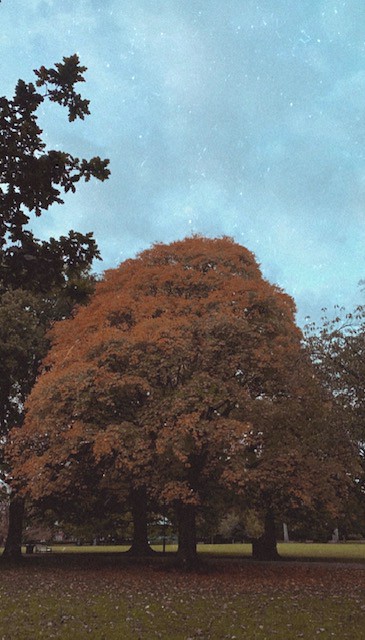
Abington Park; Located in the NN1 postcode a short distance from the town centre. The park has plenty of areas to explore with ponds, forestry areas and it offers some lovely autumnal photo opportunities, heres a particularly orangey-ember tree that caught my eye.
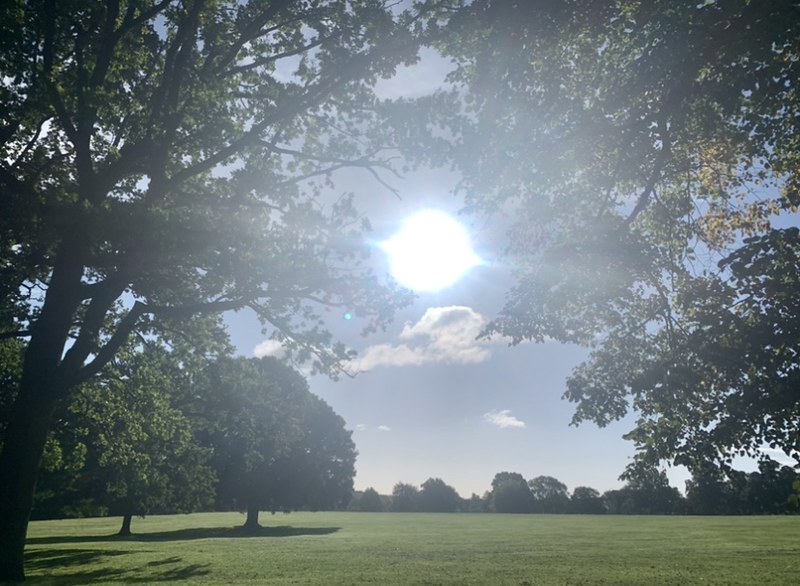

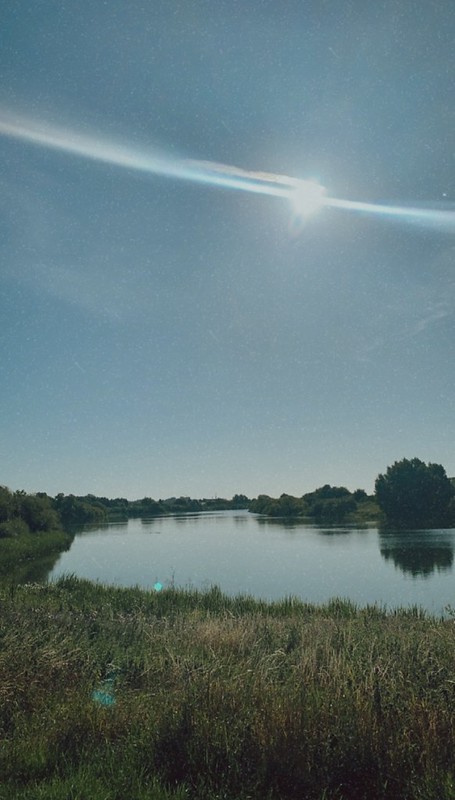
Sixfields lakes and reservoir; Unless you know of this lake you wouldn’t know it was there, Its situated a little down from the Sixfields football stadium, there is a small roundabout you can take to go up towards the cinema (Walter Tull Way), down Edgar Mobbs way, or join the A5076, and there is a fourth almost hidden turning that will take you down a road adjacent to Duston mill road, it is down this road that you will find this little gem.
There are two lakes to walk around, one being the main option where most people park up (there is parking on site) at a leisurely stroll the walk will take around an hour, you may see plenty of fishermen and lots of wildlife!
There is a second walk which I’ve only recently discovered myself, just down from the car park there is a small gate and it is through there you can explore to your hearts content!
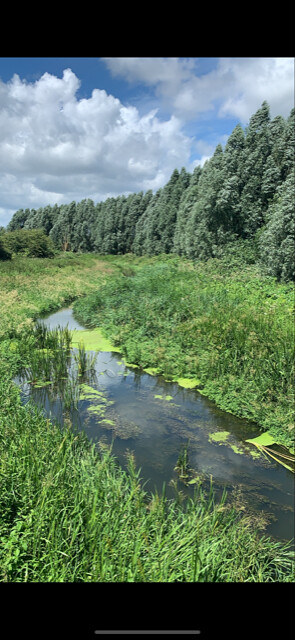
The Racecourse; I Imagine plenty of students and teachers alike will be aware of this location as it housed the university campus for many many years. As a budding criminologist I cant ignore the fact that the Racecourse has developed a rather unruly reputation for crime, I’ve personally never experienced anything and Ive lived in Northampton the majority of my life but thats not to say that it doesn’t happen, so as always be wise about your walk, perhaps avoid late night’s, let someone know where you are walking and stick to the street lights. The racecourse is a roughly 15 minute walk from the town centre and on good weather days offers views like this;

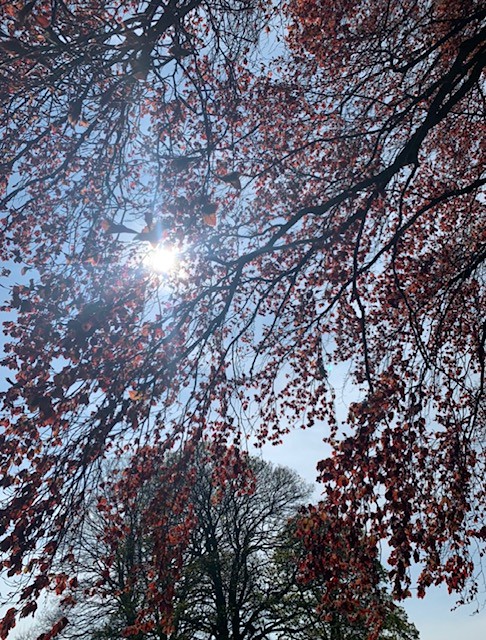
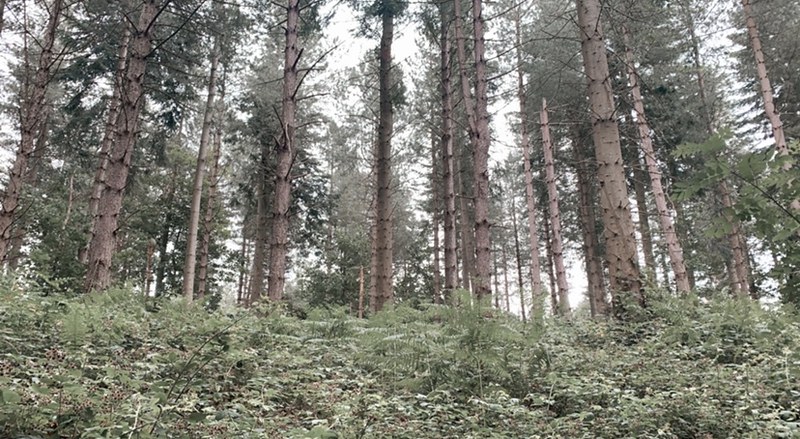
a-bit further afield: Harlestone Firs; I would recommend driving to this location if you can, there may be local busses that run in the area but I would recommend checking the COVID guidance with regard to bus routes. So Harlestone Firs is a fantastic location to get lost in the woods for a few hours, and I literally mean get lost… I have been there countless times and I still lose myself in there, but its a welcome loss. You’ll find endless amounts of huge ferns, fir trees, endless pathways and there is a working timber yard in amongst this location too. Wear boots for this spot I always choose my trusty Dr.Martens.
Brixworth Country Park/ Pitsford Reservoir; Another location you’ll likely need a vehicle to visit. This huge location offers a giant walk or a bike ride, you can of-course take your pooch with you too but keep them on a lead as theres plenty of cyclists at this location. I recently made the mistake of biking around here with the pooch on an extremely hot day and wow was that an interesting experience. There is paid parking on site or a little slip road you can park along. If you need to just take a few hours or even the whole day go and visit this location, take a packed lunch and sit and enjoy the view.
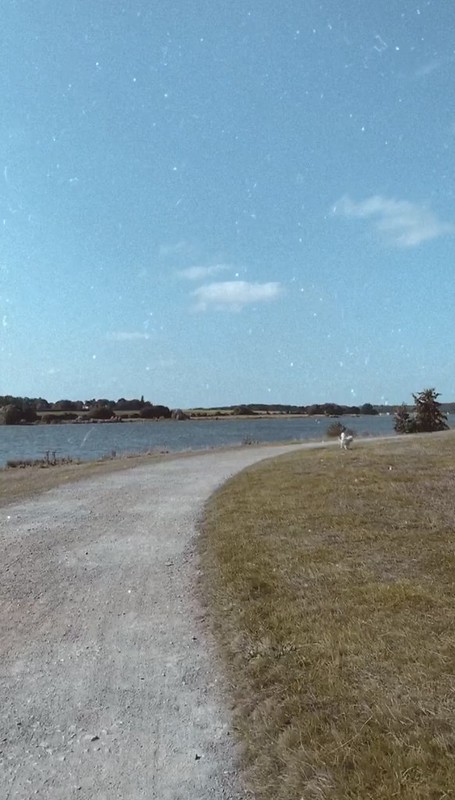
Here are some more locations that you may already know about and can explore during this lockdown, do make sure to check local COVID guidance, and even if you cant visit some locations now then make a note of them and visit them when you get a chance, Northamptonshire has such a vast amount of countryside to offer!
Becketts Park – Located just of the university campus offering a short distanced walk but plenty of wildlife and a nice view of the canals and lake.
Sywell Reservoir – You’ll likely need a vehicle to visit this location but you could also take the X46 bus (or X47?) Sywell takes around 2-3 hours to walk depending on pace, its one of my favourite spots as I grew up walking around this location.
Victoria Park and Dallington Park – Both are situated in St.James, and both are relatively small in comparison to the other locations but well worth incorporating into your daily exercise if you live within this location.
– Brackmills Country Park
– Delapre Park and Delapre Wood
– Earls Barton just of Doddington road, a pathway leading down to Summer Leys, here you can explore plenty of the river nene, beautiful views of the surrounding landscape and lots of horses!
– Rectory Farm fields; Here you can explore the fields (but be respectful of the farmers land) these fields stretch out to Overstone and Sywell, if you’d like to visit sywell reservoir and living within rectory farm then just take the fields route this route would take around 30 mins to walk to sywell reservoir and its well worth it.
So thats it for me, if you have any of your own suggestions not just in regard to walks around Northamptonshire but also how to keep your mind healthy during this next lockdown then please do comment any suggestions you might have, were all in this together!
If you’ve read this far then here’s one last quote to guide you into your day…
“The impediment to action advances action, what stands in the way becomes the way” – Marcus Aurelius
see below for references to guidance and advice.
- Counsellors – The Counsellors will listen to you and help you respond to the difficulties in your life, they will allow you to develop your abilities to address and resolve issues in your life. https://www.northampton.ac.uk/student-life/support/counselling-and-mental-health-team/counsellors@northampton.ac.uk
- Mental Health Advisors – The Mental Health Advisors will provide a private and comfortable space to discuss your mental health difficulties and work with you to develop coping strategies whilst studying. https://www.northampton.ac.uk/student-life/support/counselling-and-mental-health-team/
mha@northampton.ac.uk - Assist – Assist can give you advice and guidance for managing your disability whilst studying, for me they helped with a DSA application regarding my Anti-Depressant medication, the DSA application will give me the opportunity to have 6 appointments with the counselling team who can further help me work through my issues by providing me with a safe and comfortable space to talk. https://www.northampton.ac.uk/student-life/support/about-assist/ ASSIST@northampton.ac.uk
- Speak to your GP, they can refer you to the NHS Mental Health Services.
- https://www.nhs.uk/using-the-nhs/nhs-services/mental-health-services/how-to-access-mental-health-services/
- Other helpful support links (local and national)
- https://www.mind.org.uk/
- http://thelowdown.info/
- https://www.mentalhealth.org.uk/

 Thoughts from the criminology team